


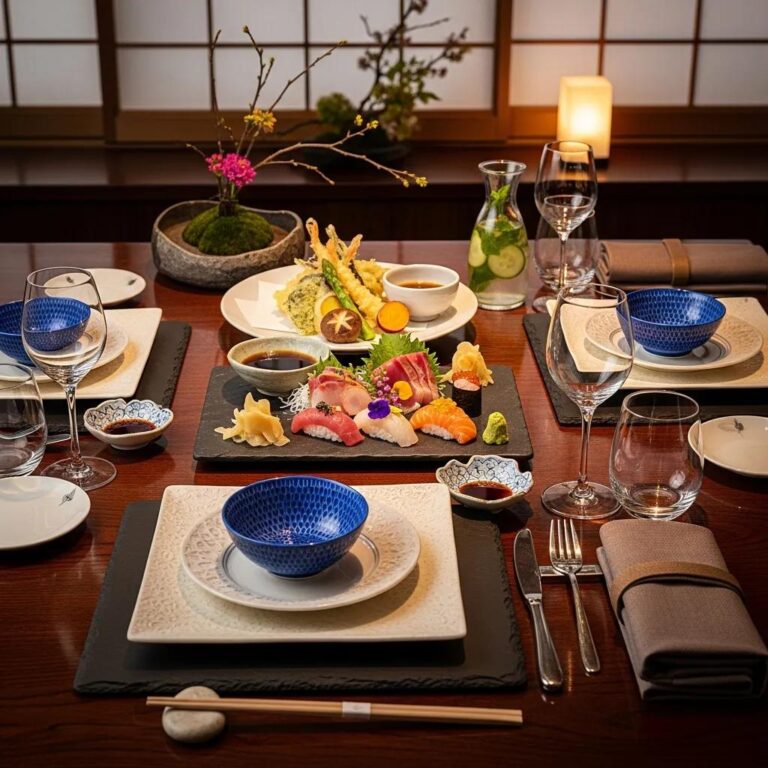

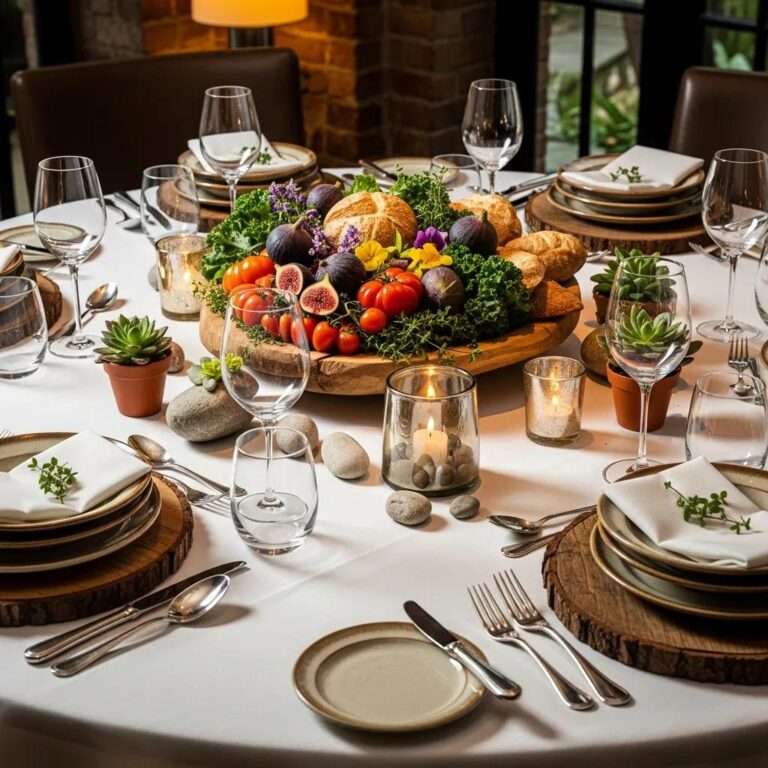
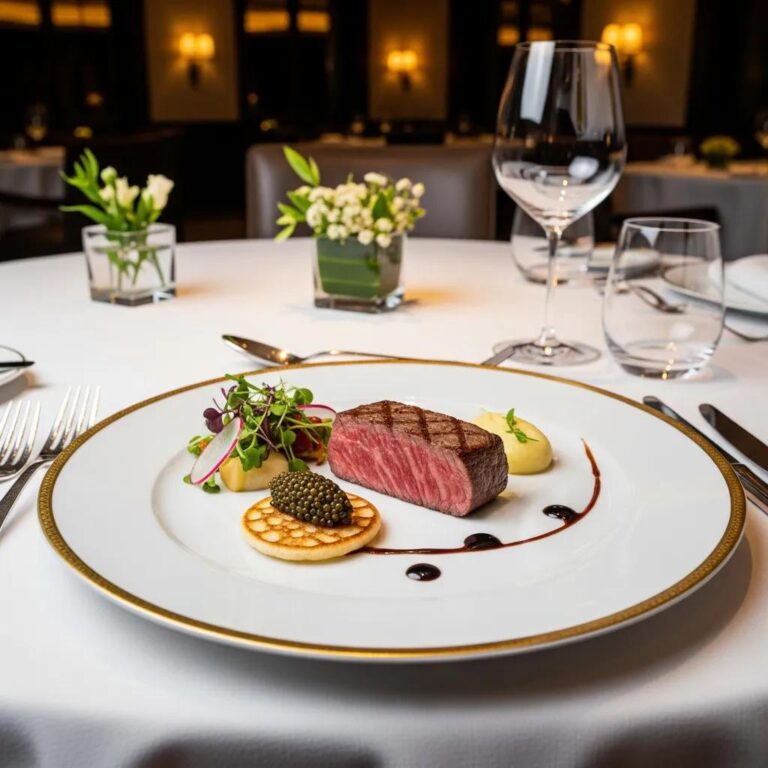

The Ultimate Guide to Fine Dining at Kaviar: Luxury Japanese Cuisine, Omakase, and A5 Wagyu
Fine dining is where craft, service and atmosphere work together to create moments worth remembering. In this guide we unpack what luxury Japanese dining looks like at Kaviar: how mood, service choreography, ingredient provenance and tightly curated formats like omakase shape the experience. You’ll learn how omakase is sequenced, why A5 Wagyu behaves the way it does on the palate, and how a thoughtful caviar service can elevate a course. We also include practical tips — from etiquette to how to reserve exclusive seating — so you arrive ready to savor every detail. Throughout, we highlight modern fine dining priorities — seasonality, sustainability and beverage innovation — and show how they combine to create exceptional Japanese dining.
What Defines a Fine Dining Experience at Kaviar Restaurant?
At Kaviar, fine dining means thoughtfully elevated food, precise service and a setting that frames each plate as its own moment. Behind the scenes, that experience depends on transparent sourcing, exacting technique and careful pacing so flavors and textures reveal themselves with purpose. For our guests, a tasting progresses from delicate openers to bolder closers, each course placed to enhance the next. Below are the core elements you can expect when dining with us.
Fine dining at its best centers on a few consistent attributes:
- An intimate, considered environment that keeps attention on food and conversation.
- Service that anticipates needs, explains provenance and technique, and paces courses for the best possible enjoyment.
- Carefully sourced, premium ingredients and presentations that emphasize texture, balance and seasonality.
Those pillars naturally inform the decisions we make about design and service choreography in the dining room.
How Does Kaviar Create a Luxurious and Intimate Ambiance?
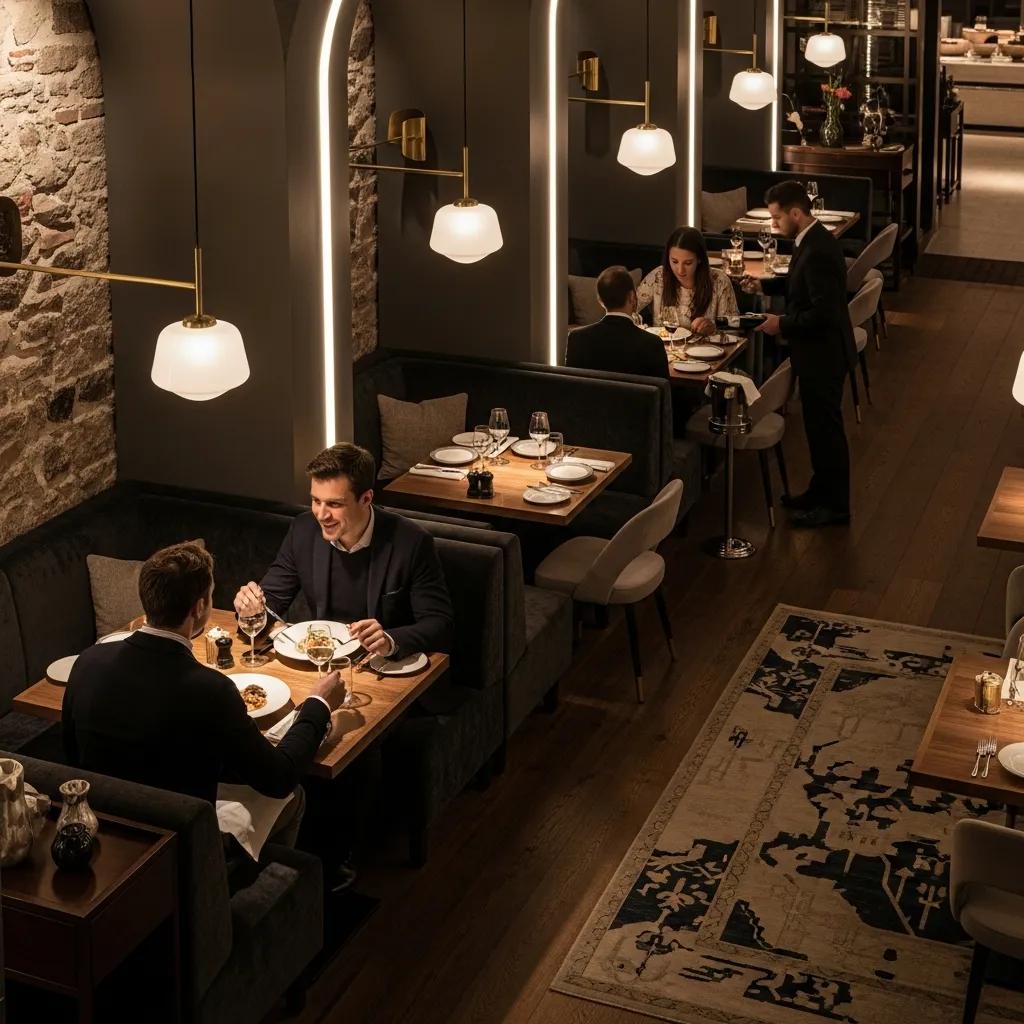
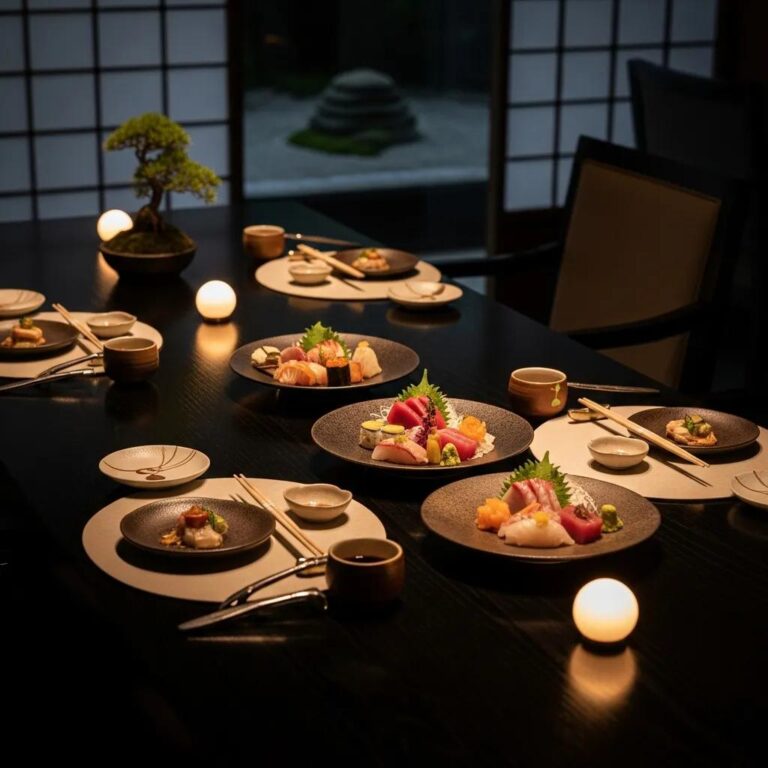
Kaviar shapes intimacy through deliberate layout and subtle sensory choices so guests feel both comfortable and engaged with the meal. Counter seating and small tables let you choose between watching the service unfold or enjoying a quieter conversation. Muted palettes and tactile materials keep distractions low and the focus on the plate, while acoustic design preserves privacy without flattening atmosphere. Visible mise-en-place and measured culinary theatre invite curiosity without upstaging the dishes themselves. This blend of visibility and privacy primes diners for a chef-led tasting and sets the stage for how service supports the meal.
Sensory Marketing in Fine Dining: How Taste and Ambience Create Luxury Experiences
Fine dining is a multisensory journey: taste and ambience work together to shape lasting impressions. This study examines how chefs and restaurateurs use texture, presentation and storytelling alongside sight, sound and touch to heighten emotional impact. Examples like omakase demonstrate how coordinated sensory cues create cohesive narratives, increasing satisfaction and reinforcing a sense of value. The paper looks at the psychology behind these choices and explains why deliberate sensory design can justify premium pricing and deepen guest connection.
How Taste and Ambience Shape Consumer Perceptions—Sensory Marketing in Fine Dining, 2024
What Role Does Impeccable Service Play in Fine Dining?
Service at Kaviar is both technical and personal: our team manages pacing, temperature and presentation while also building rapport through small, thoughtful gestures. Clear explanations about ingredients and pairings deepen appreciation, and anticipatory service — from seating to timing — keeps the evening seamless. Knowledgeable staff reinforce trust in the chef’s choices and prime guests for seasonal or premium items like A5 Wagyu or caviar. In short, careful service completes the meal’s sensory arc and prepares guests to enjoy chef-curated formats such as omakase.
For diners who prefer a focused, ingredient-forward meal, Kaviar in Pasadena offers a modern take on Japanese omakase and premium ingredients — including A5 Wagyu and curated caviar — all delivered with intimate, polished service. That local context shows how ambiance and service combine into a clear fine dining proposition.
How Does the Omakase Experience Elevate Japanese Fine Dining?
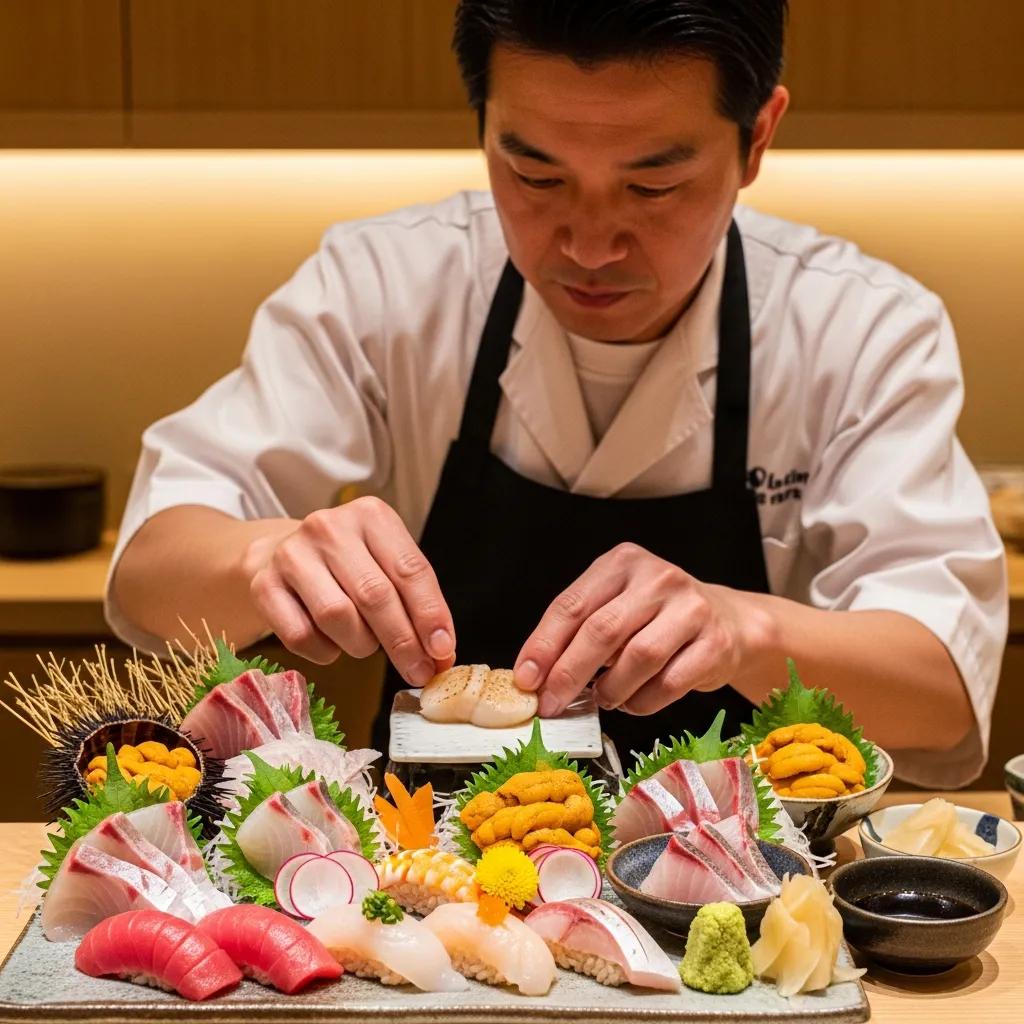
Omakase is a chef-led tasting in which you entrust the menu to the kitchen, allowing a narrative built on seasonality, technique and provenance to unfold. The chef sequences flavors, textures and temperatures so each course amplifies the one before it, creating cumulative pleasure rather than isolated highlights. Guests get a highly personal, often educational meal that showcases seasonal seafood, rare ingredients and disciplined technique — elements that are hard to replicate à la carte. Modern omakase frequently pairs beverages or includes occasional premium additions, resulting in a tightly choreographed experience centered on the chef’s expertise.
That balance of surprise and precision is most effective when provenance and technique lead the story.
What Is Omakase and Why Is It a Chef’s Culinary Journey?
Omakase — literally “I leave it up to you” — hands creative control to the chef, allowing for a tasting that highlights craft, seasonality and the kitchen’s finest produce. This format builds a relationship between diner and chef, invites tailored adjustments for tastes or dietary needs, and frees the chef to showcase rarities and specific techniques like torching, curing or delicate searing. In skilled hands, omakase reads like a story: each course is a chapter that advances texture, contrast and flavor, revealing both provenance and culinary philosophy. Chef John Hans Yeo’s style, for example, blends tradition with contemporary touches to honor seasonal sourcing and precise execution, inviting guests to experience a dynamic conversation rather than a static menu.
That chef-directed progression points to the seasonal ingredients and course roles you can expect in a modern omakase.
Which Seasonal Ingredients and Courses Are Featured in Kaviar’s Omakase?
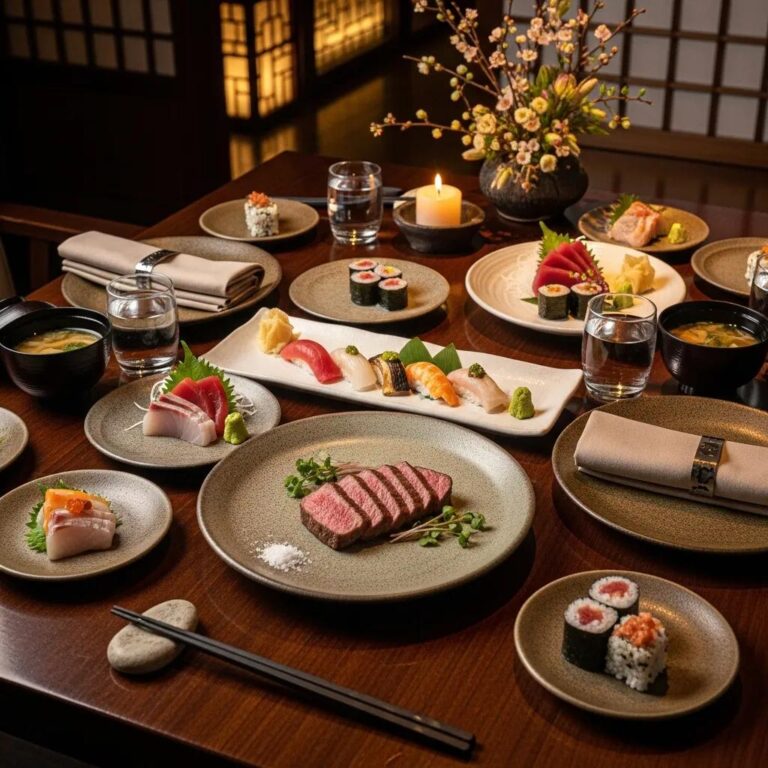
Our omakase highlights seasonal seafood, refined vegetable preparations and occasional premium interludes like A5 Wagyu or caviar. The sequence typically moves from pristine sashimi and nigiri to warm preparations that showcase technique — grilling, simmering or light searing — and then finishes with palate-cleansing elements before dessert or a sake close. We work with trusted purveyors and sustainable sources so the menu rotates with the season, encouraging discovery and repeat visits. That staged progression lets diners track technique and provenance across the meal.
Before we examine A5 Wagyu, the table below maps typical omakase course roles to seasonal ingredients for clarity.
This outline shows how course roles support the omakase narrative and prepare the palate for richer inclusions like A5 Wagyu or caviar, linking seasonal sourcing to technique.
Why Is A5 Wagyu Considered the Pinnacle of Gourmet Dining?
A5 Wagyu commands attention for its extreme marbling, silken texture and concentrated umami — qualities born of specific breeds, care in rearing and a rigorous grading system that measures fat distribution and quality. The luxury comes from intramuscular fat with a low melting point that creates a buttery mouthfeel and intensifies savory compounds, so the meat delivers long-lasting flavor with little seasoning. For diners, that means a showpiece course best enjoyed in small portions to appreciate depth and texture. Knowing how grading and preparation affect portion, pairing and pacing helps set expectations during a tasting menu.
A short comparison below translates grading and cut characteristics into practical guidance for ordering and preparation.
This quick guide clarifies common A5 presentations and suggests restrained techniques that showcase fat distribution and mouthfeel.
What Makes A5 Wagyu Unique in Quality and Flavor?
A5 Wagyu stands apart because of its extreme marbling and the biochemical nature of its fat: a lower melting point and a richness of flavor precursors that produce a buttery texture and sustained umami. Genetics, diet and careful rearing create consistent marbling, while grading systems quantify that quality so chefs and diners understand expectation and price. The result is meat that nearly dissolves on the palate and carries savory depth that needs little adornment — a reason chefs serve it simply, often as a quick sear or thin nigiri, to let the meat speak for itself. Appreciating these factors explains why small portions deliver maximum impact.
The Japanese Wagyu Beef Industry: Breeds, Fat Content, and Global Reach
Japan’s Wagyu industry centers on four native breeds — Black, Brown, Shorthorn and Polled — and the Wagyu name is now used for high-quality cattle raised in other countries as well. Recent data shows intramuscular fat in Japanese Black cattle exceeding 30% in some measures, and the breed’s genetics favor higher concentrations of monounsaturated fats than many other varieties. These breeding and rearing practices, combined with regional grading standards, underpin Wagyu’s distinctive texture and flavor profile.
The Japanese Wagyu beef industry: Current situation and future prospects—A review, 2018
Chefs translate that understanding into preparations that respect the ingredient’s delicate balance.
How Is A5 Wagyu Prepared and Served at Kaviar?
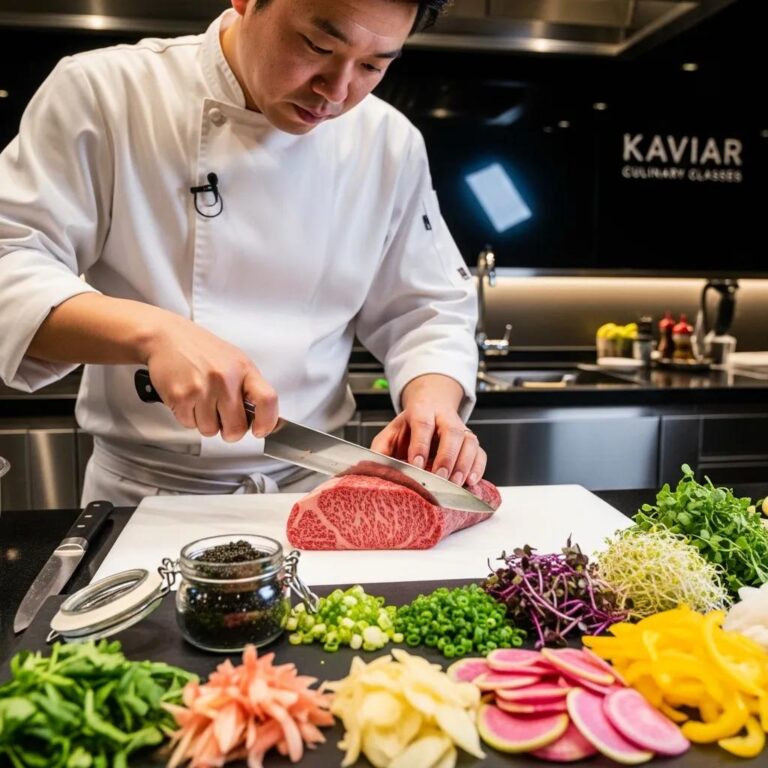
At Kaviar, A5 Wagyu is served with restraint — quick sears, lightly torched nigiri or measured plated portions that emphasize marbling and the meat’s melt-in-your-mouth texture. Techniques focus on brief, high heat or gentle torching to render fat without overcooking, and portions are kept small to preserve intensity and prevent palate fatigue. Beverage pairings favor bright, acid-driven wines or delicate sakes that cut richness while allowing nuance to shine; seasonings are minimal so the Wagyu’s intrinsic flavors lead. By placing A5 Wagyu as an occasional interlude within a tasting progression, we ensure it complements the omakase story rather than overpowering it.
With that context, we turn to how caviar service can add another layer to a luxury meal.
How Does Kaviar’s Caviar Service Enhance the Luxury Dining Experience?
Caviar brings textural contrast, saline complexity and a visual ritual that signals a special moment. The pearls’ oil and salinity interact with taste receptors to amplify savory notes and can refresh the palate between richer courses. Beyond flavor, caviar service is ceremonial — chilled presentation, specific utensils and considered pairings invite slower, more attentive tasting. When integrated thoughtfully into an omakase or à la carte sequence, caviar enhances adjacent dishes without overpowering them, provided pacing and pairings are handled with care.
Below is a simple comparison to help you choose caviar intentionally and pair it well.
What Types of Caviar Are Offered and What Are Their Distinct Flavors?
Caviar varies by species and curing, ranging from buttery, melt-in-the-mouth pearls to firmer, briny beads — each brings distinct texture and flavor roles in a tasting. Larger, creamy pearls emphasize mouthfeel and finish, while firmer beads add a bright, saline contrast that can cut through fattier preparations. Origin and maturation also shape character: shorter curing highlights fresher marine notes, while longer maturation deepens complexity. Choosing caviar in a fine dining context is about matching texture and role to the course and pairing strategy.
Thoughtful pairings determine how caviar best complements other dishes and beverages.
How Is Caviar Paired with Other Dishes and Beverages?
Good caviar pairings balance fat, acidity and texture so the pearls either elevate or contrast the dish. Acidic, effervescent beverages and neutral carriers — blinis, thin toasts or warm potato slices — provide a clean framework that lets caviar shine. Classic matches include dry sparkling wines and delicate sakes, which refresh the palate and counter richness. In omakase, caviar may be offered as a small topping on nigiri or as an accent on chilled seafood to lift the composition. Respectful presentation — keeping caviar chilled, serving with non-metal spoons and offering modest portions — preserves its delicate profile and supports mindful tasting.
These pairing principles tie back to the broader philosophy that guides our cuisine.
What Are the Essential Principles of Japanese Fine Dining at Kaviar?
Japanese fine dining at Kaviar is about balance, seasonality, minimal intervention and exacting technique. Every element — from ingredient choice to plating — aims for harmony between taste, texture and visual composition. The guiding principle is restraint: let great ingredients speak through refined technique rather than heavy sauces. The result is clarity of flavor and a focused sensory experience where each component has purpose. Modern concerns like sustainability and beverage creativity are woven in thoughtfully, letting provenance stories and inventive pairings complement time-honored technique.
These principles shape both the dishes we serve and how we ask guests to engage with the meal.
How Does Kaviar Incorporate Tradition and Modernity in Its Cuisine?
We combine classical Japanese techniques — precise knife work, exact rice preparation and strict temperature control — with contemporary presentations and pairings that reflect sustainability and beverage-driven trends. You’ll find dishes rooted in tradition, such as nigiri and simmered courses, alongside inventive pairings and plating choices that highlight texture and visual balance. Our sourcing favors seasonal seafood and responsibly managed suppliers, reinforcing a modern sustainability narrative without compromising craft. The result feels authentic and forward-looking, inviting guests to appreciate continuity and innovation together.
Those creative choices also suggest certain expectations for guest behavior and etiquette in the dining room.
What Are the Key Etiquette Tips for a Memorable Fine Dining Visit?
Simple etiquette helps you get the most from a tasting: arrive on time, tell us about dietary restrictions in advance, keep conversation at an appropriate volume, and follow the chef or server’s pacing. At a counter-style omakase, avoid interrupting service choreography; feel free to ask informed questions about provenance or technique while respecting the flow of the meal. Dress simply but thoughtfully — elegant or smart casual works well — and keep phone use discreet so all guests can enjoy the evening. These small courtesies create a shared atmosphere of respect and let the culinary narrative unfold smoothly.
Here’s a quick checklist to keep handy.
- Arrive punctually and notify staff of dietary needs ahead of time.
- Choose elegant, upscale attire that suits the restaurant’s tone.
- Keep conversation moderate and follow service pacing.
- Ask questions about dishes respectfully; allow the chef to guide the experience.
- Use phones discreetly and avoid disruptive photography.
Following these guidelines helps all guests stay present and appreciate the care behind each course.
How Can You Plan and Reserve Your Exclusive Dining Experience at Kaviar?
Planning an exclusive evening means choosing the right format, booking in advance and preparing for the etiquette and pacing that fine dining requires. Popular seats often require advance reservations via the restaurant’s booking channels and some flexibility with time slots; the benefit is assured access to the intended tasting progression and any seasonal or premium additions. For guests focused on a Japanese omakase with premium ingredients, thoughtful planning improves your chances of securing preferred seating and ensures dietary requests or special occasions are accommodated. Below are practical steps for booking and preparing for your visit.
When arranging a booking at Kaviar Restaurant, guests should consider these reservation methods:
- Resy and OpenTable for convenient online booking windows and waitlist features.
- Direct website reservations through the restaurant’s reservation page for specific requests.
- Phone reservations for personalized questions and last-minute availability.
These channels reflect the options available at Kaviar; checking multiple routes can increase your chance of landing a coveted seat.
What Are the Best Ways to Make a Reservation at Kaviar Restaurant?
The most reliable approach is to monitor platforms like Resy and OpenTable for open seating windows and to use the restaurant’s official booking form for special requests or group dining. Calling the restaurant is useful for clarifying accommodations or confirming menus, and the Google Business Profile can offer quick updates on availability. When demand is high, consider flexible dates or off-peak times and share dietary restrictions or celebration details in advance so the kitchen can tailor the omakase. Combining these strategies raises your odds of securing a desired date and gives staff time to prepare premium inclusions such as A5 Wagyu or caviar.
Once your reservation is set, consider the evening’s dress and conduct.
What Should Guests Know About Dress Code and Dining Etiquette?
We recommend elegant, comfortable attire that fits the restaurant’s refined atmosphere; arriving on time and remaining attentive during service enhances the experience for both you and the kitchen. Smart casual or business casual leaning dressy strikes the right tone without rigid rules. At counter service, keep phone use minimal, listen to course explanations and follow server guidance on pace and pairings. These small choices help you fully appreciate the progression and let the kitchen’s craftsmanship shine.
For convenience, here’s a short checklist to prepare for your visit.
- Confirm your reservation via Resy/OpenTable or the restaurant’s online booking form.
- Mention any dietary restrictions or special requests when booking.
- Plan elegant, comfortable clothing and arrive punctually.
- Be ready to follow service pacing and ask respectful questions about dishes.
These steps help ensure your visit aligns with the expectations of a luxury dining environment and makes the evening more enjoyable for everyone.
Kaviar’s curated omakase, A5 Wagyu and caviar offerings make it a destination for diners seeking contemporary Japanese fine dining in Pasadena. To reserve or check availability for a special tasting, use our official reservation channels — Resy, OpenTable, the restaurant’s reservation page or phone — and follow the planning and etiquette tips above.
Frequently Asked Questions
What is the significance of ingredient provenance in fine dining?
Ingredient provenance describes where a component comes from and how it was produced. At Kaviar, provenance matters because it directly affects flavor, seasonality and the stories behind each dish. Knowing an ingredient’s origin builds trust and lets guests appreciate the care and craft that go into every plate. In short: provenance deepens the dining experience and connects you to the source.
How does Kaviar ensure sustainability in its dining practices?
Kaviar prioritizes sustainability by partnering with responsible suppliers who follow ethical farming and fishing practices. Our menus rotate with the seasons and favor local, regenerative sources when possible. This approach supports environmental stewardship while keeping ingredients at peak freshness — a win for both flavor and the planet.
What types of beverages pair well with Japanese fine dining?
Beverage pairings at Kaviar are chosen to complement umami and texture. Sake — in its many styles — is a natural match, while carefully selected wines balance richness with acidity. Sparkling wines cut through fat-rich courses like A5 Wagyu or caviar, and teas can provide a clean, refreshing contrast with lighter plates. The goal is harmony between food and drink to elevate each course.
What should guests expect during a caviar service at Kaviar?
A caviar service at Kaviar is presented with care: chilled pearls, classic accompaniments like blinis or thin potato slices, and guidance from our staff on tasting and pairing. The ritual emphasizes texture and balance, and we serve caviar in modest portions so you can savor the nuance. Our team will explain differences between varieties and suggest pairings to enhance the experience.
How does Kaviar incorporate seasonal changes into its menu?
We adapt the menu to the seasons so dishes always showcase the freshest available ingredients. Seasonal rotation allows the chef to highlight peak produce and seafood, creating new interpretations of familiar techniques. This practice supports local suppliers and keeps the dining experience dynamic — you’ll often see different items week to week.
What are the benefits of experiencing omakase at Kaviar?
Omakase at Kaviar is a curated culinary journey where the chef crafts a progression tailored to seasonality and technique. Guests experience a variety of flavors and textures in a cohesive narrative, often encountering rare or premium ingredients prepared to highlight their best qualities. Omakase also creates a closer connection with the kitchen, making the meal both memorable and educational.
Conclusion
Dining at Kaviar is an invitation to slow down and appreciate craftsmanship: precise technique, thoughtful service and an intimate setting combine to make each meal feel intentional. Our omakase showcases seasonal ingredients and occasional highlights like A5 Wagyu and caviar, all designed to create a balanced, memorable tasting. With a little planning and simple etiquette, you’ll be ready to enjoy the full artistry of the experience. Reserve your seat and discover the best of contemporary Japanese fine dining at Kaviar.
**