



Japanese Fine Dining Pasadena: A Connoisseur’s Guide to Seafood, Omakase, and Luxurious Dining
In Pasadena, seafood fine dining is where Japanese technique meets exacting sourcing and thoughtful service to turn a meal into an occasion. This guide walks you through what makes a seafood tasting menu feel luxurious here: how omakase highlights seasonal catch, why Miyazaki A5 Wagyu commands attention, the role Kaluga caviar plays in a tasting arc, and practical tips for securing a special-table reservation. You’ll learn to read provenance, follow tasting sequences, and pick pairings that lift delicate uni or cut through richly marbled Wagyu. Along the way we point to the signature dishes and sensory cues that help you evaluate an experience—and show how Kaviar brings these elements together for diners in Pasadena.
What Defines Luxury Seafood Fine Dining in Pasadena?
Luxury seafood dining rests on three pillars: traceable, exceptional ingredients; precise culinary technique; and service that shapes each course into part of a larger story. Provenance matters because species, harvest method, and seasonality determine texture and flavor; chefs translate those raw qualities with careful heat, timing, and seasoning. Presentation and service—plating, tempo, and thoughtful explanation—frame how you remember a meal. Knowing these pillars helps you tell the difference between a well-run restaurant and a truly elevated dining experience in Pasadena, and sets realistic expectations for items like high-grade caviar, premium Wagyu, and Japanese uni.
Which Premium Ingredients Elevate Seafood Fine Dining?
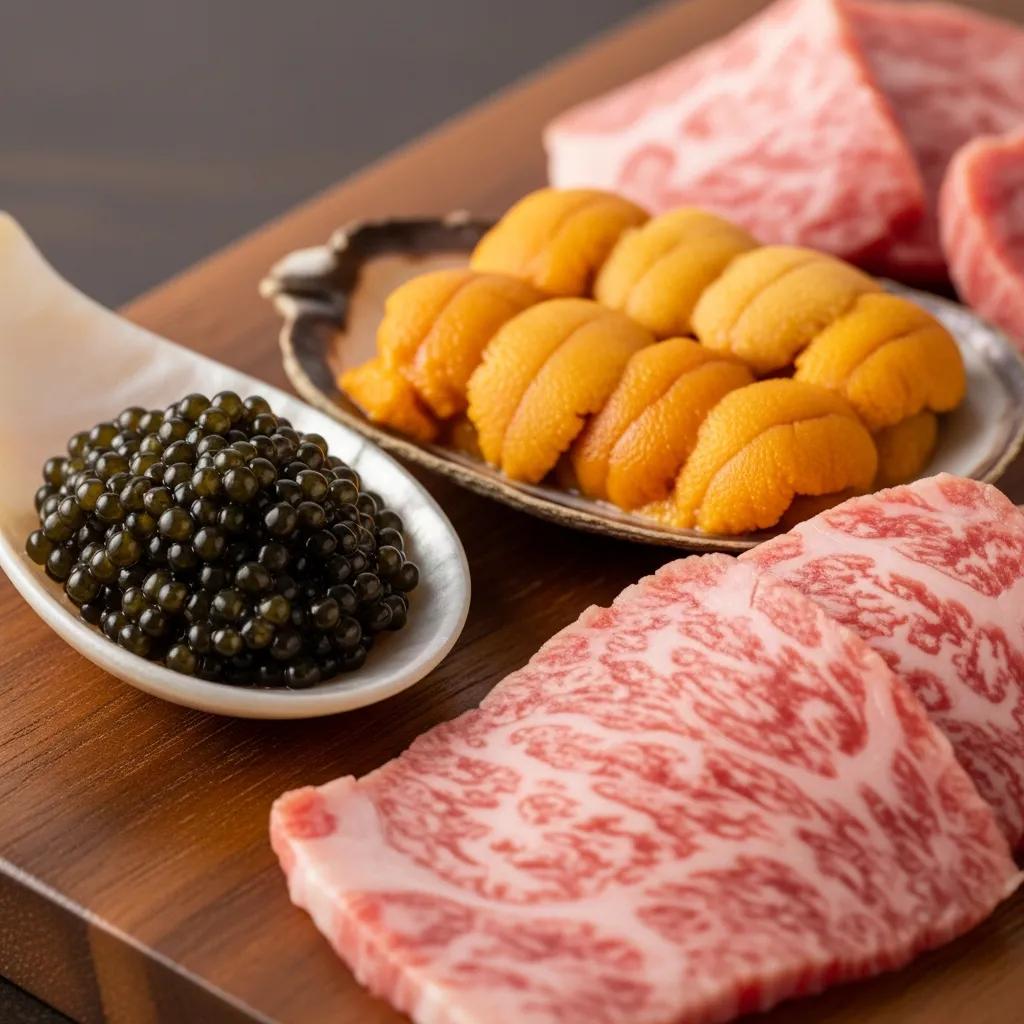
Premium ingredients are the backbone of tasting menus because their textures and concentrated flavors give chefs something to sculpt rather than hide. When an item carries clear provenance—Kaluga caviar or Japanese uni, for example—dishes are built to reveal brine, creaminess, or pure umami instead of masking them. Knowing origin and common preparations helps you anticipate what you’ll taste and assess quality. The table below compares three signature items—origin, flavor, and typical uses—so you can see why they become focal points on tasting menus.
That comparison shows how origin shapes both flavor and technique, allowing chefs to compose courses where each ingredient carries its own voice. Recognizing those differences makes choosing a tasting menu or omakase more deliberate—and more rewarding.
How Does Kaviar Restaurant Deliver an Exclusive Dining Experience?
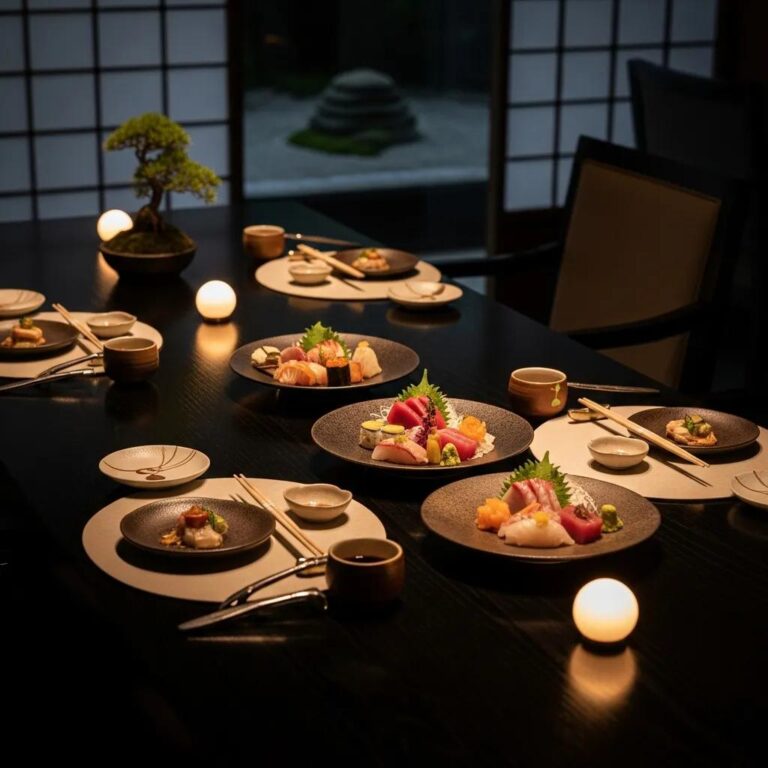
Kaviar brings luxury to the table by pairing striking signature dishes with service that narrates each course. Intimate dining rooms and meticulous plating put detail front and center: think Toro Tartare finished with edible gold or Seared Hotate accented by truffle and caviar—choices that underline our commitment to top-tier ingredients and thoughtful presentation. At this level you can expect chef interaction, carefully timed pacing, and pairing recommendations that deepen your understanding of what you’re tasting. For celebrations or milestone evenings in Pasadena, Kaviar’s focus on premium seafood, Kaluga caviar, and A5 Wagyu is designed for guests who value precision and ritual as much as flavor.
What Is the Omakase Experience at Kaviar Restaurant?
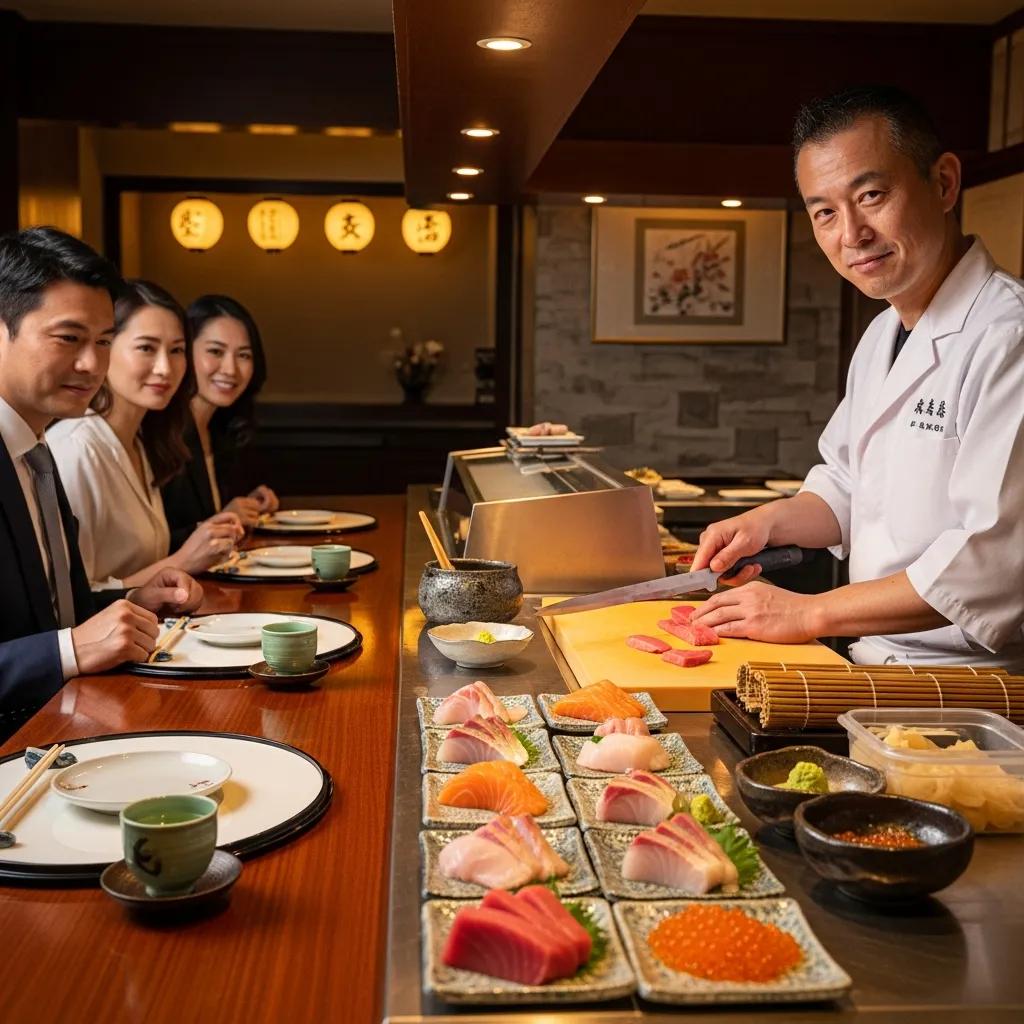
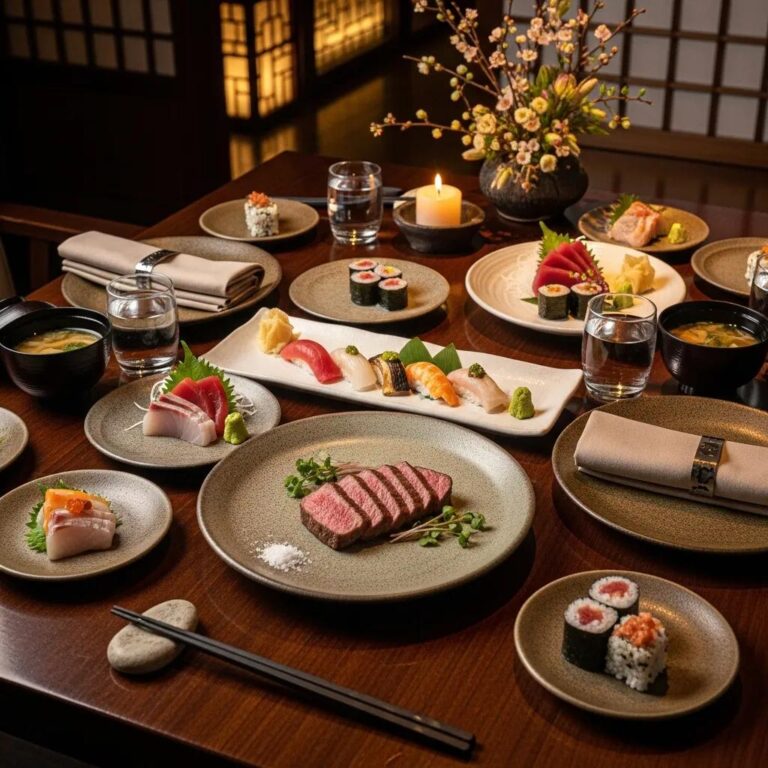
Omakase is a chef‑led tasting journey: you give the chef the reins and they sequence seasonal ingredients to build contrast and narrative. The chef chooses selection, pacing, and presentation to highlight each ingredient’s peak, producing a cohesive tasting arc that leaves a strong sensory impression. Beyond flavor, omakase is an educational experience—guests encounter provenance, texture shifts, and the chef’s sensibility in real time. For diners in Pasadena who want discovery and refinement in one sitting, omakase is the clearest path.
- Greeting & Small Amuse: A seasonal note to awaken the palate and introduce the menu’s focus.
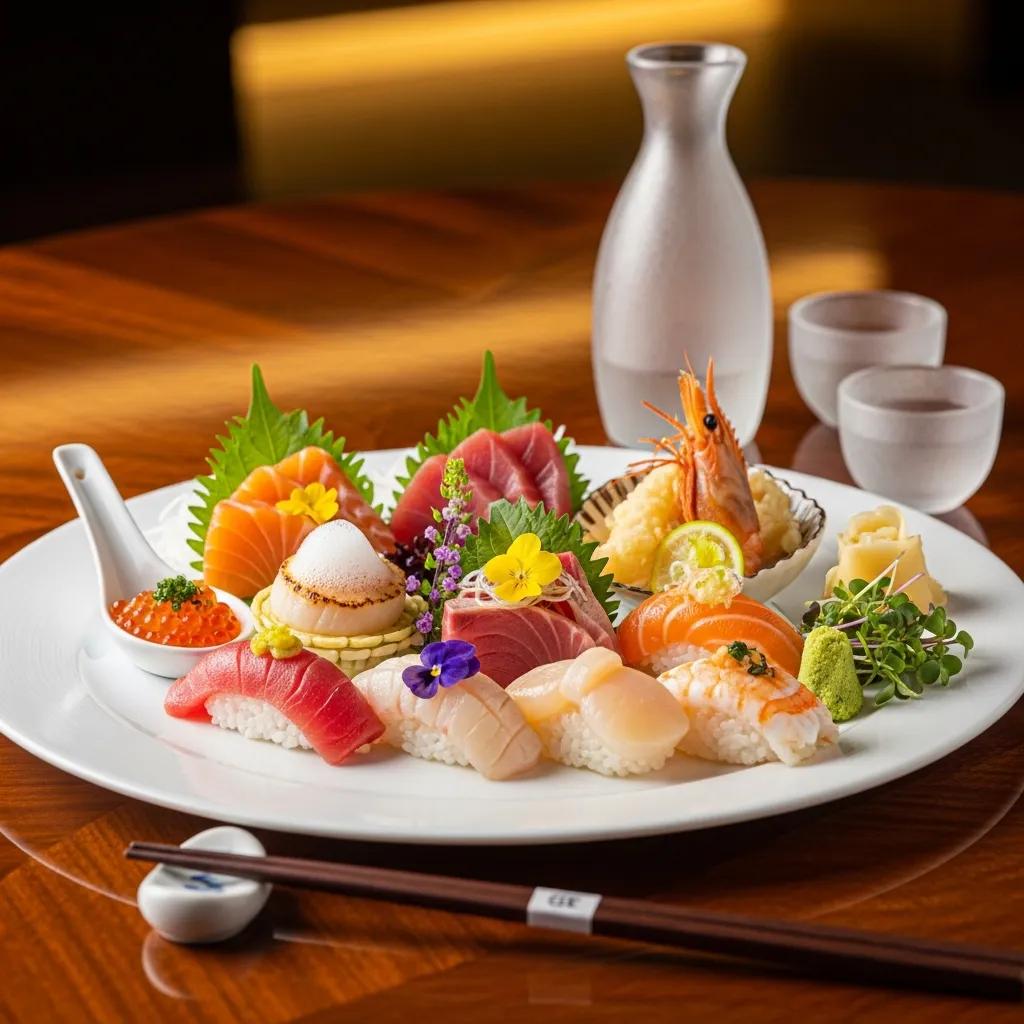
- Sushi/Sashimi Progression: A sweep from lighter to richer seafood, emphasizing texture and brine.
- Warm Preparations: Cooked courses that showcase technique and temperature control.
- Signature & High‑Impact Course: A rich finale—uni pasta or Wagyu—designed as a satisfying climax.
- Closing & Digestif: A delicate finish, palate cleanser, and pairing notes to complete the arc.
This flow demonstrates how variety, pacing, and contrast build toward a memorable signature moment.
How Does Omakase Showcase Seasonal Seafood and Chef’s Artistry?
Omakase lets chefs put the week’s best ingredients center stage, ordering and treating them—raw, seared, or simmered—to reveal their strengths. The sequence is curated so salt, acid, fat, and umami play against one another; plating and service explain sourcing and handling decisions as they happen. That transparency deepens appreciation and teaches diners why one fish or uni variety shines that week, making omakase both a sensory and instructive experience.
Which Signature Dishes Are Featured in Kaviar’s Omakase Menu?
Kaviar’s omakase highlights dishes that showcase provenance and precision: creamy Uni Pasta balanced with al dente pasta, Toro Tartare with a subtle touch of 24k gold for drama, Seared Hotate finished with truffle and caviar for layered texture, and Miso‑Glazed Black Cod that demonstrates patient cooking for a silky glaze. Each course reveals sourcing, seasoning, and temperature control—reasons to reserve omakase seating if you want the full expression of the chef’s repertoire.
Why Is A5 Wagyu Considered the Pinnacle of Japanese Fine Dining?
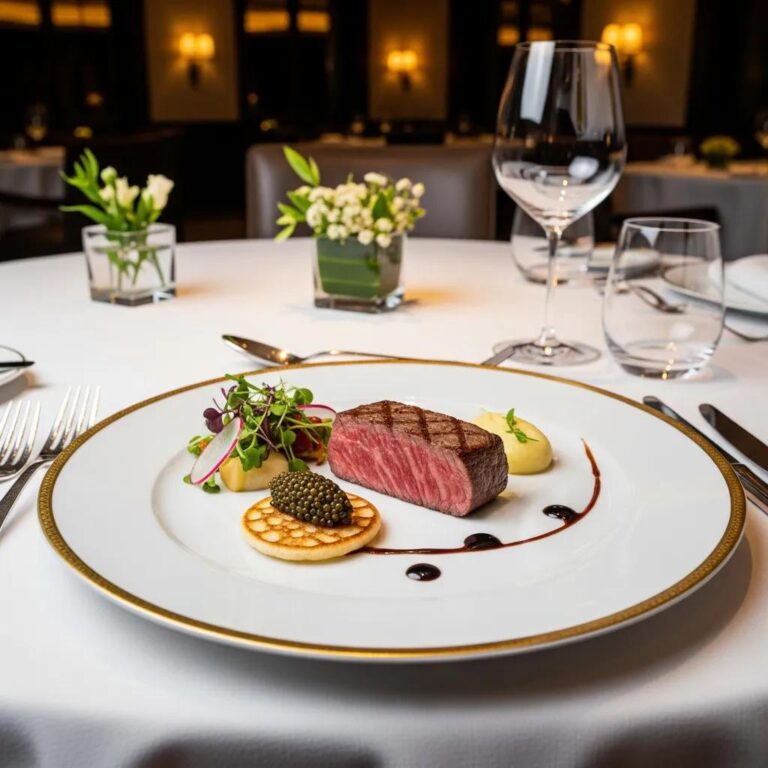
A5 Wagyu represents the top grade in Japan’s beef system—remarkable marbling, tenderness, and concentrated flavor that thrive in restrained preparations. The secret is marbling: fine intramuscular fat that melts at low temperatures, distributing savory compounds and producing a silky mouthfeel even in small portions. For diners, A5 delivers intense umami and a buttery texture that shines with minimal seasoning. Knowing grading and provenance helps you pick Wagyu preparations that emphasize nuance over sheer richness.
- A5 grading: The highest overall evaluation for yield and quality.
- Marbling: Intramuscular fat that yields silkiness and sustained umami.
- Serving: Small, precisely cooked portions preserve balance and avoid heaviness.
That short breakdown explains why Miyazaki A5 Wagyu is prized and how chefs use its properties to create unforgettable, measured courses.
What Makes Miyazaki A5 Wagyu Unique and Premium?
Miyazaki A5 earns its standing through strict breeding, regional rearing, and grading that rewards consistent marbling and texture. The dense, even fat melts to a velvety sensation, concentrating savory notes and leaving a lasting finish. For diners, the experience is compact and intensely flavored—best enjoyed in deliberate, small bites so you can notice nuance. Rarity and regional pride also contribute to its reputation as a terroir‑driven product.
How Does Kaviar Prepare and Serve A5 Wagyu Dishes?
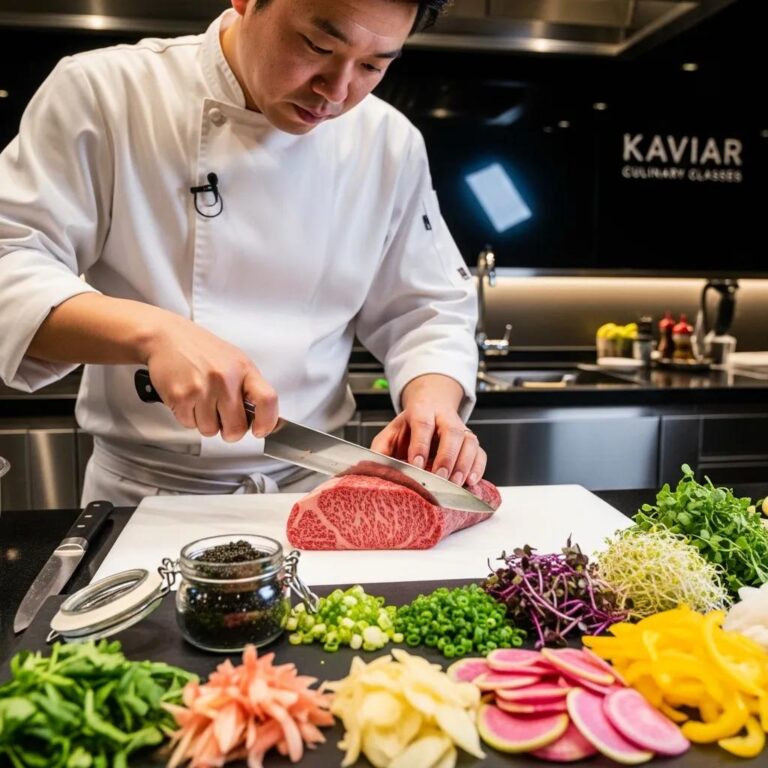
At Kaviar, A5 Wagyu is handled to highlight contrast and melt‑in‑the‑mouth fat while keeping structural balance—examples include thinly seared striploin slices, Wagyu tartare that integrates raw fat, and precise ounce portions meant for savoring. Service emphasizes correct temperature, light seasoning, and tight timing so the marbling is the focal point. Ordering Wagyu within a tasting menu or as a plated highlight creates a moment around which pairings and pacing are arranged—ideal for guests celebrating something special.
How Does Kaviar’s Caviar Service Define Seafood Luxury?
Caviar embodies seafood luxury through rarity, texture, and ritualized presentation. Kaluga caviar, in particular, brings large, lustrous pearls and a buttery, slightly woody brine that reads as both rich and clean. The effect is tactile: firm beads that release layered saline and mineral notes, usually paired with minimal accompaniments so each pearl tells its origin story. In a tasting menu, caviar adds an immediate textural and umami lift and often signals a high point in refinement.
What Are the Characteristics of Kaluga Caviar Served at Kaviar?
Kaluga caviar stands out for its sizable, glossy pearls and a flavor that balances buttery depth with restrained salinity and a faint nutty undertone. These qualities favor sparing presentation—chilled with blini or neutral creams so the caviar remains front and center. Quality cues to look for: firm pearls, a clean brine, and a lingering finish—signs of careful aquaculture and handling. As part of an arranged sequence, Kaluga often marks a refined peak in both taste and service.
Which Dishes Feature Caviar as a Signature Ingredient?
Caviar adds saline snap and luxurious texture to dishes: topping Seared Hotate with a dusting of pearls, finishing Uni Pasta with small accents, or offering a dedicated caviar service before a heavier course. These uses introduce bright, saline highlights that cut through richness and add complexity. If you want a pronounced caviar moment, choose a tasting menu that includes a caviar course so the ingredient is presented with the right pacing and accoutrements.
How Can You Make Reservations for Luxury Japanese Dining in Pasadena?
Securing a table for luxury Japanese dining often takes planning: reserve early for weekend evenings, request omakase or specific seating when possible, and note group size and occasion so service and pacing match your needs. Standard booking channels include phone and major platforms, but direct contact is best for special requests—dietary restrictions, celebration touches, or omakase confirmations. Thoughtful timing and clear communication at booking increase your chances of enjoying limited items like Kaluga caviar or A5 Wagyu.
What Are the Best Platforms to Book a Table at Kaviar Restaurant?
Kaviar takes reservations by phone and through platforms such as Resy and OpenTable; calling directly is useful for special requests or confirming omakase availability. Phone bookings give the clearest path for coordinating multi‑course menus, celebration notes, and ingredient questions. Resy and OpenTable are convenient for standard reservations and let you add notes about dietary needs. For omakase or specific seating, we recommend a direct call to ensure the kitchen can accommodate your preferences.
When Is the Ideal Time to Reserve for Special Occasions?
For anniversaries, milestones, and holidays, aim to reserve two to four weeks in advance for weekend evenings; for omakase or larger parties, book earlier to secure preferred times and menu accommodations. Weekday reservations generally need less lead time and can offer more flexibility and closer interaction with the kitchen. If you’re booking last‑minute, check waitlists or midweek openings and let us know dietary needs so we can adjust the tasting sequence. Advance notice helps the kitchen plan for high‑demand items like Kaluga caviar or A5 Wagyu.
What Are the Best Pairings for Seafood and Wagyu at Kaviar?
Pairing drinks with delicate seafood and fatty Wagyu is about balance: acidity and minerality refresh the palate, subtle sweetness and aromatic complexity lift briny and umami notes, and texture alignment keeps dishes and drinks in conversation. Applied across a tasting menu, these rules create contrasts that sustain interest and highlight each course. With a basic grasp of these principles, you can choose sakes or wines that move gracefully from nigiri to Wagyu.
Which Wines and Sakes Complement Kaviar’s Signature Dishes?
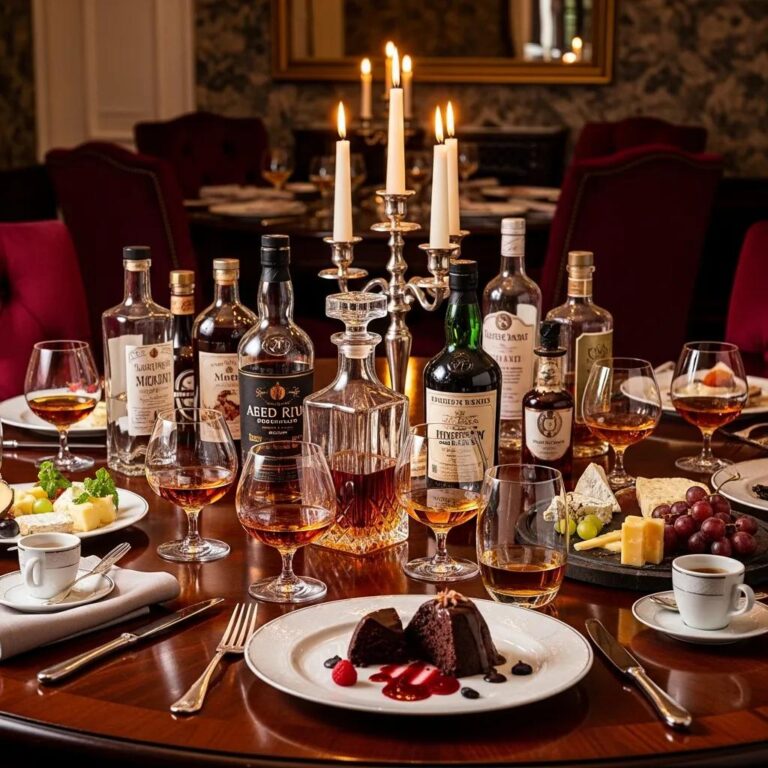
Junmai Daiginjo and Ginjo sakes—floral and refined—pair beautifully with delicate nigiri and uni, while high‑acid whites like Chablis or Albariño refresh the palate with shellfish. For A5 Wagyu, lighter reds with fine tannins such as a restrained Pinot Noir, or sparkling wines, can cut through fat without overwhelming nuance. Temperature and glassware matter: chill whites and sakes slightly, and serve reds just below room temperature to preserve aromatics. These guidelines will help you choose beverages that enhance texture and flavor across a varied tasting menu.
- Junmai Daiginjo: Floral and delicate—ideal with nigiri and uni.
- Crisp White (Chablis/Albariño): High acidity—refreshes the palate with shellfish.
- Light Red (Pinot Noir): Gentle tannins—supports Wagyu without masking subtlety.
These pairing suggestions show how acidity, aromatic lift, and restrained tannin combine to complement Kaviar’s dishes while preserving the tasting narrative.
How Do Beverage Choices Enhance the Fine Dining Experience?
Beverage selection shapes texture perception, slices through or heightens fat, and echoes flavors so courses transition smoothly. Acidity cuts richness, carbonation clears the palate, and umami‑friendly drinks—certain sakes, for example—can amplify savory compounds in seafood and beef. Pacing your drinks to match the tasting progression ensures each pour enhances rather than competes with the food. For the best experience, consult our staff or sommelier for pairings tailored to the menu’s seasonal focus and the evening’s sequence.
- Acidity: Refreshes the palate and counters fat between courses.
- Aromatics: Accentuate seafood nuance and broaden the tasting experience.
- Texture match: Align mouthfeel between drink and dish to create unity.
These pairing principles help diners get the most from both individual courses and the menu as an integrated culinary statement.
Frequently Asked Questions
What is the significance of omakase in Japanese fine dining?
Omakase is a chef‑driven tasting where guests entrust the menu to the kitchen. It emphasizes seasonality and the chef’s craft, offering a carefully sequenced exploration of flavors and textures. Each course is selected to highlight the freshest items available, creating a narrative that both showcases technique and teaches diners about provenance and preparation.
How can diners enhance their experience at Kaviar Restaurant?
Engage with our team—ask about ingredients, sourcing, and recommended pairings. Choosing omakase or noting special occasions when you reserve helps us tailor pacing and presentation. Mention dietary needs ahead of time so the kitchen can adapt courses without compromising the tasting arc. These simple steps deepen appreciation and make the evening more memorable.
What should diners know about the sourcing of ingredients at Kaviar?
Kaviar prioritizes high‑quality, responsibly sourced ingredients. We work with trusted suppliers to secure seafood, Wagyu, and caviar that meet strict standards. That commitment enhances flavor and supports sustainable practices—guests are welcome to ask about the origin of specific items to learn more about our sourcing choices.
Are there vegetarian or vegan options available at Kaviar?
Although Kaviar specializes in seafood and premium meats, we can often accommodate vegetarian and vegan requests with advance notice. When booking, let us know dietary preferences so the chef can design thoughtful plant‑forward dishes that fit the tasting format while preserving the menu’s balance and intent.
What is the typical price range for a meal at Kaviar Restaurant?
Prices vary by menu and pairing choices. Omakase and tasting experiences reflect premium ingredients and chef expertise and typically range from roughly $100 to $300 per person, depending on the number of courses and any added pairings. We recommend checking current menu and pricing when you make a reservation.
How does Kaviar ensure a memorable dining atmosphere?
Kaviar crafts a memorable atmosphere through attention to detail—intimate seating, considered decor, and careful presentation. Our staff are trained to offer attentive, personalized service, guiding guests through the tasting and sharing context about each dish. That combination of design and hospitality creates the elevated experience guests remember.
Conclusion
Luxury seafood dining in Pasadena is the sum of exceptional ingredients, exacting technique, and service that turns courses into a story. Understanding omakase, A5 Wagyu, and Kaluga caviar helps you choose experiences that match your taste and occasion. If you’re ready to indulge, we invite you to reserve a table at Kaviar Restaurant and discover our interpretation of Japanese fine dining—thoughtful, seasonal, and made for celebration.