




Dessert at Kaviar: Japanese‑Inspired Sweets in Pasadena’s Fine‑Dining Scene
At Kaviar, desserts are a deliberate close to our multi‑course tasting — Japanese‑inspired, handcrafted, and balanced to linger on the palate. In the sections below you’ll find the signature items that define our dessert program, how seasonal Japanese flavors shape each plate, and practical pairing and reservation tips to turn a tasting into a complete sensory experience. Many guests look for sweets that pair thoughtfully with sake, wine, or tea while showcasing premium ingredients; this guide explains the techniques, flavor logic, and presentation standards we use to create those moments. We also outline seasonal rotations, share our pastry philosophy, and explain how to request a dessert‑focused tasting at Kaviar in Pasadena. Read on for signature breakdowns, pairing notes, seasonal examples, pastry craft details, and reservation steps that make dessert at Kaviar a memorable finale.
What Signature Desserts Define Kaviar’s Decadent Dessert Menu?
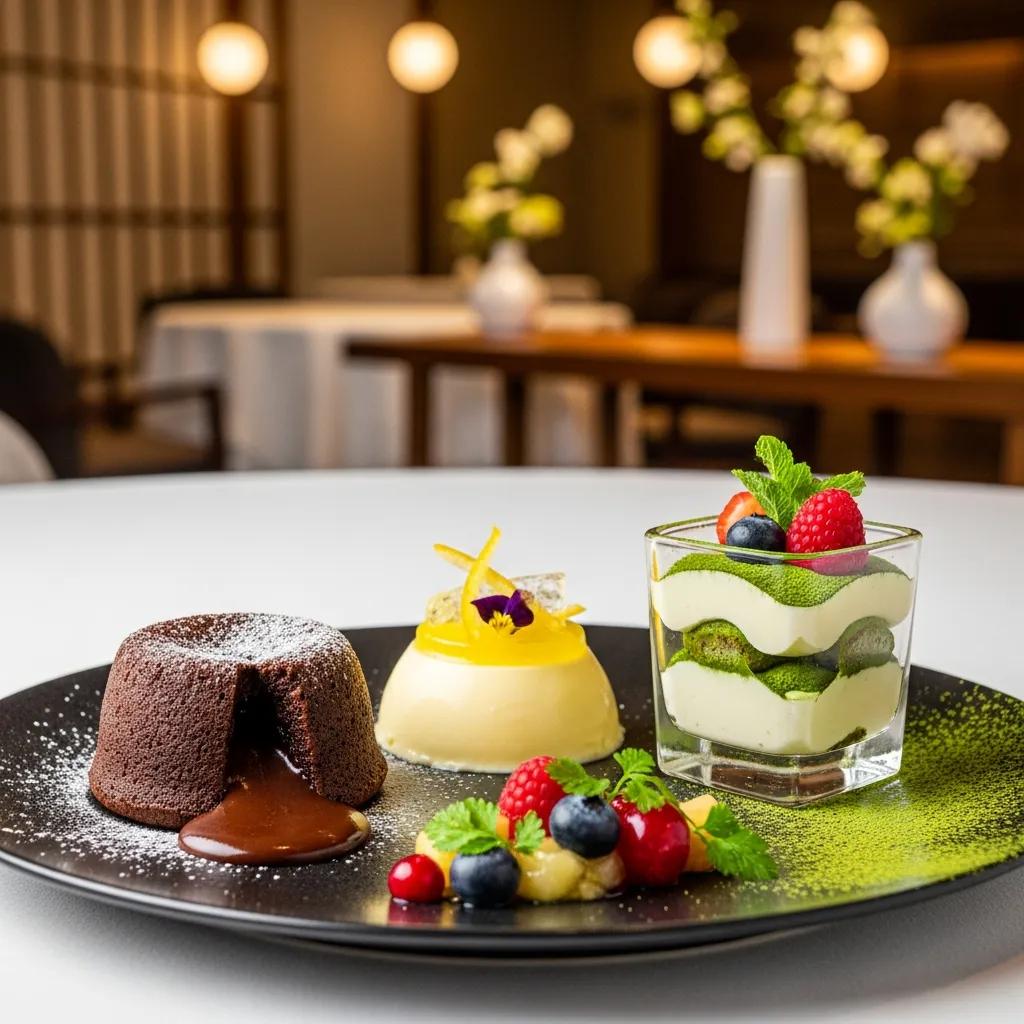
Our signature desserts blend refined Japanese flavors with classical pastry technique to achieve balanced sweetness, contrasting textures, and clean presentation. We typically anchor a dessert with a rich element — Valrhona chocolate, a silken panna cotta — then lift it with a bright counterpoint like yuzu or seasonal fruit, creating layered bites that complement the omakase rhythm. The menu features a few flagship plates (including our Chocolate Lava Cake as a highlighted product) while other desserts rotate with seasonal produce and Japanese‑inspired touches. Below is a concise list of staple desserts you can expect to request during a tasting, followed by a quick reference table summarizing ingredients, texture, and presentation.
The Aesthetics of Kaiseki: Japanese Fine Dining Principles and Influences
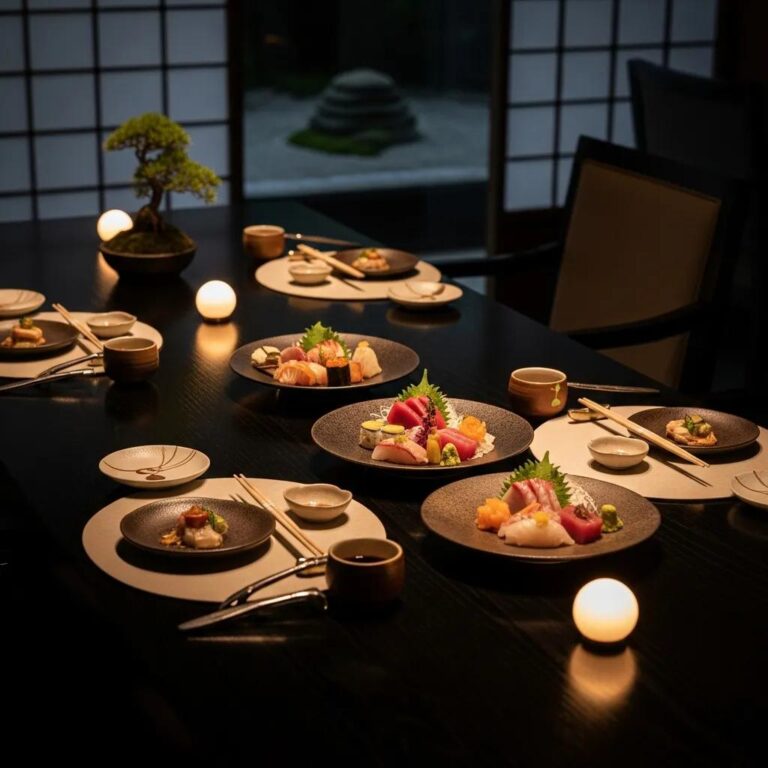
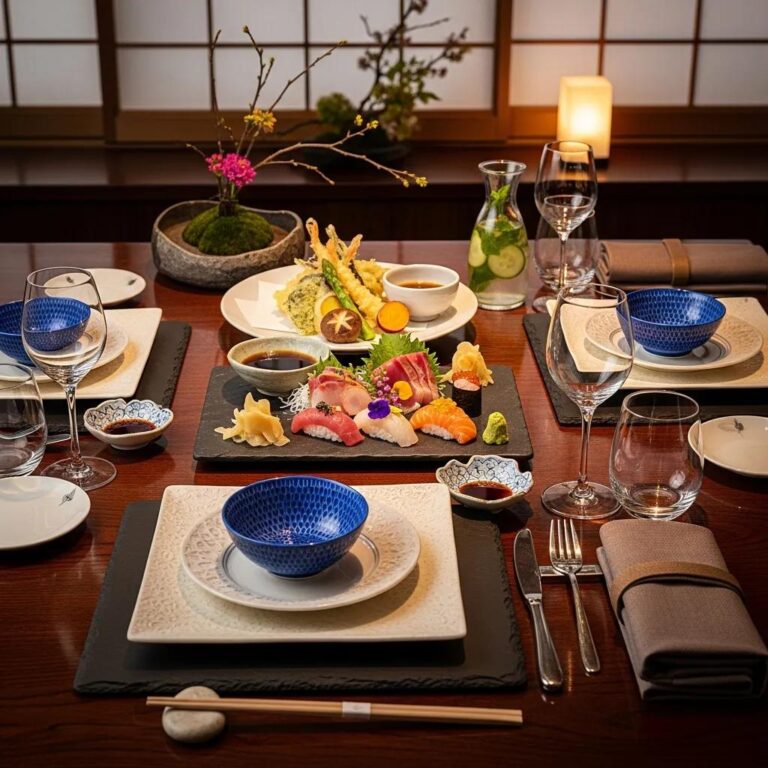
Kaiseki — the Japanese multi‑course tradition — is built on seasonality, visual balance, and mindful presentation. This study traces kaiseki’s evolution from the tea ceremony to contemporary fine dining, highlighting its aesthetic rules (wabi‑sabi, restraint, and natural tableware) and the techniques that shape composition and plating. It also considers how kaiseki’s seasonal and philosophical principles influence global haute cuisine and inform modern approaches to sensory dining.
The Aesthetics of Kaiseki: The Cultural and Philosophical Significance of Food Presentation in Japanese Fine Dining, 2024
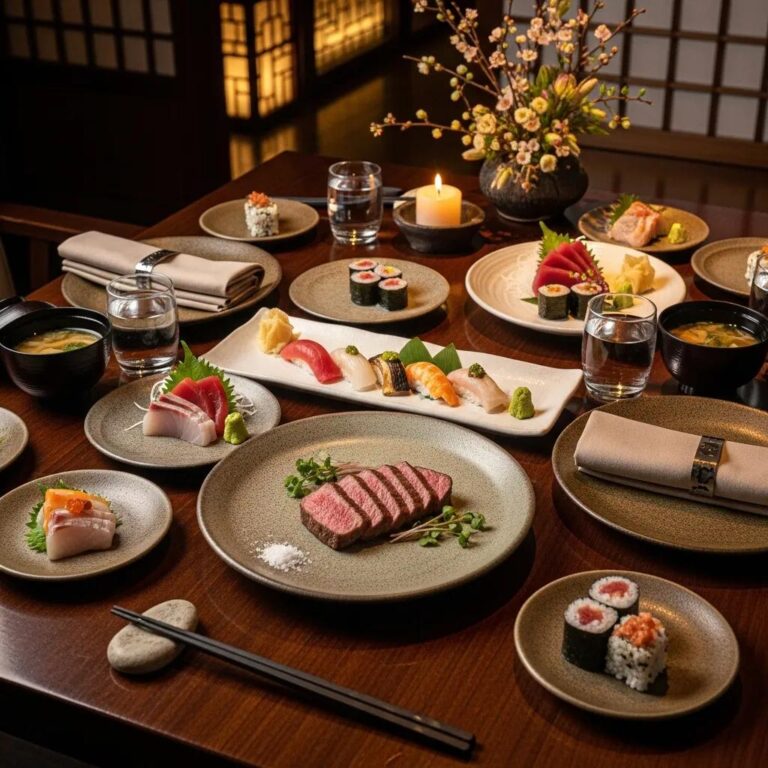
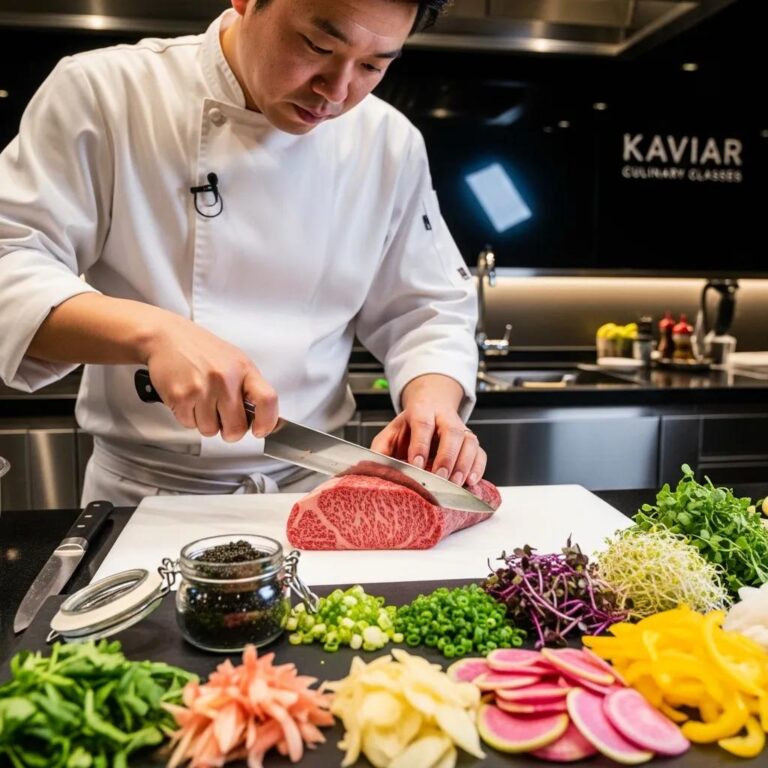
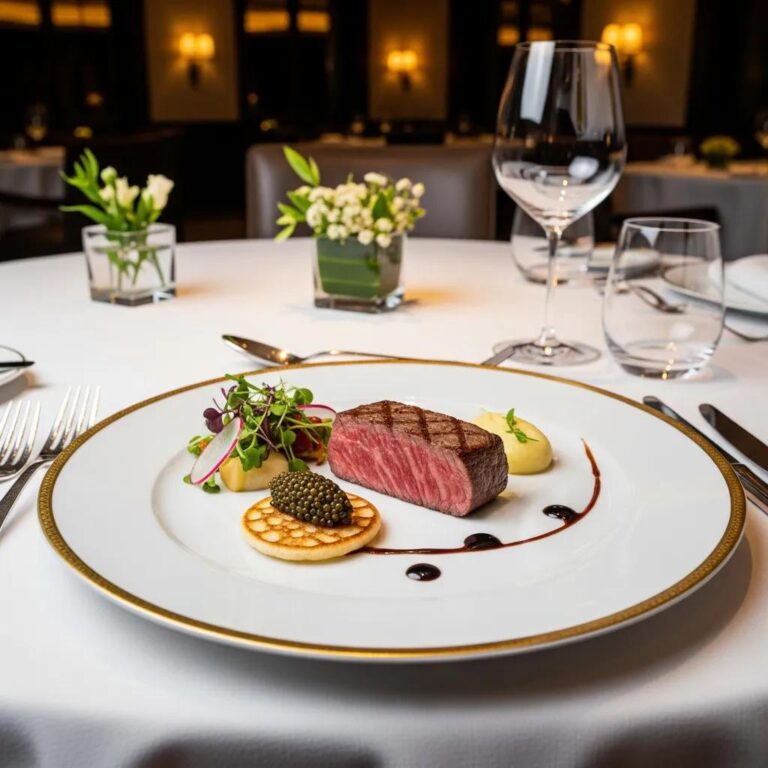
Our desserts are part of Kaviar’s broader Japanese fine‑dining identity, designed to cap a sequence that might include savory highlights such as A5 Wagyu and caviar, ensuring a cohesive luxury experience.
Kaviar’s core signature desserts include:
- Chocolate Lava Cake: molten center, intense Valrhona chocolate, plated with coulis and ice cream.
- Yuzu Panna Cotta: silky custard brightened with yuzu and delicate zest.
- Matcha Tiramisu: layered textures with mascarpone and ceremonial‑grade matcha.
- Mochi Ice Cream Trio: tender mochi shells filled with curated house ice creams for contrast.
These plates show how we balance richness and acidity to finish a meal on an elevated note. The table below summarizes each dessert’s primary attributes for quick reference.
Across the menu, texture, provenance, and refined plating define the dessert program’s cohesive voice.
This snapshot makes it easy to compare how ingredients and textures shape each signature dessert while highlighting the presentation choices that produce Kaviar’s refined finish.
Which Ingredients Make Kaviar’s Chocolate Lava Cake Unique?
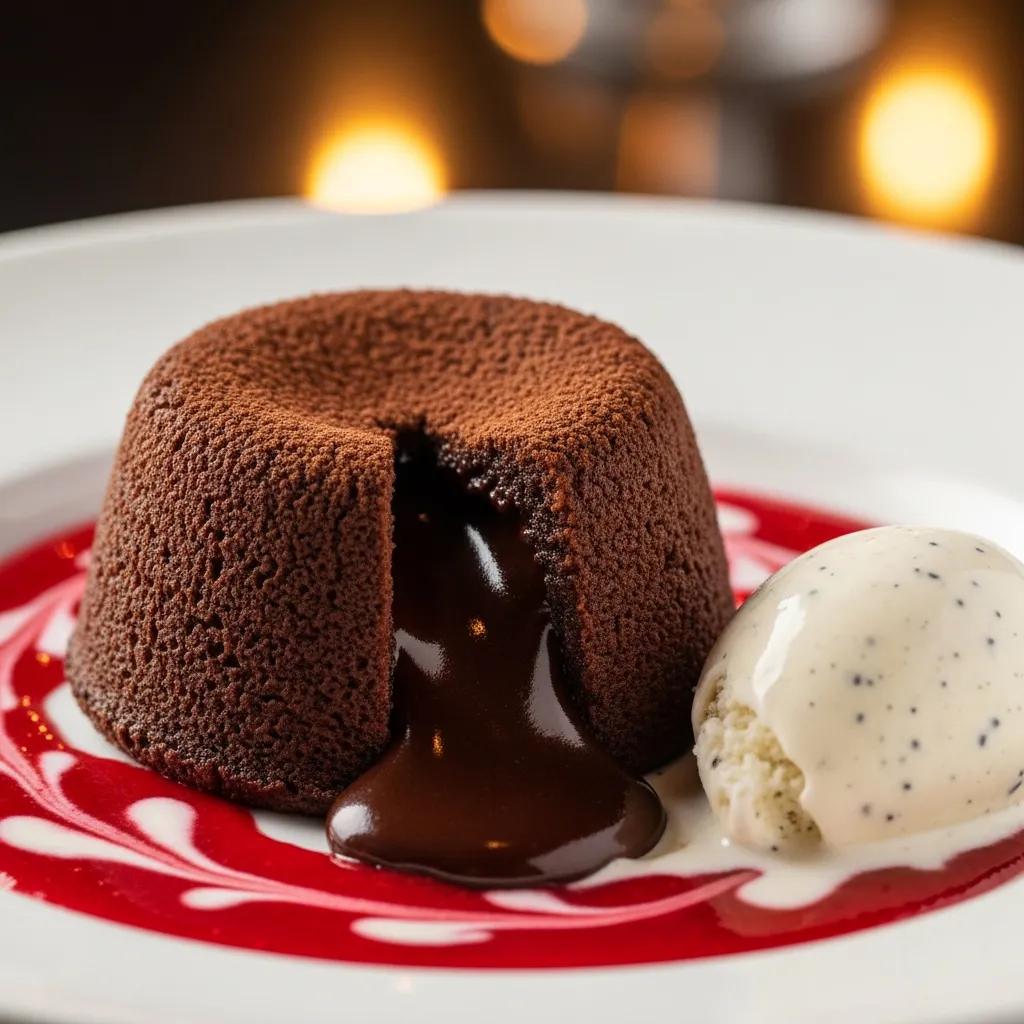
Our Chocolate Lava Cake relies on premium chocolate and precise technique to deliver a warm, flowing center and layered flavors. Valrhona provides a deep cocoa backbone while butter and eggs create a silk‑smooth crumb that yields to the molten core. A tart berry coulis or fresh berries cut through the richness; vanilla‑bean ice cream adds cooling contrast and a touch of finishing salt or micro herbs heightens aromatic complexity. We source artisan chocolate, fresh eggs, and seasonal fruit so the dessert reads as both indulgent and exacting. These ingredient choices also shape pairing options — select sakes or dessert wines must balance the cake’s intensity and texture, as we discuss next.
These ingredient notes lead into the pastry techniques we use to achieve consistent molten centers and the standards we apply to plating and timing.
How Does Kaviar Craft Its Signature Desserts to Perfection?
Consistency at Kaviar comes from precise timing, controlled temperatures, and disciplined plating that preserve texture and sharpen presentation. For molten cakes, a short, high‑heat bake sets the exterior while leaving the center fluid; service timing is calibrated so each cake arrives at ideal temperature and viscosity. Our pastry team stages garnishes and sauces in mise en place — pre‑portioning coulis, chilling ice cream — and performs final checks for balance and temperature. Technique matters: gentle folding, careful tempering, and exact custard‑sets let premium ingredients speak. These methods ensure desserts complement the savory omakase flow and deliver a reliably excellent finish to every tasting.
Consistent execution naturally leads to how seasonality and Japanese flavors further shape our desserts’ identity.
What Seasonal and Japanese‑Inspired Desserts Can You Discover at Kaviar?
Seasonal produce and Japanese flavor traditions guide our rotating dessert offerings, bringing freshness and cultural nuance to each plate. Fruit, citrus varieties like yuzu, and green‑tea elements such as matcha are used not as novelty but as balanced partners to richer bases like custard or chocolate. This seasonal approach lets the menu evolve across the year, encouraging repeat visits during peak produce windows and aligning desserts with omakase pacing. Below we highlight common Japanese‑inspired flavors and how they typically appear on our menu, followed by a seasonal table to help plan visits around limited‑time offerings.
Seasonality and tradition inform both ingredient selection and presentation, creating desserts that feel rooted in place and time.
Traditional Japanese flavors adapted for fine dining include:
- Matcha: vibrant, vegetal green tea used in tiramisu, ice creams, and dustings.
- Yuzu: floral, tart citrus used in panna cottas and glazes.
- Black sesame: toasted, nutty depth for creams and tarts.
- Azuki (sweet red bean): earthy sweetness and texture in compotes and pastes.
These flavor anchors show how we blend cultural reference with modern technique to make desserts that are both familiar and inventive. The seasonal mapping below offers concrete examples aligned with typical produce windows.
Seasonal rotations emphasize peak ripeness and give us room to showcase local produce when appropriate.
Which Traditional Japanese Flavors Inspire Kaviar’s Sweet Creations?
We draw on classic Japanese profiles — matcha, yuzu, black sesame, azuki, kinako — to balance umami, bitterness, and bright acidity. Matcha brings grassy bitterness and vivid color against creamy bases; yuzu adds floral citrus lift to custards and chocolate; black sesame offers toasted, nutty depth; azuki contributes earthy sweetness and texture. The pastry team controls intensity, pairs these flavors with complementary textures, and finishes plates with restrained garnishes so the essence of each ingredient is preserved within a fine‑dining framework.
Exploring these flavors naturally leads to how seasonal sourcing enhances their expression on the plate.
How Do Seasonal Ingredients Enhance Kaviar’s Dessert Menu?
Seasonal sourcing sharpens flavor and visual impact, allowing us to serve fruits and aromatics at peak ripeness and to marry them with Japanese elements. In spring, strawberries brighten matcha desserts; winter citrus concentrates yuzu aromatics to cut through dense chocolate; late‑summer stone fruits add texture alongside panna cotta. Purchasing decisions prioritize timing and taste, not mere availability, so a seasonal dessert can feel distinctly different week to week. This philosophy drives menu rotation and gives guests reasons to return for limited runs and new combinations.
Season‑driven menus also inform beverage pairings, which we outline next.
How Can You Pair Kaviar’s Desserts with Sake, Wine, and Tea for a Luxury Experience?
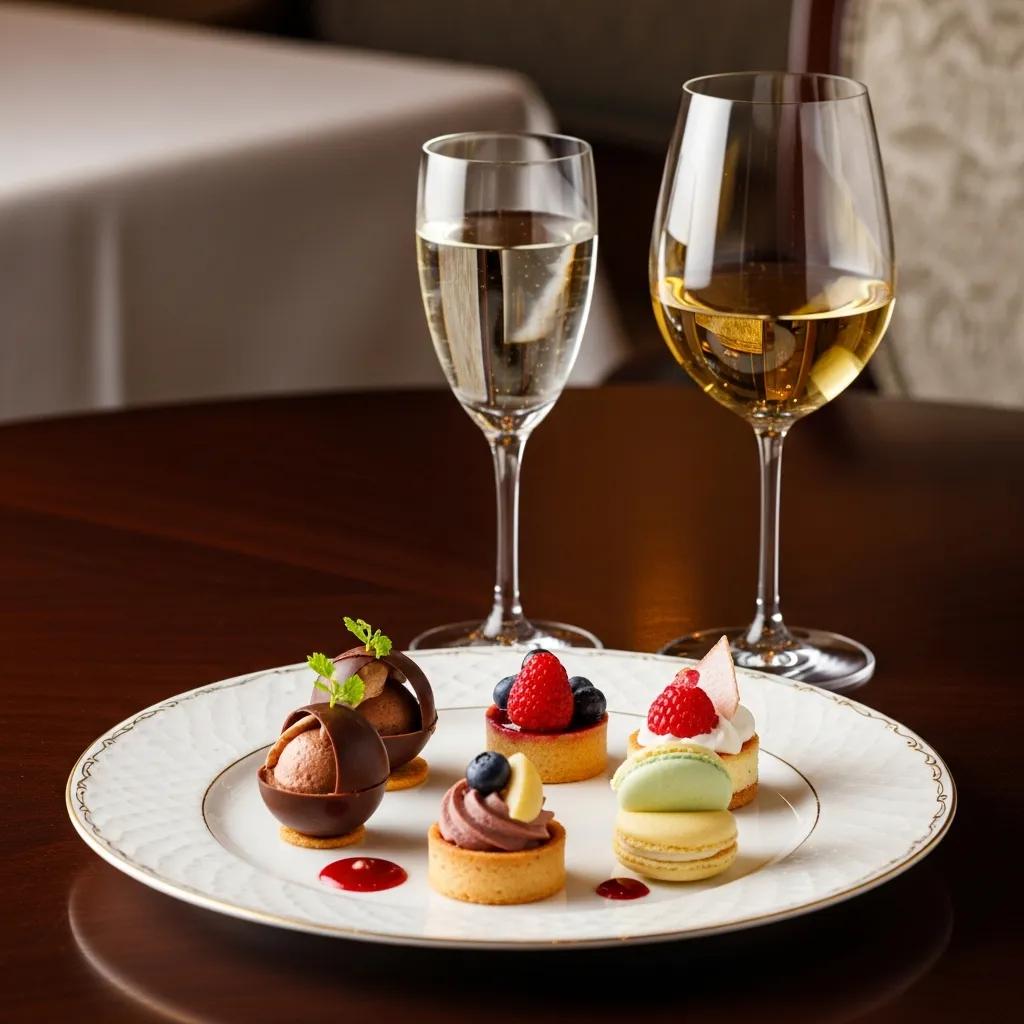
Thoughtful beverage pairings extend the dessert experience by matching sweetness, acidity, and texture so each sip enhances the next bite. Choose pairings to either mirror a dessert’s intensity or to provide bright contrast: rich plates work with fortified or fuller wines and aged sakes, while citrus‑forward sweets pair beautifully with crisp ginjo sake or aromatic white wines. Below we share practical pairing rules and a table mapping specific dessert types to recommended sake, wine, and tea options with tasting notes to explain the rationale. These references help diners and sommeliers craft a seamless finale to a multi‑course meal.
Effective pairings support the dining arc and can be arranged when booking a tasting.
Pairing principles to follow include:
- Match intensity: pair rich desserts with fuller‑bodied wines or aged sakes so neither is overwhelmed.
- Contrast sweetness with acidity: use acidic or lightly bitter teas to cut richness and refresh the palate.
- Consider texture: effervescence or high acidity lifts creamy or dense desserts for balance.
These principles will help you read the pairing table and make informed selections during service.
What Are the Best Sake and Wine Pairings for Kaviar’s Chocolate Lava Cake?
The Chocolate Lava Cake’s molten, chocolate‑forward profile fares well with pairings that echo its richness or provide bright contrast. An aged Junmai sake — with mild acidity and umami — complements cocoa complexity; a tawny fortified wine adds oxidative, nutty layers that harmonize with deep chocolate. For contrast, a high‑acidity sparkling sake or dry Riesling will cut through the fat and refresh the palate, highlighting fruit or coulis accents. Serving temperature matters: slightly chilled fortified wines and room‑temperature sake reveal broad aromatics, and timing of pours should be coordinated so each spoonful meets an optimal sip. The right pairing can turn one dessert into a multisensory finale.
With wine and sake covered, tea offers another excellent route for our Japanese‑inspired sweets.
Which Teas Complement Kaviar’s Japanese‑Inspired Desserts?
Tea provides nuanced matches for Japanese desserts through temperature and roast level. Sencha brings fresh vegetal brightness that pairs with yuzu and light custards; hojicha’s roasted profile deepens matcha and black sesame; genmaicha — with toasted rice notes — bridges sweet and savory, cleansing the palate between creamy bites and offering a gentle option for guests avoiding alcohol. We recommend modest brewing times and slightly cooler water for delicate greens to preserve aromatics; roasted teas benefit from hotter infusions to emphasize caramelized notes that echo richer desserts. These pairings respect traditional flavor relationships while fitting a fine‑dining cadence.
Tea pairings and sommelier recommendations are part of the curated experiences you can request when booking a tasting‑focused visit.
Who Is Behind Kaviar’s Dessert Creations and What Is Their Philosophy?
Our dessert program is led by a pastry team that combines Japanese sensibility with contemporary patisserie technique to produce restrained, ingredient‑forward sweets that complement the savory sequence. Philosophy matters: we prioritize harmony — balancing sweetness with acid, texture with temperature — and use premium ingredients that read clearly on the plate. Craftsmanship is visible in controlled bakes, tempered chocolates, and precise custard sets so every dessert delivers the textures we intend. Desserts at Kaviar are integral to the omakase or tasting narrative, echoing savory motifs and providing a considered denouement. That vision extends to procurement and plating, detailed below.
The pastry philosophy naturally leads into how we source ingredients to realize that vision consistently.
What Is the Pastry Chef’s Vision for Kaviar’s Dessert Menu?
Our pastry chef’s goal is to marry Japanese flavor principles with modern technique to create desserts that are subtle, memorable, and balanced. Traditional ingredients — matcha, yuzu, azuki — are translated through contemporary textures like molten centers, silken custards, and refined ice creams. The aim is to design desserts that echo the savory progression of a tasting menu, emphasizing restraint over excess. This creative intent guides menu rotations and specials so desserts remain in step with seasonal shifts and the restaurant’s larger culinary narrative.
The chef’s vision informs our procurement approach, which secures the quality needed to realize these plates.
How Does Kaviar Source Premium Ingredients for Its Desserts?
We prioritize premium components — artisan chocolates like Valrhona, seasonal produce, and specialty teas and grains — to ensure clear flavor and precise texture. Sourcing focuses on quality and seasonality: ingredients are selected at peak ripeness and from purveyors who provide traceable, high‑grade items suitable for fine‑dining presentation. For chocolate desserts, origin and processing matter; for fruit‑led plates, ripeness and acidity guide selection. This discipline supports consistency and allows the pastry team to showcase each ingredient through restrained recipes and exact technique, creating a dessert menu that feels both luxurious and sincere.
Ingredient sourcing leads directly to where guests can taste these desserts in person, detailed next.
Where Can You Experience Kaviar’s Gourmet Sweet Treats in Pasadena?
Kaviar’s dessert experience is served from our fine‑dining dining room in Pasadena, where tasting sequences frame each plated sweet as the meal’s finale. Our address is 70 N Raymond Avenue, Suite 250, Pasadena, CA — we recommend reserving in advance to secure tasting seats or to request dessert‑focused service. Expect a refined atmosphere and dessert pacing that follows the kitchen’s omakase tempo: sweets arrive after savory courses and can be paired on request with sake, wine, or tea. To arrange a dessert‑centric tasting, note your preference when reserving so the team can plan pairings or timing. For current menu items and individual product pages — including the Chocolate Lava Cake — check our website or reservation platform for availability.
Local logistics and reservation tips help ensure you experience desserts as the pastry team intends.
Practical planning notes include advance booking windows, pairing requests, and awareness that seasonal rotations influence availability.
How to Reserve a Table to Enjoy Kaviar’s Decadent Dessert Menu?
Reserving at Kaviar typically means choosing a tasting or dinner seating and adding any special requests — dessert pairings or a focus on certain signature items — so the kitchen can prepare service and beverage matches. Use reservation notes to list dessert samplings, dietary restrictions affecting pastry components, or interest in sake and wine pairings; these details help us arrange appropriate accompaniments. For high‑demand nights or larger parties, book early and confirm any pairing packages you want included. Upon arrival, tell your server if you’d like a different dessert pacing so timing matches your overall dining pace.
Clear reservation notes and early planning increase the chance of a tailored dessert experience that fits your preferences.
What Do Diners Say About Kaviar’s Fine Dining Desserts?
Public listings and our product pages — notably the Chocolate Lava Cake — reflect guests’ interest in our signature desserts. Reviews and ratings vary by platform, but menu visibility and highlighted product pages indicate desserts are a promoted and intentional part of the experience. For the most current feedback on seasonal desserts, portioning, and pairings, consult local review sites and our profiles; those sources help prospective diners set expectations and discover recent favorites before booking.
Surveying public impressions helps visitors know which desserts are often mentioned and when to return for rotating items.
What Makes Kaviar’s Dessert Menu Stand Out Among Pasadena’s Fine Dining Options?
Kaviar’s dessert program stands out by integrating Japanese flavor sensibility into a fine‑dining pastry framework, emphasizing premium ingredients and pairing expertise that align sweets with an omakase progression. Compared with nearby options, our focus on matcha, yuzu, and refined chocolate — paired with curated sake and tea choices — creates a distinctive transition from savory to sweet. Combined with careful sourcing and service pacing, desserts at Kaviar feel like a deliberate, considered conclusion rather than an afterthought. Below are concise points to help diners evaluate Kaviar for a dessert‑forward evening.
This context illustrates Kaviar’s place among local fine‑dining options and highlights the experiential touchpoints dessert‑seekers value.
How Kaviar stands out compared to nearby establishments:
- Japanese‑inspired flavors paired with classical pastry technique create unexpected yet harmonious combinations.
- Integration of desserts into omakase pacing ensures a cohesive multi‑course experience.
- Use of premium ingredients, such as Valrhona chocolate and seasonal produce, emphasizes ingredient clarity.
These differentiators explain why guests choose Kaviar for special‑occasion, dessert‑centric meals. Below is a short list of practical benefits.
Reasons to choose Kaviar for a dessert‑focused visit:
- Premium sourcing and careful selection produce vivid, high‑quality flavors.
- Pastry craft and precise service timing deliver consistent textures and presentation.
- Pairing expertise (sake, wine, tea) elevates desserts into a complete sensory sequence.
When you’re ready to book, mention pairing preferences in your reservation notes so we can prepare a tailored tasting experience.
Frequently Asked Questions
What is the best time to visit Kaviar for seasonal desserts?
The best time to visit is during local produce peaks: spring for strawberries, summer for stone fruits and citrus, and winter for concentrated citrus aromatics. Each season introduces limited‑run desserts that showcase peak flavor, so plan visits around those windows if you’re chasing a particular ingredient or seasonal special.
Are there any dietary accommodations available at Kaviar?
Yes. Please note dietary needs when reserving — gluten‑free, vegan, nut allergies and other restrictions — and our pastry team will do their best to adapt desserts while preserving flavor and presentation. Advance notice helps us prepare thoughtful alternatives that match the tasting’s intent.
How does Kaviar ensure the quality of its desserts?
We ensure quality through disciplined sourcing and strict kitchen standards: artisan chocolates, seasonal fruits, and specialty ingredients selected at peak, combined with precise baking and plating practices. Regular tasting and temperature checks keep texture and balance consistent so every dessert meets our expectations.
Can I order desserts for takeout or special events?
Our primary focus is in‑house fine dining, but we may offer takeout or event orders depending on availability. Contact the restaurant directly to discuss specific dessert offerings or catering options — the pastry team can often accommodate special requests for celebrations with advance notice.
What is the recommended way to enjoy Kaviar’s desserts?
We recommend enjoying desserts as part of a multi‑course tasting paired with sake, wine, or tea. Share your pairing preferences when reserving so the team can tailor pacing and beverage selections to enhance the overall meal. Thoughtful pairing elevates the dessert into a memorable finale.
How often does Kaviar update its dessert menu?
The dessert menu updates seasonally to reflect fresh, local ingredients and to incorporate traditional Japanese flavors. Seasonal rotation allows the pastry team to introduce new combinations and limited‑time items, so frequent visitors will find fresh offerings throughout the year.
Conclusion
Kaviar’s dessert menu pairs Japanese‑inspired flavors with premium ingredients and precise technique to deliver a refined finale to your meal. From our Chocolate Lava Cake to Yuzu Panna Cotta, each dessert is crafted to complement the tasting menu and reward the palate. Reserve a tasting to experience our desserts alongside curated sake, wine, or tea pairings — we look forward to guiding you through a thoughtful, sensory conclusion to your evening.