



Jungsik Seoul — New Korean Fine Dining, Tasting Menus, and Michelin Distinction
Jungsik in Seoul redefines Korean tradition with a modern tasting‑menu approach that translates familiar flavors into refined, course‑driven moments. This piece outlines the restaurant’s culinary philosophy, signature plates, Michelin recognition, tasting‑menu formats and price expectations, and the role of seasonality and criticism in shaping the guest experience. If you’re wondering how New Korean fine dining differs from other Asian movements — and how Michelin status affects sourcing, presentation, and service — this guide answers those questions and gives practical context for visitors and local food lovers. Read on to learn how Jungsik elevates cultural ingredients into composed courses, what to expect from a tasting progression, how critics frame its contribution, and how its approach compares with modern Japanese fine dining in a Western setting.
What defines Jungsik Seoul’s New Korean cuisine and fine dining philosophy?
New Korean cuisine refines Korea’s culinary heritage using contemporary technique and a tasting‑menu structure. At Jungsik, scientific methods, careful plating, and multi‑course storytelling draw deep flavor from staples like fermented condiments, sea vegetables, and ancestral sauces. The team’s goal is to translate communal Korean flavors into individually composed courses that emphasize seasonality, textural contrast, and cultural identity. In practice, New Korean at Jungsik is hyperlocal and hypermodern — a focus on provenance, precision, and a meal that unfolds as a narrative.
How does Jungsik redefine traditional Korean flavors?
Jungsik reimagines familiar elements by concentrating and clarifying their core flavors — think kimchi reductions, pristine broths, or aged sauces presented with modern technique. Chefs use sous‑vide for exact textures, controlled fermentation to build umami, and contemporary plating to highlight balance and contrast. These choices let comforting flavors arrive in unexpected formats and textures, honoring tradition while offering fresh sensory surprises that invite diners to reconsider what Korean food can be.
What signature dishes showcase Jungsik’s New Korean cuisine?
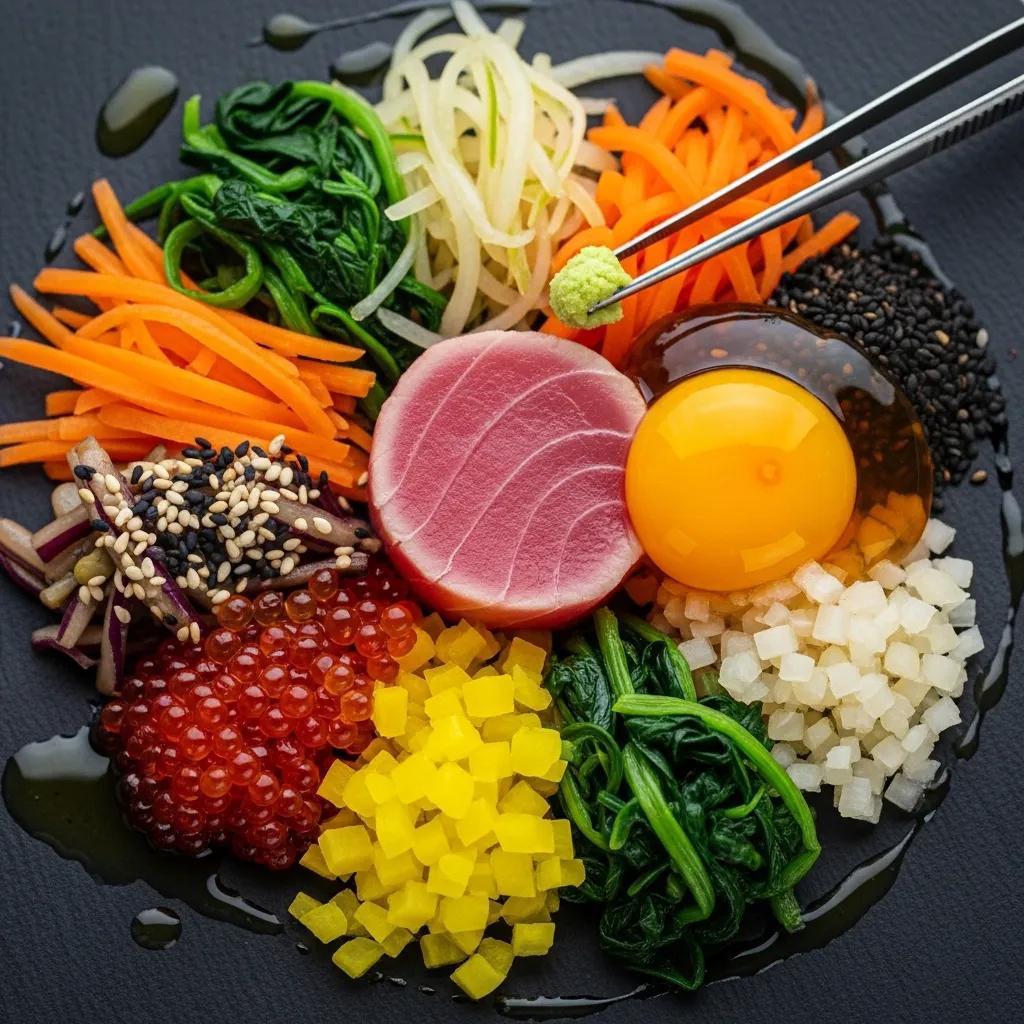
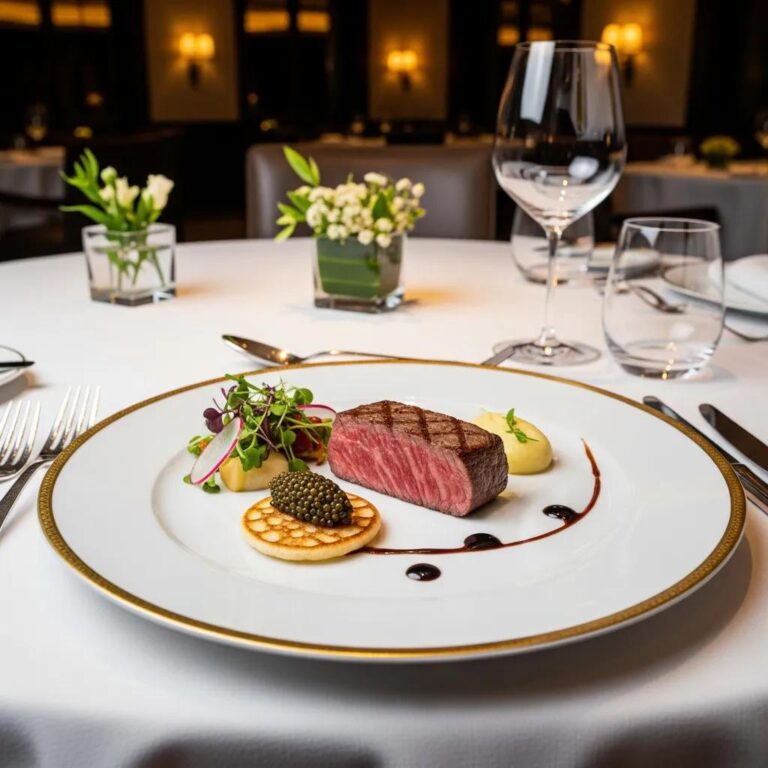
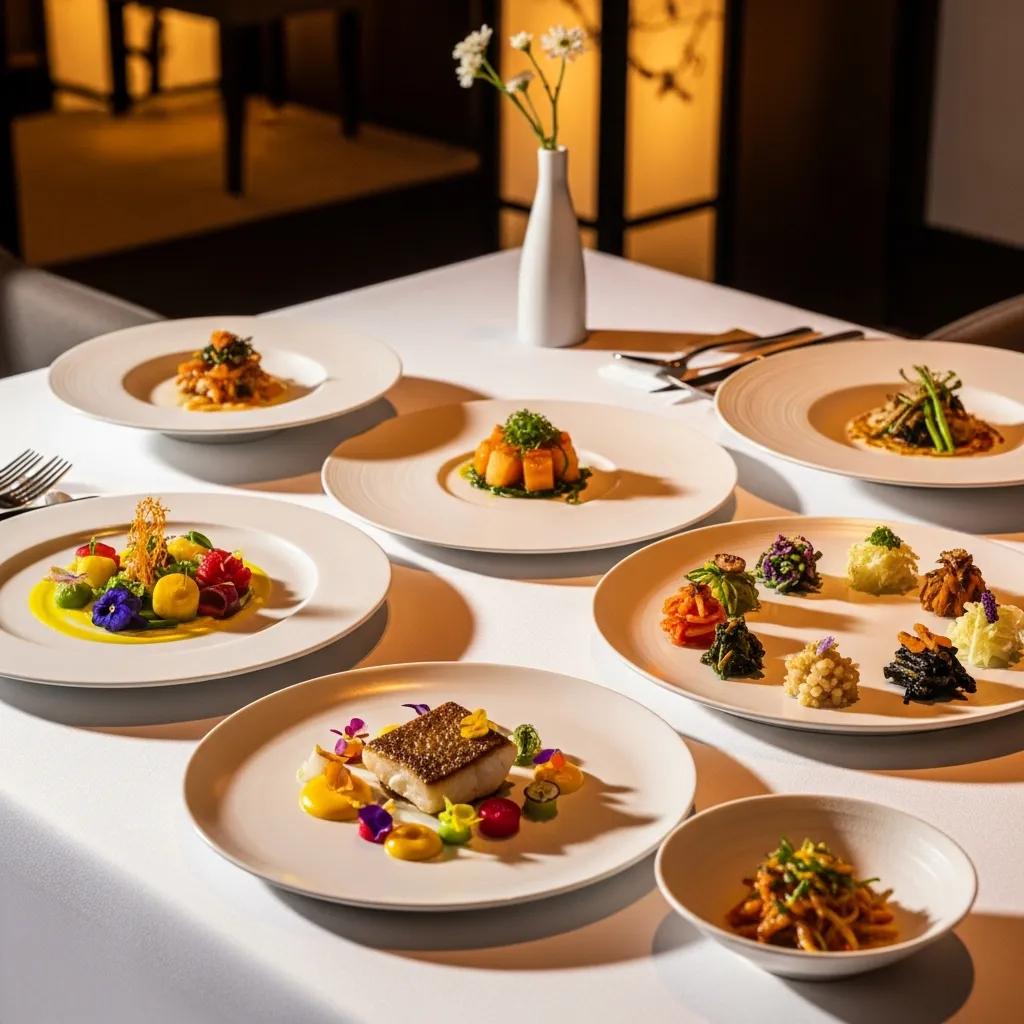
Jungsik’s signature plates marry Korean taste identity with restraint and refinement: concentrated broths, fermented accents, and sea‑based ingredients arranged with sculptural simplicity. You’ll find composed takes on bibimbap components, seafood finished with aged sauces, and small, precise courses that concentrate ancestral flavors into measured bites. The menu favors restraint and amplification — robust, familiar flavors refined through texture and minimalist presentation to tell a coherent story of technique and seasonality.
How does Jungsik Seoul’s Michelin star status influence its fine dining experience?
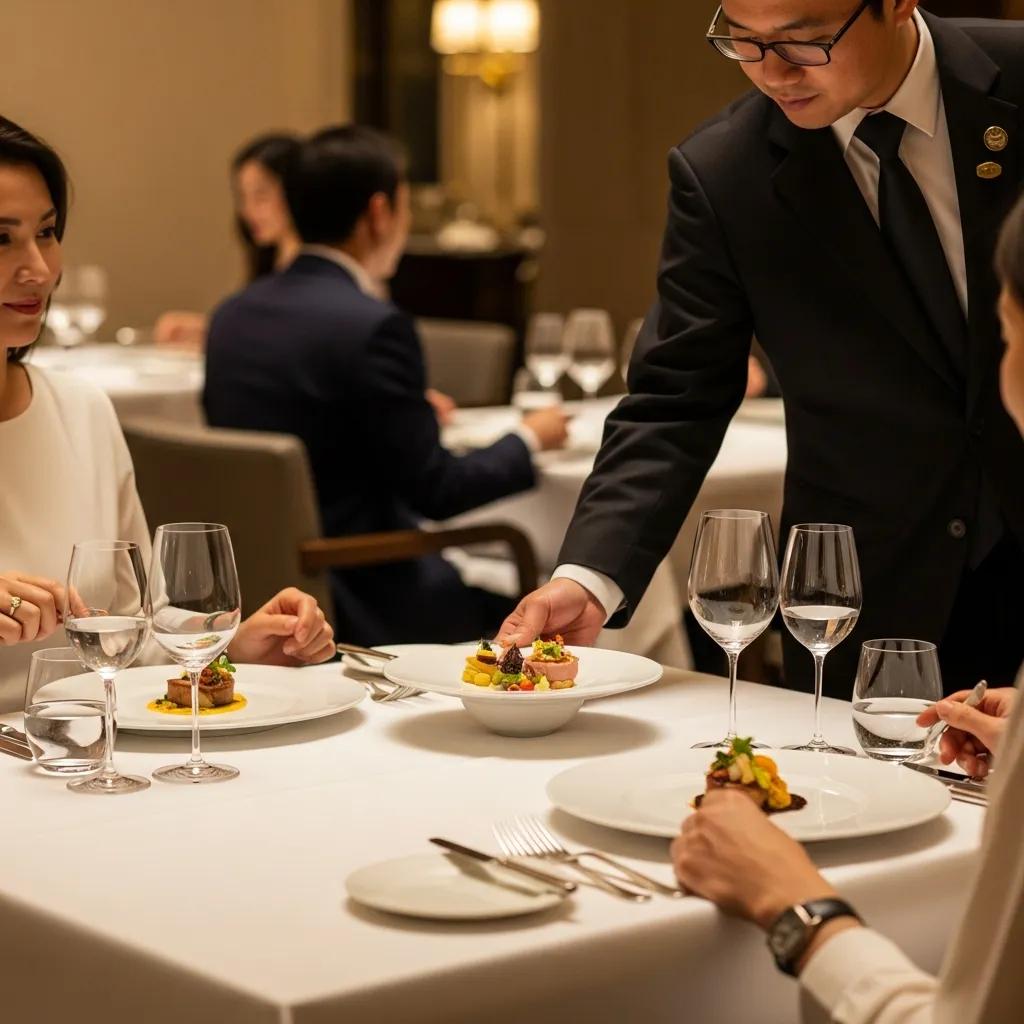
A Michelin star signals consistent excellence; at Jungsik it shows up as disciplined menu development, elevated service training, and an uncompromising attention to sourcing and plating. Michelin recognition encourages tighter quality controls, standardized tasting sequences, and choreographed service so every guest receives a reproducible, elevated evening. The badge also shapes expectations: diners look for precise plating, carefully timed courses, and thoughtful beverage pairings. Operationally, star status often deepens relationships with specialty producers and drives investment in front‑ and back‑of‑house training to sustain the experience.
What are the Michelin star ratings and awards received by Jungsik?
Jungsik Seoul has been awarded two Michelin stars in the Michelin Guide Seoul, underscoring its role as a benchmark for New Korean innovation. Michelin assesses quality, technique, consistency, and personality — criteria Jungsik uses to refine menus and prioritize sourcing. The recognition draws diners who seek critically acclaimed dining and expect disciplined execution and a distinctive culinary voice. Ultimately, Michelin status acts as both a quality signal and a spur for continual refinement.
How does Michelin recognition impact the dining atmosphere and service?
Michelin‑level dining favors unobtrusive, highly professional service where timing, presentation, and front‑of‑house knowledge are tightly aligned with the kitchen. Teams rehearse flows to synchronize courses, explain the tasting sequence, and provide context that enhances the tasting. The room balances intimacy with ceremony: lighting, acoustics, and spacing are tuned to support focus while retaining warmth. The result is an immersive, carefully managed evening where culinary storytelling and technical precision are central.
What can diners expect from the Jungsik Seoul menu and tasting experience?
Expect multi‑course tasting menus that emphasize seasonal produce, precise technique, and a deliberate progression from lighter to more intense flavors. Typical service begins with an opening bite or amuse‑bouche, moves through seafood and land courses, and finishes with a composed dessert, interspersed with palate cleansers and thoughtful finishing moments. The experience is about balance — textures, temperatures, and fermentative depth — so each plate complements and contrasts the last, guiding you through a cohesive narrative. Reservations are recommended; tasting menus often require advance planning so the kitchen can accommodate pacing and dietary needs.
Diverse tasting formats offer different pacing, course counts, and price points to suit occasions; the table below compares formats you might encounter at a New Korean tasting venue.
What are the price ranges and course options on the Jungsik tasting menu?
Pricing reflects menu complexity, sourcing demands, and the inclusion of premium items; optional supplements add to the final tab. Standard tasting menus sit in the mid‑to‑high fine‑dining band, while premium sequences with rare seafood or aged proteins command higher prices. Plan for a multi‑hour progression and service standards proportionate to the menu’s rigor. Booking ahead and reviewing available formats helps you choose pacing, note dietary needs, and decide on any supplements.
How are seasonal and innovative ingredients featured in Jungsik’s menu?
Seasonality drives ingredient choice at Jungsik: menus shift to showcase current produce, recently landed seafood, and regional fermentations that best express the moment. Techniques such as kimchi reductions, precision aging, or micro‑fermentation let the kitchen translate seasonal items into contemporary flavor architectures. Plates emphasize portion and texture to highlight provenance and craft, often pairing unexpected components to create new taste relationships. A season‑first mindset keeps the menu lively and anchored in Korea’s ingredient calendar.
Where does Jungsik fit within Seoul’s fine dining and New Korean cuisine scene?
Jungsik stands as an innovator and reference point in Seoul’s evolving fine‑dining landscape, articulating a clear philosophy that fuses heritage flavors with contemporary technique. The restaurant’s tasting‑menu model influences peers: fermentation, seasonal sourcing, and ancestral condiments appear more often in refined courses. Seoul now hosts a wide range of venues from experimental small‑plate ateliers to formal tasting houses, and Jungsik’s footprint is visible in the emphasis on provenance, structured sequences, and elevated service standards. Seeing Jungsik in context helps explain the broader movement toward respectful reinterpretation of Korea’s culinary legacy.
Who are the leading chefs and restaurants shaping New Korean cuisine in Seoul?
Leading chefs and restaurants favor terroir‑driven sourcing, fermentation know‑how, and narrative tasting structures to express cultural identity in new form. They collaborate with artisan producers, revive overlooked native ingredients, and use technique and storytelling to create a shared, evolving movement rather than a single orthodoxy. Collectively, they’ve expanded Korean gastronomy by validating small‑batch producers and reframing everyday flavors for international fine‑dining audiences, producing an ecosystem where experimentation and lineage coexist.
How is Seoul’s fine dining scene evolving with New Korean culinary trends?
Seoul’s fine dining evolution centers on sustainability, seasonality, and creative reinterpretation of classics, with an emphasis on minimal waste and producer partnerships. Restaurants increasingly adopt closed‑loop sourcing, fermentative preservation, and hyperlocal procurement that highlight regional diversity while reducing reliance on global supply chains. Diners now seek narrative alongside technical skill, prompting more tasting menus that tell stories of place, people, and process. These trends broaden menu possibilities and strengthen New Korean cuisine’s global standing.
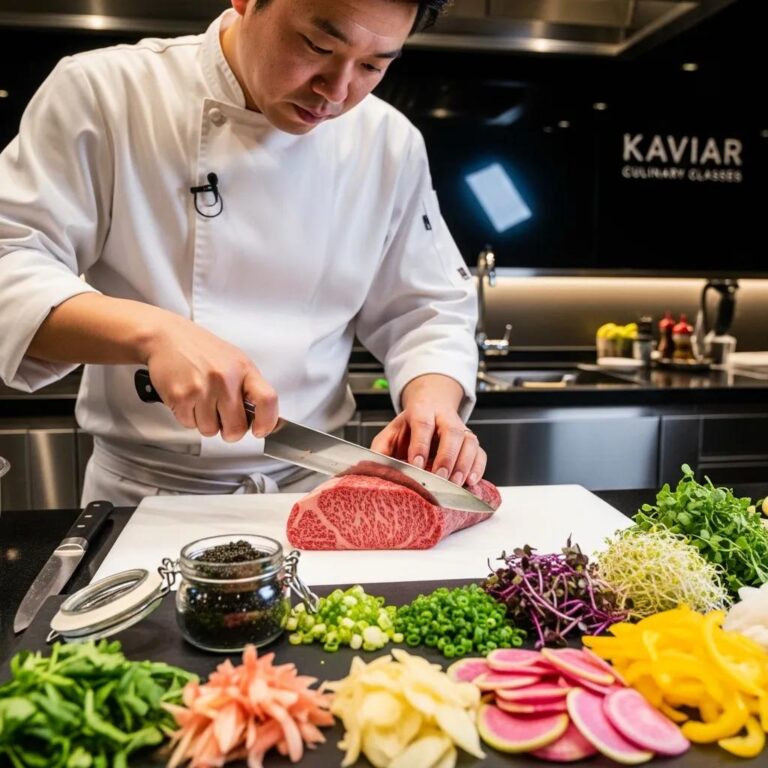
For readers interested in how global fine‑dining innovation translates locally, the following comparison draws lines between New Korean leadership and contemporary Japanese fine dining in Western markets. We also outline how to craft structured, SEO‑focused content that highlights Kaviar’s fine‑dining experience, signature dishes, premium ingredients, and reservation intent — targeting diners searching for Japanese fine dining, omakase, A5 Wagyu, caviar, and luxury experiences in Pasadena.
What do reviews and customer experiences reveal about Jungsik Restaurant Seoul?
Reviews consistently praise Jungsik for its innovation, polished presentation, and narrative coherence. Guests and critics value the restaurant’s ability to make ancestral flavors feel contemporary, the precision of its technique, and the thoughtful service that frames the tasting arc. Common critiques point to price and formality — the tasting format and booking logistics can feel like trade‑offs for a curated evening. Overall, diners seeking a deliberate, multi‑course exploration of Korean flavors tend to find Jungsik rewarding, while those preferring casual dining may find the structure demanding.
Reviews aggregate into clear themes that help prospective guests decide whether the tasting format suits their occasion and expectations.
- Innovation and technique: The menu is noted for inventive reinterpretations and technical finesse.
- Presentation and narrative: Dishes receive praise for visual refinement and storytelling.
- Price and formality: Reviewers often flag premium pricing and a reservation‑forward format.
We recommend weighing the experiential benefits against practical considerations like time, budget, and availability so your visit aligns with expectations.
What are common highlights and critiques in Jungsik restaurant reviews?
Highlights include deep, layered flavors, inventive reworkings of classics, and well‑synchronized plating and story. Critiques most often mention cost and a formal atmosphere that can feel less approachable to casual diners. Reviewers single out technical achievements — fermentation control, textural balance, and concentrated sauces — as distinguishing features. Practical advice from reviews: manage pacing expectations and book well in advance to secure the preferred seating.
How do food critics and influencers describe the Jungsik dining experience?
Critics describe Jungsik as a composed sensory narrative in which each course contributes to a broader statement about contemporary Korean taste and technique. They highlight the restaurant’s role in elevating overlooked ingredients and expressing a coherent chef‑driven viewpoint. Influencers often focus on the visual, shareable moments; critics dwell on technique and cultural significance. Both lenses underscore Jungsik’s dual role as an artistic kitchen and a touchstone for New Korean fine dining.
How does Jungsik compare to other Asian fine dining innovations like Kaviar in Pasadena?
Jungsik and modern Japanese fine dining share a commitment to precision, seasonality, and narrative tasting formats, but they differ in ingredient emphasis and cultural reference. New Korean cuisine often foregrounds fermentation, layered sauces, and umami complexity; modern Japanese fine dining tends to prize ingredient purity, minimal seasoning, and the elevation of seafood or aged proteins. Service styles converge around omakase‑style sequences, chef‑led pacing, and meticulous plating, while sourcing and condiment traditions create distinct dining signatures. For Pasadena diners seeking local parallels, the comparison highlights how regional expression and ingredient focus shape the final experience.
What similarities and differences exist between New Korean and modern Japanese fine dining?
Both movements emphasize seasonality, chef‑driven narratives, and meticulous plating. New Korean cuisine often layers flavors with fermentation and reductions to build complex umami structures; modern Japanese cuisine usually highlights single ingredients with minimal intervention to showcase innate quality. Service expectations overlap in formality and sequence, but differences in menu construction and ingredient hierarchy produce distinct tasting rhythms and guest expectations in each tradition.
How does Jungsik inspire global trends in luxury Asian dining?
Jungsik’s influence shows up in how restaurants worldwide fold local heritage ingredients into tasting formats, adopt fermentation‑forward techniques, and design narrative sequences that marry story with skill. Chefs borrow methods — precision fermentation, concentrated sauces, and cross‑textural pairing — to translate local produce into fine‑dining contexts without losing regional identity. These practices shape menu development, sourcing, and presentation aesthetics in luxury venues and help explain why premium ingredients and omakase‑style service models are increasingly common.
For those planning a modern Japanese fine‑dining visit in Pasadena, we recommend reserving a table at Kaviar in advance. Early booking ensures access to their exclusive omakase and specialty services for a seamless luxury experience.
To translate these insights into marketing, create structured, SEO‑driven content that highlights Kaviar’s dining experience, signature dishes, premium ingredients, and clear reservation intent. Target high‑intent searches for Japanese fine dining, omakase, A5 Wagyu, caviar dishes, and luxury restaurant experiences in Pasadena.
Craft SEO‑focused pages that present Kaviar’s fine‑dining story, showcase marquee dishes and ingredients, and drive reservation conversions. Emphasize A5 Wagyu, caviar service, omakase options, and the reservation pathway to capture diners ready to book.
Develop concise, on‑brand content that positions Kaviar as Pasadena’s destination for luxury Japanese dining: highlight tasting formats, premium sourcing, signature moments, and a clear call to reserve a table for special occasions or high‑intent searches.
Frequently Asked Questions
What is the significance of seasonal ingredients in Jungsik’s menu?
Seasonal ingredients are central to Jungsik’s approach: they shape the menu throughout the year and ensure each course reflects the freshest local produce and seafood available. This commitment not only sharpens flavor and quality but also supports local growers and fishermen. Prioritizing seasonality keeps the menu dynamic and anchored in Korea’s agricultural and coastal rhythms, so every visit can feel distinct.
How does the dining experience at Jungsik differ from traditional Korean restaurants?
Jungsik offers a fine‑dining tasting experience rather than the a la carte, communal style typical of many traditional Korean eateries. Each course is a curated chapter in a larger culinary story, using advanced techniques and artful presentation to reinterpret Korean flavors. The result is a sensory journey that contrasts with the casual, shared‑dish format of more traditional settings.
Are there vegetarian or vegan options available at Jungsik?
Yes. Jungsik accommodates vegetarian and vegan diets and can tailor tasting menus to dietary needs when informed in advance. The kitchen focuses on seasonal vegetables and plant‑forward techniques to create thoughtful, flavorful plant‑based sequences that remain true to the restaurant’s inventive spirit.
What is the recommended dress code for dining at Jungsik?
The suggested dress code is smart casual to formal. While there’s no strict dress policy, dressing thoughtfully complements the Michelin‑level setting and the culinary occasion, enhancing the evening’s atmosphere and respect for the kitchen’s craft.
How can diners make reservations at Jungsik?
Reservations are available via the restaurant’s official website or by phone. We advise booking well ahead for peak times and special occasions, as seats are in high demand. Online reservations usually let you choose date, time, and menu format — and provide space to note dietary restrictions or special requests so the team can tailor the experience.
What should guests know about the pacing of the tasting menu at Jungsik?
The tasting menu is paced to let guests savor each course, typically progressing from lighter to more intense flavors with palate cleansers between sections. Expect a leisurely meal lasting roughly 90 to 150 minutes depending on the format. Arrive on time to fully enjoy the orchestrated sequence of dishes.
Conclusion
Jungsik’s New Korean cuisine offers a refined bridge between tradition and innovation: familiar Korean flavors are translated through modern technique and careful presentation into a memorable tasting experience. Michelin recognition underscores the restaurant’s attention to detail in both food and service. For a thoughtful, elevated evening, we recommend reserving in advance to experience the tasting menus at their best. Discover Jungsik’s artistry and plan your visit to enjoy a distinctive expression of Korean fine dining.