



The Art of Tea Pairing with Desserts and Sweet Treats — A Gourmet Guide to Luxurious Matches
Pairing tea with desserts is a considered craft: matching specific teas to sweet flavors and textures elevates both the cup and the confection. In this guide we outline the main tea families — green, black, white, oolong and herbal — and explain why each interacts with desserts the way it does. You’ll learn practical pairing approaches (complement, contrast, intensity match), see Japanese-inspired examples like matcha cheesecake and yuzu tart, and get a sense of how a sommelier sequences a curated tasting. We also explain how provenance and pastry technique shift outcomes so you can appreciate the difference single-origin teas and artisanal pastries make. If you’re dining in Pasadena and want a guided experience, learn how an upscale Japanese fine-dining restaurant presents a tea-and-dessert omakase and how to reserve a seat for a sommelier-led tasting.
Which Tea Types Work Best with Desserts and Sweet Treats?
Tea categories offer predictable aroma, body and palate effects that make them better suited to certain desserts. Green teas bring vegetal umami or bright grassy notes that lift citrus and fruit; black teas contribute tannic structure and malt to balance chocolate and buttery pastries. White teas lend delicate florals and honeyed sweetness to fragile confections, while oolongs span floral to roasted notes, making them flexible partners for layered desserts. Knowing these families helps you choose specific matches quickly and confidently.
Below is a quick-reference table comparing tea categories by flavor, intensity and ideal dessert matches.
This snapshot clarifies which broad tea families pair well with common dessert textures and flavors and prepares you for the more detailed tactics that follow.
Which Green Teas Best Complement Sweet Pastries and Japanese Desserts?
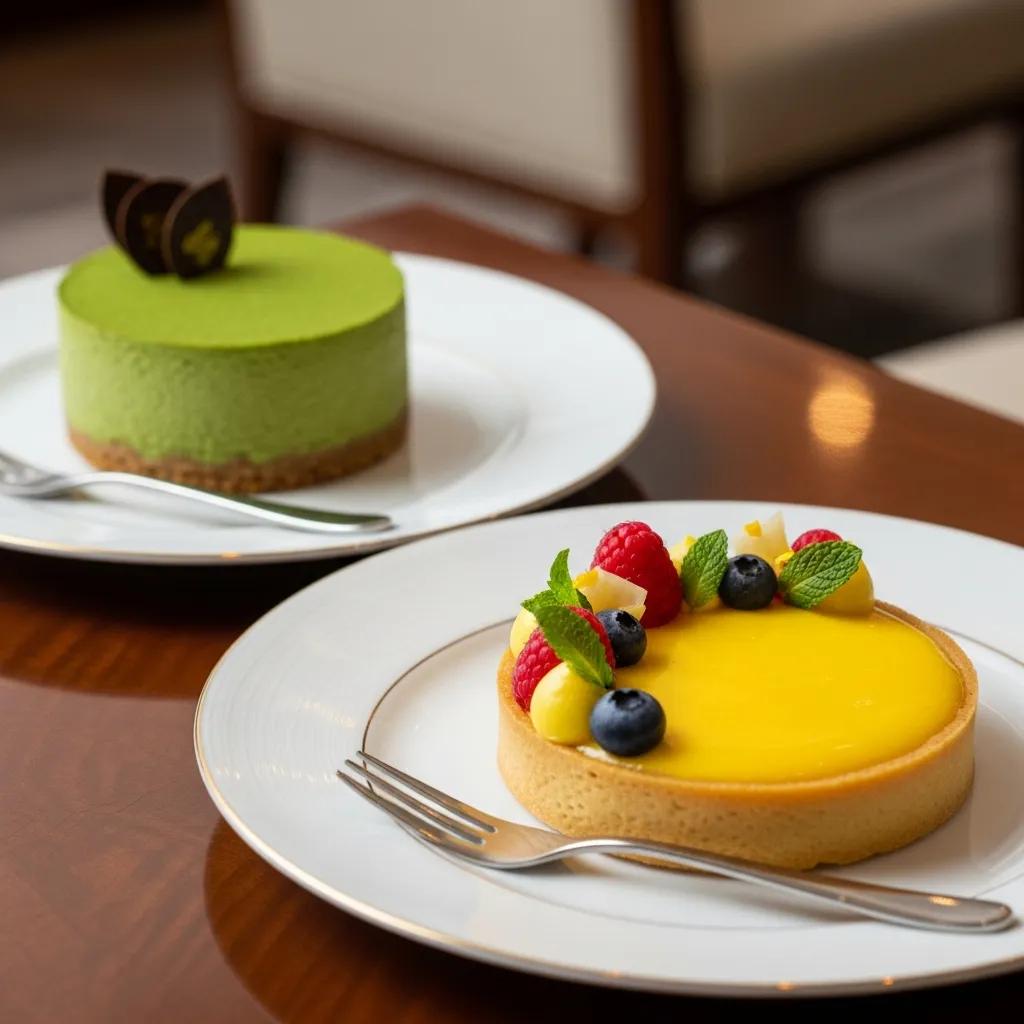
Green teas bring umami, vegetal sweetness or subtle roast that can either mirror a dessert’s character or provide balancing contrast—qualities that make them natural partners for Japanese-inspired sweets and refined Western pastries. Matcha, with its concentrated powdered form, delivers sustained umami and a lingering green sweetness that harmonizes with dense creams like matcha cheesecake or panna cotta; its texture can also lengthen the finish. Sencha’s grassy, slightly bright astringency refreshes fruit-forward desserts and citrus tarts by lifting acidity between bites. Gyokuro’s pronounced umami and silky body pair beautifully with delicate wagashi and subtle bean pastes, complementing restrained sweetness without overwhelming nuance.
Service notes: present matcha at around 160°F and whisk to a fine foam for textural contrast; steep sencha and gyokuro at lower temperatures (roughly 140–158°F) to preserve their aromatic top notes.
How Do Black, White and Oolong Teas Enhance Different Dessert Flavors?
Black, white and oolong teas each contribute distinct aromatic and textural effects — tannic lift, gentle florals, or layered floral-roasted complexity — that determine how they support different sweets. Robust black teas like Assam or a strong breakfast blend offer tannic structure and malty backbone that cut through fat in ganache, flourless chocolate cake and buttery pastries, making each bite feel lighter. White teas such as Silver Needle add floral and honeyed nuance to subtle desserts without introducing astringency that would mask delicate sponges or macarons. Oolongs act as versatile bridges: lightly oxidized floral oolongs lift fruity or nutty elements, while more roasted oolongs reinforce caramelized or nut-forward flavors in multi-component plated desserts.
Recognizing these mechanisms guides strategic pairing choices and leads into intensity-matching tactics that account for texture and serving temperature.
How Do You Master the Principles of Tea and Dessert Pairing?
Mastering pairing means applying complementary and contrasting techniques, matching intensity, considering texture, and using temperature as a balancing tool. Complementary pairings amplify shared notes — for example, a floral white tea with a honeyed tart — while contrasting pairings use tea to cut richness, such as an astringent black tea with dense chocolate. Intensity matching prevents one element from overwhelming the other; texture alignment connects mouthfeel across sip and bite; and temperature contrast (hot tea with cold dessert, iced tea with warm pastry) shifts perceptions of sweetness and acidity.
Use the short technique checklist below to put these principles into practice.
- Assess intensity: match light teas with delicate desserts and stronger teas with dense sweets.
- Choose a direction: amplify shared notes or use tea to cut richness.
- Consider texture and temperature: align mouthfeel or introduce contrast where it benefits the course.
These rules form the backbone of multi-course tea-and-dessert sequences and inform how a sommelier curates an omakase pairing.
Below is a simple mapping of pairing principles to practical examples for quick reference.
This practical mapping helps bakers, hosts and sommeliers turn abstract principles into repeatable pairings that reliably enhance a tasting.
Foundational strategies — similarity, contrast and synergy — are the practical tools that create memorable food-and-drink combinations.
Principles of Flavor Matching: Similarity, Contrast, and Synergy in Food and Drink Pairings
A survey of chemical, psychological and computational approaches to combining flavours identifies three guiding principles: similarity (matching shared flavour compounds), contrast (pairing deliberately different elements) and synergy (combinations that produce new, harmonious experiences). The psychological perspective, with attention to cultural context, offers particularly useful guidance for effective pairings.
Pairing flavours and the temporal order of tasting, C Spence, 2017
What Are Kaviar Restaurant’s Signature Desserts and Their Ideal Tea Pairings?
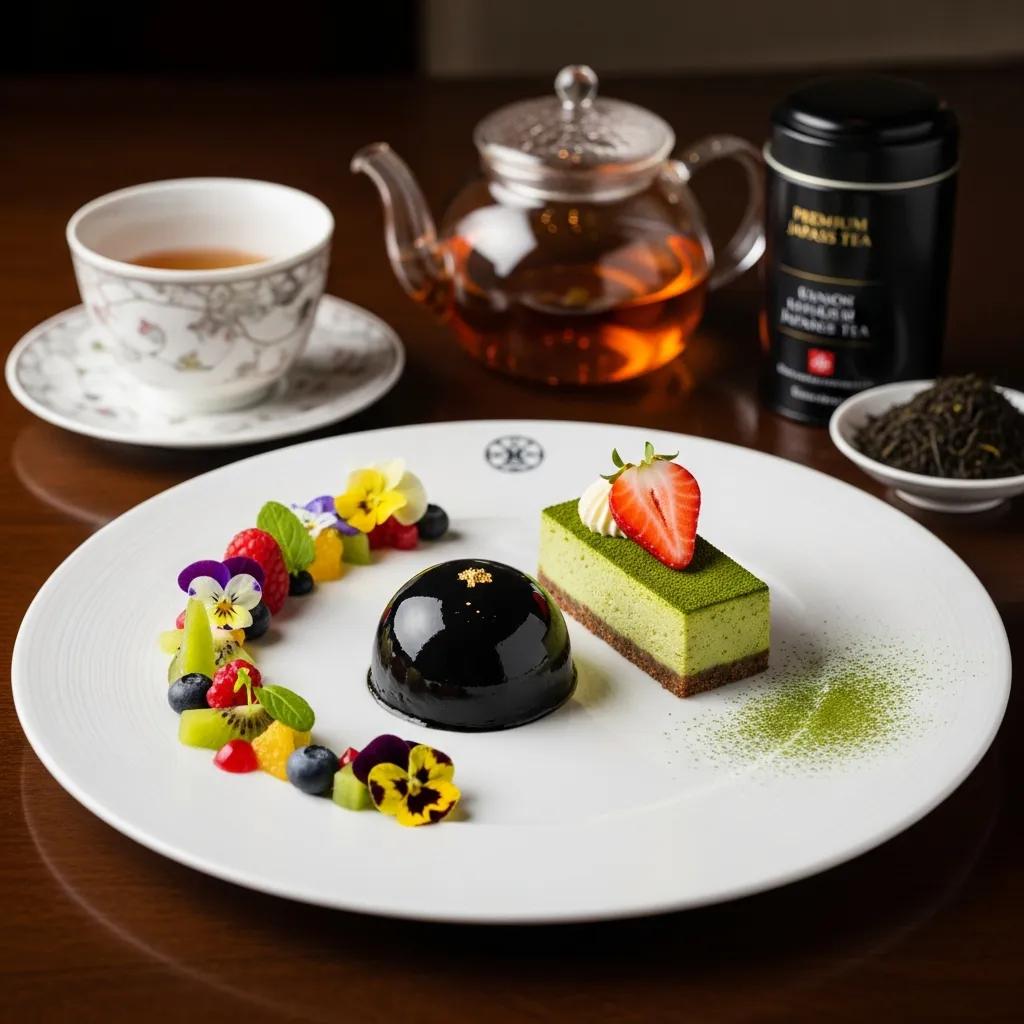
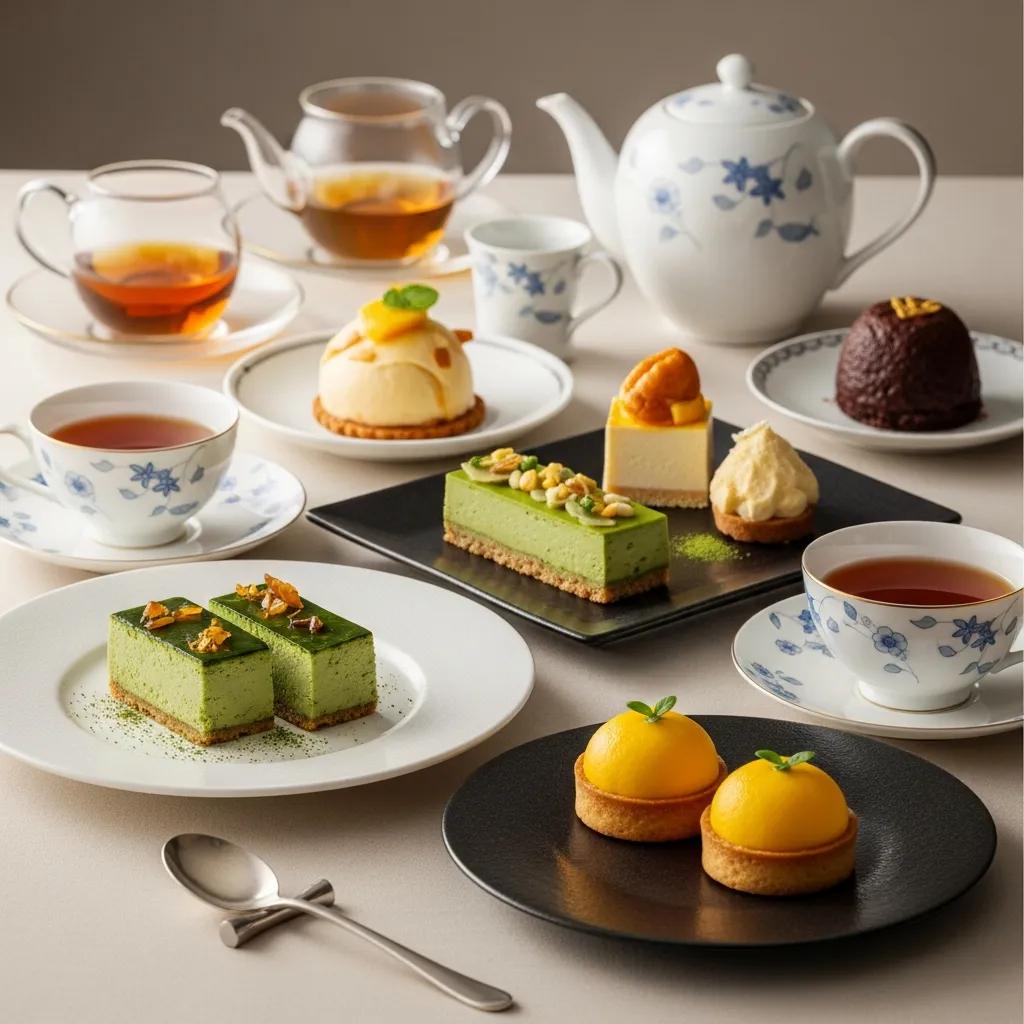
At Kaviar in Pasadena we approach desserts through a Japanese-inspired lens and fine-dining precision: seasonal ingredients, exacting texture work and restrained sweetness are central to our desserts and to the pairings we recommend. Signature-style items that reflect this ethos include a dense matcha cheesecake, a bright yuzu tart with a crisp shell, and a black sesame panna cotta that showcases roasted, nutty depth. Each calls for a considered tea match that either complements or balances the plate.
Suggested matches: a moderate gyokuro or a lighter ceremonial-grade matcha to amplify umami on matcha cheesecake; sencha or a lightly floral oolong to lift the brightness of a yuzu tart without adding sweetness; and hojicha for black sesame panna cotta — its roasted notes echo the sesame and offer comforting warmth.
These curated suggestions show how Japanese tea varieties can deepen dessert narratives. For a guided tasting that highlights these pairings, we invite you to reserve a seat for a sommelier-led experience.
Our dessert service is paced to let each pairing reveal its best qualities; reservations for a tea-and-dessert tasting ensure the timing and sommelier guidance that make the sequence memorable.
Which Japanese-Inspired Desserts Pair Best with Premium Japanese Teas?
Japanese-inspired desserts emphasize subtle sweetness, texture and delicate contrasts — qualities that premium Japanese teas (matcha, sencha, gyokuro, hojicha) are uniquely suited to support. Matcha’s umami and lingering vegetal notes intensify dairy-rich desserts like cheesecake while contributing a cleansing astringency on the finish. Hojicha’s toasty, low-astringency character mirrors caramelized or roasted elements such as black sesame panna cotta. Sencha’s fresh vegetal lift and brisk finish brighten citrus-forward desserts like a yuzu tart without increasing perceived sweetness.
Service cues: slightly cooler steeping for gyokuro to protect umami, and a short, vigorous whisk for matcha to create an airy texture that contrasts dense creams — small details that improve harmony and set expectations between courses.
How Can Luxury Sweet Treats Elevate the Fine-Dining Tea Experience?
Luxury desserts amplify tea pairings when provenance, texture precision and refined presentation come together to create layered sensory moments. Single-origin matcha or small-batch sencha adds a provenance story to the cup, while seasonal fruits and artisanal chocolate on the plate create pairing opportunities a sommelier can call attention to. Thoughtful portioning — small, composed bites — lets guests cycle sip and bite repeatedly, revealing how a tea’s aroma and flavor evolve against specific textures. Subtle savory accents like toasted seeds, yuzu zest or a delicate saline garnish act as counters to sweetness and add complexity that well-chosen teas can either mirror or balance.
This layered design supports an omakase-style pacing where each course reveals a new relationship and prepares diners for a guided tasting sequence.
How Can You Experience a Curated Tea and Dessert Pairing at Kaviar Restaurant?
A curated tea-and-dessert pairing at a fine-dining restaurant is an omakase in miniature: chef and tea sommelier collaborate to craft a progression from delicate to robust, balancing texture, aroma and intensity over several small courses. In a sommelier-led tasting guests typically begin with a welcome tea that sets the tone, then move through paired desserts where teas are brewed to precise parameters and served at ideal temperatures to maximize aromatic release and palate resetting. The sommelier explains provenance and tasting notes, adapts pairings to guest preferences, and times pours so each sip complements specific bites — an educational, sensory narrative that deepens appreciation and encourages discovery.
Knowing this structure helps guests understand why omakase pacing and sommelier guidance make a tea-and-dessert pairing special.
What Is the Omakase Tea and Dessert Journey at Kaviar?
Our omakase tea-and-dessert journey unfolds as a multi-course tasting that moves from light, aromatic introductions to concentrated, texturally complex finales, creating a satisfying narrative arc. A sample sequence might begin with a delicate white tea paired with a light sponge or wagashi to introduce floral notes, move to sencha with a citrus tart to lift acidity, follow with hojicha alongside a roasted-seed panna cotta to echo caramelized flavors, and finish with matcha or a rich black tea paired with a dense chocolate or matcha cheesecake for a resonant close. Palate cleansers — small water- or citrus-based interludes — refresh the mouth between courses so each tea can express its character. This ordered progression reveals relationships across teas and desserts and ensures each course builds rather than overwhelms.
Describing a sample journey prepares diners for the pacing and sensory logic of a reservation.
How Does a Tea Sommelier Guide Enhance Your Tea Pairing Experience?
A tea sommelier brings curation, education and real-time adjustment to the pairing: selecting teas by provenance and processing, demonstrating steeping technique to unlock aromatics, and tailoring pairings to guest preferences. Their knowledge of terroir and grade — choosing shade-grown gyokuro for umami or a lightly oxidized oolong for florals — makes pairings feel purposeful. Small on-the-fly changes, like a gentler steep for guests sensitive to tannin, turn a sequence into a bespoke experience. The sommelier’s storytelling — connecting origin, processing and tasting notes — elevates dessert service into an instructive tasting that guests can reproduce at home.
This expert guidance is central to the omakase tea-and-dessert format and a primary reason guests seek sommelier-led reservations.
Where Do Kaviar’s Premium Teas and Desserts Originate and How Are They Crafted?
Origins and craft are the foundation of thoughtful pairings: terroir, leaf processing and pastry technique set the flavor building blocks pairing relies on. In Japanese teas, shade-grown versus open-grown leaves and steaming versus pan-firing produce distinct umami, vegetal or roasted profiles. Single-origin or specialty-grade matcha concentrates amino acids and umami that interact with dairy and fats differently than a standard blend; sencha’s steaming preserves fresh vegetal aromatics ideal for citrus matches; hojicha’s roasting creates toasty, low-astringency liquor that supports roasted-seed desserts. On the pastry side, artisanal technique — tempered chocolate, precisely set gelatin for panna cotta, restrained sugar for wagashi — balances sweetness, acidity and texture so the tea can remain expressive rather than overshadowed. Transparency about sourcing and technique is therefore integral to a luxury pairing service.
What Are the Origins and Flavor Profiles of Kaviar’s Japanese Teas?
Growing regions and microclimates shape Japanese tea flavor: shade-grown fields produce higher amino acids and umami found in gyokuro and ceremonial matcha, while open-grown fields yield brighter, vegetal senchas with crisp top notes. Processing choices matter: steaming preserves green aromatics and a brisk finish, roasting (as with hojicha) develops toasty aromas and lowers astringency. These origin and processing variables inform pairing decisions — umami-forward teas pair with creamy desserts, roasted or floral profiles suit nutty or aromatic pastries — and typical service guidance (cooler steeps for gyokuro, hotter water for hojicha) ensures those nuances show on the cup.
Understanding provenance helps guests read tasting notes and set expectations before a pairing begins.
How Are Artisan Desserts Created to Complement Fine Teas?
Artisan desserts are built for balance: sweetness calibrated against acidity, texture designed for repeated sip-and-bite cycles, and portioning tailored for tasting. Pastry chefs focus on mouthfeel and focal flavor — a compact tart concentrates acidity for the tea to lift; a silken panna cotta offers creaminess that an astringent tea can cut; an airy sponge invites delicate white teas to highlight subtle aromatics. Seasonal ingredients and small-batch techniques create unique flavor moments that pairings can mirror or counterpoint, while restrained plating keeps the tasting narrative clear during an omakase progression. These choices make tea an active ingredient in the overall sensory story, not a backdrop.
Understanding dessert construction explains why portions are intentionally small and why the sommelier times pours to match textural transitions.
What Are the Top Questions About Tea Pairing with Desserts and Sweet Treats?
Short, practical answers help hosts and diners choose teas with confidence. The following Q&A covers chocolate pairing, pastry selection and a quick checklist you can apply at home or when booking a tasting.
Use this brief checklist when choosing teas at home or ordering a tasting.
- Match intensity: Pair strong teas with dense desserts and light teas with delicate sweets.
- Decide complementary vs contrasting: Choose whether to amplify a shared note or balance richness.
- Consider temperature and texture: Hot teas can contrast cold desserts; cold teas can accompany warm pastries.
- Start simple: Try one tea with one dessert, tweak steeping or temperature, then expand.
What Tea Pairs Best with Chocolate and Rich Desserts?
Robust black teas like Assam or aged, earthy teas such as pu-erh provide tannic support and depth that offset fat and highlight cocoa. A strong black tea refreshes the palate between bites of ganache or buttercream, while pu-erh’s earthiness mirrors dark chocolate’s deeper notes for a resonant finish. For very sweet desserts, consider a slightly astringent tea or a roasted oolong to balance richness; shortening steep time by 15–30 seconds can tame bitterness so the tea supports rather than competes with the chocolate.
These pairings offer reliable starting points for immediate chocolate-and-tea matches.
How Do You Choose the Best Tea for Sweet Pastries and Cookies?
Begin by identifying the pastry’s dominant trait — richness, spice or aromatic nuance — then pick a tea that complements or contrasts that trait. For buttery cookies and scones, a malty black tea or lightly oxidized oolong enhances richness and lifts texture. For delicate macarons or almond pastries, a white tea or subtle sencha preserves fragile aromatics. If spices dominate (cardamom, cinnamon), choose a tea with warm spice notes or a robust base to match intensity; for fruit-forward pastries, bright green teas or floral oolongs accent fruit acidity. Finally, adjust steeping time and serving temperature to fine-tune perceived sweetness and tannin so the pairing stays balanced.
Following this checklist helps hosts and diners assemble harmonious tea-and-pastry pairings with minimal trial and error and points toward sommelier guidance for more elaborate sequences.
This guide has covered tea taxonomy, pairing principles, curated matches for Japanese-inspired desserts, the structure of an omakase tea-and-dessert journey, and how provenance and craft inform choices. If you’re in Pasadena and eager to experience these ideas in person, consider reserving a sommelier-led tasting at an upscale Japanese fine-dining restaurant — a reservation secures the pacing, expertise and curated pairings that turn tasting into discovery.
Frequently Asked Questions
What are the key factors to consider when pairing tea with desserts?
Focus on flavor intensity, whether you want complementary or contrasting notes, texture and temperature. Intensity matching keeps the tea and dessert in balance. Complementary pairings emphasize shared flavors; contrasting ones cut or balance richness. Texture should harmonize between sip and bite, and temperature can be used intentionally to modulate sweetness and acidity. These guidelines create balanced, enjoyable tastings.
How can I experiment with tea and dessert pairings at home?
Start with one dessert and one tea. Identify the dessert’s dominant flavors and choose a tea that either complements or contrasts them. Keep the first pairing simple, then adjust steep times and temperatures to refine the match. Take notes, iterate, and expand your pairings as you learn — the hands-on approach yields the most useful discoveries.
Are there specific teas that work well with seasonal desserts?
Yes. Floral oolongs pair beautifully with spring desserts featuring fresh fruit; robust black teas suit autumnal treats like pumpkin pie; spiced teas complement winter holiday sweets; and light green teas refresh summer citrus desserts. Matching tea to seasonal ingredients enhances the overall experience.
What role does a tea sommelier play in enhancing the pairing experience?
A tea sommelier curates selections by flavor profile, provenance and processing; they guide guests through tasting, explain nuances, and make tailored adjustments. Their knowledge turns a meal into an educational tasting, ensuring pairings are intentional and enjoyable for each guest.
How can I ensure my tea is served at the right temperature for pairing?
Familiarize yourself with optimal steeping temperatures: green teas generally do best at lower temperatures (140–175°F), while black teas use higher temperatures (195–205°F). A thermometer or temperature-controlled kettle helps. Also consider the dessert’s temperature — pairing hot tea with cold desserts or vice versa can create pleasing contrasts.
What are some common mistakes to avoid when pairing tea with desserts?
Avoid mismatching intensity, overlooking complementary notes, and ignoring texture. A delicate tea can be overwhelmed by a rich dessert; a powerful tea can dominate a light confection. Always taste and adjust pairings based on the specific tea and dessert to achieve harmony.
Conclusion
Learning to pair tea with desserts deepens enjoyment of both cup and confection. By understanding tea families, pairing principles and the role of provenance and pastry technique, you can create memorable combinations that highlight nuance and balance. For a hands-on introduction, reserve a sommelier-led tasting at a fine-dining restaurant to experience curated pairings and expert pacing firsthand. Elevate your next dessert by exploring the refined world of tea pairings.