



Luxury Japanese Restaurant Design and Ambiance Philosophy at Kaviar — Pasadena
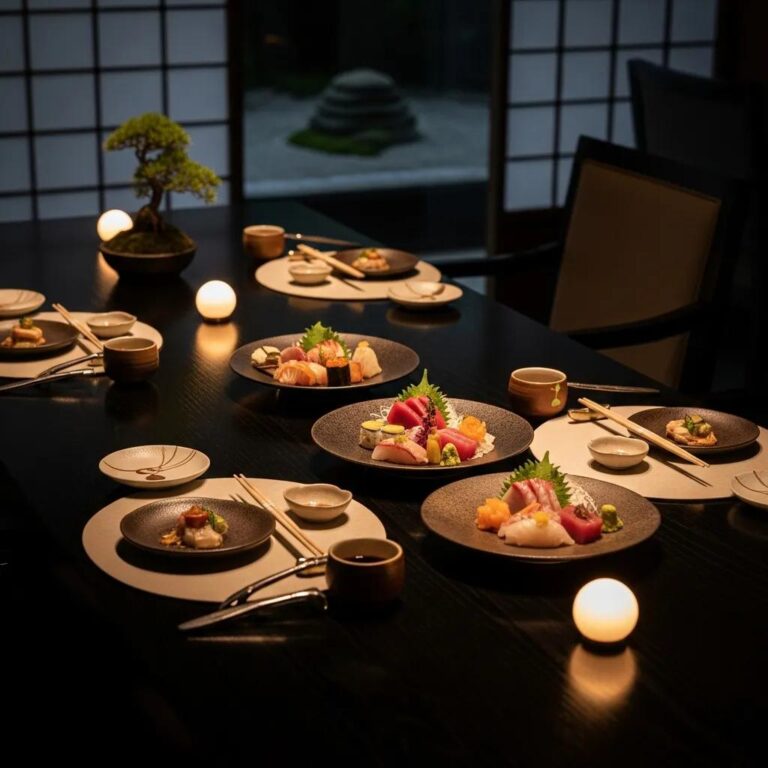
At Kaviar in Pasadena, luxury Japanese design is a quiet, deliberate collaborator to the food itself. We combine contemporary Japanese minimalism with purposeful sensory design so light, materials, and space frame each course. Below we explain how lighting, surfaces, sightlines, and spatial sequencing heighten the experience of omakase, A5 Wagyu, and caviar—so readers understand the design mechanics behind memorable tastings and what to expect when booking. If you seek a table where interior choices sharpen tasting focus and lift emotional resonance, this guide maps our core design pillars, omakase counter ergonomics, presentation approaches for Wagyu and caviar, the role of Wabi‑Sabi, and how these decisions place Kaviar within Pasadena’s luxury dining scene. Along the way we connect design details (lighting, materials, furniture) to perceptual outcomes (focus, warmth, occasion) and offer practical notes for guests making reservations.
What defines Kaviar’s approach to luxury Japanese design in Pasadena?
Kaviar’s aesthetic blends contemporary Japanese restraint with carefully chosen luxe moments that serve the culinary story. By reducing visual clutter and amplifying material detail, measured lighting, and spatial rhythm, the interior makes the food the unmistakable focal point—refined yet welcoming. Key design mechanisms include disciplined sightlines, layered lighting, and tactile finishes that each produce specific perceptual effects: enhancing color contrast on a plate, moderating conversation tempo, or improving focus. Understanding these pillars shows why the room’s design matters as much as menu curation for guest satisfaction and perceived value. Below we unpack minimalism in practice and the material palette that sets Kaviar’s tone.
How does modern Japanese minimalism shape Kaviar’s interior?
Minimalism at Kaviar is purposeful: restraint in ornament, attention to proportion, and clarity of function so the chef’s work takes center stage. Negative space frames seating groups, clean lines limit distraction, and scaled furnishings preserve intimacy while enabling seamless service. When visual noise is removed, sensory focus sharpens—textures, colors, and movement on the plate become legible and the sequence of a multi‑course tasting reads more clearly. Our designers calibrate scale, spacing, and rhythm so the omakase counter and private alcoves feel like stages for culinary performance.
Which premium materials and color palettes enhance Kaviar’s ambiance?
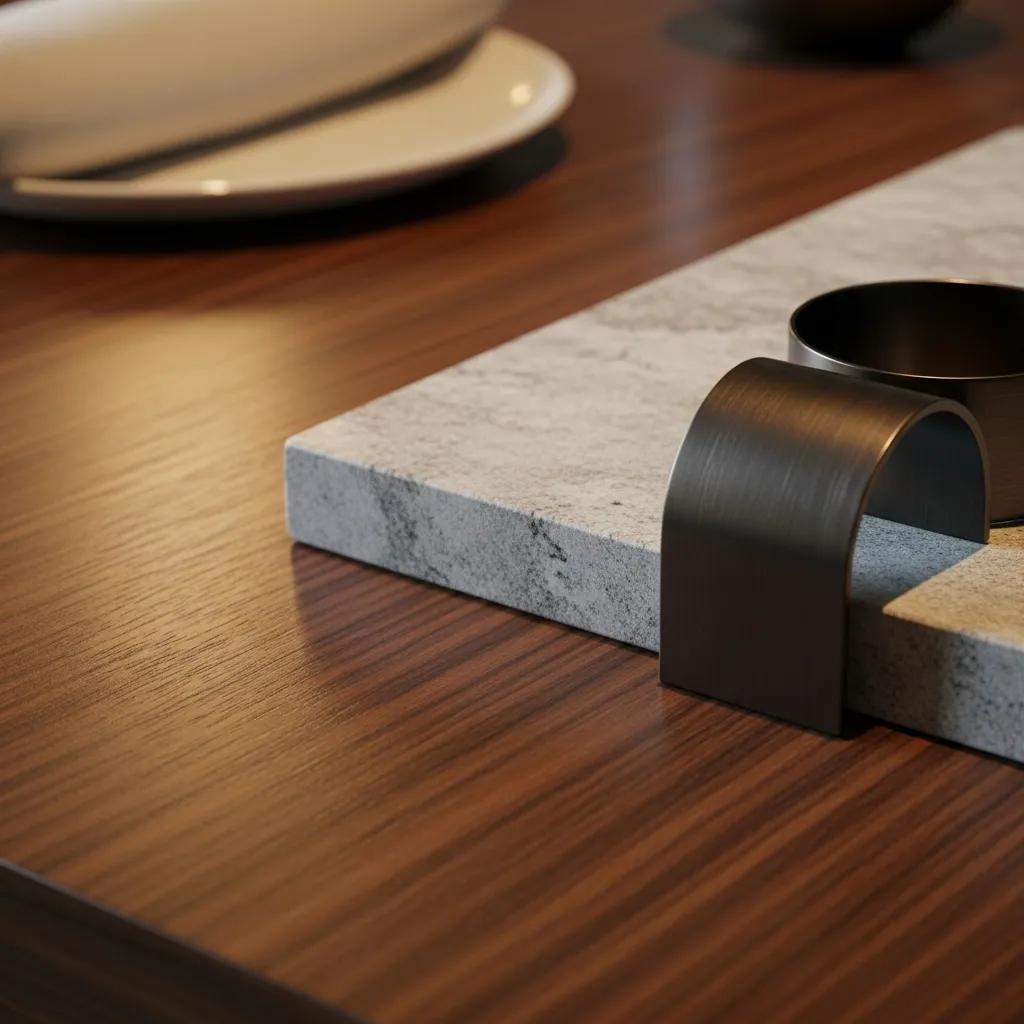
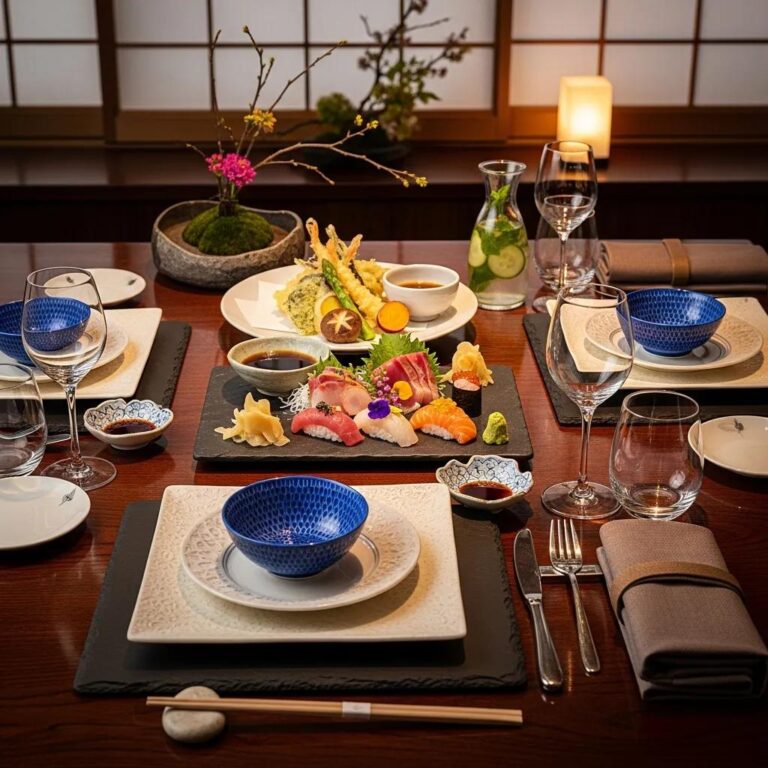
We pair warm woods, honed stone, and matte metals with restrained accents to create a tactile luxury that reads authentic, not flashy. Wood adds warmth and acoustic damping; stone provides an elegant, cool backdrop for plating; metal details catch accent light and underline texture. Our palette leans to earth tones, deep neutrals, and selective metallic highlights—choices that add perceived richness while keeping visual calm. Together these materials control glare, lend photographic depth, and increase the contrast between food and setting, enhancing perceived freshness and quality. Next, we show how these choices are choreographed specifically for omakase service.
How does Kaviar’s design elevate the omakase dining experience?
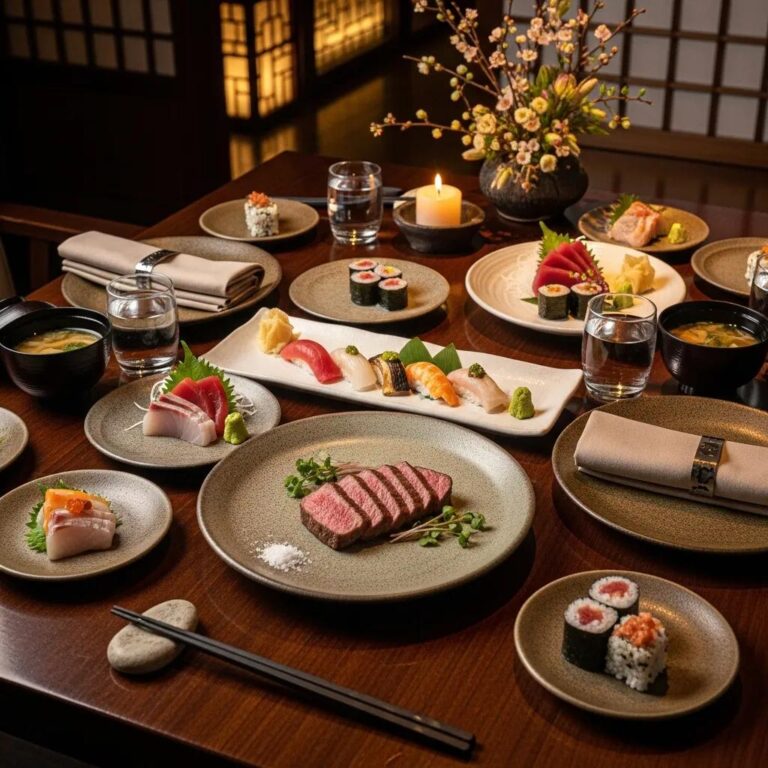
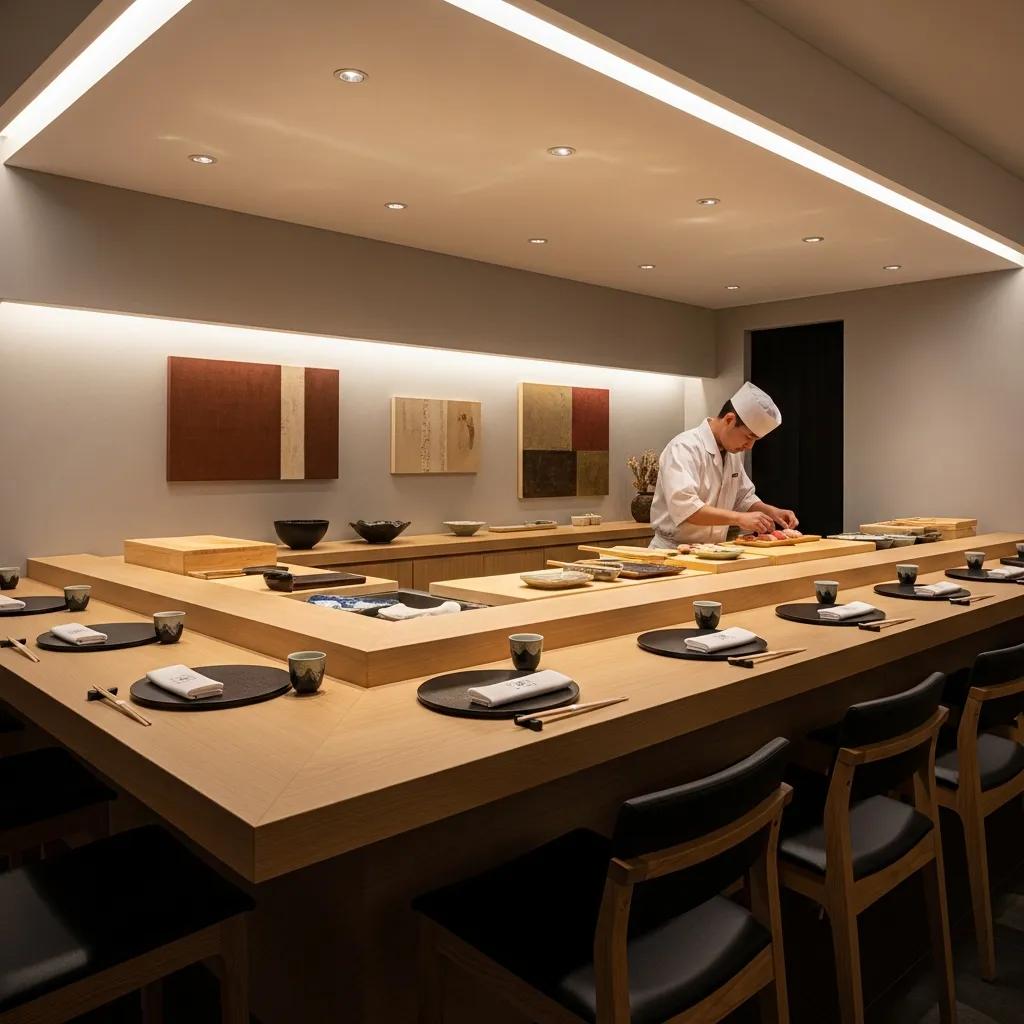
Omakase at Kaviar is designed as a conversation between chef and guest—spatially and sensorially. The design centers an unobstructed chef‑to‑guest axis, task‑oriented accent lighting, and seating ergonomics that optimize eye contact and service precision. The result is greater engagement with technique and a clearer sensory pathway for tasting. Thoughtful sequencing and acoustic control reduce distractions so guests can follow the tasting narrative and discern subtle contrasts. Below we detail the counter features and ambient strategies that support the chef‑diner connection.
Kaviar’s omakase is best experienced at the counter; reservations and our tasting menus are available through the restaurant’s reservation channels. This alignment ensures the design and service are experienced as a single, focused journey.
What are the key features of Kaviar’s omakase counter design?
Our counter prioritizes ergonomics, workflow, and visibility to enable precise plating and intimate service. Features include a continuous, uncluttered surface for clear presentation, seating arranged to preserve optimal viewing angles, and finishes chosen for hygiene and photographic neutrality. Counter height and stool ergonomics are tuned so chefs and servers move with minimal disruption, preserving the flow of the tasting. These elements together improve timing, sightlines, and physical comfort—factors that shape how guests perceive each course and the chef’s craft.
Intro to EAV table: The table below links primary counter features to their design attributes and the guest experience they enable during omakase.
This comparison shows how discrete counter decisions translate into measurable gains in guest experience and sets up a discussion of ambient support for the chef‑diner relationship.
How does the ambiance support the chef‑diner connection during omakase?
Ambient strategies at Kaviar—layered lighting, acoustic control, and scent neutrality—focus attention on taste and conversation. Accent lighting highlights the counter to reveal texture and color while ambient levels stay low enough to reduce distraction without compromising service. Acoustic treatments (soft textiles, wood surfaces, and strategic baffles) lower noise and preserve intelligibility between chef and guest. Scent management avoids competing aromas so palates remain receptive across courses. Together, these elements keep the chef’s narrative front and center for omakase diners.
This deliberate orchestration of sensory elements is central to creating memorable fine‑dining moments.
Sensory Marketing: How Taste and Ambience Shape Fine Dining Perceptions
Fine dining is a multisensory journey where taste and atmosphere converge. This paper examines how deliberate sensory integration—sight, sound, touch, and scent—amplifies culinary storytelling and shapes perceptions of luxury. Examples such as Japanese omakase show how ambience functions as a silent collaborator to technique and presentation, increasing satisfaction, emotional connection, and the willingness to pay for premium experiences.
How Taste and Ambience Shape Consumer Perceptions—Sensory Marketing in Fine Dining, 2024
In what ways does Kaviar’s ambiance complement the A5 Wagyu experience?
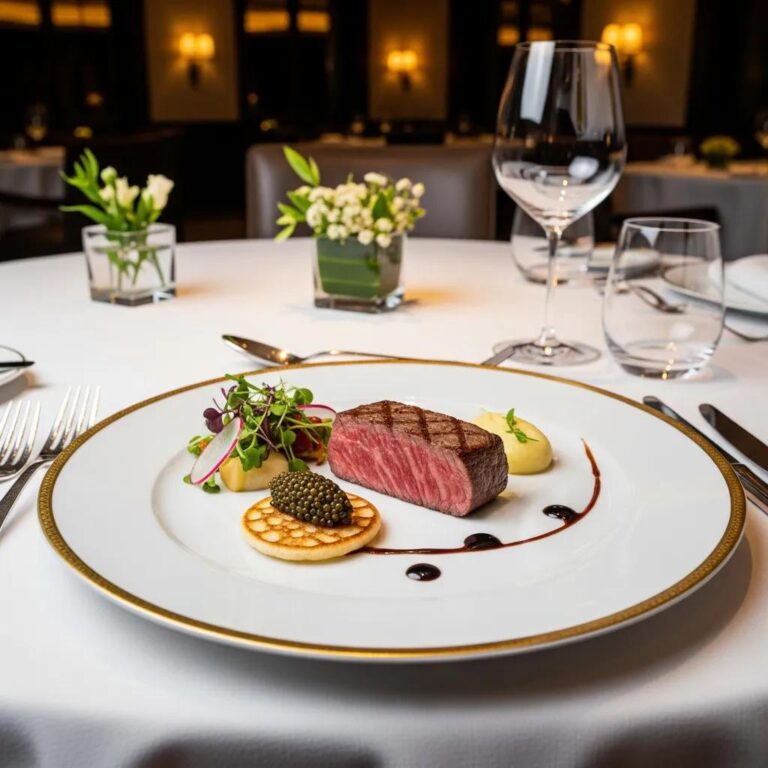
For A5 Wagyu, design choices prioritize presentation clarity, temperature control, and table staging that celebrate marbling and mouthfeel. Our goal is a setting where lighting and tableware accentuate the meat’s sheen and a measured pace lets guests savor texture and seasoning. Spatial and service choreography ensure warm plates, unobstructed sightlines for tableside finishing, and a table rhythm that balances communal conversation with focused tasting. Below we examine presentation surfaces and sensory tuning that enhance A5 Wagyu.
How is the presentation space designed for A5 Wagyu at Kaviar?
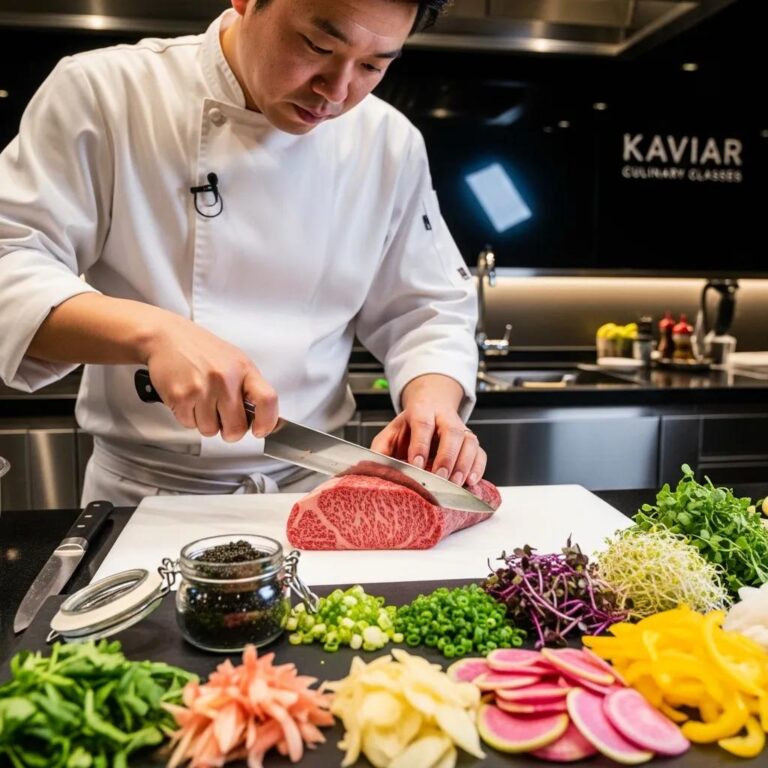
Presentation for A5 Wagyu is arranged to maximize visual contrast, preserve temperature, and enable discreet service choreography. Plates are chosen with matte or subtly textured finishes to set off glossy marbling; carving and finishing tools are staged so tableside preparation is both theatrical and unobtrusive. Tables are spaced to allow servers to work with warm platters without crowding, and staging supports rapid, controlled transfer from kitchen to table. These choices make each Wagyu course readable at first sight while maintaining the tactile warmth that enhances mouthfeel.
Intro to EAV table: The table below compares presentation variables for A5 Wagyu and the perceptual outcomes they produce.
This mapping shows how intentional staging helps guests perceive A5 Wagyu as both rare and meticulously handled.
What sensory elements enhance the A5 Wagyu tasting atmosphere?
Sensory tuning for Wagyu focuses on warm, low‑contrast lighting, a neutral scent environment, and moderated acoustics to support attentive tasting. Slightly warm color temperature enhances the appearance of fat and cooked color without flattening texture. Competing aromas are minimized so savory notes can emerge, and sound levels are kept calm to allow conversation and attention to mouthfeel. Textural contrasts—soft linens against crisp plate edges—also help highlight tenderness. These calibrated controls let each Wagyu course fully communicate its richness and nuance.
Readiers who want to experience the design‑to‑dish relationship can reserve a tasting; Kaviar offers A5 Wagyu on the menu and accepts reservations by phone or through our reservation platform. This practical step connects the design narrative to guest action while keeping the focus on experience quality.
The careful tuning of sensory inputs—especially for Wagyu—helps craft a refined, focused dining atmosphere.
Sensory Marketing’s Role in Indonesian Fine Dining Customer Satisfaction
This research explores how sensory marketing enhances customer satisfaction in high‑end Indonesian dining. It argues that coordinating taste, aroma, visual presentation, ambiance, and texture increases perceived value and satisfaction. The study highlights presentation, ingredient quality, service, and hygiene as key drivers of a memorable fine‑dining experience, and shows how precise sensory combinations can strengthen reputation and repeat patronage.
Implications of Sensory Marketing of Indonesian Culinary Fine Dining on Customer Satisfaction, A Nurwitasari, 2024
How is caviar service reflected in Kaviar’s interior design?
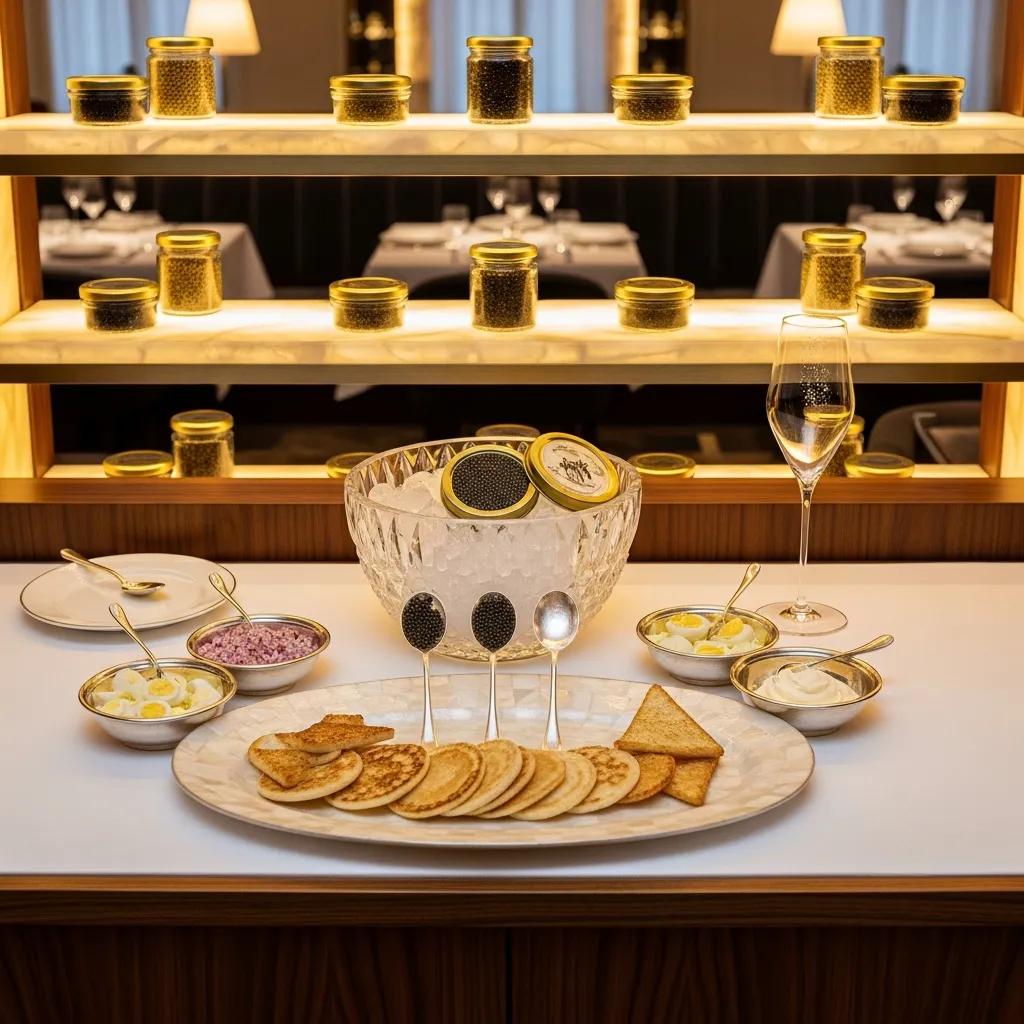
Our caviar service is staged as a compact, intentional vignette—accent lighting, curated display, and refined tools convey rarity and ritual. The design creates a focal moment where texture, temperature, and presentation tools are highlighted so guests experience caviar as an elevated, ceremonial course. The caviar station integrates with overall service flow without drawing undue attention, keeping the focus on delicate flavors and precise service ritual. Below we outline signature decor and layout choices that enhance the caviar moment.
What signature decor elements highlight the caviar service area?
Key elements framing the caviar area include backlit shelving for jars, a low‑profile serving console, and curated displays that combine glass and warm wood for depth and focus. Backlighting clarifies labels and texture while dark woods and matte metals maintain restraint. The console is sized for ritualized plating, letting servers assemble accompaniments with precision. Restrained decoration keeps the presentation curated rather than promotional, sustaining a sense of exclusivity. These choices make the caviar moment both intimate and ceremonial.
Intro to EAV table: Below is a mapping of caviar service accoutrements and the experiential roles they play.
Small decorative interventions like these materially elevate the perceived luxury of the caviar service.
How does Kaviar use lighting and layout to elevate the caviar experience?
Lighting for the caviar station is accent‑based: focused, dimmable fixtures that reveal texture and sheen, paired with softer ambient light so the moment reads apart from the meal. Layout allows a brief guest pause without disrupting neighboring tables, creating an intentionally staged interval. Accent lights are placed to avoid glare while highlighting roe’s subtle luster, and circulation is arranged so servers can present and withdraw with minimal crossing of sightlines. This choreography creates a compact ritual within the dining flow that reinforces caviar’s luxury. Guests interested in a caviar‑forward tasting can contact Kaviar by phone or consult our reservation resource; the design and service narrative is crafted to align with booking intent while keeping the emphasis on experience.
Which Japanese interior design principles inform Kaviar Pasadena’s decor?
Kaviar’s interior reflects Japanese principles—Wabi‑Sabi and disciplined minimalism—that together produce refined restraint and material honesty. Wabi‑Sabi values natural imperfection and tactile authenticity; minimalism removes distraction so culinary detail becomes legible. The result is a thoughtfully curated, emotionally resonant space. These principles guide finish choices, object placement, and the editing of visual information to support attentive tasting. The next sections explain Wabi‑Sabi’s influence and minimalism’s practical role.
How does Wabi‑Sabi influence Kaviar’s design philosophy?
Wabi‑Sabi at Kaviar appears in hand‑finished surfaces, asymmetrical art placement, and textures that celebrate natural variation over machine perfection. Small imperfections and tactile authenticity foster warmth and human connection, deepening emotional response to a curated meal. Variegated wood grain, veined stone, and artisanal ceramics anchor the space in craft and provenance—details that reinforce the chef’s artisanal approach and give guests a tactile link to tradition.
The meeting of Wabi‑Sabi and minimalist restraint creates a design language that resonates with guests seeking authenticity.
Wabi-Sabi and Scandinavian Minimalism: Redefining Space Design
This study traces how Wabi‑Sabi and Scandinavian minimalism converge in contemporary interiors, emphasizing emptiness, simplicity, and the beauty of natural materials. Though culturally distinct, both approaches value intentional space, subdued palettes, and handcrafted detail—qualities that promote calm, functionality, and a closer connection to the natural world. The paper explores historical roots, core principles, and how their fusion supports wellbeing and mindful living in modern design.
The Concept of Emptiness in Wabi-Sabi Aesthetics and Its Influence on Scandinavian Minimalist Space Design, 2025
What role does minimalism play in creating Kaviar’s fine dining ambiance?
Minimalism at Kaviar is both aesthetic and operational: it reduces distraction, clarifies circulation, and heightens attention to plated courses. By limiting decorative elements and emphasizing proportion and negative space, minimalism sharpens awareness of steam, aroma, texture, and presentation. The result also aids service precision—clean sightlines and simple layouts let staff move unobtrusively and present dishes with ceremony. Balanced with curated accents, minimalism supports moments of visual richness that underscore culinary highlights.
How does Kaviar’s design position the restaurant within Pasadena’s luxury dining scene?
Kaviar stakes its place in Pasadena’s fine‑dining landscape by pairing experiential clarity with curated rarity—neither strictly austere nor needlessly ornate. Strategically aligning interior cues (materials, lighting, choreography) with offerings like omakase, A5 Wagyu, and caviar creates a coherent identity that attracts diners seeking focused, high‑end Japanese experiences. This alignment strengthens reservation intent because perceived value and sensory promise match expectations for premium dining. Below we outline what stands out and how guests can reserve and prepare for the experience.
What makes Kaviar’s ambiance stand out among Pasadena fine dining?
Kaviar distinguishes itself by pairing precise minimalism with selective luxury gestures that accent, rather than overwhelm, the culinary narrative. Signature touches include stage‑like omakase counters, photography‑friendly material palettes, and sensory tuning that supports tasting precision. Instead of leaning fully into opulence or strict tradition, Kaviar finds a middle path that feels contemporary, authentic, and ritualized—appealing to guests who value culinary storytelling. That cohesion between design and menu is a key differentiator for diners seeking purposeful luxury.
How can guests reserve and prepare to experience Kaviar’s atmosphere?
Reserving at Kaviar is simple and helps ensure you receive the seating best suited to your tasting—omakase counter, table, or private alcove—and lets the team stage timing, temperature, and presentation for items like A5 Wagyu or caviar. Expect a paced multi‑course progression, attentive service that protects visual and gustatory focus, and an interior tuned for sensory clarity. For reservations and menu details, contact Kaviar by phone or consult the reservation resource to match seating preference with the experience you want.
Design‑driven reservations close the loop between expectation and delivery—this final step connects the design analysis to practical guest action without shifting focus from the experiential narrative above.
- Design pillars summarized:
Modern Japanese Minimalism: Restrained design that foregrounds culinary craft.
Material Authenticity: Warm woods and honed stone for tactile richness.
Layered Lighting: Ambient and accent layers tuned to reveal texture.
- Sensory tuning list: We intentionally manage sensory channels to support tasting focus.
Ambient Lighting: The base layer that sets mood.Accent Lighting: Directs attention to plates and service moments.Acoustic Control: Preserves conversation and reduces background noise. - Omakase counter features list: Functional choices that shape the chef‑diner relationship.
Uninterrupted sightlines for clear visual storytelling.Ergonomic seating to support extended, focused tastings.Integrated task lighting to ensure plating accuracy and visual clarity.
Kaviar’s combination of contemporary design, sensory engineering, and considered service creates a luxury Japanese dining proposition in Pasadena that is tactile, intentional, and centered on craft. Our focus on omakase, A5 Wagyu, and caviar is supported by design moves that highlight provenance, texture, and ritual without excess. For guests who want a reservation‑informed experience aligned with these values, please contact Kaviar and specify your seating preference so the room’s choreography complements the menu you choose.
Frequently Asked Questions
What is the significance of sensory engineering in Kaviar’s design?
Sensory engineering is how we shape attention: by calibrating light, sound, and scent we remove distractions and let the food speak. Thoughtful sensory control deepens immersion, sharpens perception of texture and flavor, and strengthens the emotional connection guests form with the meal.
How does Kaviar ensure a seamless dining experience for guests?
Seamlessness comes from choreography. Our layout supports efficient service and unobtrusive movement; seating and pacing are planned so courses arrive when the guest is ready. Combined with well‑trained staff, these details let guests focus on the tasting journey without interruption.
What role does lighting play in enhancing the dining atmosphere at Kaviar?
Lighting is essential: ambient layers set mood while accent and task fixtures reveal color, texture, and detail on the plate. The balance protects intimacy, aids photography, and ensures the visual qualities of each dish are read as intended.
How does Kaviar’s design reflect Japanese cultural principles?
Our design reflects Wabi‑Sabi and minimalism—valuing natural materials, understated craft, and the beauty of restraint. These principles remove visual clutter and foreground culinary artistry, encouraging guests to notice subtlety and provenance.
What types of dining experiences can guests expect at Kaviar?
Kaviar offers curated experiences including omakase, A5 Wagyu, and ritualized caviar service. Each is designed to highlight craftsmanship and seasonal ingredients: omakase as a chef‑led tasting, Wagyu served to emphasize texture and finish, and caviar presented as a ceremonial moment.
How can diners prepare for their visit to Kaviar?
Reserve in advance and, if you have a preference, let us know your seating choice—omakase counter, table, or private alcove. Reviewing the menu beforehand can help, but arriving with curiosity and an openness to the chef’s narrative will make the experience most rewarding.
Conclusion
Kaviar in Pasadena interprets luxury Japanese dining through design that supports and elevates the cuisine. By combining minimalism, honest materials, and thoughtful sensory engineering, we create a setting where omakase, A5 Wagyu, and caviar can be fully appreciated. If you’d like to experience this design‑forward approach to dining, we invite you to reserve a table and see how the room and the menu come together.