



The Rise of Experiential Dining: Immersive Luxury Dining Experiences in Pasadena
Experiential dining treats a meal as an intentional event—where storytelling, layered sensory details, and chef-directed sequencing shape lasting memories instead of just filling plates. Below, we define the concept, outline why it’s surged in popularity, and explain how immersive formats—especially chef’s table omakase within luxury Japanese cuisine—answer today’s appetite for memorable occasions. You’ll learn the techniques that lift a tasting menu, why ingredients like A5 Wagyu and caviar read as exclusivity signals, and practical steps to reserve a chef’s table in Pasadena. We also show how design, service choreography, and ingredient provenance combine to create guest value. Finally, we spotlight how Kaviar brings these principles to life through chef-curated tasting menus and bespoke chef’s table experiences focused on personalization and premium ingredients.
What Defines Experiential Dining and Why Is It Growing?
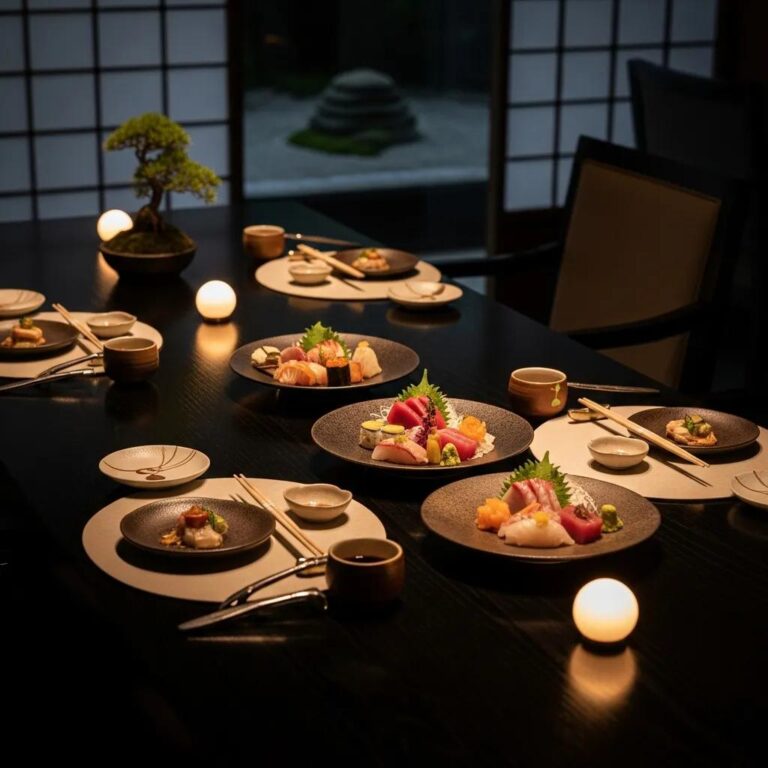
Experiential dining is a hospitality approach centered on narrative-led service, intentional sensory layering, and direct chef engagement—turning a sequence of courses into a curated evening. The approach depends on deliberate sequencing—arrival rituals, measured pacing, spoken storytelling, and dramatic plating—to engage sight, smell, taste, touch, and social exchange, raising the perceived value of the experience. Guests receive not only food but context: provenance, technique, and a personalized arc to the night. In Pasadena and other urban centers, restaurants like Kaviar illustrate this shift by pairing omakase tasting menus with intimate chef’s-table seating and premium ingredients that underscore exclusivity and memory-making. Grasping these elements explains why demand for immersive dining has expanded across luxury Japanese and fine-dining formats.
Several clear consumer and market forces drive this growth:
- Demand for memorable moments: Guests increasingly seek occasions that create social currency and emotional resonance.
- Social amplification: Visually compelling dishes and narrative moments spark organic discovery and bookings.
- Willingness to spend on special occasions: Affluent diners prioritize quality ingredients and curated service for meaningful experiences.
- Chefs as narrators: Chef-led menus transform technical skill into an engaging conversation with guests.
Those forces explain the momentum behind experiential techniques and how they elevate a meal beyond a plated offering.
How Does Experiential Dining Elevate a Traditional Meal?
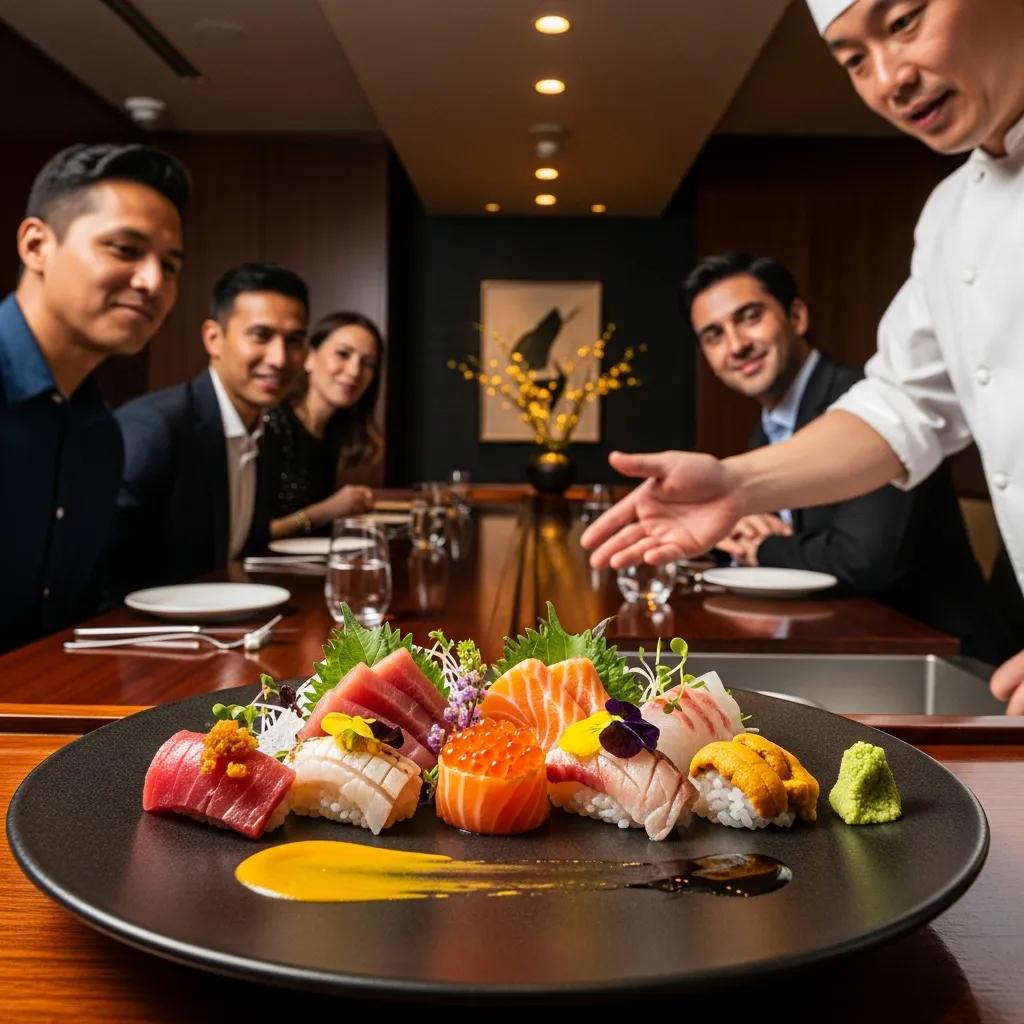
Experiential dining elevates standard service by replacing disconnected courses with a cohesive narrative that unfolds across the evening, creating anticipation and meaning. Chefs control pacing, tempo, and table-side commentary so each course links to the next, sharpening guests’ sensory focus and strengthening memory of the meal.
From ritualized welcomes to table-side finishing touches, presentation techniques create clear sensory contrasts that mark an immersive tasting as different from routine service. That same sequencing allows on-the-spot personalization: chefs can tweak ingredients or technique in response to guests, deepening perceived value. Those moments create emotional resonance and social stories guests carry long after they leave—one reason Japanese omakase fits naturally with immersive dining.
Why Does Experiential Dining Pair So Naturally with Luxury Japanese Cuisine?
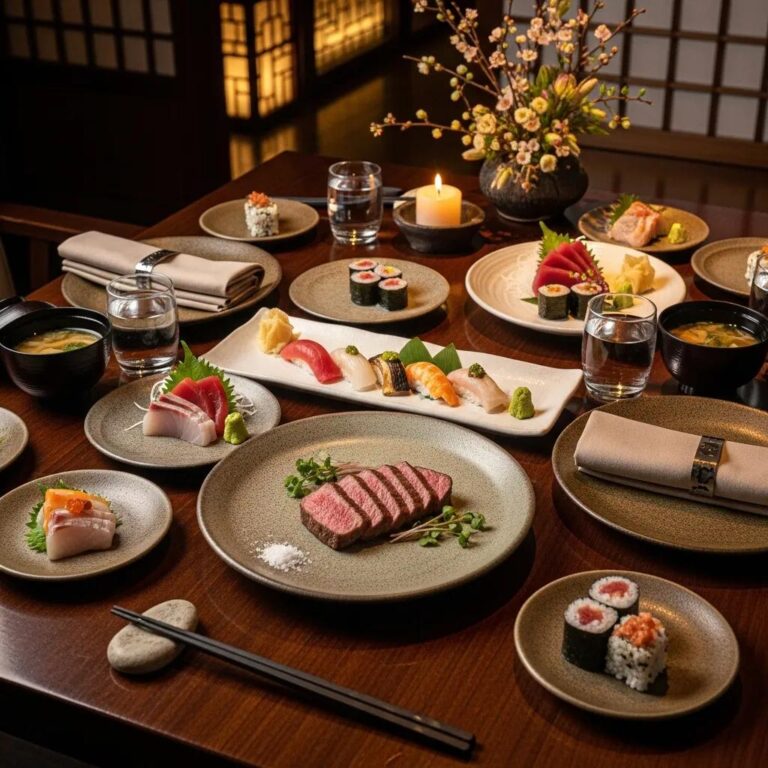
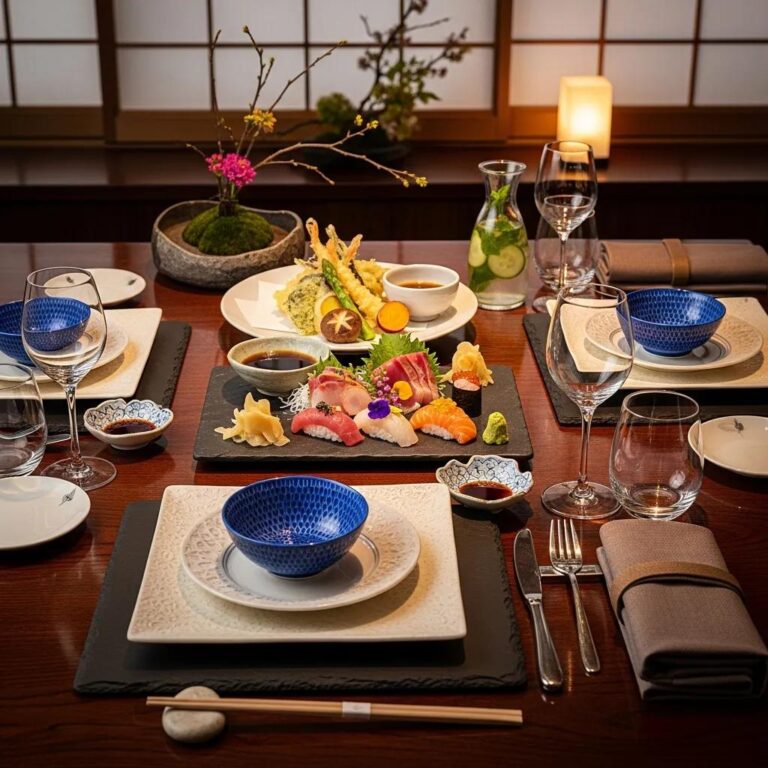
Luxury Japanese cuisine—and omakase in particular—aligns with experiential dining because it emphasizes seasonality, provenance, and chef-driven sequencing. Omakase, literally “I leave it to you,” hands curation to the chef, who crafts a bespoke progression that reflects what’s freshest and what best suits guests. Premium items like A5 Wagyu and select caviar aren’t just status markers; they act as narrative anchors that communicate sourcing care and technical skill. The discipline and subtlety of Japanese technique make sensory transitions more deliberate and meaningful, matching diners’ hunger for authenticity and discovery. That cultural match explains why Japanese tasting menus lead the experiential movement.
How Kaviar Crafts a Distinctive Chef’s Table
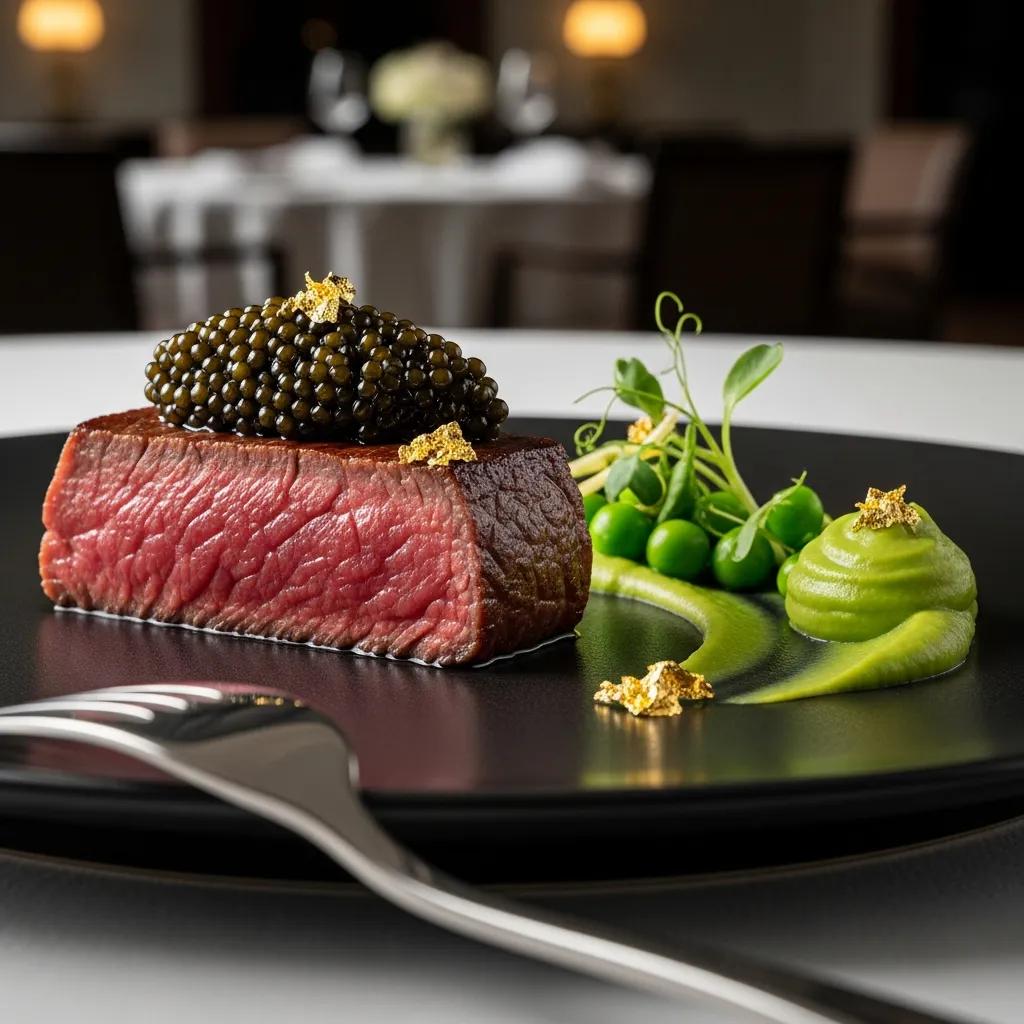
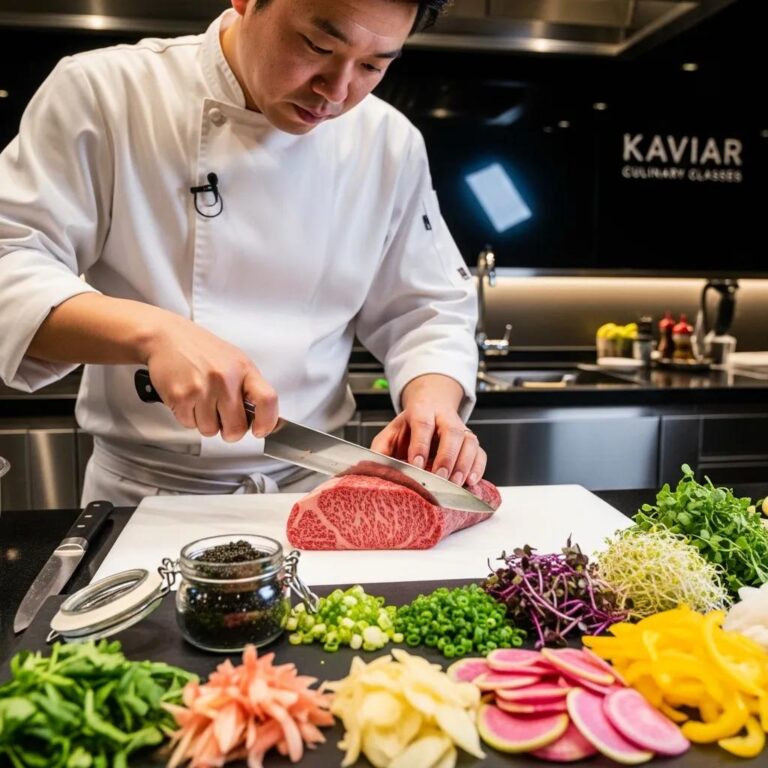
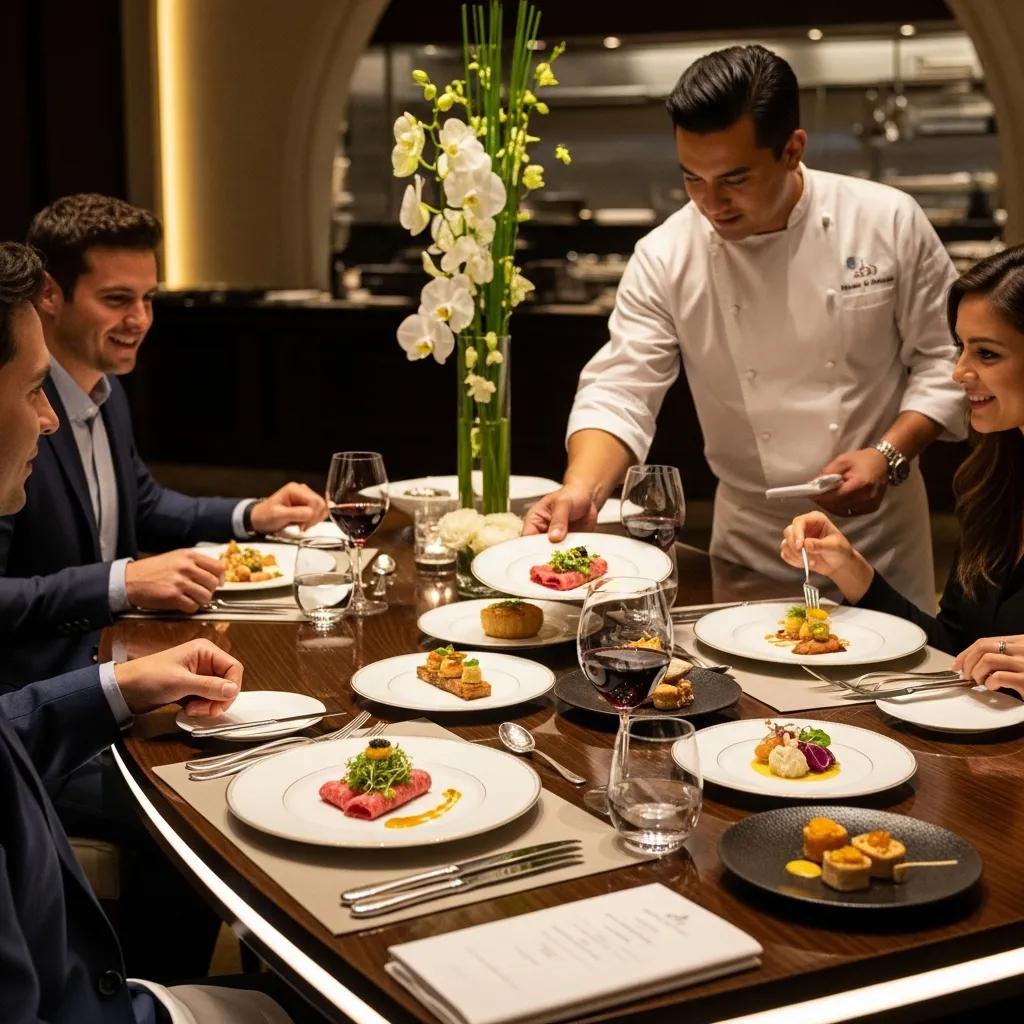
At Kaviar, the chef’s table is built around intimacy, purposeful pacing, and direct chef interaction—turning dinner into an immersive event. The physical layout places guests within the chef’s workspace, enabling conversation, table-side finishes, and a feeling of exclusivity. Our chef-curated omakase uses premium ingredients and thoughtful pacing to guide diners through contrasts of flavor and texture, while service choreography—from timing to the reveal—supports the evening’s story. Personalization is essential: we adapt courses for dietary needs and create moments to explain provenance and technique, which deepens appreciation and connection.
Introductory EAV table mapping Kaviar’s experiential elements:
This snapshot shows how layout, menu architecture, and tailored service combine to create the chef’s-table effect and prepare guests for the interactive elements ahead.
What Makes Kaviar’s Omakase Exclusive and Interactive?
Kaviar’s omakase feels exclusive because the chef curates each multi-course progression to reflect seasonality and guest context—balancing surprise with intentional structure. In practice, the chef chooses ingredients and paces courses so each dish introduces a fresh flavor idea while nodding to what came before, preserving narrative flow. Interactive moments—chef explanations, table-side finishing, and chances to ask about sourcing or technique—turn observers into participants.
These design choices make exclusivity experiential rather than merely price-based, reinforcing the meal’s emotional value. That interactivity also sets the stage for how chef profiles and personalized service deepen the immersion.
How Chef Profiles and Personalized Service Deepen the Experience
Chef profiles and personalized service give the meal a human center, turning technique into a story guests remember. When chefs share their training, sourcing philosophy, and signature moves, they build credibility and create emotional context that makes each course more meaningful.
Personalized service—anticipating allergies, adjusting pace, and fine-tuning small details—heightens the sense of care and boosts enjoyment and word-of-mouth. Staff choreography, from how dishes are introduced to how tempo is managed, aligns with the chef’s narrative to deliver a cohesive evening. These human elements set expectations for the signature dishes and premium ingredients that follow.
Signature Dishes and Premium Ingredients at Kaviar
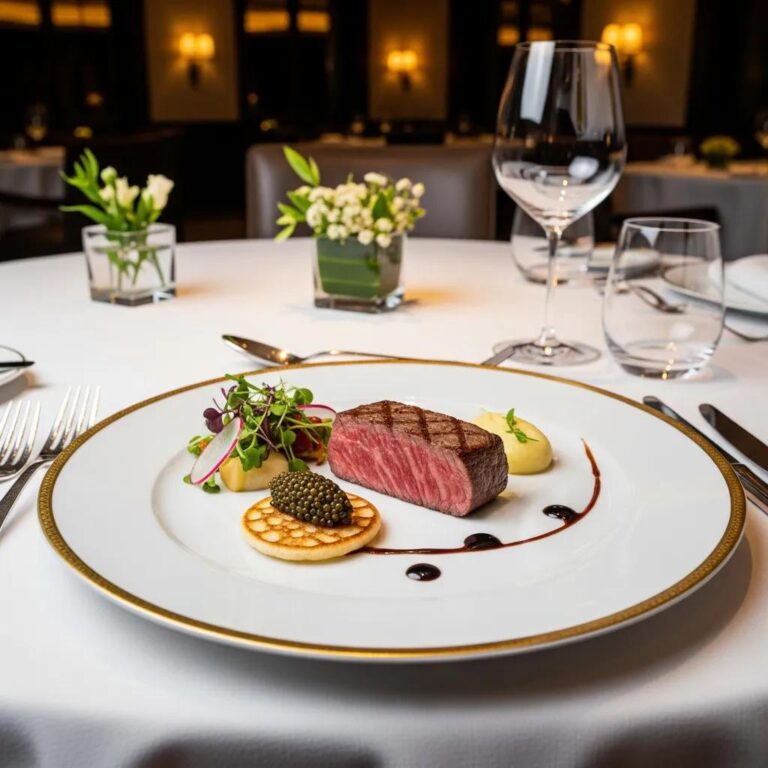
Kaviar’s signature plates highlight premium ingredients—A5 Wagyu, curated caviar, and seasonal seafood—prepared to emphasize texture, purity, and provenance. Each dish showcases technique: minimalist seasoning to reveal quality, table-side finishes to lift aroma, and measured portions that preserve a sense of luxury. Tasting notes favor contrasts—silky Wagyu fat against briny caviar pops, or pristine sashimi balanced with acid or light smoke.
Signature ingredient EAV comparison:
This comparison shows how each premium item plays a distinct sensory role within the tasting sequence and leads naturally to a closer look at A5 Wagyu.
Why A5 Wagyu Is Seen as a Luxury Ingredient
A5 Wagyu is prized for its extreme marbling, which creates a buttery mouthfeel and layered flavors when handled precisely. Chefs emphasize restraint—minimal seasoning and gentle searing—to render fat while preserving delicate texture so the marbling reads as succulence rather than heaviness.
Its appeal is both sensory and symbolic: diners experience unmatched tenderness and infer careful sourcing, signaling exclusivity. In an omakase flow, portioning and placement matter—A5 Wagyu often arrives later as a textural and flavor climax. That usage explains how caviar complements and contrasts as a finishing accent.
How Kaviar Uses Caviar in Its Offerings
Caviar at Kaviar functions as both a refined accent and a starring element, introducing briny complexity and tactile contrast. As a finishing touch, small spoons of caviar crown delicate bites—chilled seafood or creamy bases—adding salinity and a delicate pop that shifts the dish toward umami. When highlighted, caviar pairs with neutral textures—light blini or chilled tofu—to show off varietal nuances that range from buttery to nutty depending on origin.
Portioning and presentation are deliberate: modest servings preserve the ingredient’s luxury cachet while letting diners appreciate its impact. These choices illustrate how premium components raise the overall tasting narrative.
How to Reserve an Exclusive Experience at Kaviar
Booking a chef’s table is a straightforward process when you account for limited seating, menu personalization, and special requests. Start by choosing dates and party size, noting dietary restrictions, and requesting the chef’s table or omakase format so our team can plan sourcing and pacing. For guests intent on a high-touch experience in Pasadena, early reservations improve the chances of securing prime seating and bespoke menu touches for special occasions. The step-by-step checklist below outlines what to prepare before you book.
- Choose preferred dates and party size: Know your guest count and flexible date range.
- List dietary restrictions and special requests: Include allergies, celebratory notes, or pacing preferences.
- Request the chef’s table / omakase format: Specify immersive seating to ensure interaction with the chef.
- Confirm booking details and deposit policy: Ask about deposits, confirmation, and cancellation terms.
Following this sequence helps guests prepare and increases the likelihood of a custom experience. Below, reservation options clarify typical pathways and what to expect.
This table explains booking routes and why early engagement matters, leading into a clear reservation workflow.
Step-by-Step: Reserving the Chef’s Table
To secure a chef’s table, begin by selecting your target date range and preferred seating time, then share guest count and dietary needs so the kitchen can design a coherent multi-course sequence. Specify that you want chef’s-table or omakase seating so we can assign intimate placement and note personalization requests. After the initial booking, we typically follow up to confirm timing, pacing preferences, and any celebratory details that shape course composition. Finally, clarify cancellation policies and deposit requirements so expectations are clear—this clarity minimizes friction and ensures the best possible evening.
Why Booking Early Pays Off in Pasadena
Booking ahead increases your odds of securing the chef’s table, getting preferred seating times, and allowing the kitchen to source seasonal or specialty ingredients. Early reservations open space for menu customization—chefs can tailor courses for preferences or celebrations—and protect against limited availability on high-demand dates. Planning ahead also smooths logistics for groups, enabling coordinated pacing and service that heighten the immersive quality of the night.
What Guests Say About Kaviar’s Immersive Dining
Guest feedback typically highlights three strengths: personalization, ingredient quality, and atmosphere—each reinforcing the idea that the meal is more than food. Reviews often note chef narration and sequence, the use of premium components like A5 Wagyu and caviar, and the intimate setting that enables conversation with kitchen staff. These themes reflect broader expectations for experiential dining: diners increasingly judge meals by storytelling, sensory choreography, and the feeling of being personally attended to. The table below synthesizes common review emphases without quoting individual comments.
This synthesis shows how guest perceptions align with the experiential elements restaurants design—and how those impressions mirror market trends.
Which Testimonials Highlight Kaviar’s Service Distinctions?
Testimonials often call out service features that define experiential dining: measured pacing that avoids rushed plates, informative chef narration that deepens understanding, and staff responsiveness to dietary needs and celebratory requests. Rather than merely praising single dishes, guests describe the evening’s structure—how courses were introduced, how aromas and plating unfolded, and how staff anticipated timing. These consistent observations suggest that service design, more than isolated culinary highlights, determines whether a tasting menu feels genuinely immersive.
How Reviews Reflect the Broader Rise of Experiential Dining
Guest reviews increasingly use language tied to experience—storytelling, surprise, personalization—rather than only evaluating taste or portion size. This shift indicates that consumers now value curated moments and shareable experiences, and are willing to pay premiums for them. Aggregated feedback shows immersive elements such as chef interaction and premium ingredient placement correlate with higher satisfaction, suggesting experiential design is a scalable path to differentiation in luxury dining. Recognizing this helps both guests and operators set expectations for future bookings.
How Experiential Dining Is Shaping Pasadena’s Luxury Scene
Experiential dining is reshaping local luxury by shifting focus from menu catalogues to event design, prompting changes in floor plans, reservation systems, and sourcing practices. Restaurants are adding more chef’s-table seats, developing multi-course omakase formats, and investing in narrative training for service teams to ensure consistent storytelling. Market reporting from 2023–2025 shows notable growth in demand for immersive experiences, driving supply-side adjustments like tighter reservation windows and targeted procurement for premium ingredients. Kaviar’s approach—chef-curated tasting menus centered on A5 Wagyu, caviar, and seasonal seafood—illustrates how operators can meet local demand and become destination venues.
Key industry signals and implications include:
- Reported growth in immersive dining demand (~30% 2023–2025) affecting reservation behavior.
- Menu design shifts toward multi-course, narrative-driven sequences.
- Increased sourcing attention to provenance and rare ingredients to meet elevated expectations.
These signals suggest experiential dining is a structural evolution in luxury hospitality, and they lead into how Kaviar aligns operationally with those trends.
What Industry Data Supports Growth in Immersive Dining?
Industry reports from 2023–2025 indicate roughly a 30% rise in consumer interest for immersive dining formats, reflecting broader experiential spending across hospitality. That uptick means operators need to adapt reservation workflows, procurement cycles, and service training to meet heightened expectations for narrative and personalization. While drivers differ by market, the constant is guests seeking sensory novelty paired with cultural authenticity and chef-led curation—creating measurable changes in booking behavior and per-cover revenue potential. Acknowledging these signals helps restaurants plan capacity and sourcing effectively.
How Kaviar Aligns with Local Luxury Dining Trends
Kaviar aligns with Pasadena’s luxury trends by offering chef-led omakase tasting menus, prioritizing premium ingredients like A5 Wagyu and caviar, and creating intimate chef’s-table experiences that emphasize personalization and storytelling. These features match what discerning guests now seek—seasonal provenance, direct chef engagement, and a curated evening arc—positioning Kaviar as a destination for high-intent diners. Through careful pacing, ingredient-focused preparation, and synchronized service choreography, Kaviar delivers a cohesive offering that responds to modern market demand.
- Experience-focused menus: Omakase sequences that spotlight ingredient provenance.
- Premium sourcing: Use of high-end components to support luxury positioning.
- Personalized service: Chef and staff engagement that adapts to guest needs.
These strategic choices show how experiential dining principles can be put into operation to create durable differentiation in a local market.
Frequently Asked Questions
What are the key elements that make an experiential dining experience memorable?
Memorable experiential dining rests on three pillars: storytelling, sensory engagement, and personalization. Storytelling gives the meal a narrative arc; sensory engagement appeals to sight, smell, taste, and touch through purposeful presentation; and personalization lets chefs tailor the sequence to guests’ needs. Together, these elements turn a meal into a distinct occasion guests remember and share.
How does the ambiance of a restaurant contribute to the experiential dining experience?
Ambiance sets the emotional frame for an immersive meal. Lighting, layout, decor, and sound shape how dishes are perceived and how guests feel. Intimate seating and thoughtful table settings foster a sense of exclusivity and closeness to the chef, while curated music and lighting enhance sensory focus. A well-designed atmosphere makes each course feel like part of a singular event.
What types of dietary accommodations can be expected in experiential dining?
High-end experiential venues typically ask about allergies, dietary restrictions, and preferences during booking so chefs can design a cohesive tasting that meets everyone’s needs. Accommodations may include ingredient substitutions, altered pacing, or reworked courses that preserve the narrative while keeping guests safe and comfortable. This attentiveness reinforces the immersive, personalized nature of the experience.
How do chefs curate the tasting menu in an experiential dining setting?
Chefs curate tasting menus by balancing seasonality, ingredient availability, and guest preferences. They select high-quality components and order courses to create contrast and flow—both in flavor and presentation. Many chefs weave storytelling into each plate, explaining origins and technique to deepen the guest’s engagement and translate a sequence of dishes into a single, cohesive narrative.
What role does social media play in the popularity of experiential dining?
Social media amplifies experiential dining by showcasing visually striking dishes and memorable moments, driving organic discovery and bookings. When guests share photos or stories, they extend the restaurant’s reach and highlight the immersive aspects of the meal. Savvy venues design shareable moments that reflect genuine quality, not just spectacle.
Are there any specific trends in experiential dining that are emerging in 2023?
In 2023, trends include a stronger emphasis on sustainability and local sourcing, with diners asking more about origins and eco-friendly practices. Interactive formats—chef-led tastings, curated pairings, or small-group experiences—are also growing, giving guests deeper engagement with the culinary process. These trends reflect a wider desire for authenticity and connection in dining.
Conclusion
Experiential dining in Pasadena blends storytelling, sensory craft, and personalized service to transform meals into memorable events. By foregrounding premium ingredients and chef-led narratives, restaurants like Kaviar create immersive evenings that speak to modern diners’ desire for authenticity and connection. If you’re ready to explore this approach to fine dining, consider reserving a chef’s table at Kaviar for an evening designed around discovery and craft. Elevate your next meal—experience the art of immersive dining firsthand.