



Business Dining Masterclass: A Practical Guide to Corporate Dinner Manners and Client Hospitality
Business dining is more than a meal — it’s a planned setting for relationship-building, trust, and dealmaking. This guide defines what business dining etiquette looks like, why it matters for your professional reputation, and how deliberate, courteous behavior at the table turns social time into tangible relationship capital. You’ll find clear guidance on punctuality and introductions, pre-dinner logistics and venue selection, in-meal manners and ordering strategies for premium items, conversation techniques, and ready-to-use follow-up templates. We also cover the particular customs of luxury Japanese fine dining — including omakase, A5 Wagyu, and caviar — and explain how to choose and brief a venue for client entertainment. Targeted phrases such as business dining etiquette, corporate meals, omakase business protocol, and luxury restaurant Pasadena are woven into practical advice for professionals planning high-stakes dinners.
What Are the Key Business Dining Etiquette Rules for Professional Success?
Business dining etiquette are straightforward practices that help meals further professional goals while keeping everyone comfortable and respected. These conventions reduce friction: punctuality, tidy introductions, considered hosting, and discreet handling of the bill let conversation and decision-making flow. Adopting them increases perceived competence, strengthens relationships, and removes avoidable distractions during client-facing encounters. Below are the core rules, presented for quick reference.
Essential business-dining rules at a glance:
- Be punctual and confirm details: Arrive on time, double-check reservations, and notify guests promptly of any delay.
- Make clear introductions: The host introduces attendees and offers brief context to ease initial conversation.
- Respect host and guest roles: Hosts arrange seating and guide ordering; guests respond with attentive, polite behavior.
- Handle the bill discreetly: Hosts usually take care of payment; clarify billing arrangements beforehand if needed.
- Moderate alcohol: Provide choices, pace drinks thoughtfully, and avoid overconsumption to preserve professionalism.
- Honor dietary and cultural needs: Ask about restrictions in advance and accommodate them without fanfare.
These practices create a predictable, respectful framework that lets meetings focus on outcomes rather than logistics.
Business Etiquette in Curricula: Enhancing Professional Presence
ABSTRACT: As business environments evolve, organizations increasingly recognize the value of teaching etiquette to strengthen corporate culture and productivity. Companies are offering executives and future leaders opportunities to develop these essential skills. Business schools are encouraged to incorporate this “hidden curriculum” into their programs. The paper offers practical recommendations to help students cultivate a polished, professional presence.
From Business Dining to Public Speaking: Tips for Acquiring Professional Presence and Its Role in the Business Curricula., 2010
What Are the 5 Basic Table Manners Every Professional Should Know?
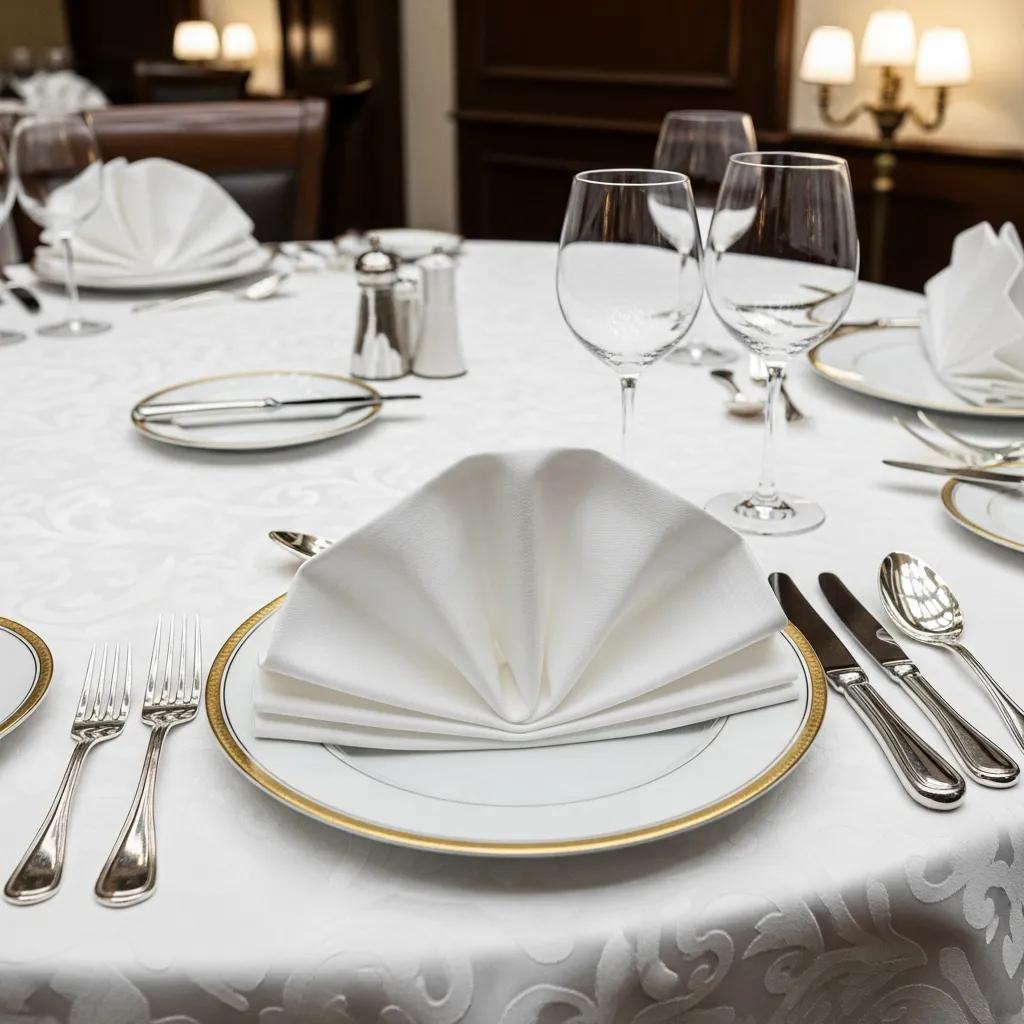
Small habits at the table signal attention to detail and respect. Mastering five essentials prevents common missteps that can undermine credibility. Napkin use, utensil progression, pacing, phone etiquette, and calm recovery from spills form a compact skill set every professional should practice. Each item below offers a quick do/don’t guide that works in ordinary business dinners and in fine dining without drawing attention.
- Napkin protocol: Place the napkin on your lap when seated and use it discreetly to dab your mouth.
- Utensil progression: Work from the outermost utensils inward; when pausing, rest cutlery on your plate.
- Match the pace: Sync your eating speed with the slowest guest so conversation and service stay aligned.
- Phone etiquette: Keep devices silent and out of sight; excuse yourself only for truly urgent calls.
- Recover with poise: If a spill or dropped utensil happens, apologize briefly and request staff assistance calmly.
These five behaviors reduce distractions and project professionalism, helping conversations stay focused and productive.
How Does Proper Table Etiquette Influence Your Professional Image?
Table manners are subtle signals of competence: they show attention to detail, situational awareness, and social intelligence — qualities associated with leadership. Small, well-executed behaviors — arriving on time, pacing your meal, and engaging respectfully — shape impressions of trustworthiness and capability. Consider a host who chooses a considered menu and manages service smoothly: that composure invites reciprocal openness from clients. Investing time in etiquette preparation pays relational dividends that extend beyond the table.
Good table management lowers cognitive load and creates a safe space for constructive exchange, making etiquette a practical tool for reputation management rather than mere formality. With that foundation, the next section explains how to prepare a successful dinner at an appropriate venue.
How to Prepare for a Successful Business Dinner at a Fine Dining Venue Like Kaviar Restaurant
Preparation combines logistics, guest research, and matching venue formality to your meeting goals. Confirm reservations, note dietary restrictions, and request seating that supports conversation. Choose a location that fits the objective — privacy for confidential talks, low noise for long discussions, and menu flexibility for varied palates — because the venue directly shapes the outcome. The checklist below helps hosts prepare before the evening.
Venue considerations:
- Privacy and acoustics: Select seating that allows confidential discussion at a comfortable volume.
- Menu flexibility: Confirm the restaurant can handle tasting menus, à la carte orders, and dietary requests.
- Reservation professionalism: Verify bookings, seating preferences, and pacing or tasting requests with staff ahead of time.
These operational choices support your business goals and make on-site management smoother. For high-stakes dinners in Pasadena, Kaviar Restaurant offers many of these features: an upscale Japanese fine-dining concept focused on curated tasting sequences and premium ingredients. Kaviar’s reservation channels accept private seating requests and pacing notes, helping hosts manage conversation and service without interruption. Choosing a venue like Kaviar aligns the dining environment with your objectives and reduces the host’s logistical burden.
Kaviar venue features compared:
How Do You Choose the Perfect Luxury Dining Venue for Corporate Meetings in Pasadena?
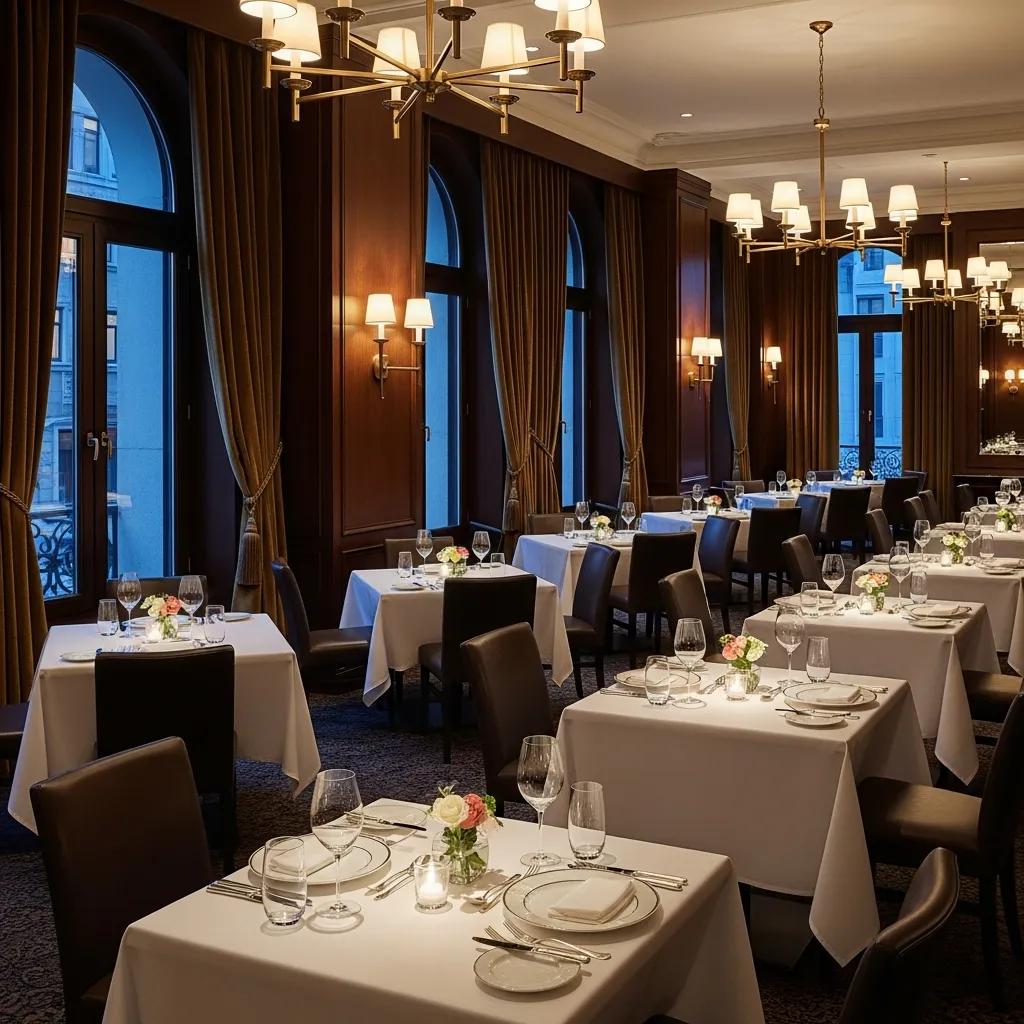
Choosing a luxury venue is a balance of prestige and practicality. Prestige alone won’t replace privacy, service quality, or convenience. Evaluate proximity, parking or transit, noise levels, menu adaptability, and staff experience with corporate events. Confirm tasting-menu timing, private dining availability, and the ability to note dietary needs in advance. Kaviar meets many of these criteria through its refined Japanese tasting format, premium ingredients, and reservation process built for curated dining experiences.
Working with staff experienced in corporate service reduces the host’s on-site workload and preserves energy for the meeting. Confirming these details ahead allows you to focus on relationship building and negotiation during the meal. That operational clarity leads naturally to in-meal behavior and ordering strategy.
What Should You Know About Dress Codes and First Impressions for Business Dining?
Attire is part of the nonverbal language of a business dinner. Match clothing to the venue and occasion to avoid distracting mismatches. Advise guests on dress code — business formal for high-stakes or celebratory dinners, business casual for routine updates, and smart casual for informal relationship-building — so expectations are aligned. Keep grooming simple and avoid noisy jewelry or strong fragrances to keep the focus on conversation. Clear guidance in reservation confirmations or pre-meeting logistics prevents last-minute awkwardness and primes a cohesive first impression.
Appropriate dress also smooths transitions to post-dinner events or business settings. With dress and venue set, the next priority is table conduct and thoughtful ordering.
How to Navigate the Meal: Mastering Table Manners, Ordering, and Conversation at a Business Dinner
During the meal, the host balances service flow, ordering, and conversational rhythm to preserve both professionalism and warmth. Table conduct includes utensil and napkin rules and chopstick etiquette for Japanese cuisine. Ordering strategy covers omakase versus à la carte, portioning premium items, and briefing staff on dietary needs. Conversation management means steering topics and signaling windows for business discussion without dominating the social flow. The next sections break down utensils and napkin rules, ordering premium items like omakase, A5 Wagyu, and caviar, and appropriate alcohol etiquette for corporate settings.
Ordering approaches compared:
What Are the Proper Utensil and Napkin Etiquette for a Professional Business Meal?
Utensil and napkin etiquette reduce distraction and create a steady rhythm that supports conversation. Use utensils from the outside in as courses arrive; place used cutlery on your plate when pausing. Keep your hands visible near your lap when not eating to signal engagement. Unfold your napkin onto your lap at the start, use it discreetly, and leave it loosely folded to the left when finished to indicate you are done. In Japanese settings, combine these practices with respectful chopstick use — never point with them or stick them upright — and move between chopsticks and Western utensils smoothly.
How Do You Order Omakase, A5 Wagyu, and Caviar Confidently for Client Entertainment?
Ordering premium items for client entertainment is about planning, clear communication with staff, and prioritizing shared experience over showmanship. For omakase, brief the chef or manager on guest preferences and allergies so the tasting runs without surprise; present it as a collective, paced experience and let the chef guide timing. With A5 Wagyu and caviar, request shareable portions and recommended accompaniments so multiple guests can taste without monopolizing the table. Whenever possible, notify the restaurant of allergies or religious restrictions ahead of time so the kitchen can propose suitable alternatives.
What Are the Best Practices for Alcohol Etiquette During Corporate Dinners?
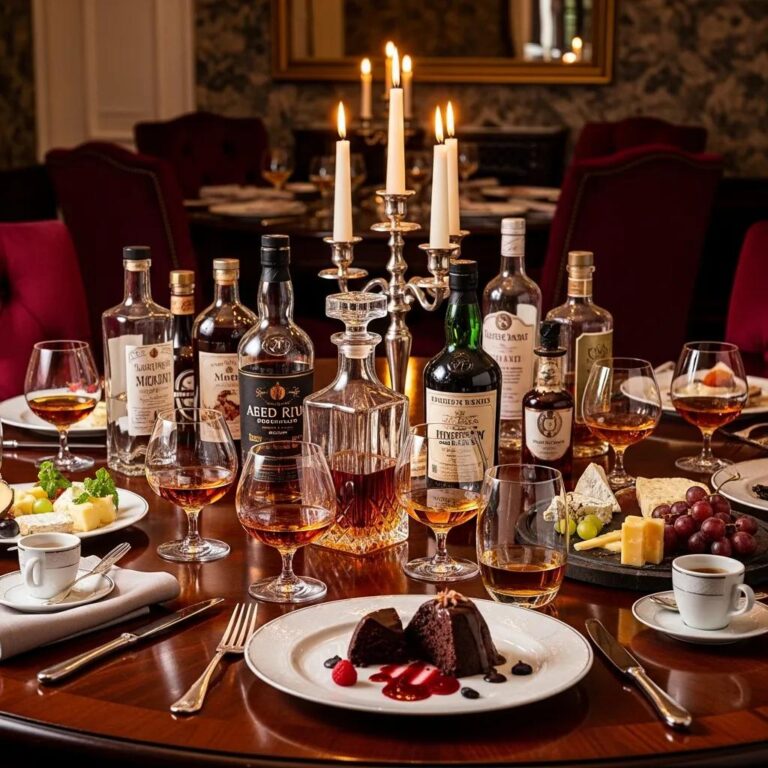
Alcohol etiquette in corporate settings centers on choice, pacing, and respect for individual limits. Offer a range of beverages, consider one short toast early on, and pace drinks to the most conservative guest. Hosts should model restraint and provide non-alcoholic options without drawing attention to abstention. Keep toasts brief, inclusive, and positive — then return to conversation to leave time for business. If you feel pressured to drink, decline politely or choose a substitution; framing it as “I’m keeping sharp for our next steps” keeps the tone professional.
These practices keep the table aligned with business objectives and prevent impairment from undermining outcomes. With service and conduct managed, the next section covers strategic conversation.
How to Engage Clients Effectively During a Business Dinner: Conversation and Networking Tips
Conversation at business dinners should build rapport, offer value, and move toward clear next steps while honoring the meal’s social rhythm. Combine open-ended questions, active listening, and well-timed transitions to business topics after a period of social exchange. Bridge from food observations to professional topics, mirror client language, and offer tangible value — an introduction or a useful insight — to advance the relationship without seeming transactional. Below are topic suggestions and tactics to keep dialogue productive and graceful.
What Topics Are Appropriate for Business Dinner Conversations?
Choose topics that balance approachability with professionalism and avoid divisive or overly personal subjects. Safe conversation starters include industry trends, recent wins or lessons, neutral travel stories, and shared cultural interests like food or the arts. Avoid political or religious debates and intrusive personal questions. Starting with a comment about the course or regional specialties creates a natural path into broader discussion and signals genuine curiosity.
- Industry and market trends: Talk about forward-looking topics that show insight without bragging.
- Professional challenges and learnings: Invite short stories about recent projects and practical takeaways.
- Shared interests: Use food, travel, or culture to build common ground.
Following these guidelines reduces the risk of awkward moments and sets the table for deeper relationship-building.
How Can You Use Conversation to Build Stronger Business Relationships?
Strong relationships grow from curiosity, reciprocity, and clear next-step framing. Alternate personal connection with substantive topics, practice active listening — paraphrase, ask clarifying questions, and match energy — then offer a concrete value-add such as a contact or relevant article. Transition to business after a natural conversational pause and summarize agreed actions before the meal ends to make follow-up straightforward. These small practices turn a pleasant dinner into measurable progress while preserving human connection.
Use these techniques regularly and meals become reliable engines of forward motion. Next, we cover post-dining etiquette and follow-up.
What Are the Best Post-Dining Etiquette Practices to Reinforce Professional Success?
Post-dining etiquette extends the impression you made at the table into follow-up behaviors that consolidate relationships and advance business objectives. Immediate actions include a brief thank-you at parting, a one-line recap of next steps, and graceful departure logistics; follow-up messages should arrive soon and be value-oriented. A simple template — prompt message, reference to a shared moment from the meal, and a clear proposal for the next step — keeps the connection warm without pressure. The subsections below offer parting scripts and follow-up templates you can adapt.
These rituals turn one dinner into lasting progress and normalize dining as part of a broader relationship strategy. The guidance that follows gives concrete phrasing and timing suggestions for hosts.
How Should You Gracefully End a Business Dinner and Say Thank You?
A graceful close combines appreciation, clarity, and a hint of what comes next. Thank guests for their time, state any agreed next step in one sentence, and offer to help with transportation or logistics as needed. Simple lines such as “Thank you for a productive evening — I’ll follow up with the next steps we discussed” close the loop and set expectations for a timely follow-up. Leaving with that clarity reinforces your professionalism and reduces ambiguity about follow-through.
These actions make departures smooth and make your follow-up messages feel natural. The next subsection provides templates you can use.
What Are Effective Follow-Up Strategies After a Corporate Meal?
Send a follow-up within 24–48 hours that combines thanks with a concise recap and a clear next step. Reference a highlight from the conversation and attach any promised resource or a calendar invite. Use a subject line that mentions the meeting context and include one-line action items, then propose two dates or a scheduling link to simplify planning. This approach converts the dinner’s goodwill into measurable momentum and strengthens your reputation for follow-through.
Consistent application of this rhythm builds trust and makes future dining interactions a scalable part of your relationship toolkit.
How Does Business Dining Etiquette Different in Luxury Japanese Fine Dining Settings Like Kaviar Restaurant?
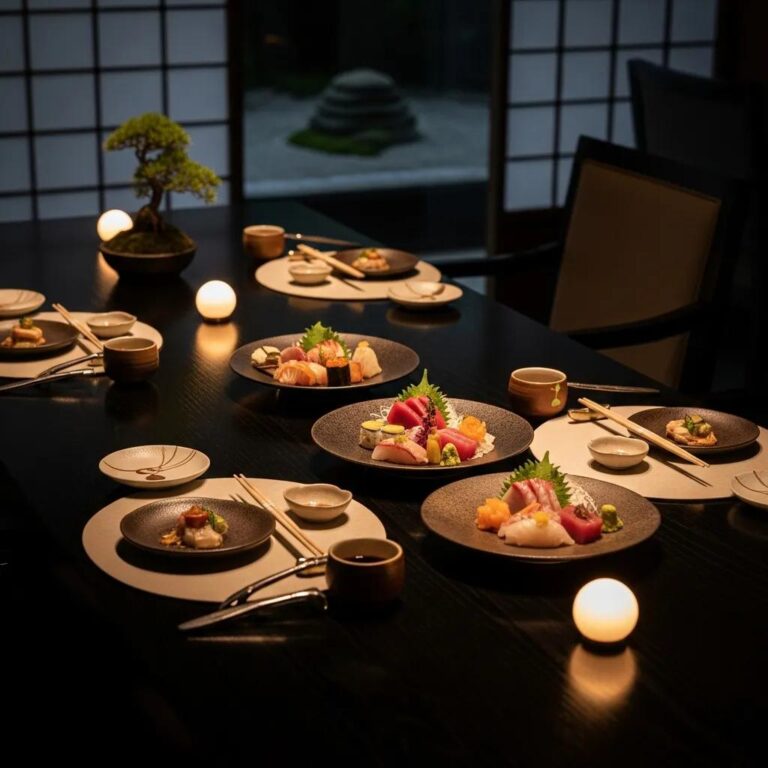
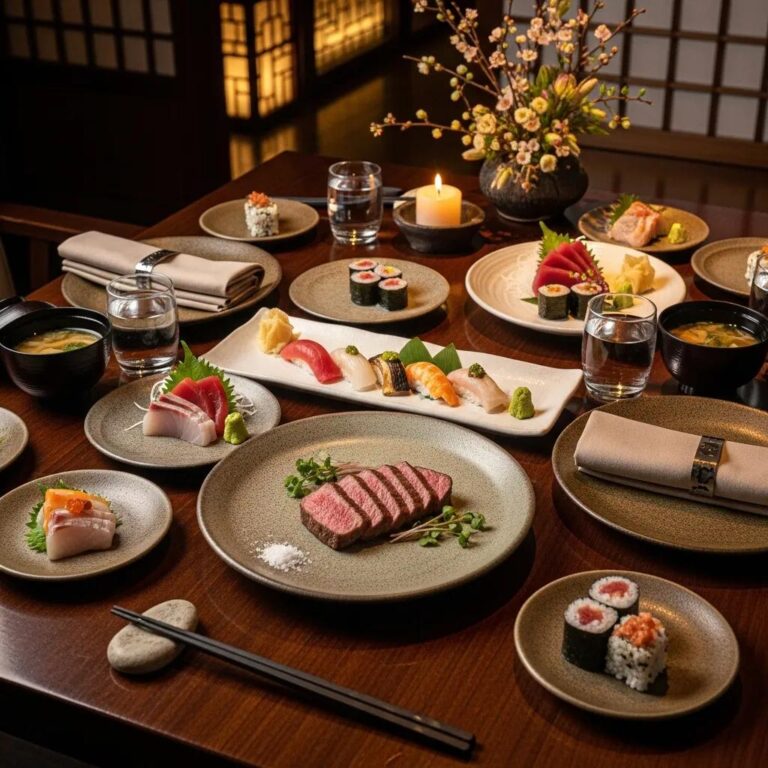
Luxury Japanese fine dining introduces service and cultural nuances — chef-led omakase, minimal presentation, and top-quality ingredients — that affect how you behave and order. These differences matter because they change guest-chef interactions, shared-dish handling, and course pacing. Premium items like A5 Wagyu and caviar become meaningful signals of care when served thoughtfully and portioned for sharing. The following subsections offer do’s and don’ts for omakase settings and explain how premium ingredients shape client impressions, illustrated by Kaviar’s service style.
Premium ingredients and client impressions:
What Are the Cultural Etiquette Tips for Enjoying Omakase and Sushi in a Business Setting?
Omakase and sushi etiquette centers on respect for the chef’s craft, measured tasting, and quiet appreciation. At the counter, follow the chef’s lead, accept portions as presented, and offer concise compliments when appropriate. Avoid rearranging nigiri or adding excess soy that masks flavor. When sharing omakase, coordinate pacing with staff so conversation windows align with course service, and refrain from disruptive behavior like flash photography or loud commentary. These small gestures show cultural sensitivity and support a dignified environment for client entertaining.
Respectful behavior at the counter minimizes cultural missteps and preserves a focused atmosphere for business conversation. The next subsection explains how premium ingredients amplify impressions.
How Do Premium Ingredients Like A5 Wagyu and Caviar Enhance Client Impressions?
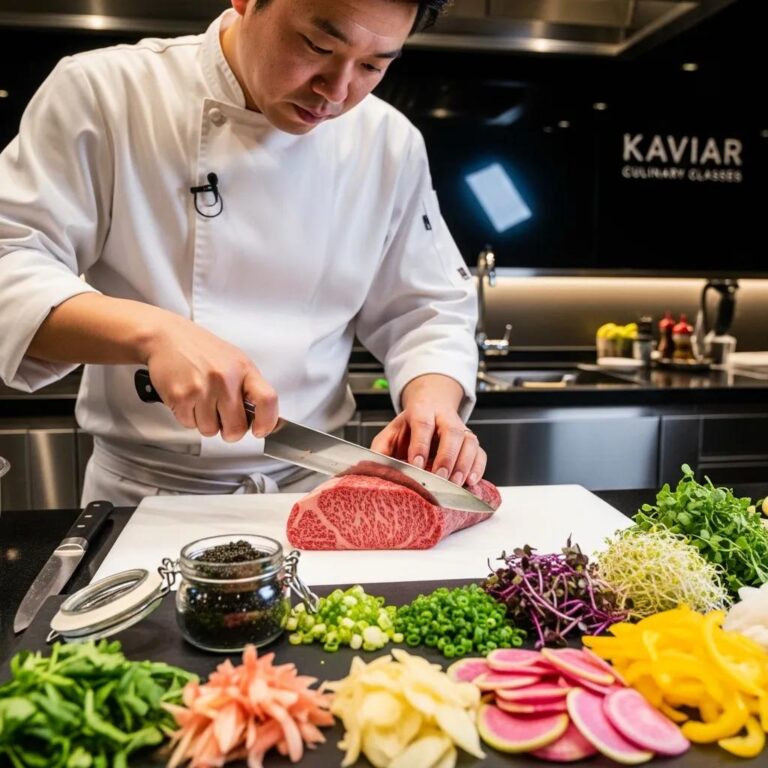
Premium ingredients act as deliberate signals of appreciation. Thoughtful service of A5 Wagyu or caviar tells clients you’ve invested in a memorable experience. A5 Wagyu’s nuanced flavor invites small shared tastings that emphasize generosity without excess; caviar’s ritualized service highlights attention to detail. When paired with careful pacing and portioning, these choices create standout moments that differentiate a business dinner from routine meetings and can catalyze goodwill that supports future collaboration.
Positioning premium dishes as part of a curated hospitality strategy converts culinary luxury into measurable relational returns, completing the practical guidance professionals need for effective business dinners in luxury Japanese fine-dining settings like Kaviar Restaurant.
Acknowledgment: Kaviar Restaurant (70 N Raymond Avenue, Suite 250, Pasadena, CA) demonstrates the luxury Japanese dining features discussed — curated tasting sequences, premium ingredients such as A5 Wagyu and caviar, and reservation options tailored to business events — making it a practical choice when hosts want a venue that aligns etiquette with exceptional service.
Frequently Asked Questions
What should I do if I have dietary restrictions when attending a business dinner?
If you have dietary restrictions, tell the host ahead of time so they can choose a suitable venue and notify the kitchen. At the table, ask politely about menu items if you need clarification. Being proactive protects your health and keeps the experience smooth for everyone.
How can I gracefully handle a situation where the conversation becomes uncomfortable?
If conversation turns awkward, stay calm and steer to neutral ground — comment on the food, the city, or a recent industry development. If needed, excuse yourself briefly to regroup. A polite redirection and measured tone usually diffuse tension quickly.
What are some tips for managing the flow of conversation during a business dinner?
Begin with light, inclusive topics to bring everyone in. Practice active listening — nod, paraphrase, and invite others to speak. Transition to business naturally after rapport is established, and if one person dominates, ask questions of quieter guests to balance the discussion.
How should I follow up after a business dinner to reinforce connections?
Send a thank-you within 24–48 hours that references something from the meal and proposes a clear next step. Attach any promised materials or a calendar invite. A brief, timely message shows attention and keeps momentum moving forward.
What are the best practices for introducing guests at a business dinner?
Introduce the most senior or relevant person first, then others in descending order. Use full names and a short description of each person’s role or relevance. Make eye contact and smile — clear introductions set a positive tone and help conversation begin naturally.
How can I ensure that the dining experience aligns with business objectives?
Pick a venue that reflects the meeting’s formality, confirm reservations and seating, and communicate dietary needs to staff. During the meal, balance social and business topics and steer discussions toward relevant outcomes. Planning and clear transitions keep the dinner aligned with your objectives.
What should I do if I feel pressured to drink alcohol during a business dinner?
If you feel pressured, decline politely and choose a non-alcoholic option. You can offer a toast with a soft drink or simply say you’re keeping sharp for the next steps. Most colleagues will respect a firm, courteous choice.
Conclusion
Mastering business dining etiquette elevates both relationships and reputation. From punctuality and seating to thoughtful conversation and timely follow-up, small, deliberate choices shape outcomes far beyond the meal. Use these practices to make corporate dinners purposeful, polished, and productive. For more guidance on hosting or selecting a venue, explore our resources or contact Kaviar directly.