



Kaviar’s Guide to Japanese Whisky: Premium Bottles and Thoughtful Pairings for Fine Dining
Japanese whisky is prized worldwide for its precision, balance and careful use of casks—qualities that make it a natural match for refined Japanese cuisine. This guide walks through how Japanese whisky is made, how aging and casks like Mizunara shape flavor, and practical pairing strategies to elevate omakase, sushi, A5 Wagyu and caviar. You’ll find bottle‑level tasting notes for flagship expressions, a clear pairing checklist, and service tips that show why premium whisky can transform a multi‑course dinner. If you’re dining in Pasadena and would like a curated whisky pairing or an educational tasting, the article also explains how to request sommelier guidance and reserve a tailored experience at Kaviar Restaurant. The sections that follow explain what makes Japanese whisky distinctive, the main styles and aging choices, actionable pairing recommendations, featured bottle profiles, the in‑restaurant whisky experience, and short answers to common guest questions—together, a practical roadmap for choosing, tasting and pairing Japanese whisky during a focused fine‑dining visit.
Why Japanese Whisky Stands Out — and Why We Feature It at Kaviar
Japanese whisky is rooted in meticulous craft, a blending mindset and a pursuit of balance—aroma, palate and finish in quiet conversation rather than competition. Distillers started with Scottish technique but developed a uniquely Japanese sensibility: exacting production, careful blending and selective use of local and imported casks. The result is often elegant, layered whisky with floral, fruity and subtle spice notes—an ideal counterpart to delicate sashimi and other umami‑forward preparations. Knowing these traits helps diners pick expressions that complement the food instead of overpowering it.
Several consistent qualities make Japanese whisky a compelling choice for premium dining:
- Refined Balance: Producers focus on harmony between malt, oak and residual sweetness.
- Cask Craftsmanship: Thoughtful use of woods—Mizunara, ex‑bourbon and sherry—adds nuanced aromatic signatures.
- Subtle, Layered Flavors: Many bottlings emphasize floral, fruity and restrained smoky elements that sit well with seafood and refined proteins.
These points lead into how history and craft shape flavor and why certain bottles work so well at Kaviar.
How History and Craft Define Japanese Whisky’s Flavor
Japanese whisky began with makers studying Scottish methods, then adapting them to local tastes and ingredients. Early producers learned malting, fermentation and pot‑still distillation, then focused on house style through blending—creating consistency and layered complexity. That craftsmanship shows up as orchard fruit, honeyed malt, gentle spice and, in some cases, delicate smoke—traits driven by fermentation, still design and the maturation environment. In recent decades, cask selection—especially Mizunara—has become a key tool for house style, marrying single‑malt character with blended harmony to produce the polished profiles diners now expect.
With craftsmanship as the engine of flavor, the next section highlights the houses whose bottles best reflect these approaches and how our list at Kaviar samples those styles.
Which Japanese Houses Are in Our Selection?
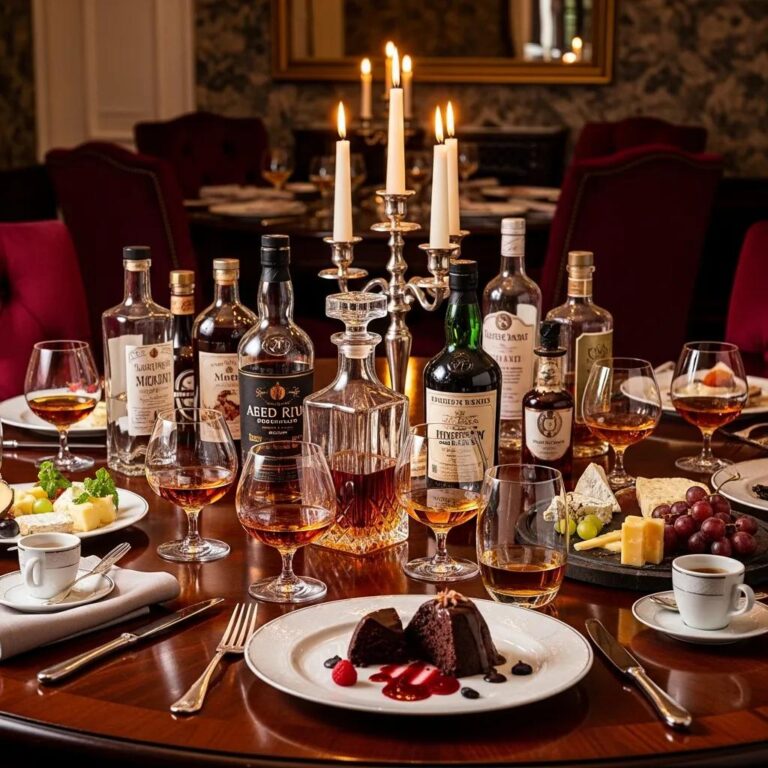
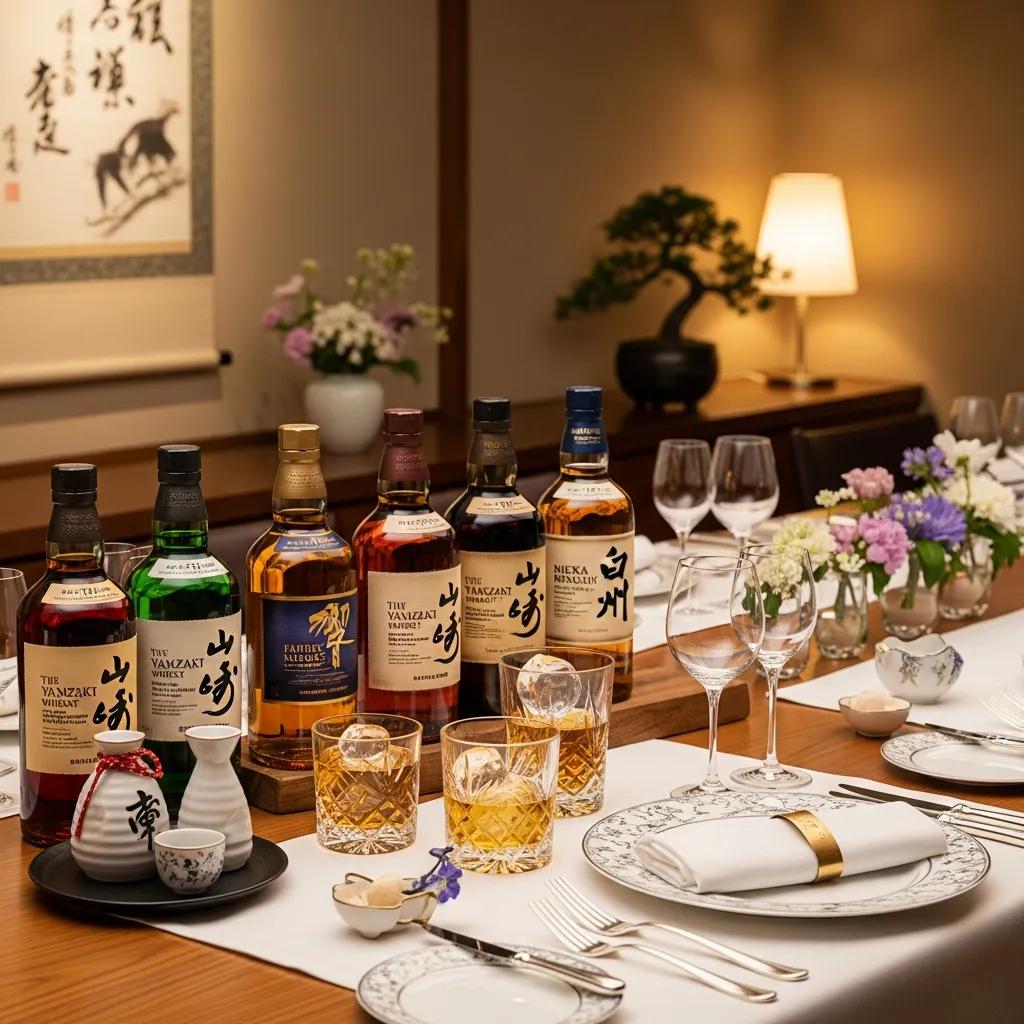
Our beverage program highlights respected Japanese houses that exemplify the country’s craft—from fruit‑forward single malts to balanced blends made for pairing. Yamazaki‑style single malts often show orchard fruit, toasted oak and gentle baking spice, making them versatile with raw and lightly cooked fish. Hibiki‑style blends layer floral and honeyed notes with exceptional balance, ideal across a multi‑course menu. Other producers emphasize cedar, herbal smoke or fresh‑forest character depending on source and cask. We curate bottles that reflect Kaviar’s focus on refined ingredients and textural contrast, giving straightforward, reliable options for pairing and tasting.
These examples set up a practical comparison of whisky types and cask influences, to help match production categories to menu textures and flavors.
Which Japanese Whisky Types and Aging Choices Do We Highlight at Kaviar?
Knowing the core whisky types—single malt, blended and grain—and how aging and cask choices modify flavor helps diners select pairings with confidence at Kaviar. Single malts express a distillery’s character and can deliver concentrated fruit, malt or smoke depending on water source and still shape. Blends combine multiple malt and grain components to emphasize balance and approachability. Grain whisky offers lighter texture and subtle sweetness, useful in blends or for highball service. Aging length and cask type—especially Mizunara versus ex‑bourbon or sherry—drive aromatic and textural shifts that affect pairing outcomes.
Below is a quick comparison to clarify these distinctions and their practical pairing implications before we look closer at Mizunara’s influence.
- Single malts: express a single distillery’s character—often concentrated fruit, spice or smoke—suited for featured pairing courses.
- Blended whiskies: marry malts and grains for consistent balance, making them versatile across a multi‑course tasting.
- Grain whiskies: lighter, sweeter and smoother—offering subtlety with delicate seafood or as a highball foundation.
That sets the stage for a focused look at how Mizunara oak affects aroma and why we integrate it selectively.
Single Malt, Blended and Grain — What’s the Difference?
Single malt comes from one distillery using malted barley and pot stills, concentrating flavor and mouthfeel; depending on production, examples can show pronounced fruit, oak or peat. Blends combine single malts with grain whisky to deliver consistency and layered complexity—valued for balance and well suited to multi‑course dinners. Grain whisky, made in continuous stills from various cereals, tends to be lighter and sweeter, smoothing blends or standing alone in a delicate pairing. Service and sequencing follow from these differences: begin with lighter grain or delicate single malts and move to fuller single malts or Mizunara‑finished expressions later in a tasting.
These distinctions lead into how cask choice—Mizunara in particular—shapes aroma and texture in ways that matter at the table.
How Mizunara Oak Shapes Kaviar’s Whisky Picks
Mizunara oak, a native Japanese species used for select maturations, brings distinctive aromatics—sandalwood, incense, coconut and spicy resin—not commonly found with other oaks. Its open grain increases spirit‑wood interaction, producing perfume‑like notes that can stand up to rich, fatty dishes. Because Mizunara‑aged whiskies are rarer and often pricier, we use them selectively to complement A5 Wagyu and certain caviar preparations, where the wood’s spice and lift cut through fat and highlight umami. Expect a pronounced fragrance and a slightly textural oak tannin that supports long, contemplative sips.
Japanese Oak Casks: Imparting Unique Aroma to Matured Whisky
A study of how different cask woods influence matured whisky aroma, with identification of the unique characters contributed by Japanese oak (Mizunara)
The influence of wood species of casks on matured whisky aroma: identification of unique character imparted to whisky by casks constructed of Japanese oak, 2017
With Mizunara’s profile in mind, the next section maps whisky styles to Kaviar’s menu so you can pair with purpose.
How to Pair Japanese Whisky with Kaviar’s Fine‑Dining Menu
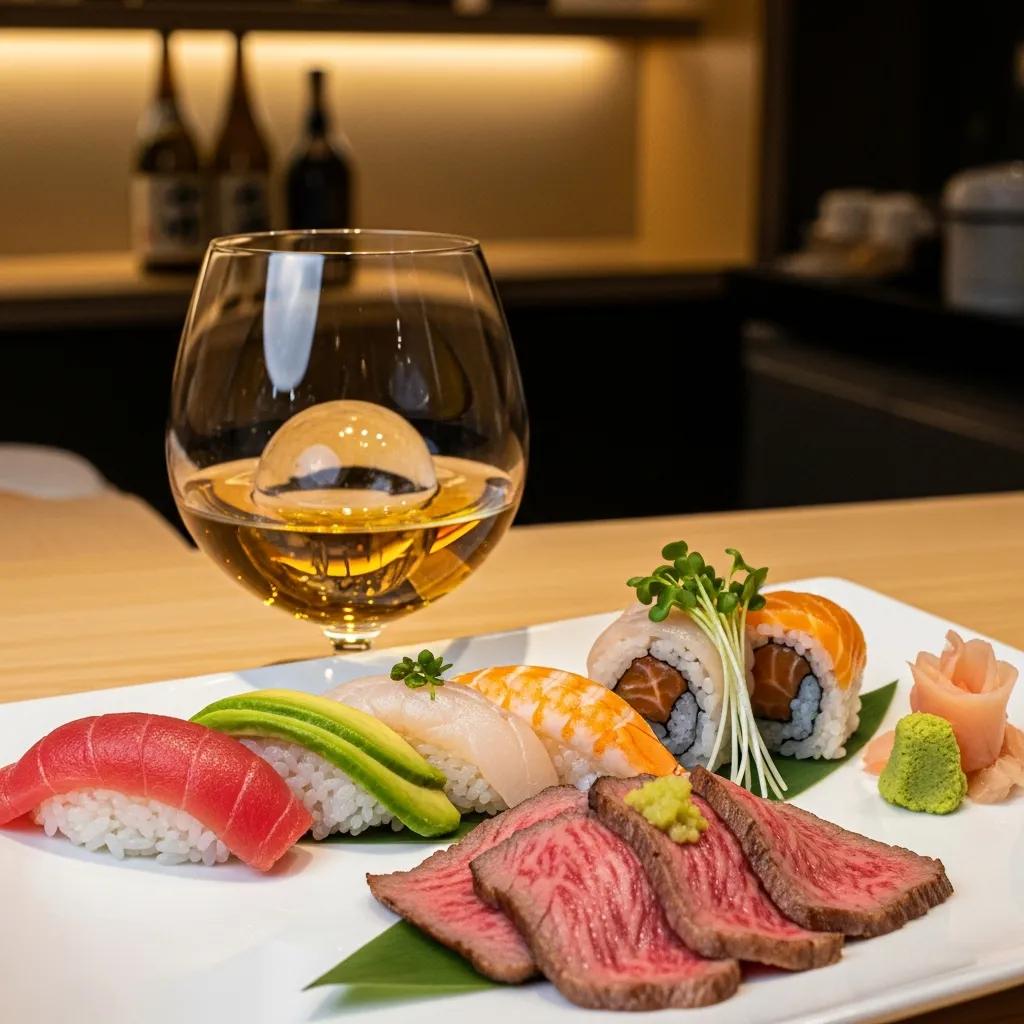
Good pairings start with weight and texture: match the whisky’s body to the dish’s richness, and consider fat, acidity and seasoning. Lighter, floral whiskies suit sashimi and delicate nigiri; medium‑bodied, ex‑bourbon or sherry‑influenced bottlings pair well with cooked fish and richer sauces; and fuller Mizunara‑ or sherry‑aged expressions shine alongside A5 Wagyu and select caviar. Temperature, glassware and small dilution shifts perception— a few drops of water can open closed aromatics, while chilled highballs feel refreshing with early courses. These guidelines let guests sequence tastings so each pour enhances rather than competes with the food.
Below is a concise, scannable map tying common dish categories at Kaviar to recommended whisky styles and example bottles to simplify choices when you reserve.
- Start light, then build: Open with floral or grain‑forward whiskies for raw courses, and move to sherry or Mizunara finishes for heavier mains.
- Respect texture and fat: Fatty items like A5 Wagyu benefit from oak‑driven or spiced whiskies that cleanse and complement the palate.
- Use modest dilution: A few drops of water often unlock aromatics in high‑proof, cask‑forward bottles without flattening nuance.
Which Whiskies Work Best with Omakase and Sushi?
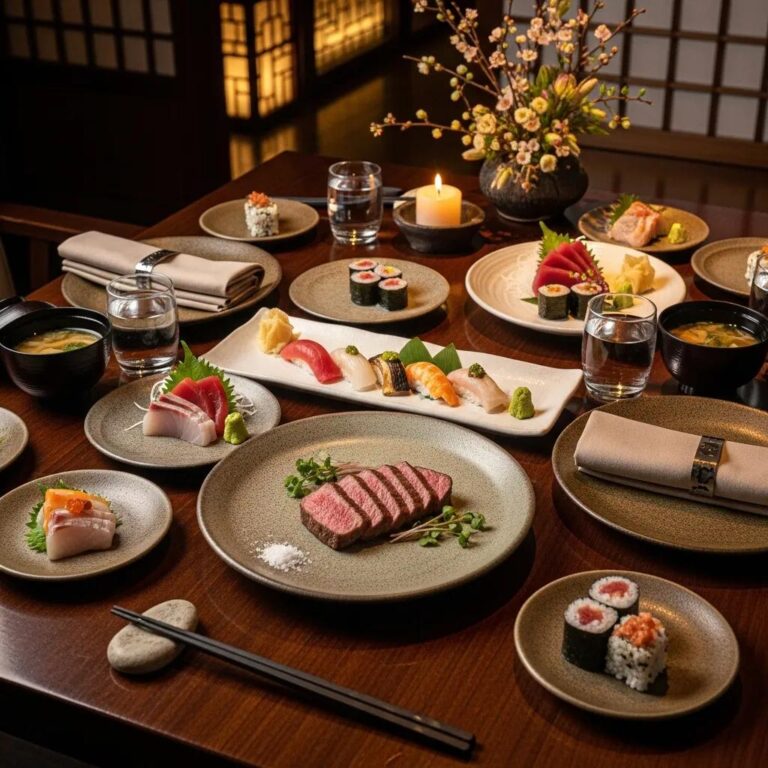
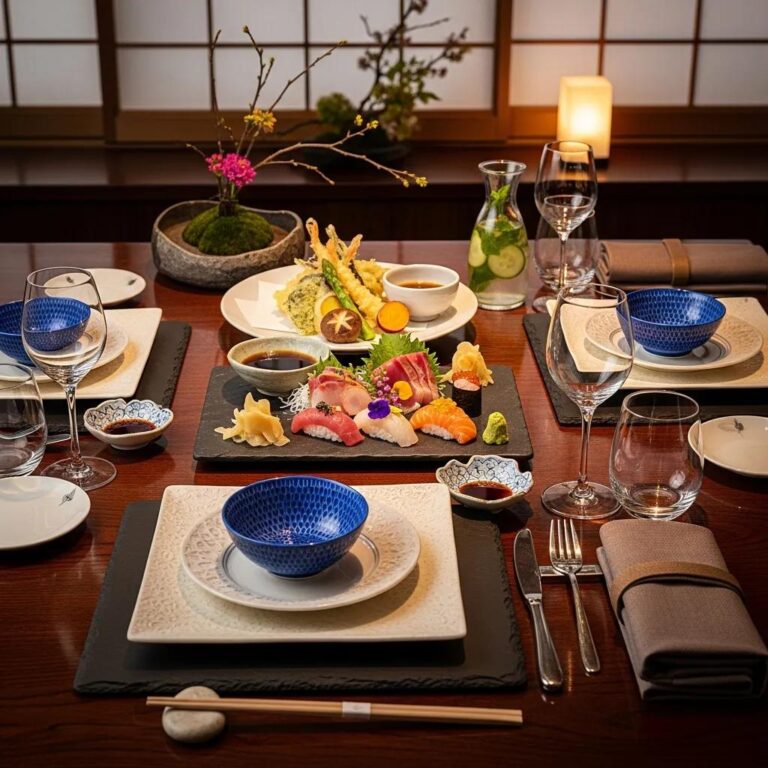
For omakase and sushi, choose whiskies that mirror the courses’ restraint—light expressions with floral top notes, bright orchard fruit and gentle malt character enhance raw fish without masking texture. Delicate single malts and balanced blends offering citrus, white pepper or honeysuckle translate well alongside nigiri and sashimi. Sequence matters: serve the lightest, most saline‑friendly whisky first and reserve more complex blends or lightly oaked bottles for richer, sauce‑accented pieces later. We recommend small tasting pours and tulip‑shaped glassware so diners can compare how each whisky interacts with a bite.
Which Bottlings Best Elevate A5 Wagyu and Caviar?
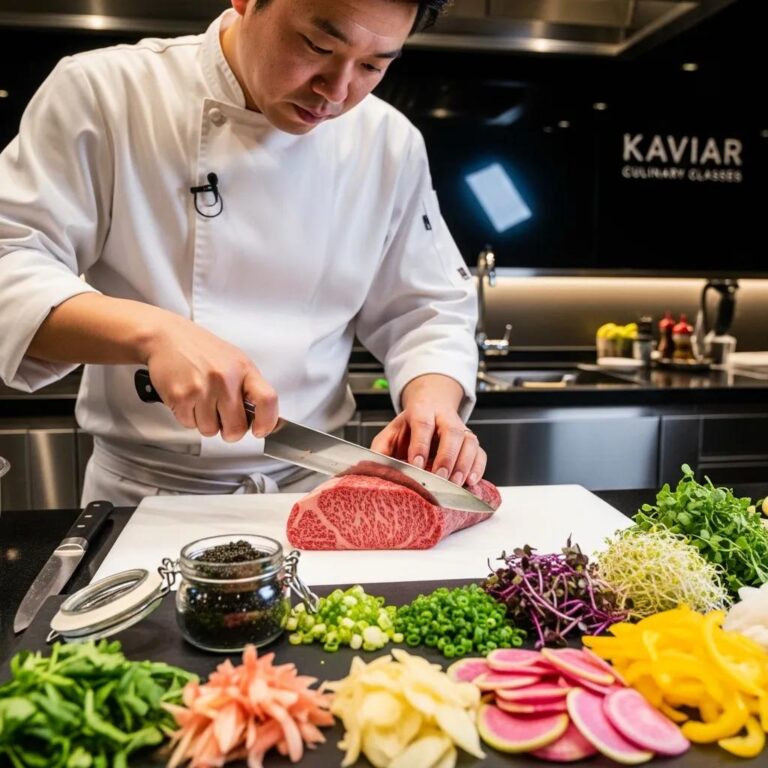
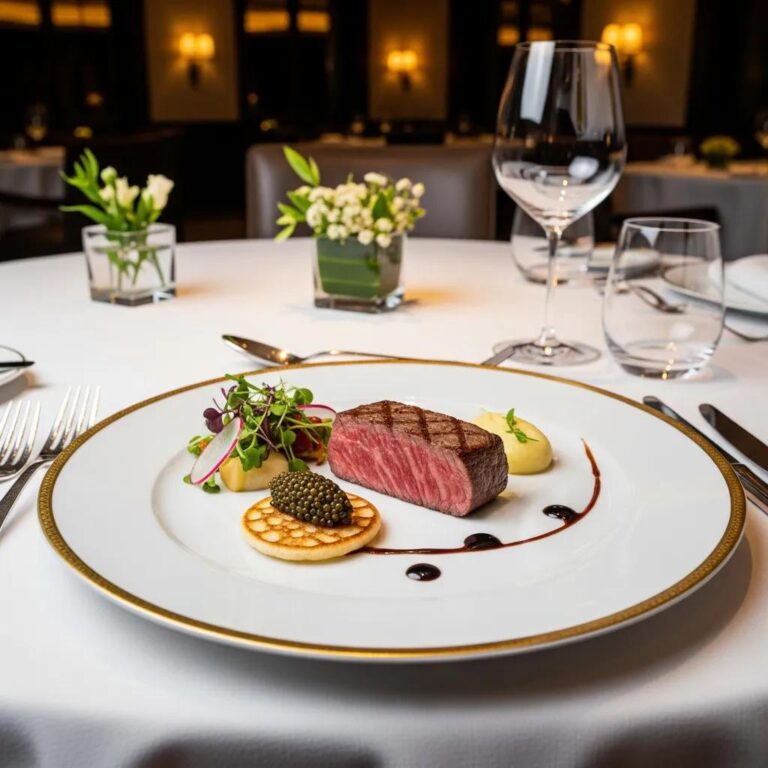
A5 Wagyu and caviar call for whiskies with body, aromatic depth and the ability to contrast or underline fat and umami. Mizunara‑finished and sherry‑cask expressions bring wood spice, resinous perfume and dried‑fruit richness that pair beautifully with Wagyu’s marbling. For caviar, a honeyed, low‑peat blend with a saline lift can accentuate brine while preserving delicacy. Serve these bottles neat or with a minimal splash of water suggested by your sommelier to open complex notes; avoid heavy dilution that flattens mouthfeel. The right pairing creates a dialogue—the spirit’s tannins lift fat while its aromatics reinforce umami for a sustained, satisfying finish.
Kaviar’s Featured Japanese Whiskies — Notes and Pairing Guidance
We curate a focused selection of premium Japanese whiskies that reflect classic profiles: fruit‑forward Yamazaki‑style malts, balanced Hibiki‑style blends and select Mizunara‑finished bottlings for richer pairings. The table below lets guests compare flagship bottles by age, cask type, tasting notes and pairing guidance, and shows how to inquire about rare or rotating stock when you reserve.
Flavor Notes — Yamazaki 12 and Hibiki Japanese Harmony
Yamazaki 12 typically shows layered orchard fruit—peach and ripe apple—alongside caramel, vanilla and a gentle oak spice from ex‑bourbon and sherry casks. Its medium weight and subtle sweetness pair well with richer seafood and seared items.
Hibiki Japanese Harmony blends floral top notes with honeyed citrus and mild baking spice, yielding a polished, medium‑bodied profile that moves smoothly through an omakase progression.
Both bottles demonstrate Japanese whisky’s focus on balance and clarity, offering dependable reference points before exploring rarer expressions.
Do We Offer Rare and Limited Editions?
Yes—our approach to rare and limited editions emphasizes careful curation and reservation‑first access. Special bottles rotate or arrive by request for private tastings and celebrations. Because availability and licensing can vary, tell us when you book so our beverage team can confirm options and suggest matching courses. Requests for limited editions usually require lead time for procurement and service planning; our sommelier or beverage director will recommend bottlings that suit your palate and menu. This reservation model ensures rare bottles are presented with the proper context and care.
How We Stage a Luxury Japanese Whisky Experience in Pasadena

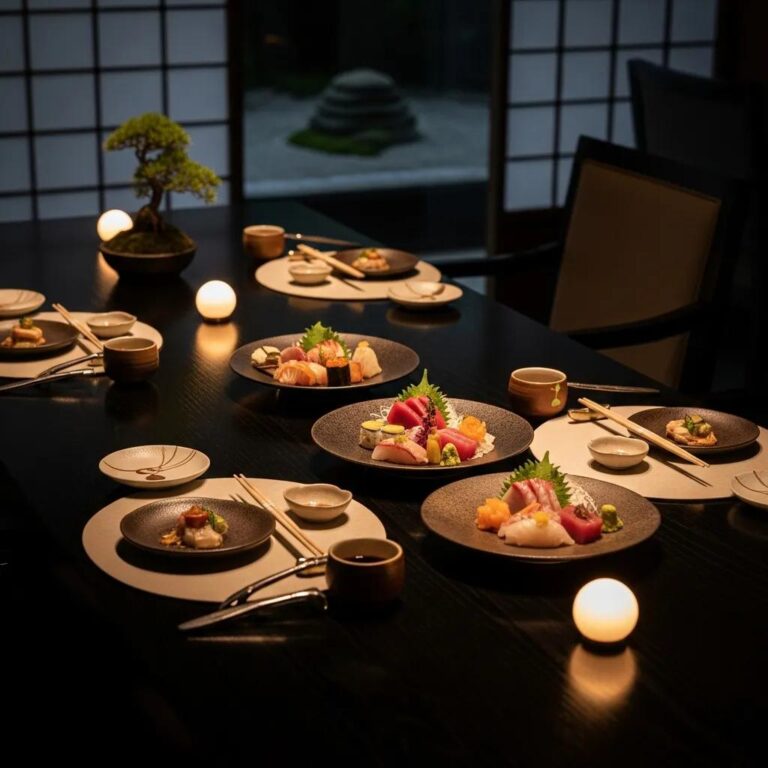
Kaviar blends modern design with traditional Japanese details to create a setting where whisky tasting feels deliberate and refined. The room encourages quiet conversation, curated artwork and subtle decor that frame tasting as a focused, sensory experience. Service centers on sommelier guidance, measured pours and presentation rituals—palate cleansers, tasting order and pacing—that protect each whisky’s integrity. Together, these elements create a sensory path where aroma, texture and course sequence align to highlight both food and spirit.
Ambiance and Service That Elevate Whisky Tastings
Our ambience balances contemporary aesthetics with traditional accents, offering an intimate backdrop for whisky appreciation and conversation. Staff training emphasizes beverage literacy and tasting facilitation so sommeliers can present bottles, explain provenance and guide sequencing while managing pace. Rituals—bottle presentation, small comparative pours and palate cleansers between heavier courses—help preserve clarity across a multi‑course tasting. These practices make each whisky feel purposeful and integrated with the meal.
How to Book a Japanese Whisky Tasting or Pairing
To arrange a curated whisky pairing or private tasting, tell us your pairing intent when you reserve through our standard channels; reservations are available via RESY, OpenTable or by phone, and our team can advise on pairings and lead times. For special requests—rare bottle presentations, private flights or sommelier‑led educational tastings—advance notice lets our beverage staff prepare the right bottles and courses. Common customizations include guided flights matched to an omakase sequence or single‑bottle pairings for A5 Wagyu and celebratory meals. Booking with pairing details ensures we deliver a tailored, polished whisky experience.
Common Questions About Japanese Whisky and Pairings at Kaviar
Guests commonly ask which whiskies are approachable, how to use water or ice, and what to expect when pairing with multi‑course Japanese dining. Clear answers help newcomers and experienced drinkers choose confidently: pick lighter, floral whiskies for raw courses; add a few drops of water to open cask‑forward bottles; and rely on sommelier guidance to sequence tastings. Our service supports exploration with measured pours and comparative flights for guests who want a structured tasting. These practical tips reduce uncertainty and invite confident experimentation during your reservation.
Which Japanese Whisky Is Best for Beginners Visiting Kaviar?
Beginners should start with approachable, balanced expressions that emphasize fruit, honey and mild oak rather than heavy peat or intense sherry. Blends and younger single malts usually offer this profile—sweet, floral and easy to sip neat or with a splash of water. At Kaviar, ask for a small guided flight or a half‑pour to compare two styles side‑by‑side; that low‑pressure, educational approach speeds palate development while keeping each selection complementary to the menu. Our staff creates a welcoming learning environment for first‑time whisky tasters.
How Do Water and Ice Change Japanese Whisky?
A few drops of water reduce alcohol volatility and often unlock hidden aromatics, increasing perceived sweetness and revealing mid‑palate flavors—particularly useful for cask‑forward bottles.
Ice chills and mutes volatile aromatics, which can be desirable for refreshing highballs or when pairing with rich, fatty courses that benefit from a cooling contrast. For fine‑dining presentations at Kaviar, we prefer small water additions or a brief rest in a chilled glass over large ice cubes that overly mute nuance. Our service team can recommend dilution techniques based on a bottle’s proof and the intended pairing to optimize balance.
These service recommendations complete the practical guidance guests need to approach Japanese whisky with confidence during a reservation at Kaviar.
Frequently Asked Questions
What is the best way to store Japanese whisky at home?
Store whisky upright in a cool, dark place away from direct sunlight and temperature swings. Ideal storage is about 15°C to 20°C (59°F to 68°F). Keep the bottle tightly sealed to slow oxidation; once opened, aim to enjoy the bottle within a year for best flavor. Avoid the refrigerator or freezer—extreme cold can mute aroma and texture.
Can you recommend a whisky for a special occasion?
For special occasions, consider premium Japanese bottlings such as Yamazaki 18 or Hibiki 21. These expressions offer depth and complexity that suit celebratory moments. Pairing a top‑tier whisky with a thoughtfully curated meal will amplify the experience—ask our sommelier for a recommendation tailored to your event and guest preferences.
How do I choose the right glassware for Japanese whisky?
Glassware affects the tasting experience. A tulip‑shaped glass concentrates aromas and is ideal for nosing and tasting. Use a rocks glass when serving whisky with ice or water, and a tall glass for highballs. Choosing the right vessel enhances aroma concentration and makes each sip more expressive.
What food pairings work best with Japanese whisky?
Japanese whisky pairs especially well with umami‑rich foods. Sushi, sashimi and grilled seafood complement lighter whiskies; richer options such as A5 Wagyu or caviar pair with fuller, oak‑influenced expressions. Lighter whiskies suit delicate seafood, while fuller‑bodied bottlings can stand up to richer flavors. Try different pairings—unexpected matches can be delightful.
Are there any health considerations when consuming whisky?
Moderation is essential. While some research suggests potential benefits from moderate alcohol use, excessive drinking carries serious health risks, including liver disease and addiction. Be mindful of limits and caloric intake, and consult a healthcare professional if you have concerns about alcohol’s effects on your health.
What does the age statement on a whisky bottle mean?
The age statement indicates how many years the spirit matured in cask before bottling. Aging influences flavor, aroma and texture—older whiskies often develop more complexity and rounding from extended wood interaction. That said, age is not the only marker of quality; some younger whiskies are exceptionally well crafted. Prioritize flavor and pairing goals when choosing a bottle.
Conclusion
Exploring Kaviar’s curated Japanese whisky selection adds a considered, flavorful dimension to the fine‑dining experience. Each bottle brings distinct characteristics that can complement the subtlety of Japanese cuisine and create memorable food‑and‑spirits moments. To deepen your tasting, book a tailored pairing with our sommeliers—discover the art of whisky pairing at Kaviar and make your next meal an occasion to savor.