



The Art of Fine Dining Interior Design: Shaping Luxury Ambiance with Japanese Restraint
Interior design in fine dining does more than look beautiful — it frames how guests taste, how they feel served, and how they value the meal. Sightlines, acoustics and layered sensory cues quietly set the stage for every course.
This piece breaks down the practical levers — material choices, lighting strategies, spatial choreography and ingredient staging — that translate exceptional cuisine into a unified, memorable experience.
You’ll discover why specific design moves matter for a refined Japanese aesthetic, how counter-based omakase layouts deepen chef-to-guest storytelling, and which acoustic and reservation approaches protect intimacy and exclusivity.
We also offer hands-on guidance for presenting signature items like A5 Wagyu and caviar, choosing sustainable luxury materials, and designing reservation UX that primes guests before they arrive.
Throughout the article you’ll find clear checklists, comparison tables, and concise prescriptions that designers and restaurateurs can apply right away.
The sections below cover luxury decor fundamentals, omakase-led layouts, acoustic and spatial best practices, reservation experience, ingredient-driven staging, and sustainable material selection.
What Defines Luxury Decor in Fine Dining Restaurants?
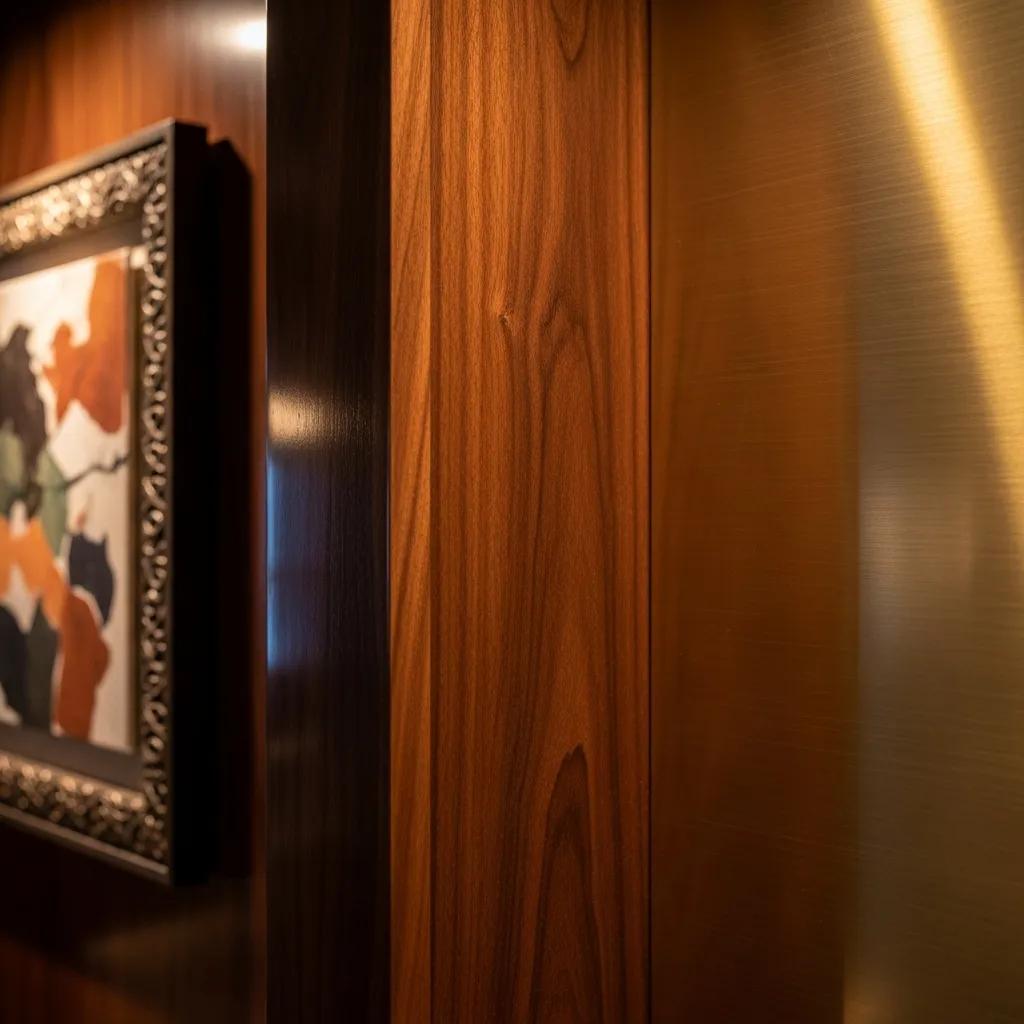
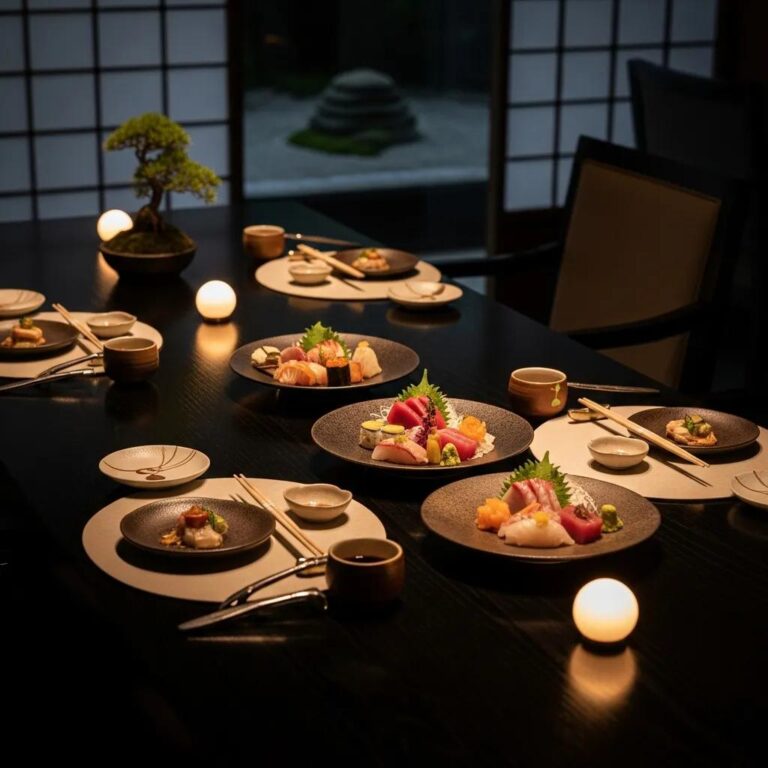
Luxury decor is the quiet language that signals care: a curated palette of materials, precise control of light, custom furniture and selected art that together suggest craft and exclusivity.
Materials and finishes act as visual shorthand: warm wood and soft textiles create intimacy; stone and brass imply permanence and refinement.
In practice, materials carry meaning — they tell provenance, reveal craft and raise the perceived value of premium dishes.
By recognizing these hallmarks, designers can sync aesthetic decisions with service flow and plating narratives that support a cohesive luxury identity.
Luxury interiors typically rely on a few consistent elements:
- Material richness: Carefully chosen hardwoods, lacquer, stone and metal finishes selected for grain, patina and longevity.
- Layered lighting: Ambient, accent and task fixtures that flatter faces and food while avoiding glare.
- Bespoke furniture: Custom seats and tableware tuned for comfort, proportion and prolonged tasting sequences.
- Curated objects: Art and ritual pieces that anchor thematic storytelling without clutter.
Together these choices form a sensory framework that primes guests for a refined meal and leads naturally into the Japanese aesthetic strategies below.
Kaviar Restaurant in Pasadena provides a practical example: interiors that emphasize premium materials, restrained art and refined sightlines to reinforce a Japanese-inspired, high-end dining identity.
That curated decor supports the restaurant’s promise around omakase, A5 Wagyu and caviar by aligning tactile finishes and lighting with culinary presentation.
Studying these implementations shows how material selection and spatial rhythm validate premium pricing and guest expectations.
Which Elements Create a Sophisticated Japanese Restaurant Aesthetic?
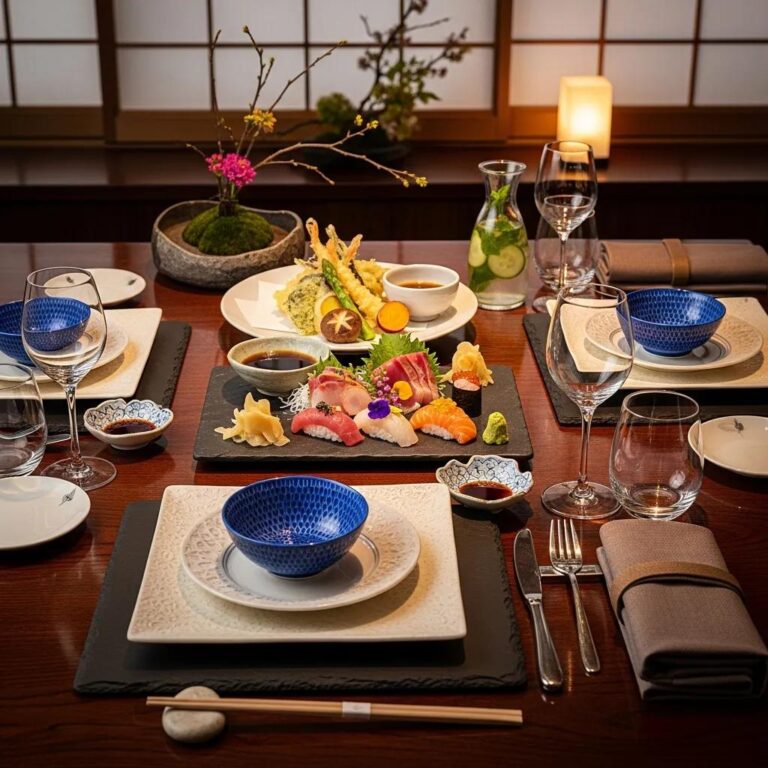
A considered Japanese aesthetic centers natural materials, spare composition and quiet cultural references that honor tradition without turning to cliché.
Designers lean on timber grain, muted stone tones and paper-like textures to establish tactile warmth and visual restraint that complement delicate plating.
Functionally, minimalism reduces visual noise so focus stays on the chef’s craft and the food — a critical effect for omakase service.
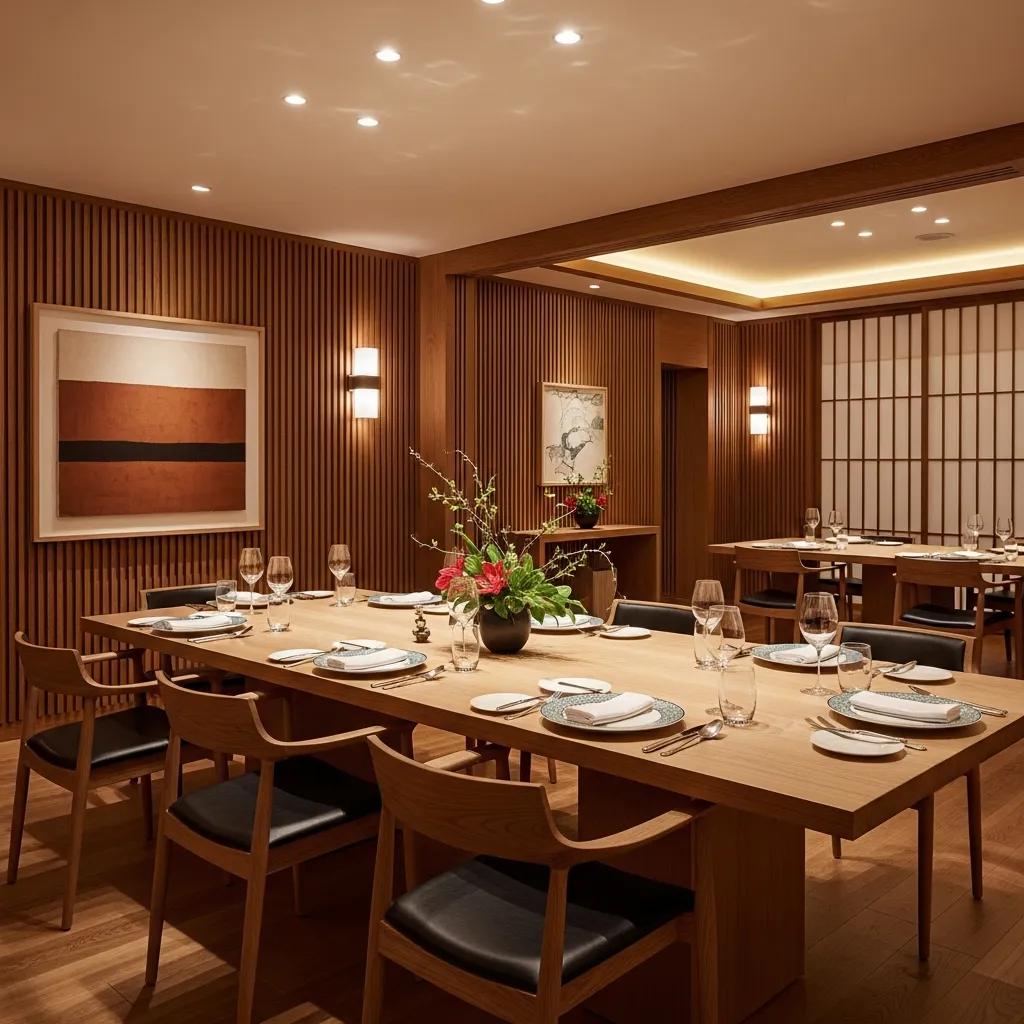
Successful interiors balance clean lines with ambient warmth through layered textiles, shoji-inspired partitions and subtle accents that read as genuine craftsmanship.
How Do Lighting and Furniture Influence Dining Ambiance?
Lighting and furniture set mood, guide sightlines and influence perceived food quality by directing attention and shaping intimacy.
Warm color temperatures and focused task light reveal gloss and texture on ingredients like seared wagyu or glossy caviar, while dimmable ambient layers preserve a relaxed, refined atmosphere.
Appropriate furniture scale and ergonomics support extended tasting menus; well-profiled chairs and banquettes reduce fatigue and encourage conversation.
When fixtures and proportions are thoughtfully composed, they control pacing, highlight plating and provide the physical comfort essential to an elevated tasting journey.
This table pairs core luxury finishes with operational and aesthetic attributes designers weigh when specifying interiors.
Those material choices also shape acoustic strategy and long-term maintenance planning for sustained luxury performance.
How Does Interior Design Enhance the Omakase Dining Experience?
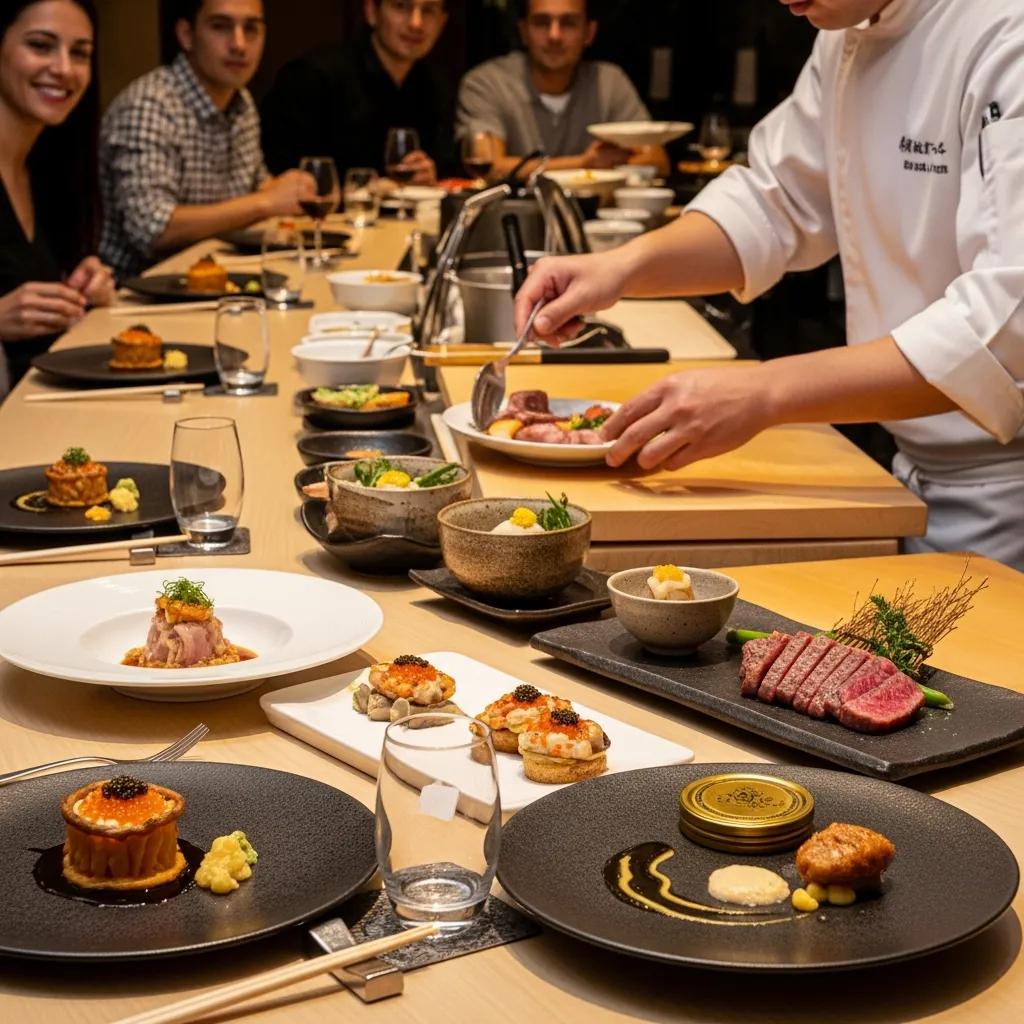
Good design elevates omakase by creating clear sightlines, enabling direct chef–guest dialogue and pacing the tasting through deliberate spatial choreography.
Proximity is central: counter seating, unobstructed chef visibility and immediate plating sightlines transform service into a carefully staged narrative.
The outcome is richer engagement, clearer provenance storytelling and a deeper emotional connection to specialties like A5 Wagyu and caviar.
Design choices therefore must support viewing, timing and the subtle theater of tableside finishing.
Common layout strategies map directly to guest experience and service rhythm:
- U-shaped counter: Maximizes chef access and communal energy while preserving individual sightlines.
- Linear counter with staggered depth: Creates intimacy and controlled pacing for sequential courses.
- Semi-private booths with chef pass: Balances privacy with occasional theatrical plating moments.
Each layout affects service choreography, chef mobility and how reveal moments — a hallmark of omakase — are staged so premium ingredients land as memorable highlights.
Kaviar’s omakase emphasizes a counter-first format: visible chefs, timed plating and tactile finishes combine to shape a focused narrative around A5 Wagyu and caviar.
Guests move through a curated sequence where materials and directional light place each dish center stage.
When booking an omakase seat, the reservation flow clearly states tasting length, seating type and ingredient notices so expectations match the in-room experience.
What Role Does Spatial Layout Play in Guest Engagement?
Layout determines interaction intensity, privacy and perceived exclusivity through counter depth, chair spacing and circulation paths.
A closer counter encourages conversation and immediate sensory exchange; a little additional depth accommodates elaborate plating and staging rituals.
Design trade-offs balance engagement with chef and guest comfort and provide clear service corridors for unobtrusive choreography.
Thoughtful planning amplifies connection without undermining the calm, measured pacing important to a premium tasting menu.
How Are Signature Dishes Like A5 Wagyu and Caviar Presented Within the Space?
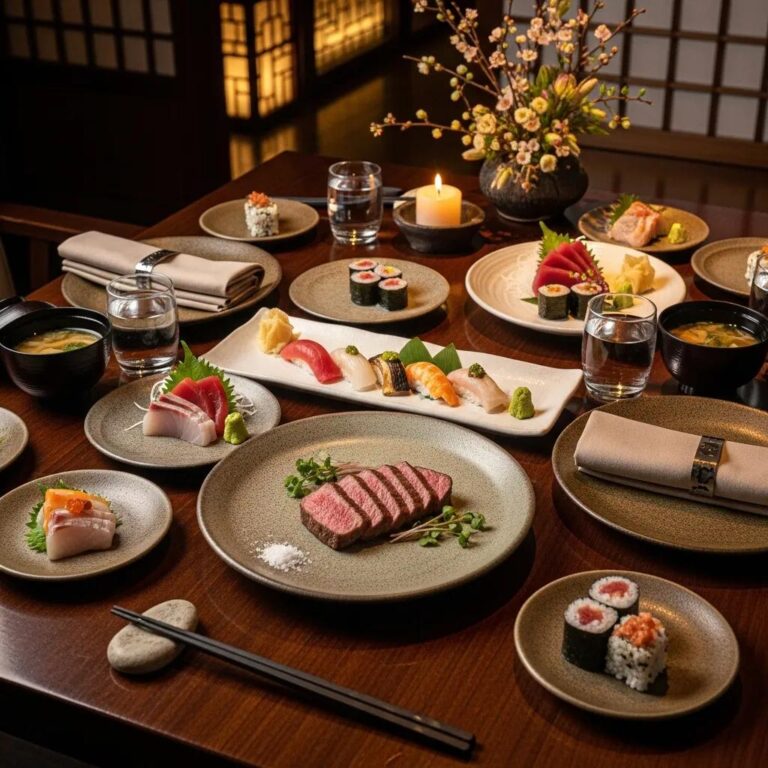
Presentation hinges on plate choice, lighting and timing so ingredient quality leads the story.
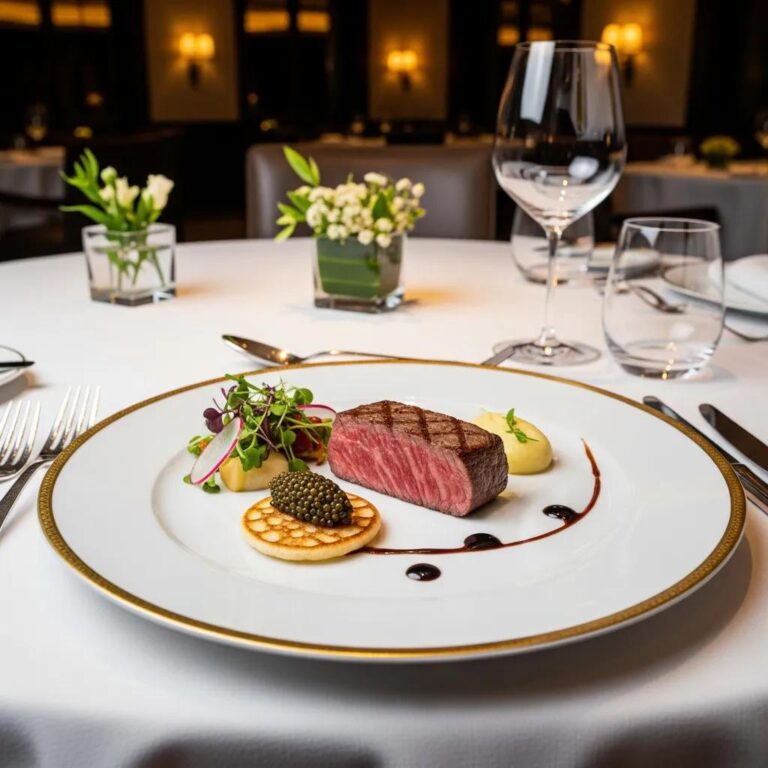
Chefs and designers collaborate on tableware palettes — matte dark ceramics to set off wagyu marbling, shallow cool vessels for caviar — so visual contrast supports perceived flavor.
Temperature control and sightline timing ensure searing or service occurs at peak moments, and tableside finishing becomes part of the ritual.
This layered staging turns culinary skill into a performative narrative that reinforces provenance and technique.
What Are the Key Acoustic and Spatial Design Considerations in High-End Restaurants?
Acoustic and spatial design keep conversation clear and private while preserving a lively atmosphere that signals success.
The approach combines selective absorption and diffusion with smart zoning: absorptive ceiling panels and soft textiles temper reverberation while harder surfaces are balanced with fabrics and planted elements.
Designers calibrate reverberation time (RT60) and set lower ambient decibel targets for private rooms, choosing materials that satisfy both acoustic and aesthetic goals.
The result is a tuned soundscape that sustains intimacy and supports attentive service.
Best practices include:
- Integrate absorptive panels as design features to reduce reverberation without looking clinical.
- Zone the dining floor into private rooms, counters and lively sections to manage noise and energy.
- Keep clear service pathways to minimize interruptions and protect guest privacy.
These measures balance liveliness and intimacy and lead into more specific acoustic tactics below.
This comparison shows how seating arrangements affect guest flow, privacy and how staff choreograph service to preserve pacing and presentation.
How Does Acoustic Design Improve Dining Comfort and Privacy?
Acoustic design raises comfort by cutting reverberation and managing peak sound events that interfere with conversation and perceived service quality.
Upholstered seating, heavy drapery and integrated ceiling absorbers reduce reverberation while maintaining visual richness through considered textures.
Target NRC values around 0.6–0.8 for active dining zones help keep speech intelligible without deadening the room.
Lower background noise clarifies staff interactions and increases guest satisfaction — a measurable support for the premium dining promise.
Which Spatial Arrangements Optimize Guest Flow and Experience?
Optimal flow combines clear arrival sequences, visible service routes and logical staging areas for plating and clearing.
An intentional entrance and waiting area set the tone, then guide guests to their seats with minimal cross-traffic.
Discrete back-of-house routes and well-placed service stations reduce interruptions and let staff perform complex plating and tableside rituals smoothly.
Designing predictable flow protects the theatrical elements of omakase and allows premium ingredients to be presented without distraction.
How Does a Seamless Reservation System Complement Fine Dining Ambiance?
A thoughtful reservation system frames the experience before guests step through the door: it clarifies expectations, captures preferences and reinforces exclusivity.
At a mechanical level, reservation UX records seating type (counter or private room), dietary notes and special requests while communicating tasting length and arrival guidance.
That pre-arrival clarity primes guests and aligns expectations with the restaurant’s service model, reducing on-the-spot surprises that can disrupt ambiance.
Reservation tools become the first meaningful touchpoint in the guest journey, shaping perceived value and operational readiness.
What Features Make Reservation Experiences Effortless for Guests?
Guests expect reservation features that are simple and informative:
- Real-time availability with clear seat types so guests know what they’re booking.
- Special request capture for dietary restrictions or celebrations recorded in advance.
- Pre-arrival messaging that sets expectations for tasting length, arrival timing and dress guidance.
These elements ensure booking communicates the same care and refinement delivered in the dining room, maintaining continuity from web to seat.
How Does Technology Enhance the Guest Journey from Booking to Dining?
Technology supports a seamless guest journey through personalized pre-arrival messages, discreet in-room digital aids and CRM-driven notes that anticipate preferences.
Automated confirmations can include arrival logistics and seating guidance while tasteful digital menus and pairing prompts remain visually unobtrusive in-service.
Tight integrations between reservation platforms and on-site systems give staff access to guest notes at the point of service, enabling tailored intros to dishes and protecting the curated narrative premium ingredients deserve.
Why Is Premium Ingredient Sourcing Integral to Luxury Restaurant Design?
Ingredient sourcing directly informs design: display, staging and service rituals must support both operational needs and the storytelling around provenance.
The link between supply chain and spatial design is practical — cold staging, visible provenance cues and flattering lighting all follow from ingredient quality.
Designers therefore specify materials and rituals that underline ingredient value so items like A5 Wagyu and caviar register at their full worth.
This EAV-style comparison links ingredient attributes to lighting, plate selection and staging choices, tying culinary technique to interior decisions.
How Do Ingredients Like A5 Wagyu and Caviar Reflect Culinary Craftsmanship?
A5 Wagyu and caviar demand restraint: minimal plating, precise temperature control and timing that lets intrinsic quality speak.
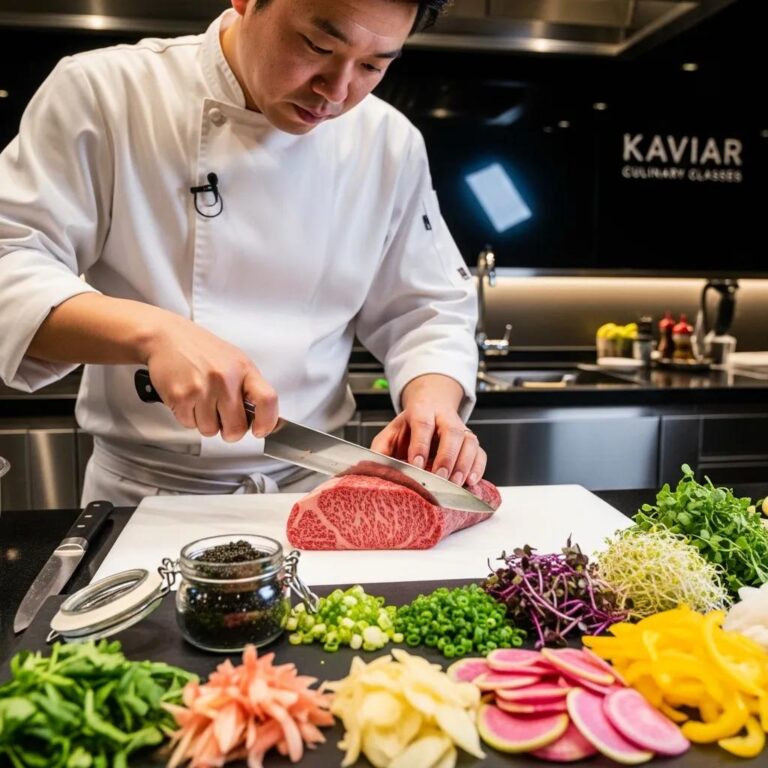
Knife work, selective seasoning and tableside finishing are visible proofs of craft; guests witness provenance and technique through these staged rituals.
Lighting and tableware emphasize texture and sheen so the ingredients’ best qualities read immediately.
Combined, these tactics turn premium sourcing into palpable culinary artistry that justifies elevated pricing.
What Is the Relationship Between Ingredient Quality and Dining Ambiance?
Ingredient quality and ambiance reinforce each other: exceptional produce requires an environment that validates it, and a refined interior signals that menu claims about provenance are genuine.
Designers and operators invest in materials, lighting and service rituals that corroborate menu narratives about origin and craft.
When ambiance and ingredient storytelling align, guests feel greater trust and satisfaction — which then supports decisions around sourcing and presentation.
This condensed table reinforces how each signature ingredient maps to concrete interior and operational prescriptions that protect culinary integrity.
How Can Fine Dining Restaurants Integrate Sustainable Luxury Materials in Interior Design?
Sustainable luxury materials let restaurants show care for provenance and the environment without sacrificing the tactile and visual cues of high-end design.
Current strategies emphasize certified woods, recycled metals with refined finishes, low‑VOC coatings and resilient textiles that reduce lifecycle impact.
The underlying logic is lifecycle thinking: materials that age gracefully lower replacement frequency and environmental cost while preserving a luxurious look.
Communicating these choices as craft — not compromise — becomes part of the provenance story and can enhance guest perception.
Practical trends designers adopt include:
- FSC-certified hardwoods finished in traditional patinas that gain character with age.
- Recycled metal accents with bespoke treatments that read like artisanal brass.
- Low‑VOC and natural fiber textiles chosen for durability and tactile depth.
Framing sustainability as refined material selection helps preserve a restaurant’s premium stance while meeting modern expectations.
What Are Current Trends in Sustainable Luxury Decor?
Projects increasingly use reclaimed wood, responsibly quarried stone and refined recycled-metalwork that offer authentic patina and heft.
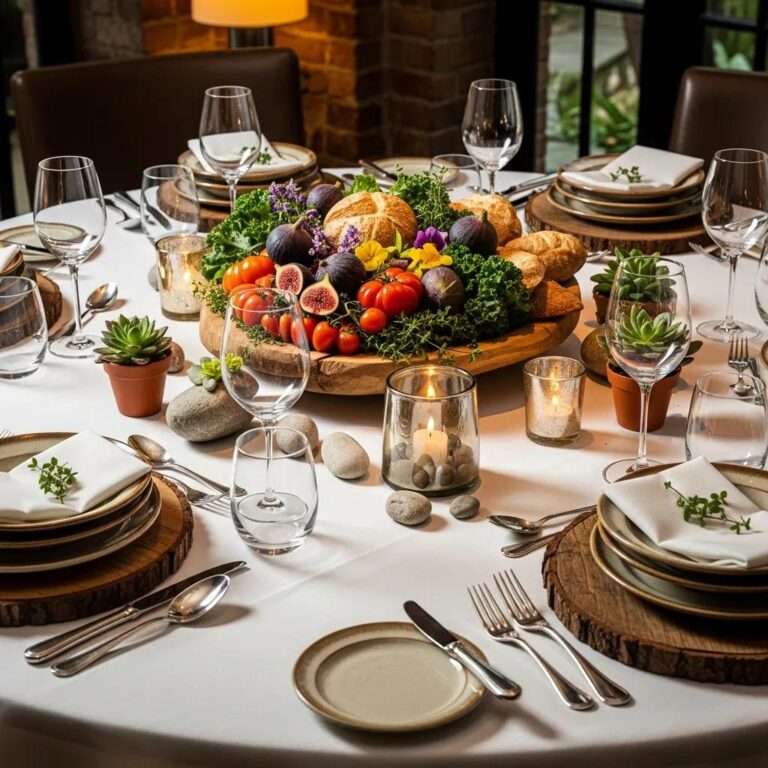
Designers pair these with biophilic elements — planters and living walls — that improve acoustics and air quality while signaling connection to provenance.
Suppliers now provide low-impact finishes that replicate fine lacquers without volatile emissions, enabling luxury looks with smaller environmental footprints.
These trends create practical routes to both sustainability and high-end presentation.
How Does Sustainability Influence Guest Perception and Experience?
When sustainability is told as craftsmanship — via tasteful placards, server narratives or menu notes — it builds guest trust and can justify premium pricing without undermining luxury.
Guests respond when material stories focus on durability, provenance and artisan labor rather than generic eco-slogans.
Operationally, durable sustainable choices reduce maintenance disruptions and help preserve a consistent ambiance over time.
Designers and operators should weave sustainability into the restaurant’s narrative architecture, using subtle storytelling that complements culinary provenance.
Frequently Asked Questions
What are the benefits of using sustainable materials in fine dining restaurant design?
Choosing sustainable materials reinforces a restaurant’s commitment to provenance and craftsmanship. FSC-certified woods, recycled metals and low‑VOC finishes signal care to guests while often offering greater longevity, which lowers replacement and maintenance costs over time. When presented as thoughtful material selection, sustainability becomes part of the dining story rather than a concession.
How can the layout of a fine dining restaurant affect customer satisfaction?
Layout shapes interaction, privacy and the overall guest experience. A deliberate spatial plan improves conversation, sightlines and service flow — counter seating encourages direct engagement, while private booths offer intimacy. Balancing these options ensures guests feel connected and comfortable, which is central to a successful premium service.
What role does technology play in enhancing the fine dining experience?
Technology streamlines the guest journey from booking to table: advanced reservation systems capture preferences and dietary needs, in-venue digital tools provide discreet information, and CRM integration helps staff personalize service. Done with restraint, technology supports staff and enhances the guest experience without breaking the room’s atmosphere.
How does the choice of tableware impact the presentation of premium dishes?
Tableware frames food. Matte dark ceramics can emphasize A5 Wagyu marbling, while shallow glass or mother‑of‑pearl vessels showcase caviar’s luster. The right plates amplify texture, color and contrast so the ingredient’s strengths read instantly to guests.
What are some effective acoustic design strategies for fine dining restaurants?
Effective strategies include integrating absorptive materials (upholstery, drapery, ceiling panels) as design features, zoning the dining floor into quieter and livelier sections, and keeping service routes clear. These moves control reverberation and protect conversation while maintaining the room’s visual richness.
How can fine dining restaurants create a memorable guest experience through interior design?
Memorable experiences start with design that supports the culinary narrative: high-quality materials, intentional lighting, a cohesive palette and sensory details like texture and subtle scent. Coupled with a layout that facilitates comfort and interaction, these elements let guests fully engage with the tasting journey and leave with a lasting impression.
Conclusion
Thoughtful interior design is a partner to the kitchen — it elevates guest satisfaction and reinforces a restaurant’s culinary story. By combining luxurious materials, purposeful layouts and calibrated acoustics, restaurateurs can create an atmosphere that honors premium ingredients like A5 Wagyu and caviar. Using these design principles, hospitality teams can craft dining moments that linger well after the last course. Explore these approaches to refine your restaurant’s environment and service choreography.