





A Comprehensive Guide to Types of Olive Oil: Choosing the Best Olive Oil for Cooking and Health Benefits
Olive oils vary widely in flavor and function. Their grades are set by how the oil is made and its free fatty acidity—factors that determine taste, smoke point, and nutritional value. This guide lays out the major categories (extra virgin, virgin, refined, pomace and cold-pressed), explains how production and grading affect cooking performance and health, and shows how the right choice improves both flavor and nutrition. Whether you’re searing at high heat or finishing a dish with a delicate drizzle, understanding these differences helps you protect antioxidants, capture intended aromas, and get consistent results in the kitchen.
The article is structured to answer practical questions quickly: a clean taxonomy of types and grades, a review of evidence-based health benefits, clear guidance for matching oils to techniques and pairings, storage tips to avoid rancidity, and examples of how premium oils are used in fine dining. Concise tables and bullet lists let you compare at a glance, while real-world restaurant notes show how these principles translate into menu decisions without distracting from the core science and technique.
What Are the Different Types and Grades of Olive Oil?
Olive oil categories are determined by production method and sensory/chemical criteria, which together influence acidity, flavor, and culinary fit. Extra virgin olive oil (EVOO) comes from cold mechanical extraction and must meet strict sensory standards with low free fatty acidity; virgin olive oil follows similar rules with slightly higher acidity; refined oils are treated with heat or chemicals to remove defects and raise smoke points; pomace oil is recovered from pressed solids using solvents and is typically reserved for industrial or high-volume frying. Knowing these categories helps you choose the right oil for finishing, sautéing, or high-heat work and clarifies terms like “cold-pressed” or “light,” which describe processing rather than healthfulness.
This table maps acidity and extraction to flavor intensity and functional use. Below we define extra virgin olive oil in more detail and explain sensory grading.
How Is Extra Virgin Olive Oil Defined and Graded?
Extra virgin olive oil is defined by very low free fatty acidity and the absence of sensory defects. Labs measure chemical markers while trained panels assess sensory qualities to confirm positive attributes—fruitiness, pleasant bitterness and peppery pungency—and to rule out faults like mustiness or fustiness. Cold mechanical extraction preserves volatile aromatics and polyphenols that contribute to flavor and antioxidant activity. Because freshness and harvest-to-bottle handling strongly influence quality, look for harvest dates, trusted producers, and sensible storage as practical proxies for a high-quality EVOO.
With that grading context, the difference between cold-pressed and refined oils becomes clear and informs their culinary roles.
What Are Cold Pressed and Refined Olive Oils?
Cold-pressed (cold mechanical) extraction avoids added heat to retain aroma and polyphenols; refined processing uses heat or chemicals to remove defects and mellow taste. Cold-pressed extra virgin oils keep characteristic notes—grassy, peppery, buttery—and higher polyphenol levels, making them excellent for finishing and dressings. Refined oils have milder flavor and fewer antioxidants but offer greater thermal stability, which makes them more suitable for deep-frying or searing where a neutral profile and higher smoke point are needed. The choice depends on whether you prioritize flavor and healthful compounds or heat tolerance and neutrality.
With grades and extraction methods clear, we can turn to the health benefits tied to specific oil components.
What Are the Health Benefits of Olive Oil?
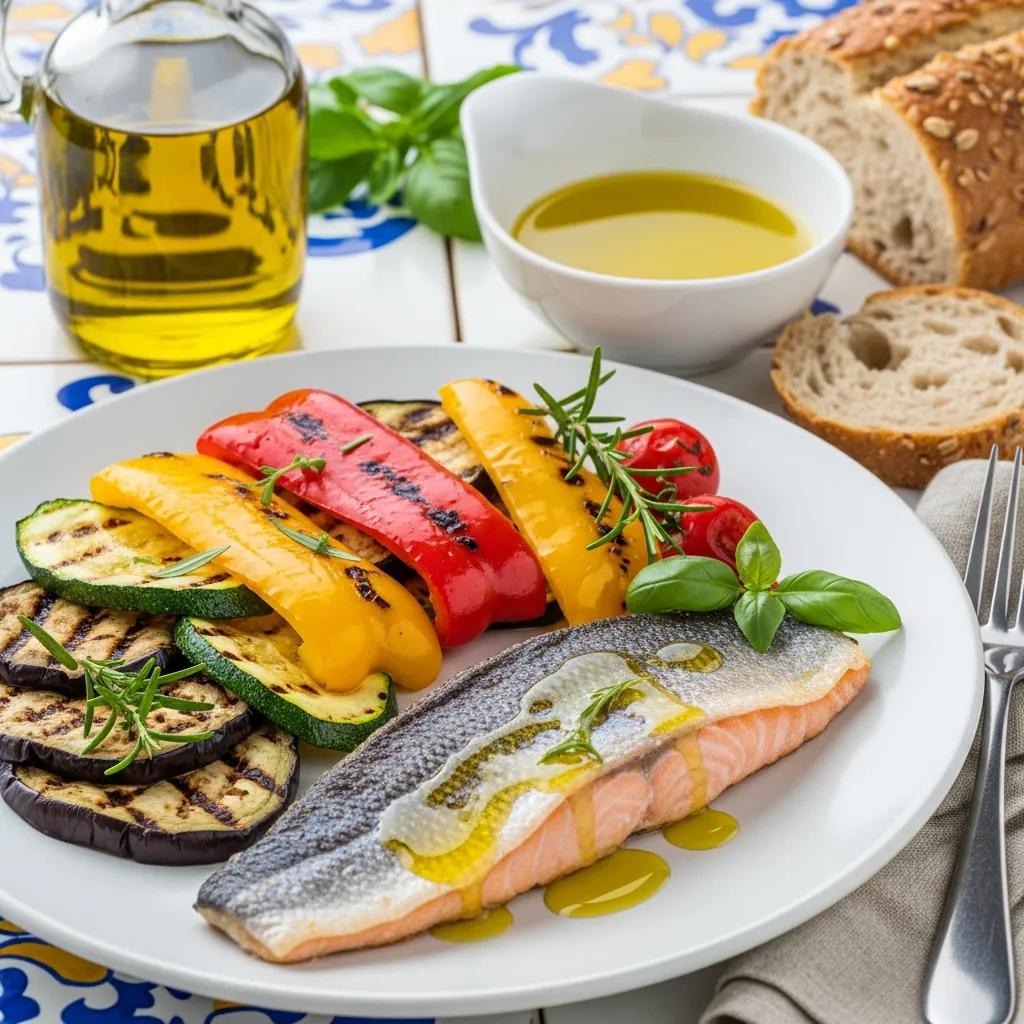
High-quality extra virgin olive oil supports cardiovascular and metabolic health largely through monounsaturated fats and polyphenolic antioxidants that lower inflammation and oxidative stress. Oleic acid—the main monounsaturated fatty acid—favors healthier lipid profiles and vascular function, while polyphenols such as hydroxytyrosol and oleuropein act as antioxidants and anti-inflammatory agents linked in studies to improved cardiovascular markers. Olive oil is calorie-dense, so moderation matters; the greatest benefits come from oils that retain polyphenols through cold extraction and minimal refining.
Which Nutrients and Antioxidants Does Olive Oil Provide?
Olive oil contains oleic acid, vitamin E (tocopherols), and a range of polyphenols—each contributing to heart and oxidative balance. Oleic acid can support HDL levels and reduce LDL oxidation; vitamin E works as a lipid-phase antioxidant; and polyphenols like hydroxytyrosol scavenge free radicals and modulate inflammation. Research shows oils higher in polyphenols deliver stronger biological effects, and cold extraction preserves these compounds best. When you taste a lively, peppery EVOO, you’re often sampling higher polyphenol content as well as flavor.
These nutritional details guide how to choose oils for cooking and finishing to protect both flavor and healthful compounds.
How to Choose the Best Olive Oil for Cooking?
Pick an oil by balancing smoke point and flavor intensity with your cooking method and desired outcome. For high-heat searing or deep-frying, refined or “light” olive oils offer higher smoke points and a neutral profile. Extra virgin olive oil shines for low- to medium-heat sautéing, dressings, and finishing where its aroma enhances the dish. Price can reflect quality, but reliable labels, harvest dates, and sensory descriptions matter more than marketing. Match flavor profile, extraction method, and intended use to build a simple framework for smart purchases and consistent kitchen results.
Use this practical mapping to match oil type with technique and flavor goals.
- High-heat searing and deep-frying: Choose refined or light olive oil for thermal stability and neutral flavor.
- Pan-sauté and roasting: Use virgin or mild extra virgin olive oil for balanced flavor and adequate smoke point.
- Finishing and dressings: Reach for robust extra virgin olive oil to add aroma, peppery bite, and polyphenols.
This quick guide shows the common trade-offs between flavor retention and heat tolerance. The table below gives approximate smoke points to help you decide.
Use this table to prioritize flavor retention or heat tolerance depending on your technique and goal.
Which Olive Oil Types Are Best for Different Cooking Techniques?
Different techniques call for different oil qualities: thermal stability for high heat, aromatic nuance for finishing, and balanced flavor for everyday cooking. For intense dry-heat work—searing premium proteins—chefs often use a neutral oil for the initial contact, then finish with a drop of complex extra virgin to layer aroma without burning delicate polyphenols. For vinaigrettes and cold emulsions, a robust EVOO gives body and antioxidant benefit. At home, two bottles—a neutral refined oil for heat and a flavorful extra virgin for finishing—cover most needs.
How Does Olive Oil Flavor Profile Affect Dish Pairings?
Olive oils range from grassy and green to buttery and nutty, often finishing with a peppery bite in many extra virgin varieties; these notes guide pairing decisions. Herbaceous, peppery oils lift grilled seafood and bright salads; buttery, mild oils suit roasted root vegetables and soft cheeses; intense fruity or bitter oils can contrast rich dishes like seared beef or creamy sauces. With delicate proteins and caviar-accented courses, use oil sparingly to enhance texture and umami without masking subtle flavors.
Thinking in terms of pairing lets you use olive oil as a precision finishing element rather than a blunt flavoring tool.
How Should You Store Olive Oil to Preserve Quality?

Olive oil deteriorates by oxidation accelerated by light, heat, and air; store oils in dark, cool, airtight containers to preserve flavor and antioxidants. Prefer dark glass or tins, keep bottles away from stoves and windows, and buy amounts you will use within a few months of opening. Over time, rancidity increases and polyphenol content drops. Regular sensory checks—watching for musty, cardboard-like aromas or a greasy mouthfeel—help you detect decline before it affects your dishes.
- Do store olive oil in dark glass or metal containers away from heat.
- Do keep bottles tightly sealed and consume within months of opening.
- Don’t store olive oil near the stove, oven, or in direct sunlight.
- Don’t assume supermarket placement guarantees freshness—check harvest or press dates when available.
These practices reduce flavor loss and protect polyphenols. The table below is a compact storage guide.
Simple storage choices directly protect olive oil integrity and its nutritional value.
What Are the Best Practices for Olive Oil Storage?
Buy oils with harvest dates when possible, favor opaque containers, and rotate stock to avoid long shelf times. In restaurant kitchens, keep reserve bottles in cool storage and decant smaller working vessels for daily use. Smaller containers or tins reduce the chance of stale oil, and labeling opening dates helps maintain freshness protocols. Professional buyers should source from suppliers who minimize press-to-delivery time; in every setting the priority is limiting light, heat, and oxygen exposure.
How Does Storage Affect Olive Oil Flavor and Health Benefits?
Storage alters flavor and antioxidant potency through oxidation, hydrolysis, and volatilization. Over months these processes flatten fruitiness, reduce bitterness and pungency, and degrade polyphenols linked to health benefits. Sensory signs include a flat, greasy mouthfeel and cardboard-like aromas; chemically, rising peroxide values and falling polyphenol levels mark quality loss. Controlling temperature, light, and air slows these reactions and helps retain the tasting notes chefs prize and the polyphenols associated with cardiovascular benefits.
Understanding degradation timelines and sensory cues makes it easier to decide when to replace an opened bottle for optimal culinary and nutritional outcomes.
How Is Olive Oil Used in Fine Dining and Signature Dishes?
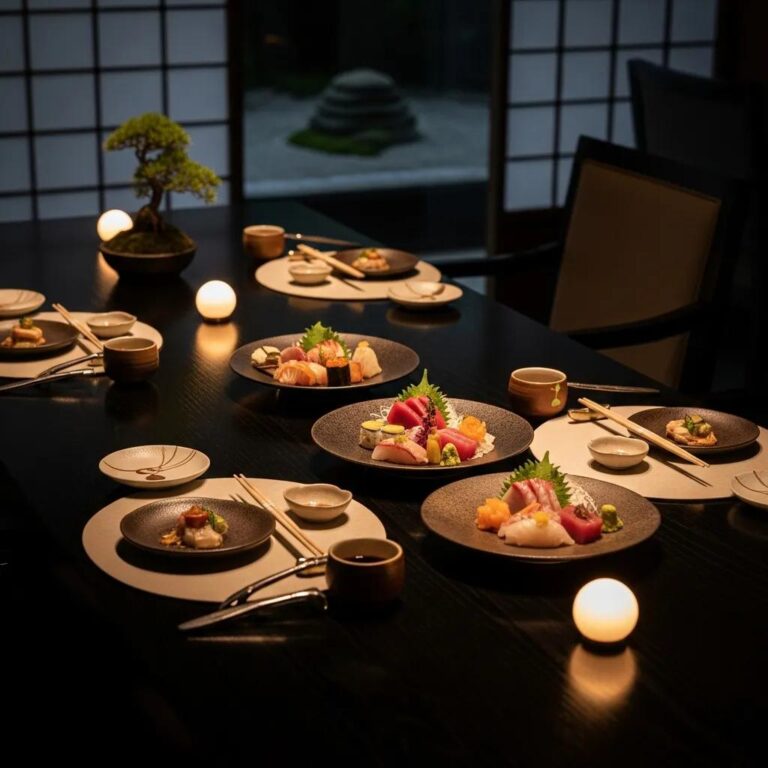
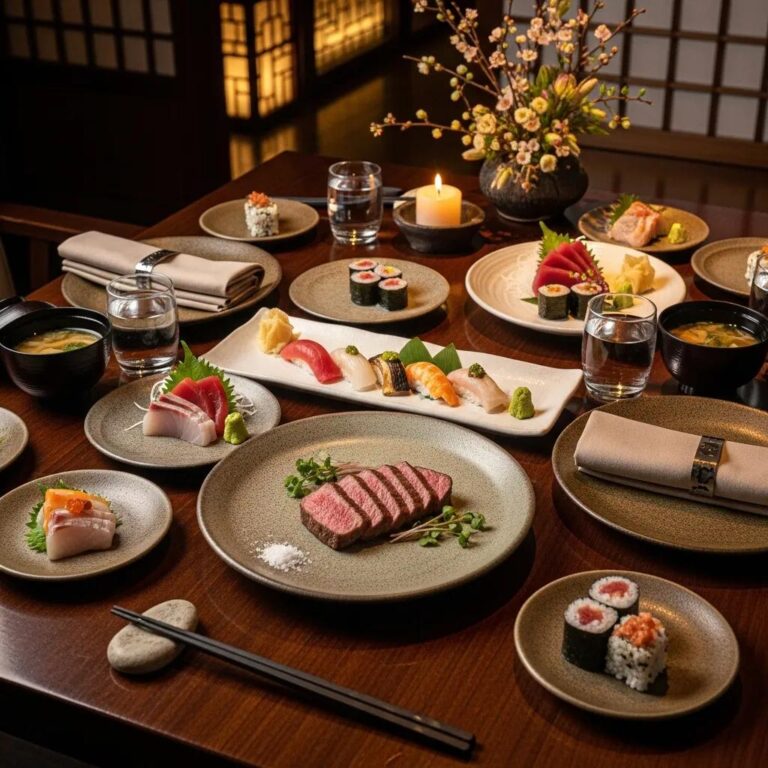
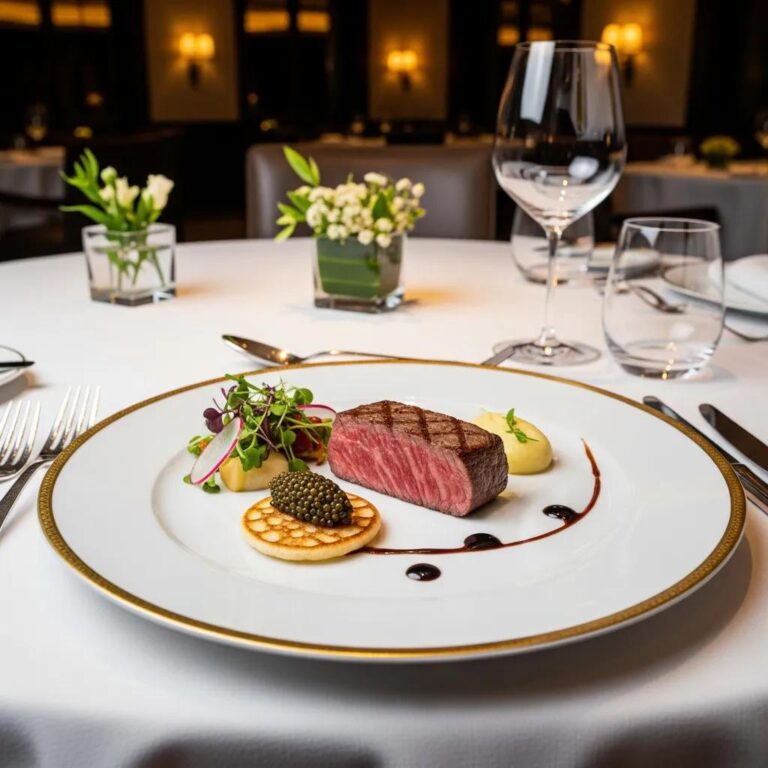
In fine dining, premium olive oils are used for finishing, emulsions, preservation, and subtle flavor layering—applied sparingly to lift texture and aroma without overpowering a plate. Chefs choose oils with complementary tasting notes to elevate seafood, enrich dressings, or finish meats, often thinking about oil pairing much like wine pairing. Because oil quality affects mouthfeel and the perception of other components, high-end kitchens favor fresh extra virgin oils for finishing and keep neutral refined oils for high-heat work where a clean sear is essential.
These pairings illustrate how the right oil supports culinary goals without overwhelming delicate ingredients.
How Does Kaviar Restaurant Incorporate Premium Olive Oils in Their Menu?
Drive reservations with a refined dining message
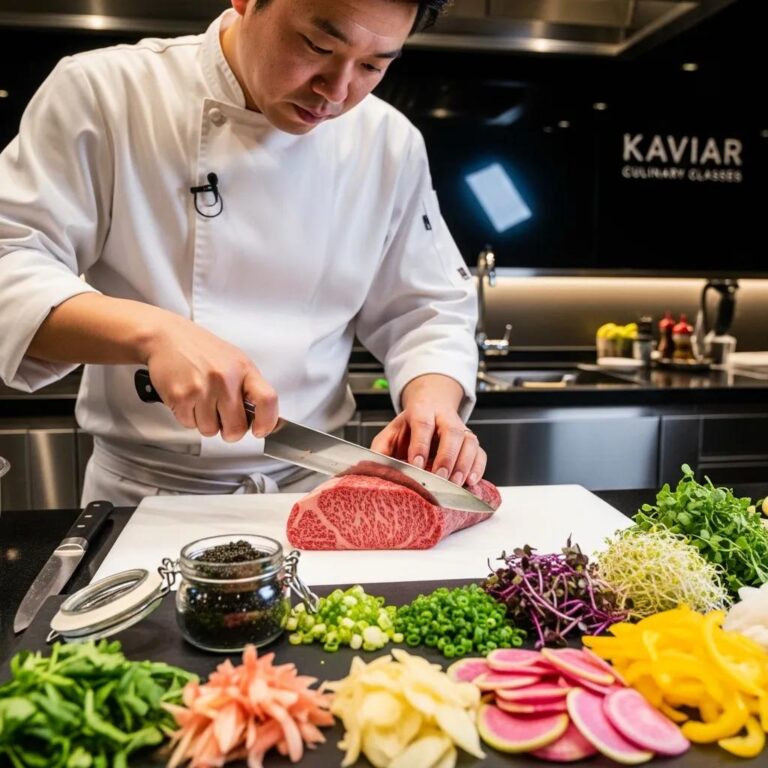
At Kaviar, we use the same selection principles described above. For high-heat steps we rely on neutral, stable oils; for finishing and delicate emulsions we choose high-polyphenol extra virgin oils that accentuate umami and texture without masking seafood or caviar. These choices preserve subtle flavors and allow premium proteins to remain the star of the plate. If you’d like to experience these ingredient-driven decisions firsthand, reserve a tasting where small-course sequences highlight finishing oils and thoughtful pairings.
What Makes Olive Oil a Key Ingredient in Luxury Japanese Fine Dining?
Drive reservations with a refined dining message
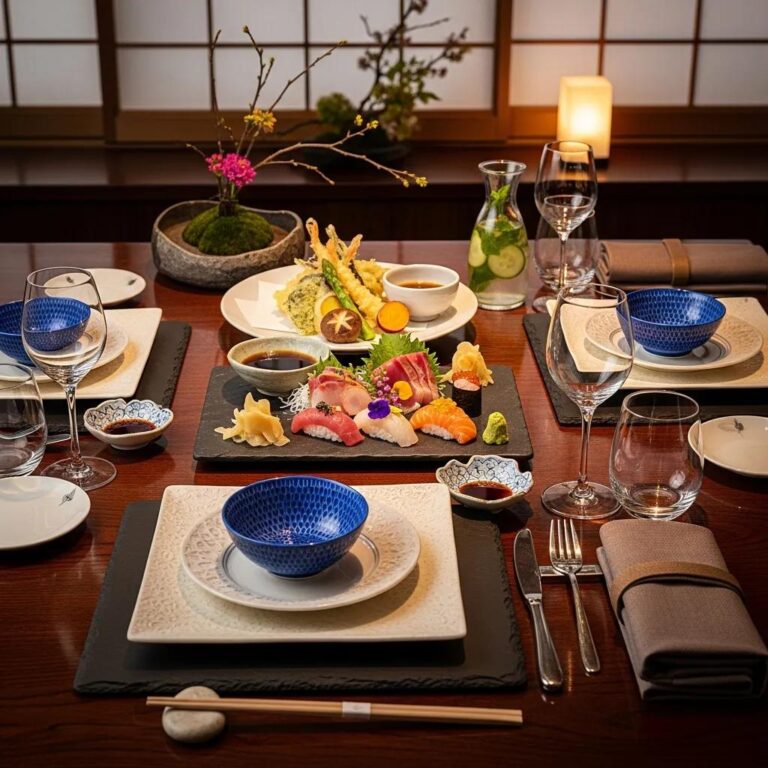
Olive oil adds delicate texture, aromatic lift, and an ability to carry fat-soluble flavors without overwhelming the restrained profiles common to Japanese cuisine. When applied with restraint—as a finishing drizzle or gentle emulsion—it complements dashi, soy, and seafood-derived umami while enhancing mouthfeel. The trick is subtlety: a premium oil should enhance, not mask, refined ingredients. Careful selection and timing of application—along with impeccable provenance and handling—ensure the oil supports balance and clarity on the plate.
This viewpoint ties back to earlier guidance on selection and storage, showing how technical choices protect flavor and health attributes in a fine-dining context.
Frequently Asked Questions
What is the difference between light olive oil and extra virgin olive oil?
“Light” olive oil is a refined product with a milder flavor and higher smoke point designed for high-heat cooking; it contains the same calories as other oils. Extra virgin olive oil (EVOO) is cold-pressed, retaining more flavor and polyphenols, and is best for dressings and finishing where its sensory qualities and healthful compounds matter.
Can olive oil go bad, and how can I tell if it has?
Yes. Olive oil oxidizes and can become rancid. Signs include a musty or cardboard-like smell, a greasy mouthfeel, and loss of fresh fruitiness. To prevent spoilage, store oil in a cool, dark place in an airtight container and use it within a few months of opening. Regular smelling and tasting are the fastest way to spot decline.
Is there a best time to use olive oil in cooking?
Timing depends on type and technique. Reserve refined or light olive oils for high-heat frying or searing; use extra virgin olive oil for low-heat cooking, finishing, and dressings where its flavor can shine. Matching oil to method preserves both taste and nutritional value.
How does the origin of olive oil affect its flavor?
Origin matters: climate, soil, and olive variety shape flavor. Mediterranean oils often show fruity, peppery notes; California oils can be milder and buttery. Terroir influences aroma and mouthfeel, so regional differences help you select oils that suit particular dishes or personal tastes.
What are the health risks associated with consuming low-quality olive oil?
Low-quality oils may lack beneficial polyphenols and can be adulterated with cheaper oils, reducing health benefits and potentially introducing unwanted contaminants from poor processing. Choosing reputable brands and checking certifications and harvest dates helps reduce those risks.
How can I incorporate olive oil into my daily diet?
Use extra virgin olive oil for dressings, drizzling over roasted vegetables, finishing grilled fish or meats, and as a dip for bread. Use refined oil for high-heat cooking and keep EVOO for flavor-forward applications. Enjoy in moderation to benefit from its nutrients without excess calories.
Conclusion
Choosing the right olive oil elevates both flavor and health. Knowing the differences between extra virgin, virgin, and refined oils helps you match oil to technique and taste, whether you’re finishing a delicate course or searing a premium cut. By selecting and storing high-quality oils thoughtfully, you preserve aroma, texture, and beneficial compounds. Explore our curated selection of premium olive oils to bring those same benefits to your kitchen and dining room.