




Spices of the World: A Practical Guide to Global Varieties and Their Flavor Roles
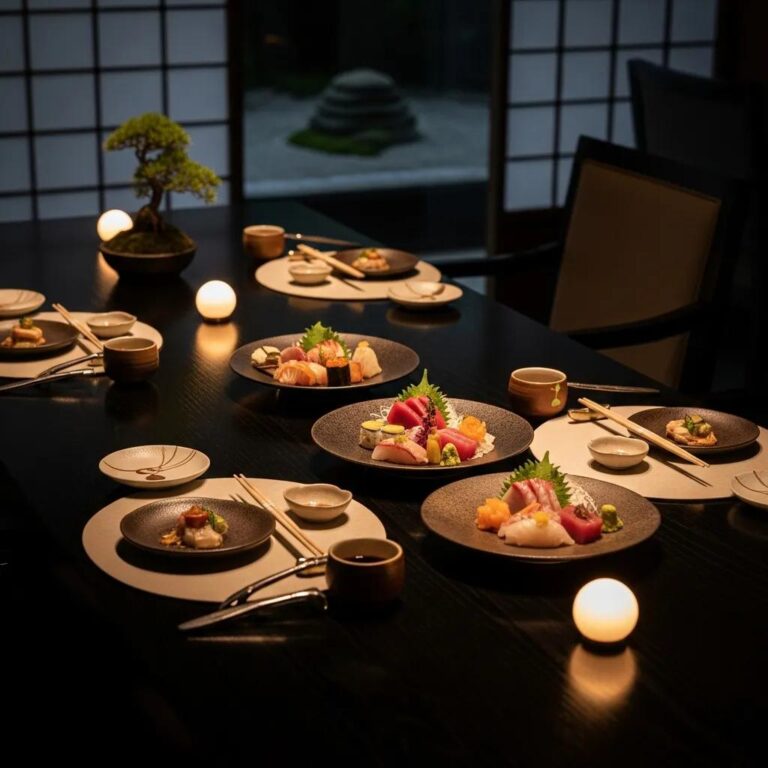
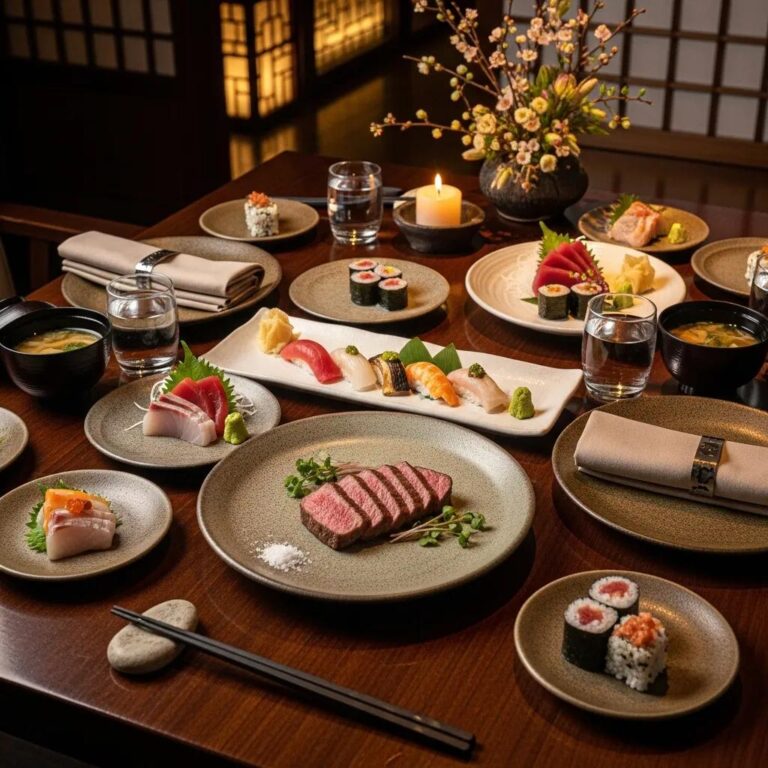
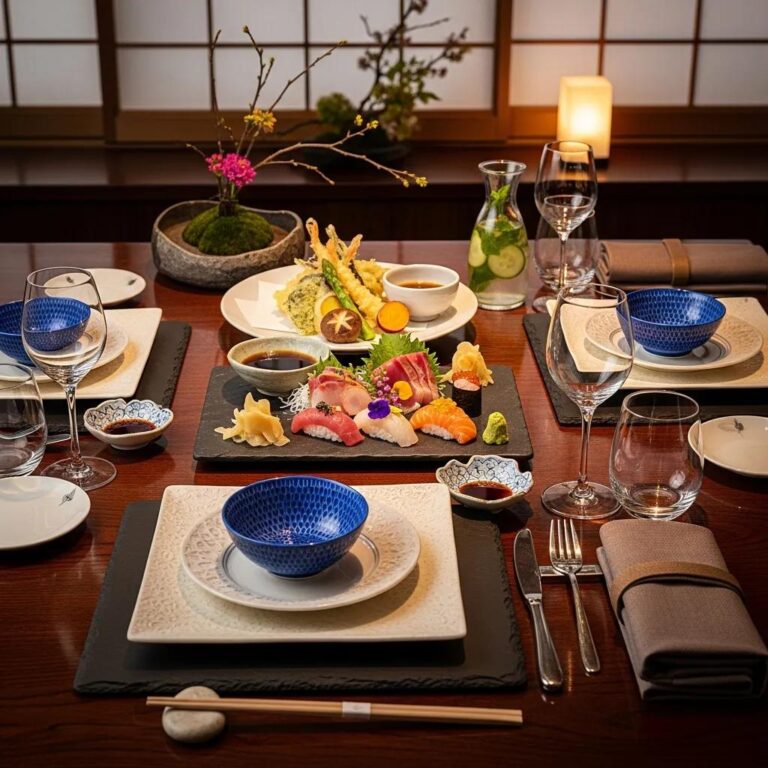
Spices—seeds, barks, stigmas and peels—condense aroma and flavor, and they are central to what makes regional cuisines distinctive. Knowing a spice’s flavor profile and basic pairing rules helps cooks build balanced dishes where scent, texture and taste work together—whether at home or on a multi-course tasting menu. This piece traces the history and cultural importance of spices worldwide, catalogs the signature Japanese seasonings and their sensory roles, explains how spices interact with luxury ingredients like A5 Wagyu and caviar, and offers practical culinary and health-minded uses for commonly used spices. At Kaviar, our omakase and seasonal tasting menus in Pasadena use many of these principles to refine progression and balance. Read on for actionable pairing techniques, a compact reference of Japanese spices, and pointers for booking a spice-forward omakase at Kaviar. First, we look at how the global spice trade reshaped cuisines across continents, then move into blends and pairing methods used in today’s fine dining.
What is the history and cultural significance of global spices?
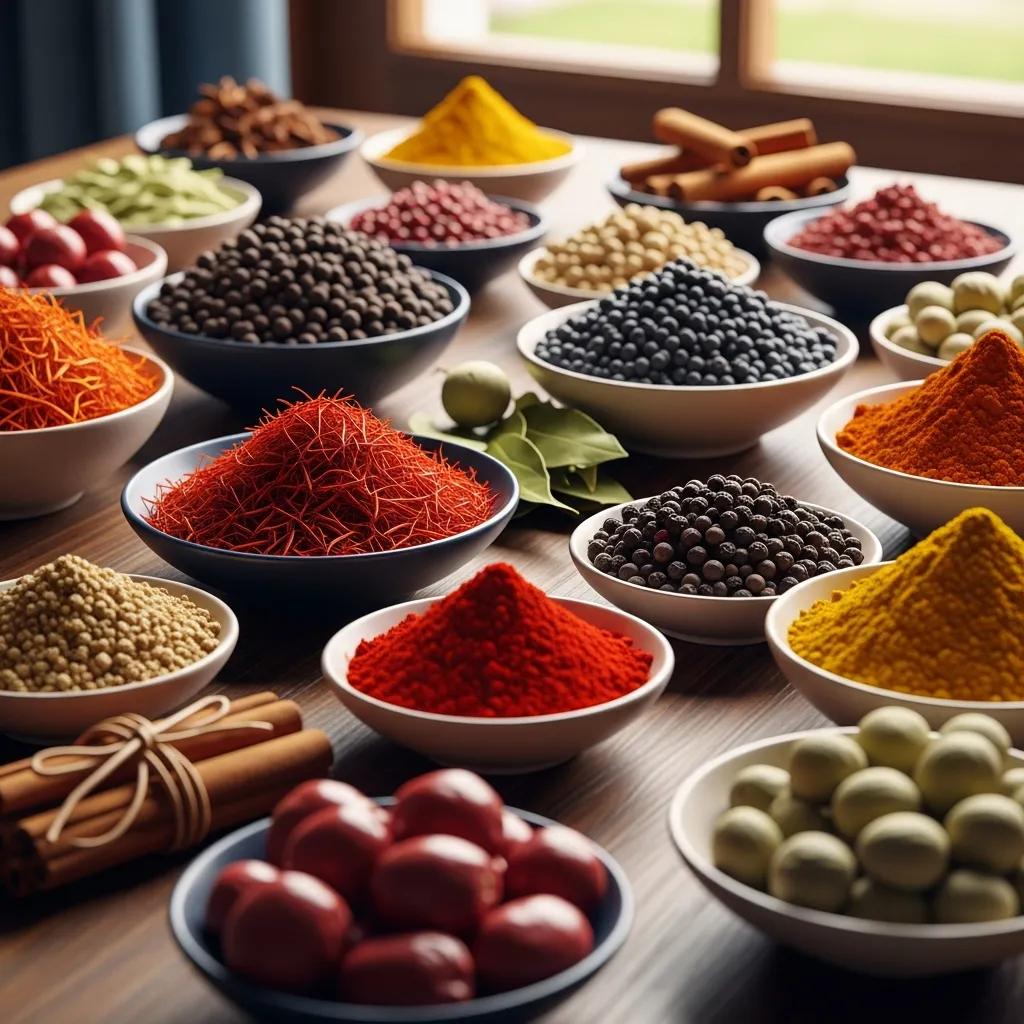
Spices have long done more than flavor food: they preserved ingredients, supported traditional remedies and defined social status—factors that drove long-distance trade and cultural exchange. Staples like black pepper, cinnamon and saffron moved along maritime and overland routes, inspiring exploration and the exchange of techniques that remade regional cooking. Those exchanges introduced new contrasts—sweet with spice, floral with saline—and encouraged cooks to adopt imported seasonings as both practical tools and symbols of taste. Today’s hybrid dishes and ingredient swaps trace directly to those historic networks: chefs still consider provenance and varietal differences when selecting spices, because origin influences aroma, color and textural behavior. That historical perspective explains why chefs, including those working in refined Japanese and luxury settings, choose and treat spices with deliberate care.
How did the global spice trade influence modern cuisines?
The spice trade created sustained contact between cultures and moved ingredients far beyond their native ecosystems, allowing spices to be reinterpreted in new culinary contexts. Pepper traveled from South Asia to Europe, saffron from Iran into Mediterranean kitchens, and cinnamon from Sri Lanka to markets across Eurasia—each introduction shifted local flavor preferences and preservation methods. Over time, canonical dishes absorbed these elements: spice-driven sauces, cured meats and fragrant rice preparations that blend native staples with imported seasoning became markers of culinary identity. The trade also encouraged selective cultivation and processing—different pepper cultivars or regional saffron styles now offer distinct sensory profiles chefs use intentionally. Mapping these routes clarifies why provenance and quality matter when composing modern tasting menus.
Which exotic spices have shaped culinary traditions worldwide?
Certain spices exerted outsized influence because of their unique volatile compounds and versatile uses. Saffron—valued for its floral, honeyed scent and golden pigment—elevated rice and seafood dishes across the Mediterranean and Persia. Black pepper supplied a universal aromatic backbone and gentle heat used across Europe and Asia. Cinnamon’s warm, sweet bark shaped both desserts and savory preparations from the Middle East to South Asia, while cardamom lent cooling, resinous notes to breads and teas. Depending on dose and technique, these spices act as dominant anchors or subtle accents; contemporary chefs pair them with complementary herbs, acids and fats to honor tradition while applying modern restraint.
- Exotic spices influenced preservation methods, social signaling and cross-cultural culinary fusion.
- Provenance shaped varietal choices, processing techniques and flavor expectations across regions.
- The chemistry of spices combined with local produce to create many dishes now seen as regional classics.
With that historical foundation, we turn to the Japanese spices and blends that are central to our approach at Kaviar, and how chefs deploy them with precision.
Which signature spices define Japanese cuisine and their flavor profiles?
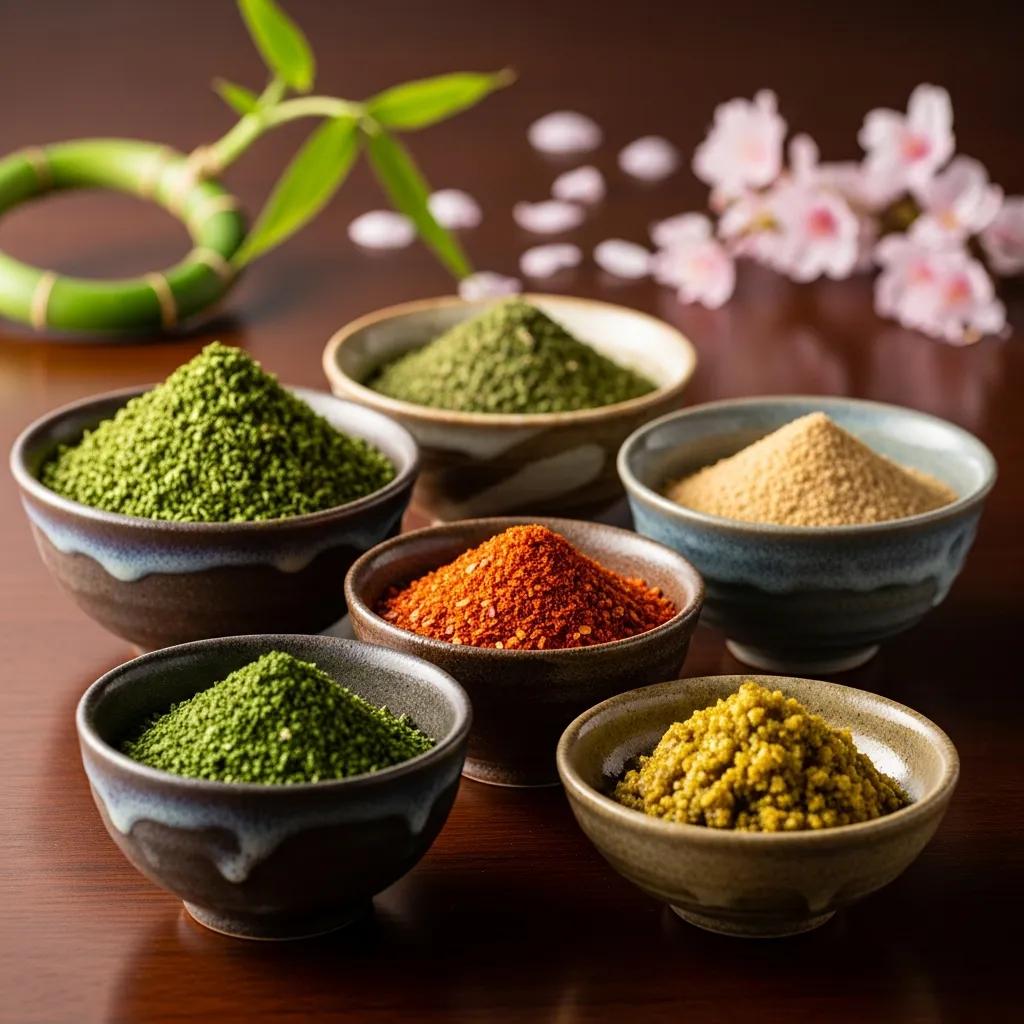
Japanese cooking prizes subtlety, seasonality and textural clarity; its spices and condiments are used as delicate accents rather than overwhelming flavors. Core agents include sansho (a citrusy, mildly numbing pepper), shichimi togarashi (a layered chili mix), yuzu kosho (fermented citrus and chili paste), roasted sesame and aonori (dried seaweed flakes). Each plays a distinct role—from brightening and cleansing to adding aromatic tension. In fine dining and omakase, these elements are applied in micro-doses to lift umami, balance fatty proteins or reset the palate between courses. Below is a concise reference mapping common Japanese spices to their flavor character, origin and an example of how a refined kitchen might use them.
The following table summarizes prominent Japanese spices and examples of their application in refined dishes.
Seeing these spices side by side clarifies why chefs rely on them to create micro-contrasts across a tasting menu. Next we’ll examine the blends and techniques that help control aroma and texture in high-end Japanese plating.
What are the key Japanese spice blends used in fine dining?
Prominent Japanese blends—chiefly shichimi togarashi and yuzu kosho—combine multiple components to yield layered scents and textures. Shichimi typically mixes chili, sansho, orange peel, sesame, nori and poppy or hemp seeds; its texture and citrusy heat make it ideal as a finishing sprinkle for broths or fried items. Yuzu kosho is a paste of fermented yuzu peel, chili and salt that delivers concentrated citrus heat and a fermented edge, perfect in tiny amounts beside grilled or fatty elements. In fine-dining kitchens, chefs often deconstruct these blends—separately toasting sesame, drawing yuzu oil, lightly toasting sansho—to control how and when aromatics are released. By adjusting grind size, toast level and application method, a tasting-menu chef preserves subtlety while threading consistent sensory notes through a progression of courses.
- Shichimi combines layered heat, bright citrus and sesame texture.
- Yuzu kosho packs fermented citrus intensity that cuts through richness.
- Sansho is used sparingly for floral-citrus lift without aggressive heat.
These blend techniques inform how spices are introduced during omakase sequencing and set the stage for pairing them with classic courses.
How do spices enhance traditional Japanese dishes like omakase?
In omakase, spices act as precise modulators of aroma, texture and finish—applied in small, intentional amounts so the primary ingredient remains central. A whisper of sansho on grilled eel or a tiny dab of yuzu kosho with sashimi creates contrast, guides the palate and links one course to the next. Spices also function as palate resets: citrusy or mildly astringent notes clear fatty residues and prime the diner for more delicate items. The guiding principle is restraint—micro-dosing amplifies impact without compromising the integrity of seasonal produce. With that principle in mind, we can outline pairing rules for luxury products such as A5 Wagyu and caviar.
Having covered these signature Japanese elements and techniques, we’ll now look at how spices pair with high-fat and delicate luxury ingredients to achieve balance.
How are spices paired with luxury ingredients like A5 Wagyu and caviar?
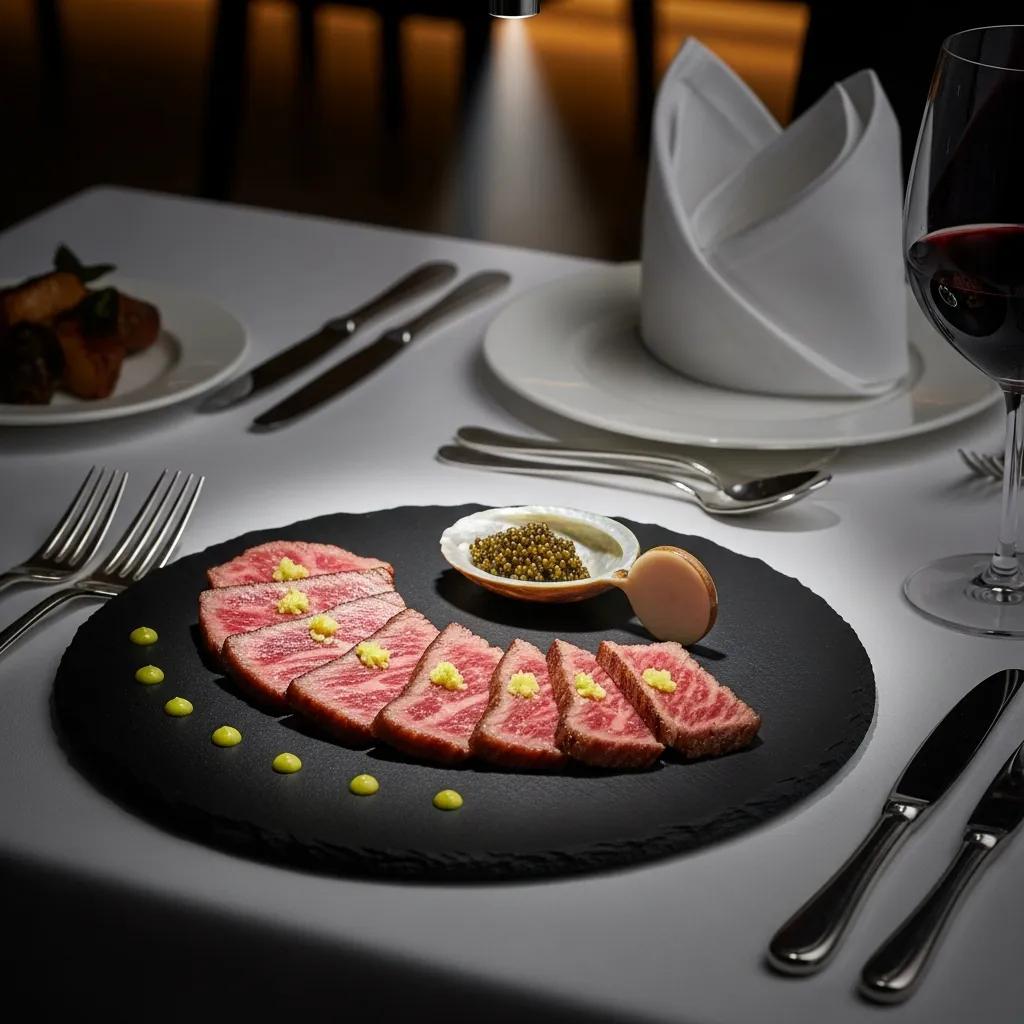
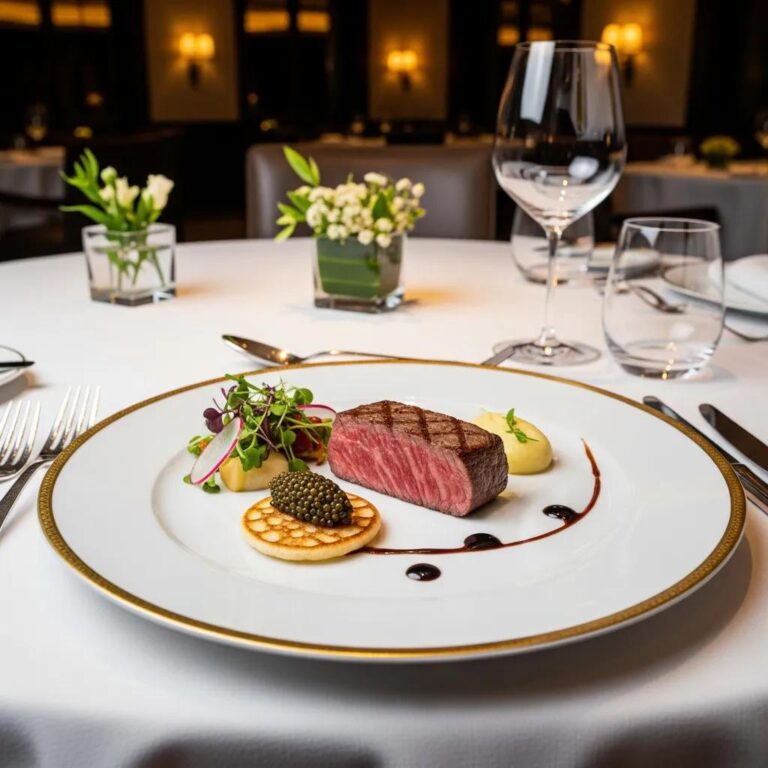
Successful pairings with luxury ingredients follow simple principles: a spice should cut or complement fat, amplify umami, or add textural contrast without hiding the main flavor. For A5 Wagyu, chefs favor bright aromatics, light acidic notes or mild alkalinity to balance the intense marbling while preserving the beef’s umami. For caviar, the approach is even more restrained—subtle citrus, floral or saline-enhancing elements used sparingly to lift brine and texture. Practical techniques include toasting for crunch and aroma, finishing citrus zests for immediate scent, or light smoking for depth without added fat. The table below codifies pairing approaches for common luxury ingredients and their sensory outcomes so chefs can apply these rules in tasting menus and plated pairings.
The following table outlines pairing techniques linking spice choices to sensory outcomes for luxury ingredients.
This structured approach helps chefs honor ingredient quality while introducing complementary aromatic and textural layers. Next, we offer concrete techniques for working with A5 Wagyu at the pass.
What spice pairing techniques elevate A5 Wagyu beef flavors?
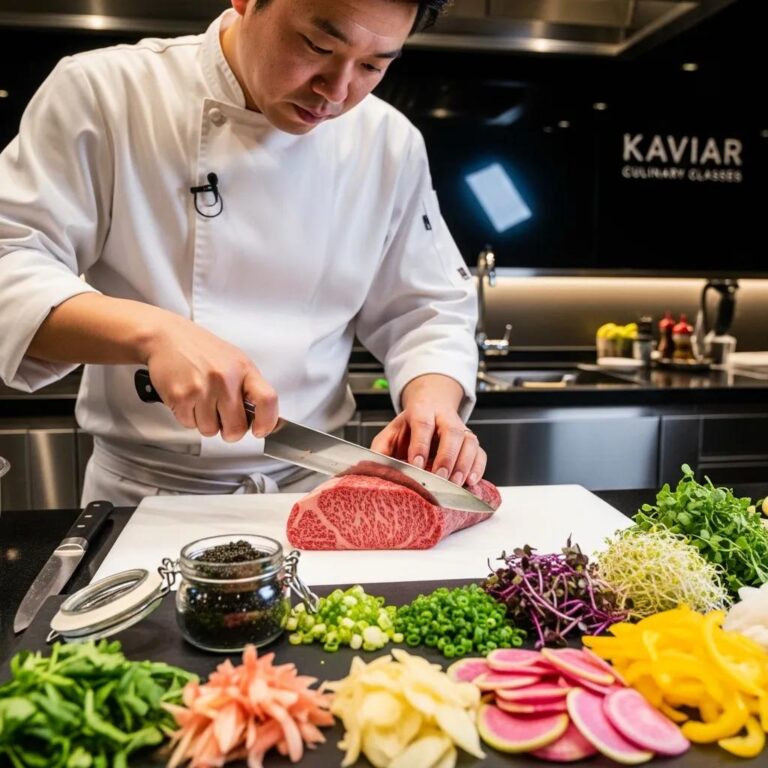
A5 Wagyu’s defining traits—deep umami and abundant intramuscular fat—call for spice pairings that accentuate rather than compete. Useful techniques include lightly toasting peppercorns to release aroma without bitterness, applying micro-doses of sansho or yuzu kosho after cooking to cut richness, and finishing with a restrained citrus zest or finishing salt to refresh the palate. Method matters: a light surface polish with a minimal sauce lets fat carry aromatics, while infused oils or gentle reductions add flavor without overpowering. When searing or grilling, apply spices post-sear in precise micro-doses so the scent is immediate but the meat’s natural character remains primary.
- Choose toasted, coarsely ground spices for aromatic lift; avoid heavy rubs.
- Use acidic or citrus accents sparingly to reset the palate between bites.
- Finish with a tiny touch of yuzu kosho or sansho to introduce tension against fat.
These same restraint principles apply, in even smaller measure, when pairing spices with caviar.
Which exotic spices complement caviar in gourmet dishes?
Caviar’s delicate saline profile and popping texture require spice choices that enhance without competing. Gentle options are a whisper of yuzu zest, a scattering of finely chopped chive, or a hair’s breadth of toasted sesame for textural contrast; floral micro-herbs can introduce aromatic nuance without masking the roe. Minimalist techniques—single grinds, micro-dabs or droplets of citrus oil—preserve caviar’s tactile pop and subtle flavor. Serving caviar on neutral carriers (blini, steamed custard, lightly buttered toast) gives a small spice accent room to create contrast while keeping the roe front and center.
- Favor floral, citrusy or mild oniony accents to lift, not mask, the roe.
- Micro-dose aggressively to protect caviar’s texture and nuance.
- Use neutral carriers so the spice supports rather than competes with the roe.
With pairing principles established, we turn to how Kaviar integrates global spices into a coherent omakase experience.
How does Kaviar Restaurant incorporate global spices into its fine dining experience?
At Kaviar, spices are chosen to enhance seasonal Japanese ingredients while protecting texture and balance. Our culinary team uses contemporary techniques—micro-dosing, controlled toasting and oil- or infusion-based delivery—to translate traditional seasonings into refined accents that complement A5 Wagyu, caviar and other luxury items. We prioritize provenance and freshness so volatile citrus oils and toasted aromatics behave predictably; this attention to sourcing ensures a coherent plate progression and consistent guest experience. For diners who want a spice-forward tasting, we offer curated omakase sequences with measured spice accents, and reservations are managed through our booking system so the kitchen can tailor the menu to preferences and restrictions.
These examples reflect how Kaviar applies spice theory in practice.
- Our tasting format follows seasonal progression with precise spice accents.
- Chef techniques include infused oils, toasted spice dusts and fermented citrus pastes to layer aroma.
- The dining flow prioritizes palate balance—fatty courses are followed by citrus or mildly astringent accents to refresh the palate.
These operational choices show how theory becomes plated reality and how guests can secure a place at the chef’s counter.
What signature dishes feature premium spices at Kaviar?
Our menu highlights several spice-forward signature courses where premium ingredients and focused seasoning create refined contrast. One example: seared A5 Wagyu finished with a micro-dab of yuzu kosho to offset marbling and refresh the palate. Another: pristine caviar presented on a neutral custard with a whisper of yuzu zest and finely chopped chive, keeping the roe central while adding a bright lift. A third: charcoal-grilled fish finished with toasted sansho and sesame, bridging smoke, citrus and umami. These dishes illustrate how we deploy spice accents to maintain ingredient primacy and guide diners through a balanced tasting sequence.
- Seared A5 Wagyu with a micro yuzu kosho accent to cut richness.
- Caviar on steamed custard with delicate yuzu zest and chive for saline lift.
- Charcoal-grilled fish finished with toasted sansho and sesame for aromatic contrast.
Guests who prefer a spice-focused tasting should note preferences and dietary restrictions when reserving so the kitchen can calibrate applications.
How can diners book a luxury spice-flavored culinary experience?
Booking omakase at a fine-dining counter involves choosing a reservation time, noting dietary restrictions and sharing tasting preferences so the kitchen can adjust courses and spice levels. To request a spice-forward tasting at Kaviar, ask for an omakase reservation and list any allergies or sensitivities—particularly to citrus, pepper or fermented items—so we can reduce micro-doses or substitute where needed. Weekend evenings can fill quickly, so reserve early and indicate whether you prefer a bolder or more restrained spice emphasis. Expect a thoughtful multi-course sequence where spice accents are applied judiciously to highlight each primary ingredient.
- Step 1: Request an omakase reservation and indicate party size.
- Step 2: Note dietary restrictions and spice preferences in your reservation message.
- Step 3: Arrive ready for a multi-course tasting where the chef sequences spice accents for balance.
Following these steps lets our team prepare a tailored tasting that highlights how global spices enhance refined Japanese cuisine.
What are the health benefits and culinary uses of popular global spices?
Many spices offer both sensory value and bioactive compounds, though culinary amounts and clinical evidence vary. Research points to turmeric’s curcuminoids with anti-inflammatory potential, cinnamon’s possible role in glycemic modulation in certain contexts, and piperine in black pepper that enhances absorption of other compounds. In the kitchen, spices concentrate flavor so cooks can reduce salt or fat while adding antioxidant-rich aromatics. Practical application balances flavor potency with functional intent—using small amounts for aroma lift and leveraging spice synergy (for example, black pepper with turmeric to aid curcumin uptake). The table below pairs common spices with culinary tips and a concise sense of the evidence behind health claims.
This table links spice attributes to culinary uses and the current evidence level for health-related claims.
This guidance helps cooks use spices for both flavor and modest supportive effects, while respecting current research limitations. Next, we profile spices that pair distinctive flavors with nutritional interest and suggest creative culinary uses.
Which spices offer unique flavor profiles and nutritional advantages?
Some spices combine compelling flavor with traditional or studied health roles that chefs can use for both taste and function. Turmeric brings an earthy, slightly bitter sweetness and curcuminoids linked to anti-inflammatory activity—best paired with black pepper for greater absorption. Ginger offers pungent, warming aromatics and longstanding use for digestion and nausea; its volatile oils are strongest when used fresh or added late. Cardamom and cinnamon deliver sweet-spicy aromatics and have been associated in some studies with digestive or metabolic effects; they work well in syrups, desserts and savory braises. When using spices for perceived health benefits, prioritize culinary amounts and never substitute spices for medical care.
- Pair turmeric with black pepper to enhance flavor and curcumin uptake.
- Use fresh ginger to preserve volatile oils that support aroma and digestion.
- Cardamom and cinnamon are versatile across sweet and savory applications with potential metabolic interest.
These profiles lead naturally to safe, creative cross-cultural uses chefs and home cooks can try.
How can exotic spices be used creatively in global cuisines?
Applying exotic spices across cuisines opens simple, effective fusion possibilities that respect original techniques while introducing new flavors. Small swaps—yuzu in place of lemon, toasted sesame in lieu of pine nuts—yield familiar yet distinct results. Infused oils and finishing dusts preserve volatile aromatics and prevent overpowering a dish; pickling and fermenting (fermented yuzu pastes, spiced vinegars) create lasting flavor concentrates a kitchen can call on across menus. Below are practical ideas chefs and home cooks can adopt immediately.
Creative use cases for practical application in contemporary kitchens.
- Substitute yuzu zest for lemon to lift seafood with a distinct citrus aroma.
- Infuse neutral oils with sansho or toasted sesame to finish steamed vegetables.
- Add a pinch of shichimi togarashi to compound butters for grilled meats and breads.
- Fold turmeric and black pepper into broths for color, warmth and bioactive synergy.
Attending to dosage and provenance ensures exotic spices add both flavor and potential nutritional support without overpowering a dish.
This article has mapped the historical arc of spices, detailed Japanese seasonings and blends, outlined pairing strategies for luxury ingredients like A5 Wagyu and caviar, described how Kaviar weaves these ideas into omakase, and offered health-conscious and creative usage guidance for a range of global spices.
Frequently Asked Questions
What are some common misconceptions about spices in cooking?
One frequent misconception is that spices exist only to add flavor. In reality, they serve preservation, medicinal and cultural roles as well. Another mistaken belief is that more spice always equals better flavor—often the opposite is true. Balance and purposeful restraint are what elevate dishes, whether at home or in a restaurant.
How can I store spices to maintain their freshness?
Keep spices in a cool, dark place away from heat and direct sunlight. Use airtight containers—glass jars are ideal—and favor whole spices when possible; grind them as needed. Check potency periodically and replace spices that have lost their aroma to ensure the best results in cooking.
Are there any safety concerns when using spices?
Most spices are safe, but some people have allergies or sensitivities—chili, cinnamon and others can provoke reactions. A few spices, such as nutmeg, can be harmful in large quantities. Use spices in moderation and consult a medical professional if you have health concerns, are pregnant, or take medications that might interact with certain compounds.
How do spices interact with different cooking methods?
Cooking method changes how spices release flavor: toasting unlocks essential oils, simmering extracts aromatics into liquids, and adding delicate spices too early can cause bitterness or loss of nuance. Understanding timing—when to toast, when to infuse, when to finish—greatly affects the final profile of a dish.
What are some popular spice blends from around the world?
Every region has signature blends that reflect local taste and technique: garam masala in India (cumin, coriander, cardamom), ras el hanout in North Africa (a complex mix often including cinnamon and turmeric), and za’atar in the Levant (thyme, sumac, sesame). These blends carry cultural history as well as flavor.
How can I incorporate more spices into my daily cooking?
Start small: pick a handful of spices you enjoy and add them to familiar dishes. Try cumin with roasted vegetables, cinnamon in oatmeal, or shichimi over soups. Using blends simplifies experimentation, and over time you’ll build combinations that suit your palate.
What role do spices play in health and wellness?
Spices can contribute antioxidants and bioactive compounds—turmeric and ginger are commonly cited examples—but culinary amounts are modest and should not replace medical treatment. That said, spices can enhance flavor so you can reduce salt and fat, supporting a healthier overall diet.
Conclusion
Spices shape taste, culture and sometimes health. Understanding their history, flavor roles and pairing principles lets chefs and home cooks create dishes that are balanced, expressive and true to ingredient quality. If you’re curious to taste a spice-forward omakase, consider booking a tailored tasting at Kaviar Restaurant—where we apply these principles to every seasonally driven course. Discover how the right spice, used with restraint and intention, can transform a dining experience.