



Japanese Fine Dining in Pasadena: Where Art Collecting Meets Omakase at Kaviar Restaurant
The meeting of art collecting and fine dining creates a layered, sensory experience where visual culture and culinary craft inform one another. This piece explores how collector-minded aesthetics shape modern omakase and luxury Japanese dining, what discerning guests can expect from multisensory tasting menus, and how provenance, presentation, and reservation practices preserve a sense of exclusivity. You’ll find clear descriptions of an elevated omakase tasting menu, examples of how curatorial choices influence plating and room design, practical booking guidance, and the sourcing principles behind prized ingredients like A5 Wagyu and caviar. Along the way we reference terms such as Japanese fine dining Pasadena, omakase Pasadena, A5 Wagyu Pasadena, and caviar dishes Pasadena to help frame the discussion and point to actionable insights.
What Makes the Omakase Experience at Kaviar Distinct?
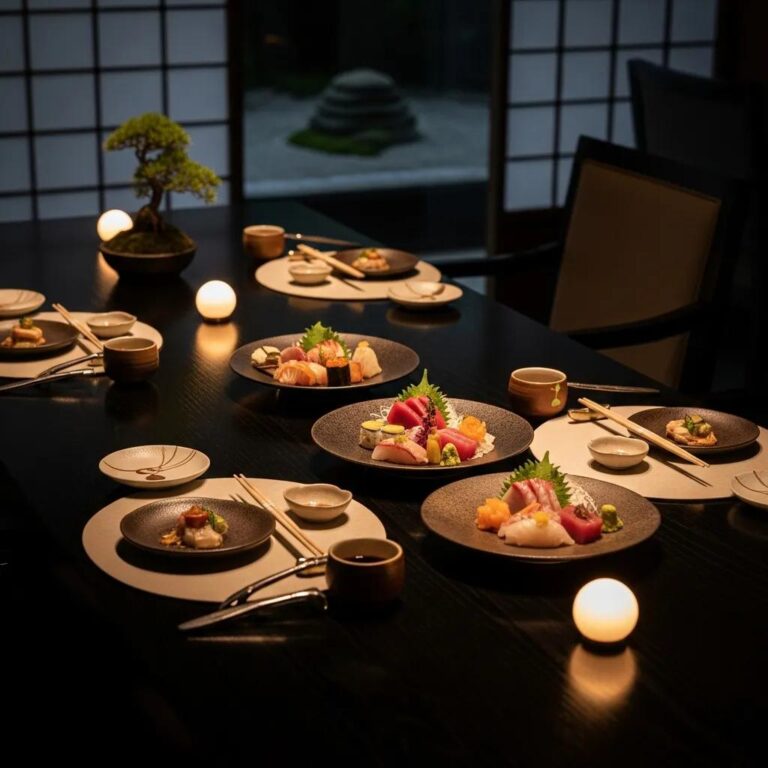
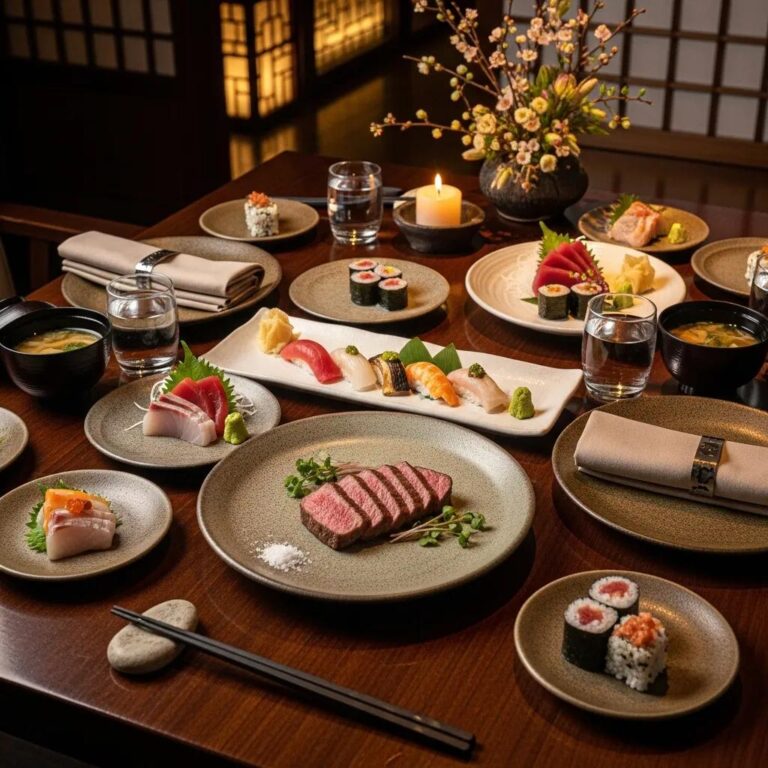
Omakase—literally “I leave it up to you”—is a chef-led tasting format where sequencing, ingredient quality, and presentation combine to tell a culinary story. What distinguishes a great omakase is the chef’s control over progression, pacing, and contrast: each course arrives with intent, building toward moments of discovery and delight. At its best, omakase resembles a curated exhibition of taste, with every plate treated as an artwork that contributes to a larger arc. For guests, the payoff is a guided, immersive journey that highlights rare ingredients, precise technique, and sensory storytelling beyond what a la carte dining can offer. These qualities explain why collectors and art-minded diners are drawn to omakase Pasadena offerings—and why provenance and presentation matter as much on the plate as on the wall.
Kaviar’s approach emphasizes seasonal sourcing, refined plating, and a tasting-menu-first structure that favours chef curation and limited seatings. Signature moments—like an A5 Wagyu course or a caviar-accented bite—are positioned as high notes within the progression. The table below outlines how our core course types differ by origin, preparation, and sensory intent.
The table below shows how provenance, preparation, and tasting purpose come together to shape a cohesive omakase sequence.
This comparison clarifies how provenance, technique, and tasting intent align to create distinct moments within a chef-curated omakase. Recognizing those relationships helps readers understand how menus are composed—and why each decision matters in practice.
How Kaviar Curates Chef-Led Menus with A5 Wagyu and Luxury Caviar
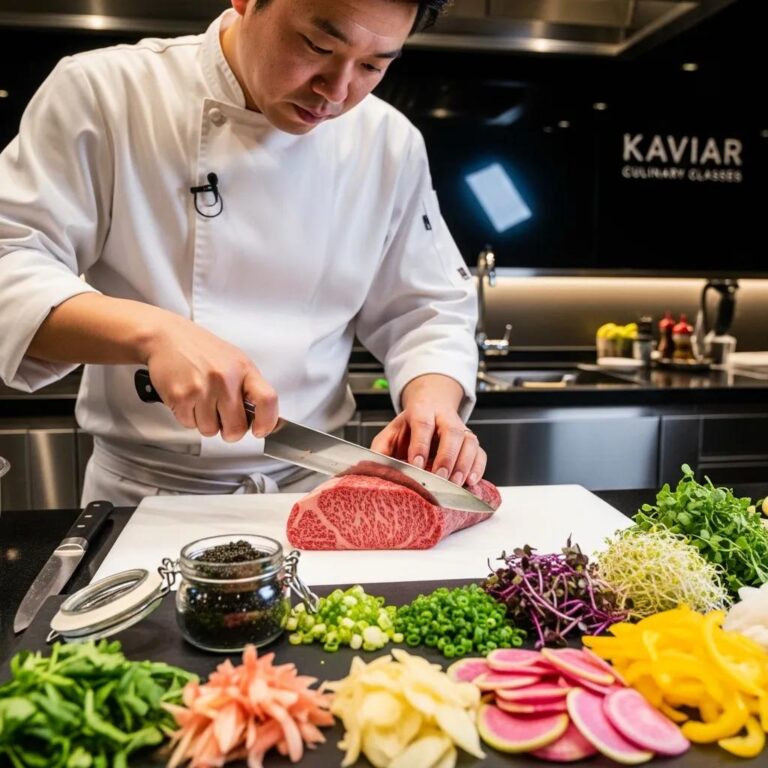
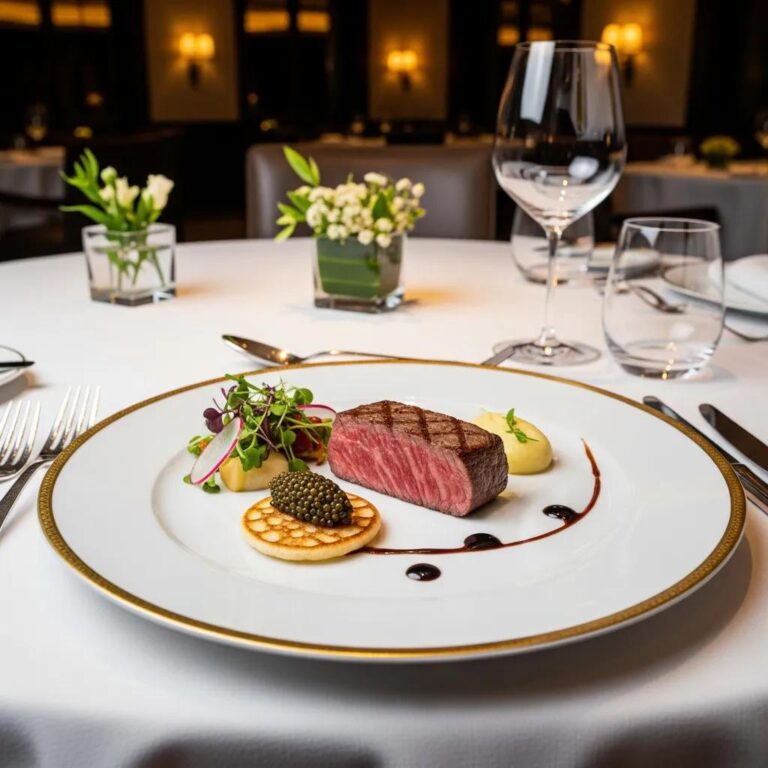
At the heart of high-end omakase is menu curation: seasonal sourcing, purposeful sequencing, and a clear respect for ingredients. Chefs choose items that offer complementary textures and rising flavor arcs so interest and balance are maintained throughout the meal. Deliberate contrast is the tool—clean, mineral-forward bites set the stage for richer, fattier courses such as A5 Wagyu, while a caviar-accented dish can act as a lavish bridge or punctuation. Presenters often name origin and grade at service to reinforce provenance—an important cue for guests familiar with collecting practices.
The short, tabular comparison below shows how a tasting sequence might relate an A5 Wagyu course to a caviar-accented item in terms of origin, preparation, and palate effect.
That mini‑table illustrates how the chef positions signature ingredients to create balance and highlight moments of luxury. With curation understood, it’s natural to ask how visual art principles shape plating.
What Role Does Artistic Presentation Play in the Omakase Experience?

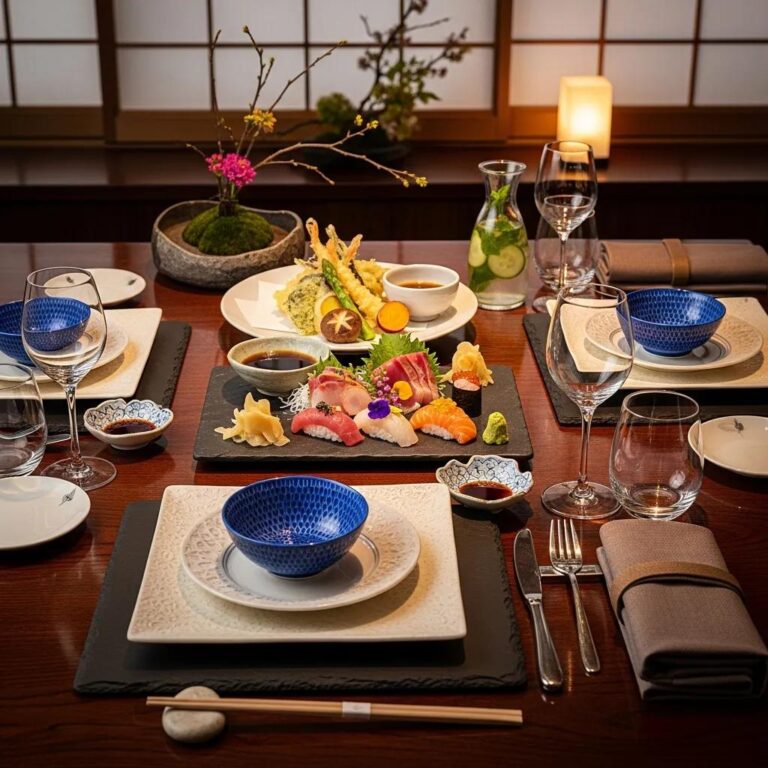
Presentation is both frame and amplifier: composition, color contrast, and negative space guide attention and set expectations before the first bite. This cross‑modal effect—visual cues priming taste—can intensify perceived sweetness, saltiness, or texture. Chefs borrow curatorial language, treating plates like canvases where placement, scale, and hue reference movements such as minimalism or wabi‑sabi. For guests experienced in visual literacy, these choices immediately read as signals of authorship, rarity, and craft.
Quality photography and concise dish notes extend the analogy, documenting ephemeral moments and preserving provenance. Thoughtful plateware and lighting complete the composition, so the dining room’s visual program and the culinary output feel like parts of a single creative statement. That connection between visual art and plating naturally informs the restaurant’s broader approach to ambiance and craft.
How Does Art Collecting Shape Ambiance and Craft at Kaviar?
Collector sensibilities influence ambiance by prioritizing curation, provenance, and display—principles that translate into interior choices, lighting, and the rhythm of service. Curatorial coherence—rotating displays, intentional sightlines, and controlled lighting—signals an experience that is bespoke and collectible. For guests with an art background, this alignment heightens expectations for narrative and technical rigor on the plate. The result is a cohesive guest journey where room and menu feel like parts of one curated collection.
Restaurants that integrate art often build programming—rotating exhibits, artist talks, or menu pairings—to deepen engagement and draw collectors seeking multisensory experiences. These events function as cultural programming and help cultivate a repeat audience who value both culinary and visual discovery.
The following list highlights practical points where art and dining intersect in a thoughtfully curated space:
- Interior Curation: Rotating works and gallery-style lighting that frame the dining sequence.
- Programmatic Events: Artist dinners and exhibition pairings that extend the tasting narrative.
- Menu Narratives: Dish copy and plating motifs that reference specific artworks or movements.
How Are Art and Fine Dining Integrated in Kaviar’s Pasadena Setting?
Integration shows up in deliberate decor, curated lighting, and display areas that create a gallery-like cadence between courses—the dining room itself becomes part of the tasting narrative. Spatial storytelling guides guests through sightlines and installations that punctuate the meal and reinforce a collector’s mindset toward meaningful, one‑of‑a‑kind experiences. Together, these elements elevate a dinner into a cultural outing rather than a routine meal.
Rotating exhibits and multimedia documentation provide archival touchpoints guests can recall and share—functional equivalents of exhibition catalogs. When menu storytelling and the visual program are consistent, the guest experience stays coherent and memorable, reinforcing the restaurant’s identity as a place where art and food illuminate one another. That consistency naturally leads to questions about how artistic inspiration translates into concrete plating choices.
How Do Artistic Inspirations Shape Plating of Luxury Japanese Dishes?
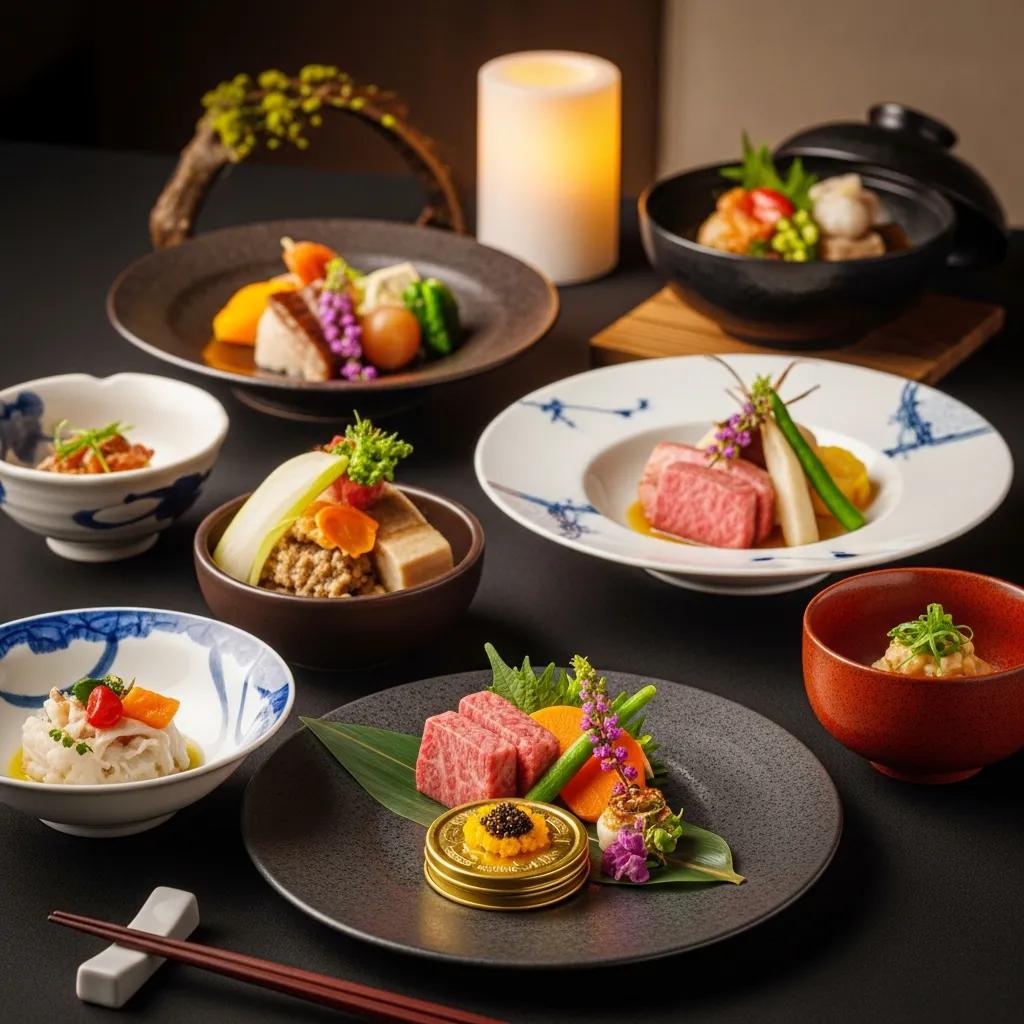
Artistic influences inform plating through composition, color theory, texture, and use of negative space. Chefs translate movements—using restrained palettes for minimalism or layered textures for more ornate references—so every visual decision serves a sensory goal. Technical mastery—temperature control, precision slicing, and timing—makes these visual ideas viable without sacrificing flavor. Diners experience plates as stories: a carefully arranged bite cues intention and prepares the palate for what follows.
Plateware is selected to complement an artwork’s scale or color, creating continuity between room and dish. The final effect is a unified aesthetic in which plate, food, and environment form a single composition—dining becomes a collectible moment in time. From aesthetic choices we move to the practical steps for accessing these curated experiences.
How to Reserve an Exclusive Dining Experience at Kaviar
Booking an omakase or private event requires checking availability, choosing a tasting format, confirming guest details, and securing the reservation with sufficient lead time. The system relies on organized scarcity—limited seats and set time blocks—that preserve the intended service flow and experience.
The benefit is clarity: following a clear reservation process ensures guests enjoy the full progression and service as designed.
Below is a concise, step‑by‑step guide that outlines a streamlined reservation workflow for exclusive dining.
- Check Availability Early: Review open dates and limited seatings ahead of time to secure preferred service windows.
- Choose Your Tasting: Select the omakase menu or inquire about private events tailored to your group.
- Confirm Guest Details: Provide accurate party size and dietary needs so the kitchen can sequence and source appropriately.
- Finalize the Booking: Complete confirmation steps and note any lead time required for specialty ingredients or private setups.
This simple workflow clarifies what guests should expect when planning an exclusive Kaviar experience and introduces the reservation types that follow.
The table below outlines common booking options, their attributes, and recommended lead times to help you choose the right approach for your occasion.
Before the table: reservation options vary by exclusivity and logistics—understanding those differences makes planning straightforward.
This map of reservation options helps guests weigh immediacy against customization and understand why clear UX and messaging matter when communicating access and exclusivity.
How Kaviar’s Reservation Experience Signals Exclusivity and Care
We communicate exclusivity through limited seat announcements, curated time blocks, and concierge-style messaging that together create thoughtful scarcity. UX details—careful confirmation language, clear party-size policies, and curated arrival windows—treat bookings like private appointments rather than casual reservations. For discoverability, structured reservation data supports high‑intent diners and builds trust. These elements work together to convert interest into committed bookings while signaling the elevated service guests should expect.
Booking exclusive dining brings three concrete benefits:
- Personalization: Menus and service tailored to your party’s needs.
- Cultural Access: Opportunities for artist-chef collaborations and event programming.
- Prestige: A carefully curated setting ideal for special occasions and networking.
These advantages explain why guests plan ahead—and why the reservation itself becomes part of the overall value proposition. From access mechanics we turn to the benefits of hosting exclusive events in Pasadena’s luxury scene.
Why Book Exclusive Dining Events in Pasadena’s Luxury Scene?
Hosting an exclusive event in Pasadena delivers elevated personalization, the chance to integrate art and culinary programming, and a prestige factor that resonates with collector-minded guests. This combination of hospitality and cultural capital creates memorable social currency for hosts and attendees alike.
For hosts, benefits include bespoke menus, attentive private service, and the option to pair dining with exhibitions or artist talks for a layered experience. For guests, these events offer curated moments, networking opportunities, and a sense of ownership over an evening that feels collectible.
Next, we examine why Pasadena provides fertile ground for sustaining this kind of luxury Japanese fine dining ecosystem.
Why Pasadena Is an Ideal Home for Luxury Japanese Fine Dining
Pasadena’s cultural density, a base of discerning patrons, and access to premium suppliers create the conditions for high‑end Japanese restaurants and omakase experiences to thrive. The ecosystem works because audience sophistication, supplier networks, and nearby cultural institutions reinforce one another.
Local demand for curated cultural programming—art events, exhibitions, and culinary experiences—lets restaurateurs design higher-touch offerings that attract collectors and food enthusiasts. Easy access from neighboring metro areas and a community appetite for novel programming further support the region’s luxury dining scene. This context explains why restaurants here emphasize provenance, presentation, and reservation exclusivity.
Key local strengths that support premium omakase in Pasadena:
- Cultural Institutions: Museums and galleries that draw collector audiences.
- Sophisticated Demand: Diners who seek curated culinary and cultural experiences.
- Supply Access: Proximity to distributors and logistics for premium ingredients.
These regional attributes shape how fine‑dining venues differentiate themselves and lead naturally into how Kaviar prioritizes presentation and provenance.
What Distinguishes Pasadena’s Luxury Dining for Omakase and Premium Ingredients?
Pasadena stands out because venues can pair curated cultural programming with ingredient-driven menus, allowing chefs to craft narrative tasting sequences that resonate with collectors. That audience-program alignment gives chefs room to experiment with premium elements like A5 Wagyu and caviar, supporting both the price point and the elaborate presentation such ingredients demand. For diners, the result is an immersive experience that combines culinary precision with cultural resonance; for chefs, it creates a receptive environment for creative risk and refinement.
How Kaviar Sources Sustainable, High‑Quality Ingredients for Artistic Cuisine
Sourcing for premium Japanese cuisine focuses on provenance, grading standards, and traceability so flavor integrity and ethical alignment are both preserved. The procurement strategy is selective: chefs choose suppliers and product grades that support culinary aims while meeting sustainability expectations.
For signature items like A5 Wagyu and caviar, provenance dictates texture, marbling, and salinity profiles that determine where a course sits in the tasting. The practical benefit for guests is consistent excellence and a meaningful story behind each dish—details that strengthen perceived value and trust.
The table below outlines common provenance attributes and sustainability practices for key premium ingredients.
Mapping provenance in this way explains why origin and supplier practices matter both for flavor and for ethical positioning—and naturally leads into specifics about grading and caviar types for readers who want deeper detail.
What Is the Provenance Behind Kaviar’s A5 Wagyu and Luxury Caviar?
A5 Wagyu denotes exceptional marbling and production practices tied to specific Japanese regions; that grading translates into a buttery texture and layered umami that chefs often treat as a centerpiece course. Grading standardizes expectations for mouthfeel and fat distribution, helping chefs place the ingredient effectively within a tasting sequence.
Caviar’s provenance depends on species, curing technique, and harvest methods, all of which shape salinity, “pop,” and finish. For guests, those provenance markers inform taste expectations and justify price; for chefs, they provide a controlled palette of textures to compose against.
Clear, honest communication about provenance—without overclaiming—is essential to maintain trust and avoid greenwashing while upholding a luxury positioning.
How Does Sustainability Shape Ingredient Selection in Luxury Japanese Fine Dining?
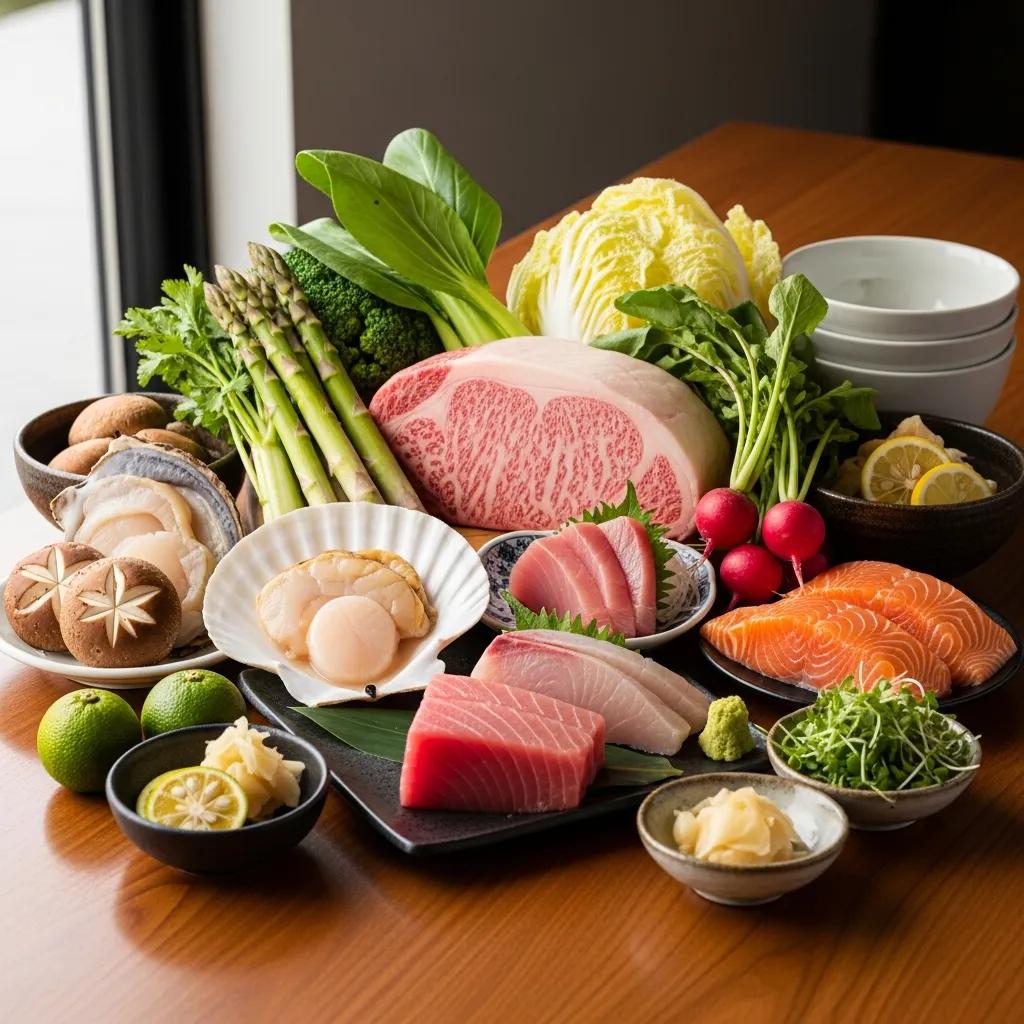
Sustainability in premium sourcing balances rarity with stewardship by prioritizing traceability, seasonality, and suppliers with verifiable practices. The approach favors suppliers that can document chain‑of‑custody, supports seasonal menus that reduce pressure on vulnerable stocks, and avoids vague claims in guest‑facing language.
Practical frameworks include rotating seasonal menus, supplier partnerships with documented practices, and transparent statements that rely on verifiable certifications where relevant.
The outcome is a credible narrative that aligns high‑end dining with contemporary ethical expectations, strengthening long‑term trust among collectors and conscientious diners.
Frameworks commonly used in premium dining sourcing:
- Seasonal Menus: Reduce reliance on at‑risk species and emphasize regenerative harvest periods.
- Traceability: Document supplier chains to support credible provenance claims.
- Selective Certification: Rely on recognized certifications to avoid greenwashing.
These practical steps show that luxury dining can preserve quality while meeting sustainability expectations—and bring the guest journey full circle to reservations and curated experiences.
Frequently Asked Questions
What is the significance of omakase in Japanese fine dining?
Omakase—“I leave it up to you”—is a chef‑led, multi‑course experience built around seasonality and the chef’s creativity. It lets chefs present the best available produce and demonstrate technique while guiding guests through a sequence of carefully considered flavors and textures. The format’s significance lies in trust: diners surrender choice to the chef and, in return, receive a narrative-driven tasting that rewards curiosity and appreciation for craft.
How can diners enhance their omakase experience at Kaviar?
To get the most from an omakase at Kaviar, engage with the service—ask about ingredients and preparation, and share any dietary preferences when you book. Being open to new textures and flavor combinations enriches the experience. Consider reserving special events or chef‑curated tastings for an even deeper, themed evening.
What types of events does Kaviar host to integrate art and dining?
Kaviar stages artist dinners and collaborative events that pair themed menus with visual programming. These evenings often include artist conversations, rotating exhibits, and multimedia presentations that create a gallery-like atmosphere and deepen the connection between the cuisine and the visual arts.
What should guests know about dietary restrictions when reserving at Kaviar?
Please let us know dietary restrictions when you make your reservation. We accommodate vegetarian, vegan, and gluten‑free requests and can adapt courses for most allergies with advance notice. Sharing details at booking allows the kitchen to sequence the tasting and source ingredients appropriately for a seamless experience.
How does Kaviar ensure the quality of its ingredients?
Kaviar maintains ingredient quality through rigorous sourcing that emphasizes provenance, grading, and seasonal availability. We work with trusted suppliers for items such as A5 Wagyu and sustainably sourced caviar, prioritize traceability, and favor partners whose practices align with our culinary and ethical standards. That diligence ensures consistent flavor and integrity on every plate.
What is the role of ambiance in the dining experience at Kaviar?
Ambiance is central: thoughtful interior design, curated lighting, and displayed artworks create a gallery‑like setting that enhances the food. When room and menu share a clear aesthetic, guests engage more deeply—each visit feels like a cultural event as much as a dinner.
Why is it important to make reservations in advance at Kaviar?
Advance reservations are recommended because seating is limited and the omakase format requires precise timing and sourcing. Booking early secures preferred time slots, allows the kitchen to accommodate dietary needs, and ensures the full, intended progression of the tasting.
Conclusion
The intersection of art and fine dining at Kaviar offers a distinctive experience: meticulously curated omakase menus, premium ingredients such as A5 Wagyu and caviar, and an ambiance informed by collector‑grade sensibilities. By planning ahead and reserving a seat, guests enjoy a thoughtfully sequenced tasting that blends culinary precision with cultural storytelling. Discover the craft behind our menus and reserve your place to experience Kaviar’s approach to Japanese fine dining in Pasadena.