




Discover the World’s Best Culinary Destinations — Gourmet Travel & Luxury Dining
Some journeys are planned around a single meal. Culinary destinations put food front and center—from bustling street markets to multi-course tasting menus—and reward travelers with immersive, sensory experiences. This guide walks you through the world’s standout food cities, explains what makes Japanese fine dining feel so exceptional, and offers practical steps to plan gourmet travel. You’ll learn which cities drive culinary trends, how omakase, A5 Wagyu and caviar shape high-end tasting menus, and smart ways to secure seats at in-demand restaurants. Along the way we highlight local examples—most notably Kaviar Restaurant in Pasadena—to show how a single venue can embody luxury Japanese dining. Practical reservation tips, sensory and service details, and compact comparison tables will help you plan your next food-focused trip.
What Are the Best Food Cities Globally for Culinary Travel?
We define a culinary destination by the depth and variety of its food scene: authentic local flavors, consistently high-quality kitchens, and an ecosystem of markets, suppliers and chefs that together create unforgettable dining. Visiting these cities offers more than great meals—you’ll gain insight into technique, access peak-season ingredients, and find immersive activities like market tours and chef-led tastings. Knowing which cities reliably deliver these elements helps you plan an itinerary that balances casual discovery with booked fine-dining experiences.
Top food cities to consider for gourmet travel—each selected for a distinct culinary identity—include:
- Tokyo — Renowned for sushi precision, intimate omakase counters, and a near-religious focus on seasonality.
- Paris — The center for pâtisserie craft and classic technique, where modern fine dining evolves from a deep culinary tradition.
- Lima — Celebrated for ceviche, Nikkei fusion, and a vibrant market-to-table culture centered on fresh seafood.
- New York City — A melting pot of immigrant flavors and globally influential tasting menus driven by creative chefs.
- Barcelona — Famous for Catalan ingredients, tapas culture, and a market-first approach to small plates.
Each city offers a different kind of food travel: Tokyo and Paris favor technique and tasting menus; Lima and Barcelona emphasize markets and regional ingredients; New York blends global talent and experimentation. The next section profiles specific cities and the signature experiences they offer to help you choose the kind of trip you want.
Which Cities Are Renowned for Their Unique Culinary Cultures?
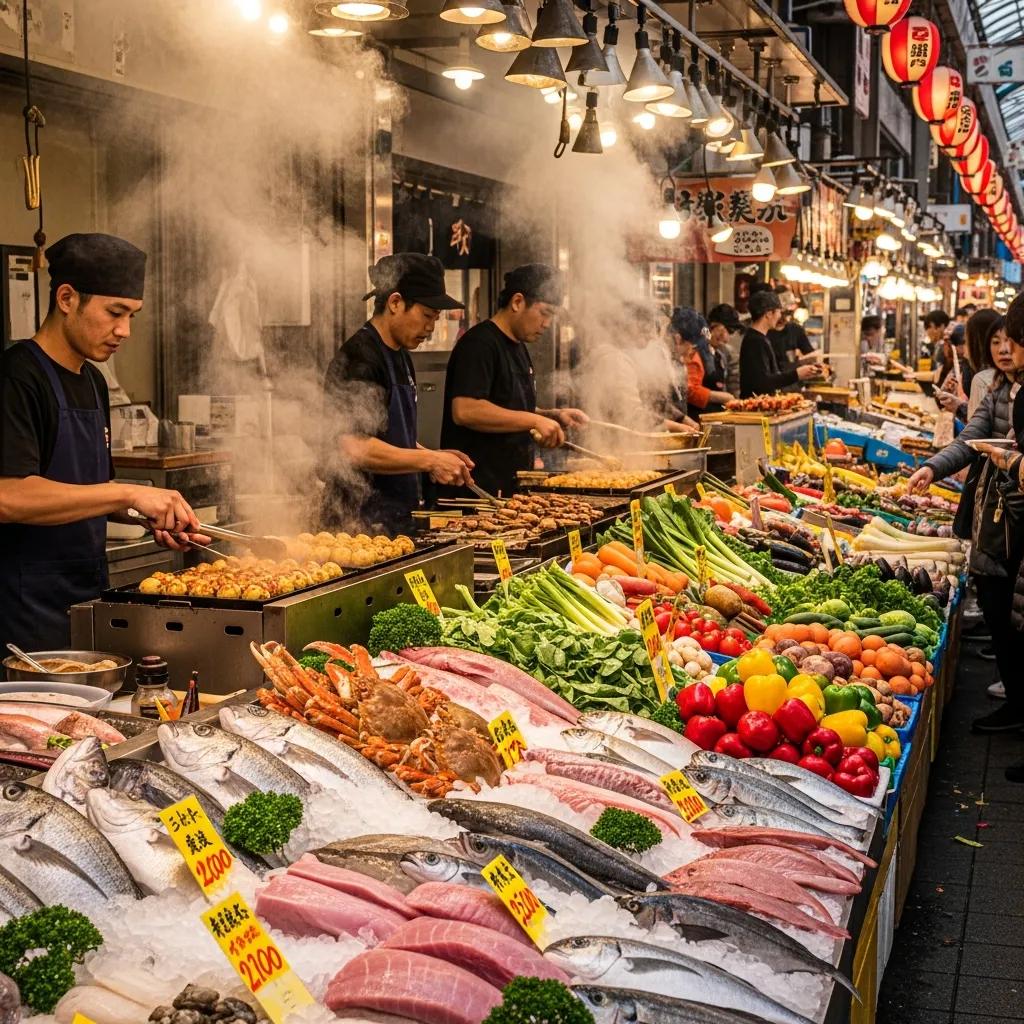
Culinary capitals earn their reputations through iconic dishes, memorable experiences, and a local system that supports both innovation and tradition. Below are concise city profiles that pair a signature dish with a representative experience to guide your choices.
- Tokyo — Sushi & omakase: counter seats where chefs craft seasonal seafood courses in real time.
- Paris — Haute cuisine & pastry: chef-led tasting menus and historic pâtisseries for technique and refinement.
- Lima — Ceviche & market tours: coastal seafood preparations paired with visits to bustling markets.
- New York City — Diverse tasting menus & food halls: cross-cultural dining and chef pop-ups that spotlight immigrant flavors.
- Barcelona — Tapas & market gastronomy: small plates built around local produce and shared dining culture.
- Copenhagen — New Nordic tasting menus: hyper-seasonal sourcing and minimalist presentations that influence the region.
These snapshots show the relationships between experiences—omakase counters, tasting menus, market tours—that travelers weigh when planning. Next, we explain how these cities shape broader gourmet travel trends and expectations.
How Do Food Cities Influence Global Gourmet Travel Trends?
Major food centers act as incubators for trends that spread through awards, media and visiting chefs. Tokyo’s concentration of top-tier sushi sets standards for fish sourcing and knife work; Europe’s fine-dining hubs shape plating, pacing and service rituals. Guides, critics and social platforms speed that diffusion, changing how travelers budget time and prioritize reservations. Those forces affect everything from expected reservation lead times to the prominence of experiential extras like sake pairings, and they redefine the balance between authentic street food and staged luxury.
How Does Japanese Fine Dining Define Luxury Culinary Experiences?
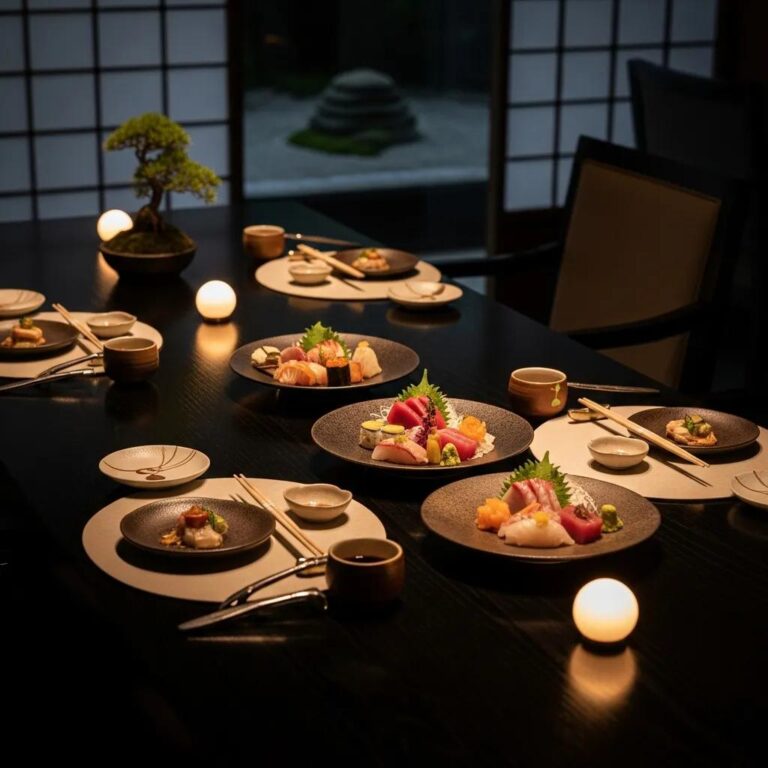
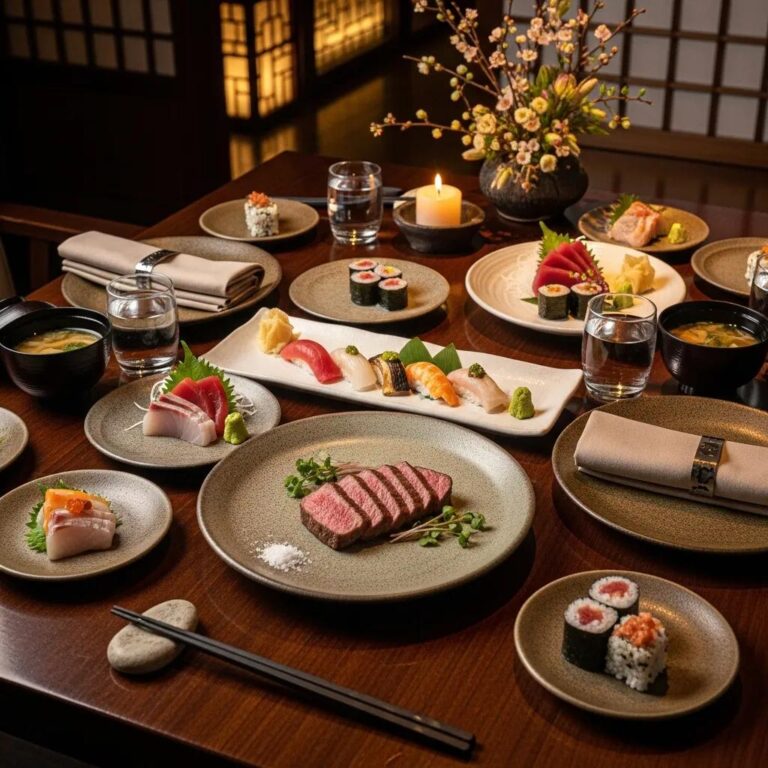
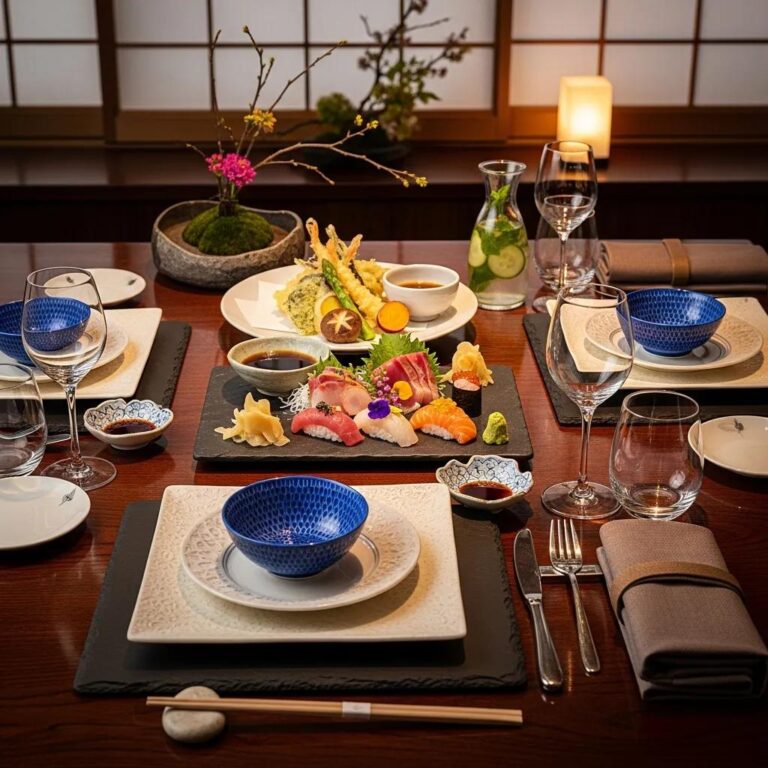
Luxury in Japanese fine dining comes from exacting technique, seasonal selection (shun), restrained presentation and service that feels choreographed rather than scripted. Umami-rich ingredients, chef-controlled pacing and intimate service turn each course into part of a larger narrative—an arc that rewards focus and trust. Elements like omakase sequencing, sake pairings, specific Wagyu cuts and delicate garnishes work together to create that sensation of refinement. Omakase, A5 Wagyu and caviar each play a distinct role within this vocabulary of luxury, contributing texture, provenance and rarity to the tasting menu.
Below is a compact comparison that outlines what to expect from omakase, A5 Wagyu and caviar service in a high-end Japanese setting.
This comparison highlights how different premium elements complement one another in a tasting menu and helps you recognize what makes each component feel luxurious. The sections below unpack omakase and A5 Wagyu in more detail.
What Is the Omakase Experience and Why Is It Sought After?
Omakase—literally “I leave it to you”—is a chef-led tasting where seasonality and skill determine each course. The chef controls pacing, ingredient order and plating to create a narrative that spotlights peak-season produce and refined techniques. Diners gain direct interaction with the chef, access to off-menu or rare items, and a tailored sequence that balances taste, texture and temperature. Expect small, precisely timed courses and an emphasis on harmony rather than excess.
People seek omakase for its intimacy and craftsmanship; understanding that dynamic helps travelers choose experiences that favor discovery and education over predictability. The following section explains how chefs present A5 Wagyu.
Why Is A5 Wagyu Considered a Premium Ingredient in Fine Dining?
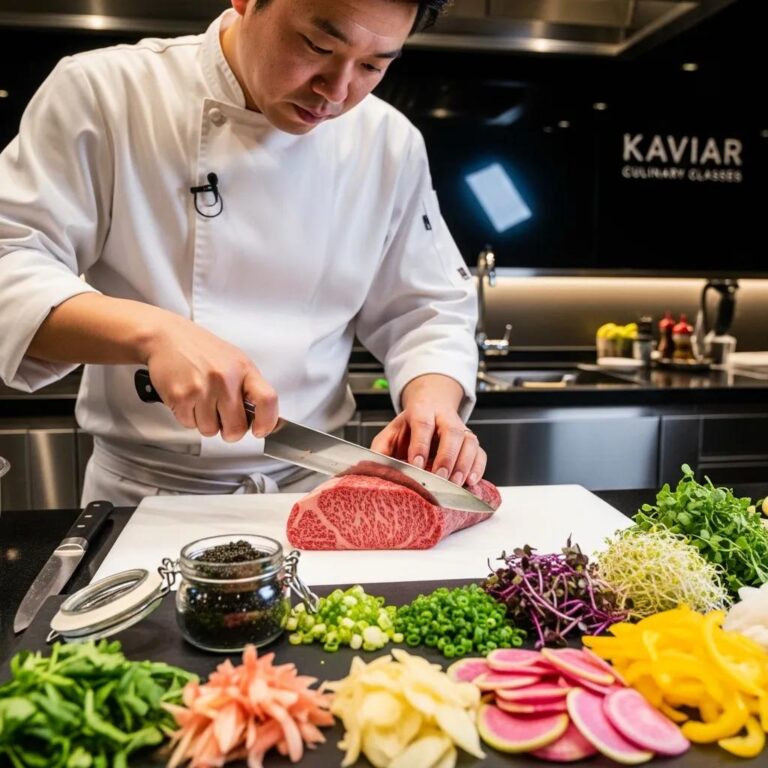
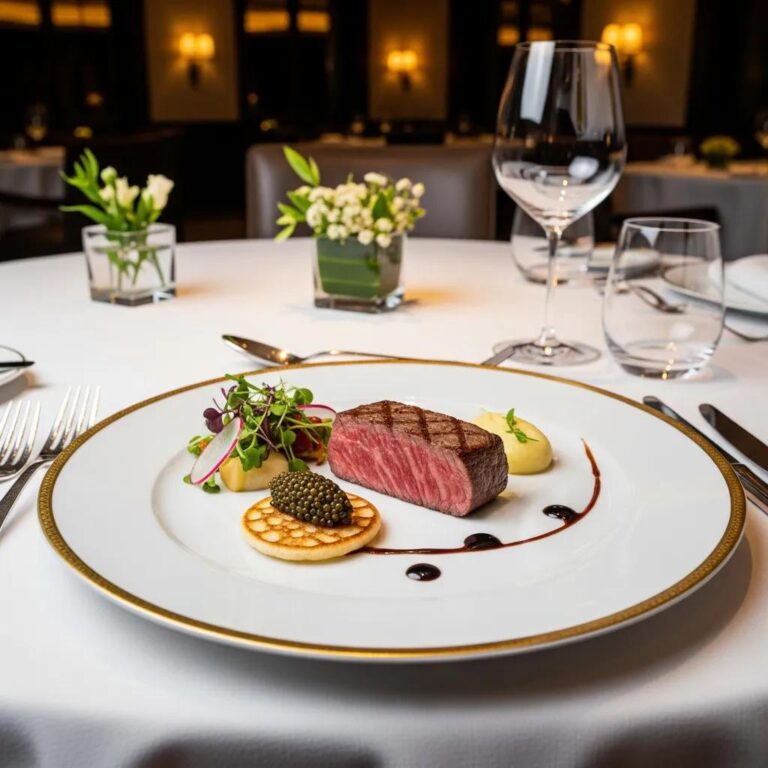
A5 Wagyu sits at the top of Japanese beef grading for yield and marbling, producing a silky texture and concentrated umami that respond well to restrained cooking. The grade reflects lineage and rearing methods that yield intense intramuscular fat, which softens at low temperatures and coats the palate. Chefs showcase A5 Wagyu with minimalist techniques—gentle searing, thin nigiri or delicate tartare—to preserve texture and let the fat’s nuance speak. The result reads as luxurious because the emphasis is on mouthfeel, purity of flavor and subtle seasoning rather than heavy sauces.
Because of its rarity and handling requirements, A5 Wagyu most often appears on curated tasting menus or as a signature premium course.
Why Is Pasadena Emerging as a Premier Culinary Destination?
Pasadena’s food scene is gaining attention thanks to a growing mix of destination restaurants, specialty purveyors and a curious local audience. The city benefits from access to diverse suppliers and a population that embraces both casual and fine dining experimentation. Destination restaurants raise the profile by attracting press, setting service standards and drawing guests from across the Los Angeles area. Walkable neighborhoods and cultural venues make it easy to combine dining with museums and events, which is appealing to traveling food lovers.
These dynamics position Pasadena as a complementary stop to larger metropolitan scenes while offering distinct local experiences. The next section profiles a local restaurant that illustrates this shift.
How Does Kaviar Restaurant Elevate Pasadena’s Food Scene?
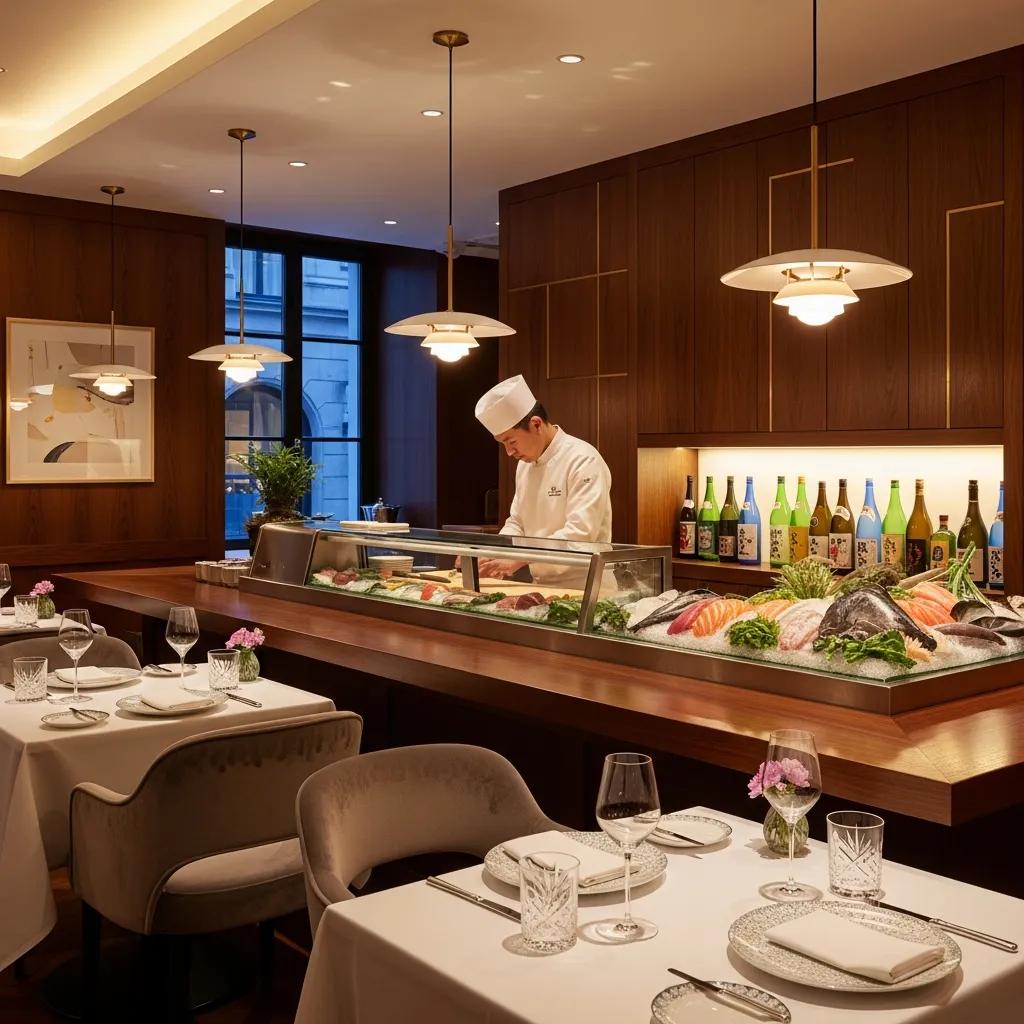
Kaviar Restaurant is an upscale Japanese venue in Pasadena known for its focused omakase, A5 Wagyu preparations and signature caviar dishes. The restaurant demonstrates core principles of luxury Japanese dining—seasonality, precision and ingredient hierarchy—through curated courses and protein-forward presentations. As a destination spot, Kaviar draws diners seeking chef-led tasting menus and specialty items; it manages demand through phone bookings, RESY and OpenTable. For visitors building a gourmet itinerary, Kaviar is a clear example of how one restaurant can elevate a city’s culinary reputation with rare ingredients and disciplined service.
This profile ties the broader conversation about luxury Japanese dining to a bookable local experience you can prioritize when visiting Pasadena.
What Unique Japanese Culinary Offerings Does Pasadena Provide?
Pasadena’s dining ecosystem includes a range of Japanese formats that complement luxury tasting experiences. You’ll find intimate omakase counters, chef-curated tasting menus, refined izakaya-style small plates and thoughtful sake pairings—mixing traditional techniques with contemporary interpretation. Local specialty shops and regional suppliers make high-quality seafood and produce available for seasonal menus. Being near Los Angeles also lets chefs tap metropolitan talent while maintaining a distinct local identity focused on hospitality and curated moments.
Together, these offerings make Pasadena a practical base for travelers who want both high-end Japanese meals and complementary culinary activities nearby.
What Are the Key Elements of a Luxury Culinary Experience?
Luxury dining typically rests on four intersecting pillars: premium ingredients, elevated service, intentional ambiance and curated exclusivity. Ingredients—A5 Wagyu, high-grade caviar, rare seafood—form the sensory core. Service choreography (timing, pacing, sommelier guidance) reveals those ingredients with care. Ambiance—lighting, seating, acoustics and sightlines to the chef—shapes intimacy and focus. Finally, curation and scarcity (limited seating, controlled menus, private events) create perceived value that completes the experience.
To illustrate how these pieces fit together, the table below maps elements to concrete examples a high-end restaurant might use.
This mapping shows how ingredients, service, ambiance and booking systems combine to create a cohesive luxury meal. The next section looks at how premium ingredients such as caviar contribute to that effect.
How Do Premium Ingredients Like Caviar Enhance Fine Dining?
Caviar adds a textural and flavor counterpoint—tiny pearls of saline umami that contrast with creamy or acidic elements and heighten a course’s complexity. Chefs select types (for example, Kaluga or other high-grade roe) based on brininess, size and mouthfeel, and serve caviar with minimal carriers—blini, crème fraîche or chilled seafood—to let its character shine. On tasting menus, caviar often signals a pinnacle moment or finishing flourish that underscores provenance and scarcity. Thoughtful pairings—sparkling wine, chilled sake or a high-acidity white—further sharpen its impact.
Recognizing these sensory mechanics helps diners appreciate why caviar occupies a special place on tasting menus and how presentation and pairing amplify its presence.
What Role Does Ambiance Play in Gourmet Travel Destinations?
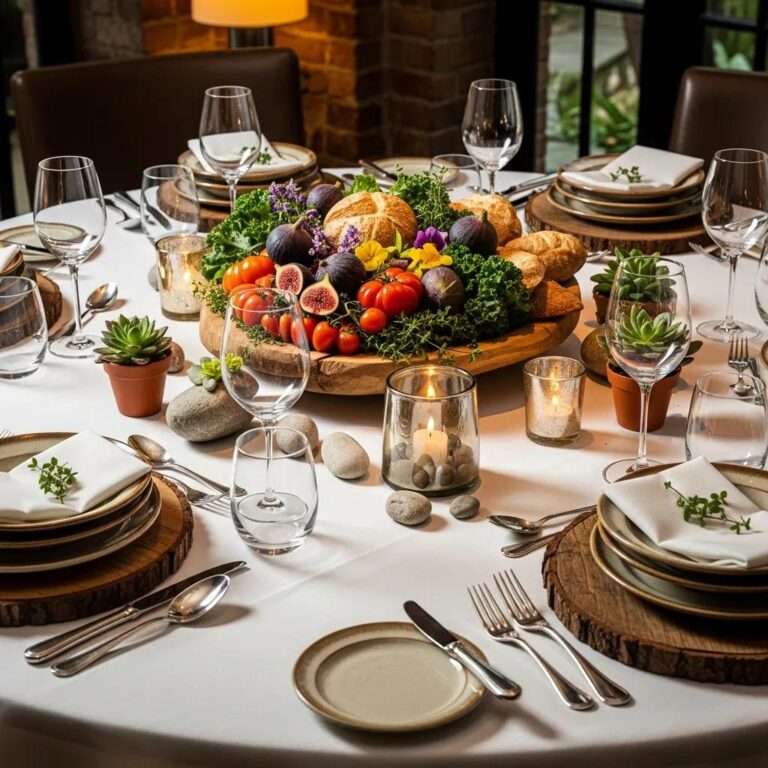
Ambiance frames the meal and guides perception; it’s as important as the food when creating a lasting memory. Elements like counter seating, warm controlled lighting, unobtrusive service and a quiet room let diners focus on texture, aroma and conversation with the chef. Choreographed service—timing between courses, ingredient explanations and synchronized drink pairings—builds a narrative that complements the cuisine. For culinary travelers, ambiance is the difference between an excellent meal and an unforgettable luxury experience worth planning around.
With ambiance established, the final H2 explains practical ways travelers can plan and secure these experiences.
How Can Travelers Plan Visits to Top Culinary Destinations?
Good culinary travel planning blends timing, booking strategy and alignment with local food calendars. Lead times vary—high-demand omakase counters and tasting menus often require weeks or months, while market visits and casual lunches are more flexible. Sync bookings with seasonal peaks and culinary events to catch special ingredients and menus. A focused plan—prioritize must-visit restaurants, mix street food with fine dining, and use multiple booking channels—reduces friction and improves your chance of getting coveted seats.
The table below offers practical booking guidance, matching common channels to recommended lead times and tips for success.
This compact guide helps you choose complementary channels and realistic lead times to secure high-demand dining. The next section offers a step-by-step checklist for reservation tactics.
What Are Effective Reservation Strategies for High-End Restaurants?
Booking sought-after restaurants requires early planning, multiple channels and flexibility. Follow these practical steps to improve your odds:
- Reserve as soon as the restaurant’s booking window opens and check frequently for cancellations.
- Use several channels—phone, RESY and OpenTable—since inventory can differ across platforms.
- Be flexible with dates and times; off-peak evenings and lunch services often have better availability.
Combine these tactics with polite, specific requests (dietary notes, occasion details) and readiness to accept waitlist notifications to significantly increase your chances. The next section explains how food-tourism trends affect planning.
How Do Food Tourism Trends Influence Travel Planning?
Trends—rising experiential dining, social discovery and a hunger for authenticity—shape when and how travelers plan. Social platforms accelerate demand for pop-ups and chef collaborations, tightening reservation windows. Experiential travel means many guests prioritize limited-seat events, private omakase and producer visits that require advance booking. Anticipating these trends means reserving earlier, signing up for alerts and considering mid-week travel to avoid peak competition.
- Plan Early: Book flagship tasting menus weeks ahead.
- Be Flexible: Consider off-peak days or lunch for the same quality with better availability.
- Use Multiple Channels: Combine phone calls with RESY/OpenTable bookings to expand your options.
Following this checklist helps align your planning with modern food-tourism dynamics and increases the chances of enjoying flagship experiences like curated omakase and A5 Wagyu courses.
For Pasadena visitors, remember that destination restaurants such as Kaviar accept reservations by phone, RESY and OpenTable—practical options when building a gourmet itinerary.
Frequently Asked Questions
What are some tips for experiencing local cuisine while traveling?
To really experience local food, join guided food tours, visit markets, and take cooking classes led by local chefs. Eat at family-run spots and ask residents for recommendations—locals often point to the best hidden gems. These activities deepen your understanding of ingredients and techniques and connect you to the culture behind the food.
How can I find the best restaurants in a new city?
Combine online research with local advice. Use review sites and maps to shortlist options, scan social media for current trends, and ask hotel staff or residents for favorites. Restaurants busy with locals are often a reliable sign of quality and authenticity.
What should I expect from a luxury dining experience?
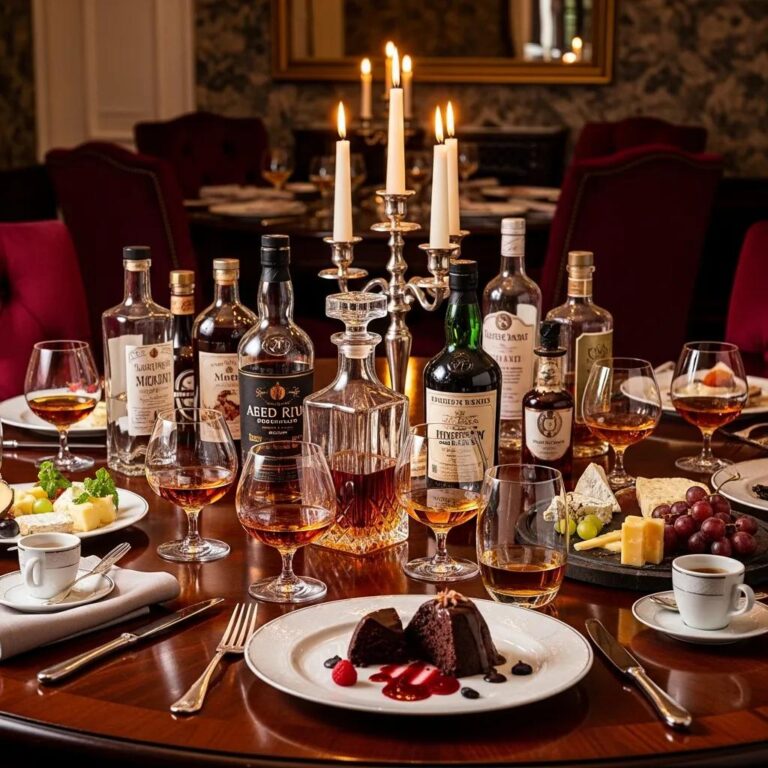
Expect top-tier ingredients, attentive and knowledgeable service, and a carefully considered ambiance. Menus tend to be curated and seasonal, often presented as multi-course tastings. Service should enhance the meal without intruding, and the room will reflect attention to detail in lighting, seating and sound—creating an experience that feels personal and memorable.
Are there any dietary accommodations available at fine dining restaurants?
Many fine-dining kitchens accommodate dietary needs if notified in advance. Common requests—vegetarian, vegan, gluten-free or allergy-related—are often handled with tailored courses or altered menus. Always mention restrictions when booking so the kitchen can prepare appropriately.
How do I make reservations at high-demand restaurants?
Book as early as possible—sometimes weeks or months ahead—use multiple platforms (OpenTable, RESY, phone), and stay flexible with times. Sign up for waitlists and alert systems to catch cancellations, and be ready to act quickly when openings appear.
What are some emerging culinary trends to watch for?
Watch for sustainability-focused menus with local sourcing, inventive plant-based cuisine, and experiential dining where the meal is part of a broader event. Technology—digital menus, contactless service and booking tools—also continues to change how diners discover and reserve experiences.
Conclusion
Exploring the world’s leading culinary destinations offers a mix of sensory discovery, cultural insight and exceptional dining. By understanding what defines luxury—omakase, A5 Wagyu and thoughtful caviar service—you can plan more meaningful food trips. Use the practical tips here to book ahead, balance street-level exploration with fine dining, and build an itinerary that highlights the flavors you most want to taste. Start planning your gourmet journey and savor the best the culinary world has to offer.