



Japanese Fine Dining in Pasadena — Where Fashion Meets Food in Exclusive, Curated Evenings
“Fashion meets food” describes curated evenings that pair couture sensibility with progressive culinary technique to create a multisensory, memorable dining experience. This piece shows how that idea translates into limited-seat omakase dinners, runway‑paired tasting sequences, and multimedia event design—demonstrating how careful course sequencing, premium ingredients, and intentional staging combine to form a luxury lifestyle occasion. You’ll learn what defines an elevated omakase, how A5 Wagyu and caviar are showcased within a tasting menu, practical formats for fashion‑dining collaborations, and straightforward steps for reserving intimate events in Pasadena. The goal is practical: help discerning guests and event planners understand the mechanics and benefits of fashion‑inspired culinary events, with Kaviar Restaurant presented as a local example of these formats. After defining omakase and its signature ingredients, the guide moves into event formats, multimedia presentation, reservation strategy, and reasons to choose a venue that specializes in curated, fashion‑forward dining.
What Defines the Exclusive Omakase Dining Experience at Kaviar?
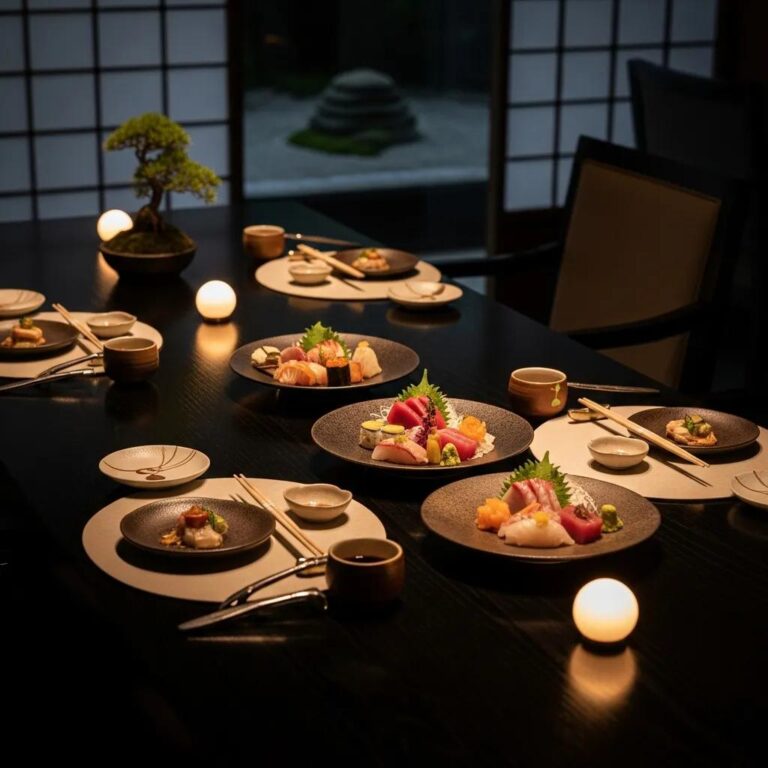
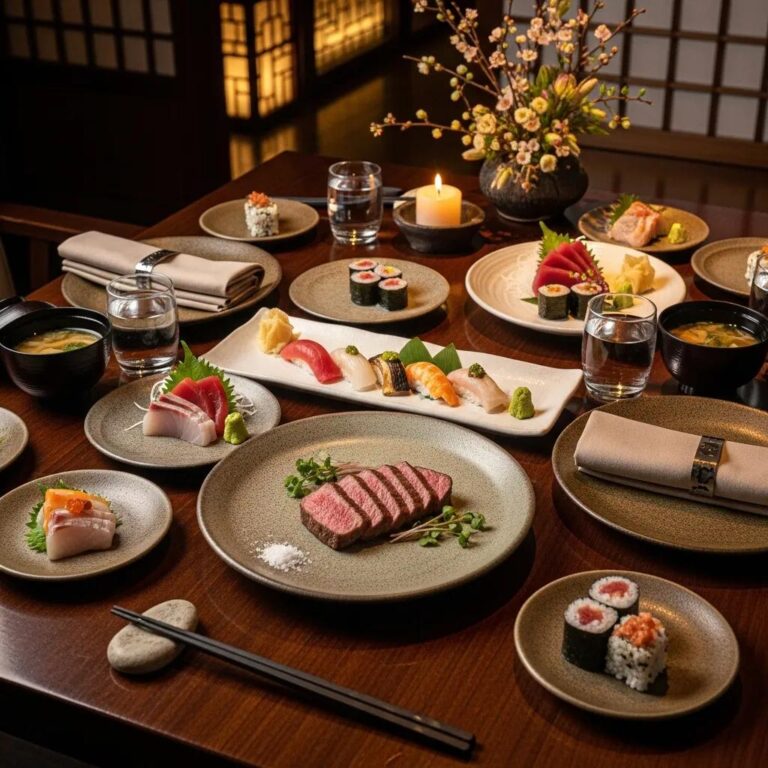
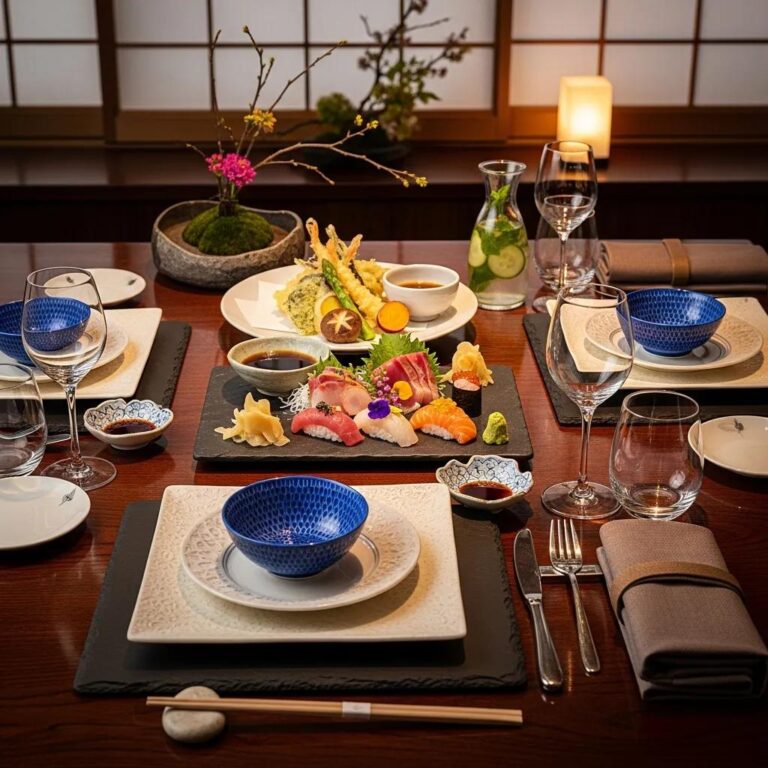
Omakase is a chef‑led tasting sequence in which the kitchen selects each course to spotlight seasonality, technique, and provenance, creating a narrative flow that leads guests through contrasting textures and flavors. The principle at work is deliberate sequencing: light sashimi and palate‑cleansing bites open the meal, while richer, longer‑finished preparations—like Wagyu or lacquered fish—arrive later to build tension and satisfaction. The advantage for guests is a personalized, exploratory evening where service, presentation, and ingredient sourcing cohere into a single experiential arc. In luxury settings, omakase is amplified by limited seating, elevated table staging, and sommelier‑paired beverages, shifting the focus from a simple dinner to a collectible lifestyle event. These features naturally lead into how premium ingredients such as A5 Wagyu and caviar are positioned and prepared to maximize their impact within the tasting progression.
When omakase intersects with fashion, collaboration between the culinary team and visual designers matters. The next section explains how course placement, preparation, and pairing let rare ingredients shine without breaking the evening’s narrative.
How Does Omakase Showcase Premium Ingredients Like A5 Wagyu and Caviar?
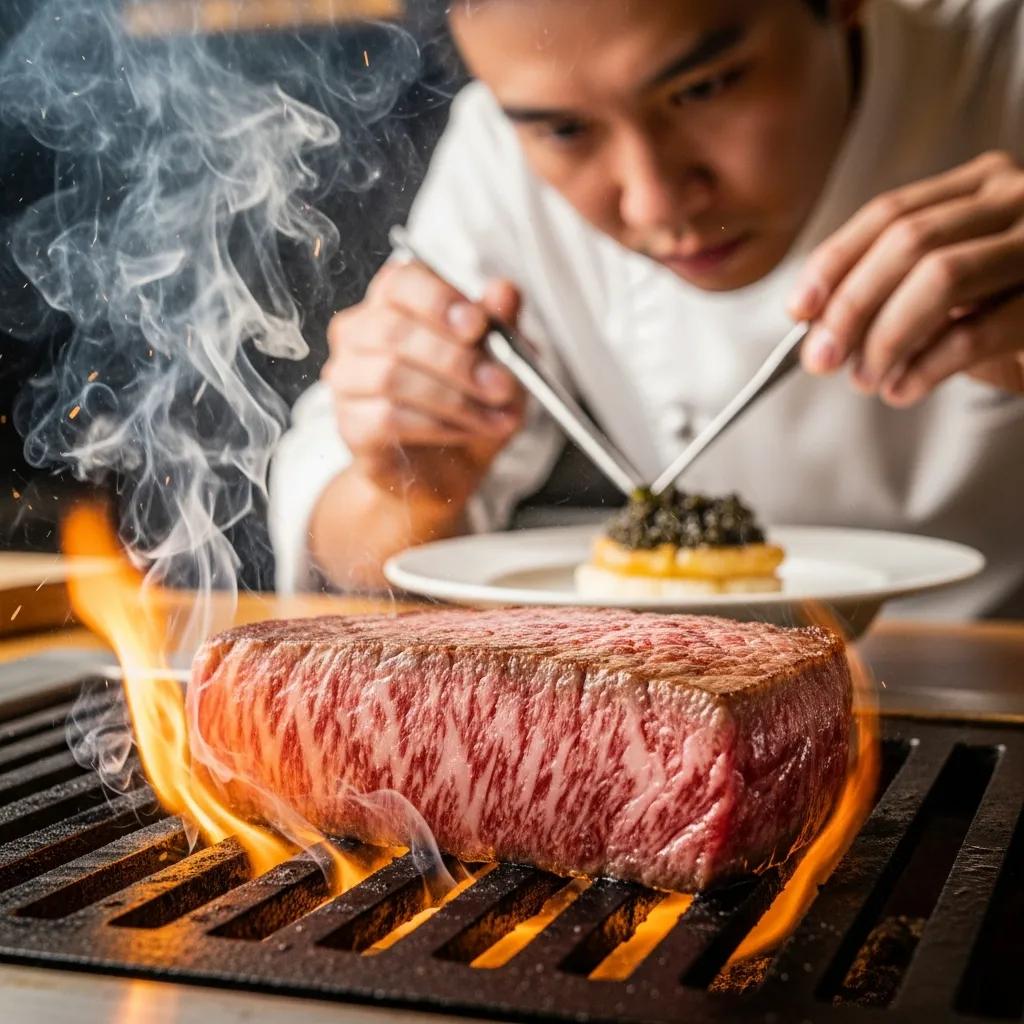
Chefs time premium ingredients so each arrives when texture and temperature reveal their best qualities—this sequencing is how A5 Wagyu and caviar make the strongest impression. Delicate caviar often appears early as a finishing accent on a chilled amuse‑bouche or sashimi course, where cold temperature and saline lift complement subtle raw fish textures. A5 Wagyu is typically reserved for a later course so a quick, high‑heat sear and careful resting let the marbled fat deliver deep umami richness. Beverage pairings support this arc: lighter, mineral sakes or crisp wines lead, while fuller sakes or lightly chilled reds accompany the Wagyu to preserve clarity throughout the meal. Intentional placement creates memorable contrast that reinforces the chef’s narrative rather than interrupting it.
To make these choices more tangible, the table below compares signature treatments of these luxuries to help diners choose the sequence that suits their preferences.
This comparison shows how chefs use texture, temperature, and pairing to let premium items sing inside an omakase sequence—and how those choices become signature moments at exclusive events.
Why Is Omakase Dining a Luxury Lifestyle Event in Pasadena?
Omakase reads as a luxury lifestyle event because it transforms dinner into an exclusive, attention‑intense performance for guests who value rarity, personalization, and cultural distinction. Two dynamics create that effect: visible ingredient provenance and technical execution, and operational scarcity—limited seats and curated guest lists—that elevate perceived value. For Pasadena audiences who prize culturally rich, collectible moments, omakase links culinary craft to lifestyle identity by offering a private, narrative‑driven evening rather than a transactional meal. The experiential trend continues to favor immersive, branded events where food signals both taste and social intent, which leads us to the signature dishes that crystallize this premium positioning.
Next, we examine the specific signature courses where A5 Wagyu and caviar become headline moments in fashion‑inspired menus.
Which Signature Dishes Feature A5 Wagyu Steak and Luxury Caviar Dishes?
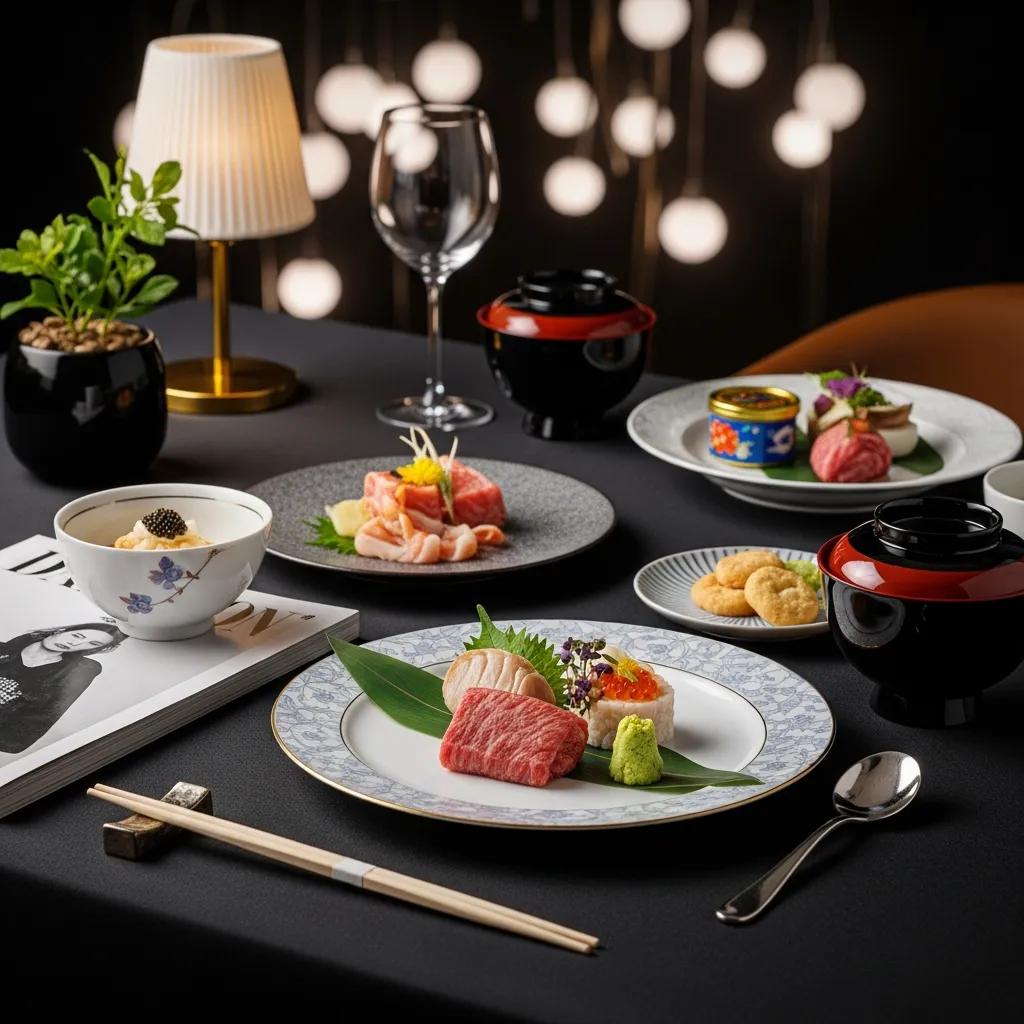
Signature dishes in fashion‑forward omakase combine sensory detail with provenance, offering a short list of standout items that set an event’s tone. These courses balance showmanship and restraint so each plate reads like a couture look: selected, precise, and revealed at the right moment. The result is a menu where a caviar‑finished bite serves as a high‑gloss accessory and a lacquered A5 Wagyu course functions as the evening’s sculptural centerpiece. Clear descriptors help guests set expectations and choose pairings.
Kaviar’s curated menus follow this approach, featuring omakase sequences that highlight A5 Wagyu and thoughtfully presented caviar preparations; guests should consult the venue’s current menu and reservation channels for availability. The table below compares three signature preparations by technique and recommended accompaniment to guide selections.
These comparisons clarify how each signature item functions within the tasting arc, helping guests choose seating and timing for events that spotlight single‑item showpieces.
What Makes A5 Wagyu Steak Pasadena’s Premium Culinary Highlight?
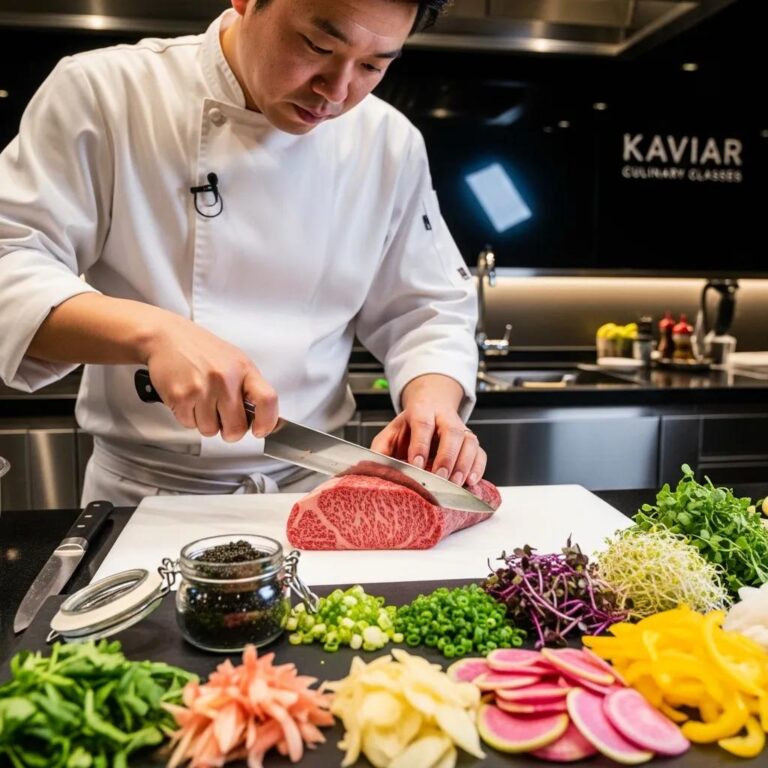
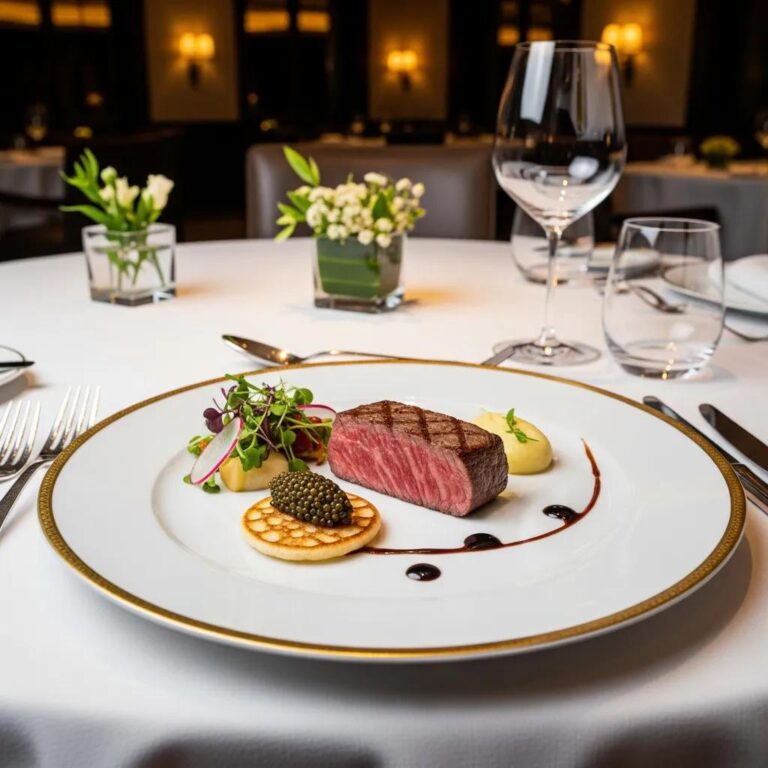
A5 Wagyu is prized for extreme marbling and a buttery mouthfeel; its grading denotes exceptional fat distribution that gently melts on the palate and yields a long, savory finish. Technique favors minimal intervention: precision searing to render fat while keeping the interior tender, a short rest to stabilize juices, and careful slicing to highlight texture. Diners prize this preparation because it delivers contrast—a caramelized exterior with an almost melt‑in‑the‑mouth center—that showcases umami without heavy seasoning. In Pasadena’s luxury dining scene, A5 Wagyu often anchors the tasting as the course that signals the evening’s culmination, which naturally leads to how caviar complements these standout dishes.
How Are Luxury Caviar Dishes Curated for Fashion‑Inspired Events?
Curating caviar for fashion‑dining events involves selecting varietals for nuanced flavor and presenting them in small formats that match runway pacing and visual motifs. Chefs choose caviar types—briny and assertive or delicate and nutty—based on the menu arc, then craft plating that echoes fashion cues: monochrome spoons, geometric blinis, or mirrored elements that play with light. Pairings tend to be spare: chilled sake, light Champagne alternatives, or subtle citrus accents that never overpower the roe. The curator’s aim is to make caviar both a focal point and a modular element that can be woven through the menu, sustaining continuity between culinary and visual storytelling.
With signature items and curation covered, the article now explores how fashion and lifestyle collaborations shape event formats and guest experience.
How Does Kaviar Integrate Fashion and Lifestyle Collaborations into Dining Events?
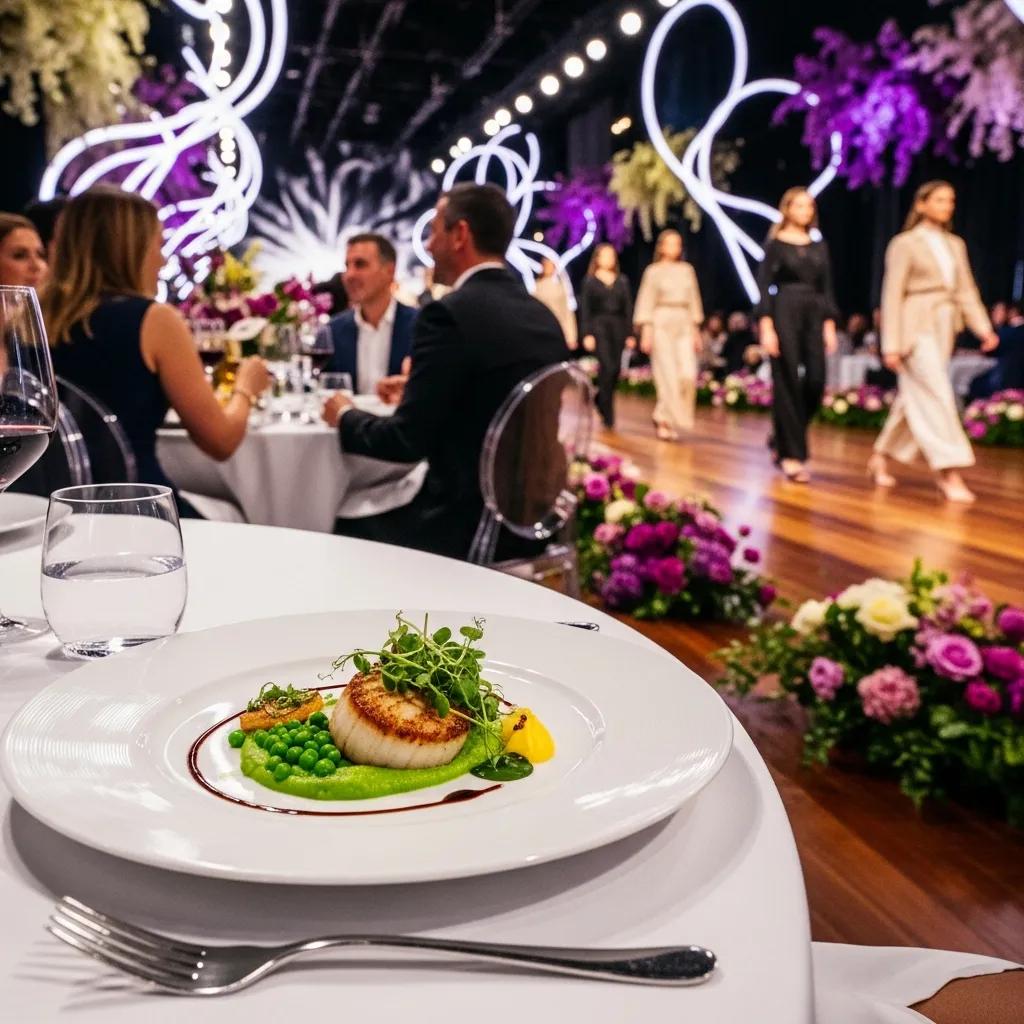
Bringing fashion into dining requires alignment across menu design, staging, timing, and guest flow so culinary and visual storytelling move together. The mechanism is cross‑disciplinary collaboration: chefs, stylists, lighting designers, and music directors co‑design sequences so each course corresponds to a moment in the event’s fashion rhythm—entrance, reveal, climax, and denouement. The payoff is a coherent guest experience where food is integral to the show, increasing emotional resonance and shareability. Concrete formats include runway‑paired dinners, designer pop‑ups, and themed omakase nights that borrow motifs from seasonal collections, which sets the stage for the elemental components that make fashion‑meets‑food succeed.
To illustrate how formats differ and what guests can expect, the table below maps event types to fashion elements and likely guest outcomes.
This mapping helps planners choose formats that match audience expectations and operational realities, and it leads into a practical checklist of elements required for successful execution.
What Are the Elements of Fashion Meets Food in Exclusive Dining Experiences?
Successful fashion‑dining events rest on coordinated design, sensory staging, and operational precision—each element contributes to a single, polished impression. Design features include runway or focal staging, curated seating for optimal sightlines, and dress cues that set guest expectations. Sensory staging uses lighting, a carefully measured soundtrack, and subtle scent layering to shift mood between courses. Menu coordination times plating rhythm with fashion moments so a runway reveal and a signature course arrive in harmony. Operationally, timing is critical: service must accommodate show pauses and transitions without compromising food quality. These considerations form the checklist event teams use to brief vendors and prepare multimedia documentation that amplifies the evening’s exclusivity.
How Do Multimedia Galleries Showcase Event Exclusivity and Ambiance?
Multimedia galleries act as archive and marketing asset; they should be sequenced to mirror the evening’s narrative—entrance, progression, climax, and afterglow. Recommended assets include high‑resolution photos of signature courses, short behind‑the‑scenes films capturing chef‑designer collaboration, and captioned images noting ingredient provenance or designer intent. Captions serve as provenance notes—linking a caviar varietal to its origin or explaining a garment’s inspiration—while brief interview clips with the chef and designer provide context and authority. Together, these assets form a multimedia package that increases demand for future events and supplies authentic social proof aligned with a luxury lifestyle audience.
With multimedia strategy in place, the practical next step is securing a seat; the following section outlines reservation logic for limited‑seat events.
What Is the Reservation Process for Exclusive Dining Events in Pasadena?
Booking a seat at a limited omakase or fashion‑dining event requires early planning, clear communication of guest needs, and familiarity with venue policies such as deposits and seat limits. The basic steps are simple: identify the event, submit a reservation request or deposit, and provide essential guest information—including dietary restrictions—well ahead of the event so the kitchen can prepare. The immediate benefit is confirmation and pre‑event guidance that sets expectations for arrival time, dress code, and pacing. Below is a practical reservation guide that aligns with how luxury venues typically manage limited‑seat events.
- Monitor event announcements: Join mailing lists for priority access and early notices.
- Request or book early: Limited seating often sells out—early booking improves availability.
- Provide guest details: Share dietary restrictions and special occasion notes at booking.
- Confirm deposit/cancellation terms: Understand timing and deposit requirements to secure your seat.
- Arrive punctually and prepared: Follow arrival instructions and attire guidance to enjoy the full experience.
Following these steps increases your chance of securing a seat and helps the kitchen tailor the omakase for your party. The table below breaks down each reservation step with practical tips and expected outcomes.
Understanding these steps leads naturally to tactical tips that improve success rates for high‑demand events, which the next subsection covers.
How to Secure a Spot for Luxury Omakase and Fashion Dining Events?
Securing a seat often comes down to timing and channel choice: early RSVP, joining priority lists, and using concierge or private inquiry options when available. Practical tactics include subscribing to event announcements, monitoring social channels for limited releases, and considering private bookings for guaranteed availability during peak periods. Communicating dietary needs and celebration details at booking helps the kitchen personalize courses and signals commitment to the reservation. These approaches increase your likelihood of attendance and allow the venue to deliver a tailored, fashion‑integrated tasting sequence.
What Are the Benefits of Seamless Reservation Options at Kaviar?
A clear reservation system builds confidence: confirmations, pre‑event notes, and transparent deposit policies reduce uncertainty and let the kitchen finalize sourcing and sequencing. Guests receive personalized pre‑event communication that captures allergies, seating preferences, and celebration notes—details the service team uses to shape the omakase arc. For luxury events, secure booking and clear cancellation terms protect both guest and venue from last‑minute changes and reinforce a premium experience. Patrons ready to reserve for exclusive evenings are encouraged to use Kaviar’s reservation channel to confirm availability and submit special requests.
To simplify action: follow the numbered reservation steps above and supply complete guest information when booking so the team can design the ideal couture‑cuisine evening.
Why Choose Kaviar for Luxury Japanese Fine Dining and Exclusive Events?
Kaviar stands at the intersection of precise Japanese fine dining and curated lifestyle events, pairing chef‑driven omakase sequences with formats that welcome fashion collaborations and multimedia storytelling. Our differentiator is a commitment to ingredient provenance—A5 Wagyu and curated caviar among them—and an integrated approach where culinary pacing and visual presentation are conceived together. For guests seeking a luxury lifestyle evening in Pasadena, this alignment delivers memorable nights that emphasize exclusivity, sensory cohesion, and attentive service. The following sections summarize public sentiment and offer comparative context without inventing direct quotes or awards.
What Do Testimonials and Press Mentions Reveal About Kaviar’s Prestige?
Public commentary around specialized venues like Kaviar tends to emphasize craftsmanship, exclusivity, and meticulous service rather than numeric scores. Reviews commonly note the chef’s attention to provenance, the immersive quality of themed events, and the personalized service that supports fashion‑dining collaborations. When we summarize these themes, we avoid fabricating quotes; instead, we paraphrase recurring motifs—refined plating, rare ingredient selection, and curated pacing—to convey the venue’s standing. These thematic summaries help prospective guests judge whether our approach matches their expectations for a luxury lifestyle experience.
How Does Kaviar Compare to Other Luxury Dining Venues in Pasadena?
Compared with conventional high‑end restaurants, a venue focused on fashion integration and omakase sequences differentiates through event specialization, intentional scarcity, and cross‑disciplinary collaboration. Practical differences include curated programming, smaller seat counts for highly personalized service, and multimedia‑forward presentation that supports editorial storytelling around each event. Operational strengths often include reservation systems tuned to event pacing and preference capture, producing a more orchestrated evening than a standard tasting menu. For diners seeking not just an excellent meal but a collectible, lifestyle‑oriented evening that balances fashion and food, Kaviar offers a clear choice.
Choosing a specialized venue means aligning expectations with the restaurant’s format and confirming reservation details early to secure the curated experience you want.
Frequently Asked Questions
What is the significance of the omakase dining experience in Japanese culture?
Omakase is rooted in Japanese culinary tradition and centers on trust between chef and diner. The phrase means “I leave it up to you,” inviting the chef to present the best seasonal ingredients and their creativity. Beyond technique, omakase fosters a personal connection: each course is selected to create a thoughtful narrative. In short, omakase is about experiencing the chef’s artistry and the rhythm of the season.
How can I prepare for an omakase dining experience?
Prepare by familiarizing yourself with the restaurant’s style and menu approach, and share any dietary restrictions when you reserve. Come with an open mind and a readiness to explore new flavors—this will deepen your appreciation. Consider following the restaurant’s beverage recommendations, as curated pairings are part of the intended experience.
What types of beverages are typically paired with omakase meals?
Omakase pairings are chosen to enhance the meal’s flow. Sake is a common choice, ranging from light and mineral to rich and complex depending on the course. Wine—usually white or lighter reds—may be used, and some venues offer cocktails designed to complement specific dishes. The objective is balance: each sip should lift the food without overpowering it.
Are there any etiquette tips for dining at an omakase restaurant?
Respect for the chef’s craft is key. Avoid excessive special requests that could disrupt the curated sequence; instead, note dietary needs in advance. Savor each course as presented and limit phone use to preserve the immersive atmosphere. Engaging politely with the chef or staff about the dishes often enriches the experience.
What should I expect in terms of pricing for an omakase experience?
Pricing varies with reputation, ingredient quality, and course count. Expect a premium at high‑end venues—especially when menus include A5 Wagyu and caviar. Prices can range from several hundred dollars per person upward for exclusive events. Check the restaurant’s site or contact the team directly for current pricing and details on beverages or gratuity.
How often do omakase menus change at restaurants like Kaviar?
Omakase menus typically change regularly to reflect seasonal produce and the chef’s evolving creativity. Many venues introduce themed menus or limited‑time offerings tied to events or collaborations. Frequent menu rotation encourages repeat visits and deeper engagement with the chef’s work over time.
Conclusion
Dining at Kaviar in Pasadena offers a refined balance of culinary craft and fashion‑forward presentation, turning select evenings into memorable luxury experiences. Guests enjoy carefully curated omakase sequences that showcase premium ingredients like A5 Wagyu and caviar within a narrative‑driven atmosphere. By understanding event formats and the reservation process, you can secure a seat for an exclusive night that celebrates both food and fashion. Explore Kaviar’s current offerings to elevate your next dining occasion in Pasadena.