



The Ancient History of Winemaking: Origins, Techniques, and Cultural Legacy
Winemaking began when communities first tended wild vines and turned grapes into fermented beverages — a practice rooted in the Neolithic that shaped agriculture, ritual, and daily life. This piece traces where winemaking began, summarizes the archaeological evidence that supports those origins, outlines the practical techniques of antiquity, and explores how wine influenced trade, ceremony, and food through the ages. If you appreciate continuity of place and flavor, Kaviar brings that sensibility to the table: our beverage program pairs thoughtfully selected wines and sake with signature caviar and seasonal ingredients to honor provenance and craft. Readers curious about the material culture behind ancient wine — the vessels, presses, and chemical traces — and the social drivers that made wine central to exchange and ritual will find clear explanations here. We start with the earliest production sites, follow wine’s civic and ritual roles in different cultures, examine ancient tools and techniques, chart Roman and later diffusion, and finish by connecting these histories to contemporary fine-dining pairings.
Where Did Winemaking Originate? Exploring the Earliest Wine Production Sites
Current evidence points to the South Caucasus as the cradle of winemaking, with signs of managed grape use and fermentation as early as 6000–5800 BCE. Chemical residues on pottery, charred seeds, and press installations together indicate intentional production rather than occasional consumption. This region matters because multiple, well-dated sites show domestication traits alongside production architecture and vessel residues, documenting a clear shift from gathering wild grapes to organized viticulture. Archaeologists combine radiocarbon dating on grape pips, organic residue analysis of ceramics, and excavation of presses to show that communities in what is now Georgia, Armenia, and neighboring Iran cultivated vines and made fermented grape beverages. That continuity shaped local varietals and vessel traditions and later influenced Mediterranean and Near Eastern practices through trade and migration. The table below summarizes key sites, dates, and the types of evidence researchers cite when tracing these earliest winemaking activities.
The table below lists major archaeological sites, their approximate dates, and the types of evidence that support early winemaking in the South Caucasus and nearby regions.
Taken together, residue chemistry, botanical remains, and structural features make a strong case for a South Caucasus origin and set up a closer look at the archaeological methods that produced these conclusions.
What Archaeological Evidence Reveals About South Caucasus Origins
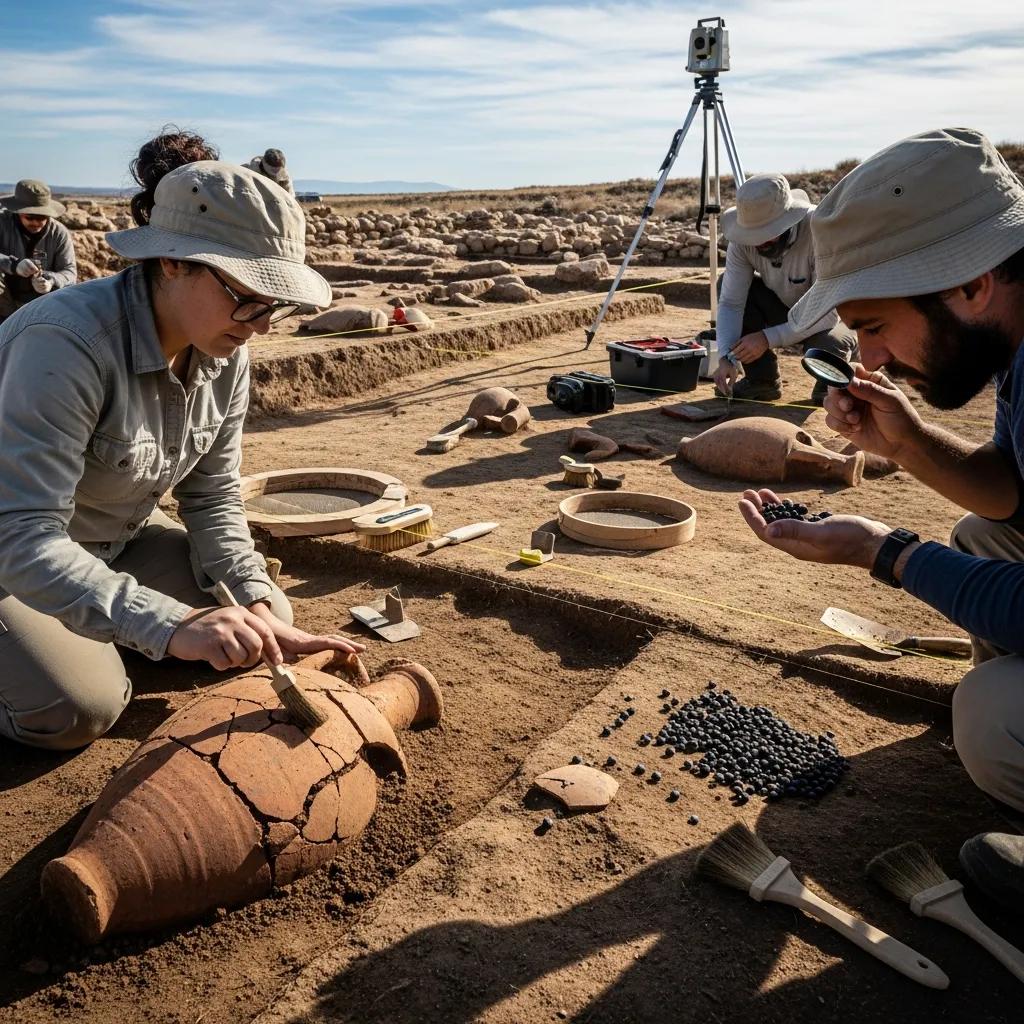
Residue analysis and radiocarbon dating form the backbone of the argument for the South Caucasus. Scientists detect tartaric acid and other grape biomarkers in ancient pottery, then date associated carbon to build a secure timeline. Chemical markers that are rare in other plants link vessels to grape products, while radiocarbon dates on seeds or charcoal anchor those traces in time. Excavations at Areni-1 revealed pressed floors, fermentation pits, and storage jars — a suite of finds that points to organized production rather than incidental consumption — and similar patterns appear elsewhere in the region. Archaeobotanical studies of seed size and vine morphology document human-driven selection, supporting a transition from foraging to deliberate viticulture. These methods explain why many researchers accept the South Caucasus as an early, reliable center of winemaking.
How Georgia, Armenia, and Iran Shaped Ancient Viticulture
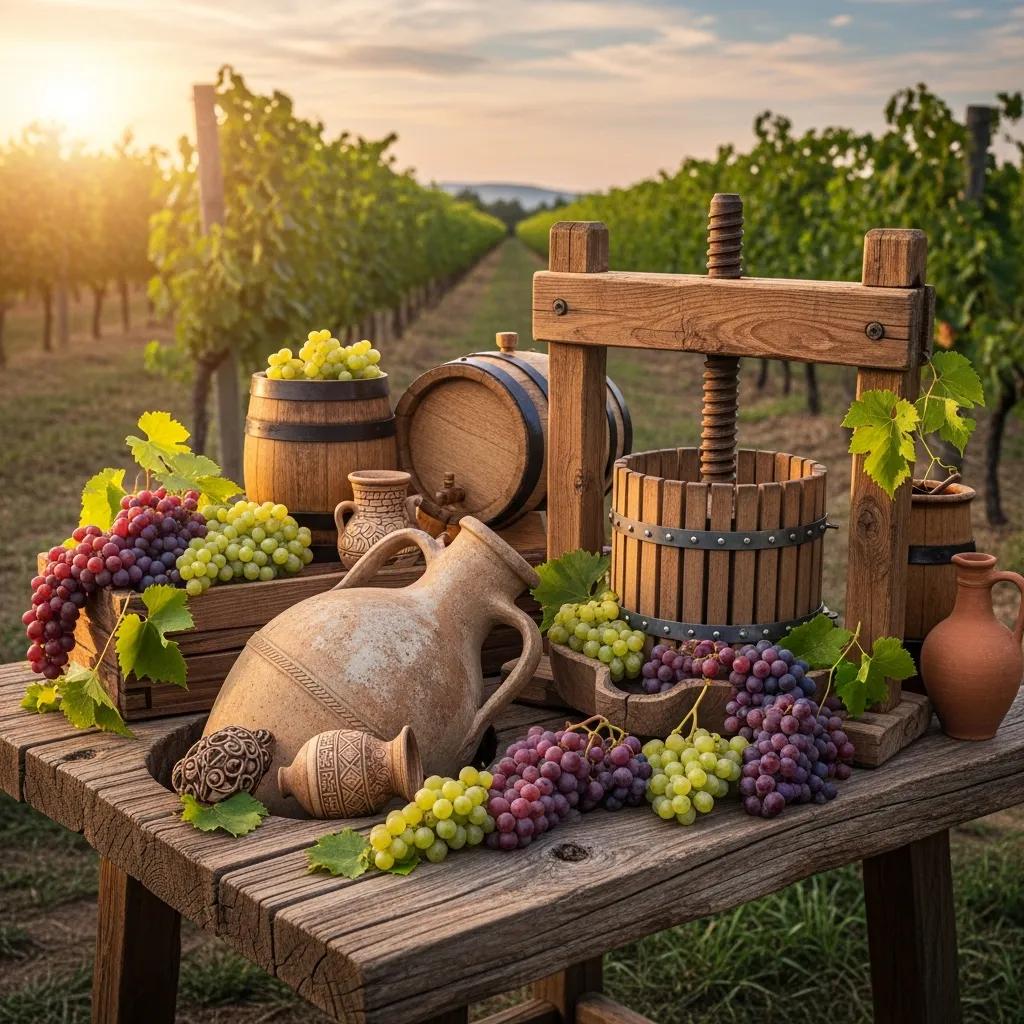
Local materials and cultural practices produced distinct winemaking signatures across Georgia, Armenia, and Iran. Georgia’s qvevri tradition — large clay vessels buried for fermentation and storage — preserves an in-ground processing method that affects tannin extraction and maturation, while Armenia and Iran show above-ground ceramic jars and press installations as alternative technical solutions. Variations in terrace farming, irrigation, and vine management reflect environmental constraints and social organization, shaping grape selection and yield. These regional methods spread through trade, colonization, and ritual exchange, creating a palette of practices that later influenced Mediterranean viticulture. Mapping these local traditions clarifies how ancient viticulture diversified into the many lineages we see in later historical eras.
How Did Ancient Civilizations Influence the History of Wine?
Ancient societies transformed wine from a household beverage into a symbol of status, a ritual offering, and an economic good — embedding viticulture within religion, law, and commerce. Wine appears in temple offerings and tombs, marks elite dining, and functions as a taxed commodity used in trade and diplomacy. These cultural roles drove innovations in storage, labeling, and ceremonial practice and are well documented in texts and imagery that record wine’s place in myth and social life. The subsections that follow examine specific cultural contexts — from Egyptian ritual to Greek symposium culture — to show how different societies integrated wine into core institutions.
The list below highlights the principal cultural roles wine played in ancient societies and frames the case studies that follow.
- Ritual Offering: Wine appears as votive and funerary gifts to deities and ancestors.
- Social Marker: Patterns of consumption signaled class, privilege, and access.
- Economic Commodity: Wine operated as trade goods, tax items, and diplomatic gifts.
These functions help explain why technical refinements and trade networks evolved alongside changing social needs — a theme we explore in the civilization-focused sections below.
What Role Did Wine Play in Ancient Egypt’s Rituals and Royalty?
In ancient Egypt, wine carried ceremonial and medicinal weight: it appears in tomb offerings, temple rites, and medical papyri where it serves both sacred and practical purposes. Tomb inscriptions sometimes label jars for particular deities or individuals, suggesting controlled production and specialized vintages. Archaeologists have recovered amphorae and residues consistent with grape products in burial contexts. Medical texts reference wine as a solvent and antiseptic, while royal provisioning and grave goods mark wine as a status symbol, often tied to imported or specially produced varieties. These practices demonstrate how symbolic demand could accelerate technical innovation in production and storage, and they illuminate the links between agricultural specialization, ritual economy, and social hierarchy.
How Did Greek Culture and Dionysus Shape Early Winemaking?
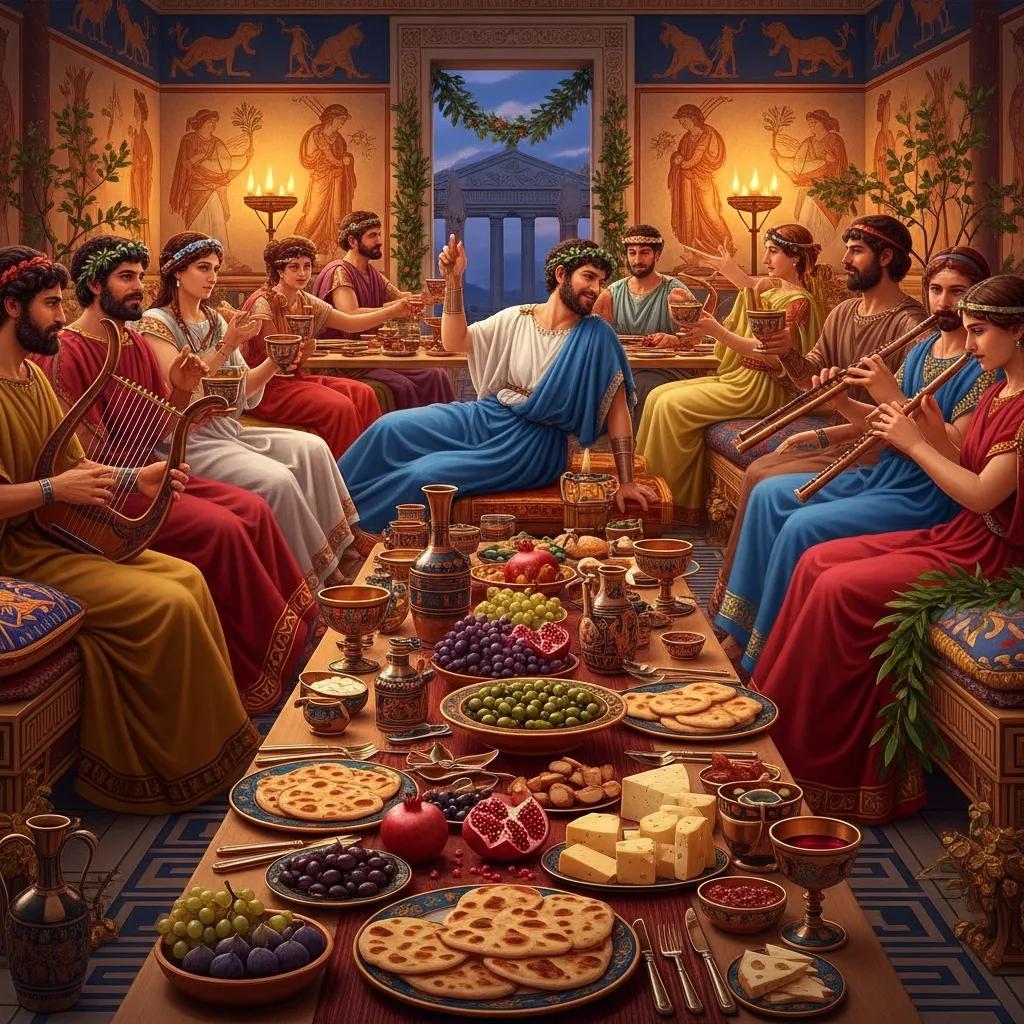
In Greece, wine was woven into civic life through the symposium — a structured gathering that blended conversation, ritual, and entertainment — and through the cult of Dionysus, which sacralized viticulture and intoxication. Pottery iconography like kraters and kylixes records both everyday use and ceremonial contexts, while Greek colonies exported vines, vessel styles, and know-how across the Mediterranean. Literature and drama reflect social norms for dilution, moderation, and the symbolic links between wine and civic identity. The symposium’s institutionalized drinking practices created steady demand for vintages and encouraged innovations in storage and transport that later informed Roman methods. These cultural mechanisms show how ritual and social organization can shape production and distribution patterns.
What Were the Ancient Winemaking Techniques and Tools?
Ancient winemaking combined harvest strategy, mechanical pressing, spontaneous fermentation, and tailored storage to turn grapes into stable beverages. Typical stages included selective harvest and sorting, crushing to extract must, fermentation (often inoculated by ambient yeasts), and transfer to sealed containers for aging or transport — each step shaped by local materials and climate. Tools such as presses, amphorae, and qvevri served both processing and preservation roles: clay, wood, and stone affected oxygen exchange, tannin extraction, and spoilage risk. The table below compares principal vessels and tools, their materials, and their main functions to clarify how material choices influenced outcomes.
This comparison shows why certain vessel types endured or re-emerged in traditional practices.
Material choice directly influenced fermentation dynamics and flavor outcomes, underscoring the interplay between tools and desired beverage character.
The numbered list below outlines the basic stages of ancient winemaking and links each stage to its archaeological signature.
- Harvest and Sorting: Grapes were selected and culls removed; botanical remains reflect these choices.
- Crushing and Pressing: Foot crushing or mechanical presses yielded must; press installations appear at sites like Areni-1.
- Fermentation: Spontaneous fermentation by ambient yeasts took place in open or sealed vessels; residue chemistry reveals fermentation markers.
- Storage and Aging: Amphorae, qvevri, and sealed jars supported maturation and transport; coatings and seals reduced spoilage.
Each technical decision — vessel form, press method, storage approach — left material traces that shaped the wine’s final profile. The next section traces how fermentation control and storage techniques evolved over time.
How Did Fermentation and Storage Methods Evolve in Antiquity?
Fermentation began as a mostly spontaneous process driven by ambient yeasts, but producers gradually learned to shape conditions — temperature, vessel exposure, sealing — to encourage consistent, desirable fermentations. Archaeological chemistry identifies by-products such as tartaric and malic acids that indicate fermentation and allow inferences about environment and handling. Vessel choice and burial versus above-ground placement affected oxygen exposure and maturation. Techniques like resin coatings, sulfur fumigation, and pitch linings developed to preserve wine during transport and storage, limiting spoilage and sometimes adding characteristic flavors. These practical innovations represent a long, empirical move toward control over fermentation well before microbiology, demonstrating how material culture and environmental management improved wine stability and quality and enabled larger-scale commerce.
What Materials and Vessels Were Used in Early Wine Production?
Clay amphorae and qvevri, wooden vats, and stone presses formed the core toolkit of ancient production. Clay offered inert surfaces that could be sealed or buried to limit oxygen, while wood provided gentle micro-oxygenation and flavor influence; stone and timber presses supplied the mechanical leverage needed for efficient extraction. Changes in amphora shape reflect evolving needs for storage and transport, and vessel coatings like pitch, resin, or wax show early strategies for waterproofing and microbial control. These material choices affected tannin extraction, oxidation, and aroma development and shaped regional taste preferences; they also influenced trade decisions, since certain containers were better suited to long-distance shipping. Understanding these constraints helps explain the sensory signatures of historical wines.
How Did the Roman Empire Expand and Transform Wine Culture?
Rome scaled viticulture and wine trade through vineyard expansion, standardized shipping containers, and written agronomy that codified best practices, creating systems that sustained supply across a vast empire. Romans planted vineyards in conquered provinces, refined presses for efficiency, and used amphora typologies to regulate commercial transport — measures that improved production and distribution. Administrative practices such as taxation, state provisioning, and agricultural manuals by authors like Pliny and Columella guided varietal selection and terrace cultivation, increasing yields and specialization. Wine permeated daily diets as well as elite banqueting, with different consumption norms across classes affecting demand and prompting technical responses in cellaring and blending. Rome demonstrates how institutional scale and organization accelerate technological standardization and build durable trade networks.
What Innovations Did Rome Introduce to Viticulture and Trade?
Roman advances combined practical agronomy, mechanical refinement, and trade standardization. Agronomists documented pruning, grafting, and terracing techniques; presses were improved for better extraction; and amphora shapes and stamped handles standardized capacity and origin for transport. Written manuals spread best practices for soil and varietal management, helping estate managers optimize yield across diverse regions. Standardized containers and marks functioned as early logistics tools and quality signals, enabling predictable commerce across Mediterranean routes. These innovations increased production reliability and nurtured markets for specialized wines, linking technical change directly to commercial expansion and long-distance trade.
How Did Wine Influence Roman Social and Culinary Practices?
In Rome, wine was both a daily beverage and a culinary ingredient, woven into meals, remedies, and hospitality rituals that reflected social rank. Elite banquets highlighted rare vintages and elaborate pairings; ordinary households commonly drank diluted or local wines, with refinement signaling status and access to imports. Wine was used in sauces and cooking, acted as a preservative or flavoring, and appeared in medical recipes — underscoring its multifunctional role. Regulatory measures like taxes and production quotas tied wine to state interests, shaping consumption patterns and economic policy. These practices show how a beverage can influence diet, law, and social distinction all at once.
How Did Wine Spread Globally from Ancient Times to Today?
Wine spread by maritime trade, colonization, and institutional preservation: seafaring merchants carried amphorae and vine knowledge along coasts; Greek and Roman colonies planted vineyards and transferred techniques; medieval monasteries preserved and refined practices that later formed the backbone of European traditions. Each vector — commercial shipping, settlement-driven agricultural transfer, and institutional stewardship — helped redistribute grape varieties and methods, allowing wine to take root in diverse climates and culinary systems. Over centuries, local adaptation produced distinct regional styles and varietals, while improvements in storage, transport, and oenology accelerated quality and global reach. The history of diffusion shows how mobility, memory, and local innovation turned a regional craft into a worldwide industry.
The list below summarizes the main historical mechanisms that spread viticulture and wine culture.
- Maritime Trade: Seafaring merchants moved amphorae, vines, and techniques along coastal routes.
- Colonization and Settlement: New settlements introduced viticulture to fresh agricultural zones.
- Institutional Preservation: Monasteries and religious orders maintained vineyards and written knowledge through turbulent periods.
Together, these forces shaped the pathways through which winemaking knowledge traveled and evolved, setting the stage for modern varietal diversity and global markets.
What Was the Phoenician Role in the Global Spread of Wine?
Phoenician traders were instrumental in spreading wine culture across the Mediterranean and into Atlantic ports: their amphorae, shipwrecks, and port deposits show repeated long-distance movement of wine as a commodity. Phoenician networks linked distant markets and introduced vine cultivation to colonial outposts, facilitating both technical exchange and adaptation of varietals to local soils. Archaeological finds highlight the scale and regularity of this commerce, underscoring the Phoenicians’ role in creating interregional demand and supply systems long before modern shipping. Their maritime activity helps explain how wine became a widespread staple across coastal civilizations.
How Did Medieval Monastic Winemaking Preserve Ancient Traditions?
Medieval monasteries preserved and developed viticultural knowledge through record-keeping, vineyard management, and continued winemaking for liturgical and economic purposes. Monastic libraries transmitted treatises on pruning, grafting, and cellar technique, while monasteries themselves often acted as centers of experimentation suited to local microclimates. In times of upheaval, these institutions provided continuity, ensuring that vessel use, cellar management, and basic oenological practices survived and evolved. By documenting outcomes and standardizing certain methods, monastic stewardship played a major part in viticulture’s recovery and expansion during the High Middle Ages, linking ancient practices to emerging regional traditions.
How Does Ancient Wine History Connect to Modern Luxury Dining at Kaviar?
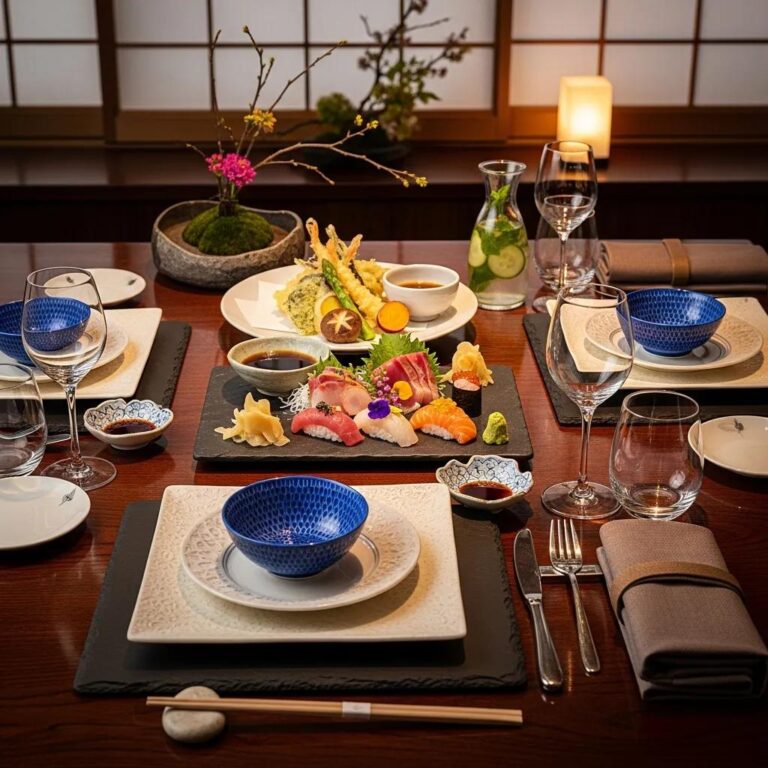
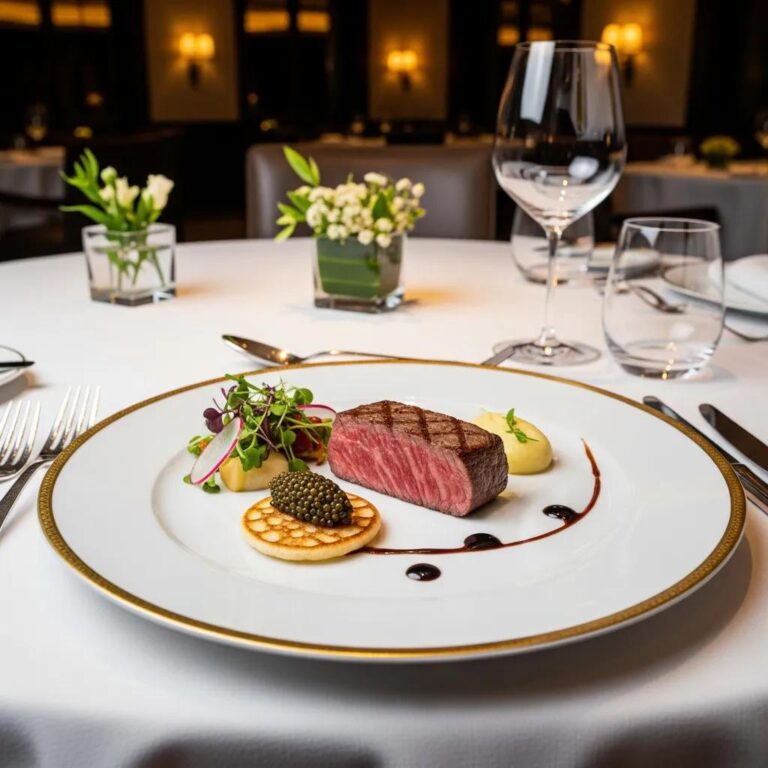
The long arc of wine history meets modern fine dining through provenance-led curation, pairing philosophies that honor origin and texture, and service rituals that echo hospitality traditions. At Kaviar, we channel those continuities in our Pasadena dining room: a refined Japanese experience that pairs sake, wine, and craft cocktails with signature caviar, A5 Wagyu, and omakase sequences. Our sommeliers map historic regions and stylistic traits to contemporary bottles, matching texture, acidity, and tannin to Japanese ingredients with both technical care and cultural sensitivity. Guests hosting private events, joining sushi classes, or enjoying omakase can request pairings that reference Mediterranean or old-world styles while preserving the subtlety central to Japanese cuisine. Reservations and pairing requests are available by phone, RESY, and OpenTable — our team helps translate provenance into the immediate pleasure of the plate.
Below, a practical mapping links historical regions and styles to modern wine characteristics and pairing suggestions aligned with Kaviar’s menu philosophy; the table helps diners choose bottles that reflect provenance while complementing Japanese preparations.
This provenance-focused framework guides Kaviar’s pairings by linking ancient stylistic roots with contemporary sensory profiles, helping sommeliers and guests make informed choices that honor both history and menu intent.
The three pairing principles below distill historical practice into practical guidance for Japanese fine dining at Kaviar.
- Balance of Texture and Tannin: Match structured, tannic wines with fattier courses like A5 Wagyu to create contrast and refresh the palate.
- Acidity for Cleansing: Choose bright, high-acid wines or crisp sake with sashimi to lift delicate flavors and cut richness.
- Provenance Resonance: Select wines whose regional character echoes a dish’s earthy or briny notes, connecting past and plate.
Kaviar’s attentive service and curated beverage program let guests experience these connections firsthand — through private events that trace pairing narratives or sommelier-guided omakase sequences that draw explicit lines between ancient winemaking legacies and contemporary craft. Reservations can be made by phone, RESY, or OpenTable to request specialized pairings or sushi-class participation, ensuring provenance, presentation, and hospitality are woven into every visit.
What Historical Wine Regions Inspire Kaviar’s Curated Wine List?
Our wine selection favors old-world regions whose cultural and technical lineages reach back to antiquity — styles that pair naturally with Japanese ingredients. South Caucasus-influenced bottles tend toward earthiness and structure, making them excellent with caviar and Wagyu; Mediterranean whites and rosés, with saline minerality and herbal lift, suit seafood and sashimi; Bordeaux and Burgundy traditions, refined through monastic and estate practice, offer balanced acidity and oak that work well with cooked courses and layered sauces. By referencing these regions, Kaviar’s sommeliers curate bottles that resonate with the textures and flavors of our menu. Guests can view the full list and request pairing guidance when reserving by phone, RESY, or OpenTable.
How Does Kaviar Blend Ancient Wine Culture with Japanese Fine Dining?
Kaviar merges ancient wine traditions with Japanese culinary restraint by applying time-tested pairing logic — balancing acidity with fat, matching regional character to ingredient provenance — while preserving the aesthetic subtlety central to Japanese cuisine. We pair caviar specialties, premium A5 Wagyu, and omakase sequences with wines and sake chosen for complementary texture and nuance, and our service rituals recall the ceremonial aspects of historic wine consumption. Sommelier-led selections prioritize provenance, terroir expression, and classic pairing principles adapted for delicate flavors, so each beverage enhances rather than overwhelms. Guests may request specific pairing narratives or private-event curation when reserving via phone, RESY, or OpenTable; our team will design sequences that reflect both ancient practice and contemporary culinary artistry.
Frequently Asked Questions
What are the key differences between ancient and modern winemaking techniques?
Ancient winemaking relied largely on spontaneous fermentation with ambient yeasts and on simple tools like foot crushing and clay vessels. Modern winemaking typically uses selected yeast strains, temperature control, advanced equipment, and strict hygiene to produce more consistent, diverse profiles. Where ancient producers honed methods through observation and material choices, modern producers add scientific control to achieve predictability and stylistic range.
How did ancient civilizations use wine in their social practices?
Across cultures, wine served multiple roles: a ritual offering, a sign of status, and an economic commodity. In Egypt and Greece, wine featured in temples, funerary rites, and communal gatherings; in Rome it was central to meals and hospitality. These uses shaped consumption patterns, trade, and agricultural practice, embedding wine in religious, social, and economic life.
What archaeological methods are used to study ancient winemaking?
Archaeologists combine residue analysis (to detect compounds like tartaric acid), radiocarbon dating (on seeds or charcoal), and excavation of production sites (presses, storage features) to reconstruct ancient winemaking. Together, these methods reveal what vessels contained, when production took place, and how large-scale the operation was.
What impact did the Roman Empire have on wine production and trade?
Rome expanded vineyard planting, refined pressing and storage techniques, and standardized amphorae and trade practices, which improved production efficiency and supported long-distance commerce. Roman agronomy and administration promoted terrace cultivation, varietal selection, and distribution systems that shaped later European viticulture and commercial networks.
How did wine influence culinary practices in ancient cultures?
Wine functioned as both drink and ingredient — used in cooking, sauces, preservation, and medicine. In Roman cuisine, for example, wine appears in complex recipes and as a component of social dining. Its culinary and ritual uses reinforced wine’s integration into daily life and culinary traditions that echo into modern gastronomy.
What role did trade play in the spread of winemaking techniques?
Trade was central to the spread of viticulture: maritime merchants transported amphorae, vines, and know-how to new regions, enabling local adaptation and new varietal development. As networks expanded, demand rose and spurred innovations in storage and transport that furthered winemaking’s geographic reach.
How do modern dining experiences reflect ancient wine traditions?
Contemporary dining often reflects ancient priorities: attention to provenance, thoughtful pairing logic, and ceremonial service. At Kaviar, we translate those traditions into a modern context — pairing wines and sake to underscore texture, acidity, and origin — creating an experience that connects guests to winemaking’s long cultural history.
Conclusion
Studying the ancient history of winemaking reveals how deeply wine shaped culture, trade, and cuisine — influences that still inform how we pair and serve today. By tracing origins, techniques, and social roles, we gain a richer appreciation for the traditions that inform modern dining. If you’d like to taste those continuities firsthand, visit Kaviar Restaurant for curated pairings that honor these legacies. Make a reservation by phone, RESY, or OpenTable and savor the dialogue between ancient practice and contemporary luxury dining.