




How to Sear Scallops Like a Chef: Precision, Crust, and Fine‑Dining Finish
The ideal scallop pairs a deeply caramelized exterior with a tender, springy center — the balance that separates home cooking from restaurant execution. In this guide we break down everything that matters: choosing dry‑packed scallops, preparing and drying them for maximum crust, selecting the right pan and fat, and using timing and tactile cues to avoid overcooking. We also map tasteful, elevated pairings — from A5 Wagyu to a whisper of caviar — that bring scallops into a tasting‑menu conversation. Sections cover sourcing and quality markers, technique and equipment, a concise step‑by‑step workflow, pairing strategies, scallops in an omakase sequence, and straightforward answers to common questions. The goal: clear, chef‑level guidance that you can apply in the home kitchen or in service.
How to Select the Best Scallops for Perfect Cooking
Choosing the right scallops is the single most important factor for a reliable sear. Surface moisture, packing method and even thickness dictate how well a scallop will brown and how evenly it will cook. Prefer dry‑packed scallops — they haven’t been soaked in phosphates or extra water, so they brown instead of steam. Size matters: thicker diver scallops tolerate slightly longer contact with heat, while small bay scallops need a gentler, faster touch. Look for opaque, creamy flesh, a clean ocean scent and a firm adductor muscle; those cues predict texture and flavor once the pan is hot. Knowing these selection basics keeps surprises out of service and sets you up for consistent timing and finishing.
Different scallop types and packing methods require different handling; choose the specimen that matches your planned preparation to control cook time and crust development. The next subsection lists clear quality checks to use when buying.
What Quality Indicators Ensure Fresh and Premium Scallops?

Premium scallops show obvious sensory and packaging signs that predict performance in the pan. Fresh scallops smell briny and clean, not fishy or ammoniac. The flesh should be opaque with a creamy or pearlescent sheen; avoid translucent or dull pieces. A springy adductor muscle indicates good texture — slimy, tacky or mushy are immediate rejects. Labels matter: “dry” or “dry‑packed” means no added phosphates or excess water and will brown more readily; “wet” scallops often release moisture when cooked and tend to steam. Checking these details helps ensure a reliable Maillard reaction and a pleasing mouthfeel.
With these visual and tactile checks you’ll choose scallops that sear cleanly and taste bright. Next we cover where to source premium scallops locally.
Where to Source Scallops for Luxury Dining Experiences in Pasadena?
For restaurant‑level scallop dishes, prioritize traceability, freshness and suppliers familiar with fine‑dining standards. Specialty fishmongers and trusted seafood distributors that serve restaurants are the best bet — they can often supply dry‑packed diver scallops and advise on seasonality, harvest method and time‑from‑harvest. If you’re in Pasadena and seeking scallops for tasting‑menu execution, ask vendors about origin and packing; that information directly affects searing performance and texture. Kaviar Restaurant follows the same sourcing standards, working with suppliers who maintain strict handling, ice ratio and timing so the scallop’s delicate flavor and texture remain intact. Verifying those handling practices will improve your sear results.
Sourcing choices shape kitchen technique and timing. Next we explain how to manage heat, pans and fats to build the perfect crust.
What Are the Best Techniques to Sear Scallops Perfectly?
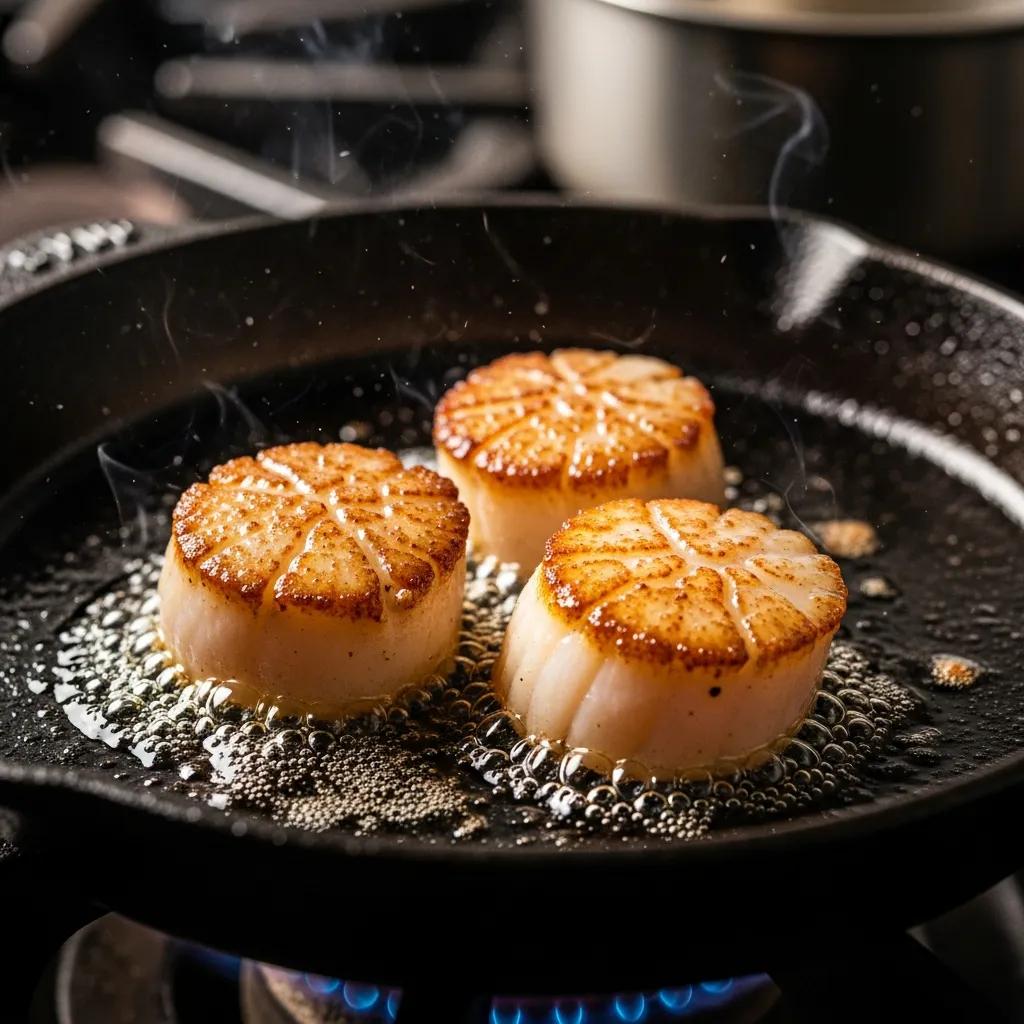
A perfect sear is a balance of surface temperature, pan choice, bone‑dry scallops and sensible fat management so the Maillard reaction delivers flavor without overcooking the center. Use a heavy‑bottomed pan — cast iron or stainless steel — that holds heat evenly; test it with a water bead or an oil shimmer. Salt just before searing to avoid drawing out moisture, and ensure the scallops are dry so protein and sugar hit the metal directly. Searing times are short and decisive: a hot contact for the proper number of seconds per side, then a brief butter baste off direct heat to add flavor without pushing the interior past doneness. Never crowd the pan — that drops the surface temperature and causes steaming instead of a crust. Work in small batches to preserve heat and consistent browning.
Below are practical readiness tips, followed by a prep checklist and timing guidelines to make results repeatable.
Equipment and readiness tips for searing scallops:
- Use a heavy, high‑heat pan (cast iron or stainless steel) that holds temperature evenly.
- Test pan heat with a water bead or an oil shimmer before adding scallops.
- Preheat the pan until very hot, then add a high‑smoke‑point oil before the scallops.
These choices create the thermal conditions necessary for a reliable Maillard crust. The next subsection gives a concise prep checklist that’s useful during service.
How to Prepare Scallops for an Ideal Sear: Cleaning and Drying Tips
Proper prep means removing the side muscle, rinsing only if necessary, and getting the surface bone‑dry so the scallops brown instantly. Check each piece for the small rectangular side muscle and remove it if present — it can be chewy when cooked. Pat scallops thoroughly with paper towels, then rest them briefly on a rack in the fridge so residual surface moisture evaporates; chilled flesh also firms slightly for a better sear. Avoid soaking or heavy rinsing; if you must rinse to remove grit, dry immediately and re‑chill. These steps ensure the proteins contact hot metal directly, maximizing caramelization and an even golden crust.
This prep routine leads straight into temperature and timing considerations that determine doneness without overcooking.
What Is the Optimal Cooking Temperature and Timing for Seared Scallops?
Optimal searing balances pan surface temperature, scallop thickness and time per side so the exterior caramelizes while the center stays tender and opaque. As a rule, a very hot pan matched to scallop thickness yields the best results: medium‑thick scallops generally need about 1–2 minutes per side; thinner ones require 30–60 seconds. Use visual cues — a deep golden rim, slight spring‑back and an opaque center — alongside timing to avoid rubberiness. Some chefs optionally check internal temperature, but most rely on touch and appearance because cook times are short and carryover heat matters.
Below is a quick reference mapping scallop thickness to suggested pan heat and cook time for home cooks and pros.
Use the table as starting points and always adjust to visual and tactile cues. The next section translates these principles into a clear, repeatable workflow.
How to Achieve the Perfect Scallop Sear: Step-by-Step Cooking Guide
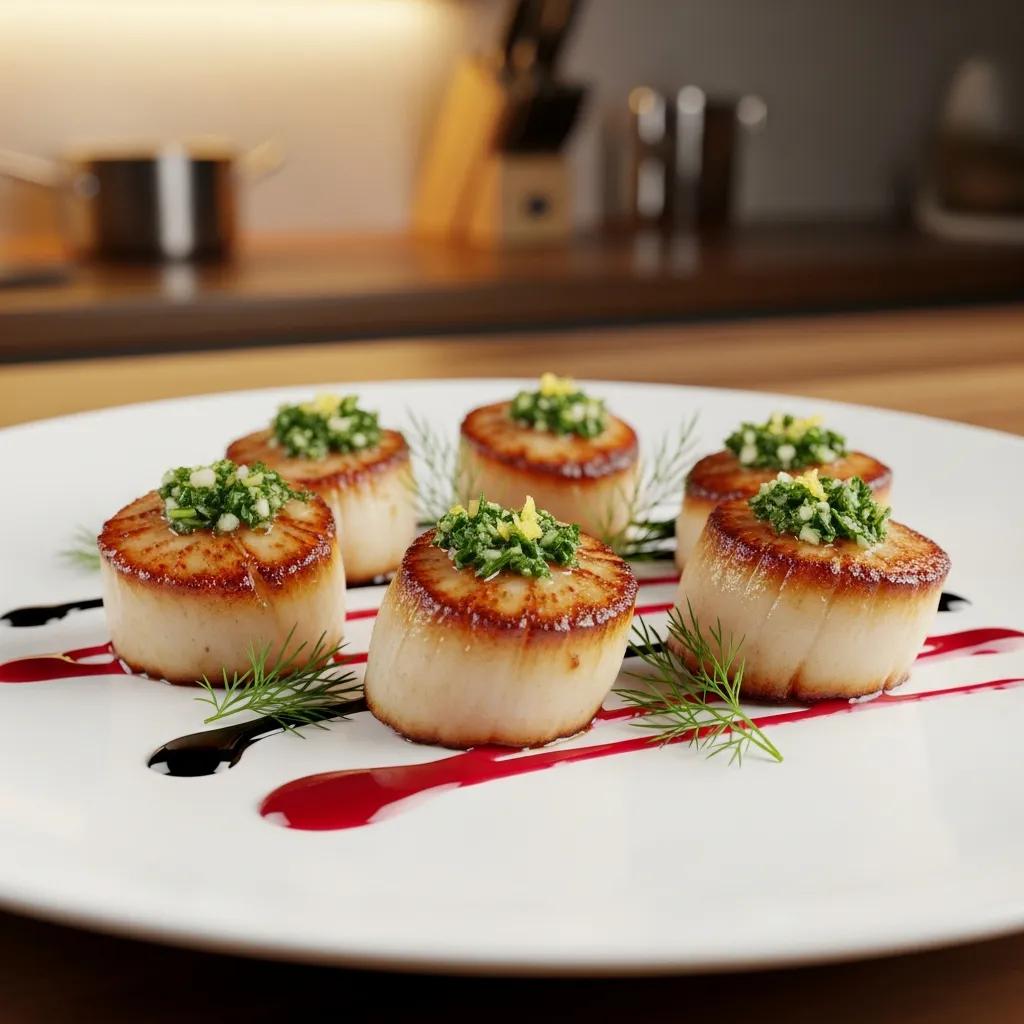
A reliable sear follows a disciplined sequence: dry and trim, preheat the pan, controlled placement and timing, then a gentle finish that adds flavor without overcooking. Start by removing the side muscle and patting scallops dry, then heat a heavy pan until it’s very hot and add a high‑smoke‑point oil. Place scallops spaced so each has full contact; resist moving them until a crust forms and they release naturally. Finish briefly with butter and aromatics off direct heat to baste and season while preserving the interior, then rest for a moment so carryover heat evens the texture. Proper sequencing makes the result predictable whether you’re cooking at home or in service.
Convert this workflow into an actionable checklist for quick reference during prep and plating.
- Dry and trim: Remove side muscle and pat scallops completely dry.
- Preheat and oil: Heat a heavy pan very hot, then add a high‑smoke‑point oil.
- Sear without moving: Place scallops spaced apart and cook until a golden crust forms.
- Finish and rest: Baste with butter off direct heat and rest briefly before serving.
These steps break the process into repeatable actions that produce a predictable result: a crisp, caramelized crust and a tender interior. Below is a concise checklist mapping each step to its expected outcome.
This compact map helps keep service consistent. The next subsection covers the visual and tactile cues that tell you a scallop is done without slicing it open.
What Are the Essential Steps for Searing Scallops to Perfection?
Condense prep, heat control and finishing into a short set of actions to get consistent results every time. After drying and trimming, confirm the pan is hot enough by watching a water bead skitter across the surface — that readiness is critical for crust formation. Add oil, space the scallops in the pan and don’t move them until a deep golden crust forms. Once the crust is set, pull the pan off direct heat, add a knob of butter and aromatics and baste briefly to finish flavor without driving internal temperature up. Rest briefly so residual heat evens the interior, preserving juiciness and texture at plating.
These essential steps connect directly to the sensory doneness checks below to help avoid common overcooking mistakes.
How to Identify When Scallops Are Cooked Without Overcooking?
Doneness is best judged by touch and color rather than long timers. Properly cooked scallops move from slightly translucent to uniformly opaque; when pressed gently they show a little spring and resist, rather than collapsing. Overcooked scallops feel firm, dry or spongy and lose their delicate sweetness — avoid prolonged exposure to heat after the sear and use a short rest to balance carryover. An instant‑read thermometer can be an optional check, but most chefs prefer visual and tactile cues for quick in‑service decisions.
Recognizing these signs preserves texture and reduces waste. Next we explore premium ingredients that elevate scallops on the plate.
Which Premium Ingredients Pair Best with Seared Scallops?
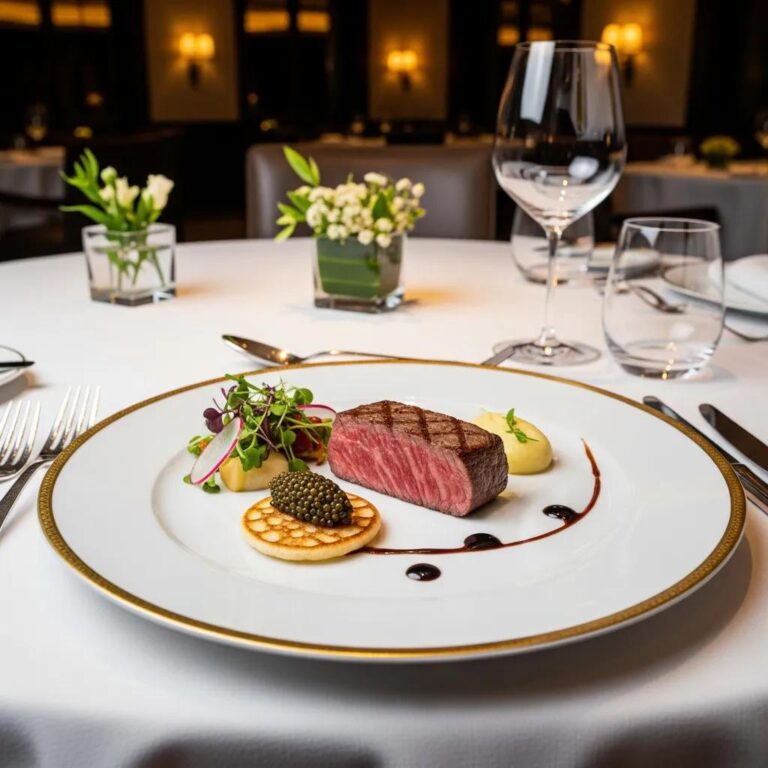
Premium pairings create contrast — texture, salinity and umami — that highlight the scallop’s natural sweetness. A5 Wagyu adds lush fat and deep savor that contrast the scallop’s clean profile when served in small, deliberate portions. Caviar is a finishing accent: a few pearls bring saline lift and a delicate pop that amplifies sweetness without masking it. Reduced broths, fermented elements and herbaceous oils can frame the scallop — use restrained, high‑impact touches so the scallop remains the star. Thoughtful portioning and sequencing on a tasting menu prevent palate fatigue while showcasing complementary textures and flavors.
How Does A5 Wagyu Complement the Flavor of Seared Scallops?
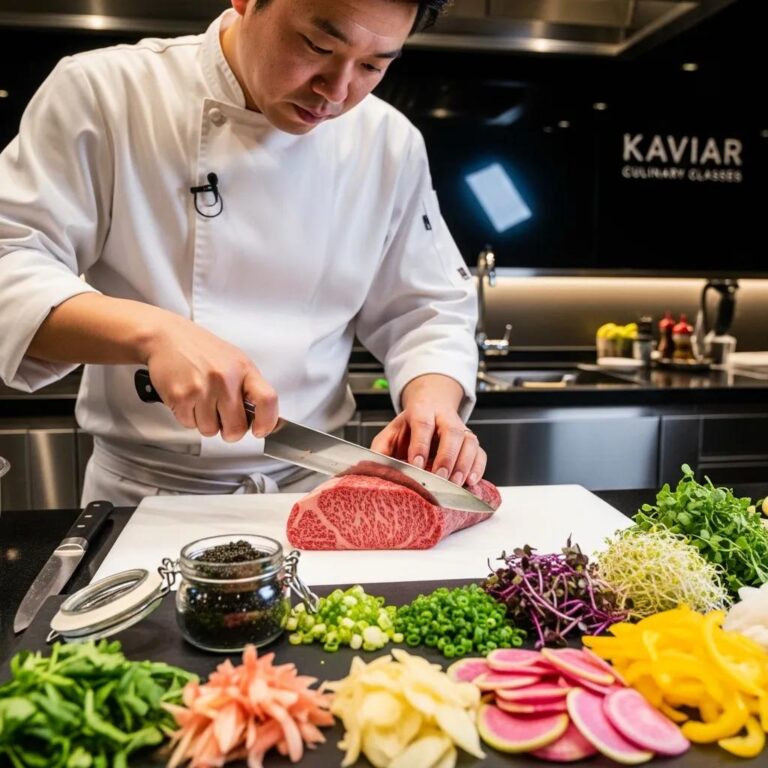
A5 Wagyu brings melting marbling and umami weight that contrast the scallop’s sweetness and springy texture, creating a layered mouthful when portioned carefully. Served as a restrained bite beside a scallop, the Wagyu’s fat amplifies savory notes and highlights the scallop by contrast. Portion control and sequencing matter: offer small, deliberate bites or an intermezzo so Wagyu enhances rather than overwhelms. A thin Wagyu slice next to a golden scallop finished with an acidic or saline accent preserves clarity while delivering a luxurious interplay — a strategy that fits neatly into an omakase rhythm where richness and delicacy alternate.
With portioning and sequencing considered, caviar can then be used sparingly to punctuate the course.
What Role Does Caviar Play in Enhancing Scallop Dishes at Kaviar Restaurant?
Caviar is a precision finishing element at Kaviar Restaurant: a few pearls lend saline lift, a subtle pop and a luxury cue that highlights the scallop’s sweetness. Applied sparingly — atop or beside the scallop — caviar provides bursts that enhance umami without covering texture. In our omakase flow, caviar punctuates a course as a highlight rather than a dominate flavor, preserving the scallop’s integrity while raising the dish’s complexity and presentation. This restrained use underscores our emphasis on premium ingredients and thoughtful sequencing.
Those pairing choices inform how scallops appear across an omakase progression, which the next section explores alongside reservation details.
What Makes the Omakase Experience Featuring Scallops Unique at Kaviar Restaurant?
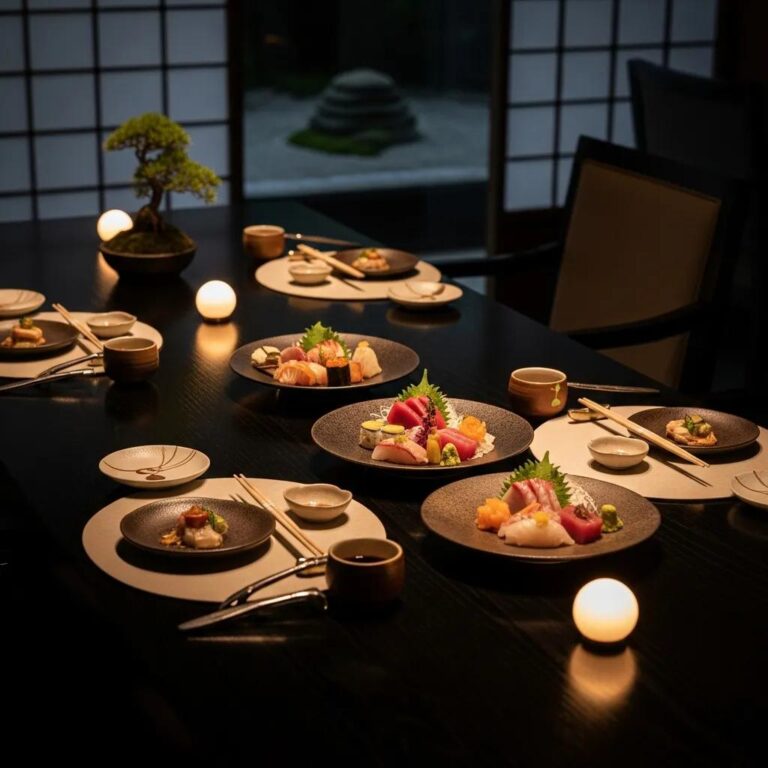
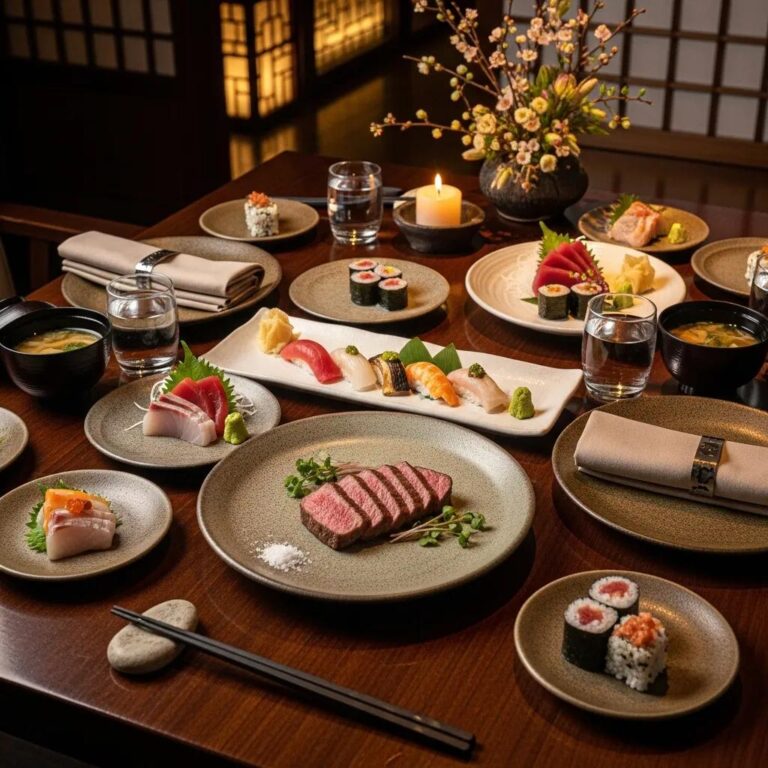
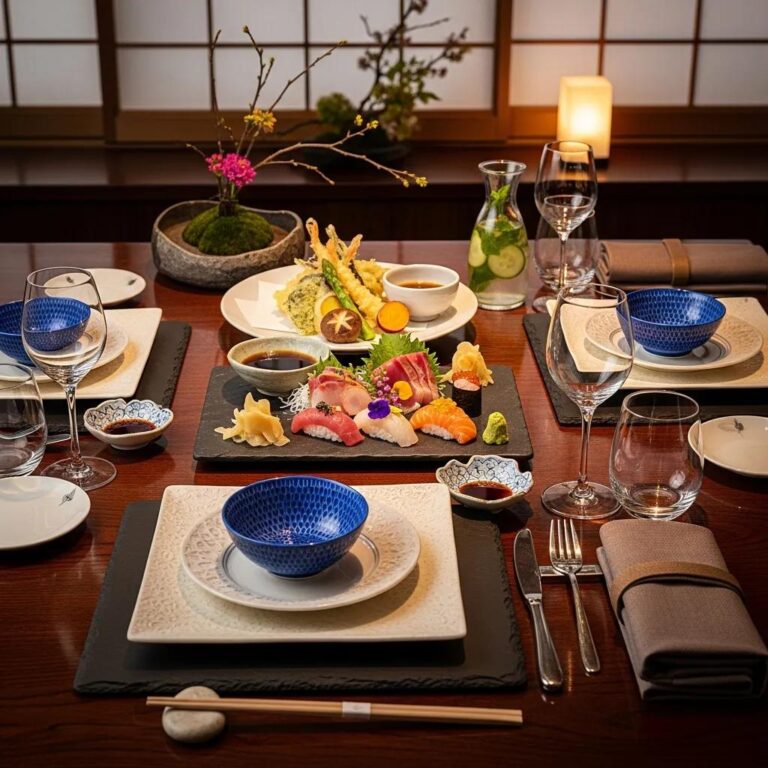
In omakase, scallops are a motif rather than a single recipe — the chef’s judgment, seasonal sourcing and course sequencing determine how they appear: raw as sashimi, seared for texture contrast, or paired with rich components for interplay. The format emphasizes provenance and the chef’s choices, allowing scallops to surface in small, precisely timed courses that showcase sweetness, texture and compatibility with umami elements. Our curated sequence and focus on premium ingredients like A5 Wagyu and caviar create a narrative arc of contrast, pacing and sensory peaks. For diners the reward is discovery: multiple expressions of scallops within a single meal, guided by the chef. Because seats and ingredients are limited, reservations are recommended.
Below are practical notes on how scallops can be prepared and sequenced in an omakase progression, followed by why reserving is advised for diners in Pasadena.
How Is Scallop Preparation Integrated into the Japanese Fine Dining Omakase Menu?
Within an omakase, scallops appear in varied formats to serve specific narrative roles — thin sashimi to reveal raw sweetness, seared to add caramelized texture, or paired with richer elements to demonstrate balance. Sashimi showcases freshness and mouthfeel; searing introduces Maillard caramel notes and textural contrast; paired courses (with A5 Wagyu or caviar) reveal the chef’s skill at harmonizing weight and nuance. The chef decides where scallops sit in the flow to refresh the palate or act as a richer pivot point, and portions are calibrated so each expression reads as an intentional moment in the meal. This approach uses seasonal sourcing and precise technique to create memorable, contrasted courses rather than isolated dishes.
These preparations require precise sourcing and timing, which is why advance reservation is often necessary to secure a place at the counter.
Why Reserve Your Luxury Dining Experience for Scallop Dishes in Pasadena?
Booking an omakase or tasting that features scallops guarantees access to curated sequences, premium applications and chef‑led presentation in an intimate setting where timing and craft matter. Limited seating and a bespoke tasting mean reservations secure not just a table but a place in the chef’s progression, where scallops can appear in several refined expressions. The mix of premium ingredients, disciplined technique and careful sourcing transforms scallops into a multi‑course narrative that rewards attentive tasting. For diners in Pasadena seeking an ingredient‑focused evening, reserve in advance to experience these curated pairings and the full technical range of scallop preparations.
This experiential framing turns technique into a memorable dining sequence; the final section answers the practical questions home cooks most often ask.
What Are Common Questions About Cooking Scallops Perfectly?
Home cooks and professionals regularly ask direct, practical questions about timing, doneness cues and avoiding common pitfalls. Short, actionable answers paired with sensory cues and quick troubleshooting are the most useful in the kitchen. The brief responses below are designed for quick consultation during prep and service, with links back to the step‑by‑step workflow and the timing table for detail when needed.
The next two subsections give featured‑snippet style answers to the most common concerns: doneness and preventing overcooking.
How Do You Know When Scallops Are Cooked Just Right?
They’re done when the flesh is uniformly opaque with perhaps a hair of translucence at the very center, and when the scallop yields with a gentle spring under light pressure — tender, not floppy. Visually, a deep, even golden crust paired with an opaque interior is the cue. Tactilely, the scallop should give slightly and return toward shape rather than feel rubbery. Some cooks use a quick internal check, but most professionals rely on touch and color because cook times are short and carryover heat is significant. Combine these cues and you’ll avoid the common mistake of finishing or plating into overcook.
Recognizing these signs reduces waste and preserves the scallop’s delicate texture. Next are concise strategies to avoid overcooking.
Can Scallops Be Overcooked and How to Avoid It?
Yes — scallops overcook easily because they lack much connective tissue and can go from tender to dry quickly. Prevent it with strict timing, controlled heat and minimal time on direct heat after the sear. Common errors include overcrowding the pan (which cools the surface and prolongs cook time), basting on high heat, and not removing scallops promptly once the crust forms. Fixes: work in single layers, finish basting off heat, use short rest periods, and test with a gentle press for spring‑back rather than firmness. If a batch is slightly overcooked, serve with a complementary sauce or emulsion to restore mouthfeel, but don’t rely on sauces to hide technique issues.
Quick checklist for in‑service fixes:
- Overcrowding the pan → Cook in batches to preserve pan temperature.
- Excessive basting on high heat → Add butter off direct heat to control carryover.
- Insufficient drying before sear → Pat dry and chill briefly to remove surface moisture.
These corrections maintain the delicate balance between a crisp crust and a tender interior. For diners who want to taste expertly prepared scallop courses, consider reserving a tasting at Kaviar Restaurant where these techniques and pairings are showcased in a curated omakase.
Frequently Asked Questions
What are the best types of scallops for home cooking?
Dry‑packed scallops are the best choice for home cooks: no added phosphates or excess water means better browning. Diver scallops, being thicker, hold heat and tolerate slightly longer sears, while bay scallops are smaller and need quicker, gentler cooking. Always pick scallops that are firm, opaque and have a clean ocean smell to ensure quality and flavor.
How can I enhance the flavor of scallops without overpowering them?
Enhance scallops with complementary, restrained elements: a drizzle of herb oil or a scatter of microgreens for freshness, a light spoonful of reduced broth for umami depth, or a tiny bit of caviar for saline lift. Rich partners like A5 Wagyu work best in small portions so they contrast rather than overwhelm. The key is balance — use high‑quality ingredients in moderation.
What common mistakes should I avoid when cooking scallops?
Avoid overcrowding the pan (which leads to steaming), failing to dry scallops thoroughly before searing, and basting on high heat while they remain over direct heat. Timers are less useful than visual and tactile cues; work in batches, keep the pan very hot, and rely on color and spring‑back to judge doneness.
Can scallops be cooked in advance and reheated?
Fresh is best, but scallops can be cooked ahead and reheated gently: use a low oven or a quick turn in a hot pan with a little oil. High heat during reheating risks overcooking. Serving with a sauce or broth helps retain moisture. Still, for peak texture and flavor, serve scallops freshly cooked when possible.
What are some popular side dishes to serve with scallops?
Classic companions include creamy risotto, sautéed greens, or a light citrus salad. Starches like mashed potatoes or polenta complement the scallop’s texture, while roasted vegetables or an herb salad offer contrast. Choose sides that support rather than compete with the scallop’s delicate flavor.
How do I store leftover cooked scallops?
Cool scallops to room temperature, then store in an airtight container in the refrigerator for up to two days. Reheat gently to avoid overcooking. Raw scallops should be kept in the coldest part of the fridge and used within a day or two; always check for off smells or texture changes before using.
Conclusion
Learning to sear scallops well opens up refined, satisfying dishes for both home cooks and professionals. With the right selection, careful prep and disciplined technique you can achieve a caramelized crust and a tender interior every time. Keep testing your timing, trust your visual and tactile cues, and use premium accents sparingly to elevate the dish. Explore these techniques and bring restaurant‑level scallops to your table.