




Your Guide to Sourcing Gourmet Ingredients at Home: Buy Premium Cooking Ingredients with Confidence
Buying gourmet ingredients for your kitchen begins with knowing what separates everyday produce from true luxury: verified origin, recognized grading, and careful handling. This guide walks you through how to identify, purchase, store, and prepare specialty items—particularly A5 Wagyu and authentic caviar—so you can shop confidently and make each ingredient sing. Many home cooks struggle to tell genuine high-grade products from similar-looking alternatives, which can dull the experience and waste money; clear checks for grade, packaging, and supplier credibility remove that uncertainty. Below you’ll find practical selection criteria, reliable sourcing channels (local and online), storage and cooking recommendations that protect delicate flavors, and how informed sourcing deepens your appreciation of fine dining. We also explain how these choices connect to omakase and seasonal menus at Kaviar in Pasadena, and finish with straightforward steps to reserve a luxury omakase. Throughout, use the checklists, comparison notes, and storage charts as a quick reference when shopping.
How to Identify and Select the Best Quality Gourmet Ingredients
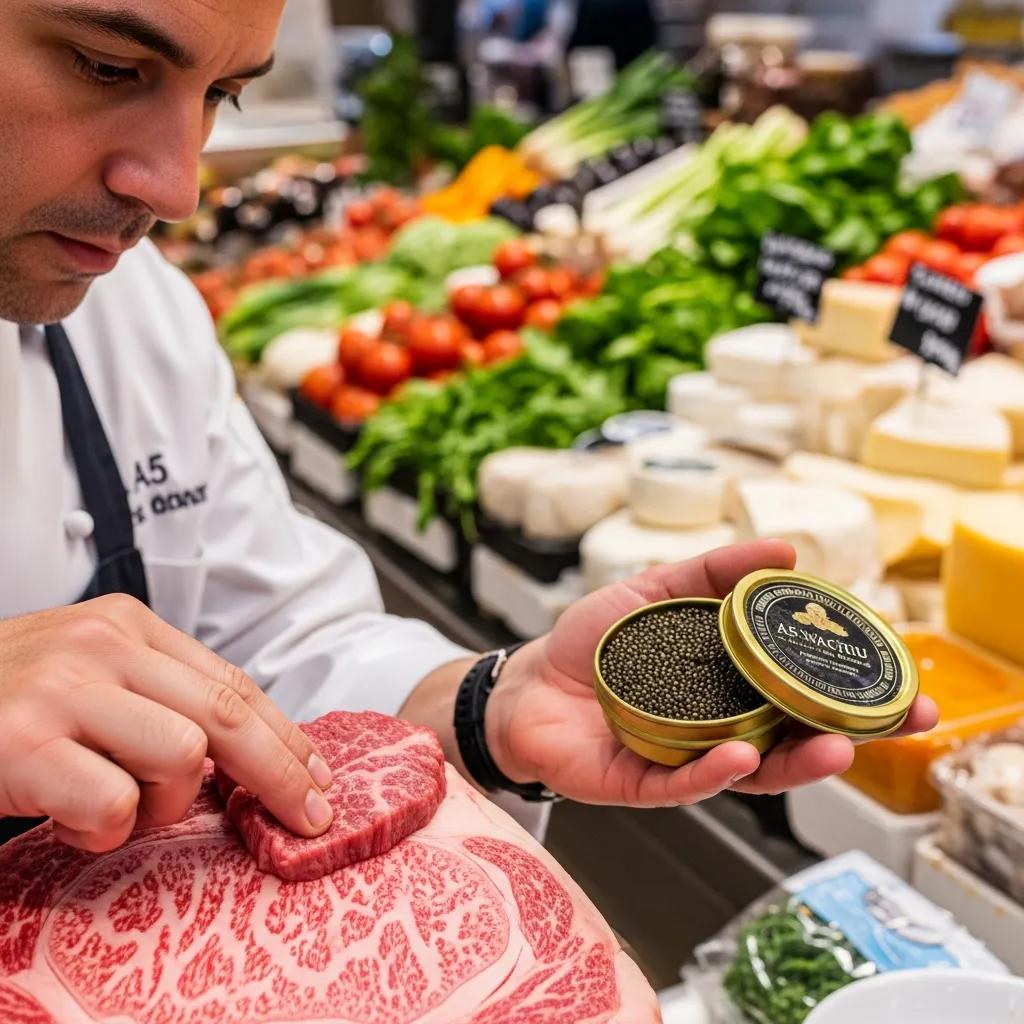
Choosing top-quality gourmet ingredients combines objective labels—grade, species, packaging—with sensory checks like color, aroma, and texture to confirm freshness and authenticity. Knowing grading systems such as the Beef Marbling Score (BMS) for Wagyu or species designations for caviar explains why some products command premium prices and why provenance matters to flavor. Using a short shopping checklist lowers risk and increases the chance your finished dish truly reflects the ingredient’s potential. Below is a compact list of checks to use in markets or on product pages when assessing specialty foods.
Use this checklist when evaluating a premium ingredient:
- Confirm official grade or species information is clearly labeled and verifiable.
- Verify origin and producer traceability through packaging or supplier documentation.
- Inspect appearance and texture for expected characteristics (marbling for beef, glossy roe for caviar).
- Check packaging date, brine or vacuum-seal integrity, and any cold-chain indicators.
- Compare price signals against known market ranges to spot unusually low offers.
- Look for supplier trust signals such as certifications, producer contact information, or provenance statements.
These simple checks protect you from mislabeling and ensure the ingredient meets expectations, which naturally leads into the specific markers for A5 Wagyu and caviar.
A5 Wagyu and premium caviar share technical markers that define top-tier quality, though each uses different terms and verification points. Spotting these markers—the BMS score for Wagyu and species/processing notes for caviar—helps you translate label claims into kitchen outcomes. The table below outlines the essential grading and quality attributes and what they mean for a home cook evaluating purchases.
This comparison shows how specific attributes affect kitchen results and helps you focus on the markers that matter for your planned preparation. Next, we cover how to confirm authenticity and grading at purchase.
What Defines Premium Quality in Ingredients Like A5 Wagyu and Caviar?
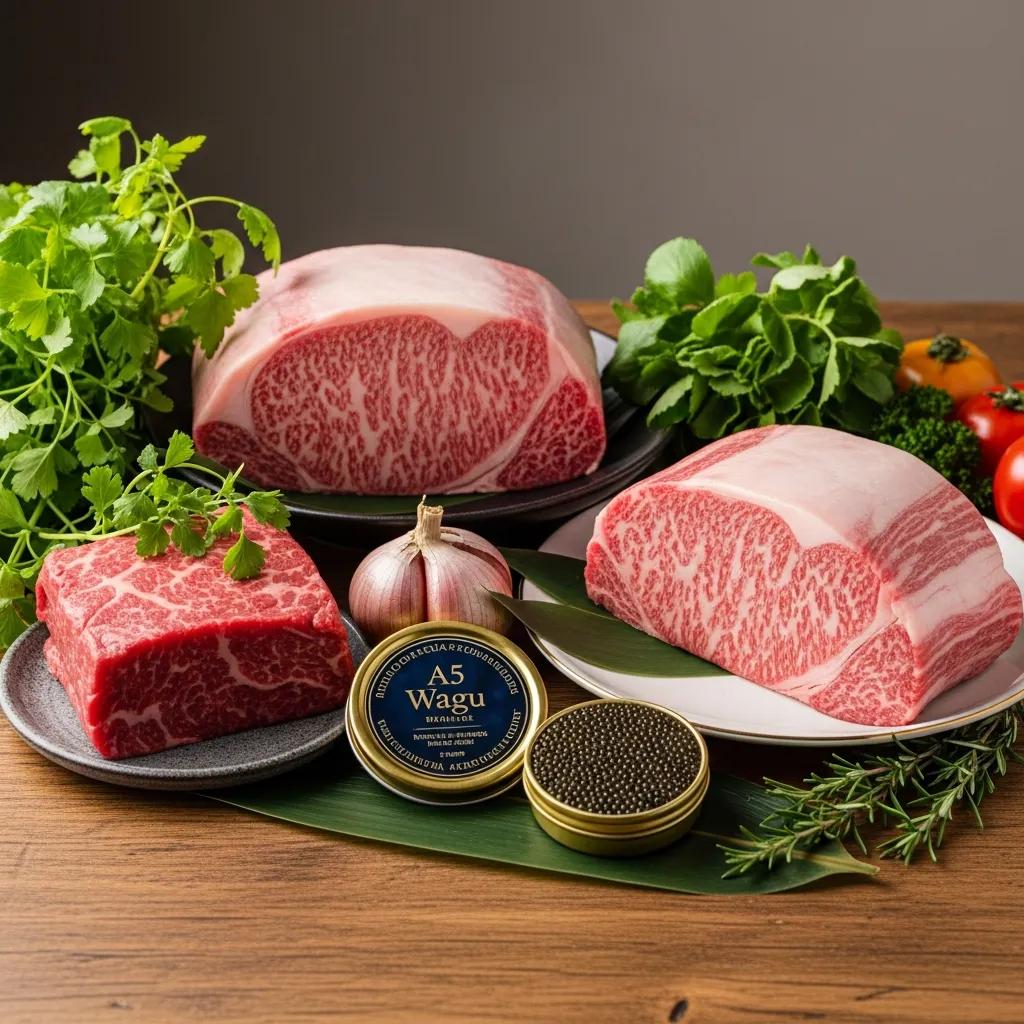
Premium A5 Wagyu is defined chiefly by marbling score and yield grade—metrics that predict tenderness and mouthfeel—while caviar quality depends on species, roe size, texture, and brining method. For Wagyu, look for explicit BMS numbers and yield-grade labels from recognized authorities; visually, even, abundant marbling produces exceptional richness when seared briefly. For caviar, “malossol” (lightly salted) preserves nuanced flavor, and roe should be glossy, uniform, and free of off-odors—clear signs of correct handling. These technical markers directly shape how an ingredient behaves under simple preparations; knowing them helps you choose items that will shine with minimal seasoning.
How to Recognize Authenticity and Grade When Buying Gourmet Foods
Recognizing authenticity means asking targeted questions and reviewing traceability statements reputable suppliers provide as standard. Request producer certificates, harvest or pack dates, and detailed origin information; when buying online, ask for photos of packaging and seals, and confirm that grading marks come from recognized authorities rather than promotional claims. Red flags include vague origin notes, inconsistent photos, prices far below market norms, or missing cold-chain details for perishable seafood. When unsure, favor suppliers who disclose producer contact information or independent quality checks—those trust signals reduce the risk of counterfeit or misgraded items. Building this verification habit makes buying specialty foods less risky and more rewarding in the kitchen.
Where to Find Specialty Foods: Local and Online Sources for Gourmet Ingredients
Finding specialty foods is about matching supplier types to your priorities—freshness, provenance, price, and shipping reliability—and choosing the channel that best serves those needs. Local purveyors let you inspect products in person and ask sourcing questions; curated online retailers expand access to rare items with documented traceability and controlled shipping. Auction houses and direct-producer channels can offer exceptional provenance for rare caviar lots or Wagyu allotments, though they typically require higher budgets and lead time. The short list below summarizes common sourcing channels and their primary trade-offs to help you decide where to begin.
Common source types and what to expect from each:
- Local specialty markets and butchers: Inspect in person and ask about provenance—ideal for immediate use.
- Curated online retailers: Wider selection and documented traceability; good for rare items shipped with cold-chain care.
- Direct producer or importer: Best provenance and possible allotments, though minimums and lead times can apply.
- Auction houses / specialty brokers: Access to exceptional lots or aged items—suited to collectors and special events.
Use the supplier-type table below to compare offerings and trust signals so you can prioritize channels that match your needs as a home cook.
This comparison helps you select suppliers depending on whether you need immediacy, rare provenance, or reliable shipping, and it prepares you to verify claims on product pages when buying online. The following subsection explains how to confirm those claims across marketplaces and specialty sites.
Which Trusted Suppliers Offer A5 Wagyu and Authentic Caviar Near You?
When searching locally—especially in regional culinary centers like Pasadena—prioritize suppliers who disclose origin details and permit in-person inspection; ask butchers whether their Wagyu is A5 and request documentation for BMS ratings. For caviar, look for vendors that specify species and brining method and can provide pack dates or producer identifiers; specialty fishmongers and high-end markets often maintain direct relationships with reputable distributors. Avoid assuming brand names or sources without verification—rely on the verification practices and regional criteria above when evaluating nearby options. Confirming trust signals reduces the risk of misrepresentation and increases the odds your purchase will match expectations for texture and flavor.
How to Navigate Online Marketplaces for Safe and Quality Gourmet Purchases
Buying gourmet items online requires close attention to product pages and shipping practices to protect cold-chain integrity and authenticity. Check photos for packaging seals, read provenance and pack dates, and favor vendors that describe cold-chain packaging (insulated boxes, gel packs) and offer expedited shipping; read return and refund policies for perishables before you buy. Use seller ratings and buyer reviews to corroborate claims, and when needed, contact the seller for producer documentation or lot numbers—reputable specialty retailers will provide clear provenance. Comparing multiple vendors on these criteria reduces risk and helps you choose the seller most likely to deliver fresh, authentic ingredients.
Best Practices for Preparing and Storing Premium Ingredients at Home
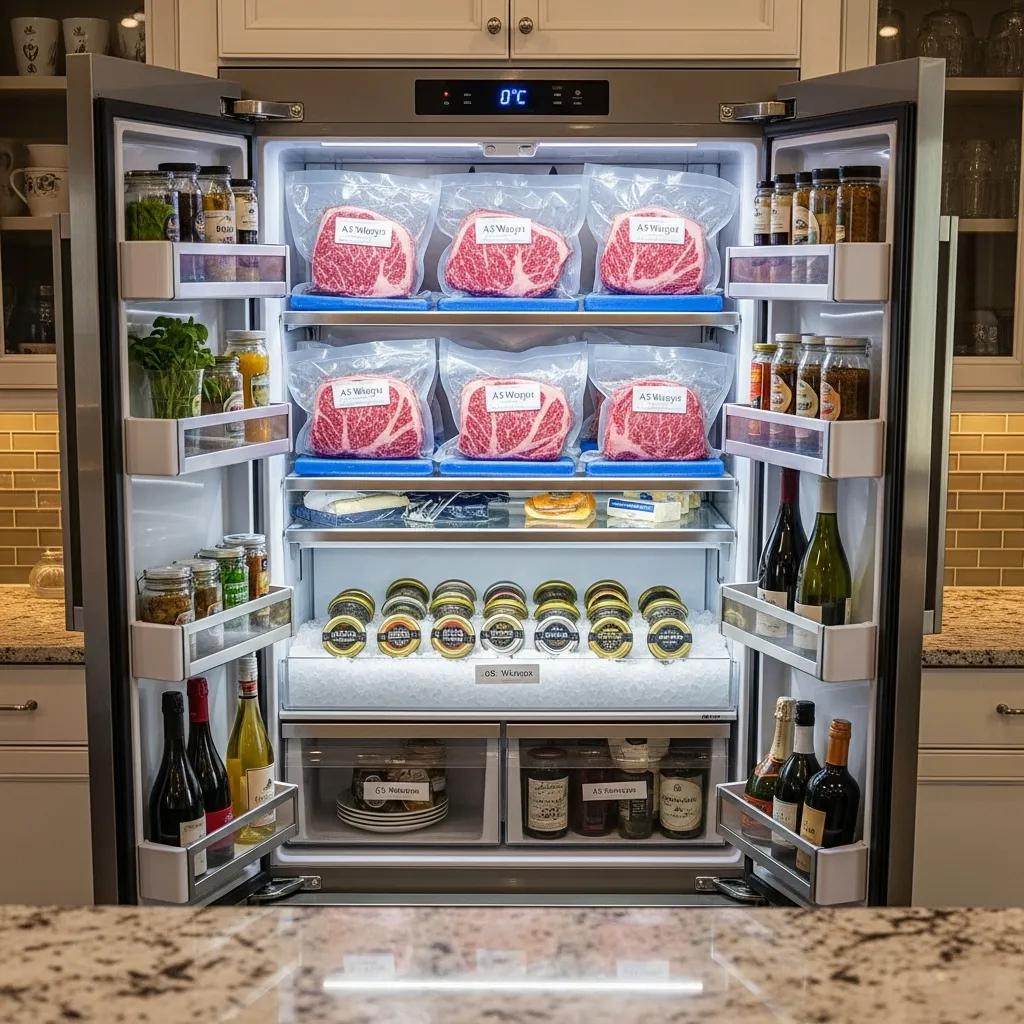
Proper storage and preparation preserve the delicate textures and flavors that justify the premium price of ingredients like A5 Wagyu and caviar—small handling choices make a big difference to the final tasting. Temperature control, minimal handling, and simple cooking techniques protect natural flavors, while improper storage accelerates spoilage and diminishes value. Below are practical storage recommendations presented as a quick-reference table for use in the kitchen.
This table helps you prioritize short use windows and correct temperatures so precious ingredients retain their quality. With proper storage in place, simple preparation methods allow the ingredient to shine with minimal intervention.
How Should You Store A5 Wagyu and Caviar to Preserve Freshness?
To preserve freshness, store A5 Wagyu and caviar at near-freezing refrigerator temperatures and limit air exposure to prevent oxidation and flavor loss. For Wagyu, keep the original vacuum packaging when refrigerated and only open it when ready to portion and cook; if frozen, thaw in the refrigerator for 24–48 hours and avoid refreezing to protect texture. For unopened caviar, place it in the coldest zone of your fridge and minimize vibrations; after opening, return the jar to chilled storage and consume quickly to enjoy peak texture. These handling practices slow quality degradation and increase the likelihood the ingredient will present as intended on the plate.
What Are Expert Tips for Preparing Gourmet Ingredients for Home Cooking?
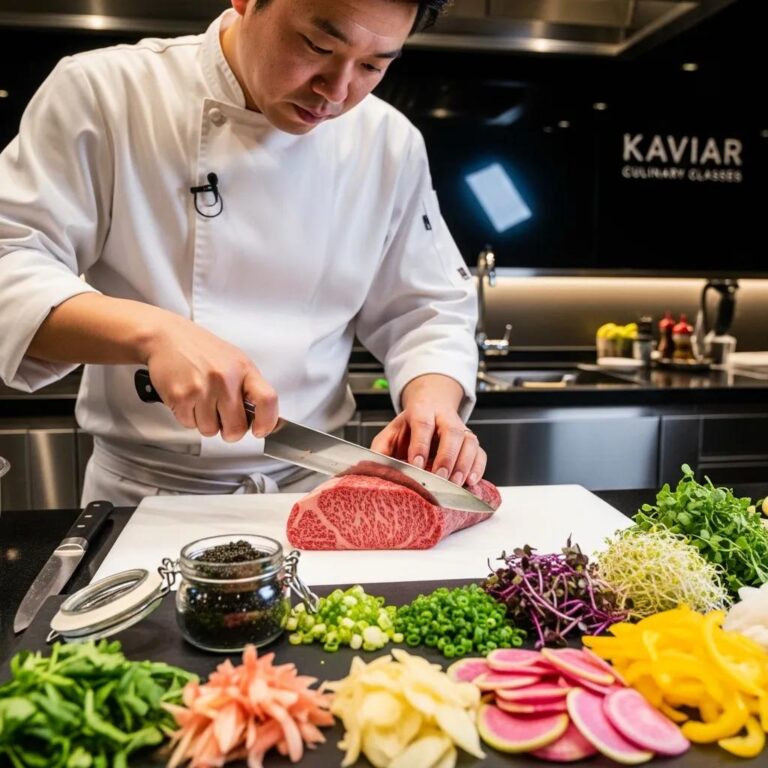
When preparing premium ingredients, favor a minimalist approach: quick, high-heat sears for Wagyu and careful, chilled service for caviar so the ingredient’s natural character leads. For A5 Wagyu, use a hot pan or grill to build a brief caramelized crust while keeping the center rare to medium-rare; avoid heavy sauces that mask the fat’s flavor and rest briefly before slicing across the grain. For caviar, serve chilled on neutral carriers like blini or lightly buttered toast points with restrained garnishes to preserve saline nuance. Simple tools—sharp knives and non-metal spoons for caviar—help maintain texture and presentation so the ingredient remains the star.
Understanding the Connection Between Home Sourcing and Fine Dining Experiences
Knowing how ingredients are sourced sharpens appreciation at the chef’s counter because provenance frames both flavor expectations and storytelling—central elements of omakase and other fine dining formats. When diners understand where a component was harvested, how it was graded, and why the chef selected it for a course, the tasting becomes interactive and educational rather than purely passive. This is especially true in Japanese fine dining, where seasonality, minimal seasoning, and precise technique reveal an ingredient’s peak expression. The next subsection explains how hands-on sourcing knowledge deepens your engagement with curated tasting menus and how Kaviar weaves seasonal sourcing into its omakase narrative.
After seeing how provenance shapes taste, many home cooks seek the curated perspective of a chef-driven omakase, where each course highlights seasonal peaks and rare ingredients.
How Does Sourcing Quality Ingredients Enhance Your Omakase Experience at Kaviar?
Understanding how to source quality ingredients enriches the omakase experience at Kaviar because it sharpens your ability to recognize and appreciate the chef’s choices—especially when a course features A5 Wagyu or caviar. Kaviar is a luxury Japanese fine dining restaurant in Pasadena that specializes in omakase, showcasing premium ingredients like A5 Wagyu and caviar. When diners can connect a tasting note to an ingredient’s origin or grade, the sequence of courses gains context and the chef’s narrative becomes clearer. This background also makes diners more active participants at the counter—asking precise questions about sourcing, seasonality, and technique—which deepens the tasting overall.
What Makes Japanese Fine Dining Unique in Its Use of Gourmet Ingredients?
Japanese fine dining prioritizes seasonality (shun), minimal intervention, and meticulous technique so ingredients speak at their peak. Techniques like precise slicing, temporary curing, and controlled serving temperatures amplify natural textures and flavors rather than hiding them under heavy sauces. These principles lead chefs to choose ingredients based on harvest windows and trusted supplier relationships, and some items are reserved for particular service nights—affecting menu rotation. Appreciating this approach helps home cooks adapt sourcing and preparation to mirror professional results and understand why limited-availability items receive special attention on tasting menus.
How to Reserve Your Luxury Dining Experience at Kaviar Restaurant
To secure a seat for a chef-driven omakase at Kaviar, follow the restaurant’s reservation flow and remember that menu availability depends on seasonal sourcing and limited ingredient allotments. The site includes dedicated Menu and Reservations pages and benefits from structured data (Restaurant, Menu, MenuItem, Reservation) that links dishes to ingredients. Below are practical steps to reserve and prepare for a seasonal tasting, followed by notes on how ingredient supply affects availability.
- Check Kaviar’s reservations page for available dates and service times.
- Select party size and indicate any dietary restrictions or special requests.
- Confirm your preferred date and complete the booking information to hold the reservation.
- Watch your confirmation and keep in mind that seasonal items like A5 Wagyu or particular caviar lots may be limited.
These steps give a clear path to booking while acknowledging that chef-driven menus depend on ingredient allotments; planning ahead increases the chance of securing a seat when rare items are featured. Knowing the reservation process also helps you time bookings around seasonal windows and special ingredient runs.
What Are the Steps to Secure a Reservation for Kaviar’s Exclusive Omakase Menu?
Securing a reservation usually means reviewing the restaurant’s booking interface, choosing a date and party size, and providing any dietary notes so the kitchen can plan courses around seasonal sourcing. Check available dates well in advance—especially for weekends or nights when premium ingredients are likely featured—and give accurate guest and dietary information to help the chef tailor the experience. If you have flexibility, select alternate dates that align with peak ingredient windows; when allotments like A5 Wagyu or a specific caviar lot are limited, earlier bookings improve your chances of inclusion. Keep confirmation messages and any correspondence about menu highlights or special requests to ensure the evening meets expectations.
How Does Reservation Availability Reflect Ingredient Sourcing and Seasonal Menus?
Reservation availability often mirrors the restaurant’s ingredient allotments and seasonal harvests because fine dining menus pivot around what is at peak quality and what the kitchen can procure reliably in limited quantities. Limited allotments of premium items such as A5 Wagyu cuts or particular caviar lots mean the kitchen may reserve portions for a fixed number of services, reducing seat availability when those ingredients are featured. Book early for anticipated seasonal windows and expect sold-out nights during special ingredient runs. Understanding this relationship helps diners plan reservations strategically and appreciate the logistical constraints behind omakase menu planning.
- Book early for peak ingredient windows.
- Provide dietary notes so the chef can plan substitutions.
- Expect limited availability when rare ingredients are featured.
These practical booking tips align expectations with the realities of seasonal sourcing and help you secure the luxury dining experience you want.
Frequently Asked Questions
What are the key differences between A5 Wagyu and other types of beef?
A5 Wagyu stands apart because of its exceptional marbling, graded using the Beef Marbling Score (BMS). The BMS runs from 1 to 12, and A5 represents the highest category—intense intramuscular fat that creates a buttery mouthfeel. By contrast, other beef types often have less marbling and a different texture profile. The breed’s rearing practices and diet also contribute to Wagyu’s distinct, rich flavor and tenderness, making it a premium choice for refined preparations.
How can I ensure the caviar I purchase is authentic?
To verify caviar authenticity, look for specific indicators such as the species name (for example, Beluga, Osetra) and the processing method (malossol for light salting). Reputable suppliers provide documentation like harvest or pack dates and producer certifications. Check packaging for cold-chain indicators and inspect the roe for uniformity and sheen. Avoid vendors with vague descriptions or prices that are unusually low—these are common red flags for counterfeit or inferior products.
What are the best cooking methods for A5 Wagyu to enhance its flavor?
For A5 Wagyu, choose quick, high-heat methods like pan-searing or grilling to develop a brief caramelized crust while keeping the interior rare to medium-rare. This preserves the meat’s rich, buttery texture. Use minimal seasoning—good salt is often enough—and avoid heavy sauces that mask the fat’s flavor. Rest the meat briefly before slicing to let the juices redistribute.
How should I store caviar to maintain its quality?
Store caviar in the coldest part of your refrigerator at 0–2°C and keep the jar sealed to limit air exposure and oxidation. Unopened caviar can last several weeks refrigerated; once opened, consume within 48–72 hours for the best flavor and texture. Return the jar to chilled storage immediately after serving.
What are some common mistakes to avoid when sourcing gourmet ingredients?
Common mistakes include not verifying the supplier’s credibility, overlooking grading and provenance details, and failing to inspect appearance and packaging. Relying solely on price can lead to inferior purchases. Always ask for documentation, check for trust signals like certifications, and compare multiple suppliers to ensure you get ingredients that meet your culinary expectations.
How does seasonal sourcing affect the availability of gourmet ingredients?
Seasonality strongly influences availability: many premium items, including certain caviar varieties and specific Wagyu allotments, are tied to harvest or production windows. Limited availability can lead to higher demand and occasional shortages. Understanding these cycles helps you plan purchases and dining experiences to coincide with peak quality and availability.
Conclusion
Sourcing gourmet ingredients at home gives you the tools to elevate your cooking with confidence, ensuring each dish reflects the true quality of premium items like A5 Wagyu and caviar. By learning the key markers of authenticity and quality, you’ll make smarter purchases and enjoy better results in the kitchen. Explore thoughtfully curated sources and start bringing exceptional ingredients into your home—your next great meal begins with informed choices.