



Everyday Wine Pairing Guide for Home Cooking: Simple, Delicious Matches
Wine pairing at home should feel useful and reassuring, never intimidating. This guide gives clear, practical rules, easy bottle recommendations, and real examples so you can choose with confidence tonight. You’ll learn the fundamentals—how acidity, body, tannin, sweetness and umami shape pairings—plus a short list of dependable varietals like Pinot Noir and Chardonnay. We cover everyday categories (meat, poultry, seafood, vegetarian), translate those principles to Japanese dishes and luxury ingredients such as sushi, A5 Wagyu and caviar, and offer shopping tips for beginners. You’ll also find visual aids, sommelier-backed examples, and a three-step workflow for pairing charts. By the end you’ll have a compact shortlist of versatile wines and practical steps to elevate weeknight meals.
What Are the Basic Principles of Wine Pairing for Home Cooking?
At its core, home wine pairing is about balancing five sensory elements—acidity, body, tannin, sweetness and umami—and matching those traits to a dish’s dominant features. Good matches either complement (mirror intensity) or contrast (use acidity or bubbles to cut richness) so the wine and food enhance one another. Understanding these rules clears up flavor clashes, sharpens what you taste at the table, and makes shopping easier. In practice: choose acidity with rich sauces, soften tannin against fatty cuts, and reach for light-bodied reds with delicate proteins. Once you hold these ideas, selecting everyday pairings becomes straightforward.
How Do Flavor Profiles Influence Wine and Food Combinations?
Acidity, tannin, body and sweetness interact with food components to create balance or contrast. Acidity brightens fatty or creamy dishes; tannins bind with protein and fat, taming astringency; body should reflect the dish’s weight; sweetness can soften heat. For example, tomato-based pasta pairs well with a medium-bodied Sangiovese because the wine’s acidity echoes the tomato’s tartness. A lemon-and-butter fish finds harmony with an unoaked Chardonnay, which brings citrus lift and rounded texture. Umami-forward plates—mushroom risotto or soy-marinated proteins—need wines that can stand up to savory depth, like aged Pinot Noir or textured fuller-bodied whites. Learning these interactions helps you predict good matches without memorizing a long list.
Which Wine Varietals Are Most Versatile for Everyday Meals?

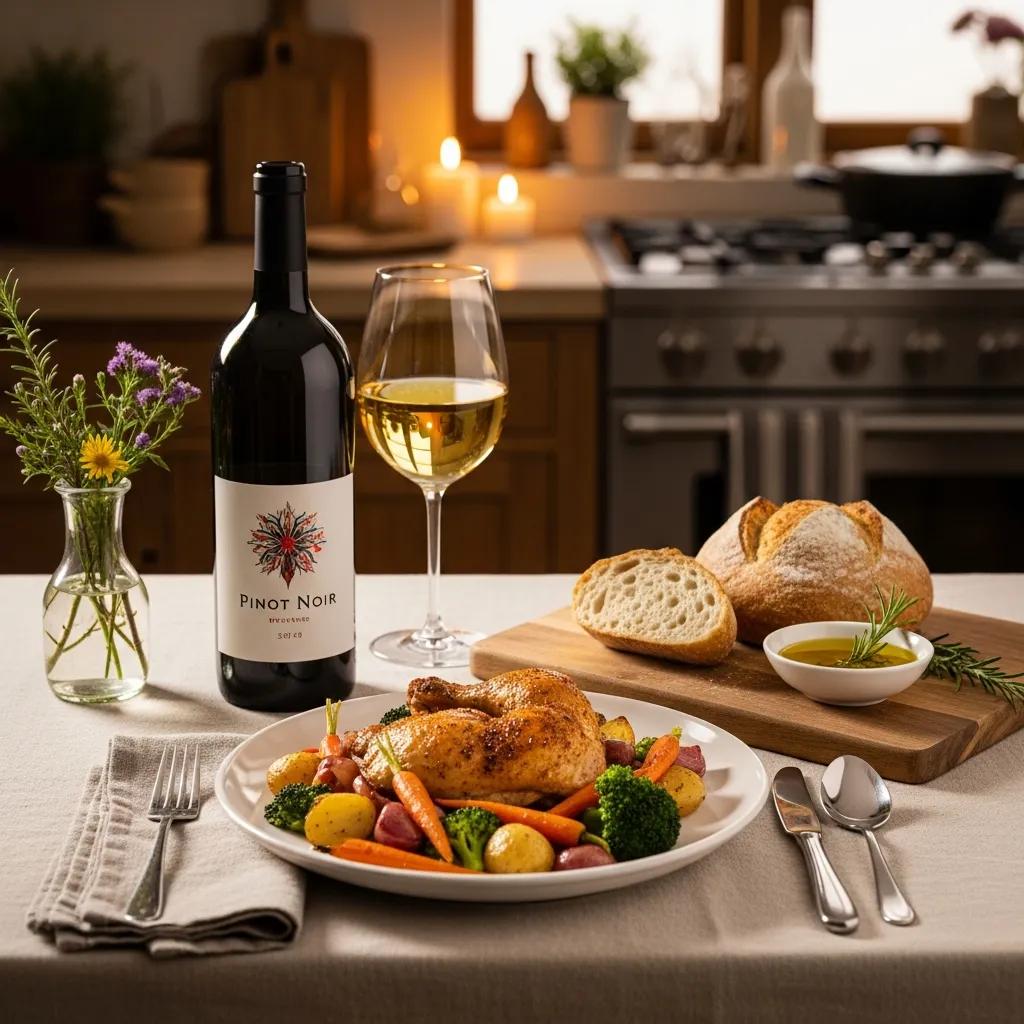
A small set of versatile bottles covers most weeknight needs because they combine food-friendly acidity, moderate tannin and balanced body. Pinot Noir is a go-to light red for roast chicken, mushroom dishes and salmon—its red-fruit notes, soft tannins and subtle earth won’t overwhelm delicate proteins. Unoaked or lightly oaked Chardonnay pairs naturally with seafood, roasted poultry and creamy pasta thanks to its medium body and citrus/orchard-fruit profile. Sauvignon Blanc offers bright acidity for herb-forward dishes, salads and shellfish. A dry Rosé or sparkling wine is ideal for fried foods and appetizers: they cut richness and refresh the palate. Keep these styles on hand and you’ll cover most meals with confidence.
How to Pair Wine with Common Dinner Foods: Red and White Wine Ideas
When you match a wine’s structure to a dish’s dominant trait—acidity to acidity, body to body, tannin to fat, sweetness to spice—pairing becomes easy. The quick-reference table below lists common dinner foods, reliable red and white options, and the reason each pairing works so you can choose fast while cooking. Use it as a baseline, then experiment with nearby styles.
Use the varietal shortlist when shopping: pick the closest style listed and you’ll usually land a successful pairing.
What Are Easy Red Wine Pairings for Meat and Hearty Dishes?
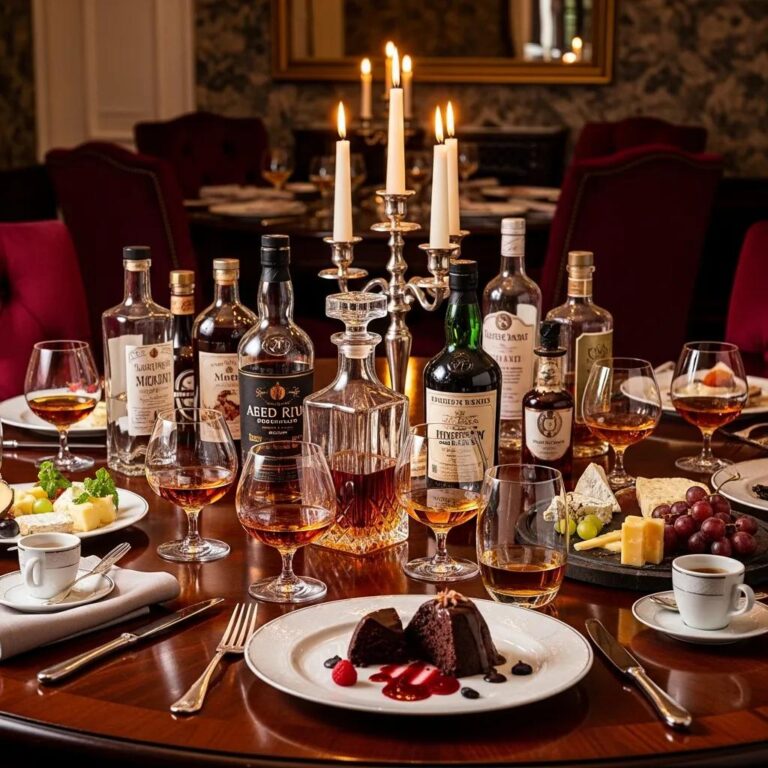
Hearty dishes need wines with body and tannin to balance fat, protein and dense textures—grilling adds char that favors riper, structured reds. For grilled steak, reach for Cabernet Sauvignon or a Bordeaux-style blend; tannins soften against fat while dark-fruit notes echo char. Lamb fares well with Syrah or Grenache blends that handle gamey flavors and roasted herbs. Pork depends on preparation, but medium-bodied reds like Merlot or Tempranillo are reliable. For braises and slow-cooked dishes, opt for fuller-bodied, slightly aged reds whose integrated tannins and tertiary notes support complex sauces. And remember: cooking method changes the match—charred dishes suit fruit-forward reds, braised dishes like savory, structured bottles.
- Steak: Cabernet Sauvignon — tannin and structure that hold up to char.
- Lamb: Syrah — spice, savory fruit and depth.
- Pork: Tempranillo or Merlot — medium body and gentle tannins.
Rotate through these staples and tweak choices for sauce intensity or spice level; the next section covers white wine complements for lighter mains.
Which White Wines Complement Poultry, Seafood, and Vegetarian Meals?
Whites and sparkling wines bring acidity, freshness and aromatic lift that suit poultry, many seafoods and vegetable-forward plates without adding tannic weight. For roasted or herb-roasted chicken, unoaked Chardonnay or a rounded Viognier offers texture and subtle fruit. Lighter chicken preparations pair nicely with Sauvignon Blanc and its herbal brightness. Oily fish like salmon can take a richer white or a light red such as Pinot Noir; flaky white fish work best with zesty Sauvignon Blanc or Albariño. Shellfish often benefit from a crisp Chardonnay or sparkling wine to balance brine and buttery sauces. For vegetarian dishes, match by flavor: earthy mushrooms call for Pinot Noir or fuller Chardonnay, while grilled vegetables pair well with dry Rosé or aromatic light whites.
- Shellfish: Champagne or dry sparkling — cuts richness and refreshes.
- Roasted poultry: Unoaked Chardonnay — texture and balance without oak weight.
- Vegetarian (herb-forward): Sauvignon Blanc or dry Rosé — bright, clean notes.
How Can You Pair Wine with Japanese Cuisine and Luxury Ingredients at Home?
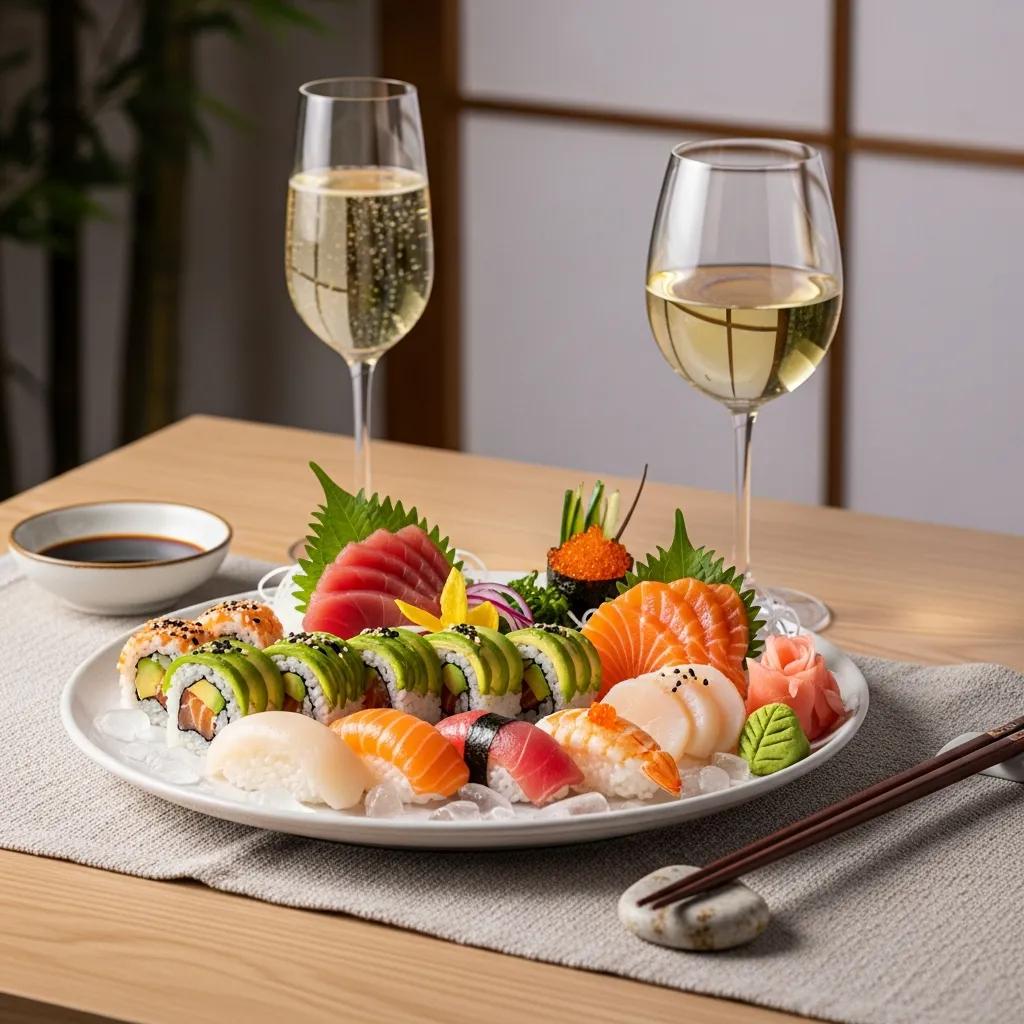
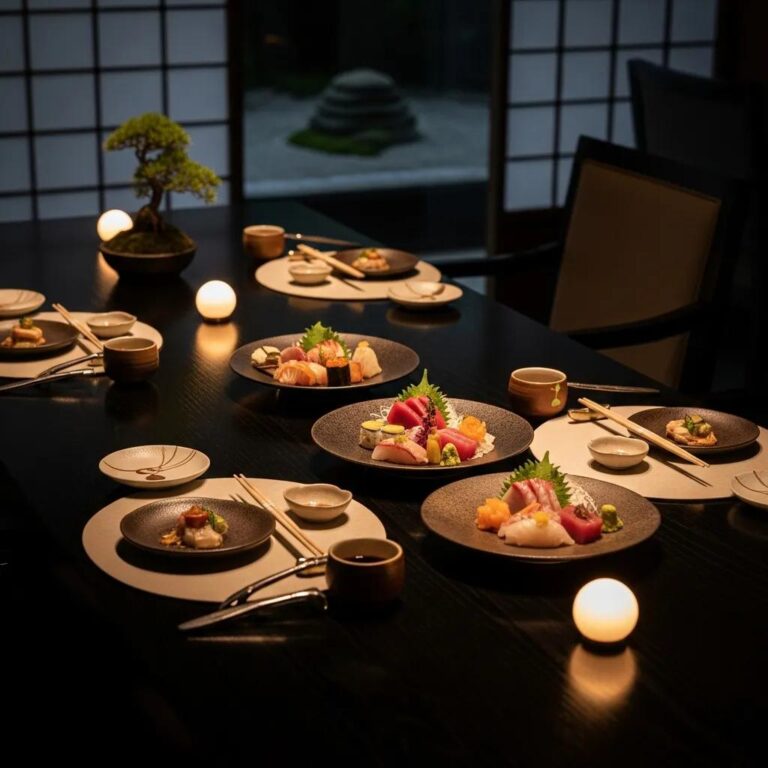
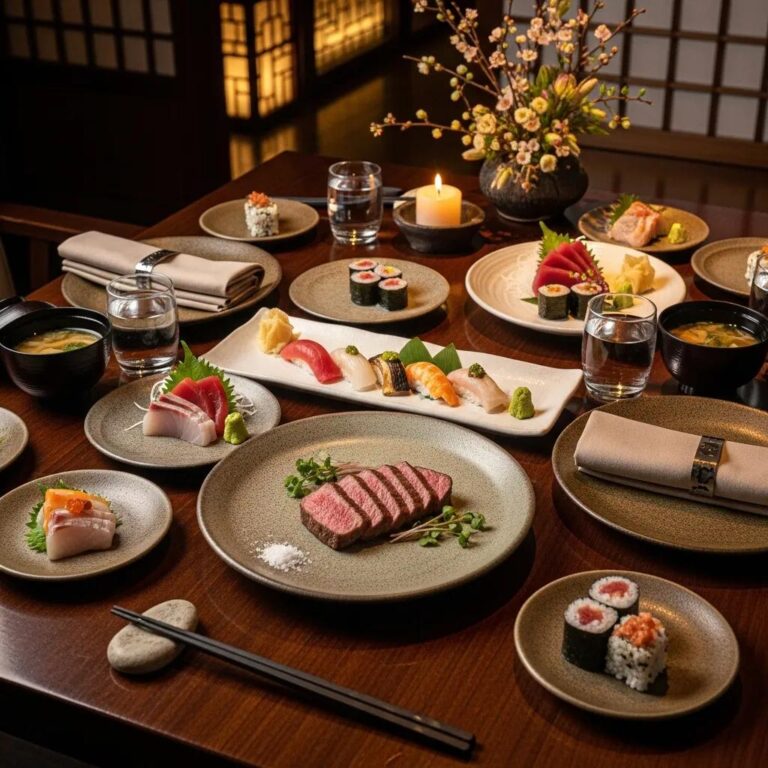
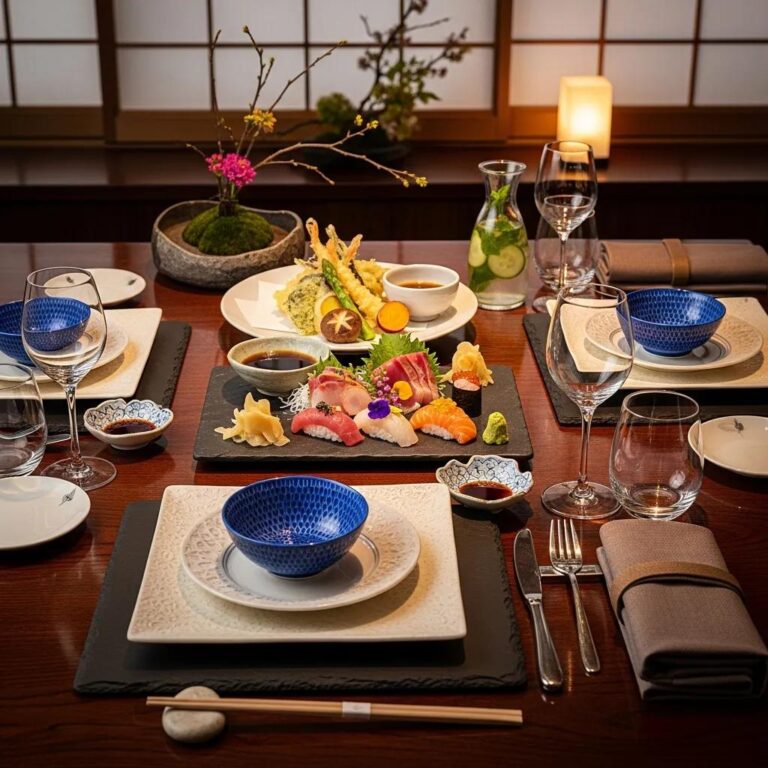
Japanese cuisine values subtle textures, clean seasoning and umami; pairing wine here is about preserving nuance and honoring rice, sea flavors and light vinegars. High-acid whites and sparkling wines work especially well with sushi and sashimi because they echo rice acidity and refresh the palate. Low-tannin light reds suit richer cooked preparations. For luxury ingredients—A5 Wagyu and caviar—the same principles apply: match intensity and account for salt and fat. Sparkling wine shines with salty, umami-rich caviar; structured reds or Champagne can pair beautifully with Wagyu, depending on how it’s prepared.
Use these pairings to translate omakase sequencing into home service: prioritize acidity and bubbles for raw and salty preparations, and introduce richer reds for heavily marbled beef. The rationale will help you mix and match confidently across courses.
To see how professionals sequence pairings, note how tasting menus are paced: lighter sparkling and high-acid whites with early courses, moving to fuller-bodied reds for later, richer plates. At Kaviar Restaurant—our Pasadena omakase—our sommelier team applies this sequencing to highlight each ingredient. Guests who want to experience that orchestration can make reservations to sample curated pairings in person.
What Wines Best Match Japanese Dishes Like Sushi and Omakase?
For sushi and omakase progressions choose wines that preserve delicate fish textures and complement rice acidity: sparkling wines, dry Riesling and unoaked Chardonnay are dependable choices. Champagne or other sparkling wines refresh the palate between bites and play well with soy or citrus seasonings. Dry Riesling brings minerality and a touch of sweetness without overwhelming. If you prefer red, a chilled Pinot Noir pairs well with tuna or salmon nigiri thanks to its low tannin and gentle red-fruit notes. When serving multiple courses, start light and progress to fuller wines so each course retains its nuance.
How to Pair A5 Wagyu Beef and Caviar with Wine at Home?
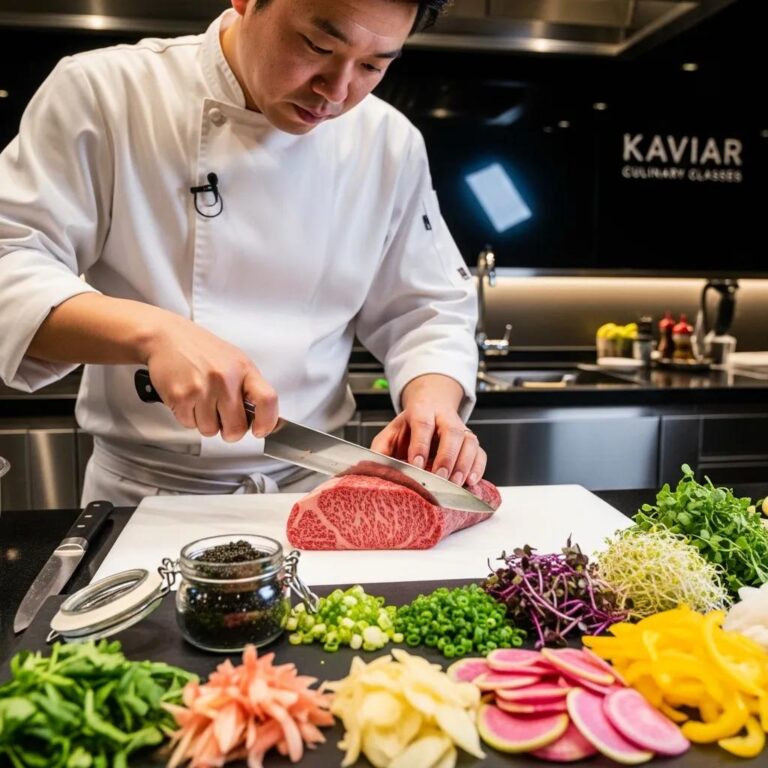
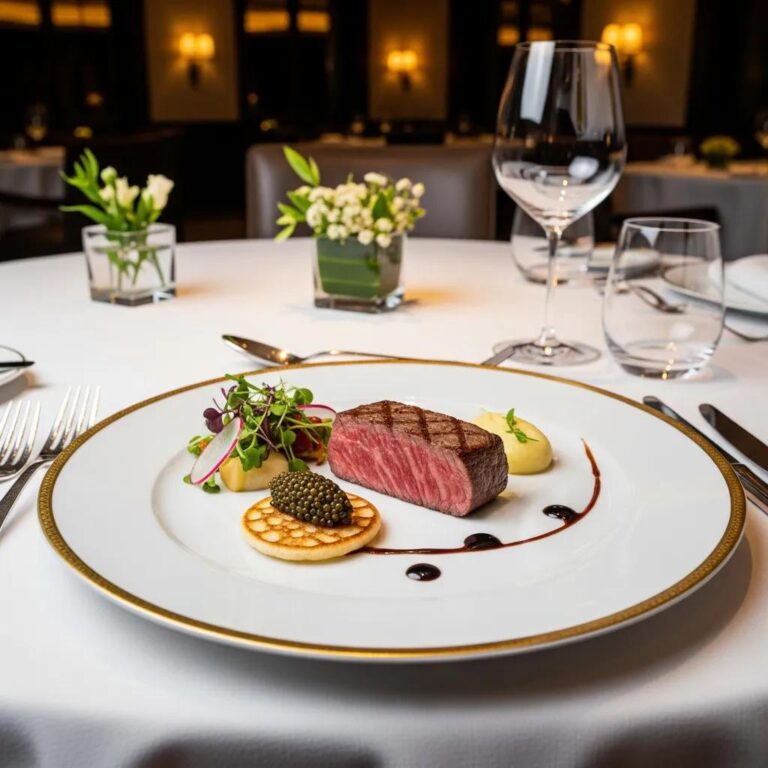
A5 Wagyu needs wines that can stand up to intense fat and silk-like texture. For seared Wagyu, structured Cabernet-style blends offer tannin that interacts with fat and amplifies savory flavors; a mature Pinot Noir delivers elegance and earthiness for more delicate seasoning. Caviar remains classic with high-acid sparkling wine or Champagne—bubbles and acidity cut salt and oil, refreshing the palate between bites. Serve Wagyu slightly cool for red service and keep sparkling wine very cold for contrast.
Serve Wagyu a touch below typical room temperature and ensure sparkling wines are well chilled to maximize balance and refreshment.
What Tips Help Beginners Select the Best Wine for Dinner and Everyday Cooking?
For beginners, use three simple steps: determine the dish’s dominant trait (fatty, acidic, spicy), decide whether to match or contrast that element, and pick a familiar varietal in the right body range. These steps reduce decision fatigue in the shop and help you choose a bottle that supports the meal. Below is a compact decision table and a short checklist you can commit to memory for quick choices.
These three quick assessments will guide most decisions while cooking. Use the examples as fallbacks when you’re unsure which bottle to open.
Quick checklist for beginners:
- Assess intensity: Is the meal light, medium or heavy? Match the wine’s body to the dish.
- Identify the dominant flavor: Acidic dishes need acidity; fatty dishes benefit from tannin or bubbles.
- Match or contrast: Choose to mirror flavors or to cut richness with acidity or effervescence.
- Choose a versatile varietal: Keep Pinot Noir, Chardonnay and a sparkling wine as reliable, everyday options.
These rules form a simple decision flow that improves with tasting. For a pro perspective, consider a sommelier’s sequencing approach.
Sommelier tip from Kaviar: when building an at-home tasting or omakase-style progression, begin with sparkling or high-acid whites to clear the palate, move to delicate whites or chilled light reds for raw courses, and introduce richer reds for intensely marbled beef—this preserves nuance and highlights each ingredient. If you’d like to experience such sequencing in person, Kaviar Restaurant offers curated tasting menus and a reservations page for guided pairings.
How to Choose Wine Based on Meal Type and Flavor Intensity?
Start by gauging a meal’s weight—light, medium or heavy—and its leading flavor component: acidic, fatty, spicy or umami. Light dishes like salads or sashimi call for high-acid, low-body wines (Sauvignon Blanc, dry Riesling) that refresh without dominating. Medium meals such as roast chicken or richer pastas suit medium-bodied wines (Pinot Noir, Chardonnay) that balance without overwhelming. Heavy meals—grilled or fatty meats—need fuller-bodied wines with higher tannin, like Cabernet Sauvignon or structured Syrah, to stand up to the dish. This framework turns guesswork into intentional bottle selection.
What Are Simple Wine Pairing Rules for Home Cooks?
Memorable rules help you act quickly and confidently. First, match intensity: light dishes with light wines, heavy dishes with fuller wines. Second, use acidity to cut richness—sparkling wines or high-acid whites refresh when fats or creams dominate. Third, be mindful of tannin with spicy food; high tannin can amplify heat. Fourth, respect umami by choosing earthier wines or those with balanced acidity rather than aggressive tannin. Finally, keep a small list of versatile bottles you trust. These guidelines give you an immediate, practical toolkit for pairing.
Five golden pairing rules:
- Match intensity: Align wine body with dish weight.
- Use acidity to cut richness: Sparkling or high-acid whites refresh fatty foods.
- Mind tannin with spice: Avoid big-tannin wines alongside intensely spicy fare.
- Respect umami: Pick earthier or balanced-acid wines for savory, mushroom-led dishes.
- Keep versatile bottles: Maintain a short rotation of flexible wines for weeknight cooking.
Where Can You Find Resources and Recipes for Wine and Food Pairing Combinations?
Good resources speed learning and make pairing decisions portable. Look for food-first and varietal-first pairing charts, sommelier-written guides and recipe sites that include wine suggestions. Food-first charts are great when you’re cooking and need several compatible wine styles; varietal-first charts help when you already have a bottle and want meal ideas. Favor guides that explain the reasoning—acidity, tannin, body—so you can generalize the rules to new dishes. Below are the most useful resource types and a short workflow for using charts in meal planning.
- Food-first pairing charts: Start with your dish and see multiple wine styles that work; ideal for quick decisions.
- Varietal-first guides: Begin with the bottle you have and find complementary dishes; useful for entertaining.
- Sommelier articles and tasting notes: Offer deeper context on structure and aging; use these to refine intuition for complex matches.
When using a chart, follow this three-step workflow: identify the dish’s dominant component, find matching structural traits on the chart (acidity, tannin, body), then select the nearest varietal example and adjust for sauces or spice. Repeat this to build a short list of three trusted wines that cover most meals.
Which Online Guides and Charts Simplify Wine Pairing Decisions?
The best online guides pair visuals with concise rationale. Look for charts that map food categories to wine families and include notes on serving temperature and bottle style. Food-first charts help with meal planning by listing multiple compatible wines; varietal-first charts help you match meals to a bottle you already own. Prioritize reputable sommelier commentary that focuses on structure—acidity, tannin, body—so you can apply the same reasoning to dishes not listed on the chart.
How to Use Visual Aids Like Pairing Charts and Infographics Effectively?
Visual aids become useful when paired with a short, repeatable method: identify the dish’s dominant trait, find the corresponding structural match on the chart, and choose the closest varietal from your wine list. Circle three go-to wines on any chart so you can make fast weeknight choices. Create a personal cheat sheet with your top picks for light, medium and heavy meals—this minimizes friction and speeds learning through repetition. Practicing this will quickly sharpen your pairing instincts.
Reserve a Luxury Pairing Experience
If you want to experience professional sequencing and curated pairings in person, Kaviar Restaurant offers a luxury Japanese tasting that highlights omakase, A5 Wagyu and caviar with thoughtfully selected drink pairings. Guests looking for a guided pairing journey can make reservations through our reservations page to see how sommelier choices elevate each course.
Frequently Asked Questions
What are some common mistakes to avoid when pairing wine with food?
A few common missteps: pairing a heavy, tannic red with delicate fish (it can overwhelm and mask flavors); pairing a sweet wine with a spicy dish (sweetness can amplify heat); and ignoring cooking method—grilled dishes often need more structure than poached ones. Keeping the dish’s dominant trait in mind will help you avoid these pitfalls.
How can I improve my wine pairing skills over time?
Practice and reflection are key. Keep a short pairing journal noting what worked and why, attend tastings or pairing dinners, and taste wines alongside the foods they’re meant to complement to observe interactions. Over time your intuition will sharpen and choosing bottles will feel easier and more enjoyable.
Are there specific wines to avoid with certain cuisines?
Yes. High-tannin reds can clash with spicy Asian dishes by intensifying heat. Oaked whites can overwhelm delicate seafood—crisp, unoaked options are usually better. Sweet wines often conflict with savory dishes unless the dish itself has sweetness. Consider both wine and food flavor profiles to avoid mismatches.
How do serving temperatures affect wine pairing?
Temperature changes how you perceive a wine. Serve whites chilled to emphasize crispness and acidity; serve reds slightly below room temperature to soften tannins and highlight fruit. Too warm makes a wine feel flabby; too cold masks aromas and complexity. Correct serving temps improve balance and lift the pairing.
What are some budget-friendly wine options for everyday meals?
There are many affordable, food-friendly wines. Pinot Noir often offers versatility at reasonable prices; unoaked Chardonnay provides refreshing balance for various dishes. Explore emerging regions and local shops for good value—many lesser-known appellations deliver excellent quality at a lower cost. Ask your local shop for budget picks that match the styles listed here.
How can I pair wine with vegetarian dishes effectively?
Focus on dominant flavors and textures. Earthy vegetables like mushrooms pair well with Pinot Noir or medium-bodied reds that echo umami. Fresh, herb-forward dishes favor high-acid whites like Sauvignon Blanc. Grilled vegetables often suit dry Rosé or light reds. Match the wine to the dish’s leading character for the best results.
Conclusion
Learning to pair wine with everyday cooking turns routine meals into memorable experiences. With a handful of principles—match intensity, use acidity to cut richness, respect umami—and a short list of go-to bottles, you can pick wines that elevate everything from weeknight dinners to special feasts. Explore our suggested styles, try the three-step chart workflow, and build your own shortlist of reliable wines. Start pairing with confidence tonight.