



Elevate Your Entertaining: Simple, Elegant DIY Gourmet Appetizers & Luxury Party Starters
A gourmet appetizer is a single, carefully composed bite that showcases quality ingredients and exacting technique to deliver concentrated flavor and visual impact—so hosts can impress without the fuss. With a few professional habits—precise seasoning, targeted heat, and thoughtful portioning—you can turn everyday elements into refined canapés that read as luxury starters and satisfy discerning palates. This guide walks you through building easy canapés, translating Japanese fine-dining thinking into approachable starters, working with ingredients such as A5 Wagyu and caviar, and staging a smooth appetizer service for dinner parties or cocktail receptions. Inside you’ll find hands-on recipes, sourcing and handling notes, plating and timing checklists, and pairings that prioritize balance, texture and umami. Read on for curated recipes, step-by-step techniques, luxury-ingredient ideas with practical swaps, hosting checklists, and a short primer on applying omakase pacing at home.
What Are the Best Easy Canapés for Elegant Entertaining?
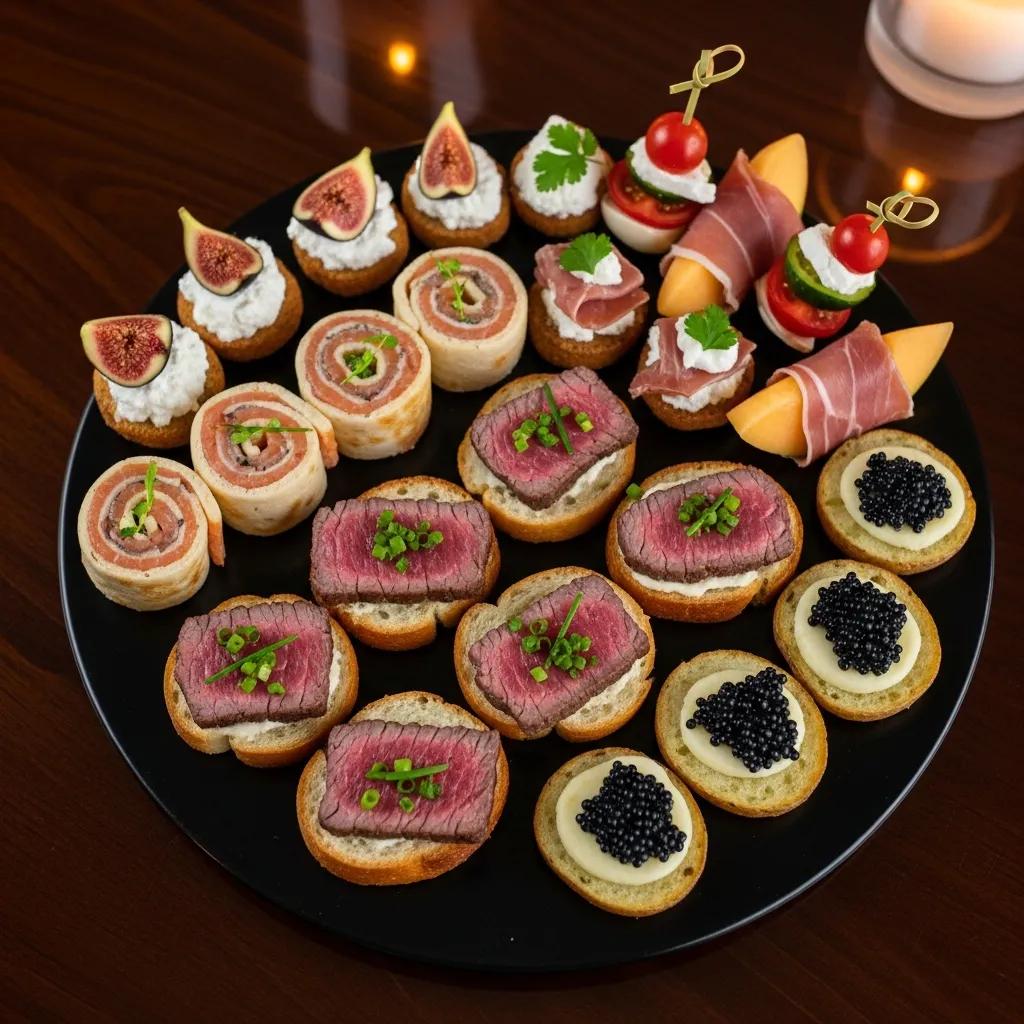
At their clearest, canapés are bite-sized constructions: a firm base, a flavor connector (a sauce or relish), a premium focal element, and a finishing garnish for texture or aroma. That simple architecture—plus contrast in temperature, texture and seasoning—makes even humble crostini or blini read as luxurious when paired with one precise premium touch. Below are five dependable recipes that scale for entertaining, include straightforward technique notes and portion guidance so you can plan per-guest quantities. Each is designed to be mostly prepped in advance and finished quickly before service to preserve freshness and texture.
- Smoked Salmon Blini with Crème Fraîche and Dill: Petite buckwheat blinis topped with smoked salmon, a quenelle of crème fraîche and a sprig of dill for silky, saline and bright acid balance.
- Seared A5 Wagyu on Toasted Brioche with Yuzu Kosho: Paper-thin seared A5 Wagyu on buttered brioche with a light smear of yuzu kosho—pure savory fat and citrus-spiced umami.
- Caviar and Crème Fraîche on Potato Rounds: Crisp roasted baby potato slices crowned with crème fraîche and a small caviar spoon for immediate luxe detail.
- Truffle Ricotta Crostini with Honey and Microgreens: Silky ricotta lifted with a whisper of truffle oil on a crisp crostini, finished with a touch of honey and peppery microgreens.
- Dashi-Glazed Mushroom Skewers on Toasted Sesame Crackers: Grilled mushrooms brushed with a concentrated dashi glaze, served on sesame crackers to highlight Japanese umami in a neat handheld bite.
Plan roughly 3–4 bites per guest for cocktail service, or 1–2 pieces per guest for each course in a seated tasting; adjust if you’ll offer multiple courses. When you borrow chef-level priorities—ingredient provenance, precise finishing, and last-minute assembly—you’ll know which components to prepare ahead and which to finish at service for the best texture and flavor.
How to Prepare Simple Yet Sophisticated Canapés at Home
Good canapé prep begins with mise en place: slice bases, portion spreads and chill delicate elements so assembly is fast and tidy. A reliable sequence is: bases and sauces first, gently cook or sear proteins next, then add delicate garnishes at the end to preserve color and crunch. Watch temperature: serve hot components hot and chilled components cold; use a hot skillet or broiler for quick re-crisps. Troubleshooting: if a base softens, refresh it under heat; if greens wilt, cool them immediately; always taste one assembled canapé and adjust seasoning before plating the full batch.
For service, arrange trays with like components grouped together and establish a clear finishing sequence for servers or for self-service—this minimizes last-minute scrambling and keeps each canapé at its intended temperature and texture. With simple planning and timing, minimal ingredients will read as intentional and polished.
Which Premium Ingredients Elevate Canapé Flavors?
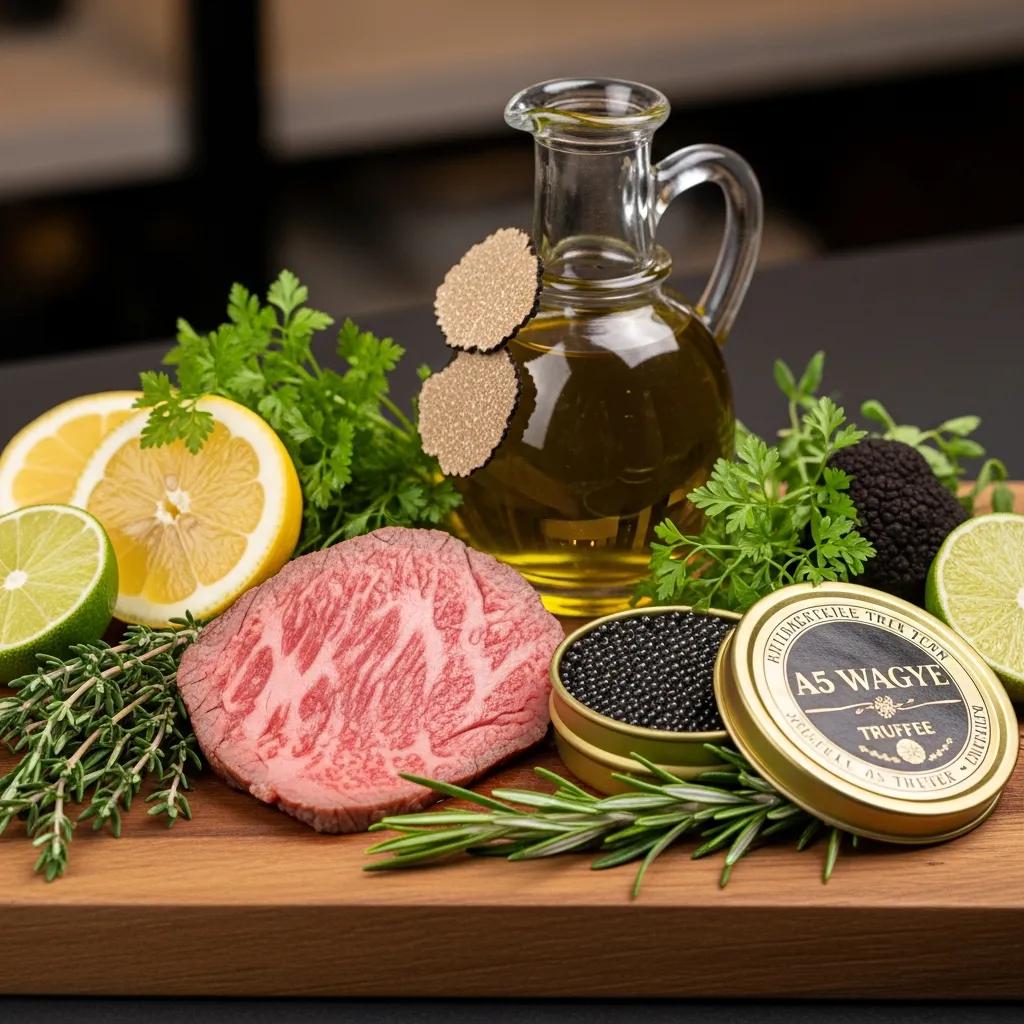
Premium ingredients increase perceived value by delivering concentrated flavor, decadent texture or an aromatic signature that a simple garnish cannot replicate. Caviar brings saline pop and silk, A5 Wagyu offers melt-in-the-mouth fat and umami depth, and truffle contributes an aromatic lift that transforms a neutral base. Concentrated condiments—yuzu kosho, aged soy, dashi reduction—give umami tension without needing rare proteins, while microgreens and citrus provide the bright counterpoint that keeps richness from feeling heavy.
Think portionally: a small spoon of caviar or a single thin Wagyu slice per bite goes a long way—restraint keeps costs and balance in check. If a premium item is out of reach, choose swaps that fulfill the same role: smoked trout for smoked salmon, a well-aged cured beef for Wagyu, or preserved truffle paste for fresh shavings. Sourcing and storage matter: keep caviar chilled and use within its window, wrap high-fat proteins tightly and slice cold just before service to preserve appearance and texture.
How to Create Gourmet Appetizers Inspired by Japanese Fine Dining
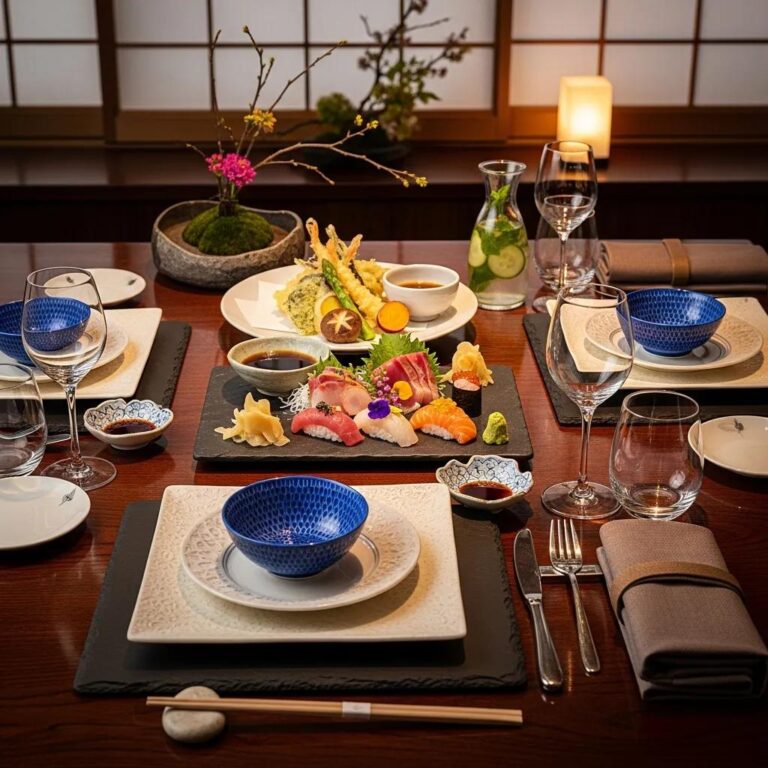
Japanese fine-dining principles—precision, seasonality, umami balance and textural contrast—translate directly to approachable appetizer planning. The key is restraint: each element must have a clear purpose, contributing either a flavor note, a texture or a visual accent. The benefit is a compact tasting sequence that feels deliberate and harmonized—perfect for entertaining without unnecessary fuss.
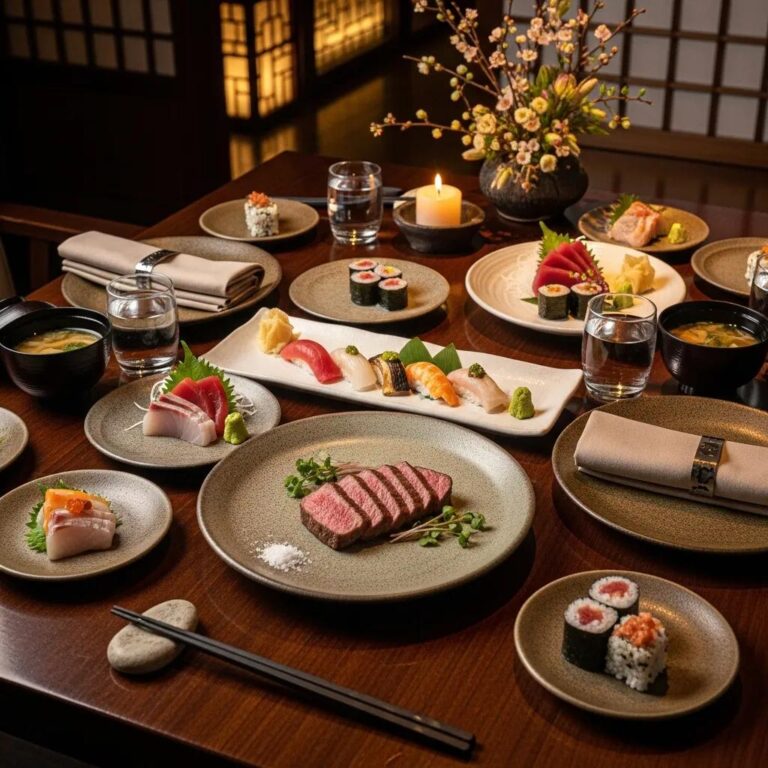
Apply a three-step omakase-inspired approach at home: choose peak ingredients, design a short sequence of small bites that increase in intensity, and finish each bite with a single precise garnish. Practical examples: a chilled sashimi-style canapé brushed with citrus-soy; a warm, seared protein on a crisp neutral base with a small dashi glaze; a pickled vegetable intermezzo to reset the palate between richer bites. These principles make your starters feel intentional and cohesive.
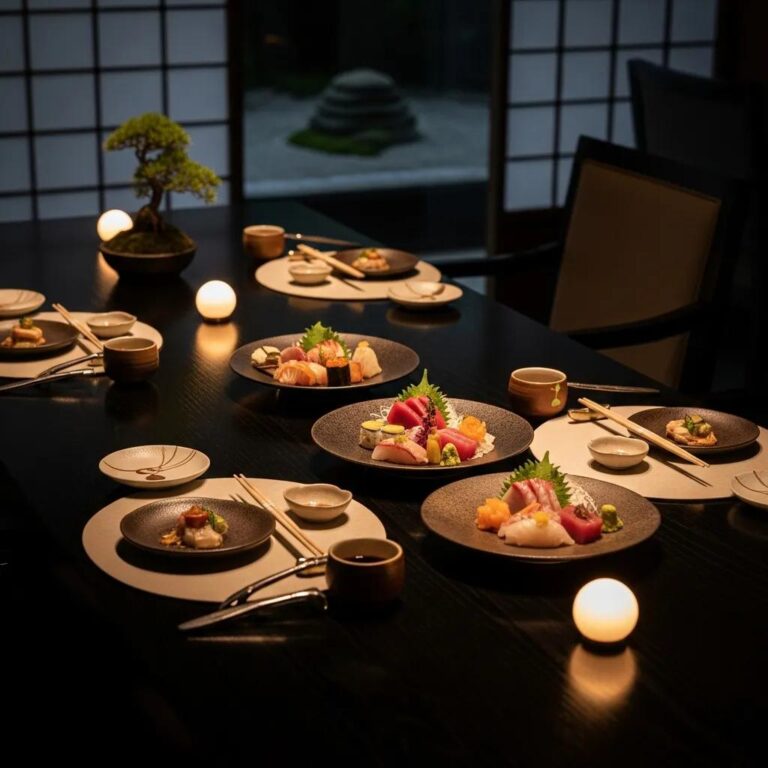
Kaviar’s omakase philosophy—rooted in provenance and precision—offers a practical model for pacing and ingredient choices when composing at-home micro-menus. Reserve the richest items for later in the sequence to preserve balance and guest interest, and consider visiting Kaviar to experience the full curated tasting flow in person.
What Is Omakase Style and How Does It Influence Appetizer Preparation?
Omakase is a chef-led tasting where the kitchen composes each course to highlight peak ingredients and technique. For appetizers, that means making small, singular statements that move logically: size each bite for one mouthful, sequence from lighter to fuller flavors, and use subtle garnishes that enhance rather than disguise the main element. The result is less complexity and more focus on ingredient quality and timing.
At home, create a micro-menu of 4–6 bites that progress from refreshing to richer. Insert a palate cleanser—pickled vegetables or a light, acidic bite—midway to refresh the senses before serving umami-forward items like Wagyu or caviar.
How to Incorporate A5 Wagyu and Caviar into DIY Starters?
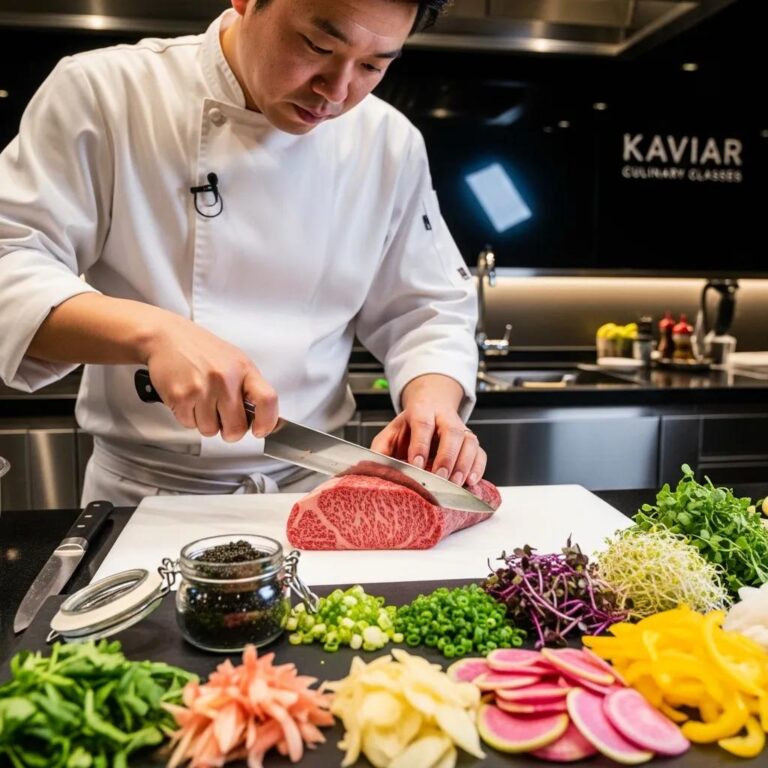
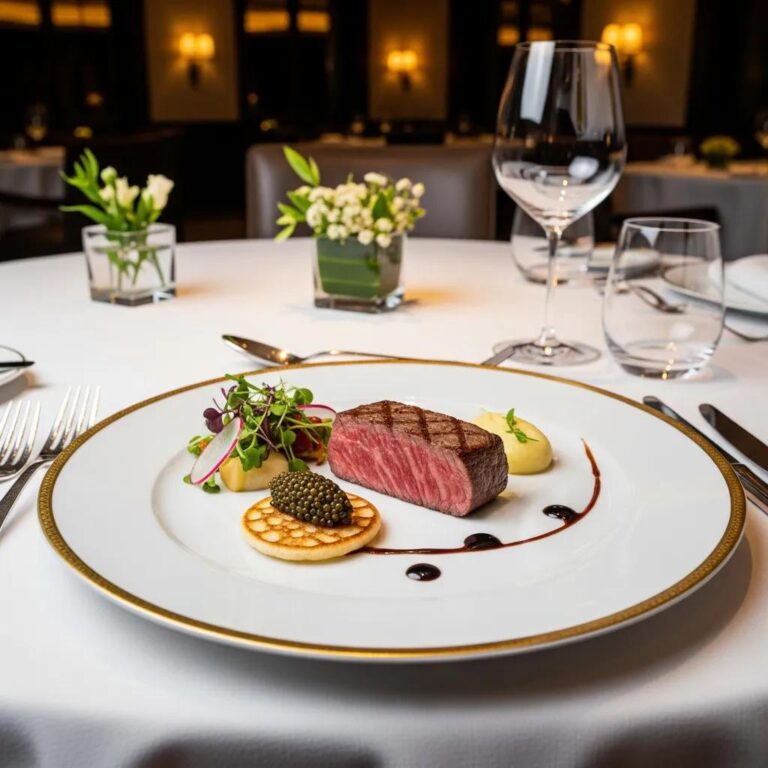
A5 Wagyu and caviar work best in tiny portions with minimal preparation so their intrinsic qualities remain the star. For Wagyu: shave thin or flash-sear slices, season sparingly with sea salt, and present on a neutral base such as toasted brioche or rice cracker so the fat and texture sing. For caviar: use a chilled neutral base—blini or potato round—with a small spoon of crème fraîche or lightly whipped butter to cradle and highlight the briny pop.
Handling notes: store caviar chilled and use within the producer’s freshness window; thaw Wagyu slowly and slice cold to preserve marbling, then sear briefly at high heat. Cost-managing options include high-grade domestic wagyu or well-aged beef, and premium roe or preserved fish roe as caviar alternatives. Small portions and restrained seasoning preserve the specialness and create memorable single-bite moments.
What Are Top Party Starter Recipes Featuring Luxury Ingredients?
Showcasing luxury ingredients in starters is about pairing one high-impact element with approachable technique so hosts can deliver impressive bites without elaborate execution. Let a single premium component carry the canapé while simpler supports add balance—this keeps prep manageable and the impression maximal. Below are six tested starter concepts that use luxe touches yet remain approachable; each works well with quick finishing steps and make-ahead options.
These concepts emphasize a single premium focus, fast finishing and sensible make-ahead choices for service efficiency.
- A5 Wagyu Tataki on Sesame Crisp: Briefly sear Wagyu, thin-slice, dress with ponzu, and serve on a sesame crisp garnished with microgreens.
- Potato Round with Crème Fraîche and Caviar: Roast baby potato rounds until crisp, top with crème fraîche and a restrained caviar spoon for an immediate luxe note.
- Truffled Mushroom Tartlet: Sauté mixed mushrooms with garlic, finish with a touch of truffle oil in a prebaked tartlet shell and top with chives.
- Yuzu-Glazed Scallop on Spoon: Sear small scallops, glaze with a yuzu-dashi reduction, and present on tasting spoons with a sliver of pickled radish.
- Smoked Salmon Rose with Lemon Sabayon: Roll smoked salmon into a small rose on toasted brioche with a light lemon sabayon for bright lift.
- Dashi-Marinated Eggplant Crostini: Quick-pickle eggplant in dashi, roast and place on crostini with sesame and scallion for focused umami depth.
Intro to ingredient comparison table: The table below compares common luxury elements by flavor profile, recommended portion per canapé and sourcing notes to help you decide which staples to prioritize for your event.
This comparison clarifies each ingredient’s functional role and portioning so you can balance cost and impact when planning a luxury-feeling spread.
How to Source and Use A5 Wagyu and Caviar for Home Entertaining?
Source A5 Wagyu and true caviar from vetted specialty purveyors or trusted online merchants and prioritize timing and storage. The principle is trust and timing—buy from known suppliers and keep items cold until final assembly. For Wagyu, order frozen from a specialist and thaw in the refrigerator; slice cold to preserve marbling and flash-sear minutes before serving. For caviar, keep refrigerated on ice and serve within the producer’s recommended timeframe—don’t over-salt, as caviar is naturally briny.
Vendor tips: ask for harvest or pack dates for caviar and provenance details for Wagyu. If these items exceed your budget, opt for high-quality domestic alternatives or concentrated flavor substitutes—cured roe, preserved truffle, or well-aged beef. Below is a compact EAV-style table summarizing sourcing, handling and simple pairings.
This distillation makes sourcing and handling straightforward so each luxury ingredient performs at its best on service night.
Which Simple Elegant Appetizers Impress with Minimal Effort?
High-impact, low-effort appetizers pair one confident technique with one concentrated or premium element. Prioritize crispness, small sauce accents and a single aromatic finish. Choose recipes that are mostly make-ahead with a short finishing step so you can spend party time serving, not cooking. Below are four reliable ideas with simple execution and plating cues.
- Blini with Crème Fraîche and Caviar — Make blinis and crème fraîche ahead; finish with caviar and chives moments before serving for immediate polish.
- Seared Wagyu on Toast — Portion Wagyu in advance, sear seconds before service and finish with a smear of yuzu kosho for brightness.
- Truffle Ricotta Crostini — Blend ricotta and truffle oil ahead, pipe onto toasted crostini and finish with honey and microgreens at service.
- Yuzu-Glazed Scallop Spoons — Sear scallops quickly to order, spoon on the reduction and present on tasting spoons with pickled radish.
How to Host a Luxury Party with Easy DIY Gourmet Appetizers?
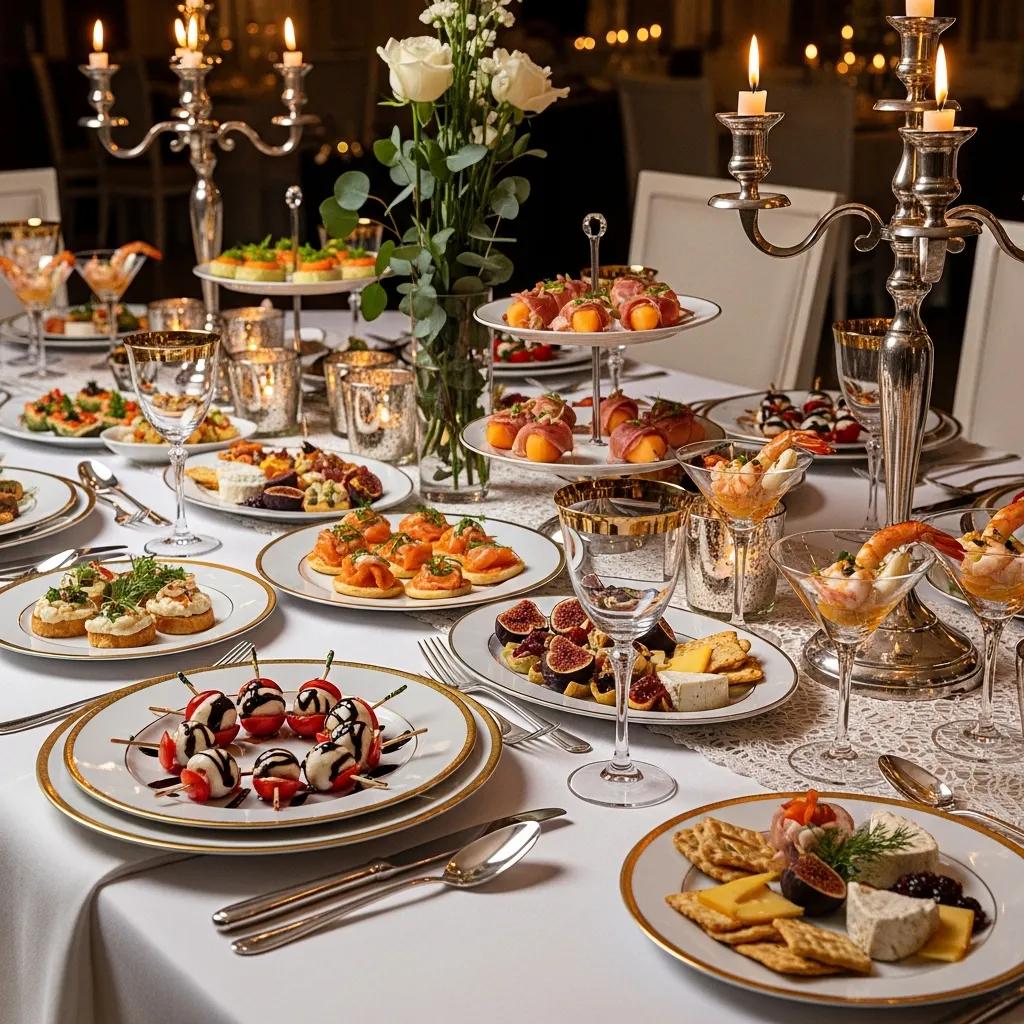
Hosting a luxury party with DIY appetizers is about choreography: map timing, set a finishing station and standardize plating so every bite is consistent. The system frees the host to focus on presentation and guest experience. Thoughtful pacing prevents palate fatigue; a simple service flow—welcome bites, mid-sequence and finale—creates narrative and builds anticipation. Use the checklist below to stage an effortless, refined appetizer service.
- Plan a tasting sequence of 4–6 bites that moves from light to rich and include one palate-cleansing vegetable or acid-driven bite.
- Prepare bases and sauces in advance, portion proteins for quick finishing, and set up a single finishing station with a hot pan and plating tools.
- Use uniform serving vessels and discreet labels to guide guests while maintaining a curated feel.
- Assign a helper or small serving team to finish and circulate warm items so the host can engage with guests.
- Time service: offer welcome canapés, wait 10–12 minutes, then progress through the sequence with pauses for drinks and conversation.
These steps reduce stress and ensure each canapé reaches the table at its intended temperature and texture, preserving the refined impression you aim to create.
What Entertaining Tips Enhance the Presentation of Gourmet Starters?
Presentation turns simple starters into memorable moments by focusing on negative space, color contrast and aromatic finishes. Think sensory framing: how a bite looks and smells shapes how it’s perceived. Present single bites on small plates, tasting spoons or slates and leave breathing room around each item. Use microgreens, citrus zest and tiny herb sprigs for color and scent; apply sauces as dots or light brushes rather than puddles to keep the look refined.
Choose neutral, simple serveware so the food remains the focal point and employ soft directional light to heighten gloss and texture. These visual choices heighten anticipation and make each canapé feel intentionally crafted—exactly what guests remember.
How to Pair Appetizers with Drinks for a Refined Experience?
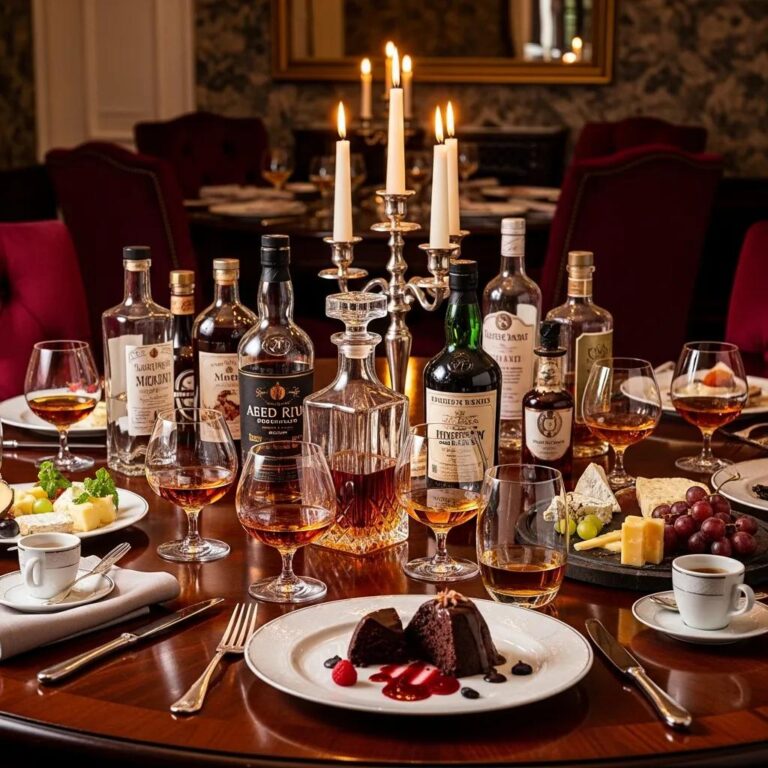
Pairing follows three practical rules: match weight (light with light, rich with fuller drinks), use acidity or sweetness to cut or complement richness, and consider texture interplay (sparkling wines cut fat; umami favors mineral or savory-driven beverages). The right pairings let drinks and bites amplify each other. Below are six suggestions tied to earlier recipes with a concise rationale for each.
- Champagne or sparkling wine with potato rounds and caviar — bubbles refresh the palate and lift saline richness.
- Dry sake with seared Wagyu tataki — subtle sweetness and umami in sake mirror the Wagyu’s fat and savory notes.
- Light, zesty cocktail (yuzu Collins) with smoked salmon blini — citrus brightness complements oily fish and crème fraîche.
- Earthy pinot noir with truffle ricotta crostini — gentle tannin and earth tones echo truffle aroma.
- Crisp riesling with yuzu-glazed scallop spoons — acidity and slight sweetness lift the scallop and glaze.
- Non-alcoholic ginger-lime soda with dashi-marinated eggplant — spice and acidity refresh the palate and echo umami.
These rules and pairings help you build a drink list that supports the appetizer sequence and keeps contrasts balanced throughout the event.
Where to Find Signature Kaviar-Inspired Appetizer Recipes and Dining Experiences?
If you want direct inspiration from a Japanese fine-dining perspective, Kaviar Restaurant is a practical reference for curated pacing, premium sourcing and omakase-style presentation you can adapt at home. The restaurant’s emphasis on provenance and precision translates into DIY approaches: choose seasonal, high-quality components and execute exacting, minimal assembly. Below are directions for using Kaviar’s menu as reference and how to plan a visit to observe tasting flow and technique in person.
View Kaviar’s menu for curated composed-bite examples and consider booking a reservation to experience the full pacing and finishing in a professional setting—valuable reference points for your at-home micro-menus.
How Does Kaviar Restaurant’s Menu Inspire DIY Gourmet Appetizers?
Kaviar’s menu centers on small, composed plates that pair provenance-driven proteins with minimalist garnishes. To translate those courses into home canapés, emphasize single-ingredient quality and understated seasoning. Three simple mappings: turn a kelp-accented seafood bite into a small ceviche on cucumber rounds; echo a wagyu course by thin-searing premium beef and serving on toasted brioche; reinterpret a seasonal vegetable course as a dashi-poached vegetable on a sesame cracker with a yuzu dot. Prioritizing provenance—selecting the best locally available or certified producers—will mirror the restaurant’s approach and sharpen your home results.
These mappings let you borrow professional intent while keeping techniques and ingredient lists approachable for home cooks building a luxury-feeling gathering.
How to Book a Luxury Dining Experience to Complement Your Entertaining?
To study professional pacing and omakase flow, book a reservation at an upscale tasting-focused restaurant and request a seasonal tasting. Note dietary preferences or group needs so the kitchen can tailor the experience. Arrive ready with questions about provenance, finishing techniques and portioning to learn how small-plate treatments translate to single-bite formats. After dining, catalogue the textures and finishing touches that stood out—acid flashes, micro herbs, subtle oils—and adapt those elements into your own canapés.
Experiencing a curated tasting in person offers direct reference points for pacing, plating and ingredient choice that you can recreate at your next refined entertaining event.
Frequently Asked Questions
What are some tips for sourcing premium ingredients for canapés?
Source premium items like A5 Wagyu and caviar from reputable specialty butchers or trusted online merchants; provenance and freshness matter. Keep Wagyu frozen until needed and thaw in the refrigerator; store caviar chilled and use within the recommended window. If budget is a concern, choose thoughtful alternatives—high-quality domestic beef, premium roe, or preserved truffle—that preserve the canapé’s intent without the same price tag.
How can I ensure my canapés are visually appealing?
Presentation is essential. Use small plates or tasting spoons, leave negative space around each bite and favor a single, striking garnish. Bright microgreens, citrus zest or a tiny herb sprig add color and aroma; place sauces as dots or light brushes rather than pools. Simple, neutral serveware and soft directional lighting will let texture and gloss read beautifully.
What are some common mistakes to avoid when preparing canapés?
Avoid overcomplicating flavors and neglecting temperature control. Every component should have a clear purpose and unite with the others. Serve hot items hot and chilled items cold; refresh soggy bases under heat and always taste a test canapé to correct seasoning before full plating. Streamline preparation so quality and presentation remain consistent.
How can I create a balanced tasting sequence for my appetizers?
Build a progression from lighter to richer bites. Start with refreshing, vegetable-forward canapés, then move toward richer umami items like Wagyu or caviar. Include a palate-cleansing interlude—pickles or a citrus bite—midway. Aim for a micro-menu of 4–6 canapés that flow together so each bite complements the next.
What are some effective ways to pair drinks with gourmet appetizers?
Match the weight of the drink to the food, use acidity or sweetness to balance richness, and consider texture interplay; for example, bubbles cut fat while mineral-driven beverages pair well with umami. Try the suggested pairings in this guide as a starting point, then adjust to guest preferences and your specific menu.
How can I adapt professional dining techniques for home entertaining?
Focus on ingredient quality, precise execution and thoughtful pacing. Borrow omakase principles: pick peak ingredients, design a short sequence of bites that progress in intensity, and finish each canapé with a single precise garnish. Observing professional tasting menus—either in person or by study—will give you small, repeatable touches to bring into your own gatherings.
Conclusion
Beautiful, easy DIY gourmet appetizers let you impress guests with minimal stress by combining premium ingredients, focused technique and careful timing. Master a few composed canapés, plan a measured tasting sequence and prioritize last-minute finishing to preserve texture and flavor. With the recipes and checklists here, you can turn a casual gathering into a considered, memorable tasting—start planning your next elegant soirée.