



The Complete Guide to Table Setting Etiquette — Mastering Formal and Fine Dining Setups
A formal table setting is the thoughtful arrangement of plates, flatware, glassware and linens designed to support multiple courses and elevate the guest experience. This guide clarifies how formal place settings work, why they matter in fine dining, and how correct placement and manners keep attention on the ingredients and the chef’s craft. You’ll find clear instructions for dinnerware and silverware layout, glassware and napkin placement, Japanese fine-dining nuances (including omakase), and reservation etiquette that helps restaurants prepare for premium service. Follow the step-by-step setups and practical checklists to set a table with confidence and to understand how plating, service and reservations all work together to create a polished dining moment.
What Are the Essentials of Formal Dining Etiquette?
Formal dining etiquette is a reliable system of place settings and behaviors that supports sequential courses and refined service. The logic is simple: consistent placement reduces confusion, signals course order, and preserves a clean visual field so guests focus on the food and conversation.
The practical advantage is a seamless meal—servers know where to place or remove items and guests know which utensil to use next—resulting in smooth pacing and a heightened perception of quality.
Below are the primary elements of a formal place setting and the role each plays in multi-course service.
Formal table settings rest on predictable parts:
- Charger and service plate: A visual anchor for the place that’s removed or swapped as courses change.
- Cutlery arranged outside-in: Forks on the left, knives and spoons on the right, following course order.
- Glassware arrayed top-right: Water nearest the diner, wines placed in sequence.
- Bread plate and butter knife: A dedicated surface for bread, keeping the main plate clear.
- Napkin placement: Neat folding signals readiness and protects clothing.
Each piece supports predictable service flow and leads into the specific setup steps we’ll outline next.
How Do You Arrange Dinnerware and Silverware Correctly?
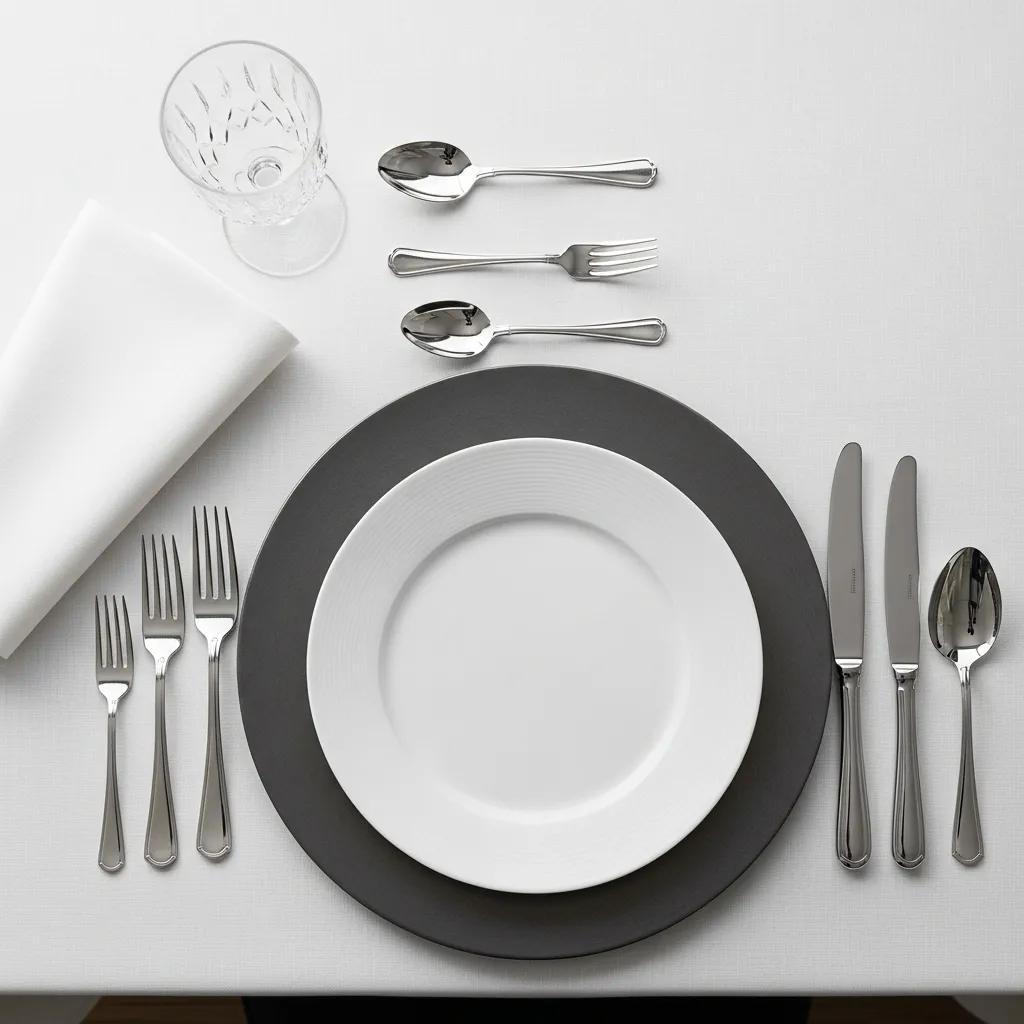
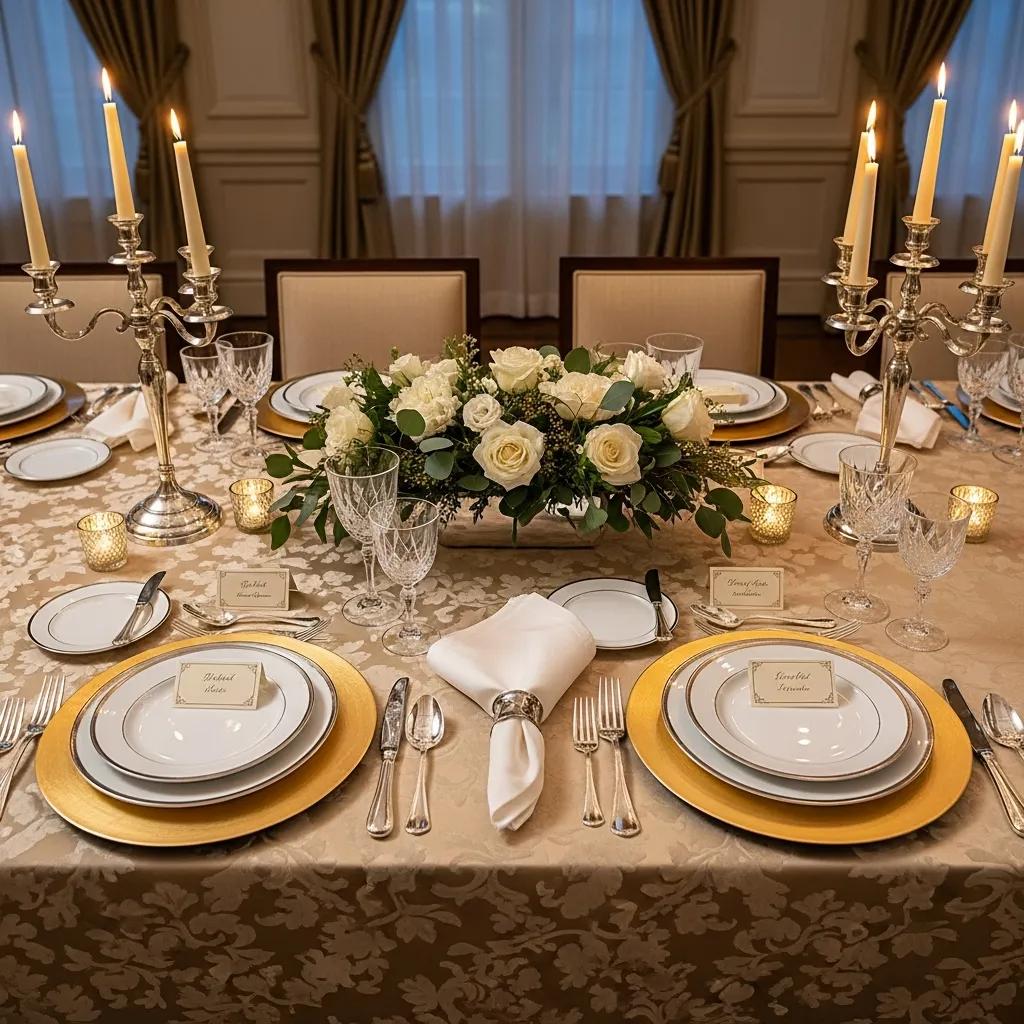
Formal dinnerware and silverware follow a clear outside-in rule: the utensils farthest from the plate are used first, and the charger marks the guest’s primary space. Begin with the charger or service plate centered at each seat; add the dinner plate on top if the service requires it. Forks go to the left (salad fork outside the dinner fork), knives to the right with blades facing the plate, and spoons to the right of knives for soup courses. Dessert utensils can sit horizontally above the plate or be presented with the dessert, depending on the formality of the service.
Use the quick-reference table below to confirm common pieces and standard placements before service:
This table lists typical utensils and their recommended placements for a formal multi-course meal.
This concise mapping helps hosts and service staff prepare consistent place settings and informs which utensils are cleared after each course—an important lead-in to table manners.
What Are the Key Principles of Proper Table Manners?
Table manners mirror the technical setup and keep a meal orderly and pleasant. Core principles include posture—sit straight and avoid resting elbows on the table between courses—pacing—match your tempo to the table so courses flow together—and signaling—use subtle cues like placing your napkin on the chair for a brief absence or folding it to the left when finished. When interacting with servers, be courteous, make special requests discreetly, and avoid loud or distracting behavior that interrupts the dining rhythm.
Practical dos and don’ts to put these principles into action:
- Do use utensils from the outside in and rest them on your plate between bites.
- Do wait until everyone is served before starting unless the host invites you to begin.
- Don’t reach across the table—ask for items to be passed instead.
- Don’t use phones at the table except for urgent matters.
These behaviors protect the meal’s tempo and are particularly important in culturally specific formats such as Japanese fine dining, which we’ll explore next.
How Should Glassware and Napkins Be Placed in a Formal Table Setting?
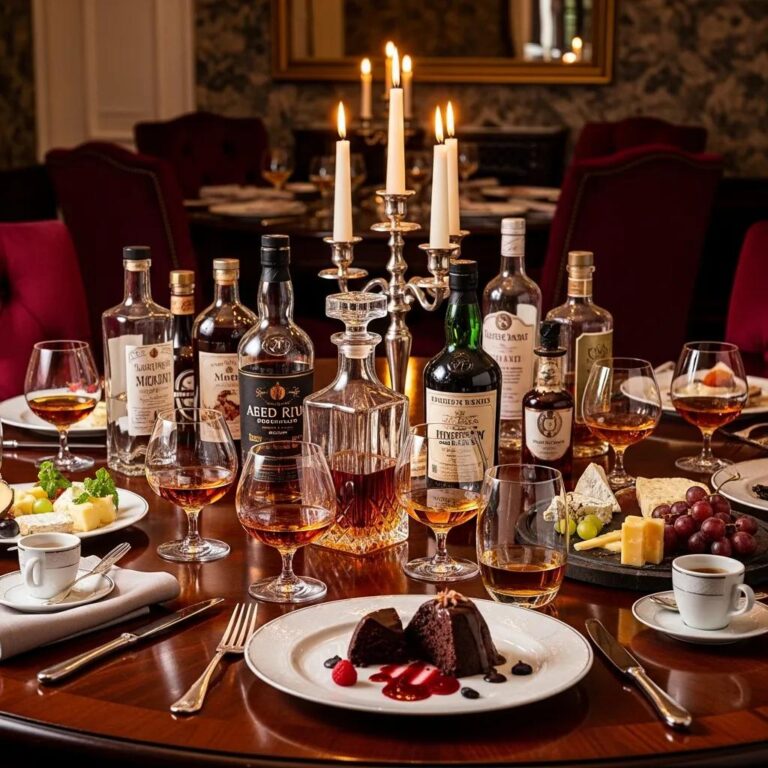
Glassware and napkin placement finish the table’s look and guide service sequence. Glasses sit above the knives in a diagonal or slight arc, arranged by order of use—water closest, then white wine, then red, with flutes or dessert wines placed furthest out. Napkins should be practical and elegant: on the charger, to the left of the forks, or (for a decorative touch) tucked into a glass—so long as they remain dry and accessible. Proper stemware handling and tidy napkin placement reduce spills and keep the table visually calm.
Below is a simple mapping of common glass types and recommended placement to help hosts set tables quickly and correctly.
What Are the Different Types of Glassware and Their Placement?
Each glass has a role and should be positioned for intuitive access. Place the water glass above the dinner knife since water is served first; white wine glasses sit slightly to the right and forward of the water if paired with earlier courses; red wine glasses, which are larger, sit to the right or slightly behind the white wine glass. Champagne flutes are positioned furthest to the right or are brought with celebratory service. Always handle stemware by the stem to avoid warming the bowl and to protect aromas.
Here’s an EAV-style table summarizing glassware, purpose, and typical placement:
Knowing glass positions helps servers pour in the correct order and lets guests reach without hesitation—next we’ll cover napkin folding options that suit fine dining.
How Do You Fold Napkins Elegantly for Fine Dining?
Napkin folding in fine dining balances restraint and function: choose folds that look neat, hold their shape, and are easy for guests to open. Classic, understated folds—rectangle, pocket fold, or a simple triangle—work best because they sit cleanly on the charger or to the left of the forks. Dramatic folds like standing fans or bishop’s hats are visually striking but can slow service; reserve those for special events. If a napkin is placed in a glass, confirm it stays dry and easy to remove; otherwise lay it on the charger.
Common napkin folds and their uses include:
- Classic rectangle — dependable and refined for everyday fine dining.
- Pocket fold — practical for holding cutlery during plated service.
- Triangle fold — simple, elegant, and quick to execute.
What Are the Unique Nuances of Japanese Fine Dining Table Settings?
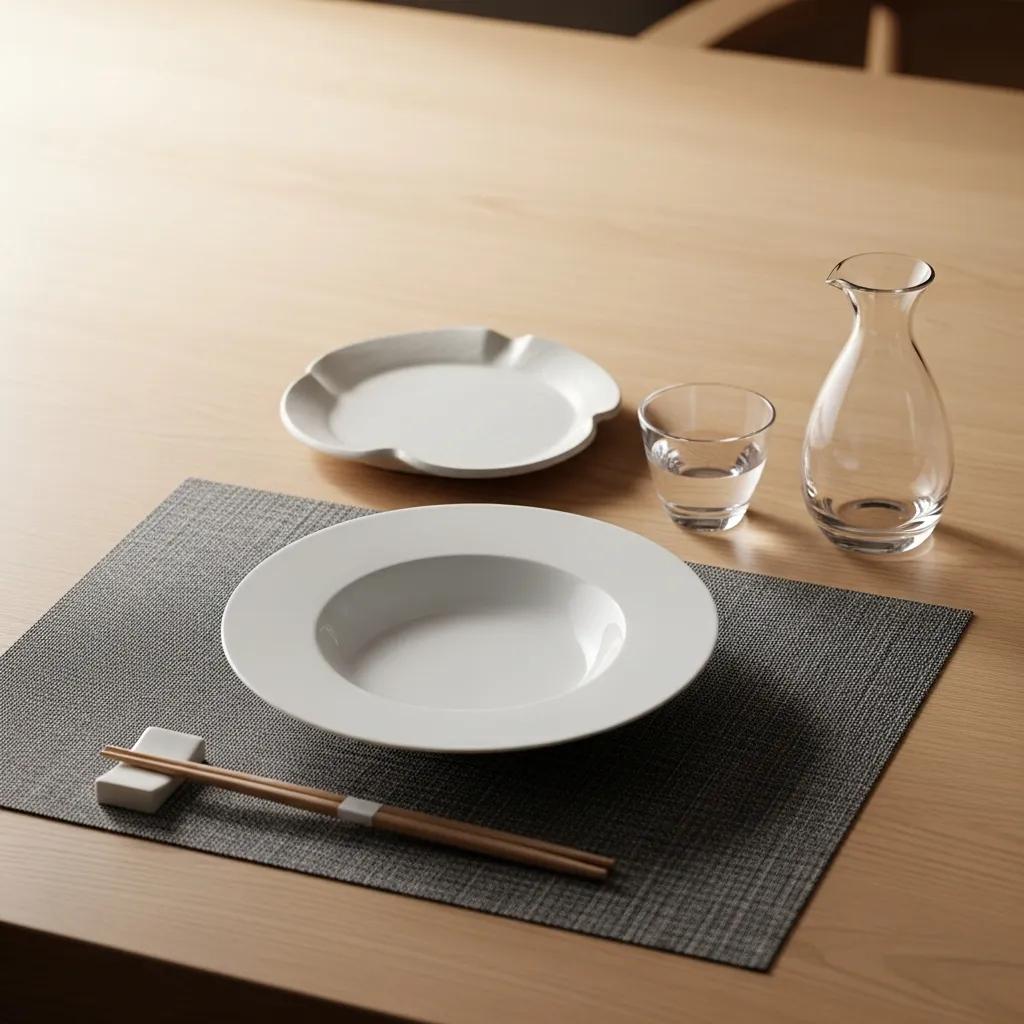
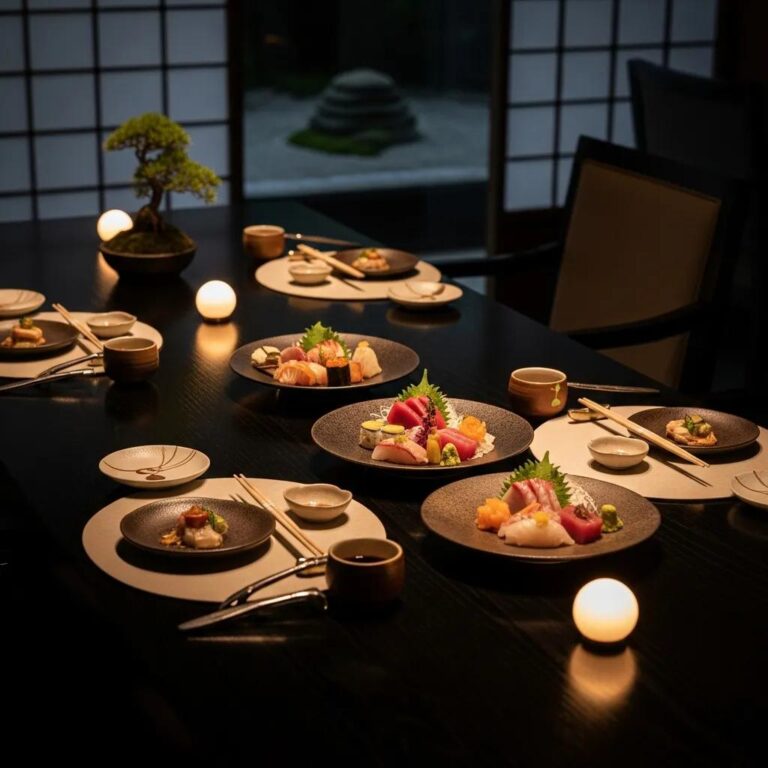
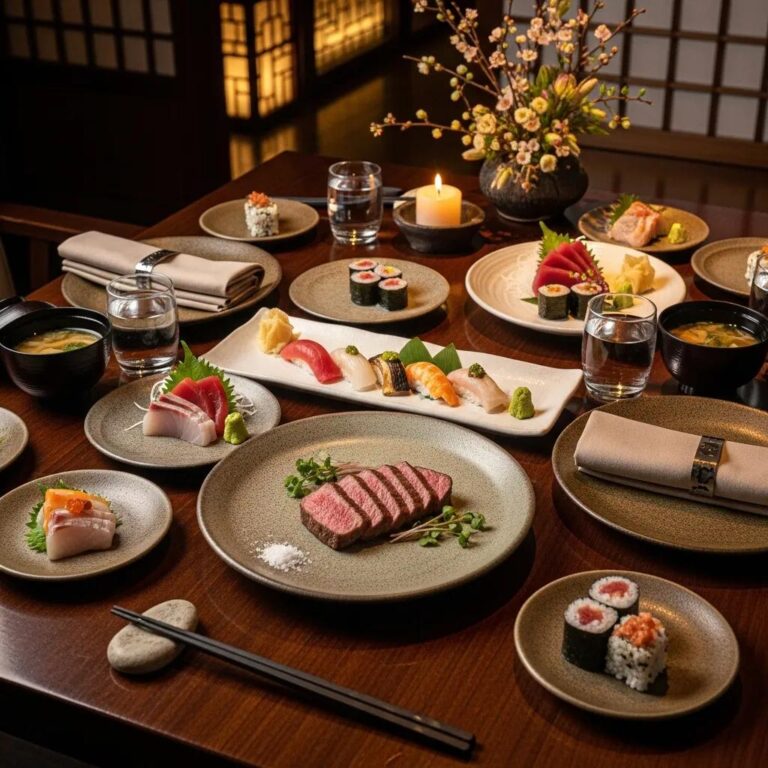
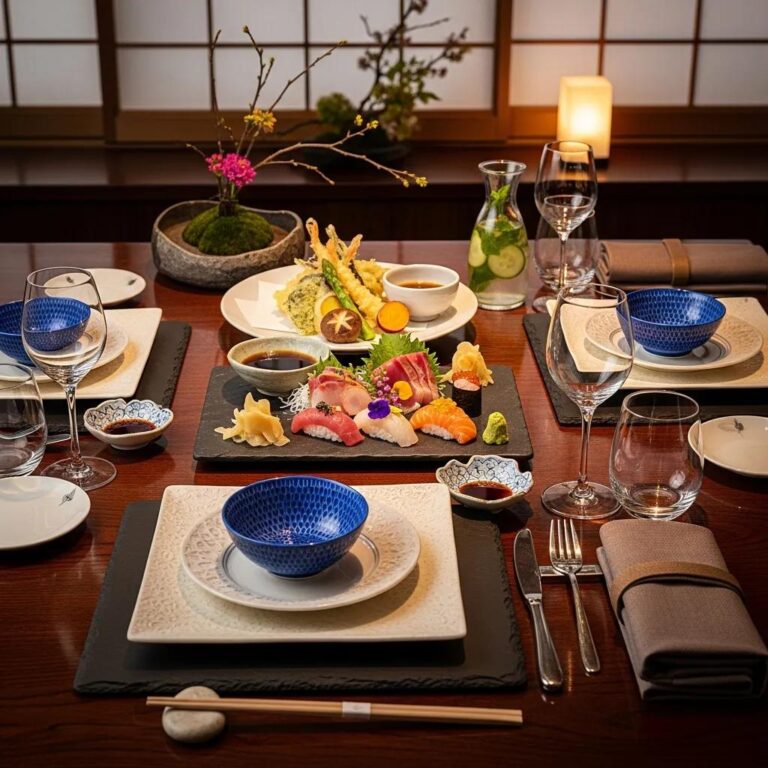
Japanese fine dining emphasizes minimalism, deliberate sequencing, and a close chef-to-guest relationship—each factor shaping place settings and service rhythm. In omakase and other chef-led formats the chef controls pacing: courses arrive one by one, often on vessels chosen to complement each dish. The result is focused attention on ingredient quality; the table remains spare so the plated piece becomes the visual center. Chopsticks and small communal plates take the place of many Western utensils.
Three features that distinguish Japanese fine dining:
- Omakase sequencing: The chef curates course order and timing to showcase seasonality and technique.
- Chopstick etiquette and rests: Placement and handling follow customs that signal respect and hygiene.
- Dishware selection: Ceramic, lacquer and small vessels are chosen to frame texture and color.
These elements shape how premium ingredients are presented and how guests engage with service—topics we’ll illustrate with omakase setup and premium-ingredient presentation next.
How Does Omakase Influence Table Setting and Dining Experience?
Omakase—a chef-led tasting—simplifies the fixed table layout and prioritizes dish-level presentation. Typical omakase settings are minimal: chopsticks with a rest, a small plate for shared bites or dips, and a water glass; additional serveware is presented by the chef as each course arrives. This sequential focus reduces clutter and encourages guests to engage with each plated moment, reinforcing the chef’s narrative and flavor progression.
In omakase service, the formal multi-place arrangement gives way to flexibility: chefs and servers coordinate timing closely, and diners look for subtle cues before tasting. That same attention to detail governs how high-value items—A5 Wagyu, caviar—are staged for maximum sensory impact.
How Are Premium Ingredients Like A5 Wagyu and Caviar Presented?
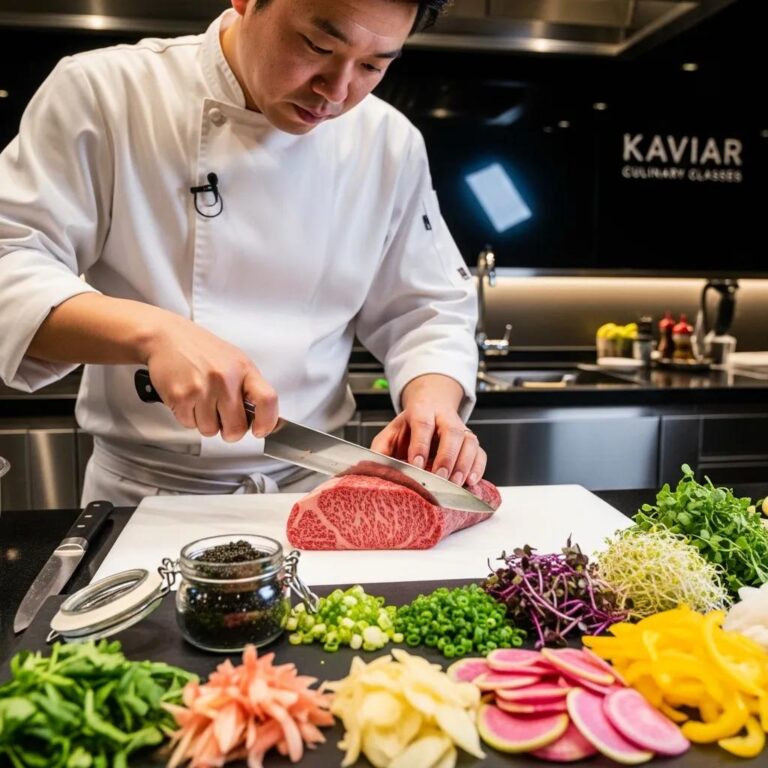
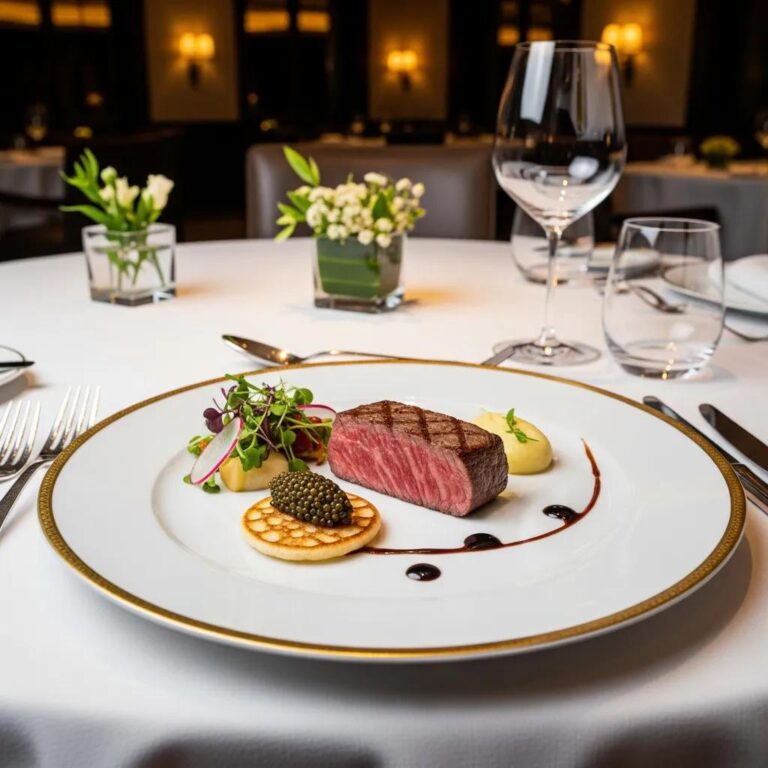
Presentation of premium ingredients centers on temperature control, visual contrast and minimalism so the product speaks for itself. A5 Wagyu is often thinly sliced, briefly seared to render fat, and served on a warm ceramic to preserve texture and show marbling. Caviar is chilled on mother-of-pearl or glass and served with neutral blinis or lightly buttered toast and minimal garnish so the roe remains the focus. The material and color of the plate—ceramic, lacquer, or stone—act as a frame that complements the ingredient and elevates perceived value.
The table below outlines presentation attributes and examples common in luxury dining:
Thoughtful presentation raises anticipation and complements the formal table setup. To achieve this level of precision, reservation practices let restaurants prepare the right tableware and staffing.
Next, we explain how reservation etiquette helps restaurants execute precise table settings and customized service.
How Does Reservation Etiquette Enhance the Fine Dining Experience at Kaviar Restaurant?
Reservation etiquette gives front-of-house teams the information they need to prepare table settings, service pacing and ingredient staging—especially for chef-driven formats and high-value dishes. Advance details like party size, dietary restrictions and special occasions allow staff to allocate the appropriate table, ready specific serving vessels, and time courses or private chef interactions. The outcome for guests is a smooth, personalized experience where place settings, glassware sequence and plating align with the menu and expectations.
Core reservation practices that help luxury restaurants deliver exceptional service:
- Provide guest details: Share party size, dietary needs and celebrations when booking.
- Reserve early for omakase or premium items: High-demand experiences require advance notice.
- Confirm arrival and cancellation policies: Timely communication preserves seating and prep time.
These steps let restaurants prepare appropriate tableware and staffing and lead into practical booking tips and how Kaviar readies each reservation.
What Are the Best Practices for Reserving a Luxury Dining Experience?
Booking a luxury dining experience starts with planning and clear communication. Reserve well in advance for chef-led services like omakase and for evenings featuring scarce items such as A5 Wagyu or special caviar service. When you book, note dietary restrictions, seating preferences and whether the occasion is celebratory so staff can arrange matching glassware, plating or discreet service touches. Confirm arrival time and notify the restaurant of any changes so specialized tableware and staffing can be adjusted.
Kaviar Restaurant—a luxury Japanese fine-dining destination in Pasadena focused on omakase, A5 Wagyu and curated caviar dishes—uses reservation details to tailor service and settings for discerning diners. Guests are invited to share preferences at booking so the team can prepare the proper pacing and presentation.
These booking steps help the restaurant stage the right table layout and ensure each guest receives the intended fine-dining experience. Next, we connect table-setting etiquette with service and ambiance.
How Does Table Setting Etiquette Reflect in Kaviar’s Service and Ambiance?
At Kaviar, table-setting etiquette appears in precise plating, polished flatware and carefully chosen linens that create a calm backdrop for high-value dishes. The dining room—light tuned to show plate color, tables spaced for privacy, and discreet service—supports the behavioral expectations of formal dining and the deliberate pacing of omakase. These touches are functional as well as aesthetic: they let chefs present each course with maximum impact while servers replace or remove items at the right moment without fanfare.
When guests follow reservation etiquette, the team can prepare appropriate tableware and staffing for an elevated experience. With those details in mind, the following section answers common questions and provides a concise how-to checklist for hosts and servers.
What Are the Common Questions About Formal Table Setting and Dining Etiquette?
Frequently asked questions about formal table setting focus on practical steps and short, memorable rules that anyone can apply before hosting or attending a formal meal. Clear, concise answers help staff, hosts and diners align expectations quickly—ideal for checklists and featured snippets. The Q&A below delivers stepwise guidance for assembling a formal place setting, remembering utensil and glass order, and a compact checklist for immediate use.
How Do You Set a Formal Table Step-by-Step?
Setting a formal table follows a repeatable sequence: build outward from the charger and arrange liquids from the right. Place the charger centered at each seat, then the dinner plate on top if the service calls for it. Set forks to the left in order of use (outermost for the first course), knives to the right with blades facing the plate, and spoons to the right of knives. Put the bread plate above the forks at left with a butter knife, and position glassware in a diagonal above the knives beginning with water. Fold or place the napkin on the charger or to the left of forks. Finally, ensure centerpieces and serving pieces do not block sightlines.
A compact checklist hosts can follow:
- Place charger centered; add dinner plate if required.
- Forks to the left (outside-in); knives and spoons to the right (outside-in).
- Bread plate upper-left with butter knife.
- Glassware upper-right, arranged by order of use.
- Napkin on the charger or to the left of the forks.
These steps create a formal layout that supports multi-course service and considerate dining. The next section offers a quick memory aid for silverware and glassware order.
What Is the Correct Order of Silverware and Glassware?
The simplest rule to remember: utensils are used from the outside in; glassware sits top-right in order of use. For silverware, place a soup spoon or fish fork at the outermost position if served first; keep the dinner fork and knife close to the plate for the main course; dessert utensils can rest above the plate or be presented with the dessert. For glassware, water is nearest the diner, followed by white wine, red wine, and then champagne or dessert wine placed furthest right.
Use this short mnemonic to recall placements:
- Utensils: “Outside → In” for course order.
- Glasses: “Closest = first; rightmost = later” (water nearest, heavier wines farther right).
The small table below summarizes utensil function and placement for quick reference.
These straightforward relationships keep service smooth and help guests dine with confidence.
—
Frequently Asked Questions
What is the significance of using a charger plate in formal dining?
A charger plate anchors the place setting visually and defines the guest’s space. It remains as an elegant base for the service plates and is often removed before the main course so the dinner plate can be presented cleanly. Beyond aesthetics, removing the charger signals a transition between courses and helps pace the meal.
How can I ensure my table setting is culturally appropriate for different dining styles?
Match your table setting to the cuisine and service style. Research the customs—Japanese service favors minimalism and chopsticks, while Western formal service uses multiple utensils. Adjust the layout, tools and small rituals (like chopstick rests or shared plates) to reflect the culture you’re presenting. When in doubt, keep the setting simple and let servers or the chef introduce any special customs.
What are some common mistakes to avoid when setting a formal table?
Common errors include incorrect utensil order, overcrowding the table with unnecessary items, and ignoring the visual hierarchy. Ensure utensils follow the outside-in rule, limit decorative pieces that obstruct service or sightlines, and leave clear space for plates and glassware so guests can dine comfortably.
How do I choose the right linens for a formal dining setting?
Choose high-quality linens—linen or cotton—that complement your dinnerware and the occasion. Neutral tones create a calm backdrop for food; richer hues can add warmth for evening events. Consider texture and maintenance: heavier fabrics look formal but should still be easy to launder and press for a crisp presentation.
What is the role of ambiance in enhancing the formal dining experience?
Ambiance shapes how guests perceive a meal. Lighting that flatters plate colors, understated background music, and comfortable spacing all support conversation and attention to the food. A well-composed room removes distractions and lets service and plating take center stage.
How can I practice proper etiquette when dining at a formal event?
Practice starts with being presentable and punctual. During the meal, use utensils from the outside in, wait for the table to be served before beginning, and speak in measured tones. Avoid reaching across the table, keep elbows off the surface between courses, and treat servers with courtesy—small gestures go a long way toward a gracious dining experience.
Conclusion
Mastering formal dining etiquette sharpens your hosting skills and honors the craft behind each course. By learning the essentials of table setting, silverware order and polite behavior, you create a composed, memorable experience for guests. Use these principles to elevate your next meal—whether hosting at home or reserving an omakase at Kaviar—and explore further tips to refine your approach to fine dining.