






The Nutritional Benefits of Gourmet Superfoods: Where Health Meets Fine Dining
At Kaviar, luxury ingredients don’t exist only for spectacle — they deliver concentrated nutrition when sourced and prepared with care. This article outlines what qualifies an ingredient as a gourmet superfood, how bioactive compounds like EPA/DHA, monounsaturated fats, antioxidants, and dense micronutrients translate into real health effects, and why provenance and technique matter for absorption. You’ll find clear nutrition profiles for staples on our menu — Kaluga caviar, A5 Wagyu, uni, and truffles — plus practical pairing suggestions that preserve nutrient value. We address common concerns: enjoying indulgence while supporting heart, brain, and anti‑inflammatory benefits, and choosing portions and combinations that optimize results. The piece is organized into six focused sections: definition and mechanisms, ingredient-level nutrition, Japanese superfoods on a fine‑dining menu, how a restaurant integrates nutrient-dense offerings thoughtfully, a concise FAQ, and market trends shaping wellness dining through 2025.
What Makes a Gourmet Superfood — and Why It Matters
Gourmet superfoods are ingredients that combine measurable nutrient density with provenance and chef-driven technique to enhance both flavor and bioavailability. Their value comes from concentrated bioactives — long-chain omega‑3s, MUFAs, antioxidant polyphenols, and essential vitamins and minerals — which interact with physiology to support cardiovascular, cognitive, and inflammatory pathways. An ingredient earns the “gourmet superfood” label when it demonstrates high nutrient content, traceable and sustainable sourcing, culinary handling that protects sensitive compounds, and portioning that respects dietary balance. Recent studies reinforce that preparation—temperature control, emulsification, and complementary pairings—affects how much the body can absorb. Knowing these mechanisms helps you choose dishes that deliver pleasure and measurable benefit.
Gourmet superfoods act through a few core mechanisms:
- Concentrated nutrient delivery: dense macro‑ and micronutrients per serving that meaningfully contribute to intake.
- Higher bioavailability: sourcing and technique that increase the fraction of nutrients your body can use.
- Targeted functional compounds: omega‑3s, antioxidants, and key vitamins that modulate inflammation and cellular health.
These mechanisms set the stage for comparing gourmet superfoods with more common “superfoods” and for identifying which nutrients drive their benefits.
Gourmet Superfoods vs. Everyday Superfoods: What’s the Difference?
The distinction lies in sourcing, grade, and culinary treatment. High‑grade variants — Kaluga caviar instead of generic roe, certified A5 Wagyu instead of commodity beef — often contain greater concentrations of beneficial fats and fat‑soluble vitamins. Fine‑dining preparation emphasizes minimal heat, precise portioning, and complementary pairings to protect delicate compounds and improve absorption, while industrial processing can reduce nutrient content. Nutritional analyses show freshness and limited handling preserve vitamin B12 and selenium in roe and maintain favorable fat profiles in premium beef. Recognizing these differences helps diners select dishes that maximize both taste and nutritional upside.
Practical examples are useful: grass‑fed beef and A5 Wagyu not only taste different but present distinct ratios of monounsaturated to saturated fat; a careful sear and rest preserve tenderness and guard against unnecessary nutrient loss. These nuances let you enjoy luxury while making informed, health‑minded choices.
Which Nutrients Make These Ingredients So Beneficial?
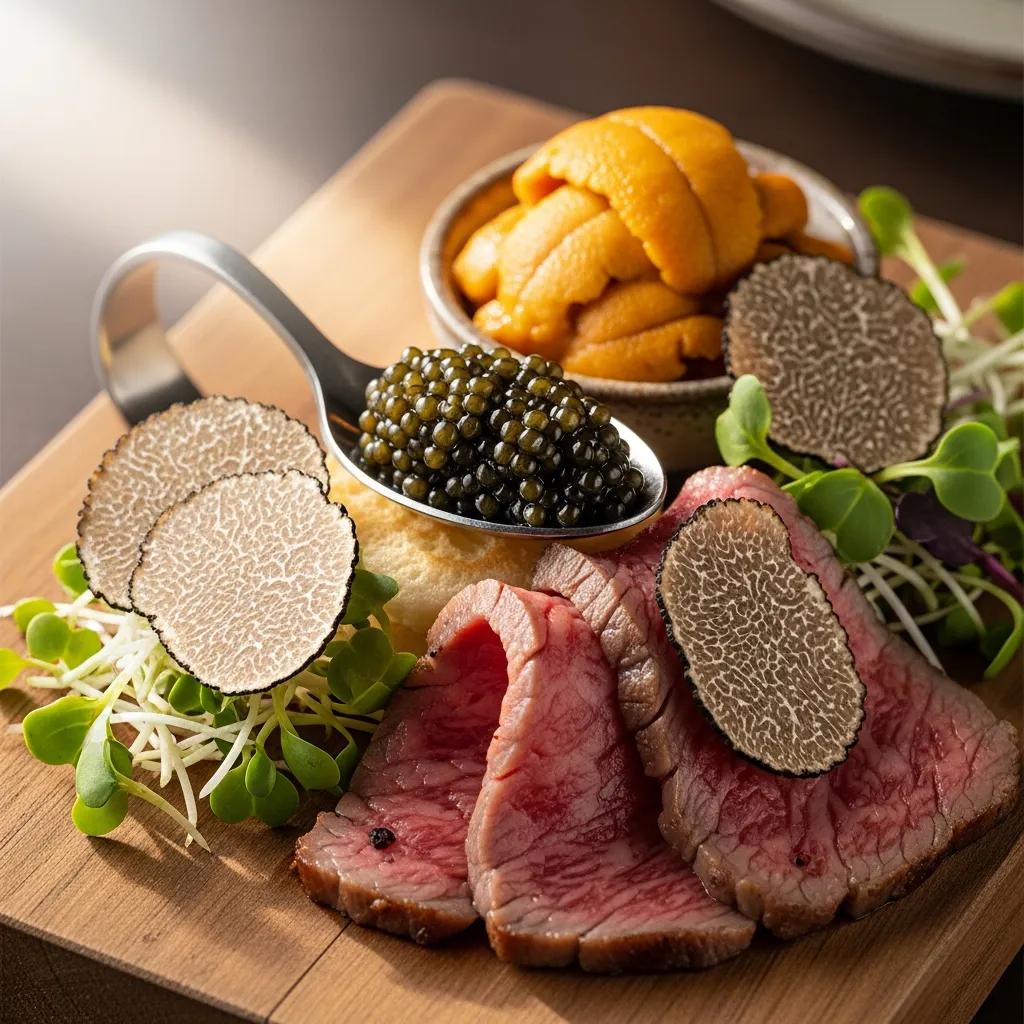
Gourmet superfoods offer several nutrient classes linked to meaningful health outcomes: long‑chain omega‑3s, monounsaturated fats, high‑quality complete proteins, fat‑ and water‑soluble vitamins, essential minerals, and antioxidant phytochemicals. Omega‑3s support heart and brain function; MUFAs can favorably influence lipid profiles when consumed in balance; complete proteins supply essential amino acids for repair and metabolism. Antioxidants and polyphenols reduce oxidative stress and chronic inflammation, while micronutrients like B12, vitamin D, selenium, zinc, and iodine contribute to immune and neurological health.
- Omega‑3s: support cardiovascular and cognitive pathways via anti‑inflammatory effects.
- Monounsaturated fats: improve lipid metabolism and promote satiety when balanced with the diet.
- Antioxidants & polyphenols: protect cells from oxidative damage and support long‑term health.
With these nutrient–function pairings in mind, we move into ingredient profiles and menu guidance.
Nutritional Profiles of Kaviar’s Signature Ingredients
Here we compare core nutrient features of Kaluga caviar, A5 Wagyu, uni, and black truffles as they typically appear on a fine‑dining plate. Each summary highlights calories, protein, dominant fats, and key micronutrients, plus notes on how Kaviar presents them to preserve both nutrition and flavor. The table below offers a quick side‑by‑side reference.
Introductory table: nutritional comparison and typical benefits.
Each ingredient offers complementary nutrients; when combined thoughtfully they form a balanced fine‑dining plate that supports heart, brain, and immune health.
- Small portions of Kaluga caviar provide a concentrated omega‑3 boost without excess calories.
- A5 Wagyu supplies dense protein and MUFAs that fit a wellness approach when portioned and paired with fiber.
- Uni brings marine micronutrients that pair naturally with seaweed and sashimi courses.
- Truffles add antioxidant depth and aroma, enhancing satisfaction without large caloric impact.
Kaluga Caviar: What It Offers for Health
Kaluga caviar stands out for concentrated EPA and DHA alongside vitamin B12, vitamin D, and trace selenium — a combination that supports cardiovascular health and neurological function. Omega‑3s act on cell membranes and inflammatory pathways, lowering triglycerides and supporting endothelial function; DHA is a critical component of neuronal membranes and cognitive performance. B12 and selenium contribute to metabolic and antioxidant defenses. In fine dining, caviar is served in measured, elegant portions—on blini, as a garnish, or paired with chilled seafood—giving a potent nutrient boost without excess calories. Pairing with whole‑grain or fiber‑rich accompaniments moderates absorption speed and helps maintain metabolic balance.
A5 Wagyu: Nutrition in Marbling
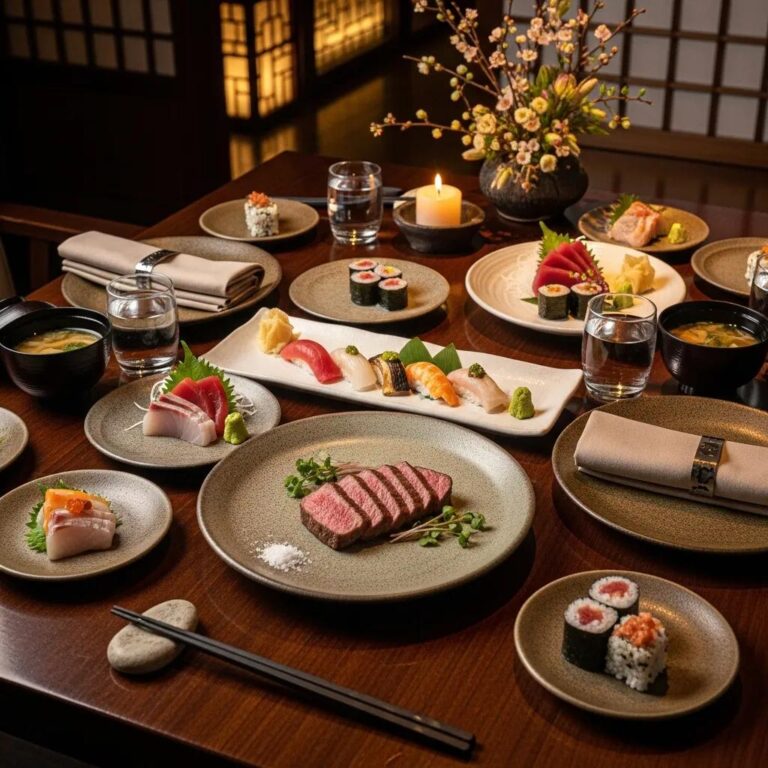
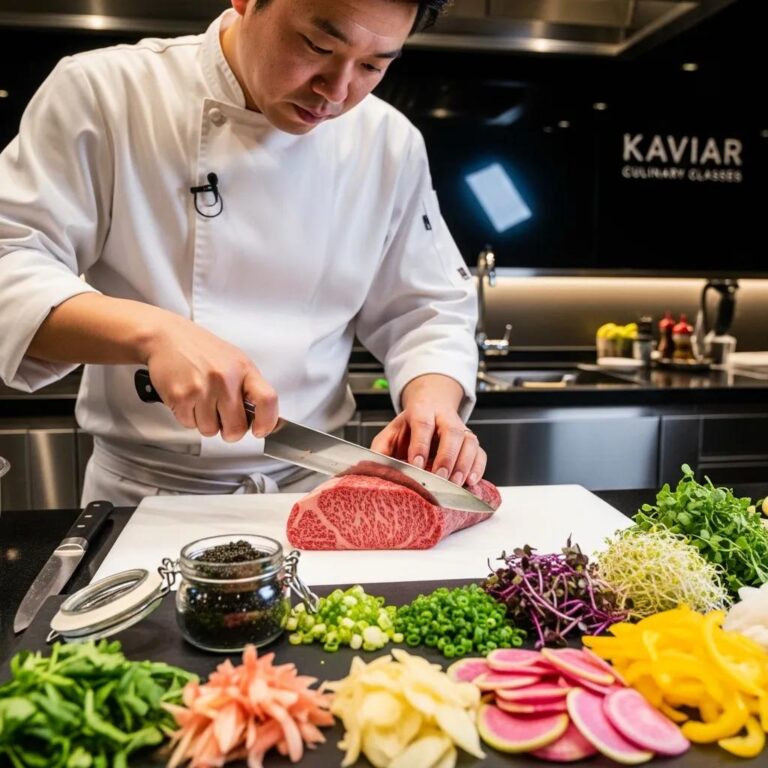
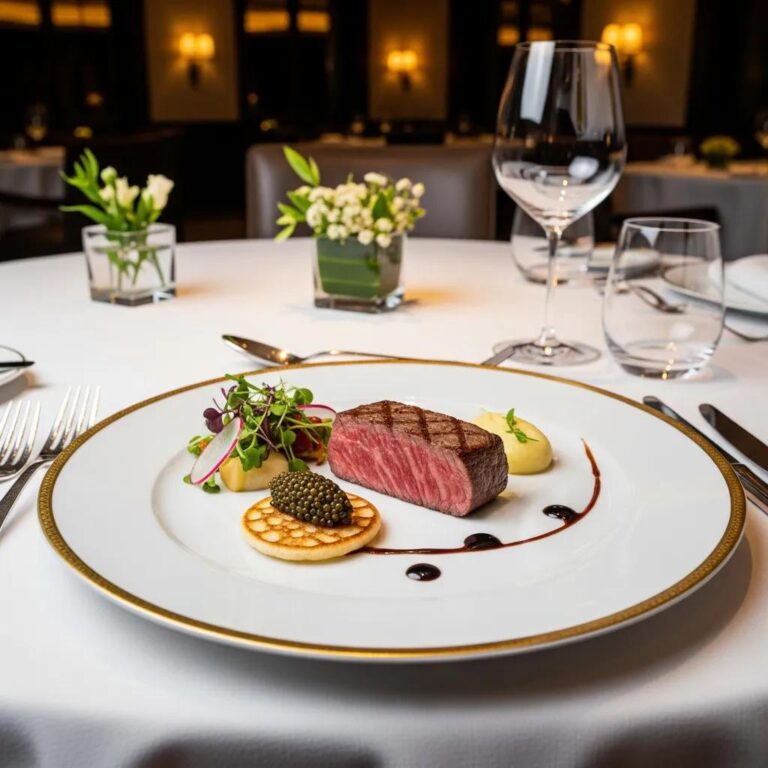
A5 Wagyu is defined by intense intramuscular fat that increases its monounsaturated fat content, especially oleic acid, while providing high‑quality complete protein and B‑vitamins that support energy metabolism and muscle maintenance. When MUFAs replace saturated fats in the broader diet, they can help improve lipid profiles; Wagyu’s amino acid mix supports tissue repair. Because it’s calorie‑dense, mindful portioning and vegetable‑forward sides (seaweed salads, pickles, greens) are key to enjoying its benefits without excess energy intake. Fine‑dining methods—brief searing, proper resting, thin slicing—maximize tenderness, protect fat‑soluble nutrients, and improve digestibility. Treated as an occasional, high‑quality protein, A5 Wagyu can fit into a wellness‑minded menu.
Which Japanese Ingredients on Kaviar’s Menu Qualify as Superfoods?
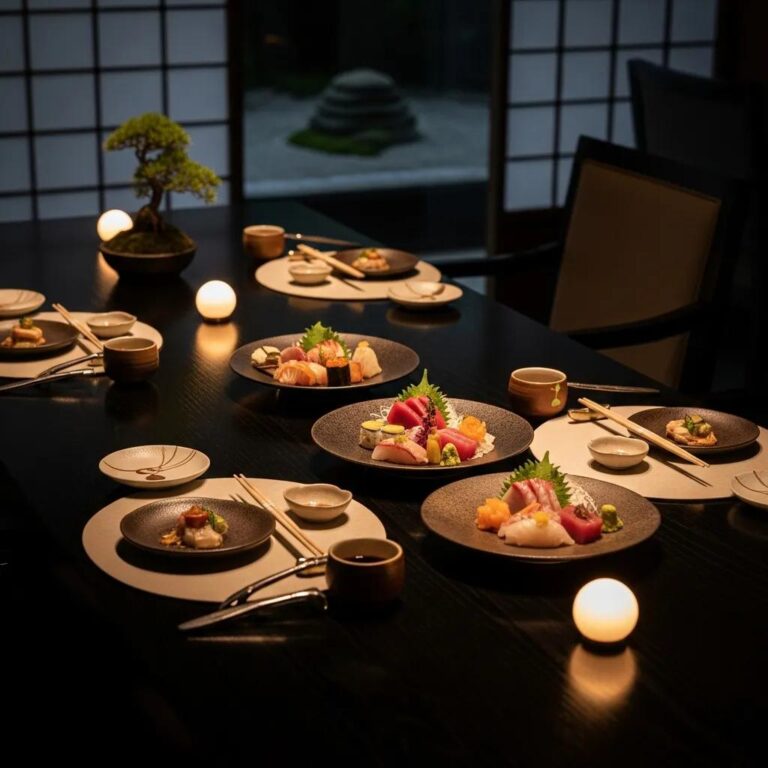
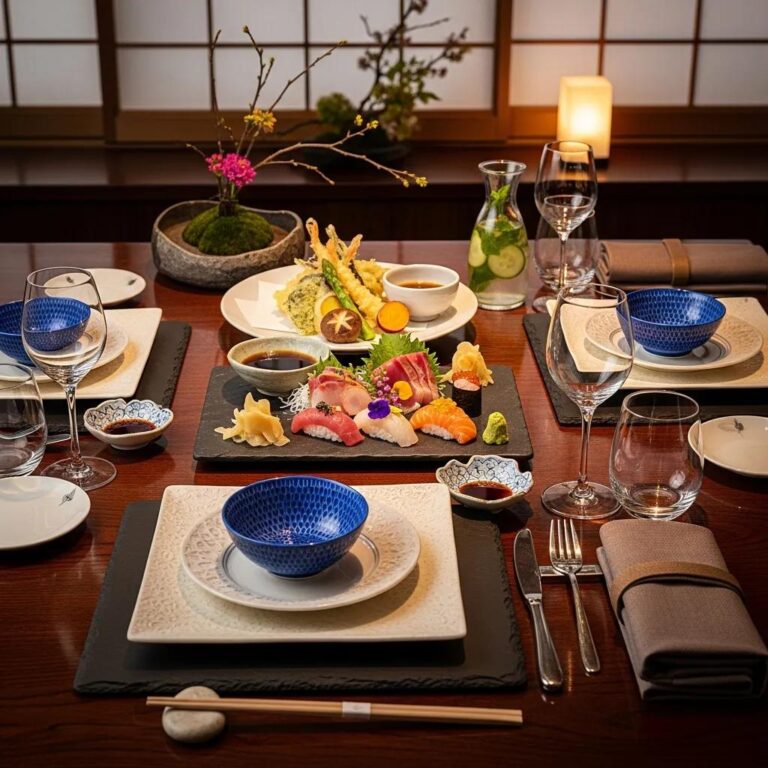
Several Japanese‑rooted items on our menu qualify as gourmet superfoods because of their nutrient density and culinary role: uni, selected sashimi cuts, seaweed, and truffle‑finished preparations. These components deliver omega‑3s, iodine, minerals, and unique marine or fungal bioactives. Our service style — omakase sequencing, strict temperature control, and minimal handling — preserves bioavailability. The table below links nutrients to how we typically serve these items.
Introductory table mapping nutrients to menu use.
Thoughtful pairings — fatty seafood with acid and fiber, minimal handling of raw items — help optimize both taste and nutrient uptake.
- Flavor economy: A small truffle shave raises satisfaction and supports smaller main portions.
- Nutrient balance: Seaweed and pickles supply iodine and fiber that offset richer proteins.
- Freshness first: Minimal handling preserves vitamins in sashimi and uni.
Uni: A Concentrated Marine Nutrient
Uni concentrates marine nutrients — omega‑3s, zinc, vitamin A, and lean protein — that support cognitive, immune, and visual health. Omega‑3s contribute to neuronal membrane integrity; zinc and vitamin A aid immunity and vision. Served raw or chilled in small portions (sashimi, nigiri, composed bites), uni preserves delicate nutrients and offers excellent bioavailability. As a potent complement on the plate, uni pairs well with fiber‑rich garnishes to improve satiety and balance.
Truffles: Taste That Boosts Antioxidant Intake
Truffles supply antioxidant polyphenols and other fungal bioactives that, even in trace amounts, can elevate a dish’s antioxidant capacity through concentrated flavor and smart pairings. Shaved sparingly over warm dishes or infused into finishing oils, truffle provides sensory satisfaction with minimal calories. Emerging research on fungi‑derived compounds highlights anti‑inflammatory potential; practically, truffle‑forward dishes often reduce the urge to overconsume richer items. Pairing truffles with simple, nutrient‑dense sides (lightly dressed vegetables, steamed greens) creates balanced plates where antioxidant intake complements fiber and micronutrients.
How Kaviar Brings Gourmet Superfoods into a Thoughtful Dining Experience
We integrate gourmet superfoods through meticulous sourcing, precision preparation that preserves nutrients, and menu design that balances indulgent items with nutrient‑supporting accompaniments. Our approach prioritizes premium ingredients — Kaluga caviar, A5 Wagyu, uni, and truffle accents — and sequences courses to maximize bioavailability: delicate raw items early, richer items portioned and paired with vegetables or fermented sides, and finishing touches that concentrate flavor without excess calories. These practices let guests enjoy culinary excellence and tangible wellness benefits in one meal. To experience our curated pairings, reserve by phone, RESY, or OpenTable.
Below is a summary of sourcing and prep practices alongside their diner benefits.
Introductory table: sourcing and prep practices with diner benefits.
These practices make luxury ingredients accessible to diners focused on both taste and wellbeing.
Our Sourcing and Preparation Philosophy
Kaviar works with trusted suppliers and applies chef techniques designed to minimize nutrient loss: low‑temperature handling for raw seafood, minimal processing for roe and uni, and precise searing for premium beef. Sourcing matters — properly handled Kaluga caviar and fresh uni retain more omega‑3s and vitamins, and documented Wagyu standards correlate with a favorable MUFA profile. Our kitchen emphasizes minimal processing, measured seasoning, and thoughtful portioning so you receive concentrated nutrients without unnecessary calories. These choices support sensory refinement and healthy outcomes for guests who want to enjoy gourmet ingredients responsibly.
How to Maximize Benefits Through Menu Pairings

To get the most from gourmet superfoods, choose pairings that combine healthy fats with fiber, acid, and fermented elements to aid absorption and digestion. Practical combinations include Kaluga caviar on a small blini with a citrus‑dressed seaweed salad for iodine and fiber, or thin‑sliced A5 Wagyu with pickled vegetables and a light green side to offset richness. Course sequence matters: start with raw, marine‑based items for omega‑3s, then move to richer proteins accompanied by fibrous sides for satiety. When you order, request vegetable‑forward accompaniments or portion‑conscious plating to create a balanced, nutrient‑forward tasting aligned with your wellness goals.
- Begin with marine items to secure omega‑3 intake early in the sequence.
- Pair rich proteins with fiber to moderate caloric density and aid digestion.
- Use acid and fermentation to improve nutrient absorption and flavor balance.
These simple strategies make luxury ingredients easier to enjoy as part of a health‑minded meal.
Frequently Asked Questions About Gourmet Superfoods
The FAQ below answers common health questions about caviar, Wagyu, and related gourmet superfoods in clear, practical terms — portion guidance, pairing tips, and how these foods fit into an overall balanced diet. Answers are concise and evidence‑informed for quick reference.
How do caviar’s omega‑3s support heart and brain health?
Caviar supplies concentrated EPA and DHA, long‑chain omega‑3s that support cardiovascular health by lowering triglycerides, improving endothelial function, and reducing systemic inflammation. DHA is particularly important for neuronal membranes and cognitive processes. A small spoonful within a varied plate gives a meaningful dose alongside vitamin B12 and selenium, which support neurological and metabolic health. Pair caviar with fiber and antioxidant‑rich vegetables to moderate fat absorption and round out nutrient balance. In fine‑dining servings, caviar’s measured portions make it easy to gain benefits without excessive calories.
Is A5 Wagyu a sensible choice for protein and fats?
A5 Wagyu offers premium protein and a higher share of monounsaturated fat compared with many standard cuts, supplying essential amino acids and oleic acid that can support satiety and favorable lipid profiles when eaten in moderation. The main consideration is caloric density: intense marbling raises energy per bite. Use portion control and pair Wagyu with vegetables or seaweed to integrate it into a wellness‑focused meal. As an occasional, high‑quality protein source within a balanced diet, A5 Wagyu can contribute positively to nutrition goals.
How Wellness Dining Is Shaping the Future of Gourmet Superfoods
Demand for nutrient‑rich luxury ingredients continues to grow, with diners willing to pay for provenance, transparency, and functional benefits through 2024–2025. Restaurants that pair culinary excellence with clear sourcing stories and nutrient‑preserving techniques are well positioned to attract guests who want both taste and measurable health outcomes. Sustainability and supplier transparency increasingly guide ingredient selection, encouraging chefs to incorporate plant‑ and sea‑based alternatives that offer similar nutrients with lower ecological cost. Fine dining is evolving toward menus that thoughtfully integrate gourmet superfoods without sacrificing flavor.
What market trends are driving demand for nutrient‑rich luxury ingredients?
Industry signals show guests prioritize wellness, traceability, and flavor in equal measure, driving premium interest in items like high‑grade caviar, specialty beef, and marine superfoods. Growth is strongest in segments emphasizing functional benefits — marine omega‑3s, fermented products, and antioxidant‑rich fungi — reflecting a desire for indulgence with measurable health returns. Local fine‑dining scenes, including Pasadena’s upscale Japanese market, respond with curated tastings and ingredient transparency. These dynamics favor restaurants that can authentically deliver nutrient‑rich luxury offerings.
How does sustainable nutrition affect which superfoods are chosen?
Sustainable nutrition steers selection toward suppliers and practices that balance nutritional quality with ecological stewardship: ethical caviar production, traceable beef standards, and increased use of seaweed or plant‑derived umami where appropriate. Trade‑offs matter — seaweed can supply iodine and omega‑like benefits with lower environmental impact, while responsibly sourced marine products provide concentrated omega‑3s. Restaurants balance sustainability and nutrition through transparent sourcing, seasonal menus, and plant‑forward pairings that maintain the sensory profile of luxury ingredients while reducing footprint.
Choosing sustainably helps preserve access to gourmet superfoods and meets growing diner expectations for ethical, nutrient‑dense options.
Frequently Asked Questions
How can I incorporate gourmet superfoods into everyday meals?
Introduce luxury ingredients in small, intentional ways: a spoonful of Kaluga caviar on whole‑grain blini, a thin slice of A5 Wagyu alongside steamed greens, or uni as an occasional sashimi course. Pair with fiber, acid, and fermented items to boost absorption and balance calories. Rotate different superfoods across the week — uni, seaweed, truffle finishes — to broaden nutrient intake without overdoing any single item.
Are there downsides to eating gourmet superfoods?
Gourmet superfoods are nutrient‑dense but can be calorie‑rich and, in some cases, higher in saturated fats. Cost is another consideration. The key is moderation and context: enjoy premium items in measured portions and pair them with vegetables or whole grains to avoid excess calories while gaining nutritional value.
How do I verify quality when buying gourmet superfoods?
Buy from reputable suppliers who offer traceability and clear handling practices. Look for certifications or supplier transparency on origin and storage, especially for caviar and Wagyu. For seafood like uni, check freshness and reputable sourcing; when in doubt, ask for provenance details or choose specialty purveyors with strong reputations.
What are common myths about gourmet superfoods?
A frequent myth is that “gourmet” equals healthier by default; benefits depend on portion sizes and overall diet. Another misconception is that gourmet equals always expensive — some nutrient‑dense options can be affordable with smart sourcing. Finally, superfoods should complement a balanced diet, not replace it.
Can gourmet superfoods work in a plant‑based diet?
Yes. Seaweed, truffles, mushrooms, and fermented plant foods provide deep umami and valuable nutrients. While caviar and Wagyu are animal‑based, many plant‑derived gourmet ingredients — legumes, seeds, sea vegetables — offer nutrient density and culinary richness for plant‑forward dining.
How do culinary techniques affect nutrient benefits?
Technique matters: low‑heat cooking, minimal processing, and careful finishing preserve delicate nutrients. Pairing fatty foods with acid or fiber improves absorption and balance. Simple chef practices — searing briefly, resting proteins, serving raw marine items chilled — protect nutrient integrity while elevating flavor.
Conclusion
Gourmet superfoods can elevate both flavor and nutrition when chosen and prepared with intention. Ingredients like Kaluga caviar, A5 Wagyu, uni, and truffles each bring distinct, complementary nutrients that support cardiovascular, cognitive, and immune health when enjoyed mindfully. Thoughtful pairings and chef techniques further amplify their benefits. Experience these intentions at Kaviar — reserve a table to discover how luxury and nourishment come together on the plate.