




Meet Kaviar’s Pastry Chef — Artisan Techniques & Signature Luxury Desserts
At Kaviar, our pastry chef shapes the final chapter of the omakase with a practiced blend of Japanese confectionery sensibility and modern patisserie craft. This guide introduces the chef’s professional background, the culinary philosophy that drives seasonal dessert development, and the artisan techniques behind our plated presentations. You’ll learn how premium accents — from specialty fruits to selective caviar pearls — are sourced and used, how desserts are choreographed alongside savory highlights such as A5 Wagyu, and the practical steps for reserving a tasting that includes these creations. We cover the chef’s background, signature dishes, technical methods, sourcing approach, pairing logic, and booking details so guests can appreciate and plan for Kaviar’s dessert experience.
Who is Kaviar’s Pastry Chef and What Inspires Their Culinary Philosophy?
Our pastry chef combines formal pastry training with a deliberate adaptation of Japanese dessert aesthetics for plated fine dining. The role pairs exacting technique — tempering, careful lamination, and controlled glazing — with an acute sensitivity to seasonality and subtle sweetness. The guiding principle is balance: texture, temperature, and timing are composed so desserts complete the omakase story without overwhelming it. The result reads as an intentional continuation of the tasting menu, drawing on wagashi restraint and global patisserie methods to deliver memorable finales. Below we outline the chef’s background and how this philosophy influences menu choices in practice.
What is the background and expertise of Kaviar’s pastry chef?
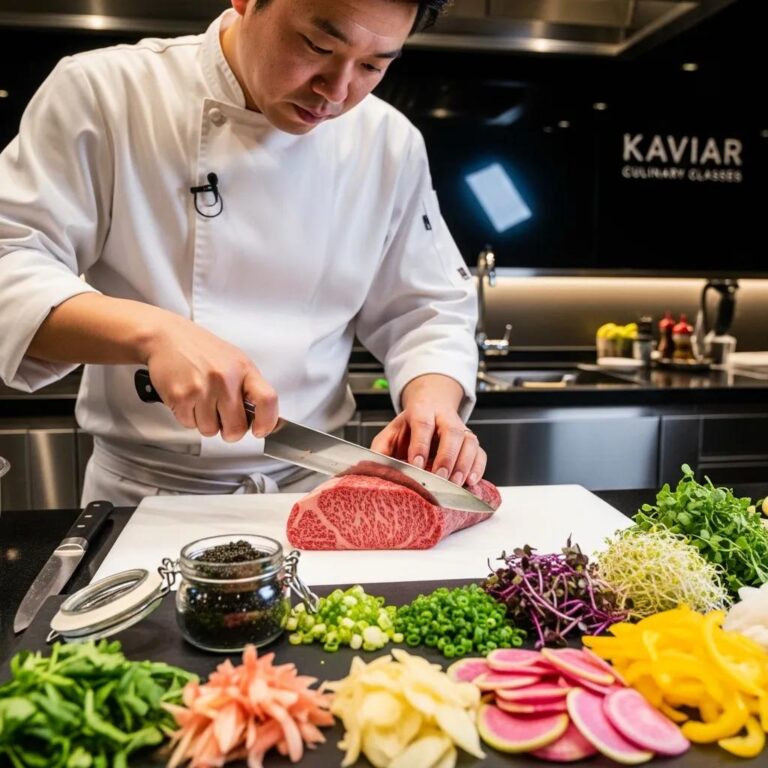
The chef’s training centers on classical pastry education and extensive service in high-end kitchens, with a focus on artisan technique and seasonal menu design. Their skill set includes precise sponge and dough work, modern finishing methods like tempered glazes, and refined plating that leverages negative space and focal elements. Rather than a list of credits, it’s the chef’s practical abilities that matter: balancing delicate sweetness with umami-driven courses, crafting layered textures, and using visual motifs to reinforce flavor. This technical foundation supports ongoing dessert innovation and dependable execution within the exacting tempo of an omakase tasting.
How does the chef’s philosophy influence dessert innovation at Kaviar?
Rooted in seasonality, restraint, and textural conversation, the chef’s philosophy shapes how menus rotate, which ingredients are prioritized, and which techniques are employed. Desserts are conceived as palate narratives — sometimes a contrast, sometimes a complement — with elements designed to reset the palate, such as bright acidic components, light sponges, or delicate gels. Practically, menus evolve with ingredient windows and the flow of the tasting, producing frequent refinements and limited-run items. A commitment to premium produce and measured technique keeps each dessert aligned with Kaviar’s luxury standard and prepares the ground for our signature creations.
What Are the Signature Dessert Creations at Kaviar Restaurant?
Our signature desserts are artisan plated pieces that highlight seasonal produce, restrained sweetness, and purposeful presentation timed to the omakase rhythm. Occasionally a precise caviar accent appears as a saline counterpoint; more often the focus is on texture, aroma, and a clean finish that complements savory highlights like A5 Wagyu. The reference table below summarizes representative signature desserts, their key techniques or ingredients, and typical availability so guests know what to expect. After the table, we explain the role these desserts play within the tasting sequence.
Which artisan desserts showcase premium and seasonal ingredients?
Our desserts are ingredient-forward: peak-season fruits inform mousses and sponges, single-origin chocolates provide depth, and judicious caviar adds a briny contrast. The pastry chef favors techniques — gentle whipping, calibrated gelatinization, and delicate glazing — that let quality ingredients speak clearly. Seasonal windows determine which fruits and garnishes appear, and components are chosen to create textural contrast, for example a crisp tuile against a silken cream. This approach produces a dessert vocabulary that evolves with the seasons and complements the broader tasting menu.
How do these desserts complement the Japanese fine dining omakase experience?
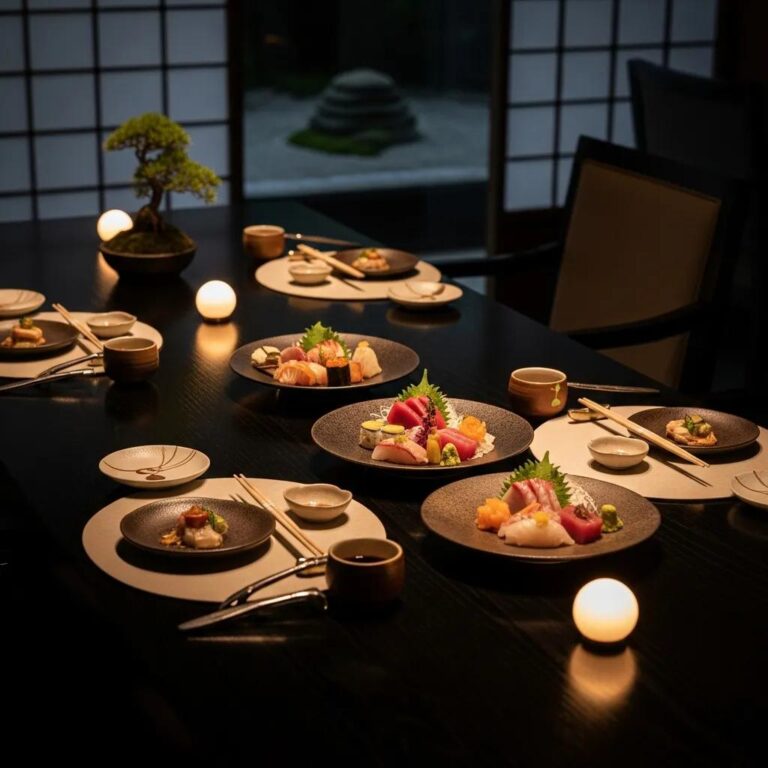
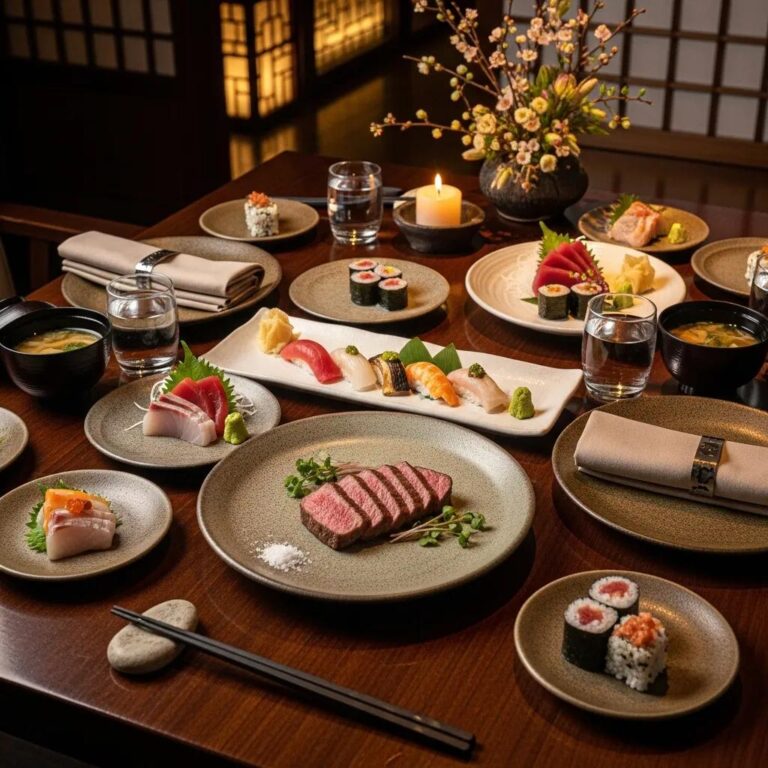
In an omakase, desserts act as the narrative closing: they either reset the palate after rich courses or echo earlier themes through mirrored flavors and textures. At Kaviar, the pastry chef times sweetness and acidity to follow heavier items like A5 Wagyu, employing light textures and cleansing notes to restore balance. Presentation follows kaiseki and wagashi sensibilities — subtle, seasonal, and understated — so the dessert feels like a natural final chapter. Aligning pacing and intensity with the savory progression preserves the emotional arc of the tasting.
How Does Kaviar’s Pastry Chef Employ Advanced Baking Artistry and Techniques?
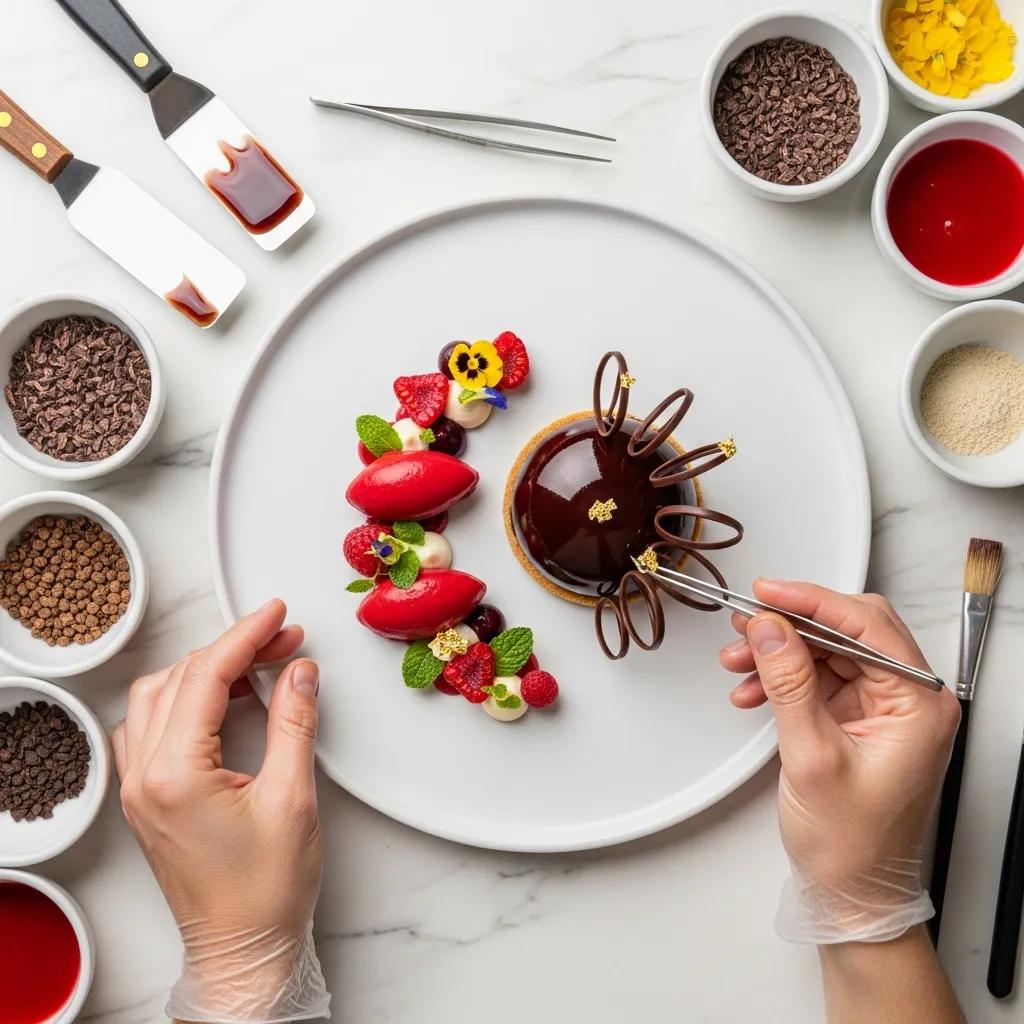
Our pastry program pairs classical pastry technique with selective modernist tools to achieve refined textures and immaculate presentation. Tempering for shine, exact lamination for crisp elements, controlled aeration for feather-light mousses, and mirror glazes sit alongside methods adapted from Japanese confectionery. Technique is the language the chef uses to balance flavor and texture, ensuring every component — sponge, sauce, foam — serves a clear purpose. Below we outline traditional Japanese methods we integrate and how luxury plating brings them together.
Kaviar’s practical technique toolkit includes:
- Tempering and glossy finishes to enhance visual appeal and mouthfeel.
- Controlled lamination for thin, crispy elements that punctuate texture.
- Precision foams and gels to refine mouthfeel and manage temperature.
What Japanese dessert artistry methods are integrated into the dessert program?
The chef borrows from wagashi and kaiseki principles — seasonal reference, restrained sweetness, and subtle textures — and translates them into Western-plated desserts. Restraint, clean geometric forms, and seasonal symbolism guide component choice and composition, while techniques like gentle steaming or molding create textures reminiscent of traditional Japanese sweets. The focus is on balance: highlighting one central ingredient or motif and layering textures for satisfying, never heavy, mouthfeel. This translation lets guests experience Japanese confectionery sensibility within a contemporary omakase dessert.
How are luxury dessert plating and presentation crafted for fine dining?
Plating at Kaviar emphasizes balance, negative space, and a defined focal point to guide the diner’s eye and palate. Components are arranged to create textural dialogue — crisp versus creamy versus gel — and finishes such as microherbs, edible metallic accents, or a measured caviar garnish are applied sparingly for elegance. Seasonal motifs and layered heights add three-dimensional interest that reads well at the table and in photographs. Alt text for images should call out the focal component, textures, and color contrasts to convey sensory intent to all viewers. These plating choices support the chef’s aim: desserts that are visually compelling and harmoniously flavored.
How Are Premium Ingredients and Seasonal Sourcing Reflected in Kaviar’s Desserts?
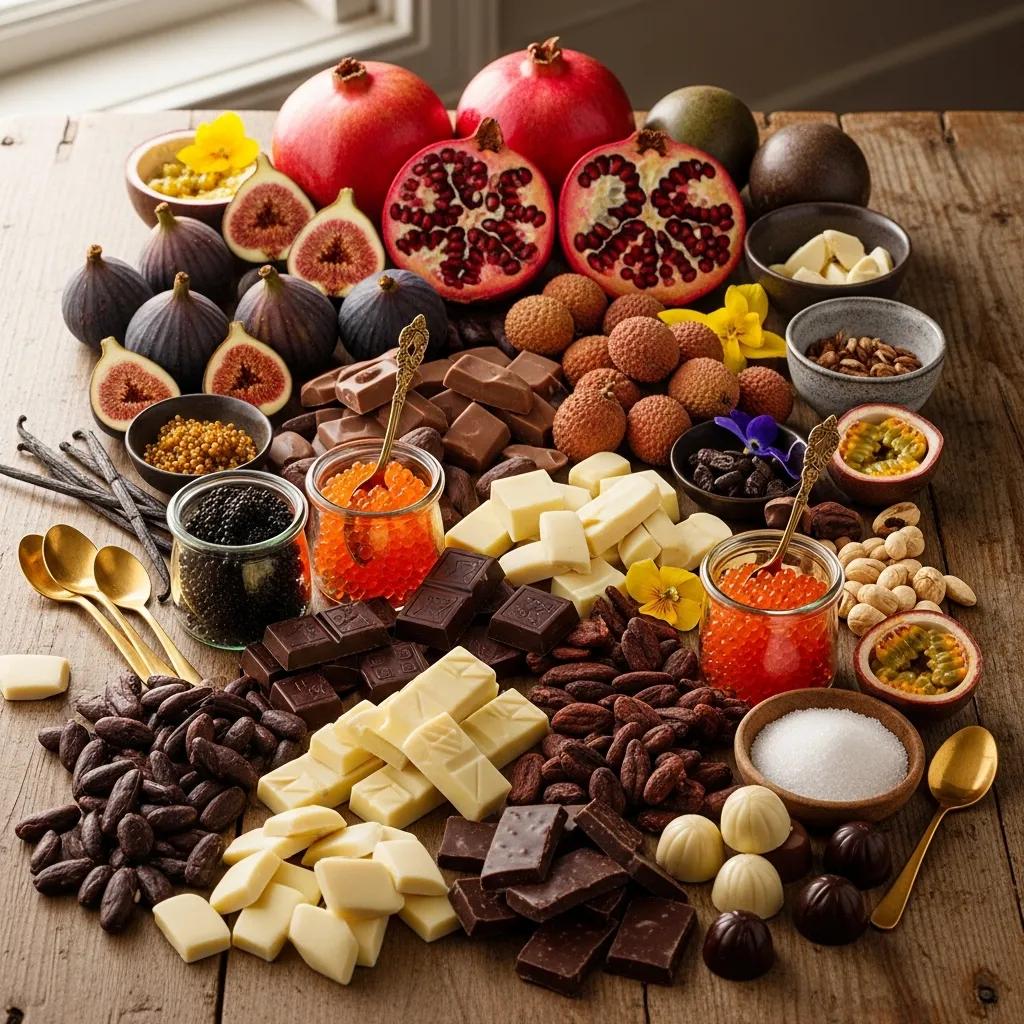
Provenance and seasonality drive the pastry program: what’s in season and traceable determines which flavors and textures appear. Specialty fruits, select chocolates, and caviar are used as accents so they elevate the plate without dominating it. The table below clarifies common premium ingredients, sourcing cues, and how each element functions on the plate. After the table we discuss sustainable sourcing and supplier relationships that enable consistent quality.
Which seasonal and luxury ingredients are featured in dessert creations?
We spotlight ingredients at their peak: seasonal fruits for brightness, single-origin chocolate for focused bitterness, and occasional saline touches like caviar to heighten contrast. Each element has a role — acidic fruit to cleanse the palate, stable chocolate for structure, delicate garnishes for aroma and texture. Menu updates follow harvest cycles so components arrive at service in peak condition, reinforcing the tasting menu’s narrative and the sensory design of each dessert.
What sustainable sourcing practices does the pastry chef follow?
Sustainability at Kaviar means prioritizing local and seasonal sourcing when practical, choosing ethical suppliers for luxury items, and maintaining traceability for ingredient integrity. The pastry chef partners with producers who practice responsible farming or harvesting and times menus to reduce long supply chains where possible. While we don’t list supplier names publicly, our sourcing ethos favors producers whose methods support sustainability and flavor clarity — a commitment that yields fresher, more nuanced desserts.
How Are Desserts Paired with Omakase and A5 Wagyu at Kaviar?
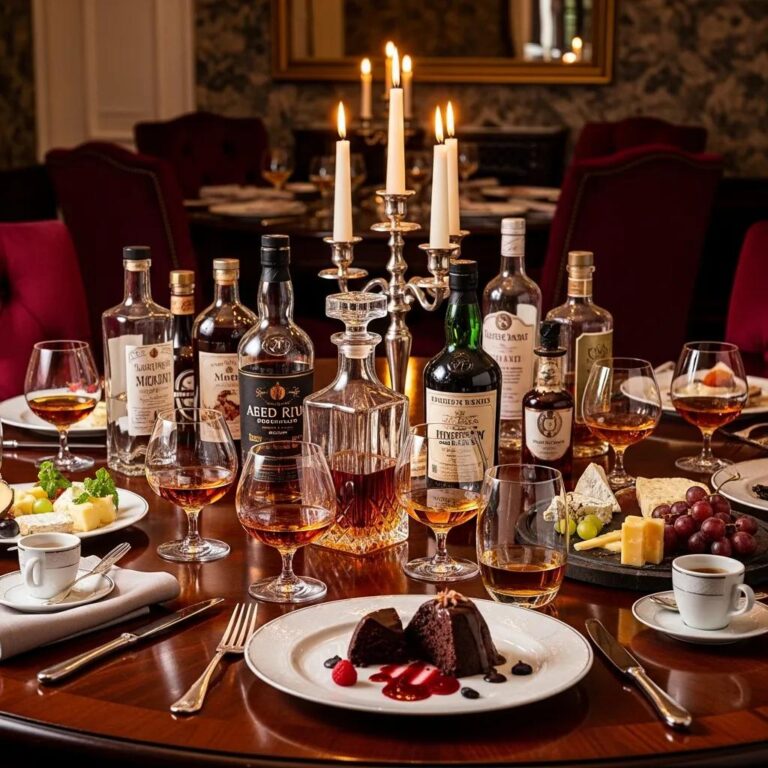
Pairing at Kaviar follows clear sensory principles to balance richness, refresh the palate, and extend the tasting’s narrative after savory highlights like A5 Wagyu. We apply contrast and complement strategies while managing texture and intensity so desserts either refresh or thoughtfully echo savory notes. The pairing table below links savory course types to dessert counterpoints and explains the rationale behind each match. After the table we outline practical pairing principles and how chefs coordinate pacing.
What principles guide dessert and savory course pairings?
Three principles guide our pairings: contrast, complement, and textural transition. Contrast employs acidity or astringency to offset richness; complement mirrors a savory note in a sweeter context to create continuity; and textural transition introduces crisp components to change mouthfeel between courses. These guidelines inform practical choices — for example, an acidic gel after a fatty course or a gently sweet bean paste after umami seafood — ensuring desserts feel purposeful and restorative within the omakase flow.
How does the pastry chef enhance the overall fine dining journey through pairing?
The pastry chef works closely with the head chef to place desserts where they preserve momentum and emotional cadence. Tactics include intermezzo-style items to reset the palate, temperature contrasts to refresh the senses, and clear menu descriptions so guests know whether a dessert will contrast or continue a theme. Brief tasting notes help set expectations; the result is a cohesive meal where desserts read as an intentional finale rather than an afterthought.
How Can Guests Experience Kaviar’s Pastry Chef Creations and Make Reservations?
To experience the pastry chef’s work, book Kaviar’s omakase tasting menu, where desserts are woven into the curated sequence and rotate seasonally. Plan by checking our menu page for current tasting offerings and using the reservation system to secure seats for a service that includes dessert courses. Below we offer a simple, practical booking checklist and tips for special requests like dietary needs or private events.
- Review the current tasting menu to confirm the omakase format and whether dessert is included.
- Select a reservation date and party size early — tasting seats are limited.
- Indicate dietary restrictions or special requests when booking so the kitchen can prepare suitable alternatives.
- Inquire about private events or special occasions to explore bespoke tasting arrangements.
Where can diners view the full dessert menu curated by the pastry chef?
Guests can view dessert components and the tasting-menu overview on Kaviar’s menu page, which notes seasonal changes that affect availability. The page describes the omakase structure and what to expect from dessert service while acknowledging that specific items change with the seasons. Reviewing the menu before booking helps align expectations with the current dessert program.
What is the process to book a reservation for the omakase and dessert experience?
Use Kaviar’s reservation system to select the omakase tasting option, and book well in advance for peak evenings. When reserving, share any dietary restrictions or celebratory notes so the kitchen can accommodate them; for private events, contact the restaurant directly. Deposits and booking policies are handled through the reservation process, so please review terms at the time of booking. Early planning and clear communication let the pastry team tailor dessert elements to enhance your tasting.
Kaviar’s pastry program shows how artisan desserts — rooted in seasonality and crafted with refined technique — elevate a Japanese fine-dining omakase into a cohesive, memorable tasting. By understanding the chef’s background and philosophy, the techniques used, sourcing priorities, and pairing principles, guests can better appreciate the intentional craft behind each plated dessert and plan visits that showcase this work.
Frequently Asked Questions
What types of dietary restrictions can be accommodated at Kaviar?
We aim to make the experience welcoming and can accommodate many dietary needs, including vegetarian, vegan, gluten-free, and nut-allergy considerations. Please note restrictions when you reserve so our kitchen and pastry team can prepare thoughtful alternatives that preserve taste and presentation.
How often does the dessert menu change at Kaviar?
The dessert menu rotates seasonally to reflect the best available ingredients. This cadence allows the pastry chef to showcase peak produce and introduce new creations throughout the year, so each visit can offer fresh perspectives on the dessert program.
Can guests request special dessert creations for private events?
Yes — the pastry chef welcomes custom desserts for private events, whether a birthday, anniversary, or corporate gathering. Contact the restaurant to discuss ideas and timelines; early notice helps ensure the pastry team can execute a tailored, memorable dessert experience.
What is the significance of caviar in Kaviar’s dessert offerings?
Caviar is used as a refined accent in select desserts, adding saline contrast that heightens sweet and acidic elements. Applied sparingly, it creates an unexpected, sophisticated balance that aligns with Kaviar’s ethos of integrating premium, surprising ingredients.
How does Kaviar ensure the quality of its ingredients?
Kaviar prioritizes quality through relationships with reputable suppliers who follow sustainable and ethical practices. The pastry chef sources ingredients in season and favors producers who offer traceability and consistent freshness, supporting both flavor and responsible procurement.
What should guests expect in terms of dessert presentation at Kaviar?
Expect considered, elegant plating: balanced compositions, thoughtful use of negative space, and seasonal motifs. Garnishes are chosen to enhance aroma and texture without distraction, so each dessert is both visually striking and harmoniously flavored.
Are there any special events or tastings featuring desserts at Kaviar?
From time to time we host events that spotlight the pastry program — themed tastings, chef collaborations, and exclusive dessert menus. To stay informed about upcoming experiences, follow Kaviar on social media or subscribe to our newsletter for announcements.
Conclusion
Kaviar’s pastry program pairs seasonal ingredients with disciplined technique to create desserts that complete the omakase with elegance and purpose. Understanding the chef’s philosophy, methods, sourcing, and pairing logic enriches the tasting experience. To enjoy these crafted desserts, reserve a seat for Kaviar’s omakase tasting menu and experience the final course as an integral, thoughtful conclusion to your meal.