




How Artisan Olive Oils and Vinegars Elevate Our Cuisine: Premium Condiments in Japanese Fine Dining
Artisan olive oils and small-batch vinegars are not mere finishing touches—they are deliberate flavor tools. Their terroir-driven aromatics, textural weight, and calibrated acidity interact with delicate proteins and umami-rich elements central to Japanese fine dining. This piece explains how high-quality extra virgin oils, single-origin and infused varietals, and aged or fruit-infused vinegars function on the plate, why chefs choose particular lots, and how these condiments appear across curated tasting menus. Many diners overlook how a measured drop of oil or a precise vinegar pairing can shift perceived sweetness, mouthfeel, or umami balance; what follows explains the technical mechanisms, varietal choices, pairing principles, sourcing and sustainability practices, and the guest experience at Kaviar in Pasadena.
What Makes Artisan Olive Oils Essential in Fine Dining?
Artisan olive oils concentrate varietal aromas, mouthfeel, and a layered finish that interacts with umami and delicate proteins. Fat-soluble aromatic compounds carry volatile notes and round perceived acidity, while specific polyphenols add bitter–peppery lift—qualities chefs use as finishing accents. In a fine-dining setting, an oil’s role depends on intent: a fresh extra virgin preserves sashimi purity, a single-origin lot lends terroir-specific character, and a lighter, higher-smoking-point oil suits brief searing without masking nuance. Recognizing these roles clarifies why a chef might choose an Arbequina for gentle fruitiness or a Koroneiki for herbal pepperiness. Below is a practical comparison to guide culinary selection and application.
This practical mapping shows how varietal character informs technique—matching sensory profile to preparation ensures the oil enhances rather than overpowers the dish. Good selection begins with tasting and ends with precision at service.
How Do Artisan Olive Oils Enhance Japanese Cuisine Flavors?
Artisan olive oils amplify fat-soluble aromatics and soften mouthfeel around umami elements such as soy, dashi, and richer fish. Because oil dissolves aromatic compounds that water cannot, a micro-drop of a high-quality oil can lift yuzu brightness or accent seaweed minerality without weight. Used sparingly, these oils preserve sashimi purity while adding a tactile silkiness and aromatic lift that lingers. Modern technique emphasizes timing: finishing oils are added at service temperature to protect volatile notes, allowing the oil to meld with soy-based seasonings and caviar nuances. The outcome is a layered bite where oil supports—rather than conceals—the primary ingredient.
Which Olive Oil Varietals Are Preferred for Premium Culinary Uses?
Chefs select varietals with clear sensory signatures that match a dish’s intent—delicate, herbaceous oils for raw fish; fuller varietals for grilled items or fatty proteins. Selection criteria include harvest date, acidity and peroxide values, and sensory evaluation for fruitiness, bitterness, and pungency. Single-origin extra virgins and small-batch, cold-pressed harvests are favored for their terroir specificity and pairing potential with yuzu, shiso, uni and similar flavors. Practical pairing guidance: Arbequina for citrus salads, Koroneiki for herbal garnishes, Picual when a stronger backbone is required for searing. These choices let oils serve both technical and sensory purposes on the tasting menu.
The varietal map underscores why chefs invest time tasting and matching oils to courses—sensory fit determines a successful application.
How Do Gourmet Vinegars Complement High-End Japanese Dishes?

Gourmet vinegars bring calibrated acidity, aromatic lift, and textural contrast that balance richness and clarify flavors in Japanese preparations. Acidity interacts with fat and umami to reduce perceived oiliness, brighten vegetal notes, and enhance brine and sweetness in seafood. Rice vinegars—especially the milder, aged varieties—are central to sushi rice for their subtle sweetness and low volatility, while barrel-aged vinegars add rounded sweetness and aromatic depth for dressings and reductions. Knowing acidity levels and aromatic profiles lets chefs use vinegar as a compositional tool rather than a blunt acid. The table below compares common types and their ideal pairings in a high-end Japanese context.
This comparison clarifies how acidity and aroma guide pairing choices—helping chefs decide between a subtle rice vinegar for nigiri and an aged vinegar for composed salads.
Many high-end kitchens curate a rotation of small-batch vinegars to pair precisely with dishes. At Kaviar in Pasadena, we select vinegars for signature dressings and marinades so they complement sushi, sashimi and composed plates without overwhelming delicate flavors.
What Types of Gourmet Vinegars Are Used in Our Signature Dressings?
Our house dressings blend young and aged rice vinegars with fruit-infused options to balance acidity, sweetness and aromatic lift. Young rice vinegar supplies a bright backbone for quick pickles and crunchy salads; aged rice vinegar brings caramelized depth to composed vegetable plates. Fruit-infused vinegars—yuzu or plum, for example—add top notes that enhance aroma without increasing sharpness. Chefs construct dressings with a ratio mindset: acid for lift, oil for mouthfeel, and a touch of sweetness to harmonize umami. The result is a dressing that brightens greens and finishes seafood salads with precision.
These choices illustrate how vinegar selection is both functional and aromatic, always supporting the primary ingredient.
How Does Vinegar Pairing Elevate Sushi and Sashimi?
Vinegar pairing elevates sushi and sashimi by cutting through oil and glycogen-rich textures while complementing briny, umami elements. For fatty fish like toro, an aged rice vinegar with softer acidity can temper oiliness and reveal subtle sweetness; a citrus-forward yuzu vinegar lifts salmon with floral brightness. Our pairing rules are simple: balance fat with rounded acid, match aromatic intensity to the fish’s brine, and preserve texture by avoiding over-marination. Applied with restraint—swabbing or light seasoning rather than soaking—vinegars enhance natural flavors without masking freshness.
These guidelines help chefs compose harmonious bites that accentuate, rather than compete with, pristine seafood.
How Does Kaviar Restaurant Source and Select Premium Condiments?
At Kaviar we follow a provenance-first selection process: single-origin and small-batch producers, sensory panels, and staged culinary trials ensure oils and vinegars integrate naturally with Japanese techniques. Sourcing begins with supplier vetting—harvest timing and production methods—followed by chef-led tastings to evaluate fruitiness, pungency and acidity. Approved lots undergo on-premise pairing tests with sushi, caviar and A5 Wagyu to confirm culinary fit and consistency. We prioritize transparency so provenance can be shared on the menu when it matters.
The process can be summarized in clear steps that show rigor and culinary intent.
Kaviar’s sourcing and selection steps:
- Supplier vetting and provenance checks: We evaluate producers for harvest timing and small-batch practices.
- Sensory panel assessment: Chefs and tasters judge aromatic profile, acidity and mouthfeel before approval.
- On-menu trials: Candidate condiments are tested with signature dishes—sushi, caviar and A5 Wagyu—before final selection.
These steps reflect a disciplined approach where ingredient quality informs menu composition, and tasting-menu reservations let guests experience these curated pairings.
What Is the Journey of Our Artisan Olive Oils from Grove to Plate?
Our olive oils begin with careful grower selection—single-origin lots and precise harvest timing—followed by cold-press extraction to preserve volatile aromatics and polyphenols. Bottles are labeled with harvest dates and tasting notes, then assessed by our tasting panel for acidity, pungency and fruit character, as well as pairing suitability with Japanese ingredients. Approved oils are stored under controlled conditions and folded into the brigade’s mise en place as finishing oils or for limited searing. Traceability is maintained through supplier documentation and tasting records so we can speak to provenance when it enhances the guest experience.
This staged approach ensures only oils that meet technical and sensory standards appear on the tasting menu.
How Are Gourmet Vinegars Curated for Optimal Flavor and Quality?
We curate vinegars by age, barrel influence, residual sweetness and aromatic complexity; each lot is measured for acidity and judged for sensory character before culinary trials. Barrel-aged vinegars are prized for mellow acidity and layered aromatics—ideal for reductions and composed dressings—while younger vinegars provide bright lift in lighter applications. Curation includes pairing trials with proteins and greens to calibrate acid and confirm the vinegar sharpens texture and clarity. Final selections are documented with tasting notes and paired recipes to guide consistent kitchen use.
That documentation keeps vinegar performance predictable under restaurant conditions and aligned with the tasting-menu narrative.
Which Signature Dishes Showcase Artisan Olive Oils and Gourmet Vinegars?
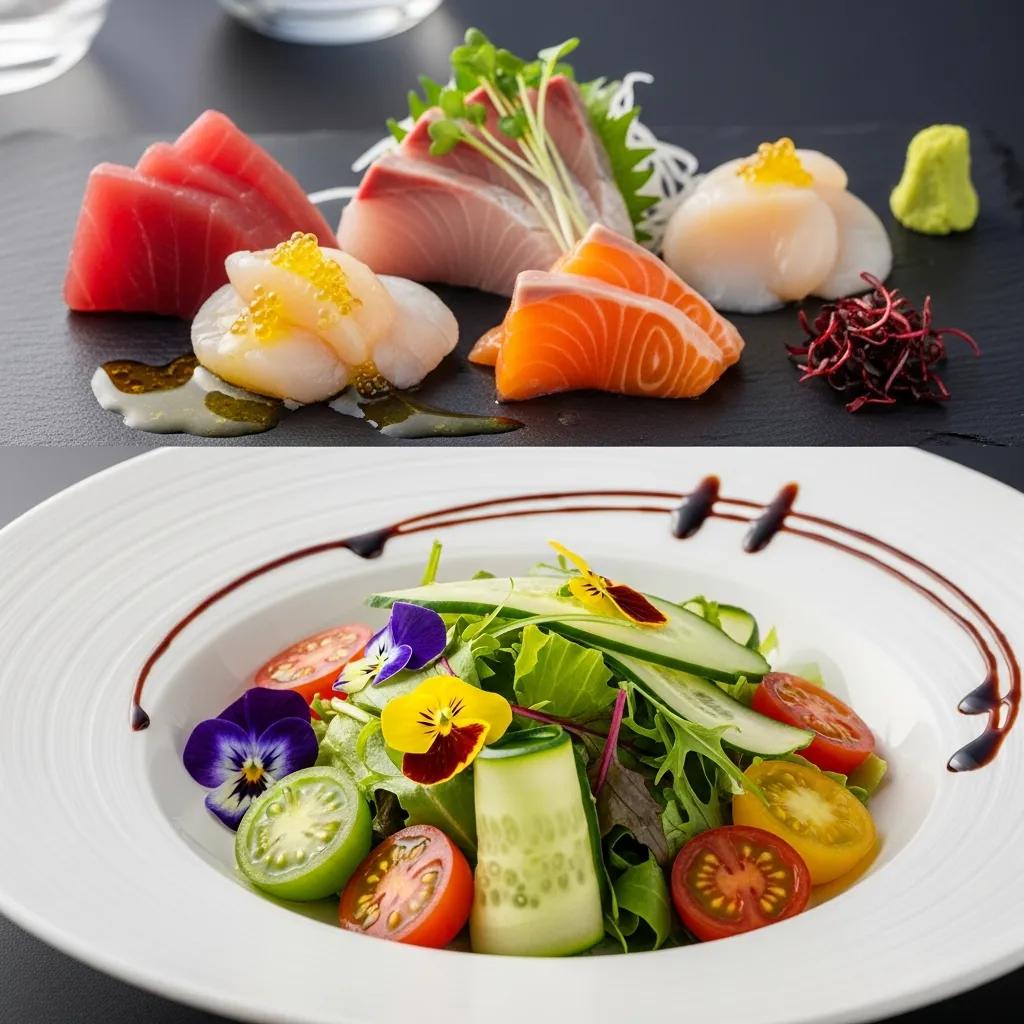
Several signature dishes place artisan oils and vinegars at the center of flavor construction, using them to refine aroma, mouthfeel and umami perception. Finishing oils are applied sparingly to sashimi and caviar courses to lift aromatics and introduce silkiness; aged vinegars appear in composed salads and dressings to cut richness and brighten greens. Below are representative dishes and the technical reasons we use each condiment.
Representative dishes that showcase these condiments:
- Sashimi with a light drizzle of single-origin extra virgin: A focused drizzle adds aromatic lift and silkiness while preserving the fish’s purity.
- Tuna tartare with yuzu-infused oil and mild aged vinegar: The interplay of citrus oil and soft acid elevates savory and sweet notes for balance.
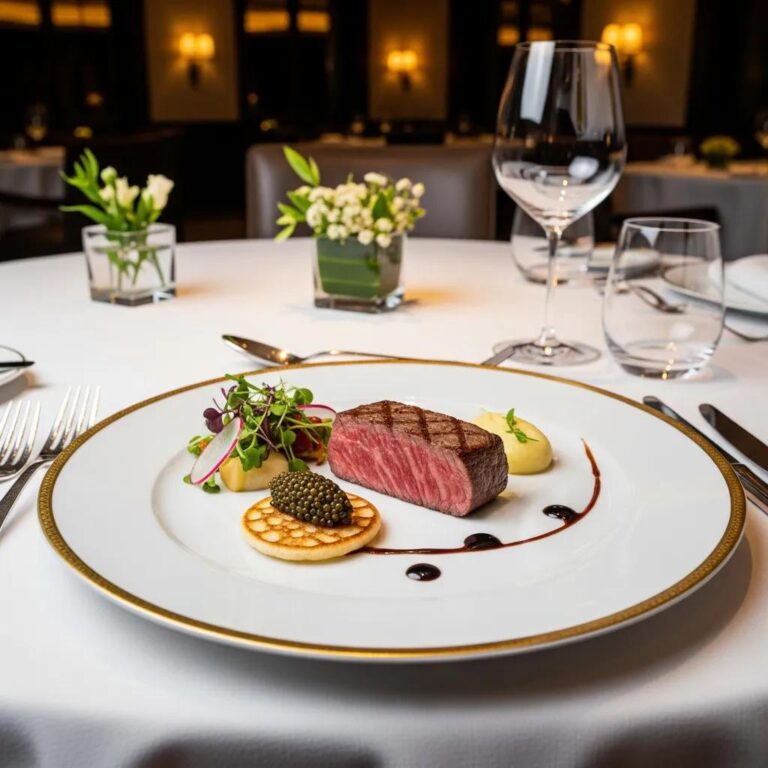
- A5 Wagyu finished with micro-drops of robust finishing oil: Micro-drops accentuate marbling nuances and round the palate alongside caviar pairings.
These examples show how precise condiment choices shape a dish’s sensory arc, with restraint and technique driving the effect.
How Are Artisan Oils Used to Enhance A5 Wagyu and Caviar Pairings?
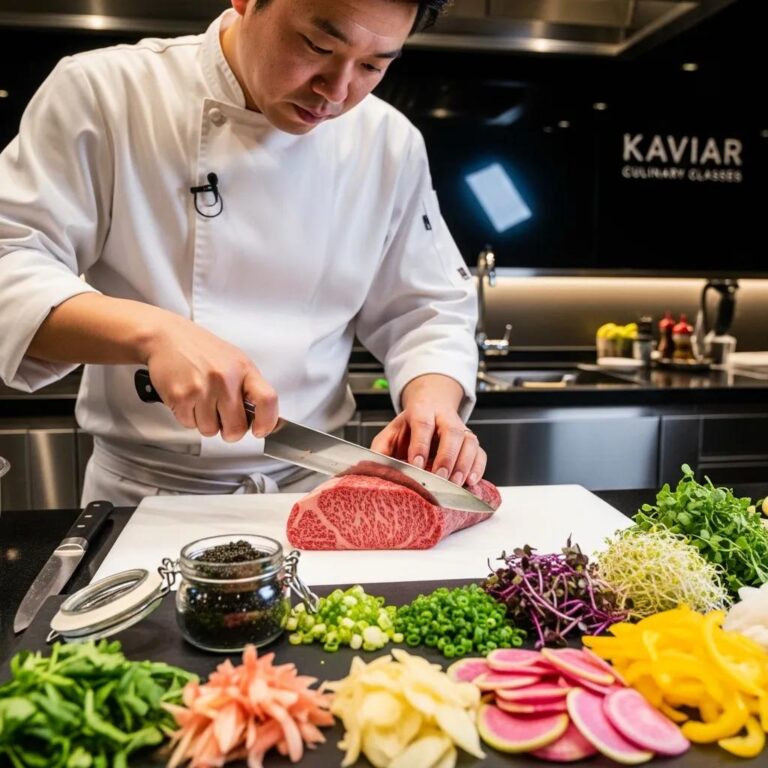
We apply artisan oils in measured micro-drops to highlight fat nuances in A5 Wagyu and to provide aromatic cues that harmonize with delicate caviar salinity. Technique matters: finishing oil is added just before service at room temperature so volatile aromatics remain intact; portions are tiny to avoid masking the meat’s natural character. The oil’s role is to round texture, soften dryness perception and carry subtle aromatics that complement caviar’s brine—creating a cohesive tasting bite where each element remains distinct yet integrated.
This finishing technique preserves ingredient hierarchy while using oil to deepen the tasting experience.
What Role Do Vinegars Play in Our House-Made Dressings and Marinades?
Vinegars function as brighteners in dressings and controlled tenderizers in marinades, shaping texture and balance across preparations. In dressings, acid stabilizes emulsions and elevates aromatic top notes; careful calibration prevents the acid from overwhelming delicate seafood. In marinades we adjust vinegar levels to soften textures without denaturing surface proteins or upsetting raw preparations. The kitchen standardizes acidity ratios and refines each recipe through tasting so every dressing and marinade contributes structure and clarity to the plate.
These functional roles show that vinegars are both technical tools and flavor agents in our kitchen.
What Are the Health Benefits and Sustainability Practices Behind Our Condiments?
High-quality extra virgin olive oils supply monounsaturated fats and polyphenols associated with cardiovascular and antioxidant benefits when consumed as part of a balanced diet. Polyphenol-rich oils offer anti-inflammatory properties and add nutritional density in the small, concentrated servings we use. From a sustainability standpoint, sourcing single-origin and small-batch producers supports traceability and often aligns with regenerative agricultural practices. The table below summarizes health and sustainability attributes for the primary condiments we use in a Japanese fine-dining context.
How Does High-Quality Olive Oil Contribute to Nutritional Value?
Premium olive oil contributes mainly monounsaturated fats and polyphenols—components linked to heart-health benefits and reduced oxidative stress when part of a balanced diet. In fine dining we use oils in modest amounts to add flavor density rather than volume, preserving nutritional balance while enhancing palatability. Polyphenol content varies by varietal and harvest; chefs select oils that offer both sensory interest and higher antioxidant profiles. Evidence suggests regular, moderate use of polyphenol-rich oils within a healthy diet supports metabolic wellbeing, so careful culinary application can deliver both flavor and wellness benefits.
This mindful approach lets diners enjoy richer flavors without sacrificing balance.
What Sustainable Sourcing Practices Support Our Artisan Ingredients?
Our sustainable sourcing prioritizes single-origin suppliers, small-batch producers, transparent harvest documentation and on-site sensory checks to verify production claims. These practices confirm that olive oil producers use appropriate harvest timing and pressing methods, and that vinegar makers rely on barrel aging or traditional fermentation. Documentation—supplier statements, tasting notes and traceability records—ensures sustainability claims align with sensory and technical standards. Choosing suppliers with verifiable practices supports environmental stewardship and matches guest expectations for premium provenance.
This verification framework makes sustainability a measured, operational priority rather than a marketing line.
How Can Guests Experience the Artisan Olive Oils and Vinegars at Kaviar?
Guests encounter artisan olive oils and small-batch vinegars throughout the tasting menu via finishing notations, tasting portions and composed courses that highlight condiment pairings. Our service team can describe provenance and sensory intent on request, and tasting seats or omakase options present a curated sequence that showcases these elements in context. Diners seeking a focused experience should ask the service staff for guidance—this allows oil and vinegar selections to be emphasized without interrupting the menu’s flow. Booking a tasting-menu reservation is the recommended way to experience the deliberate condiment pairings we design to reveal subtle contrasts and harmonies.
What Reservation Options Are Available to Enjoy Our Premium Condiments?
Reservations are available through our online booking channels and common reservation platforms for tasting-menu and omakase seating where condiment pairings are emphasized. Guests interested in a curated tasting are encouraged to reserve in advance to secure specialty pairings and menu segments that feature artisan oils and vinegars. Noting “tasting menu” or “omakase” in the reservation helps our team prepare appropriate pairings and tasting notes for your table.
How Does Our Culinary Philosophy Reflect in the Dining Experience?
Our culinary philosophy centers on precision, seasonality and premium ingredients; each condiment is chosen to support a coherent tasting narrative rather than to dominate. Oils and vinegars are treated as partners to proteins and vegetables—used sparingly, deliberately and with provenance in mind—to enhance aroma, texture and umami without obscuring ingredient integrity. That approach guides plating, timing of application and the language our servers use, so guests perceive the intended contrasts and harmonies across courses. The result is a dining experience built on subtlety, balance and the storytelling potential of refined condiments.
These principles show how small, considered choices shape the overall sensory arc of a tasting menu.
Frequently Asked Questions
What are the key differences between artisan olive oils and regular olive oils?
Artisan olive oils are produced in smaller lots with an emphasis on flavor, harvest timing and provenance; regular oils are often blended and refined for consistency and shelf stability. Artisan lots typically showcase specific varietals and terroir, are cold-pressed to preserve aroma and nutrients, and offer distinctive tasting notes—qualities that make them more suitable for fine dining and finishing applications.
How can I incorporate artisan olive oils and vinegars into my home cooking?
Introduce artisan oils and vinegars as finishing elements: drizzle high-quality olive oil over grilled vegetables or seafood, use aged vinegars in dressings to add depth, or try an infused vinegar to brighten sauces. Start with small amounts to assess interaction with your ingredients; because these condiments are concentrated, subtle use often yields the best results.
What are the health benefits of using artisan olive oils and gourmet vinegars?
Artisan extra virgin olive oils provide monounsaturated fats and polyphenols linked to cardiovascular and antioxidant benefits when consumed as part of a balanced diet. Gourmet vinegars—rice or fruit-based—add flavor with minimal calories and can aid digestion. Used thoughtfully, these condiments let you enhance taste while maintaining nutritional balance.
What should I look for when selecting artisan olive oils and vinegars?
Look for extra virgin designation, harvest dates, and clear origin information for oils. Favor small-batch producers and single-origin lots when possible. For vinegars, consider type (aged, young, fruit-infused) and acidity level—these factors determine culinary application. Producer tasting notes and suggested pairings are useful guides.
How do artisan oils and vinegars impact the sensory experience of a dish?
Artisan oils add silkiness and aromatic lift; vinegars introduce calibrated acidity that balances richness and clarifies flavors. Applied with restraint and intent, these condiments layer complexity and help each component of a dish sing together.
Can I find artisan olive oils and vinegars in local stores or online?
Yes—specialty food shops, farmers’ markets and many online retailers carry artisan oils and vinegars. Many producers sell directly through their websites, and curated subscription services can help you explore small-batch options from home.
Conclusion
Artisan olive oils and small-batch vinegars play a decisive role in elevating Japanese fine dining—shaping aroma, texture and balance without stealing the spotlight. Understanding their properties and proper application allows chefs to compose harmonious dishes that honor each ingredient’s integrity. To experience these pairings firsthand, reserve a tasting menu at Kaviar Restaurant—every detail is chosen to reveal how thoughtful condiments can transform a meal.