



Edible Flowers in Gourmet Dishes — Expert Techniques for Luxury Presentation
Edible flowers—carefully chosen botanicals safe for dining—are a powerful tool for chefs who want to lift flavor, texture, and visual impact in luxury plating. They introduce delicate aromas, subtle textural notes and striking color contrast that refine a guest’s sensory experience. This guide explains how culinary flowers function as purposeful garnishes, why seasonality and responsible sourcing matter for flavor intensity, and which plating techniques create intentional focal points on high-end plates. Integrating floral elements alongside premium ingredients like A5 Wagyu and caviar requires restraint and precision; here you’ll find selection criteria, practical plating methods, and safety protocols designed to keep floral accents supportive and refined. We focus on restaurant-ready advice for chefs, food stylists and diners who appreciate how thoughtful floral decoration can enhance both taste and the overall guest experience.
Top Edible Flower Varieties for Fine-Dining Plating
Choosing flowers for gourmet plating starts with clear criteria: balanced flavor, petal texture, color stability and seasonal availability. Chefs favor varieties that complement proteins and sauces without overwhelming aroma or mouthfeel. Petal shape and oil content interact with sauces and fats to change perceived richness, so pairing is essential when working with delicate fish, A5 Wagyu or briny caviar. Below is a concise list of reliable flowers that fine-dining kitchens use for consistent, elegant plating—followed by a quick-reference that matches flavor profiles to ideal dish pairings. Use these selections as a foundation for menu development, and remember: safe sourcing and clear service notes build guest confidence when offering floral garnishes.
The most useful edible flowers for gourmet plating include:
- Nasturtium: peppery petals that cut through rich sauces and marry well with fatty proteins.
- Viola / Pansy: mild, gently sweet petals suited to delicate seafood and desserts.
- Borage: a cool, cucumber-like note that refreshes the palate between rich bites.
- Chive blossom: oniony-sweet accents that pair with egg, fish and light vinaigrettes.
- Calendula: vivid saffron-like color and a mild bitterness for roasted vegetables and grains.
- Sakura (cherry blossom): a subtle floral aroma used sparingly for seasonal, symbolic plating.
This shortlist helps kitchens choose flowers by flavor role and visual intent; the table that follows offers a quick attribute-to-pairing reference for service use.
Different culinary blossoms serve distinct flavor roles and plating tasks. The table below compares species, taste profile and recommended pairings for immediate application in fine-dining menus.
Use this quick guide to match petal character to protein and sauce, then review seasonal choices that influence vibrancy and aroma.
Which Seasonal Flowers Best Enhance Flavor and Visual Appeal?
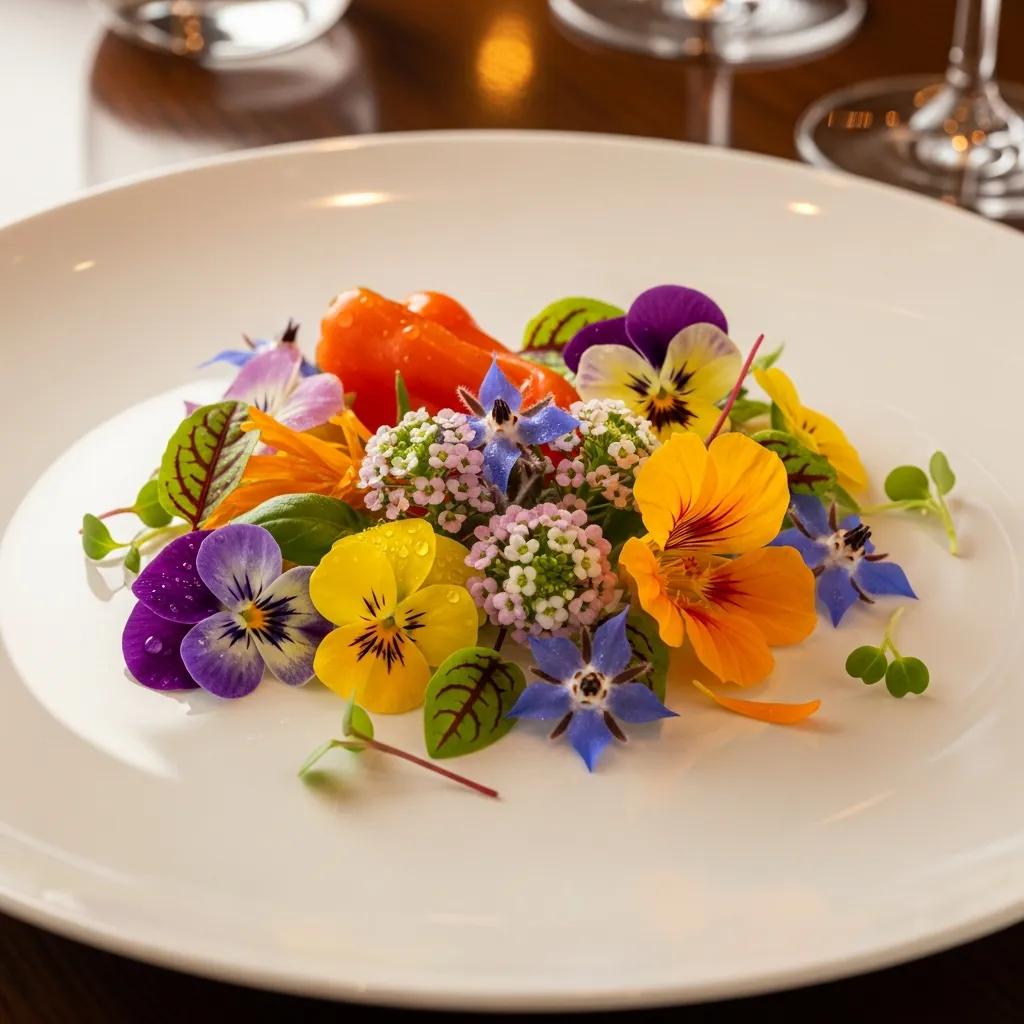
Seasonality governs both availability and the expressive quality of culinary blooms. Choosing flowers at peak season maximizes color saturation, fragrance and structural integrity for plating. Spring brings sakura and violas—ephemeral accents that tell a seasonal story in omakase—while summer offers nasturtium and borage, whose bolder notes stand up to richer sauces and grilled proteins. In autumn and winter, preserved or greenhouse-grown varieties can provide consistency, but chefs should weigh that against the superior freshness of local harvests. Sourcing from nearby producers shortens the time from harvest to plate, preserves turgor and reduces wilting during service, while reinforcing a menu that follows market cycles and guest expectations for provenance.
Prioritizing in-season flowers ensures the visual and flavor benefits are most pronounced and minimizes the need for heavy preservation.
How Flower Flavor Categories Complement Fine-Dining Dishes
Culinary blossoms fall into broad flavor groups—peppery, citrusy, sweet, herbal—that chefs use to create contrast or reinforcement on a plate. Peppery flowers like nasturtium cut through high-fat components such as A5 Wagyu or rich emulsions, adding brightness; citrusy petals lift acidity in shellfish dishes and vinaigrettes; sweet, mild blooms such as violas bring elegance to chilled seafood and desserts without weight; and herbal or oniony blossoms like chive echo savory notes alongside smoked fish or egg. Mapping these categories to menu items lets the culinary team use flowers as intentional flavor bridges rather than incidental decoration.
These flavor roles lead naturally into Japanese plating approaches, where seasonality and restraint shape floral use in omakase and kaiseki-influenced presentations.
Edible Flowers in Japanese Fine-Dining Plating
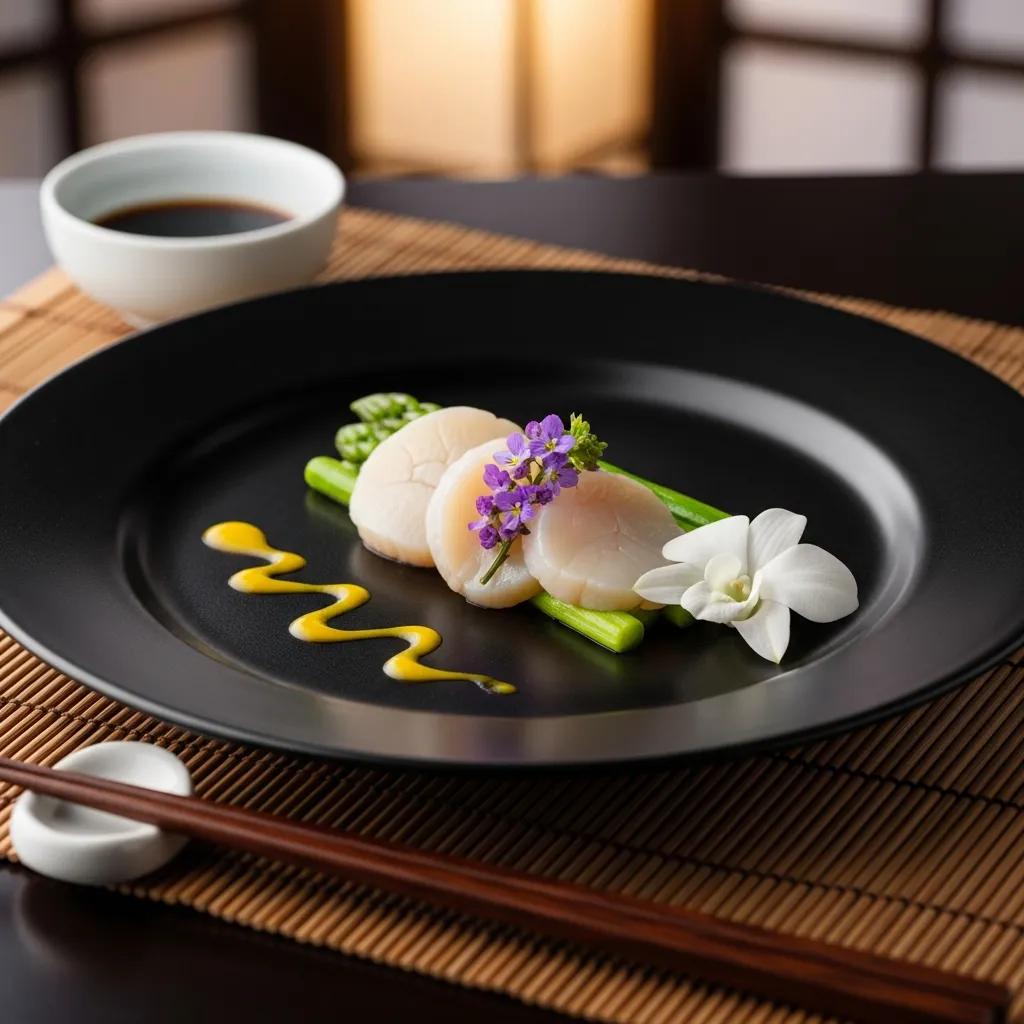
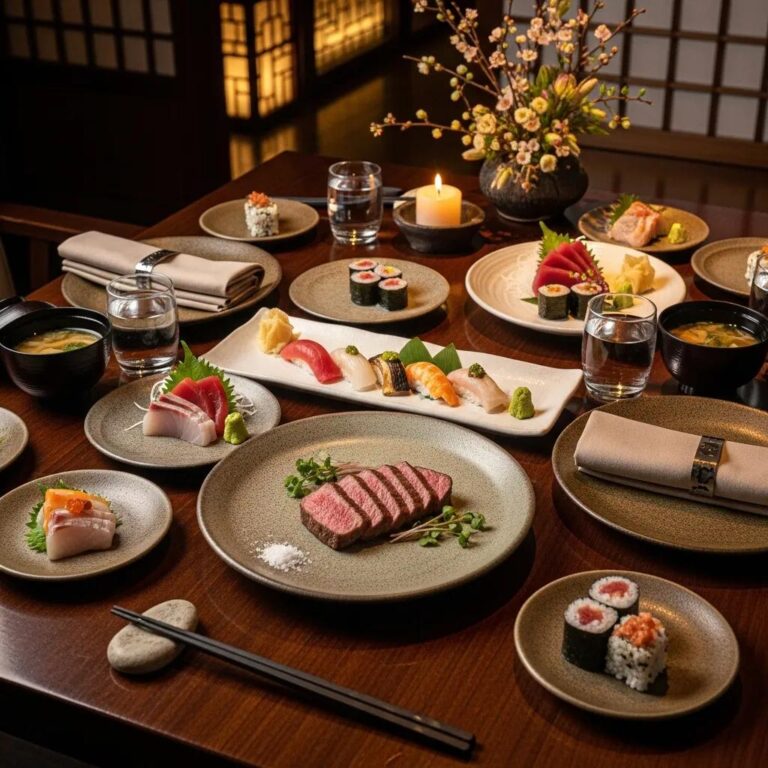
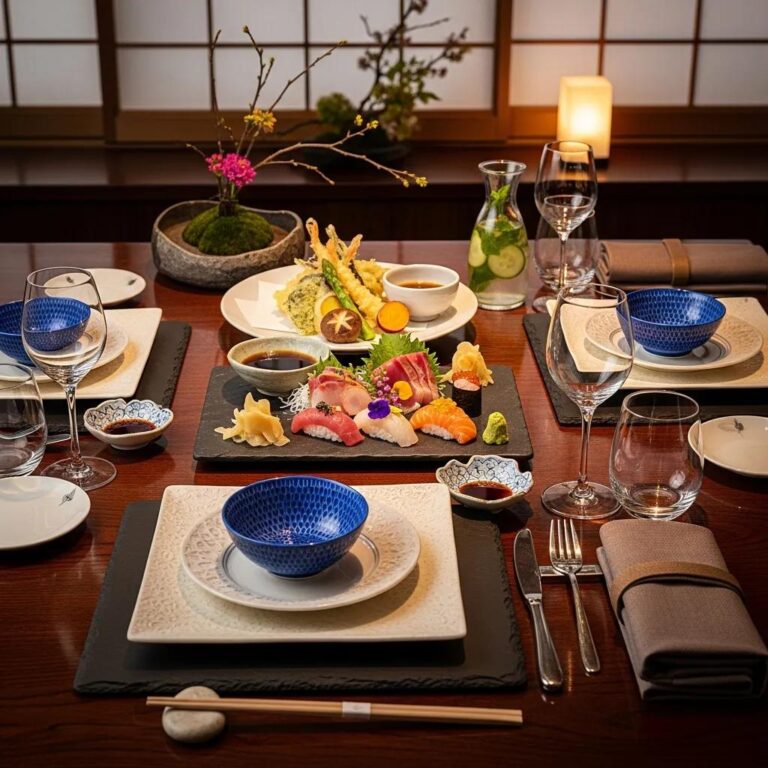
In Japanese fine dining, flowers act as seasonal cues and minimalist accents that reinforce balance and the narrative arc of an omakase tasting. Used sparingly, they support—not overshadow—the central ingredient. The principle is subtlety: a single sakura petal, a small cluster of micro-flowers or a tiny blossom perched on fish signals season and mood while keeping the ingredient’s taste and texture front and center. Examples include a petal on chilled tofu to signal spring, a few micro-flowers arranged to create negative space around sashimi, or flower-infused salts and oils as finishing touches that add aroma without bulk. These choices reflect restraint and intentionality, allowing floral garnishes to enhance course storytelling and provenance while maintaining sensory rhythm.
At Kaviar, we interpret these principles by pairing floral accents with premium items like A5 Wagyu and curated caviar—using flowers for visual balance and subtle contrast rather than dominance. The result preserves the ingredient’s primacy while reinforcing seasonality and craft.
Signature Plating Styles That Use Culinary Flowers
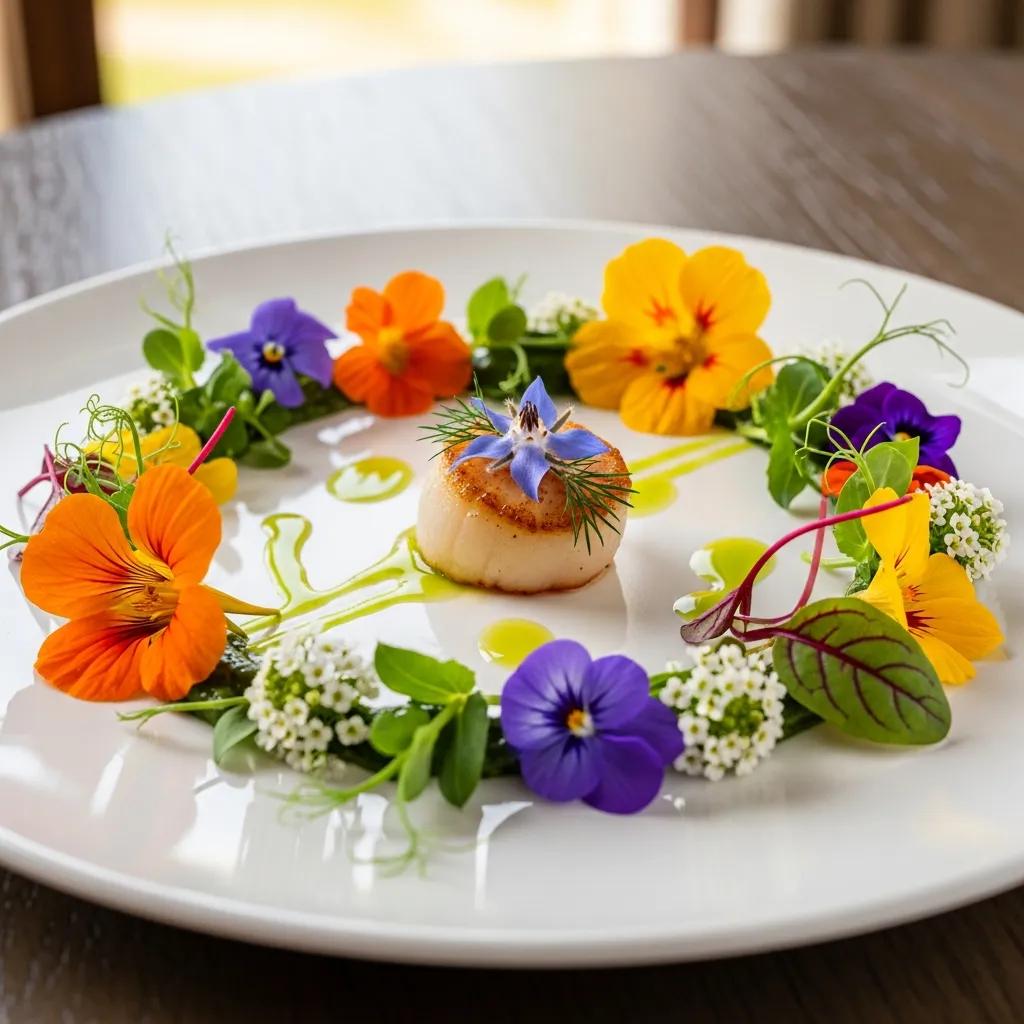
Japanese-influenced fine dining employs several signature approaches to floral decoration that emphasize simplicity, season and scale. A single-blossom placement creates a precise focal point; clustered micro-garnishes form textured islands that bridge sauces and bites; infused elements—syrups or salts—layer aroma into each mouthful; and suspended petals in clear gels add an ethereal depth. Each style uses different tools and scales: single blossoms suit slices of seared fish, clusters work for larger shared plates, and infusions are best in finishing elements. Choice of style depends on whether the aim is to signal season, add aroma or create contrast.
Below, see how Kaviar applies these styles in service.
How Kaviar Pairs Edible Flowers with A5 Wagyu and Caviar
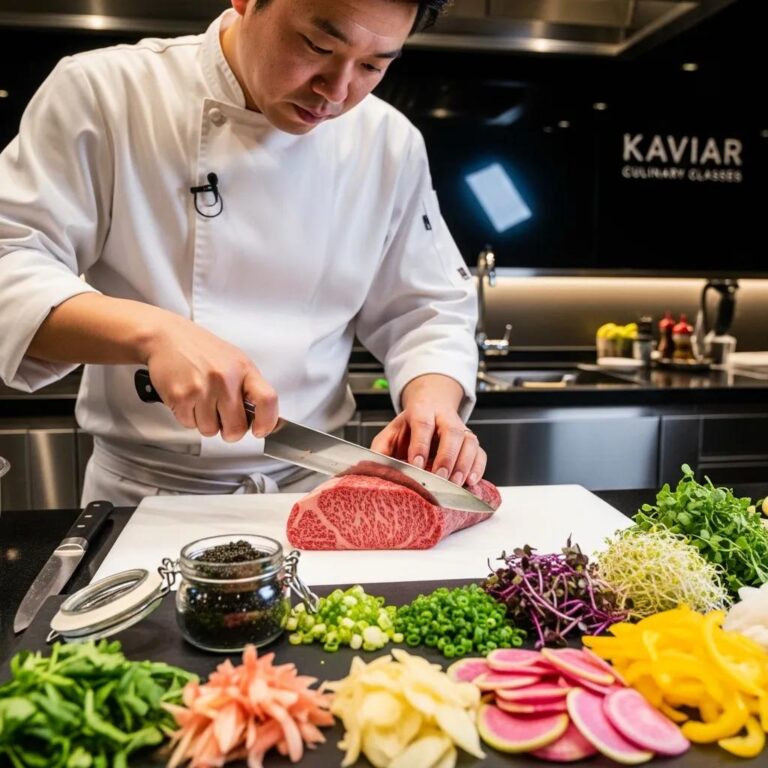
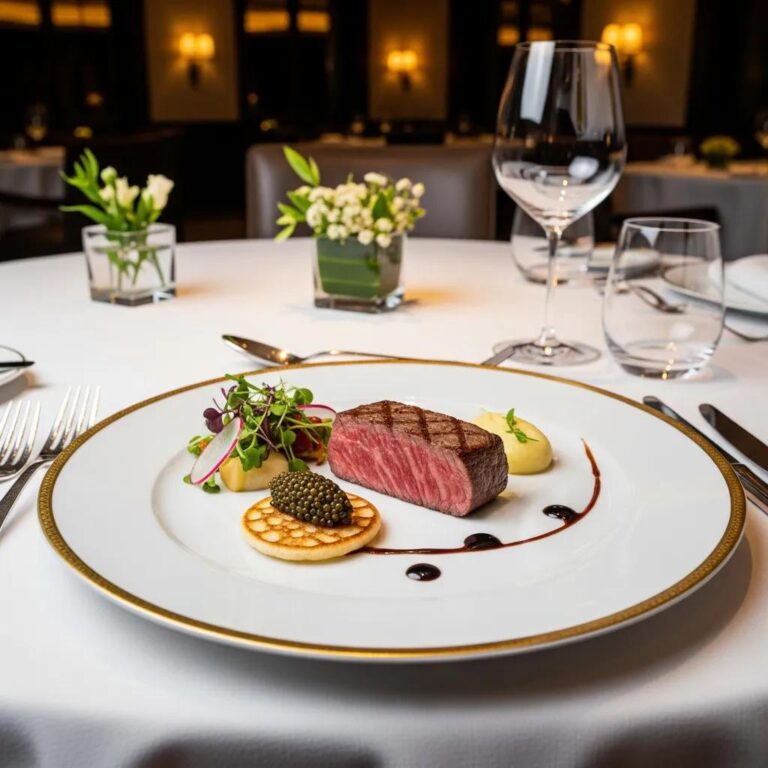
We integrate edible flowers with A5 Wagyu and caviar by prioritizing visual balance and delicate flavor interplay so flowers accent rather than compete with luxurious ingredients. On A5 Wagyu, a sparing peppery or mildly bitter petal provides a palate-cleansing counterpoint to the meat’s richness, placed to preserve the cut’s central role and create a focused visual accent. For caviar, micro-flowers and tiny petals add visual texture and a soft aromatic lift that complements brine without masking it—typically positioned around the service rather than piled on top. This measured use safeguards provenance and lets floral notes support the course narrative of season and craftsmanship within our upscale, Japanese-inspired aesthetic.
Such restraint keeps premium components at the forefront and shows how flowers can heighten luxury presentation without overpowering signature flavors.
Signature Kaviar Dishes That Feature Edible Flowers
Kaviar’s omakase progression and focus on premium ingredients create natural moments for floral accents as narrative and sensory details. Flowers appear as restrained peppery notes on A5 Wagyu, as seasonal cues on delicate seafood courses, and as tiny color accents on caviar-topped amuse-bouches that preserve the briny focal point. Small blossoms also mark transitions between warm and chilled courses to refresh the palate. These practices treat flowers as purposeful garnishes that elevate perception of luxury without distracting from prime ingredients.
Representative Kaviar course types that incorporate edible flowers and the roles they play:
- A5 Wagyu Course: A single petal adds a peppery or bitter counterpoint and visual contrast.
- Caviar-Topped Bite: Micro-flowers provide color and a delicate aromatic lift while keeping caviar dominant.
- Omakase Seasonal Fish: A single blossom or small sprig signals seasonality and refreshes the palate.
Visual and Flavor Benefits of Flowers in Omakase Menus
In omakase, edible flowers act as visual signposts that cue seasonality and shape sensory pacing, while providing flavor contrasts that refresh the palate between richer courses. Visually, one carefully placed blossom creates a pause that highlights texture, clarifies color contrast and directs attention to the focal protein—raising perceived craft and value. Flavor-wise, petals can offer subtle acidity, bitterness or aromatic lift to cleanse the palate and prepare guests for the next course, particularly helpful in sequences with fatty cuts or concentrated sauces. Together, these roles enhance the storytelling aspect of omakase, allowing chefs to guide the tasting narrative with small botanical signals without altering core ingredients.
Understanding these benefits helps front-of-house teams describe courses and helps chefs pace floral accents for a cohesive progression.
How Edible Flowers Enhance Luxury Dining in Pasadena
In Pasadena’s fine-dining scene, edible flowers contribute to a sense of luxury by creating photographable plates, signaling seasonal sourcing and meeting guest expectations for artistry. Thoughtful petal placement increases perceived craftsmanship and encourages diners to value aesthetic detail alongside ingredient quality—aligning with local demand for memorable, image-worthy meals. Flowers also reinforce a commitment to provenance, enhancing brand storytelling and persuading guests to reserve for a curated experience. When paired with attentive service and considered lighting, floral garnishes amplify the sensory framing of a meal and support reservation motivations rooted in both reputation and presentation.
This local context explains why many diners choose omakase: they seek curated sensory stories where small botanical choices meaningfully contribute to the experience.
Essential Plating Techniques for Decorating with Edible Flowers
Effective floral plating focuses on secure placement, proportional scale and seamless integration with sauces and micro-herbs so petals remain intact and intentional through service. The practical method is about tools and timing: use fine tweezers for precision, minimal adhesives or picks when necessary, and layer petals while respecting negative space and focal hierarchy. Proven techniques include single-blossom anchoring, clustered micro-garnishing, edible infusions in finishing oils or salts, and using chilled or lightly moistened petals to preserve turgor during service. The table below summarizes common techniques, required tools and the best use cases so chefs and food stylists can choose the right approach for each course.
Arranging Edible Flowers for Maximum Aesthetic Effect
Strong floral composition follows simple rules: respect scale relative to the protein, use thoughtful color contrast, and preserve negative space to create a clear focal point. Begin by identifying the plate’s central element, then select a flower size and color that complements rather than competes. A single larger bloom creates emphasis; multiple micro-flowers add texture without crowding. Use color theory—place contrasting petals opposite the dominant hue of the protein to boost legibility—and space accents to create rhythm and movement across the plate. Limit floral elements to one or two strategic placements to maintain a restrained, luxurious impression.
The checklist below gives quick do’s and don’ts for immediate application.
- Do choose scale carefully: Match blossom size to the protein portion for visual balance.
- Do use contrast: Place petals against opposing plate colors to improve clarity.
- Don’t overcrowd: Keep floral accents minimal to preserve negative space and focus.
Following these guidelines helps kitchens produce plates that read as both natural and meticulously composed, reinforcing guest perception of craftsmanship.
Tools and Methods to Ensure Freshness and Safety
Keeping edible flowers fresh and safe requires clear sourcing checks, gentle handling and appropriate storage. Verify growers use food-safe practices and avoid flowers treated with non-food pesticides; document provenance where possible. Store blooms refrigerated at moderate humidity to prevent desiccation and minimize hold times to reduce microbial risk. Clean flowers with brief cool rinses and blot-dry gently; flowers destined for infusions should follow culinary-grade sanitation standards. Use dedicated, food-safe tweezers, brushes and sanitized containers to limit cross-contamination during plating and maintain consistent presentation quality.
Adhering to these protocols protects guest safety and preserves the visual quality of floral garnishes; the technique table above links tools to each common method for practical use.
How Sustainable Sourcing Shapes Floral Use in Luxury Presentation
Sustainable sourcing affects flavor, freshness and brand storytelling by prioritizing seasonal, local production that shortens harvest-to-plate time and strengthens menu authenticity. Local flowers give chefs tighter control over harvest timing and variety, yielding brighter color, stronger aroma and a smaller carbon footprint than distant suppliers—attributes that reinforce perceived quality. Sourcing choices also shape menu planning, as seasonality limits available varieties and inspires creative sequencing to highlight peak blooms. The comparison below outlines source types, sustainability traits and practical benefits to help operators choose procurement strategies aligned with culinary and brand goals.
Benefits of Seasonal, Locally Sourced Blossoms
Seasonal, local blossoms deliver stronger flavor concentration, better turgor and a reduced carbon footprint—advantages that translate into more vivid plating and more authentic menu storytelling. Freshly harvested petals retain water and volatile aroma compounds that decline quickly after harvest, so short farm-to-kitchen windows preserve both taste and appearance. Local sourcing also increases transparency for guests and lets kitchens rotate floral accents with market peaks, enhancing the perceived value of tasting menus. From a brand perspective, highlighting local floral provenance signals care in ingredient selection and fosters partnerships with growers who can tailor harvests to culinary needs.
These benefits explain why many high-end operators favor local, seasonal procurement for floral-focused presentations.
How Kaviar Upholds Quality and Authenticity in Flower Selection
Kaviar maintains quality and authenticity by prioritizing premium ingredients, seasonality and careful presentation that aligns with our Japanese-inspired fine-dining approach. We source flowers that support the omakase narrative and enhance courses without overshadowing signature elements like A5 Wagyu and caviar. That approach shows in variety choice—selecting blooms that harmonize with each course’s flavor profile—and in restrained use so the integrity of core ingredients remains intact. Guests can note allergies or preferences via our menu and reservation channels; we’ll adjust garnishes to keep service safe and personalized.
This description reflects Kaviar’s positioning: ingredient-first, seasonally minded and committed to authentic presentation.
How to Reserve and Experience Flower-Enhanced Dishes at Kaviar
To experience floral-enhanced dishes at Kaviar, book through our reservation system, note any allergies or floral preferences when you reserve, and expect an omakase progression where floral garnishes appear as subtle accents. Booking is simple: choose a date and party size, add dietary notes or requests about floral elements, and our team will confirm accommodations. During service, you’re welcome to ask about floral choices—our staff will explain whether a blossom is a flavor modifier or a visual accent. Clear communication at booking and on arrival ensures a safe, tailored tasting where botanical accents enhance the meal without complication.
- Select a reservation date and party size through our booking platform.
- Add dietary notes: list allergies, floral sensitivities or presentation preferences.
- Confirm reservation and expectations: anticipate a multi-course omakase with deliberate floral accents; we’ll note any requests.
Reservation Steps for Floral-Enhanced Luxury Dining
The reservation workflow is straightforward: book through our reservation channel, specify dietary restrictions and any flower-related preferences or allergies, and reconfirm special requests before arrival so the kitchen can plan appropriate garnishes. Our team flags allergies and prepares alternatives or omits floral elements when needed, balancing high-touch service with safety protocols. Guests should expect floral items to be used sparingly and will receive a brief description of floral accents when relevant courses are presented.
Clear communication at booking improves the in-seat experience and aids kitchen planning for floral inclusions.
How Ambiance Supports Floral Decoration at Kaviar
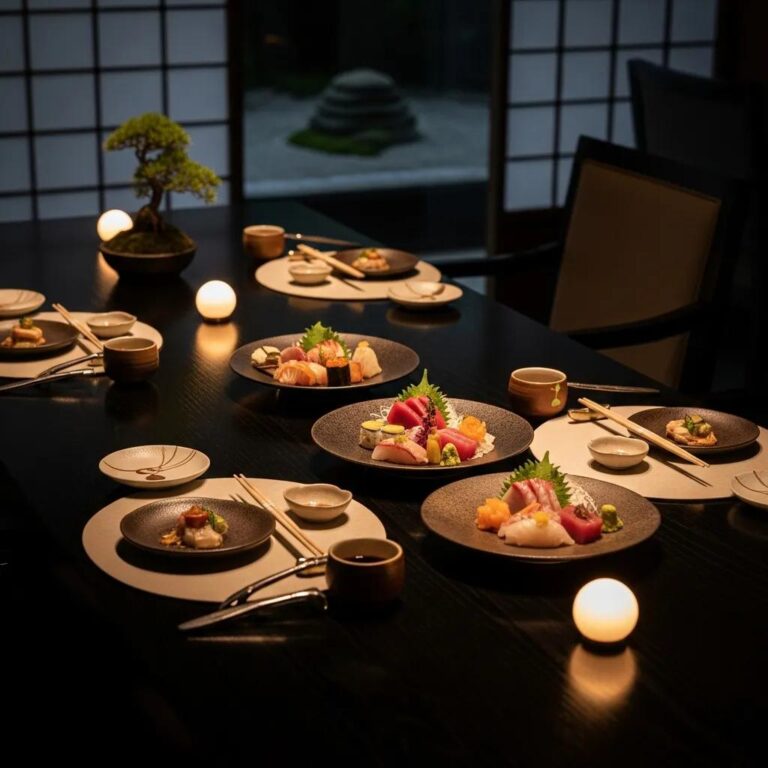
Ambiance enhances floral accents through controlled lighting, minimalist table settings and a thoughtful service cadence that presents delicate garnishes at their freshest. Directional lighting reveals color and texture on the plate, while uncluttered tables preserve negative space so petals read clearly. Timed reveals and paced delivery keep petals fresh and give diners the chance to savor visual and aromatic details without rush. We manage photographic and sensory cues so floral garnishes elevate the luxury experience rather than interrupt it.
Designing ambiance around botanical details reinforces how small presentation choices amplify guest perception of craft and seasonality.
Frequently Asked Questions
1. Are all flowers safe to eat?
No—only certain varieties are edible. Always use flowers grown for culinary use from reputable producers. Avoid blooms treated with non-food pesticides or unknown chemicals, and verify edibility before serving or consuming any blossom.
2. How should edible flowers be stored to stay fresh?
Store edible flowers refrigerated at moderate humidity with a damp paper towel in a covered container to prevent wilting. Avoid washing until just before use and aim to use blossoms within a few days of harvest for best flavor and appearance.
3. What common mistakes should chefs avoid with floral plating?
Common errors include overloading the plate with flowers, using non-edible or poorly sourced blooms, and choosing petals that overpower the dish. Also consider color contrast and scale—mismatched size or hue can reduce visual clarity and detract from the main ingredient.
4. How can diners confirm flowers are safe at a restaurant?
Diners should mention allergies or sensitivities when booking and ask about sourcing if concerned. Reputable restaurants will be transparent about where they source edible flowers and can remove or replace floral elements as needed.
5. When are edible flowers most commonly used?
Edible flowers are popular for special occasions, seasonal menus and fine-dining events where visual elegance matters. Many chefs also use them to underscore seasonal storytelling in tasting menus and celebratory services.
6. What do edible flowers add to the dining experience?
Flowers add visual beauty, nuanced flavor and aromatic accents that create a more layered sensory experience. Thoughtful use signals craftsmanship and seasonality, making dishes more memorable for diners.
7. How can chefs experiment with edible flowers safely?
Start small: add petals to garnishes, infuse oils or salts, and test pairings across sauces and proteins. Keep a seasonal approach, work with trusted growers, and document handling and storage procedures to ensure safety and consistency.
Conclusion
When used with intention, edible flowers elevate both the look and the flavor of gourmet dishes—adding nuance, seasonality and visual storytelling. By selecting the right varieties, sourcing them responsibly and applying restrained plating techniques, chefs can create plates that feel both artful and authentic. We invite you to experience these floral accents at Kaviar—reserve a table to taste how small botanical choices can make a memorable, luxurious difference.