




Plant‑Forward Fine Dining: How Vegan Gourmet and Sustainable Craft Are Redefining Luxury
Plant‑based fine dining is haute cuisine that places whole plants at the center of a multi‑course, chef‑driven narrative. It relies on advanced technique—fermentation, reductions, precise texturizing—and the choreography of tasting menus to deliver a luxury experience without animal protein. Below we trace how vegan and vegetarian haute cuisine matured into a recognized fine‑dining form, why that evolution matters for chefs and guests, and how deliberate sourcing and craft create unmistakable flavor and prestige. Today’s discerning diners expect provenance and sustainability alongside texture, umami and presentation; that demand is shaping plant‑forward tasting menus to feel as considered and ceremonial as omakase or kaiseki. As an industry example, Kaviar Restaurant — Pasadena’s intimate Japanese fine‑dining venue known for omakase, caviar service and private dining — shows how premium restaurants can honor provenance and service while thoughtfully adding plant‑forward options. Below we map definitions, chef‑led and Michelin‑inspired innovations, technical trends, environmental impacts and practical steps for integrating plant‑based courses without losing culinary excellence.
What Defines Plant‑Based Fine Dining — and Why It’s Gaining Ground
At its core, plant‑based fine dining is about multi‑course tasting menus that foreground whole plants, exacting technique and storytelling through plating and pacing. Its rise is driven by technique‑first flavor building—ferments, reductions and texture work applied to vegetables, grains and legumes to produce the depth, umami and mouthfeel diners expect from luxury cuisine. For operators and guests the upside is twofold: a lower environmental footprint and a platform for culinary invention that attracts experience‑minded, ethically conscious patrons. This distinction separates plant‑forward fine dining from casual vegan fare and frames the practical forces behind the trend.
Key drivers behind its popularity include:
- Sustainability expectations: Guests want lower‑carbon menus and transparent sourcing.
- Culinary exploration: Chefs employ fermentation, high‑heat caramelization and texture play to unlock new flavors.
- Health and wellness: Diners seek nutrient‑dense, vegetable‑forward options without sacrificing refinement.
- Experience economy: Provenance, storytelling and sensory presentation elevate each course.
These market signals push fine‑dining operators to test plant‑forward tasting formats and to foreground origin as a competitive advantage. With that context, we can compare how vegan gourmet techniques both diverge from and mirror classical fine‑dining practice.
How Vegan Gourmet Translates Traditional Fine‑Dining Principles
Vegan gourmet differs mainly in ingredient constraints, but it preserves the same aims for texture, balance and narrative arc. Chefs swap animal fats and stocks for concentrated plant umami—aged soy, fermented misos, roasted mushroom reductions—and use confit, emulsions and precise heat control with plant oils to create richness. Service standards and tasting‑menu rhythm remain: amuse‑bouche, palate cleansers and a composed finale guide the experience. In short, vegan gourmet applies classical technique to a different ingredient set, spurring innovation in sourcing, preservation and seasoning that often yields strikingly original dishes.
What’s Driving the Shift Toward Plant‑Forward Menus?
The shift springs from aligned forces: changing diner values, culinary technology and chef ambition. Health and wellness trends encourage lower‑animal plates; sustainability concerns pressure restaurants to reduce carbon intensity and increase traceability; and advances in fermentation, texturizing and cross‑cultural flavor work let chefs recreate desirable textures and savory profiles without animal inputs. Together, these trends enable restaurants to innovate while preserving provenance and storytelling—core expectations of luxury dining—and to position plant‑forward menus as equally prestigious.
How Michelin‑Level Kitchens Are Shaping Plant‑Based Haute Cuisine
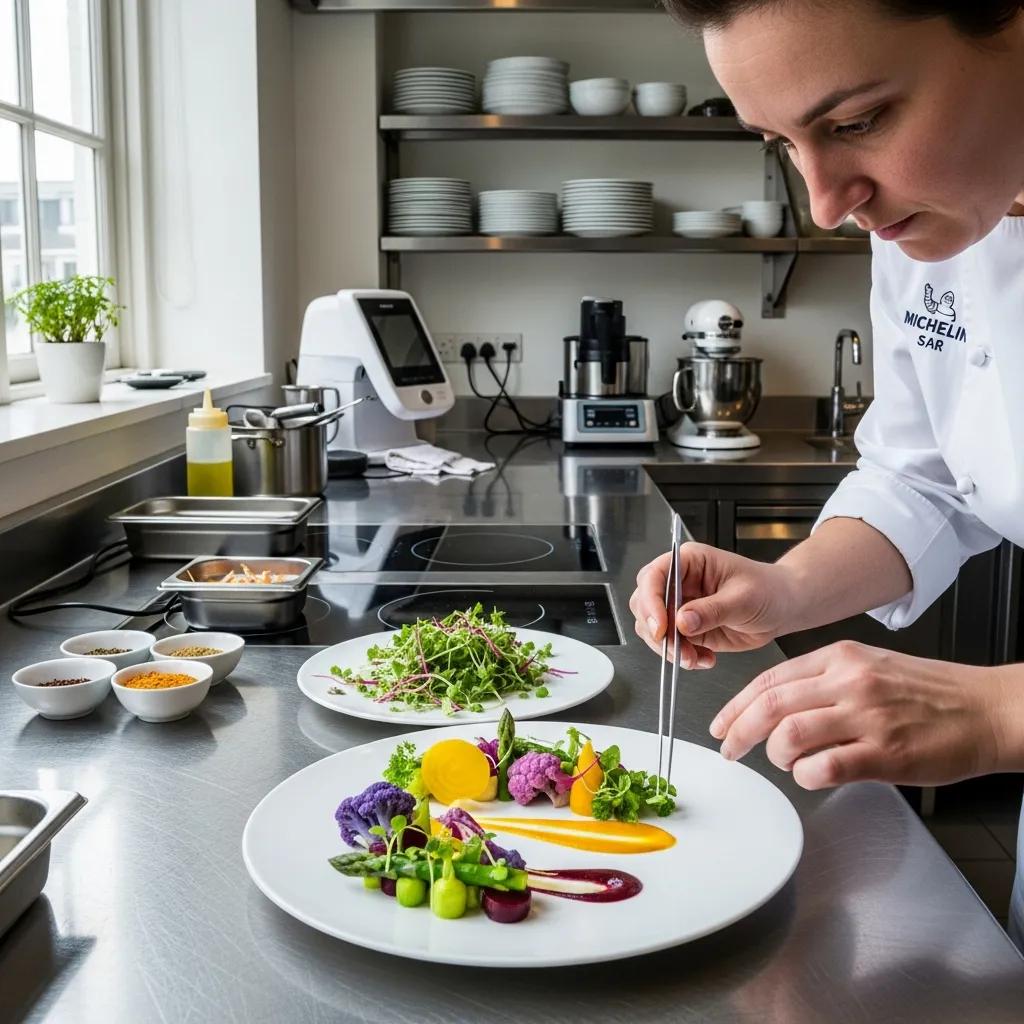
When Michelin‑recognized kitchens invest in plant‑forward tasting menus, they validate technique, seasonality and zero‑waste thinking at the highest level. Those endorsements raise the bar for ingredient preparation, plating precision and service choreography, proving that vegan gourmet can meet the same standards Michelin inspectors prize. That reputational transfer accelerates experimentation across fine dining, and provides practical benchmarks in pacing, sourcing and guest expectations for luxury operators considering plant‑forward programs.
Michelin’s influence shows up in consistent ways:
- Technique rigor: Fermentation, sous‑vide and controlled reductions applied to plant ingredients.
- Traceable sourcing: Menus that name growers, cultivars and provenance as part of the story.
- Zero‑waste practice: Creative use of stems, peels and byproducts to build concentrated flavor.
These trends make clear that technical mastery and sustainability are now central evaluation points for fine‑dining programs.
Which Michelin Kitchens Are Leading the Way?
A number of Michelin‑starred chefs have turned tasting menus into laboratories for vegetables, fermentation and hyper‑seasonal storytelling. These programs emphasize rare produce, experimental ferments and dramatic plating to deliver courses that equal meat‑centric plates in depth and visual theatre. As these kitchens validate technique‑first plant‑forward formats, peer restaurants adopt similar standards in mise‑en‑place, supplier selection and pairing programs—raising culinary literacy in plant‑based techniques and guest acceptance of plant‑forward luxury experiences.
How Sustainability Shapes Michelin‑Level Plant Menus
For many Michelin kitchens sustainability is both philosophy and practice: whole‑vegetable use, on‑site fermentation and seasonal cycles reduce waste and strengthen provenance narratives while keeping flavor intense. These practices not only improve environmental outcomes but also enhance guest experience by linking taste to origin and stewardship—qualities luxury diners prize. In that way, sustainability becomes a deliberate culinary lever that bolsters reputation as well as results.
Current Trends in Sustainable Fine‑Dining Innovation
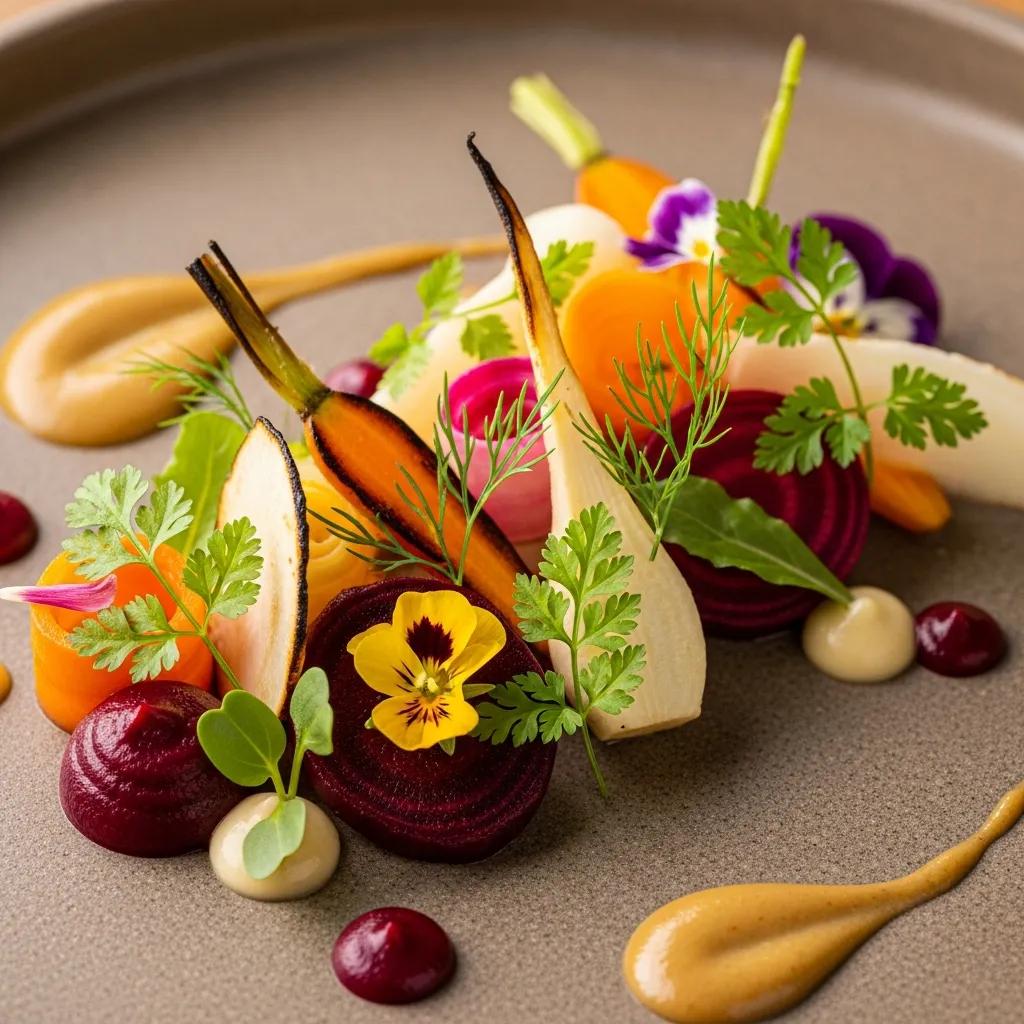
Sustainable fine dining today emphasizes ingredient economy, flavor engineering and transparent supply chains to deliver luxury with lower environmental cost. Leading trends—whole‑plant utilization, precision fermentation, plant‑protein texturizing, dual tasting tracks and close supplier partnerships—turn perceived limitations (lack of animal mouthfeel, for example) into opportunities for novel textures, intensified umami and distinctive presentation that read as elevated rather than compensatory. These techniques are becoming part of the modern fine‑dining lexicon, influencing menu design, service flow and guest communication.
Highlights shaping the movement include:
- Whole‑plant utilization: Extracting flavor and texture from roots, stems and leaves to minimize waste.
- Precision fermentation: Koji, controlled ferments and enzyme work to amplify umami and complexity.
- Plant‑protein texturizing: New texturizers and processes that replicate bite and mouthfeel for centerpiece dishes.
- Dual‑menu tasting formats: Parallel plant‑forward and traditional tracks offered in a single service.
- Sourcing transparency: Menus that foreground farm partnerships and carbon‑conscious procurement.
Together, these trends recast sustainability as a source of culinary creativity rather than a constraint, producing techniques that upscale kitchens can benchmark and adapt.
Intro to table: Below we compare whole‑plant innovations, the techniques that enable them and the sensory outcomes chefs aim for.
The table shows how targeted technique transforms whole‑plant parts into complex, fine‑dining flavors—helping chefs choose interventions that deliver specific sensory goals.
How Upscale Vegetarian Kitchens Showcase Whole‑Plant Ingredients
Upscale vegetarian restaurants treat vegetables and grains as primary flavor carriers, using long‑cook methods and concentrated condiments to achieve the depth traditionally associated with animal stocks. Slow caramelization, vegetable‑based reductions and layered textures—crisp elements, silky purées and light aerations—create courses that evolve bite by bite. Emphasis on cultivar specificity and supplier stories reinforces seasonality and provenance, producing elegant, plant‑centric tasting experiences that meet fine‑dining expectations and drive further technique innovation.
Which Culinary Techniques Elevate Plant‑Based Gourmet?
Precision fermentation, enzymatic conversion, controlled dehydration and modern texturizers let chefs sculpt plant ingredients into refined textures and concentrated flavors. Koji and ferment treatments release amino acids and deepen umami; texturizers and protein manipulation recreate chew and mouth‑coating richness; smoking, barrel aging and clarified vegetable consommés add aromatic layers and clarity. These tools let plant‑based courses stand on their own as sophisticated culinary expressions rather than as substitutes—encouraging critical acclaim and guest satisfaction.
How Plant‑Forward Cuisine Is Shaping Luxury Dining Experiences
Plant‑forward cuisine is changing luxury dining through flexible menu architectures, bespoke pairing strategies and service models that preserve ritual and exclusivity. Dual‑menu and hybrid tasting formats let chefs serve plant‑forward guests without compromising the theatrical pacing of omakase or prix‑fixe services. Beverage programs—sake, wine and crafted non‑alcoholic pairings—are being tuned to fermented, umami‑rich courses to maintain pairing prestige. As these adaptations spread, luxury restaurants can offer plant‑forward options that feel bespoke and premium while keeping the experience‑driven standards guests expect.
Restaurants can integrate plant‑forward elements without losing identity by preserving the rituals—private rooms, chef interactions, paced service—that define fine dining. For example, venues known for omakase can develop bespoke plant‑forward tasting tracks that mirror the exclusivity of their signature menus while highlighting provenance and craftsmanship. This operational flexibility lets local fine‑dining venues experiment with plant‑forward innovation without alienating traditional patrons.
What Dual‑Menu Models Are Emerging?
Dual‑menu concepts range from fully separate tasting tracks to hybrid services where select courses are plant‑forward. Separate tracks simplify kitchen separation and protect distinct narratives; hybrid formats offer guest flexibility but increase executional complexity. Key operational considerations include cross‑training, plating consistency and clear communication to avoid confusion and protect perceived value. These models offer practical templates for luxury restaurants to accommodate diverse dietary preferences while maintaining culinary standards.
How Chefs Craft Plant‑Forward Dishes That Feel Luxurious
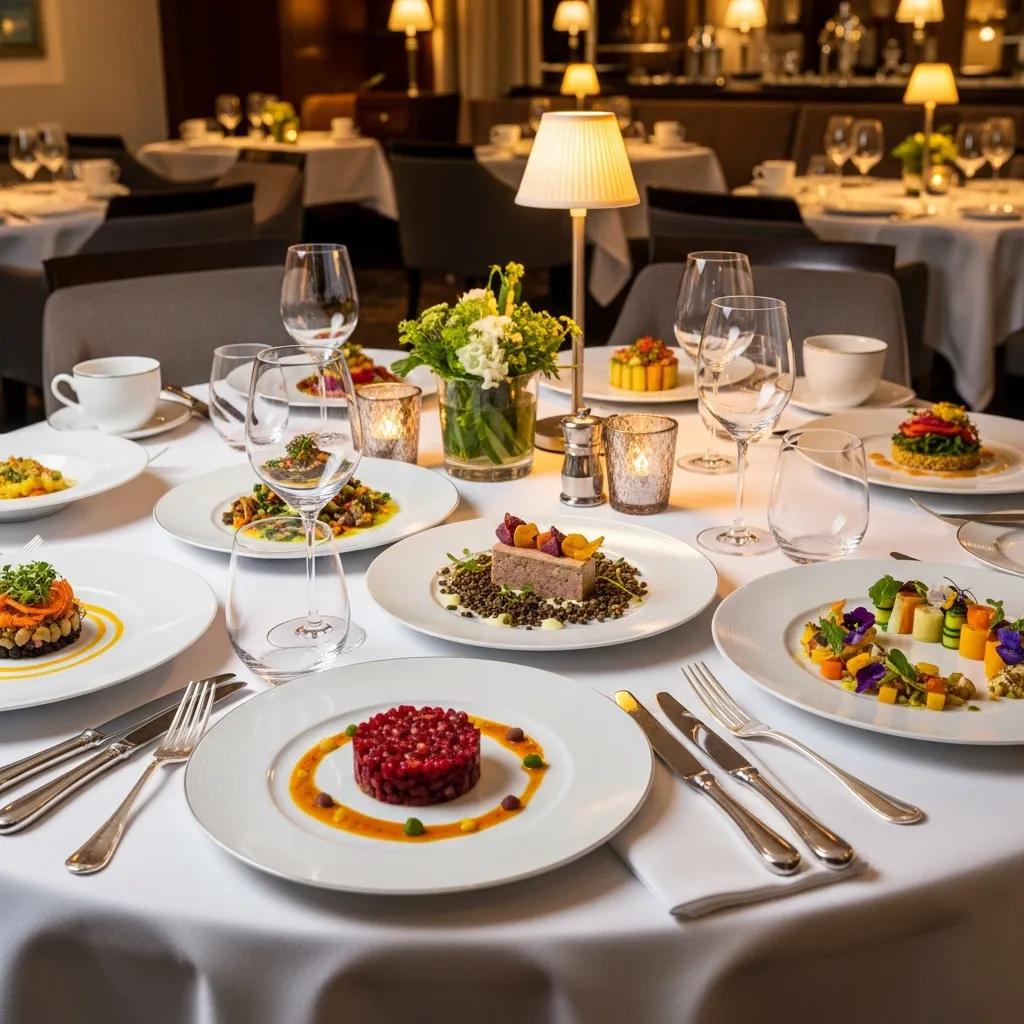
Chefs make luxury plant‑based dishes by assembling umami layers, contrasting textures and sensory finishes—methods that deliver the same satisfaction and ceremony as animal‑forward plates. Typical pairings include roasted mushrooms with miso gastrique, aged soy reductions with charred roots, and nut‑based mousses for richness and mouth‑coating fat. Plating favors negative space, layered textures and aromatic accents that signal refinement, while curated sakes and structured wines reinforce the dish narrative. These approaches ensure plant‑forward offerings deliver on taste and theatre, preserving the emotional and gustatory expectations of fine‑dining guests.
Environmental and Ethical Implications of Plant‑Based Fine Dining
Plant‑based fine dining generally reduces menu carbon intensity and land use while offering clearer ethical positioning on animal welfare and sourcing transparency. Sustainable practices—local procurement, seasonal menus and regenerative partnerships—lower transport emissions and limit waste; whole‑plant utilization further reduces landfill discard. That said, some plant ingredients can be resource‑intensive or imported, so carbon accounting requires nuance. Fine‑dining operators should pair careful sourcing with transparent communication to substantiate sustainability claims without oversimplifying trade‑offs.
Intro to table: The table below summarizes common ingredient groups, their relative carbon impact and recommended sourcing practices for fine‑dining use.
While plant‑forward menus often reduce emissions, ingredient selection and procurement strategy ultimately determine net impact. Fine‑dining chefs should prioritize local, seasonal inputs and scrutinize high‑impact imports.
How Sustainable Sourcing Lowers Carbon in Fine Dining
Sustainable sourcing trims carbon by shortening supply chains, favoring lower‑emission crops and aligning menus with seasonal abundance to avoid energy‑intensive production. Local procurement cuts transport emissions and can support regenerative farming that sequesters carbon, while grower collaboration helps chefs choose cultivars and harvest windows that maximize flavor and reduce waste. Seasonal menu rotation also reduces reliance on long‑term storage and long‑distance shipping—yielding fresher flavor and measurable emissions reductions—and strengthens the provenance stories luxury diners value.
Which Ethical Factors Are Driving the Move to Plant‑Forward Menus?
Ethical drivers include animal welfare concerns, environmental stewardship and demand for transparent labor and supply‑chain practices. Some diners choose plant‑forward options for animal welfare reasons; others prioritize lower lifecycle emissions and reduced waste. Fair pay and transparent certifications in sourcing also inform ethical menu narratives that discerning diners increasingly expect. Restaurants that weave these priorities into tasting menus can strengthen reputation and meet the values of a growing segment of fine‑dining guests.
How Restaurants Can Add Plant‑Based Options Without Sacrificing Excellence
Integrating plant‑based options while maintaining culinary excellence requires a deliberate roadmap: pilot testing, curated supplier partnerships, hands‑on training and clear storytelling. The practical approach is iterative proof‑of‑concept—introduce seasonal plant‑forward courses, host curated tasting nights for feedback, then scale successful elements into a dual‑menu or hybrid track. This method preserves technical standards and presentation while broadening guest choice and aligning with sustainability trends. Below are actionable strategies teams can adopt to implement plant‑forward programs without diluting a luxury brand.
Practical steps to introduce plant‑based dishes:
- Pilot and iterate: Run limited‑time plant‑forward tastings to refine recipes and service timing.
- Build supplier partnerships: Secure premium growers, artisan ferments and specialty plant proteins.
- Staff tasting and training: Invest in kitchen and front‑of‑house education so teams deliver confident service and clear stories.
- Communicate clearly: Present plant‑forward tracks as curated, premium experiences to protect perceived value.
- Curate pairings: Design beverage programs—sake, wine, non‑alcoholic—that complement fermented and umami‑rich courses.
These steps create a measured path from experiment to integration, allowing luxury restaurants to expand inclusivity without sacrificing technique or presentation.
Intro to table: The table below compares common integration approaches, their benefits and operational notes for upscale teams.
How to Introduce Plant‑Based Dishes in Luxury Settings
Start with focused, chef‑led experiments and expand as technique and guest response validate the concept. Host invitation‑only tasting events to fine‑tune pacing, pair plant courses with premium beverages to demonstrate parity, and document technique protocols for consistency. Training is essential: kitchen staff must master texturizing and umami construction; service must tell provenance stories that reinforce luxury positioning. Progressing from pilot concepts to deliberate menu offerings preserves excellence and elevates plant‑based dishes into signature highlights.
How Plant‑Based Proteins Add Depth and Appeal
Plant‑based proteins—tempeh, artisanal tofu, seitan and concentrated legume purées—expand texture and allow chefs to craft satisfying centerpiece courses without animal protein. They accept marinades, smoking and searing, and carry complex sauces and reductions that define fine‑dining plates. Nutritionally substantive, they appeal to health‑minded guests and give operators menu variety for different dietary preferences. Used thoughtfully, these proteins broaden sensory options without diluting culinary rigor.
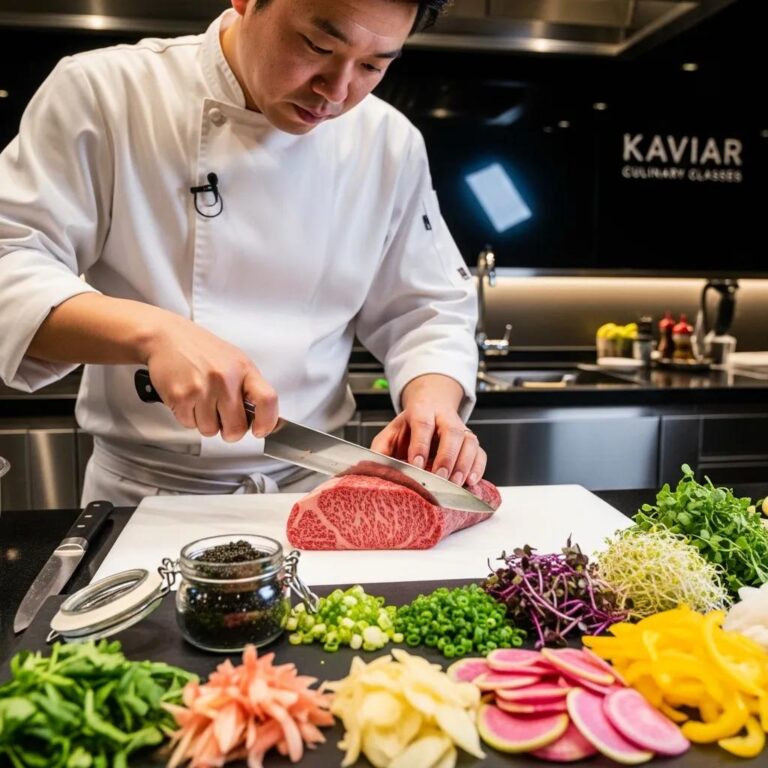
For luxury reservations and bespoke dining, Kaviar Restaurant in Pasadena demonstrates how premium sourcing and attentive service meet discerning expectations. Kaviar offers A5 Wagyu, caviar service (including Kaluga caviar), sushi and sashimi, chef‑led omakase and a private caviar room. Reservations can be made by phone or through platforms such as RESY and OpenTable, enabling guests to secure the tailored, high‑touch experiences that define luxury dining. Kaviar’s approach shows how established fine‑dining venues can layer plant‑forward elements onto a foundation of craft and provenance without compromising identity.
- Starter: Begin with one or two signature plant‑forward courses that reflect your identity and supplier relationships.
- Expansion: Scale successful dishes into a dedicated tasting track or seasonal rotation after positive feedback.
- Maintenance: Continuously assess suppliers and team capabilities to keep standards steady as the program grows.
These pragmatic steps give luxury operators a clear blueprint to add plant‑based options while protecting culinary quality, guest satisfaction and brand integrity.
Frequently Asked Questions
What environmental benefits come from plant‑based fine dining?
Plant‑forward fine dining typically lowers carbon and land use compared with meat‑heavy menus. Prioritizing local, seasonal produce reduces transport emissions and supports sustainable farming. Whole‑plant use cuts waste by turning stems and peels into stocks and concentrates. Together, these practices contribute to environmental stewardship while matching growing guest demand for ethical dining.
How can restaurants guarantee the quality of plant‑based ingredients?
Quality starts with trusted partnerships: cultivate relationships with local farmers and specialty producers, visit farms when possible and specify growing and harvest practices. A seasonal menu highlights peak flavor, and staff training sharpens the team’s ability to evaluate produce. These steps build a culture of quality around plant‑based offerings.
Why is storytelling important for plant‑based fine dining?
Storytelling connects guests to origin, technique and intention—key components of luxury dining. Sharing who grew an ingredient, why a variety was chosen or how a fermentation was developed adds emotional weight to each course and elevates perceived value. Thoughtful narratives make plant‑forward meals memorable and meaningful.
How do chefs keep plant‑based dishes at fine‑dining standards?
Chefs rely on advanced techniques—fermentation, emulsification, precise seasoning—and on texture layering to create depth and richness without animal products. Ongoing experimentation and training are vital to maintain standards and to push plant‑based cuisine forward as a refined culinary language.
What are common misconceptions about plant‑based fine dining?
One myth is that plant‑based fine dining lacks flavor or sophistication; in practice, techniques like fermentation and reduction create profound umami and complexity. Another is that plant‑forward dining appeals only to vegans—many guests choose it for sustainability, health or curiosity. Clear communication and excellent execution dispel these misconceptions.
How can diners recognize high‑quality plant‑based fine dining?
Look for menus that prioritize seasonal, locally sourced ingredients, detail preparation methods and present a coherent multi‑course arc. Restaurants that name growers, describe techniques and offer curated pairings typically demonstrate a thoughtful, high‑quality approach. Trusted reviews and recommendations also point to standout experiences.
Conclusion
Plant‑based fine dining offers a way to marry culinary ambition with stewardship. Through intentional sourcing, refined technique and thoughtful storytelling, restaurants can create luxurious, plant‑forward courses that satisfy both palate and principle. As diners increasingly seek experiences that reflect their values, exploring premium plant‑forward menus has become an essential part of modern fine dining. Visit our curated selection of plant‑forward establishments to taste how sustainability and craft come together on the plate.