



Seasonal Tasting Events at Kaviar — Japanese Omakase, A5 Wagyu & Kaluga Caviar in Pasadena
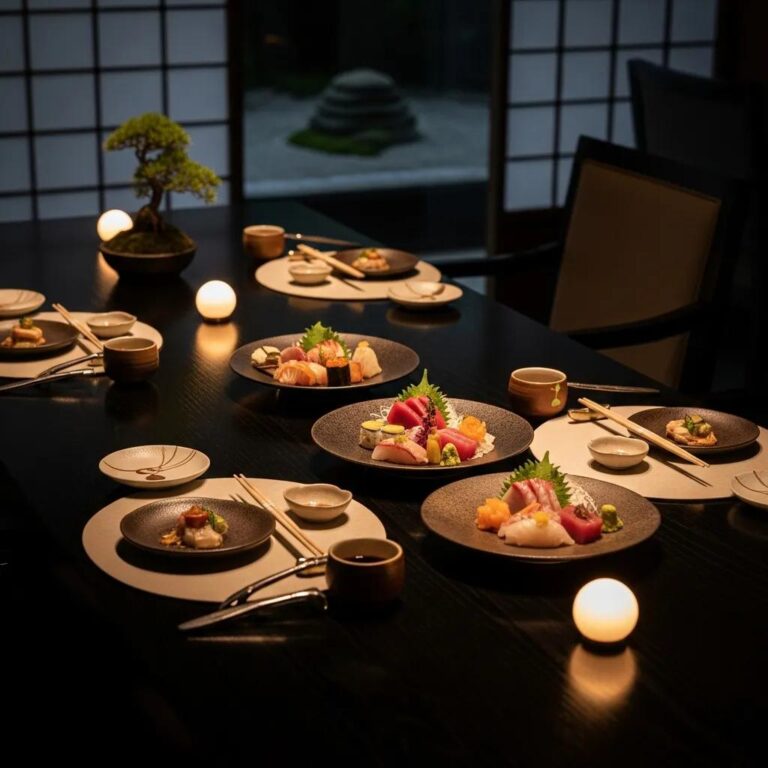
At Kaviar, our seasonal tasting events are chef-led omakase journeys—multi-course evenings that change with the calendar and celebrate exacting ingredient sourcing and restrained Japanese technique. Each menu translates the season’s best seafood, produce, and premium items into a measured sequence of sashimi, nigiri, warm courses, palate cleansers, and a memorable finale featuring show-stoppers like A5 Wagyu or Kaluga caviar. This guide explains how seasonality, provenance, and Japanese tradition shape the tasting flow, what to expect from our Wagyu and caviar services, and how to book and prepare for a refined evening in Pasadena. We’ll cover omakase philosophy, sample course mapping, ingredient comparisons, pairing ideas, booking steps, and the chef’s approach to sustainability.
What Makes Kaviar’s Seasonal Tasting Events Unique in Pasadena’s Fine Dining Scene?
Our seasonal tastings stand out because we combine strict seasonality with disciplined Japanese technique, attentive service, and a quiet dining room designed to keep the focus on each bite. The difference comes from rotating menus, close supplier partnerships, and hands-on chef curation—practices that lift freshness, strengthen narrative cohesion, and tighten the overall experience. Guests move through a deliberately paced progression where texture and temperature are sequenced to maximize contrast and memory. The result is an experience that feels intimate and instructive: you taste how timing and provenance transform ingredients.
Signature elements—our omakase tasting menus, focused A5 Wagyu presentations, and a dedicated Kaluga caviar service—anchor each seasonal run and give Kaviar its distinct identity in Pasadena. Key features you’ll often find across our seasonal events include:
- Menus driven by the season, mixing local harvests with carefully chosen imports.
- Chef-curated omakase that controls pacing and tailors courses to the moment.
- Precise techniques and premium ingredients, from A5 Wagyu to Kaluga caviar.
These building blocks reward repeat visits and curiosity about provenance and technique. Reservations are available by phone, RESY, or OpenTable—book early for limited-seat runs and special tasting nights.
How Do Premium Ingredients Like A5 Wagyu and Kaluga Caviar Elevate the Experience?
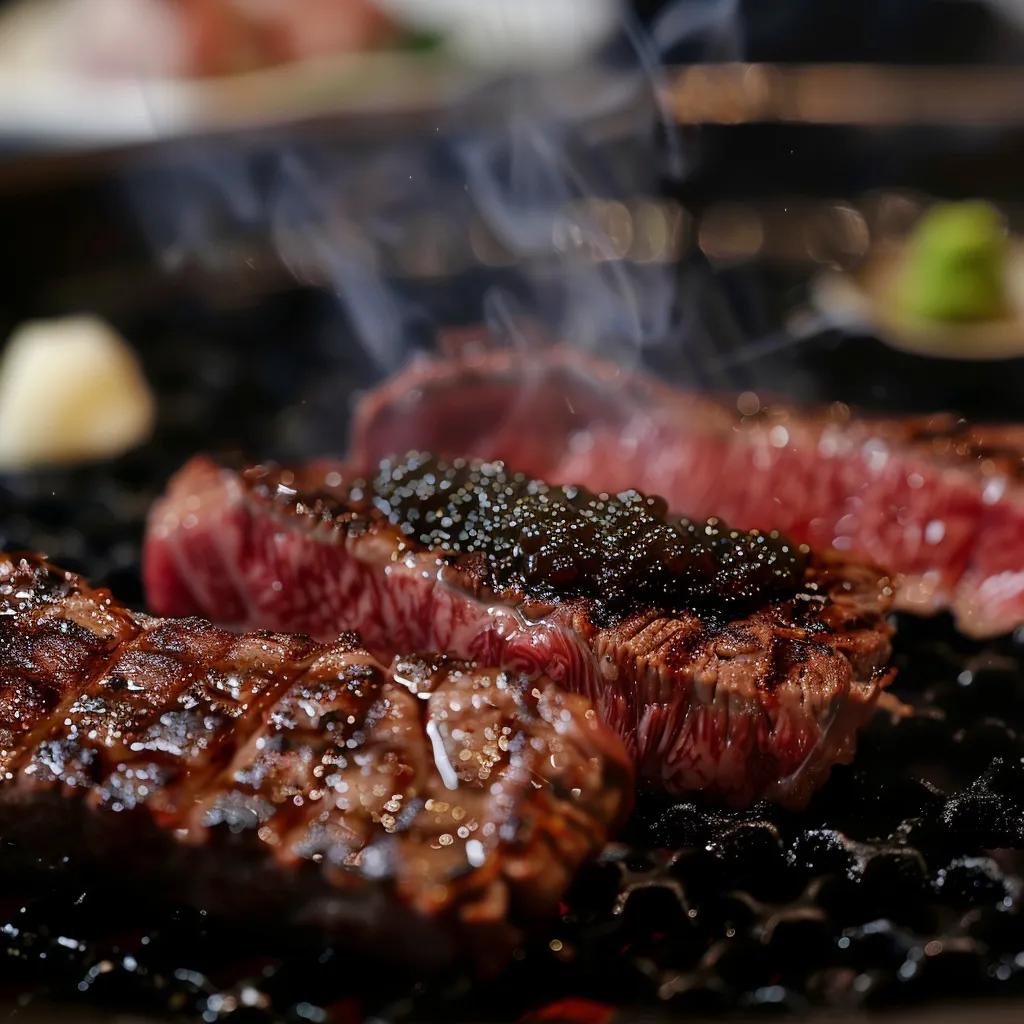
Ingredients such as A5 Wagyu and Kaluga caviar add layered texture and concentrated flavor that command attention within a multi-course narrative. A5 Wagyu brings a buttery mouthfeel and deep umami from its intense marbling; Kaluga caviar offers creamy, briny pearls that can act as accent or centerpiece when balanced correctly. The sensory effect is contrast: a lightly seared Wagyu bite after a clean sashimi course makes the richness more vivid, while a measured spoon of caviar on a neutral carrier resets the palate and reframes previous flavors.
We describe these elements with phrases like silky fat, delicate beef sweetness, saline pearls, and lingering finish—details that determine portion size and temperature control. Presentation tools—blini, crème fraîche, mother-of-pearl spoons—preserve integrity and shape each bite. Thoughtful handling of these ingredients primes guests for what follows and highlights why provenance matters for luxury items.
What Role Does Japanese Culinary Tradition Play in Kaviar’s Seasonal Menus?
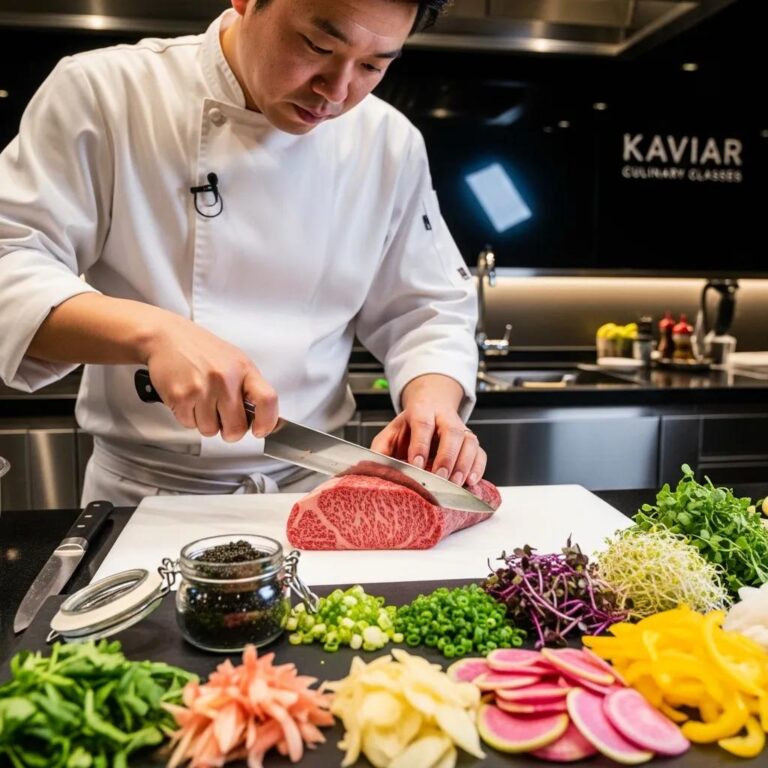
Japanese technique is the structural backbone of our seasonal menus. Precise knife work, nigiri craftsmanship, aburi searing, and a minimalist approach let ingredients speak. Technique becomes interpretation: we choose methods that reveal a component’s peak character, and seasonality dictates which techniques fit best. The payoff is clear flavors, respect for origin, and a coherent progression where each course stands alone yet contributes to the story.
Expect approaches such as controlled saline rinses for sashimi, short flame-aburi for subtle smoke, and carefully seasoned rice for nigiri—each balancing innovation with classical form and reinforcing how omakase sequencing conveys the chef’s seasonal narrative.
How Does the Omakase Tasting Menu Define Kaviar’s Culinary Journey?
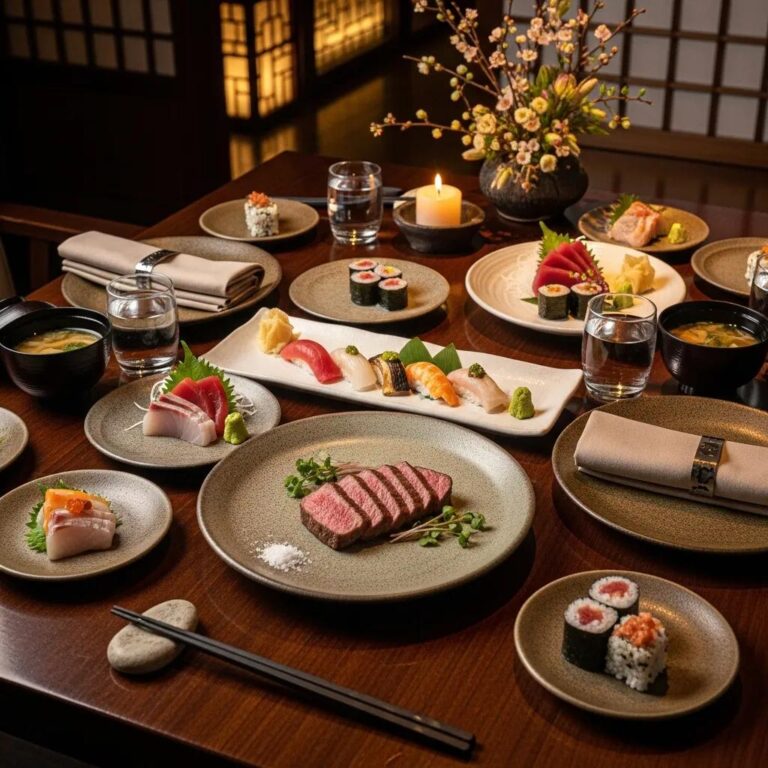
Our omakase tasting menu is a chef-directed narrative: we sequence dishes from delicate to intense and back to clarity, guiding the guest through contrasts of texture and temperature. Omakase removes decision fatigue and invites trust—the chef sets the arc by opening with light, thematic bites, building through nigiri and warm courses, and ending with a composed finale that ties provenance and technique together. This structure makes the meal both exploratory and cohesive.
Below is a step-by-step outline of a typical progression and how each course develops the palate.
- Opening courses: Gentle, seasonal bites that attune the palate and introduce the tasting’s theme.
- Sashimi and nigiri: Raw-focused expressions that highlight freshness and precise knife work.
- Cooked course: Warm preparations that add texture and Maillard depth.
- Palate cleanser: Light, bright elements to reset the palate before the finale.
- Finale: A signature dish that often showcases a premium ingredient—Miyazaki A5 Wagyu or Kaluga caviar.
This progression is as educational as it is sensory: each course has purpose. The table below links sample courses to key ingredients and tasting notes for a concrete view of the flow.
What Is the Philosophy Behind Kaviar’s Chef-Curated Omakase Experience?
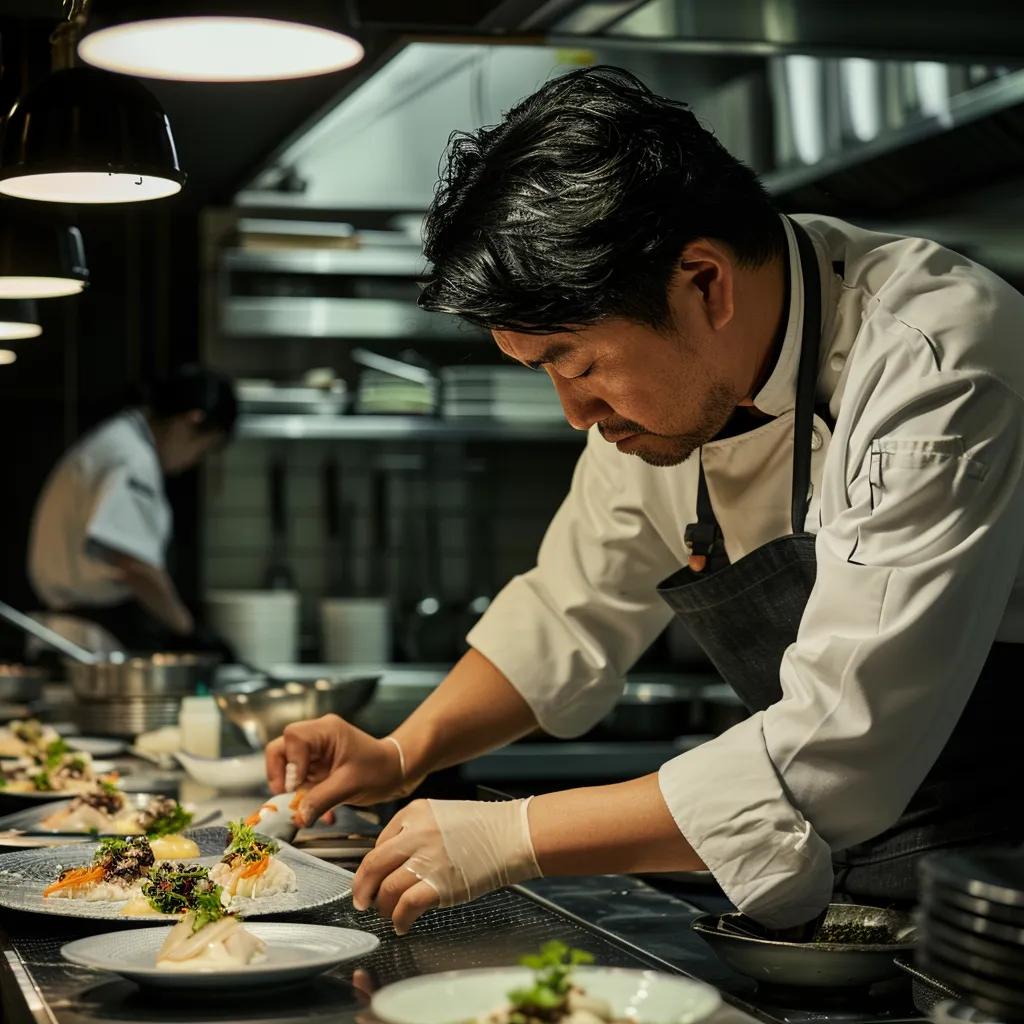
Our omakase philosophy is storytelling through ingredients. The chef assembles seasonal and rare items into a sequence that favors balance, restraint, and moments of crescendo. Sequence, portioning, and seasoning are chosen to reveal an ingredient’s arc rather than to overwhelm—resulting in a dining rhythm that can adapt to guest cues and dietary needs and remains deeply memorable.
We intervene minimally when an ingredient is at its peak, and we apply more transformative technique where it enhances expression. That balance of tradition and creativity frames the seasonal showcases described below.
Which Seasonal Ingredients and Courses Are Featured in the Omakase Menu?
Seasonality guides course selection: spring shellfish, summer-transited tuna, autumn root vegetables, and winter citrus each find treatments that best express their qualities. For example, delicate spring uni may appear as sashimi while heartier winter produce becomes part of a simmered or grilled course. This alignment preserves ingredient integrity and ensures each tasting changes meaningfully across months.
Typical pairings might include a citrus-cured crudo to begin, seasonal tuna for nigiri, a grilled fish as the cooked course, and a richness-forward finale that highlights Miyazaki A5 Wagyu or a caviar accent. Returning guests will notice distinct evenings as ingredients shift with the seasons.
Why Choose Kaviar for an A5 Wagyu Tasting Experience in Pasadena?
Kaviar is a destination for A5 Wagyu tastings because we pair provenance-driven sourcing with techniques that showcase marbling, texture, and umami in tasting-sized portions. The method is precise portioning and exact heat control: short sears or aburi finishes coax fat and aromatic notes while preserving silkiness. The benefit is intense satisfaction without palate fatigue—A5 Wagyu reads as indulgent and perfectly placed within a multi-course line-up.
Below is a comparative table that clarifies differences among Miyazaki A5 Wagyu, other Japanese A5s, and high-grade imported wagyu, with recommended preparations for a tasting context.
What Distinguishes Miyazaki A5 Wagyu Served at Kaviar?
Miyazaki A5 stands out for its even marbling, buttery melt, and a concentrated sweet-umami profile that reads both delicate and luxurious on the palate. Intramuscular fat lowers the melting point and creates a silk-like mouthfeel, so a single bite becomes a memorable moment. That intensity makes Miyazaki an ideal tasting component: a small portion delivers maximum impact without overwhelming the meal.
Miyazaki’s rearing and grading traditions emphasize consistency and clarity of flavor, which suits preparations like nigiri, aburi, or light searing—techniques we favor in a curated tasting where balance matters most.
How Are A5 Wagyu Dishes Prepared and Paired in the Seasonal Tasting Events?
We prepare A5 Wagyu with restraint—short high-heat sears, aburi torching, or thin nigiri servings—to draw flavor while preserving the fat’s delicate texture. Timing, minimal seasoning, and strict temperature control ensure the fat renders just enough to carry flavor while the protein stays tender. Portions are intentionally small so Wagyu remains a highlight, not a dominator, of the omakase flow.
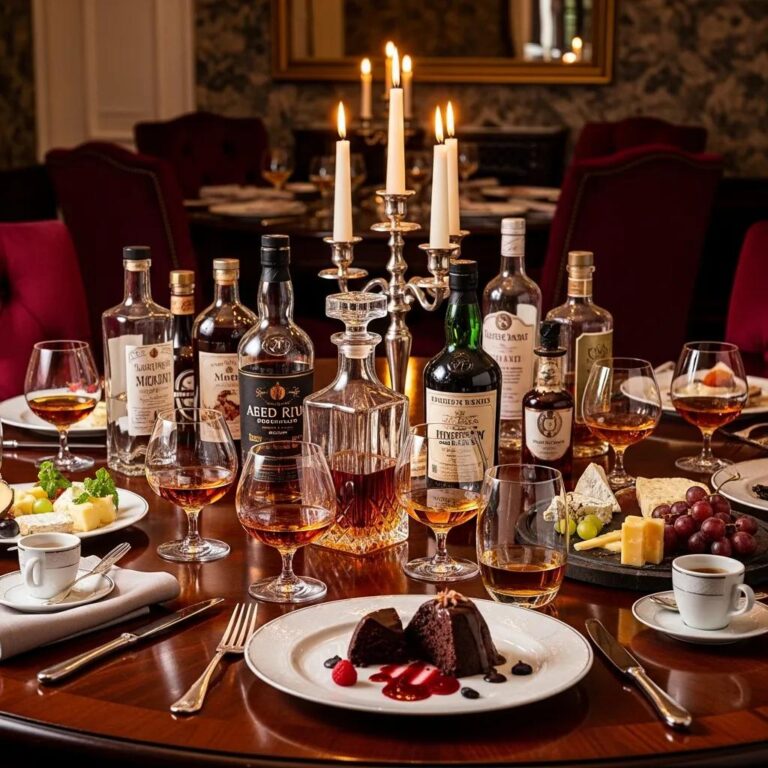
Pairings favor drinks that cut richness or underline umami: mineral-forward sake, light-bodied reds with soft tannin, or sparkling wine to refresh the palate. These pairing choices help maintain clarity across courses. To confirm availability for A5 Wagyu tastings, reserve by phone, RESY, or OpenTable.
What Should Guests Expect from Kaviar’s Exquisite Caviar Fine Dining Experience?
Our caviar service emphasizes presentation, textural contrast, and carefully chosen accoutrements so the saline complexity and mouthfeel remain front and center. We serve measured portions on neutral carriers with subtle accompaniments so guests can assess brine, texture, and finish without distraction. The result is an informative tasting that reveals differences between pearl types and shows how small pairings change perception.
The table below compares Kaluga caviar with other varieties—flavor, pearl appearance, typical accoutrements, and suggested pairings—to set expectations.
What Types of Kaluga Caviar and Accoutrements Are Featured?
Kaluga is prized for large, glossy pearls, a creamy mouthfeel, and balanced brininess that sits between classic sturgeon salinity and a softer, buttery profile. Accoutrements are chosen to complement rather than compete—mother-of-pearl spoons to avoid metallic notes, small blini or neutral crackers for texture, and a touch of crème fraîche to soften salinity. Presentation is intentionally minimal so the caviar’s nuance is clear.
We offer small tasting flights that compare Kaluga with other pearls as well as single-jar presentations paired with recommended carriers. These formats help guests learn how temperature and texture influence perception and lead naturally into pairing recommendations.
How Does Kaviar Pair Caviar with Beverages for a Complete Tasting Journey?
We pair caviar by balancing acidity and mouthfeel against the pearl’s salinity and fat. Sparkling wines cut richness with carbonation, Junmai or Ginjo sakes complement umami, and delicate cocktails or non-alcoholic mineral options provide contrast. The aim is balance: acidity or effervescence refreshes between bites while umami-driven beverages can amplify savory notes.
- Sparkling wine or Champagne: Cleanses richness and refreshes the palate.
- Junmai or Ginjo sake: Enhances umami and honors Japanese tradition.
- Non-alcoholic options: Mineral-forward sparkling water or cold-brewed barley tea preserve texture and clarity.
These pairing frameworks let guests choose whether to refresh between courses or deepen savory connections, enhancing the overall tasting story.
How Can You Book and Prepare for Kaviar’s Seasonal Chef’s Tasting Menu in Pasadena?
Booking and preparing for a seasonal chef’s tasting at Kaviar means choosing your reservation channel, noting dietary needs, and arriving ready to engage with the omakase format. Because seasonal runs and specialty services have limited seats, advance planning improves your chances of joining a specific menu. Booking early also helps the kitchen tailor the evening to guest needs.
Here are practical steps to help secure and prepare for seasonal events.
- Choose a reservation channel: Call the restaurant or use RESY or OpenTable to view tasting availability.
- Book in advance: Reserve several weeks ahead for seasonal or limited-seat events, especially A5 Wagyu or caviar-focused nights.
- Communicate dietary notes: Tell us about allergies or preferences at booking so we can adjust the menu meaningfully.
Following these steps improves the chance of securing preferred dates and lets the chef personalize elements where possible. For arrival guidance and etiquette, see the next section.
What Are the Reservation Options and Recommendations for Seasonal Events?
Reserve by phone, RESY, or OpenTable—each lets you secure tasting seats, check availability, and sometimes manage party details. Lead time depends on the event’s exclusivity; seasonal or specialty tastings often require booking weeks in advance so we can source premium ingredients. Omakase is optimized for small parties to preserve pacing and service quality, though private dining requests can be arranged through direct contact.
When booking, specify seating preferences, confirm any deposit or cancellation policy, and ask whether the tasting is fixed-price or customizable. Clear communication at reservation helps us plan an experience that matches your expectations and seasonal sourcing constraints.
What Etiquette and Tips Enhance the Omakase and Tasting Experience?
Respectful omakase etiquette amplifies the experience: share dietary restrictions early, avoid disruptive phone use, follow the tasting order, and taste dishes as presented to appreciate contrasts the chef intended. Cooperation preserves the narrative arc and elevates flavor transitions. The result is deeper appreciation, better pacing, and a more personal interaction with our team.
Practical tips: arrive on time, keep photography discreet if requested, ask questions politely about ingredients, and pace beverages with the courses. These small courtesies respect fellow diners and the intimate nature of the chef-driven tasting.
What Is the Chef’s Vision Behind Kaviar’s Seasonal Tasting Events?
The chef’s vision is to translate seasonality into story-driven courses that highlight provenance, technique, and balanced indulgence—especially when presenting Miyazaki A5 Wagyu or Kaluga caviar. Thoughtful sourcing and minimal intervention allow each ingredient to define the meal’s emotional arc. The result is an experience that feels deliberate, refined, and rooted in Japanese technique and contemporary fine dining.
Sustainability and seasonal sourcing shape menu composition, supplier choices, and waste-minimizing techniques. Our aim is not only to feature luxury ingredients but to use them respectfully and sparingly—portioning, plating, and menu cadence all reflect that intent.
Who Is Chef John Hans Yeo and What Inspires His Culinary Creations?
Chef John Hans Yeo blends classical Japanese technique with modern fine-dining sensibility. He draws inspiration from seasonal suppliers, travel, and the textural possibilities of premium ingredients. These experiences—supplier visits, travel, and a craft-first mindset—influence menu choices and plating. The result is a confident, exploratory menu voice that balances restraint with well-timed impact.
Signature choices often include pairing pure raw flavors with subtle cooked treatments, or elevating a single premium ingredient—Miyazaki A5 or Kaluga caviar—as the dish that encapsulates the tasting’s theme. This chef-led perspective shapes the sensory and educational arc of our seasonal events.
How Does Sustainability and Seasonal Sourcing Influence the Menus?
Sustainability and seasonal sourcing guide our supplier selection, whole-ingredient use, and menu timing. We prioritize responsibly harvested items, design dishes that use multiple parts of an ingredient to reduce waste, and schedule features to align with peak availability. These practices produce fresher, more flavorful courses and reflect modern expectations for responsible fine dining.
Concrete practices include portion adjustments to limit waste, creative use of different cuts or parts, and deliberate sequencing so premium items are showcased sparingly. These choices reinforce our commitment to seasonality and thoughtful stewardship while delivering a refined tasting experience for informed diners.
Frequently Asked Questions
What is the ideal time to book a reservation for Kaviar’s seasonal tasting events?
We recommend booking several weeks in advance to secure a seat, especially for special occasions or limited-seat events featuring A5 Wagyu or Kaluga caviar. Early reservations help ensure your preferred date and give the kitchen time to plan around unique ingredients. Check availability by phone, RESY, or OpenTable.
Are there any dietary accommodations available for guests at Kaviar?
Yes. We accommodate many dietary restrictions—please note allergies or preferences when you book. Early notice allows the chef to adjust the omakase thoughtfully while preserving the menu’s seasonal integrity, so your experience is both safe and satisfying.
What should guests wear to Kaviar’s tasting events?
Our atmosphere is refined and understated—smart casual is appropriate. Dress comfortably yet respectfully: dress shirts, blouses, or tasteful separates are welcome. We suggest avoiding overly casual items like flip-flops or gym wear to honor the setting and the craft on display.
How long do Kaviar’s seasonal tasting events typically last?
Plan for roughly two to three hours. That timeframe allows for a relaxed progression through the multi-course omakase, with time to appreciate each dish and the stories behind them without feeling rushed.
Can guests provide feedback on their dining experience at Kaviar?
Absolutely. We welcome feedback—please share thoughts with our staff during or after your meal. Constructive comments help us refine the experience. Guests may also leave reviews on platforms like Yelp or Google to help others discover Kaviar.
What types of beverages are recommended to pair with the tasting menu?
We offer a curated beverage selection to complement the tasting: mineral-forward sake, light-bodied reds, and sparkling wines are popular. These choices enhance flavors—particularly with A5 Wagyu and Kaluga caviar. Non-alcoholic options like mineral sparkling water or cold-brewed barley tea are also available to cleanse and preserve texture.
Conclusion
Kaviar’s seasonal tasting events are carefully crafted journeys that combine Japanese omakase tradition with the quiet luxury of premium ingredients—A5 Wagyu and Kaluga caviar among them. By honoring seasonality and practicing precise preparation, we deliver evenings that educate as much as they delight. To join one of these limited runs, reserve well in advance. Explore our seasonal offerings and elevate your next dining experience with Kaviar.