




Essential Tools for Gourmet Home Cooking — Professional Chef Knives, Precision Gadgets, and Specialty Utensils
Gourmet home cooking is about applying professional technique, exact measurements, and purpose-built tools to lift flavor, texture, and plating beyond everyday meals. This guide walks you through the instruments that make restaurant-quality results repeatable at home—sharp Japanese-style blades, accurate digital gadgets, refined utensils, and cookware matched to the task. You’ll learn what distinguishes premium knife steels and bevels, which sensors and tolerances matter for reproducible results, and which serving tools preserve delicate items like caviar and A5 Wagyu. Practical advice covers selection criteria, upkeep, and a concise equipment checklist for upgrading your kitchen. We also link specific tools to common fine-dining techniques and explain how blade geometry, sensor accuracy, and thermal conductivity influence searing, mouthfeel, and presentation so you can choose tools that support precision cooking and thoughtful plating.
Which Professional Chef Knives Are Essential for Gourmet Home Cooking?
A compact set of professional knives transforms your technique by delivering consistent, controlled cuts—changes in blade geometry, edge angle, and balance directly affect texture, cooking time, and plate appearance. The right knives improve uniformity for even cooking and create cleaner presentation that enhances mouthfeel. Invest in a core kit that covers slicing, chopping, paring, and boning while prioritizing edge retention and maintainability. Below we list the essential types, outline hallmark Japanese features, and explain basic care to preserve performance and finish.
Below are the core knives most gourmet home cooks rely on, with short, practical use notes for quick reference:
- Gyuto (Chef/Gyuto knife): A versatile all-purpose blade for proteins, vegetables, and controlled push or pull slicing.
- Santoku: Flatter profile ideal for precise thin slicing and refined vegetable work.
- Paring knife: Small, nimble blade for peeling, garnishing, and delicate trimming tasks.
- Boning knife: Narrow, flexible blade for separating meat from bone and trimming fat cleanly.
- Slicing (sujihiki or yanagiba-style): Long, thin blade for pristine sashimi and paper-thin protein slices.
Together these blades form a toolkit that supports techniques from paper-thin Wagyu slicing to sashimi-level presentation. Choosing steels and bevel geometry suited to your maintenance habits will improve performance, reduce waste, and make micro-techniques—such as tapered cuts for even searing—far easier to execute.
What Features Define Premium Japanese Chef Knives?
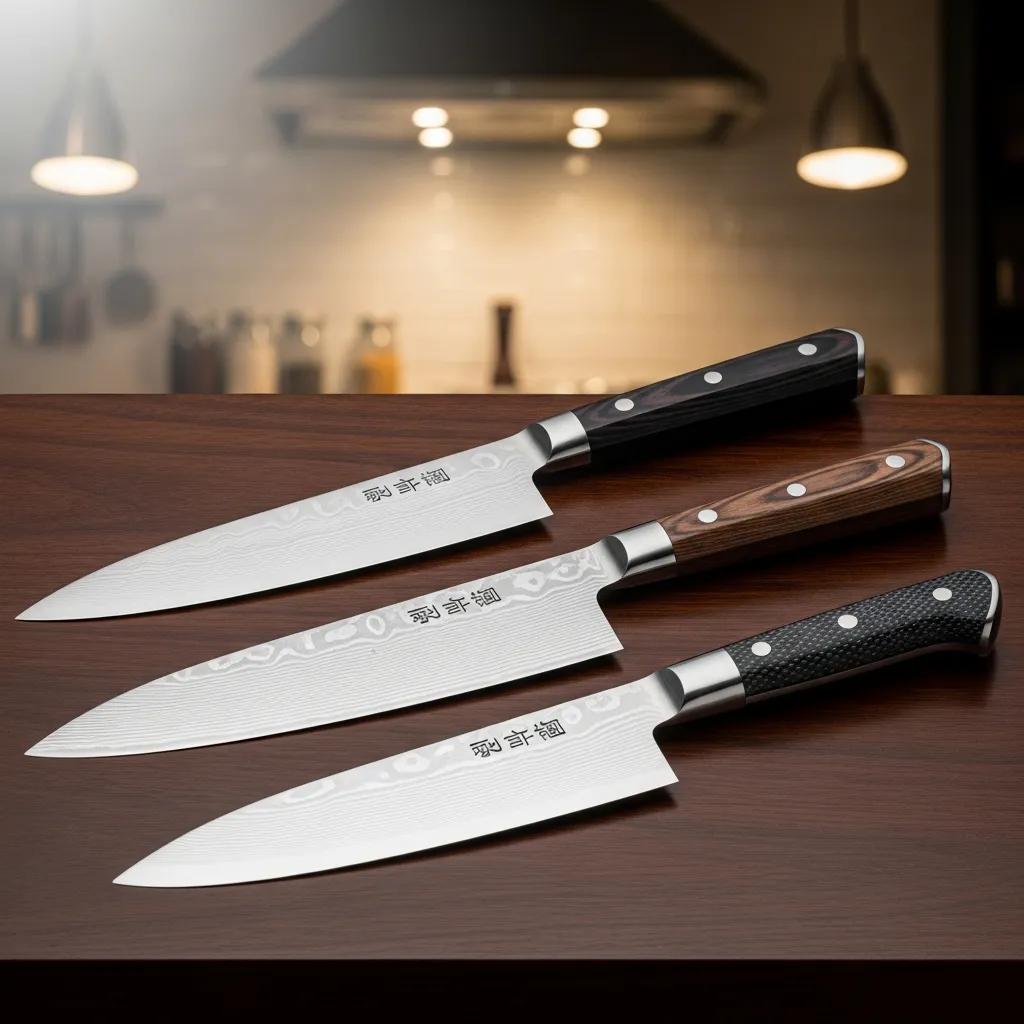
Premium Japanese knives are distinguished by steel composition, edge geometry, and finish—each factor shaping sharpness, durability, and slice feel. High‑carbon steels take extremely keen edges but need more corrosion care; modern stainless alloys trade a bit of edge retention for easier upkeep. Typical Japanese edge angles (often 12°–16° per side) yield a thinner, keener bevel that slices with less drag and preserves delicate proteins. Handle construction, balance between blade and grip, and finishes (mirror polish or tsuchime hammering) affect food release and comfort during extended prep. Understanding these attributes helps you match a blade to the tasks and maintenance routine you’ll realistically follow, then use those knives to refine precision and plating.
How Do Chef Knives Enhance Precision and Presentation in Fine Dining?
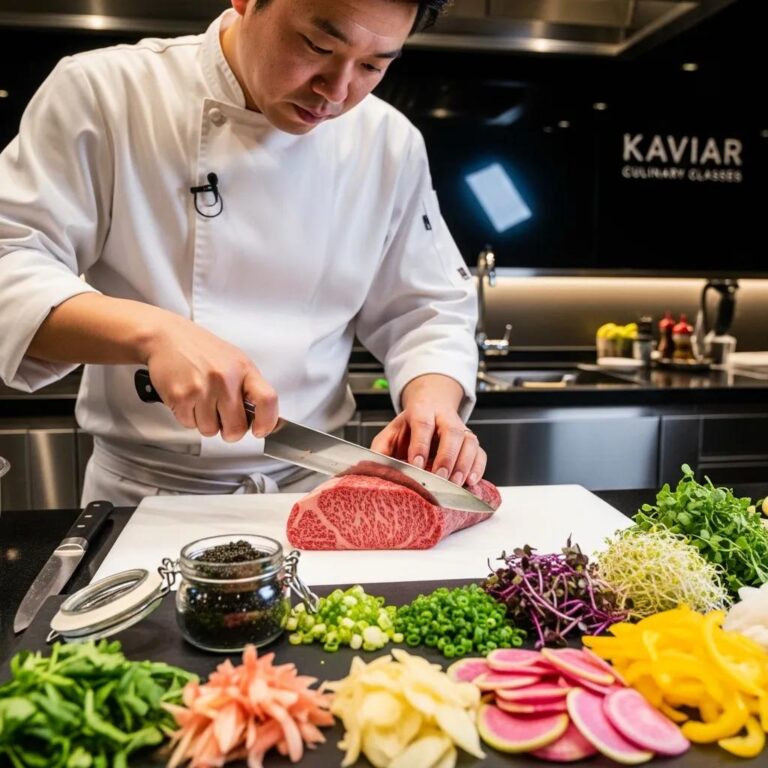
Knives control texture and doneness by producing consistent slice thickness—uniform pieces cook evenly and plate more cleanly. Paper‑thin A5 Wagyu or flawless sashimi are achievable when a thin‑beveled Gyuto or yanagiba holds a refined edge, minimizing cellular rupture and conserving juices. Cleaner cuts also create tidy plate compositions where crisp edges and regular sizes communicate quality and balance. Regular honing and correct sharpening angles keep that performance; neglected edges tear and rag, changing sear behavior and mouthfeel. Mastering trimming technique and angle control lets home cooks replicate the precision seen in professional service.
Before we move to gadgets that measure weight and temperature, this comparison clarifies common chef knife choices to help finalize purchases and maintenance expectations.
This table highlights practical differences so you can prioritize purchases based on techniques you plan to practice and the maintenance you’re willing to do. Next, we turn to precision gadgets that quantify and reproduce those knife-driven advantages.
What Precision Kitchen Gadgets Elevate Gourmet Cooking at Home?
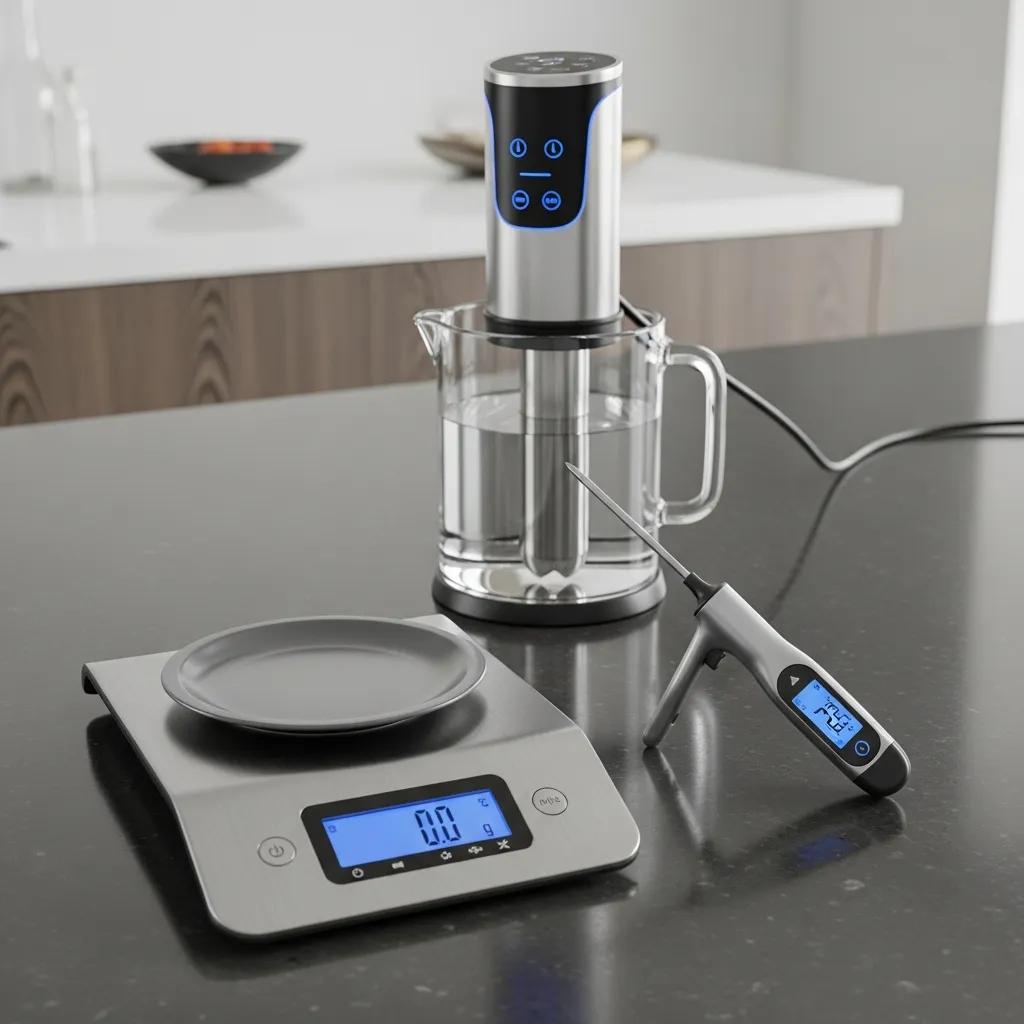
Precision gadgets turn subjective cooking into repeatable, measurable steps by controlling weight, temperature, and timing: accurate inputs (grams, °F/°C) produce consistent culinary chemistry and predictable outcomes. For gourmet work, digital scales and thermometers reduce variance in portions and doneness; immersion circulators and staged timers deliver exact temperatures and rest workflows. Together these tools close the gap between home and professional kitchens, enabling reproducible results across cooks and service runs. The sections below explain critical specs, recommended tolerances, and how smart connectivity can fit into a high-level workflow.
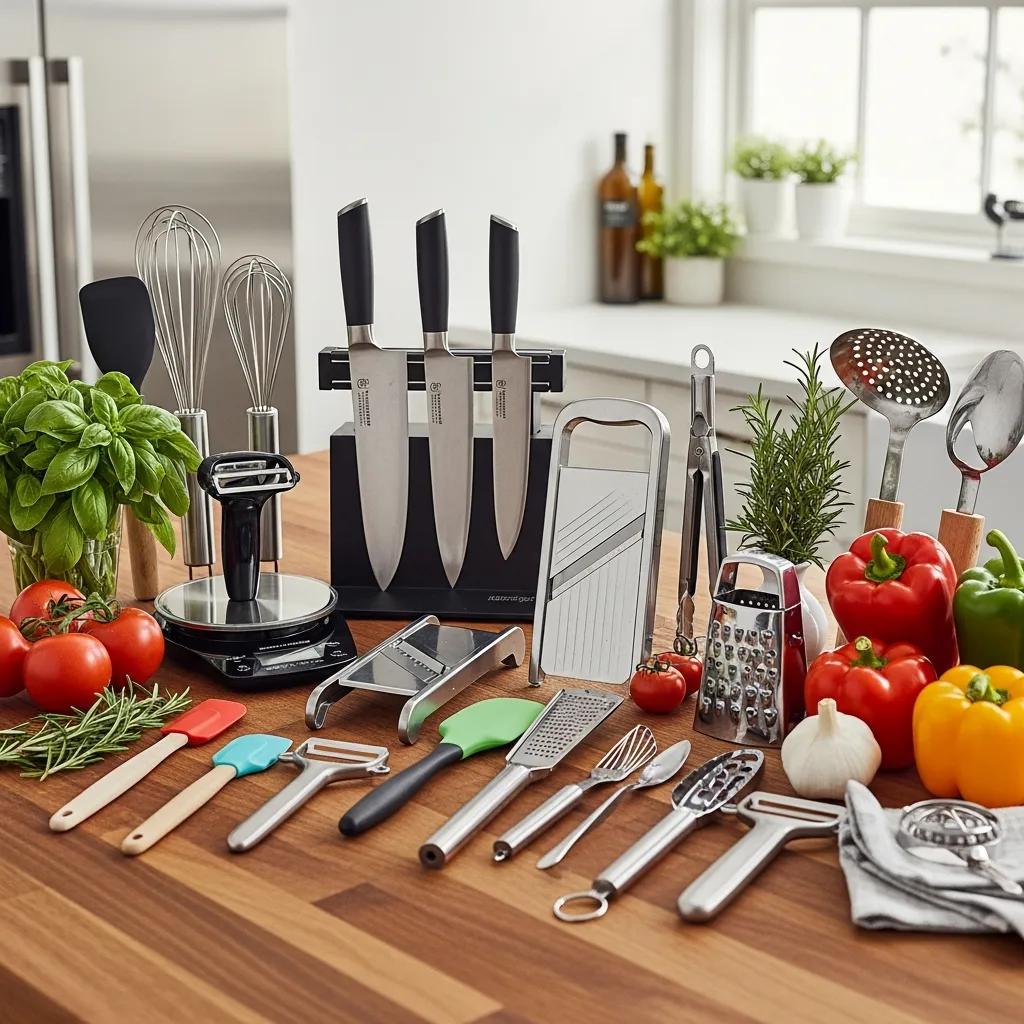
Essential precision gadgets for the serious home cook, with why they matter:
- Digital kitchen scale: Weigh ingredients for consistent dosing and plate-to-plate uniformity.
- Instant-read thermometer: Verify internal doneness quickly to protect delicate proteins from overcooking.
- Immersion circulator (sous-vide): Hold water-bath temperatures precisely for consistent texture and doneness.
- Timer with multi-stage presets: Coordinate multi-step sequences to replicate chef workflows and avoid timing drift.
These tools complement each other: weigh mise en place on the scale, monitor sear and rest temps with the thermometer, and use sous‑vide for repeatable thermal control. The comparison below helps you choose a scale and thermometer by accuracy, range, and connectivity.
Compare the specifications that matter most for fine-dining techniques:
These specs support delicate dosing and tight temperature control so you can prioritize purchases that matter for precision tasks. Next, we explain why tight accuracy matters in real plating scenarios and how to keep devices calibrated.
Why Are Digital Kitchen Scales and Thermometers Crucial for Accuracy?
Small variances in weight or temperature produce noticeable differences in taste, texture, and presentation because culinary reactions are sensitive to mass and heat. For caviar and precision garnishes, 0.1 g accuracy prevents uneven flavor distribution and maintains balance bite-to-bite. For A5 Wagyu and other premium proteins, thermometer precision within ±1°F keeps you inside narrow windows where fat rendering and Maillard chemistry align. Regular calibration, sensor care, and correct units reduce error. Knowing when to recalibrate or replace sensors keeps these tools reliable for consistent fine-dining results at home.
How Do Smart Cooking Gadgets Improve Consistency and Efficiency?
Smart gadgets pair accurate sensors with programmable workflows that enforce repeatable timing and temperature ramps—measurement enables automation which enables reproducibility. Mobile apps, cloud presets, and multi-probe dashboards let you replicate chef sequences, share settings, and monitor long cooks remotely—handy for slow sous‑vide or lengthy rests. Presets free mental bandwidth during multi‑course service and help coordinate searing with knife work for ideal texture. Still, sensors fail and batteries die—use automation to augment technique, not replace tactile checks and judgment.
Next, we move from gadgets to the utensils that protect delicate ingredients and refine service.
Which High-End Cooking Utensils Are Must-Haves for Luxury Culinary Experiences?
High‑end utensils—crafted from non‑reactive or finely finished materials—preserve ingredient integrity and enable refined plating through precise handling. Material chemistry and ergonomic design interact with fragile components: mother‑of‑pearl spoons, fine tweezers, sushi mats, and rice tools prevent metallic taste transfer and allow delicate portioning for caviar and sashimi. Choosing textures and finishes that aid release and placement also improves visual presentation when arranging micro‑garnishes or bathing sauces. Below we map common Japanese tools to their techniques and explain material choices for fragile ingredients.
Common specialty utensils used in luxury and Japanese cooking, with typical uses:
- Mother-of-pearl caviar spoon: Preserves caviar’s flavor by avoiding metal contact.
- Fine culinary tweezers: Precise placement of micro‑garnishes and delicate finishing touches.
- Makisu (bamboo sushi mat): Shapes rolls and controls compression for consistent texture.
- Hangiri and wooden rice paddle: Season and cool sushi rice with minimal clumping and gentle handling.
These tools support nuanced plating and careful handling of fragile ingredients—knowing how to use them helps home cooks replicate omakase-level details.
What Specialty Tools Are Used in Japanese Cuisine Preparation?
Japanese cuisine depends on specialized implements—sushi knives, hangiri tubs, rice paddles, and makisu—each with a clear role in achieving texture and balance. Yanagiba and usuba knives are shaped for single‑bevel, ultra‑thin slices that preserve fish translucency and structure. Hangiri and wooden paddles cool and season rice without bruising grains. Makisu compress rolls to precise density, and fish tweezers remove pin bones for flawless fillets. Authentic materials and correct sizing are signals of quality that influence technique outcomes; sourcing the right tools and maintaining them pays dividends in consistency.
How Do Premium Utensils Support Handling of Delicate Ingredients Like Caviar?
Premium utensils avoid flavor contamination and structural damage through careful material choice and fine tolerances. Mother‑of‑pearl, bone, or horn spoons are chemically neutral and won’t react with caviar’s oils, preserving its nuanced brine and mouthfeel. Portion control—small spoonfuls, shallow dishes, gentle scoops—protects texture and presentation. Clean and store these pieces with mild detergents and careful drying to prevent abrasion or staining that could later affect taste. Understanding material reactivity and portioning improves the guest experience when serving fragile luxury ingredients.
What Premium Cookware Sets Best Suit Preparing Gourmet Ingredients Like A5 Wagyu?
Cookware material—cast iron, carbon steel, stainless steel—controls heat retention and conductivity, and those thermal properties determine searing performance and crust development on premium proteins. Cast iron and carbon steel hold heat for sustained sears and reliable Maillard reactions; stainless steel responds quickly and excels at pan‑roasting and deglazing. Pan mass and thermal recovery affect how the surface temperature rebounds when cold protein is added, which directly influences crust quality and internal doneness. Below we explain material trade‑offs, searing technique for A5 Wagyu, and offer a comparison to help you choose cookware that balances sear performance and upkeep.
Quick, practical recommendations by material:
- Cast iron skillet: Exceptional heat retention for deep, even sears on high‑fat proteins.
- Carbon steel pan: Lighter, seasons well, and reaches high sear temperatures quickly.
- Stainless steel: Responsive and non‑reactive—ideal for browning and sauce work.
These options show how material properties map to technique; the next section explains why cast iron and searing pans suit A5 Wagyu.
This comparison helps you match pan selection to technique and maintenance preferences. Next, practical searing guidance for A5 Wagyu shows how cookware choice informs execution.
Why Are Cast Iron and Specialty Searing Pans Ideal for A5 Wagyu?
Cast iron and well‑seasoned carbon steel provide the mass and thermal inertia needed to trigger an immediate, even Maillard reaction on A5 Wagyu—allowing fat to render and a thin crust to form without overcooking the center. Heavy pans maintain surface temperature when cold meat lands, enabling immediate caramelization and predictable fat browning. Practical steps: preheat until the pan radiates steady heat, apply a brief, controlled sear on each side to build a thin crust, and rest the meat to redistribute juices. Match pan size to portion to avoid crowding, which cools the surface and prevents proper crust formation. Mastering these variables turns cookware into a strategic tool for flavor and texture.
How Does Cookware Material Affect Flavor and Cooking Precision?
Material determines thermal conductivity, retention, and how heat transfers into food—factors that shape searing, browning, and sauce development. Carbon steel balances responsiveness with sear capability; cast iron sustains crust formation; stainless steel reacts quickly and is best for reductions. Seasoned pans contribute subtle flavor layers and reduce sticking, while reactive metals can introduce off‑notes with acidic ingredients. Maintenance differs, too: cast iron and carbon steel require seasoning and careful drying; stainless tolerates more aggressive cleaning. Choose the material that aligns with your technique goals and long‑term care preferences.
How Do Specialty Food Prep Tools Enhance the Home Gourmet Experience?
Specialty prep tools let home cooks perform techniques once reserved for professional kitchens by offering precision, comfortable ergonomics, and purpose‑built finishes. Micro‑tweezers, blowtorches, plating rings, and portioning spoons provide the control needed for assembly, finishing, and textural contrast—details that shape guest perception through visual balance and mouthfeel. A few targeted investments can markedly improve presentation, reduce waste, and let you practice chef techniques like localized caramelization and exact portioning. Below we outline the most useful specialty items and a small playbook for integrating them.
Key specialty tools and the plating or finishing roles they serve:
- Micro-tweezers: Pinpoint placement of micro‑herbs and fragile garnishes.
- Kitchen blowtorch: Localized finishing for caramelization and crisp texture contrasts.
- Plating rings and molds: Build consistent height and clean composition for composed plates.
- Portioning spoons: Create uniform dollops and quenelles for refined presentation.
These items help translate chef concepts into home practice and yield visible improvements with modest investment.
What Are the Benefits of Using Mother-of-Pearl Caviar Spoons and Other Unique Utensils?
Mother‑of‑pearl and other non‑metal spoons preserve caviar’s pure flavor and delicate texture because they’re chemically inert and don’t transfer metallic ions that can alter taste. Their neutral surface prevents subtle oxidation and maintains the roe’s oil matrix and brine. Serving with small, shallow spoons also controls portion size and salinity per bite, improving perception. Clean and store these utensils gently and separately to prevent cross‑contamination and preserve their finish. Understanding this chemistry and service technique turns a small gesture into a refined sensory moment.
How Can Home Cooks Integrate Professional Techniques with These Tools?
Start integrating professional techniques with structured practice, accurate measurement, and disciplined mise en place: assemble tools and ingredients, use scales and thermometers to set baselines, then practice single techniques until they become repeatable. A short checklist:
- Calibrate scales and thermometers before important sessions.
- Drill single cuts and plating compositions until consistent.
- Use timed sears and measured resting periods as reproducible benchmarks.
Breaking complex dishes into repeatable steps—precision trimming, timed searing, and measured portions—lets home cooks steadily adopt chef standards. Regularly review outcomes and make small tool or technique tweaks to accelerate progress; the gains from precision equipment compound quickly in finished plates.
How Can These Kitchen Tools Connect You to Kaviar Restaurant’s Fine Dining Experience?
The tools and methods we describe mirror those used in fine‑dining kitchens and create a direct bridge between home practice and tasting menus where technique and handling define the guest experience. Using similar knives, precision gadgets, and non‑reactive utensils clarifies why restaurants achieve consistent textures and presentation: measurable control, specialized materials, and disciplined mise en place. If you want to compare your at‑home results with professional execution, a visit to a restaurant focused on omakase, A5 Wagyu, and caviar provides a tangible benchmark for balance, plating, and portioning. The sections below point you to signature dishes and reservation guidance so you can see these techniques performed by trained chefs.
Below is practical, business‑oriented information that keeps the piece educational while inviting you to taste professional execution. Kaviar Restaurant offers an elevated Japanese omakase that highlights A5 Wagyu and caviar courses prepared with the same attention to tools and technique described here. Our seasonal menu features signature dishes that showcase precision searing, thin slicing, and careful caviar service using non‑reactive spoons and disciplined portioning. Consult Kaviar’s Menu and Reservations pages to view current offerings and secure omakase seating—early reservations are recommended for limited‑seat nights.
Next, we point to specific menu examples and connect each to the tools and techniques discussed above.
Where to Find Signature Dishes Featuring A5 Wagyu and Caviar on Kaviar’s Menu?
Kaviar’s tasting menu includes preparations that demonstrate these tools in action: thinly sliced, precisely seared A5 Wagyu highlights the benefits of heavy, well‑seasoned pans and razor‑sharp Gyuto‑style blades; caviar courses showcase non‑reactive serving spoons and exact portion control. These dishes reveal how knife geometry, pan heat retention, and utensil material combine to produce balanced mouthfeel and refined presentation. Reviewing the menu is a useful exercise for home cooks who want concrete examples of how professional tools translate to plated dishes and to identify techniques to practice before attending an omakase service.
How to Reserve Your Gourmet Dining Experience at Kaviar Restaurant?
To reserve at Kaviar Restaurant, visit the Reservations section on our website to view available omakase seatings and notes on special requests such as A5 Wagyu or caviar‑forward tastings. When booking, indicate preferences—for example a focus on a specific protein or tasting highlight—so our chef and front‑of‑house can accommodate your interests within the omakase flow. Early booking is advised for limited‑seat services; sharing dietary notes or desired highlights helps the team tailor the tasting for a richer comparison with your at‑home practice. This reservation step closes the circle between mastering tools at home and appreciating the results in a professional setting.
Frequently Asked Questions
What is the importance of knife maintenance in gourmet cooking?
Knife maintenance directly affects performance, safety, and longevity. Regular honing keeps the edge aligned for clean, predictable cuts; periodic sharpening restores a keen bevel for precise slicing. Dull knives tear food and change cooking behavior, affecting texture and doneness. Proper cleaning and storage prevent corrosion and physical damage. Investing a small amount of time in maintenance preserves edge quality and pays off in consistently better results.
How can I choose the right precision gadgets for my kitchen?
Match gadgets to the techniques you want to master. Start with a digital scale, an accurate instant‑read thermometer, and a reliable timer—these deliver the biggest gains. Look for accuracy specs that meet professional thresholds, simple interfaces, and features that fit your workflow (like multi‑probe support or app integration). Read reviews, compare ranges, and prioritize tools that will get used regularly rather than niche gadgets that sit idle.
What are the benefits of using specialty utensils in gourmet cooking?
Specialty utensils enable careful handling and precise presentation of fragile ingredients. Non‑metal spoons, fine tweezers, and purpose‑built rice tools protect flavor and texture while allowing exact placement and portion control. They make advanced techniques approachable at home and elevate the service ritual, turning small details into memorable sensory moments.
How does cookware material influence cooking techniques?
Material controls heat behavior—conductivity, retention, and responsiveness—which dictates how a pan browns, sears, and recovers after contact with cold food. Cast iron holds heat for deep crusts; carbon steel offers quick recovery and high sear temperatures; stainless steel is ideal for reductions and controlled browning. Match the material to the technique you use most and be prepared for the maintenance each requires.
What role do digital scales play in gourmet cooking?
Digital scales bring consistency to recipes and plating. Precise weight measurements are essential when working with expensive or delicate ingredients like caviar or when portion control matters for balance. Scales let you replicate results reliably and remove guesswork from dosing and plating.
How can I integrate professional cooking techniques at home?
Adopt a methodical approach: set up mise en place, use reliable measurements, and practice discrete techniques until they become second nature. Focus on one skill at a time—knife cuts, searing timing, or plate composition—track results, and iterate. Small, repeatable improvements compound quickly when paired with the right tools.
What should I consider when selecting high-end cooking utensils?
Consider material reactivity, ergonomics, and intended use. Non‑reactive materials are best for delicate ingredients; ergonomic designs reduce fatigue during precise work. Also evaluate ease of cleaning and longevity. Investing in well‑made utensils that match your cooking style will improve both results and enjoyment in the kitchen.
Conclusion
Thoughtful investment in professional chef knives, precise gadgets, and specialty utensils elevates your capacity to produce restaurant‑quality dishes at home. The right tools protect delicate ingredients, increase repeatability, and free you to focus on technique and presentation. Start by building a small, well‑chosen kit and practice the fundamentals—precision and care will translate into noticeably better plates. Explore our curated recommendations to begin refining your kitchen setup and your craft.