



Meet Kaviar’s Sommelier — Your Guide to Wine & Japanese Fine Dining in Pasadena
Our sommelier brings focused wine and sake expertise directly to the omakase, helping guests choose beverages that elevate delicate textures, umami, and premium ingredients. This guide introduces the sommelier, outlines the principles behind pairing wine and sake with multi-course omakase, and offers practical recommendations for signature items like A5 Wagyu and caviar. You’ll find clear pairing strategies, representative bottle categories, and ways to join sommelier-led tastings. There’s also straightforward booking guidance for requesting a personalized consultation when you reserve. Below we cover the sommelier’s background and philosophy, technical pairing principles for omakase, highlights from our wine and sake lists, upcoming educational events, and how to book tailored services. Throughout, terms such as restaurant sommelier, sommelier recommendations omakase, and sake pairing fine dining appear naturally in actionable advice for Pasadena diners seeking a refined beverage experience.
Who is Kaviar’s Sommelier and What Makes Their Wine Guidance Distinct?
At Kaviar, our sommelier is both educator and tasting architect — translating technical knowledge into beverage choices that honor Japanese ingredients. The focus is on finding wines and sakes that work with umami, reset the palate between courses, and complement the texture-forward nature of nigiri and sashimi. Recommendations prioritize balance: matching acidity, tannin, sweetness, and effervescence to each course so flavors read cleaner and deeper. That clarity makes it easier for guests to order by the glass, choose a reserve bottle, or request a guided tasting sequence during omakase.
What is the Sommelier’s Background and Certification?
Our sommelier is a certified wine professional whose formal training and hands-on tasting practice shape Kaviar’s beverage program. Education in wine theory and sommellerie techniques informs palate development, while ongoing study of sake styles complements that base for Japanese dining. Day-to-day experience—curating lists, leading paired dinners, and advising on cellar procurement—translates to precise, thoughtful table service. That mix of credentials and practical skills ensures recommendations are both technically sound and tailored to the restaurant’s premium ingredients.
How Does the Sommelier Elevate the Luxury Dining Experience at Kaviar?
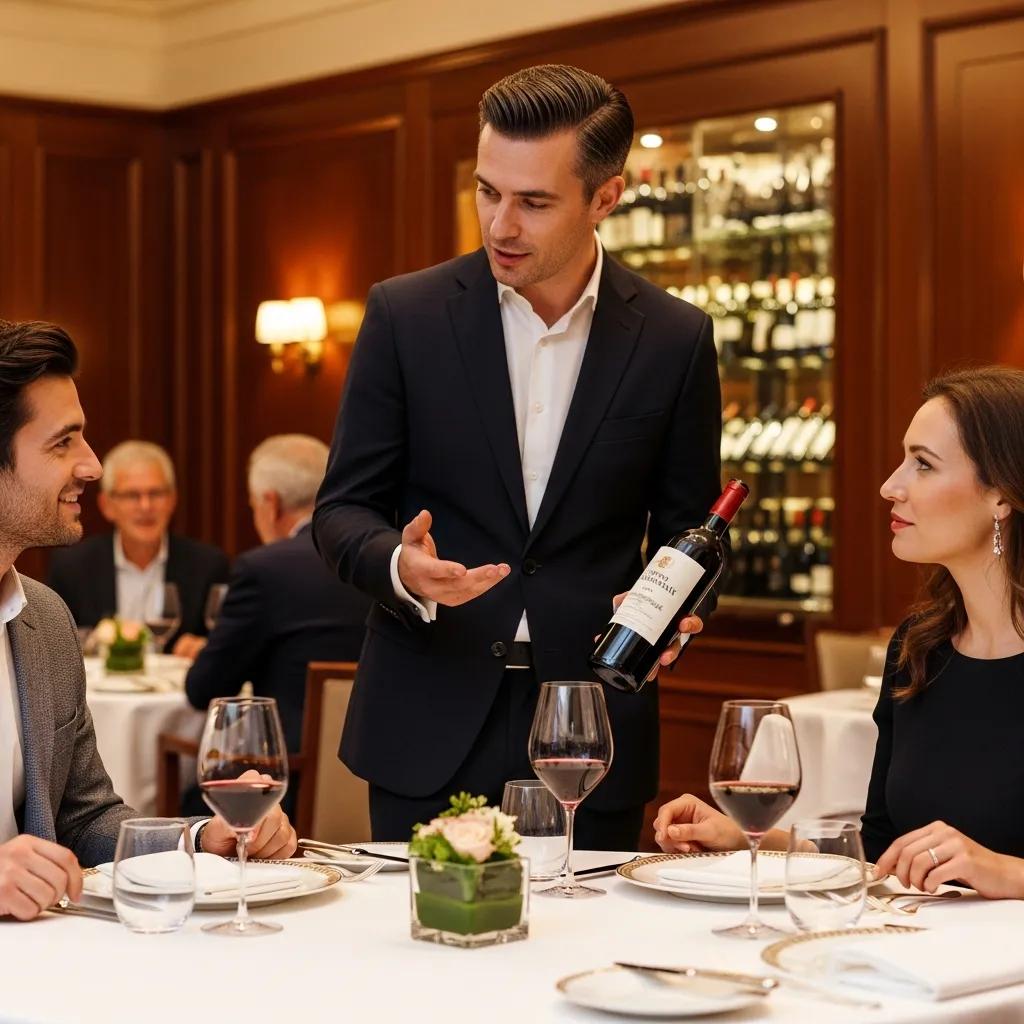
At the counter and at the table, the sommelier elevates a meal with thoughtful pours, context for each choice, and sequencing that protects the integrity of the omakase. Small, deliberate touches — a sparkling pour before an umami-forward bite or careful decanting of an older bottle — turn a meal into a curated tasting rather than a collection of isolated courses. These service choices clarify how wine and food interact and make complex pairings feel effortless. The outcome is a cohesive tasting where wine and sake actively enhance the culinary narrative.
If you’d like sommelier guidance, note it on your reservation. We accept bookings through RESY and OpenTable, or by phone — mentioning a sommelier pairing request when you book helps our team prepare a focused experience.
How Does Kaviar’s Sommelier Curate Pairings for Japanese Fine Dining?
Pairing at Kaviar follows a clear, purpose-driven method: assess each course’s profile, identify dominant taste drivers (umami, salt, fat, acidity), then choose wines or sakes that either contrast or harmonize to highlight texture and aroma. Sequencing matters — lighter beverages early, more structured selections as courses gain weight — to prevent palate fatigue. Mouthfeel is deliberate: the mousse of a sparkling, the silk of an aged white, or the tactile presence of sake guide matches for delicate sashimi and heartier cooked items. The process rests on sensory evaluation and a practical commitment to balance and progression.
This table shows how the sommelier links structure, acidity, and effervescence to dish traits so each match clarifies flavor rather than overpowering it. Seeing these mappings helps diners understand why specific bottles elevate particular courses and how sequencing preserves contrast across a multi-course meal.
Principles Behind Pairing Wine with Omakase Menus
Omakase pairing follows a few practical rules that prioritize sequence, palate resets, and managing umami to keep flavors distinct across many small courses. Start light and transparent: high-acidity whites or delicate sakes for raw fish, moving toward fuller whites and restrained reds as dishes become richer. Use bubbles or higher-acid selections between heavier items to refresh the palate and restore sensitivity to subtler flavors. Above all, choose balance: when a course is intensely umami, favor acidity or aromatic lift instead of raw tannin, which can exaggerate bitterness.
- Sequence from light to bold: Start with delicate sakes or crisp whites; finish with structured reds for cooked or fatty dishes.
- Use acidity and bubbles to reset: Interleave sparkling or high-acid pours to refresh the palate between courses.
- Match texture to mouthfeel: Pair silky, oily bites with wines that offer complementary weight or acidity.
- Manage umami with balance: Prefer acidity, carbonation, or aromatic complexity over aggressive tannin when facing strong umami.
These principles form a repeatable framework so both sommelier and guest can make pairing choices that enhance the omakase narrative.
Which Wines Complement A5 Wagyu and Caviar Best?
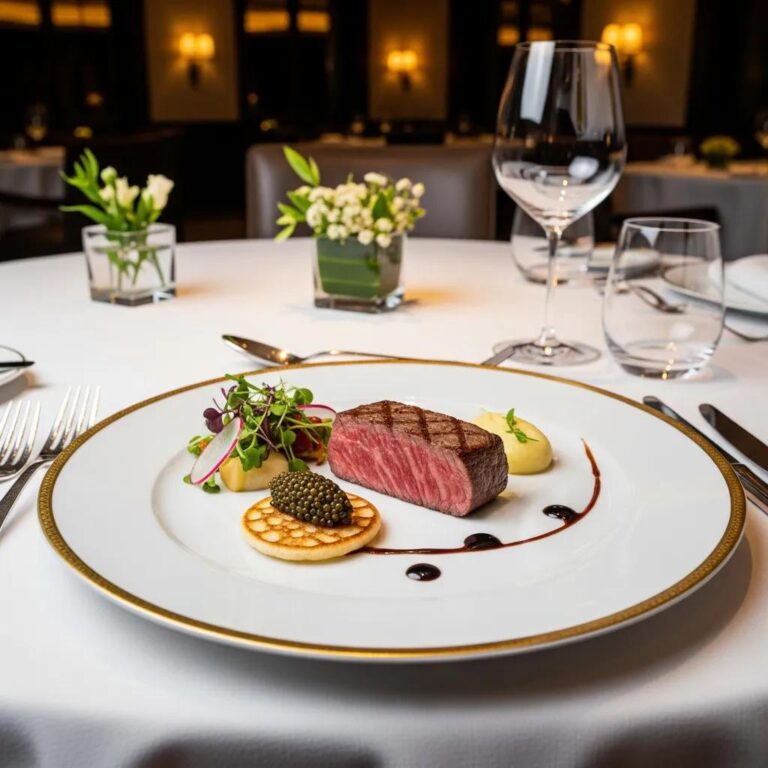
A5 Wagyu’s intense marbling and buttery texture call for reds that provide structure without masking the meat’s sweetness — refined tannins and integrated oak work best. Think balanced medium–full-bodied reds that keep fresh acidity and moderate grip. For caviar, texture and salinity rule: fine Champagne or sparkling wines with energetic mousse and bright acidity lift briny flavors and cleanse the palate. When you prefer sake, a clean, dry daiginjo offers aromatic nuance that pairs beautifully.
This compact comparison captures the sensory logic: match weight and texture, and use acidity or effervescence to lift salt and fat so signature ingredients speak clearly.
What Does Kaviar’s Wine List Offer Discerning Pasadena Diners?
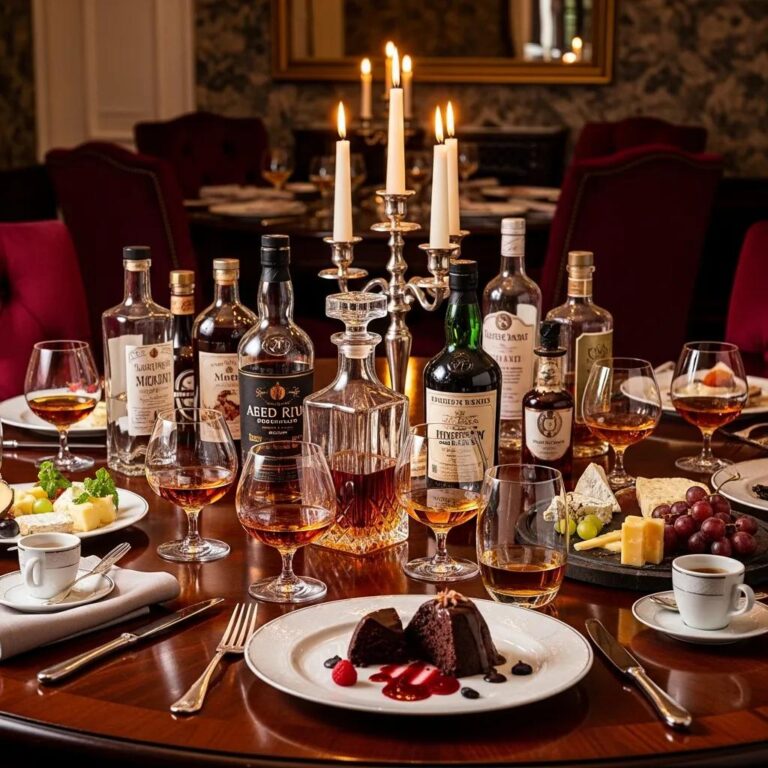
Our wine program favors balance across reds, whites, sparkling, and a curated sake selection — each chosen to interact gracefully with Japanese cuisine and the omakase flow. The list pairs approachable by-the-glass options with reserve bottles for sharing or special occasions; sommelier picks focus on producers known for finesse over power. Selections prioritize provenance and stylistic compatibility, leaning toward wines that emphasize freshness, minerality, and textural harmony with sushi and cooked plates. Guests can ask about by-the-glass sequences, reserve bottles for celebrations, or sommelier-curated flights to explore different matches.
The table above shows how acidity, tannin, mousse, and aroma inform the sommelier’s building blocks for coherent pairings. If you prefer a tailored experience, ask the sommelier about by-the-glass sequences or reserve bottle recommendations when booking to confirm availability.
Which Red, White, and Sparkling Styles Appear on the List?
Our offerings favor regional expression and food-friendly structure: reds with balanced acidity and fine-grained tannins, whites with lifted aromatics and saline notes, and quality Champagnes or sparklings with persistent mousse. Tasting notes highlight provenance — old-world restraint or new-world finesse — and suggest dish matches that protect delicate fish while supporting richer items. Typical recommendations include lighter Pinot Noir or restrained blends for meat courses, aromatic whites for sashimi, and vintage or non-vintage Champagne for caviar.
- Full-bodied, balanced reds: Provide structure for richer proteins while respecting texture.
- Crisp, mineral whites: Enhance freshness in raw fish and shellfish.
- Fine-bubble sparklings: Cleanse the palate and elevate saline flavors like caviar.
These categories reflect the sommelier’s preference for wines that foster conversation with food, enabling a nuanced progression rather than mismatched contrasts.
How Does the Sake Selection Enhance the Japanese Culinary Experience?
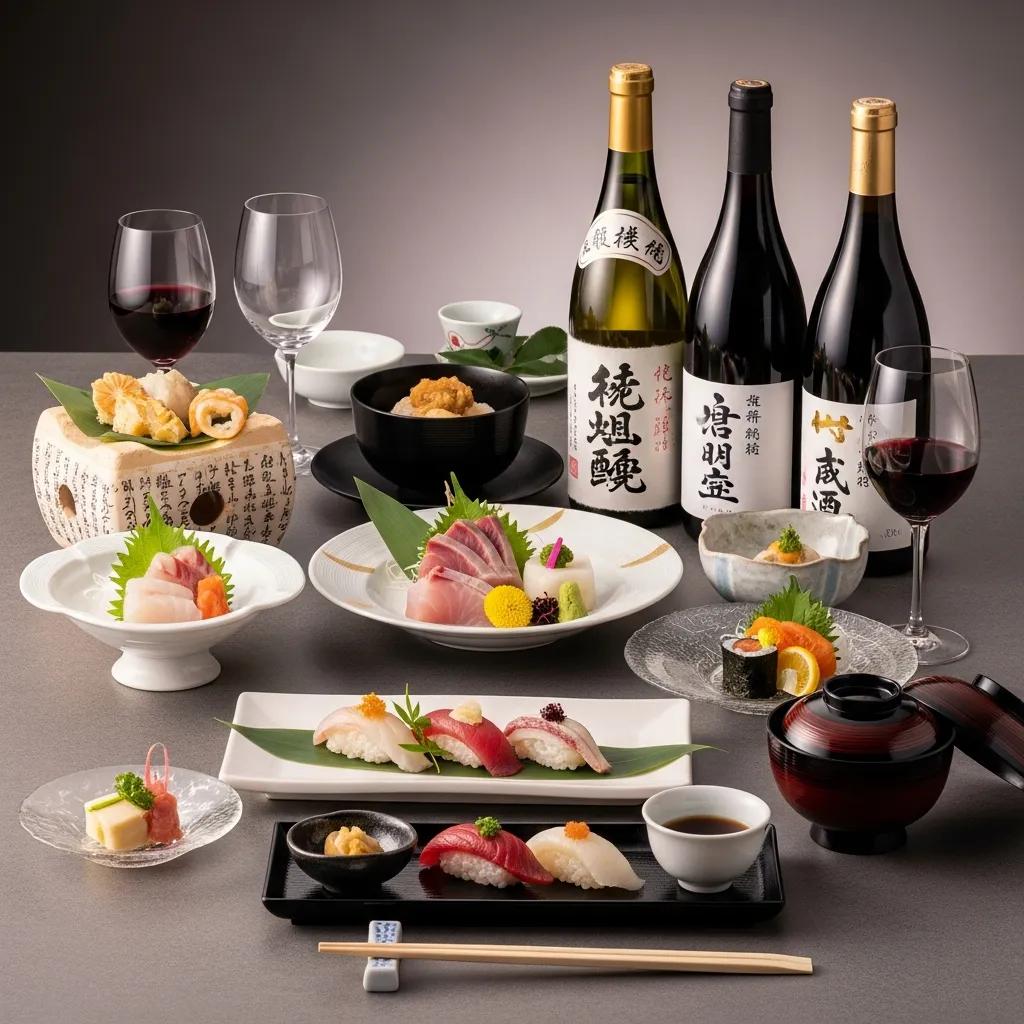
Our sake list centers on core styles — junmai, ginjo, daiginjo, and aged koshu — each offering distinct aromatic and textural qualities suited to different omakase moments. Junmai brings rice-forward depth for grilled or savory courses; ginjo and daiginjo offer floral-fruit aromatics and a clean finish that highlight sashimi; koshu introduces oxidative complexity that pairs thoughtfully with richer cooked items. We recommend curated sake flights to trace texture and aroma progression and to show how brewing technique shapes pairing outcomes. Ask the sommelier for a sake flight to explore contrasts and find what you prefer.
What Wine Events and Educational Experiences Does Kaviar Offer?
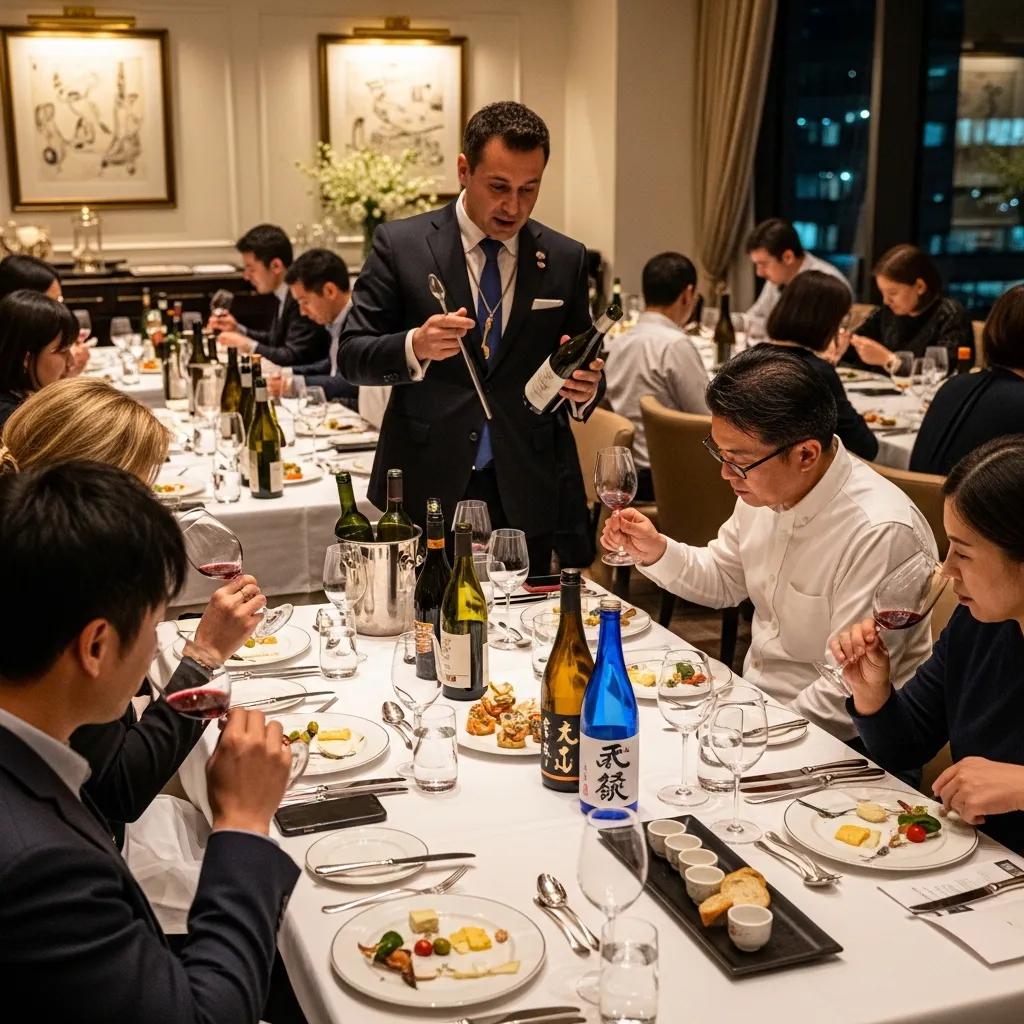
Kaviar hosts experiential programs that deepen appreciation for wine and sake alongside Japanese fine dining — from sommelier-led tastings to multi-course wine dinners and private consultations. Events combine sensory education with practical pairing demos, letting guests taste selected bottles alongside signature dishes while the sommelier explains the rationale behind each match. Formats include seated, coursed dinners with commentary, focused tasting classes on varietals or regions, and private tastings for groups seeking a bespoke itinerary. These experiences are designed to educate while delivering exclusive pairings and memorable social evenings.
This event summary shows how each format balances education with enjoyment, offering takeaways from tasting vocabulary to actionable pairing strategies. Check our Events/Classes listing or note interest when booking — private tastings and group reservations usually need advance notice to secure curated menus and bottles.
How Can Guests Join Sommelier-Led Tastings and Classes?
Participation requires advance registration and favors small groups for direct sommelier interaction. Classes run on set schedules, limit attendees for better discussion, and focus on clear learning objectives — for example, comparing sake styles or regional wine pairings — so participants leave with tasting experience and practical pairing techniques. Register through the restaurant’s Events/Classes page or reservation platforms; early booking is recommended because classes and dinners have limited capacity. Private or tailored sessions are available for groups, and advance notice lets the sommelier source the right bottles and design a matching menu.
What Do Wine Dinner Events at Kaviar Look Like?
Wine dinners typically pair a carefully sequenced menu with selected wines or sakes while the sommelier presents tasting notes and pairing rationale table-side. A sample progression might open with a crisp ginjo for early sashimi, move to a lightly oaked white for a cooked fish, shift to a medium-bodied red for a grilled course, and finish with a sparkling or dessert pairing — each selection chosen to educate and delight. Events often include a welcome pour, sommelier commentary, and plated pairings with guided tasting cues. For current dates and reservations, consult the Events/Classes page or indicate interest when booking to reserve your spot.
How Can You Enhance Your Meal with Kaviar’s Sommelier Services?
Our sommelier services make the beverage portion of your meal personal and effortless — options include in-depth consultations, curated by-the-glass sequences during omakase, and help selecting reserve bottles for celebrations. These services remove uncertainty from ordering and introduce guests to thoughtfully chosen wines and sakes that complement our finest ingredients. Beyond taste, a consultation is an opportunity for discovery — uncovering lesser-known regions, sake styles, or producers that match your preferences. The result is a more confident, personalized meal where beverages reinforce the culinary story.
How to Book a Sommelier Consultation or Wine Pairing Experience?
Requesting a sommelier consultation at reservation time is best, especially for private tastings or events that require special bottles. Book via RESY, OpenTable, or by phone; noting a preference for sommelier-led pairings helps our team prepare an appropriate sequence and secure bottles. For private groups or highly curated sessions, contact the restaurant in advance to discuss format, timing, and dietary needs. Early coordination allows the sommelier to tailor a menu that maximizes the synergy between beverage and food.
Benefits of Personalized Wine Recommendations at Kaviar
- Confidence in choices: Expert guidance removes doubt and ensures pairings support the meal.
- Discovery of new producers and styles: Curated selections expand your palate with context and story.
- Elevated special occasions: Reserve bottle recommendations lift celebratory meals and introduce rare producers.
These benefits make the dining experience more informative, seamless, and memorable. Noting sommelier involvement when you book is the best way to secure a tailored, high-value experience.
Frequently Asked Questions
What types of wine and sake are recommended for beginners at Kaviar?
For beginners, we suggest approachable, food-friendly wines and sakes. Crisp, high-acidity whites such as Sauvignon Blanc or Pinot Grigio pair well with lighter dishes; a medium-bodied red like Pinot Noir is an easy introduction to reds. For sake, a clean junmai or ginjo offers an accessible entry point, showcasing rice-forward character without overpowering the palate. Our sommelier is happy to guide you through beginner-friendly selections that enhance your meal.
How can I learn more about wine and sake pairings at Kaviar?
We offer sommelier-led tastings and classes that focus on pairing principles and hands-on tasting. These events let you sample selected bottles with signature dishes while learning the reasons behind each match. To stay updated on upcoming sessions, check our Events/Classes page or ask when you make a reservation.
Are there special considerations for pairing wine with vegetarian dishes at Kaviar?
Yes. Pairing vegetarian dishes means paying close attention to ingredients’ flavors and textures. Lighter, aromatic whites or sparklings can highlight vegetable freshness; for heartier plant-based dishes, a medium-bodied red with balanced acidity often works well. Tell the sommelier which vegetarian dishes you’ll have and we’ll suggest pairings that keep the flavors balanced and expressive.
What is the best way to prepare for a sommelier consultation at Kaviar?
Bring a sense of what you like and what you plan to order. Consider flavor profiles you enjoy — fruity, earthy, floral — and share any dietary restrictions. Sharing these details when you reserve helps the sommelier craft a more personal tasting. Being open to new styles will also make the consultation more rewarding.
Can I request a specific wine or sake for my meal at Kaviar?
Yes. You may request specific wines or sakes when booking. It’s helpful to mention preferences in advance, especially for special occasions or rare bottles. We’ll do our best to accommodate requests and ensure the selected beverage complements your meal.
What should I expect during a sommelier-led wine dinner at Kaviar?
Expect a carefully curated multi-course menu with each course paired to a chosen wine or sake. Our sommelier will present the selections, explain the pairing rationale, and guide tasting cues. The format is interactive and educational, letting you ask questions and gain a deeper appreciation for how beverages shape flavor. Guests typically leave with fresh tasting vocabulary and a stronger sense of pairing principles.
Conclusion
Working with Kaviar’s sommelier turns a meal into a curated journey of flavor. By learning the essentials of wine and sake pairing, guests deepen their appreciation for Japanese fine dining and elevate each bite with thoughtful beverage choices. Explore our personalized consultations and sommelier-led events to expand your palate. Reserve your table and discover a tasting experience designed to be both educational and unforgettable.