



The Art of Wine Pairing: Elevating Fine Dining with Japanese Flavors and Luxe Ingredients
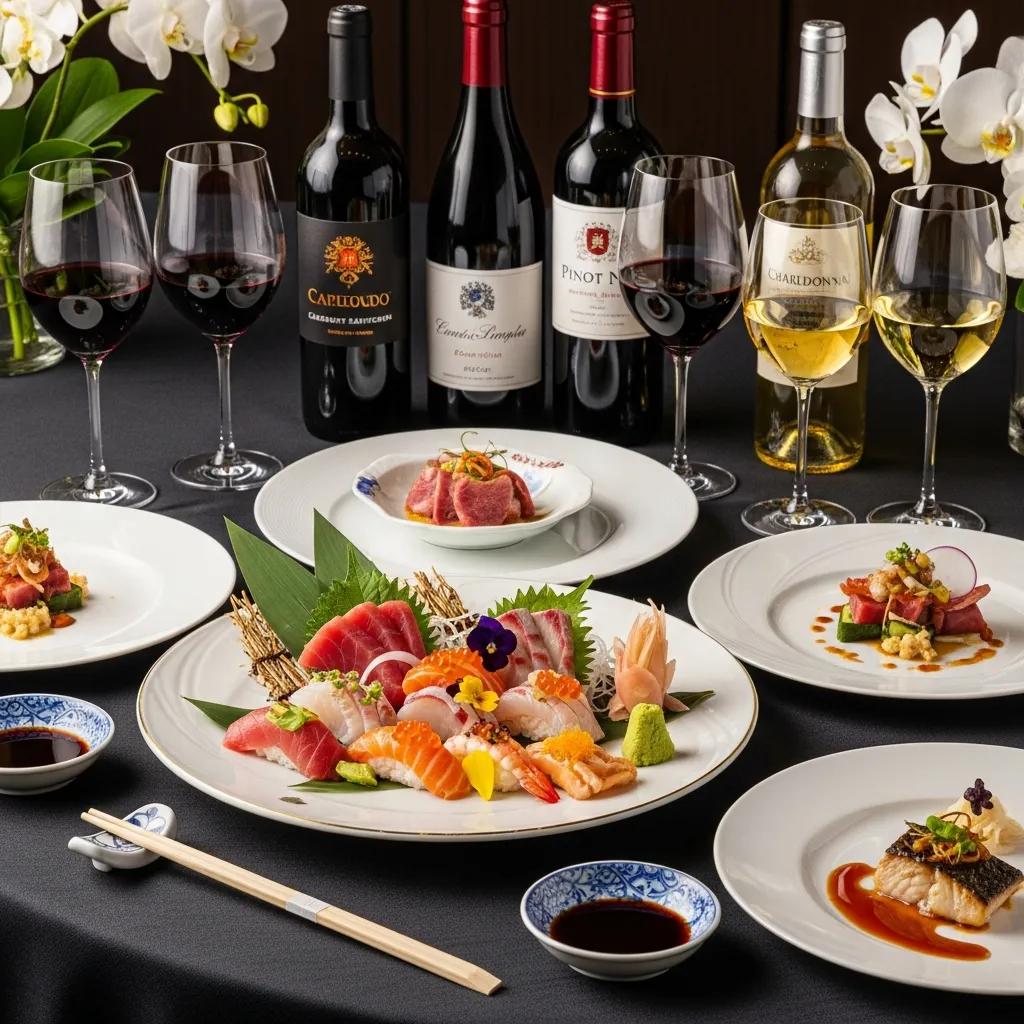
Thoughtful wine pairing transforms a meal into a deliberate conversation between food and drink. By matching acidity, tannin, sweetness, alcohol and texture to a dish’s preparation and dominant flavors, pairings reveal new layers—especially with Japanese cuisine’s focus on purity, seasonal ingredients and umami. This guide lays out the core principles our sommeliers use, offers practical pairings for sushi, sashimi, tempura and grilled courses, and gives targeted advice for luxury items like A5 Wagyu and caviar. You’ll find clear rules for balancing intensity, managing umami, and deciding when sake outshines wine, plus service notes on temperature and glassware. The article is organized into six focused sections—pairing fundamentals, a sommelier’s guide to Japanese cuisine, an A5 Wagyu deep dive, caviar strategies, and curated sommelier recommendations—so you can apply these ideas in a tasting or at the table.
What Are the Fundamentals of Wine Pairing in Fine Dining?
At its heart, wine pairing is a set of repeatable principles that align a wine’s structure with a dish’s dominant sensory traits to create balance and enhancement. The mechanics are straightforward: acidity trims richness, tannins interact with proteins and fat, sweetness can tame heat or salt, and bubbles refresh the palate. The payoff is a heightened tasting experience where both food and wine reveal clarity and nuance. Learning these fundamentals helps guests and sommeliers choose pairings that support an omakase or a multi-course tasting menu. From here we’ll examine how each flavor axis—acidity, tannin, sweetness, bitterness, umami and fat—informs pairing choices for Japanese preparations.
Sommeliers rely on a few dependable rules when building lists or pairing menus. These guidelines create predictable, satisfying results across varied ingredients—especially in precision-driven, fine dining settings. Below we unpack flavor interactions and explain why umami deserves special attention when pairing.
Quick pairing rules you can use immediately:
- Match intensity: Choose light-bodied wines for delicate dishes and fuller-bodied wines for rich, marbled courses.
- Prioritize acidity: Higher-acid wines cut fat and refresh the palate between bites.
- Respect tannins: Serve tannic reds with protein-driven dishes and avoid heavy tannin alongside salty, soy-forward preparations.
- Contrast or complement intentionally: Use contrast (acid to cut fat) or complement (a buttery Chardonnay with cream-based elements) with purpose.
Use these points as a practical checklist for service or when selecting from a wine list. Next, we’ll look closer at how flavors interact and how to read a dish for pairing.
How Do Flavor Profiles Influence Wine and Food Pairing?
Sweetness, acidity, bitterness, umami and fat define a dish’s dominant axis—and that axis guides which wines will harmonize best. Acidity brightens and offsets richness, so an acidic white refreshes after a tempura bite. Sweetness can bridge spicy or highly acidic sauces. Tannins bind with proteins to soften bitterness, while an overly tannic wine can amplify bitter notes in food. Knowing these relationships helps you decide whether to seek contrast (acid vs. fat) or complement (oak with smoky flavors) to achieve the effect you want.
Practical examples make this actionable: citrus-cured crudo calls for a high-acid white; a soy-glazed grilled fish benefits from moderate acidity with some weight; an herb-forward dish often pairs well with an aromatic white or a low-tannin red. Reading dominant flavors lets sommeliers anticipate bottles that hold together across a progression of courses—essential when pairing sushi, sashimi and grilled Wagyu.
What Role Does Umami Play in Japanese Food Wine Pairing?
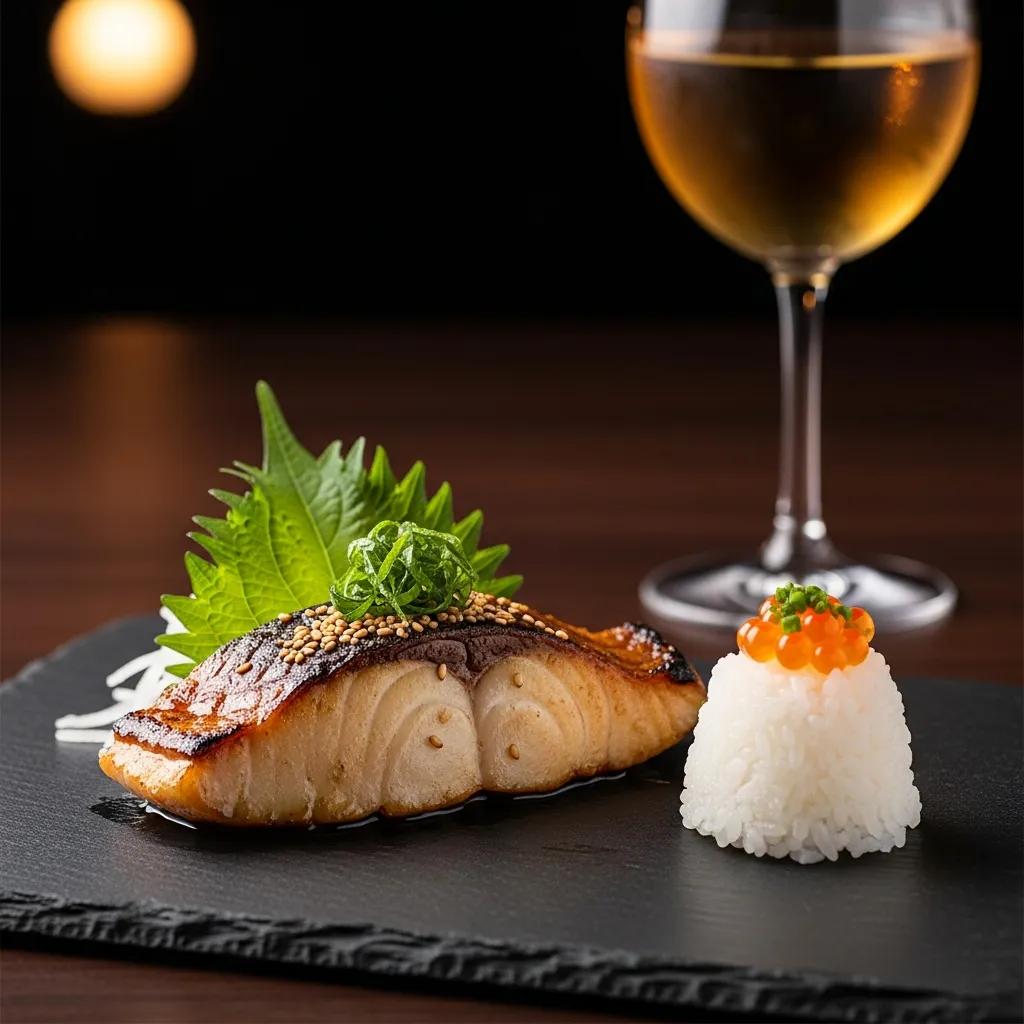
Umami—from dashi, soy, miso or richly marbled proteins—changes how a wine’s structure is perceived. Umami can soften acidity and blunt tannins, so an acidic wine may taste less bright and a tannic wine can seem harsher if not matched carefully. Recognizing umami lets you choose wines or sake that either lift umami without flattening the beverage, or provide counterbalance through higher acidity or a touch of sweetness.
Common tactics: favor wines with vibrant natural acidity and moderate alcohol, select lower-tannin reds when needed, or choose aromatic whites and specific sake styles that mirror rice-driven umami. These approaches lead directly into detailed recommendations for sushi, sashimi and richer Japanese preparations.
How to Pair Wine with Japanese Cuisine: A Sommelier’s Guide
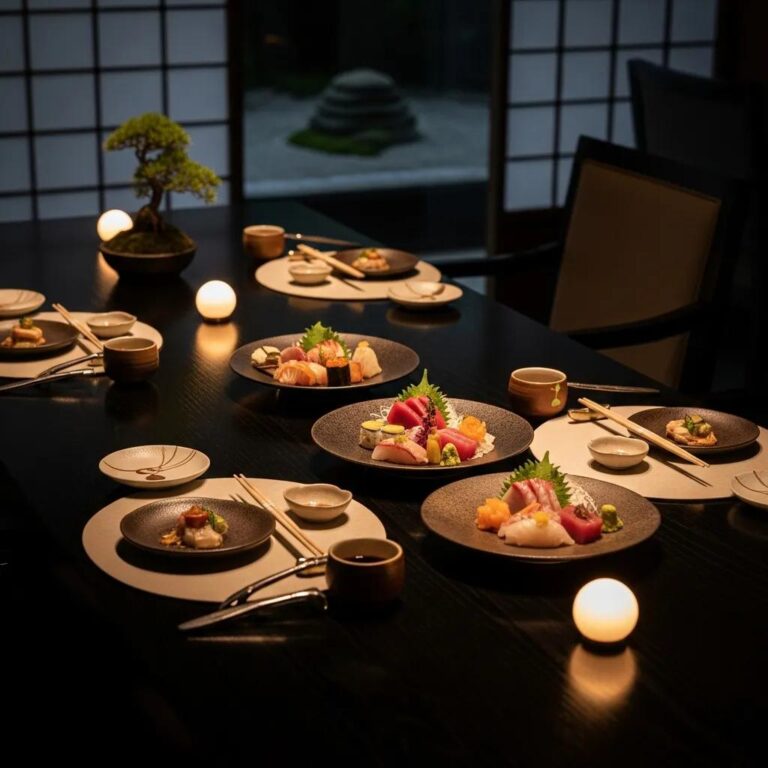
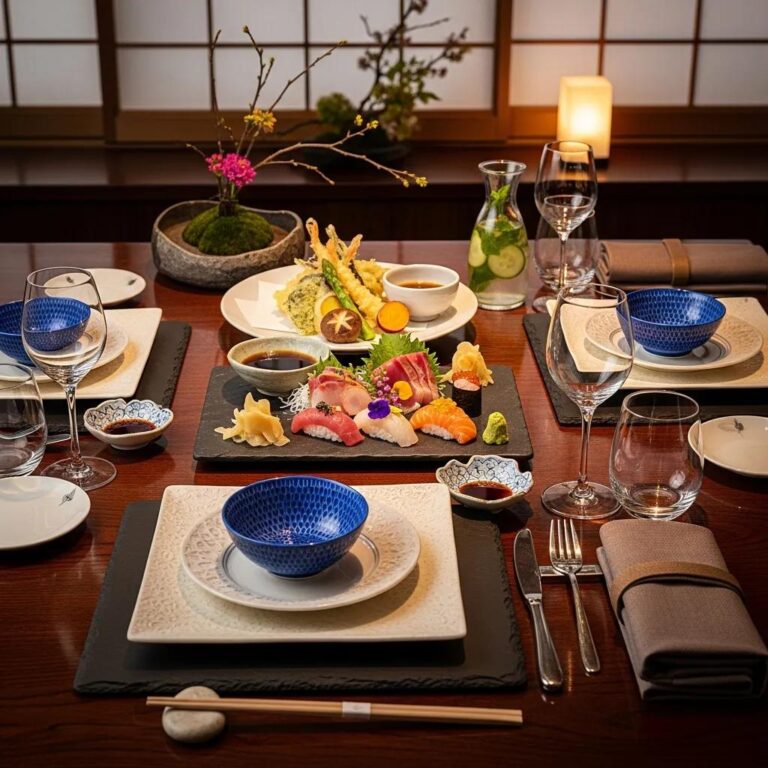
Pairing with Japanese cuisine starts by reading the preparation—raw, fried, grilled—alongside the dominant flavors (umami, sweet glaze, citrus) and textures (silky sashimi vs. crisp tempura). Then match wine style to either support or refresh the palate: acidity for fried items, delicate aromatics for raw fish, and moderate oak or gentle tannins for grilled, umami-forward plates. The goal is an integrated experience where each sip resets the palate and each bite reveals new notes in the wine. For service, curate a list that offers high-acid whites, restrained reds and thoughtful sake alternatives that work across an omakase or tasting menu.
A quick reference for service teams and diners:
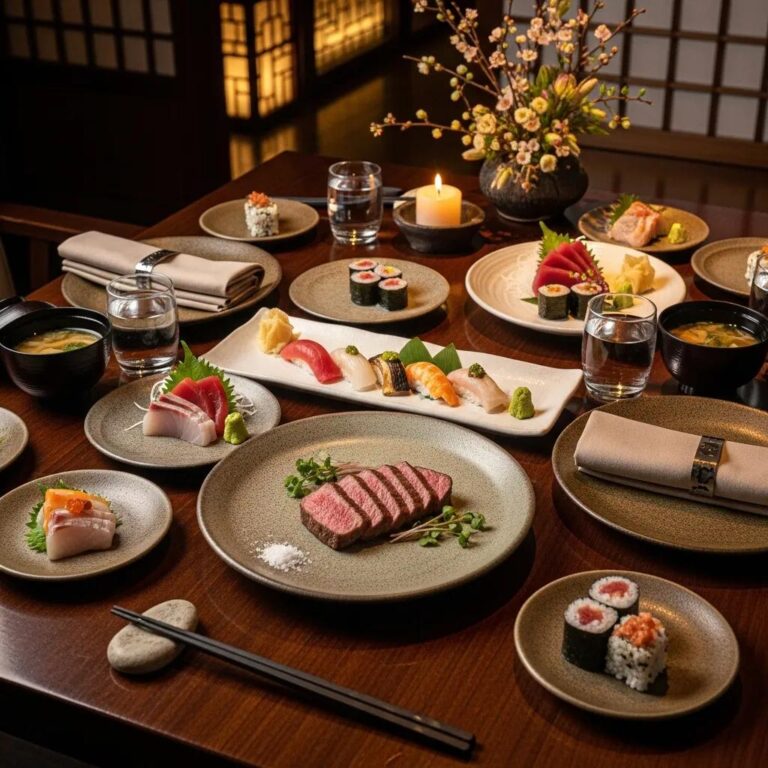
- Sushi & Sashimi: Light-bodied and aromatic dry whites that highlight texture without overwhelming.
- Tempura & Fried Items: High-acid whites or sparkling wines to cut oil and refresh between bites.
- Grilled / Umami-Forward: Medium-bodied whites or low-tannin reds to support char and savory depth.
- Sauced / Glazed Dishes: Slightly off-dry whites or lower-alcohol reds that balance sweet-savory glazes.
Below is a compact comparison to make these recommendations immediately usable during service.
Which Wines Complement Sushi and Sashimi Best?
Sushi and sashimi call for wines that honor texture and subtlety—bright acidity, clear aromatics and minimal oak. Sauvignon Blanc brings citrus and herbal lift; dry Riesling offers floral notes and zesty acidity that suits fattier tuna; Albariño’s saline minerality echoes the sea; and a light Pinot Noir can pair with richer nigiri thanks to gentle tannins and red-fruit clarity. When rice-driven umami is central, Ginjo and Daiginjo sake—aromatic and pristine—can be the ideal match for texture-sensitive courses.
When deciding between wine and sake, factor in rice and soy presence: Ginjo for clean, fragrant pairings; Junmai for more textured, umami-rich bites. These choices help shape a thoughtful omakase flow where each selection supports the chef’s progression.
What Are the Best Sake Pairings Beyond Wine for Japanese Dishes?
Sake speaks a different structural language. Junmai styles emphasize rice-driven weight and umami; Ginjo brings floral and fruity aromatics with crispness; Daiginjo offers refined elegance and delicate perfume for the lightest sashimi. Sake often mirrors a dish’s texture rather than opposing it, producing a cohesive mouthfeel that highlights subtle flavors. For sushi and sashimi, Ginjo or Daiginjo enhance purity and texture; for grilled or sauced items, Junmai or Junmai Ginjo provide enough presence to handle savory sauces and char.
Think about serving temperature—slightly chilled for Ginjo and Daiginjo; room-to-slightly-chilled for Junmai—and match the sake’s weight to the dish’s intensity. Choosing sake over wine can elevate umami-driven courses and create a smoother omakase progression, which we explore further with luxury ingredients like A5 Wagyu.
What Is the Ultimate Wine Pairing Guide for A5 Wagyu Beef?
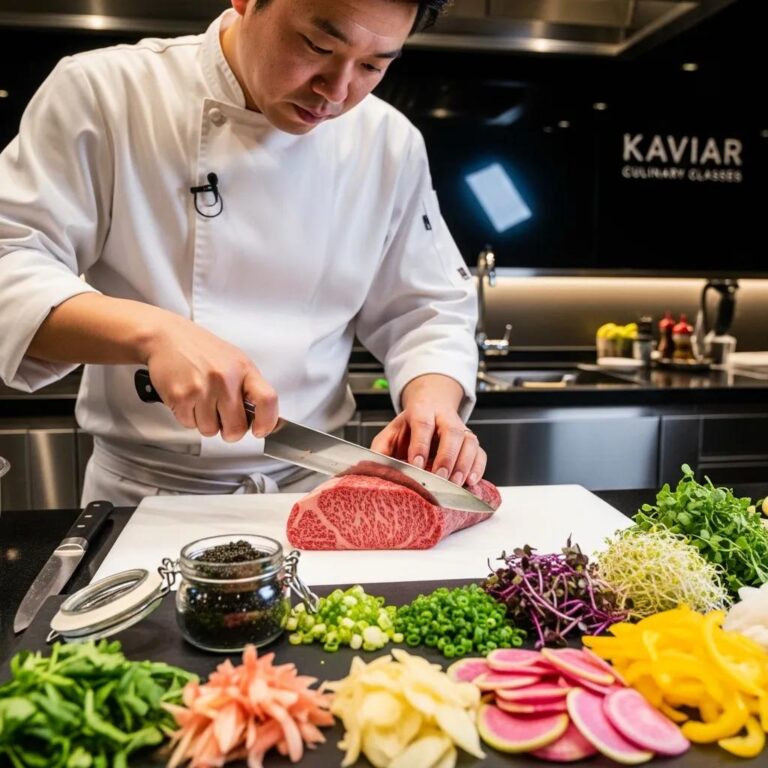
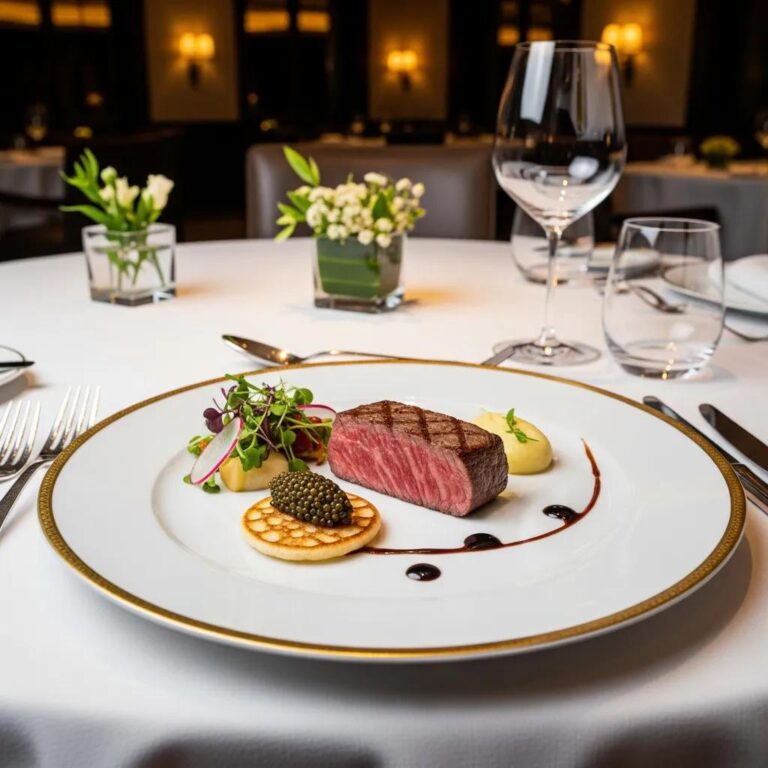
A5 Wagyu’s hallmark is intense marbling, a silky fat texture and concentrated umami. Pairing requires wines with structure to stand up to that fat while preserving the meat’s nuance. The mechanics involve tannins to cut richness, balanced acidity to refresh the palate, and enough body to complement without overwhelming. The ideal pairing tempers and elevates: tannin cleanses, acidity brightens, and restrained oak can add complementary layers without masking nuance. Sommeliers often choose structured reds—Bordeaux-style blends or Syrah/Shiraz with plush tannins—when pairing highly marbled beef.
The table below compares wine categories and sake alternatives against Wagyu’s profile to clarify these choices.
This comparison informs bottle selection and service strategy. Below we outline red varietals that work best and consider regional or alternative pairings, including Japanese wines and sake.
We also recommend experiencing A5 Wagyu with a curated pairing service—reservations that include sommelier-guided matches bring these combinations to full effect.
Kaviar Restaurant, known for its refined Japanese tasting experiences in Pasadena, features A5 Wagyu on our tasting menu paired thoughtfully with structured reds and select sake. Guests seeking the full experience are encouraged to reserve a curated pairing so our team can prepare the ideal service and glassware.
Which Red Wines Best Balance the Richness of A5 Wagyu?
Tannic, structured reds remain a go-to for A5 Wagyu because tannins bind with fat and protein to refresh the palate. Cabernet and Bordeaux-style blends supply the backbone and dark-fruit concentration to balance marbling; Syrah adds savory spice and mid-palate heft that complements charred or peppered preparations. When the Wagyu preparation is gentle or the chef emphasizes umami over heavy searing, aged Pinot Noir or more restrained Cabernet selections can be excellent. For service: consider gentle decanting and serving reds slightly cooler than classic room temperature to preserve freshness and open aromatics.
Practical tips: choose medium-plus rather than brute tannin levels, serve reds at a touch below room temperature, and offer small palate cleansers between courses to keep flavors distinct. These habits maintain clarity over a multi-course Wagyu progression.
Are There Alternative or Regional Wine Pairings for Wagyu?
Outside classic Bordeaux and Syrah options, regional or unconventional pairings offer refined matches: Japanese domestic reds with restrained tannins can echo local terroir; lighter, mature reds contribute tertiary complexity; and barrel-aged sake or Koshu-style wines provide textural alternatives that work with rice and umami notes. These alternatives prioritize complementary texture over relying solely on tannin to cut fat—oxidative or aged wines introduce savory, nutty flavors that mirror Wagyu’s richness.
Example scenarios: a lightly-aged red with smoky Wagyu, a Koshu-style wine for citrus- or herb-accented preparations, or a Junmai sake with roasted Wagyu served in delicate portions. Exploring these options broadens the tasting experience beyond standard red-wine matches.
How to Perfectly Pair Caviar with Champagne and Other Wines
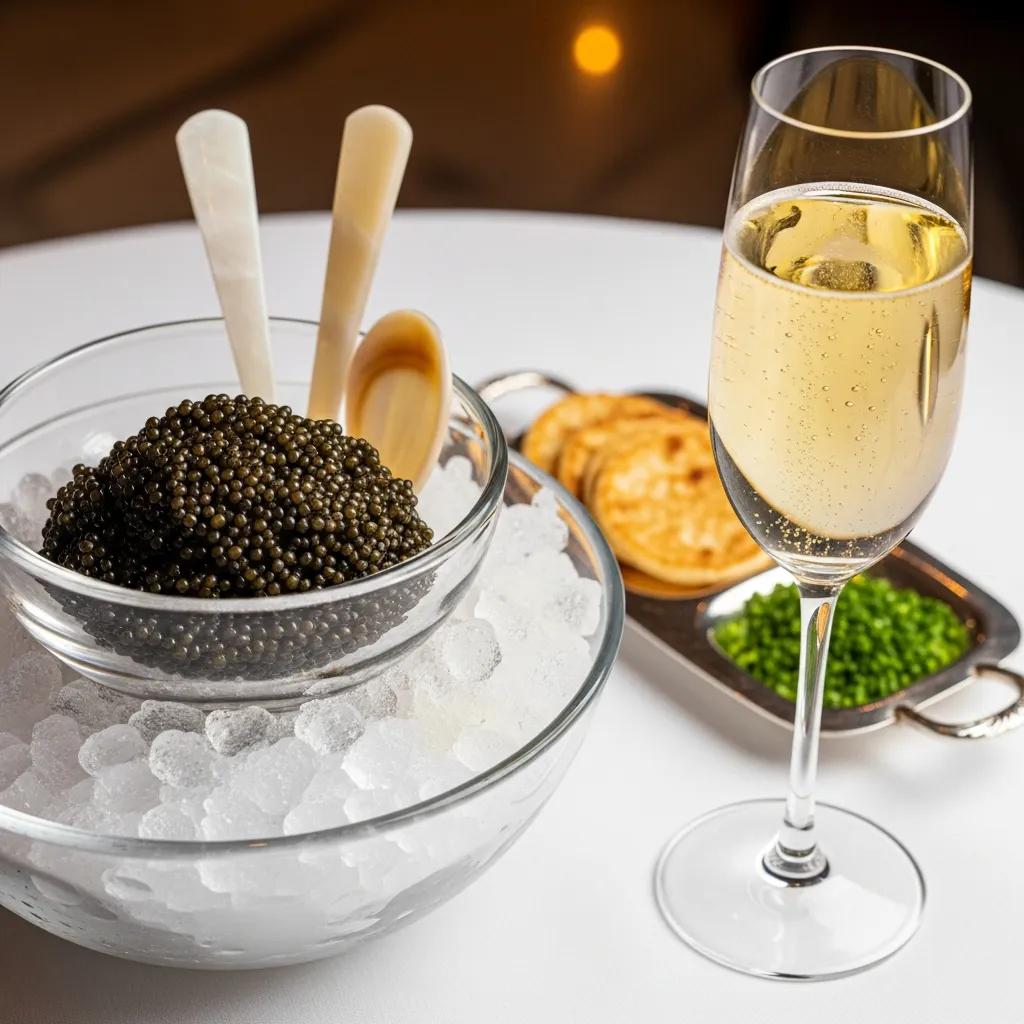
Caviar pairing is about texture and palate cleansing—Champagne’s acidity and effervescence are classic because bubbles and minerality cut oiliness and underline saline notes. Bubbles physically lift fat from the tongue while acidity and minerality accentuate brine without adding sweetness. The result is an elegant contrast where the sparkling wine brightens caviar’s salinity and leaves its delicate finish on the palate. Modern alternatives include dry, high-acid whites, other quality sparkling styles and even chilled premium vodka as a neutral counterpoint.
Use the table below to match caviar varieties to classic Champagne styles and suitable alternatives.
The table clarifies how bead size, oiliness and salinity guide the ideal sparkling style and when to select alternatives. Below we outline Champagne mechanics and practical service guidance.
Kaviar’s signature caviar service emphasizes chilled sparklings and careful portioning; diners interested in Champagne or alternative pairings are encouraged to note preferences when booking so our team can prepare the right glassware and service.
Why Is Champagne the Classic Choice for Caviar Pairing?
Champagne’s high acidity, fine effervescence and mineral backbone make it an ideal partner for caviar. Bubbles displace fat on the tongue and acidity refreshes taste receptors, allowing the caviar’s brine and subtle flavors to come through on the finish. Brut and Extra Brut styles are preferred because they remain dry and precise, framing the caviar without adding sweetness. This chemistry helps sommeliers recommend portioning and glass selection that maximize the interplay between texture and the chosen bubbly.
Understanding that chemistry also helps when offering alternatives or tailoring service to different caviar varieties.
What Are Other Wine Alternatives for Caviar Pairing?
If Champagne isn’t the choice, there are dependable alternatives depending on caviar intensity: high-acid dry whites like Albariño or Grüner Veltliner bring saline and citrus notes; quality Cava or Franciacorta recreate Champagne’s texture; and chilled premium vodka provides a neutral palate reset that highlights brine. Richer Beluga-style caviars pair best with Extra Brut or mineral whites; lighter varieties work well with drier sparkling or aromatic whites.
Service tips: keep pairings very cold, present caviar on small spoons to focus on texture, and match by bead size and oiliness rather than brand alone. These practical rules make non-Champagne matches successful.
What Are Kaviar Restaurant’s Sommelier Recommendations and Fine Dining Wine List Highlights?
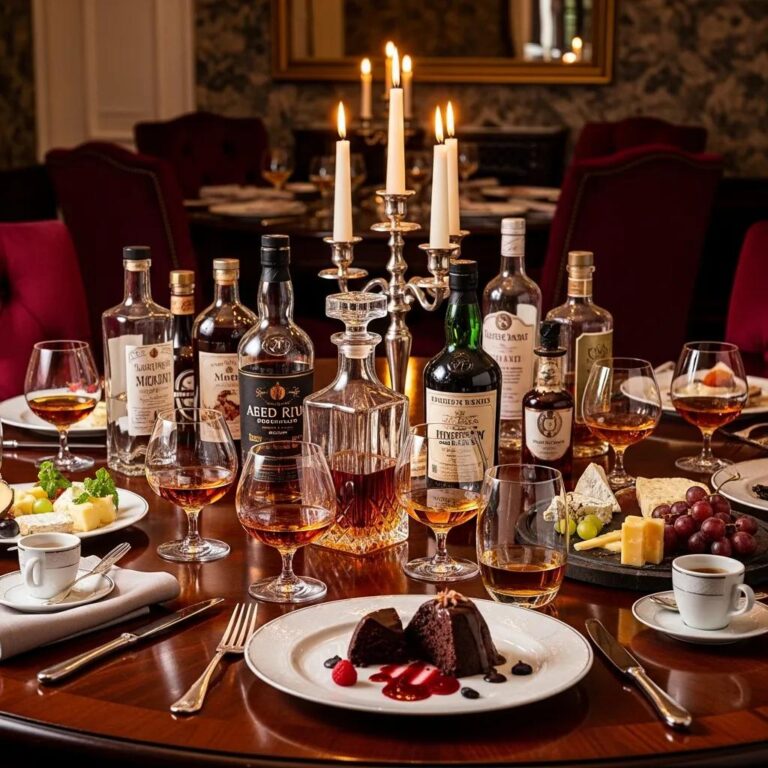
Our sommelier program is built to support Japanese technique and luxury ingredients. We curate wine and sake selections to follow an omakase progression—favoring acidity-driven whites, restrained reds and premium sparklings reserved for signature moments. Behind each selection is close collaboration with the kitchen to ensure bottles either contrast or complement the chef’s sequence without overwhelming delicate preparations. The result for diners is a cohesive tasting that highlights seasonal sourcing, A5 Wagyu and caviar, and a deliberate service rhythm that enhances both food and beverage.
- Team-driven pairing philosophy: Our sommeliers pair by texture and progression to support the tasting menu rather than offering arbitrary bottle matches.
- Balance-first selections: We prioritize acidity, terroir-driven minerality and restrained oak to complement Japanese cuisine.
- Sake and wine integration: A focused sake program runs alongside the wine list to provide authentic alternatives that highlight rice-driven umami.
These principles explain how we frame pairings for signature dishes and why pre-selected pairings are recommended for reservations. The sections below describe our sommelier role and the premium wine categories you can expect.
Who Is Kaviar’s Sommelier and What Is Their Expertise?
Rather than a single named sommelier, Kaviar relies on a collaborative sommelier team that blends expertise in wine, sake and service. Our team curates pairings that honor Japanese technique and seasonal ingredients, coordinates with the chef for omakase sequencing, and guides guests through a structured tasting that balances intensity and texture. Their knowledge spans classic frameworks and contemporary alternatives, ensuring thoughtful matches from high-acid whites for raw courses to structured reds and aged sake for richer plates. This team-driven model supports reservations for curated pairings and keeps service consistent.
We describe our approach this way to communicate the practical expertise diners should expect without inventing specific credentials.
Which Premium Wines Are Featured on Kaviar’s Wine List in Pasadena?
Our premium list emphasizes categories rather than fixed vintages: top Champagne and quality sparkling wines for caviar service; mineral-driven whites like Albariño and Riesling for fish and tempura; Burgundian-style Pinot Noir and Napa Cabernet categories for richer or grilled preparations; and a focused sake selection covering Junmai, Ginjo and Daiginjo. These categories pair with our signature menu items—sushi and sashimi, A5 Wagyu and caviar—while remaining flexible for a reservations-driven tasting. Guests who want a curated experience are encouraged to request pairing options when reserving so our team can tailor bottles and sake to the chef’s progression and personal preferences.
This overview connects our sommelier philosophy to practical pairing options and invites diners to experience professional pairings in a fine dining setting.
Frequently Asked Questions
What is the importance of serving temperature in wine pairing?
Serving temperature shapes a wine’s aroma, flavor and perceived balance. Whites and sparkling wines are best chilled to emphasize crispness and acidity—perfect for lighter courses. Reds benefit from a slightly cooler-than-room temperature to preserve fruit and complexity. For very rich dishes like A5 Wagyu, a slightly warmer red can soften tannins and improve integration with the food. Paying attention to temperature can noticeably elevate the tasting experience.
How can I choose the right wine for a multi-course meal?
Plan progression from light to rich: start with high-acid whites for early courses like sushi or sashimi, then move toward fuller-bodied reds as dishes gain weight. Choose wines that either complement or intentionally contrast the dominant flavors of each course. When in doubt, work with a sommelier or request a paired tasting—this ensures each pairing supports the overall flow of the meal.
What are some common mistakes to avoid in wine pairing?
Common errors include mismatching intensity (such as pairing a heavy red with delicate fish), ignoring acidity—which can leave wines feeling flat with rich food—and overlooking umami’s effect on perceived acidity and tannin. Also, serving wine at the wrong temperature can mute its best qualities. Keeping these pitfalls in mind helps create more successful matches.
Can I pair sake with non-Japanese dishes?
Yes. Sake’s range makes it surprisingly versatile. Aromatic Ginjo sakes pair well with spicy or fragrant dishes, while richer Junmai styles stand up to grilled meats and creamier sauces. Match sake to the dish’s umami, sweetness and acidity—experimenting often leads to delightful, unconventional pairings.
What factors should I consider when selecting a wine for a special occasion?
Consider guest preferences, the menu and the event’s tone. Think about dishes’ flavor profiles and choose wines that complement them. A celebratory moment often calls for premium sparkling wines or aged reds; a personal touch—such as a bottle from a meaningful vintage or region—can elevate the occasion. Finally, serve at the right temperature and in appropriate glassware to maximize enjoyment.
How does the choice of glassware affect wine tasting?
Glassware influences aroma, temperature and the tasting experience. Wider bowls aerate reds and open their aromatics; narrower glasses concentrate delicate whites and sparkling wines. Material and rim shape also affect perception. Using the right glass lets the wine’s nuances come forward and improves the overall pairing.
Conclusion
Wine pairing with Japanese cuisine deepens the pleasure of a meal and brings out the subtlety in both food and drink. By mastering core principles—balancing intensity, recognizing umami and matching texture—you can elevate any tasting. Explore our curated wine list and sommelier recommendations to find pairings that suit your next fine dining experience. Reserve a table at Kaviar Restaurant to enjoy a thoughtfully paced, beautifully paired tasting journey.