



The Fifth Taste — Umami: What It Is and Why It Shapes Fine Dining
Umami is the round, lingering savor that chefs and scientists now recognize as the fifth basic taste—separate from sweet, salty, sour and bitter. At a molecular level it springs from free glutamate and complementary nucleotides; together they create a fuller mouthfeel and a lasting savory finish that makes dishes feel complete. This piece explains the biology behind umami, identifies ingredients that concentrate it, shows how chefs layer it in Japanese and fine-dining kitchens, and outlines how savoriness guides tasting menus and pairings. Many home cooks and diners can’t quite name why a dish feels deeply satisfying—understanding receptors and key compounds makes it clear how to amplify that effect deliberately.
We map taste receptors, compare top umami-rich ingredients, walk through techniques used in omakase and fine dining, and show how restaurants design umami to shape memorable tasting experiences.
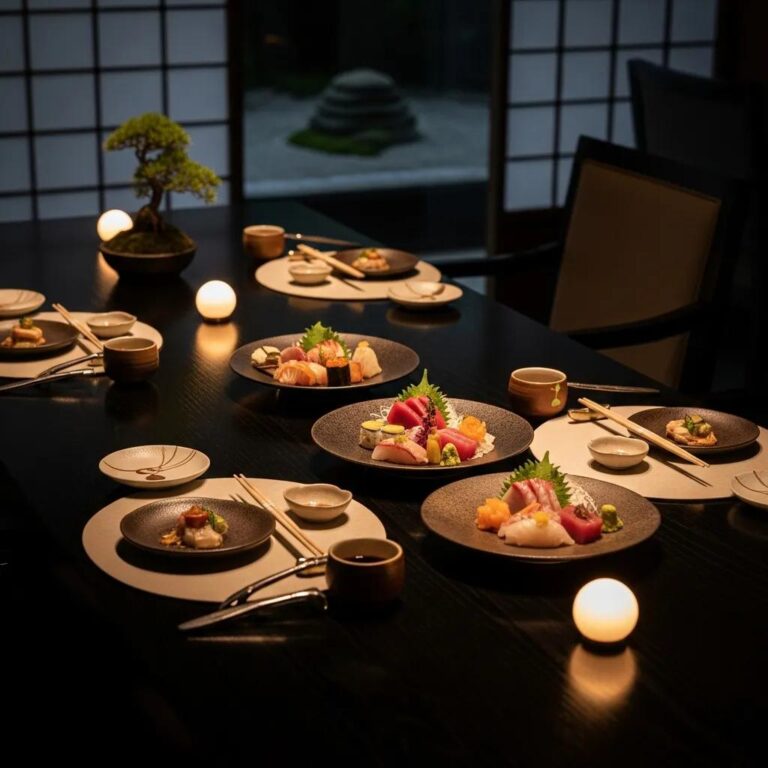
Kaviar Restaurant represents a modern, elevated approach to umami-forward dining in Pasadena. Our omakase tasting menus highlight premium A5 Wagyu and caviar while using layered savoriness as the through-line. We put ingredient quality and precise technique first, seasoning sparingly so glutamate-rich elements can shine and courses build umami without wearing down the palate. With signature moments centered on marbled Wagyu and briny roe, Kaviar gives diners a clear path to experience the fifth taste through thoughtful pairings and intentional sequencing. This local example anchors the discussion that follows, showing practical applications of taste science in a Japanese fine-dining setting.
What Is Umami and How Do Taste Receptors Detect It?
Umami is the sensory impression you get when certain molecules—chiefly free glutamate and specific nucleotides—activate taste receptors on the tongue, producing sustained savoriness and improved flavor integration. The heterodimeric receptor T1R1/T1R3 is central to detecting amino-acid–derived savoriness, while other receptor proteins and ion channels influence mouthfeel and aftertaste. The effect goes beyond a label: umami increases salivation, smooths textures and makes other flavors read as fuller, which is why chefs layer umami into stocks, reductions and finishing sauces. Knowing how receptors work helps cooks pick ingredients and methods that raise savoriness without leaning only on salt or fat.
Different receptors respond to different molecules and yield distinct sensory outcomes. The table below summarizes key receptor–molecule pairings and the perceptual effects they produce, to guide ingredient choices for savory flavor design.
This receptor-to-molecule mapping explains why combinations—like kombu (glutamate) with bonito flakes (nucleotides)—produce stronger umami than either alone. Chefs use these synergies to assemble savory profiles that feel multi-dimensional and complete.
Defining Umami: The Science Behind the Fifth Taste
Kikunae Ikeda first identified umami in 1908, and subsequent sensory research has confirmed it as chemically distinct from the other basic tastes. Fundamentally, umami comes from free glutamate and nucleotides such as inosinate (IMP) and guanylate (GMP); when these compounds appear together they reinforce the sensory signal. That biochemical partnership explains why fermented, aged or slow-cooked ingredients taste richer—processing frees glutamate and releases complementary nucleotides. Practically, umami brings persistence and roundness to a dish, which is why dashi, aged stocks and cured elements are central to cuisines that prize deep savoriness.
Recognizing these chemical drivers lets chefs apply umami intentionally: selecting techniques that increase free glutamate or preserve nucleotides so dishes feel balanced and resonant. This clarity also informs pairing and seasoning decisions that enhance rather than mask natural savoriness.
Role of Glutamate and Taste Receptors in Savoriness
Free glutamate is the primary molecular cue for umami, binding receptor complexes and converting chemical presence into neural signals of savoriness. Nucleotides such as IMP and GMP boost that signal through cooperative receptor interactions—research shows the combination can more than double perceived umami versus glutamate alone. Sensory consequences include a longer finish, increased salivation that helps release aroma, and a sense of greater flavor “roundness.” For cooks, the practical lesson is simple: pairing ingredients that supply both glutamate and nucleotides—think aged beef with a fermented soy glaze, or kombu stock with dried mushrooms—yields a richer, more memorable savory effect.
With this receptor-focused view, chefs can choose complementary molecular profiles to sculpt umami with precision instead of defaulting to salt or fat.
Which Umami-Rich Ingredients Enhance Savory Flavor Profiles?
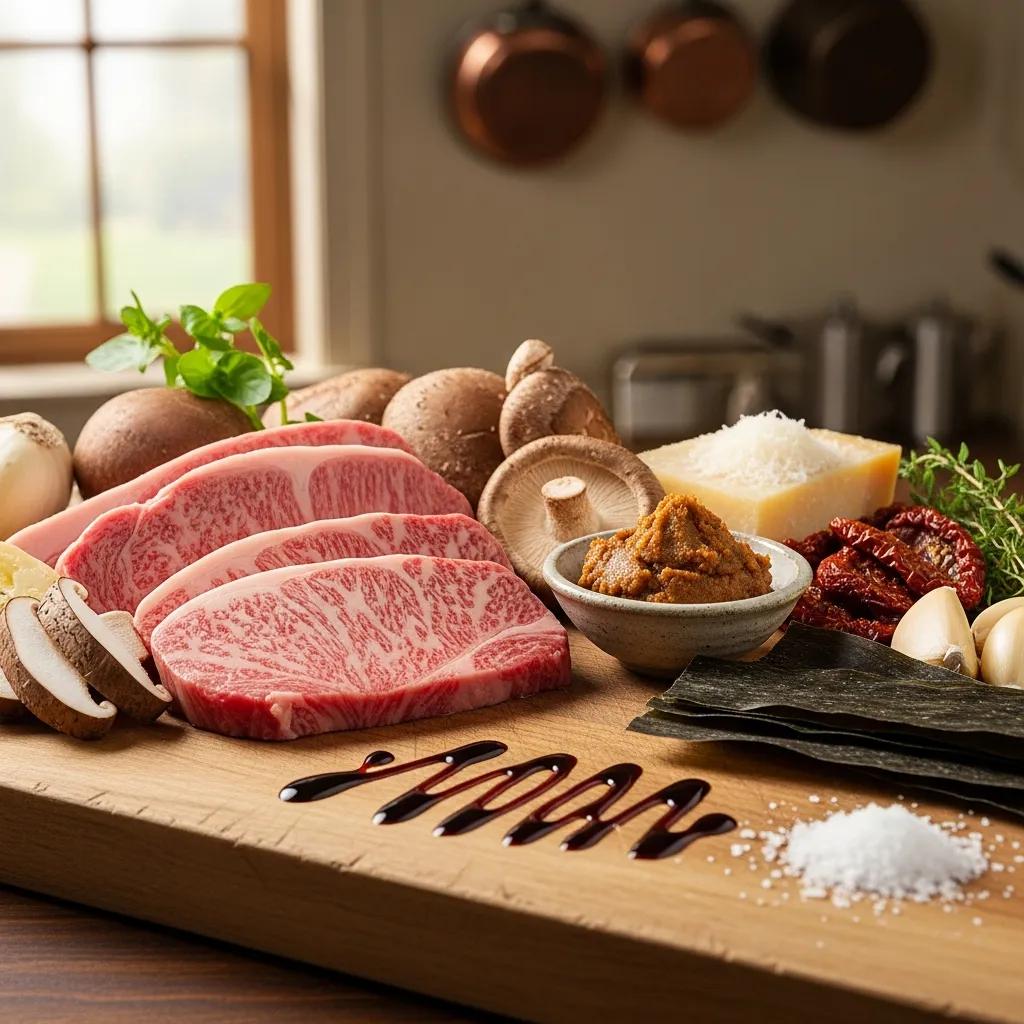
Natural umami sources span sea vegetables to aged proteins, and each ingredient brings a distinct glutamate profile, texture and culinary purpose that chefs layer for savoriness. Comparing these ingredients by glutamate content, textural role and typical use clarifies why certain combinations are foundational to umami-forward cooking. The table below compares five key umami ingredients and how each supports savory flavor design.
This EAV-style comparison shows how chefs pick ingredients that supply molecular umami alongside complementary texture, letting them build layered savory profiles that feel balanced and complete. Knowing these roles helps both cooks and diners recognize the deliberate choices behind umami-forward dishes.
Exploring Natural Umami Sources: A5 Wagyu and Caviar
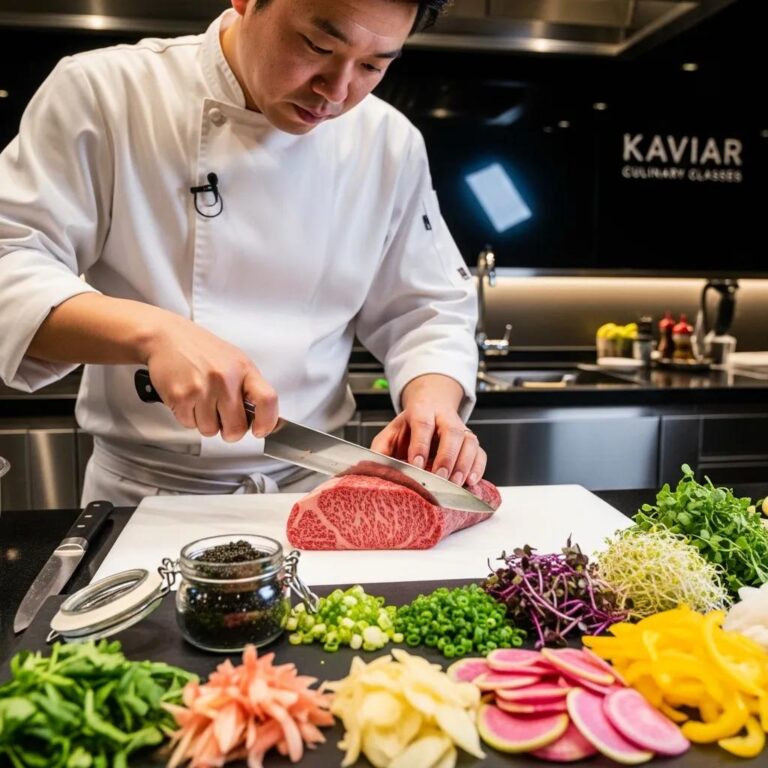
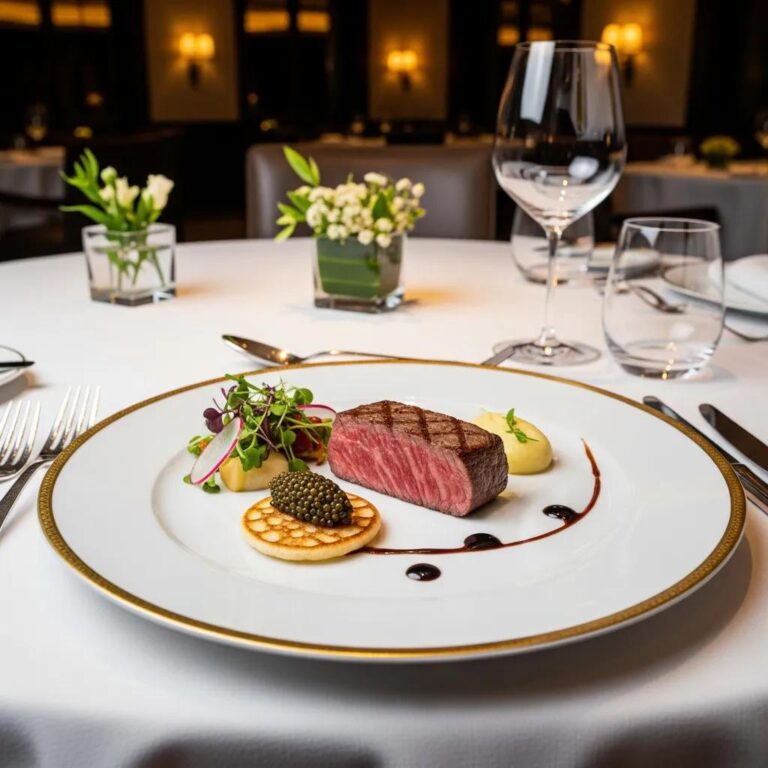
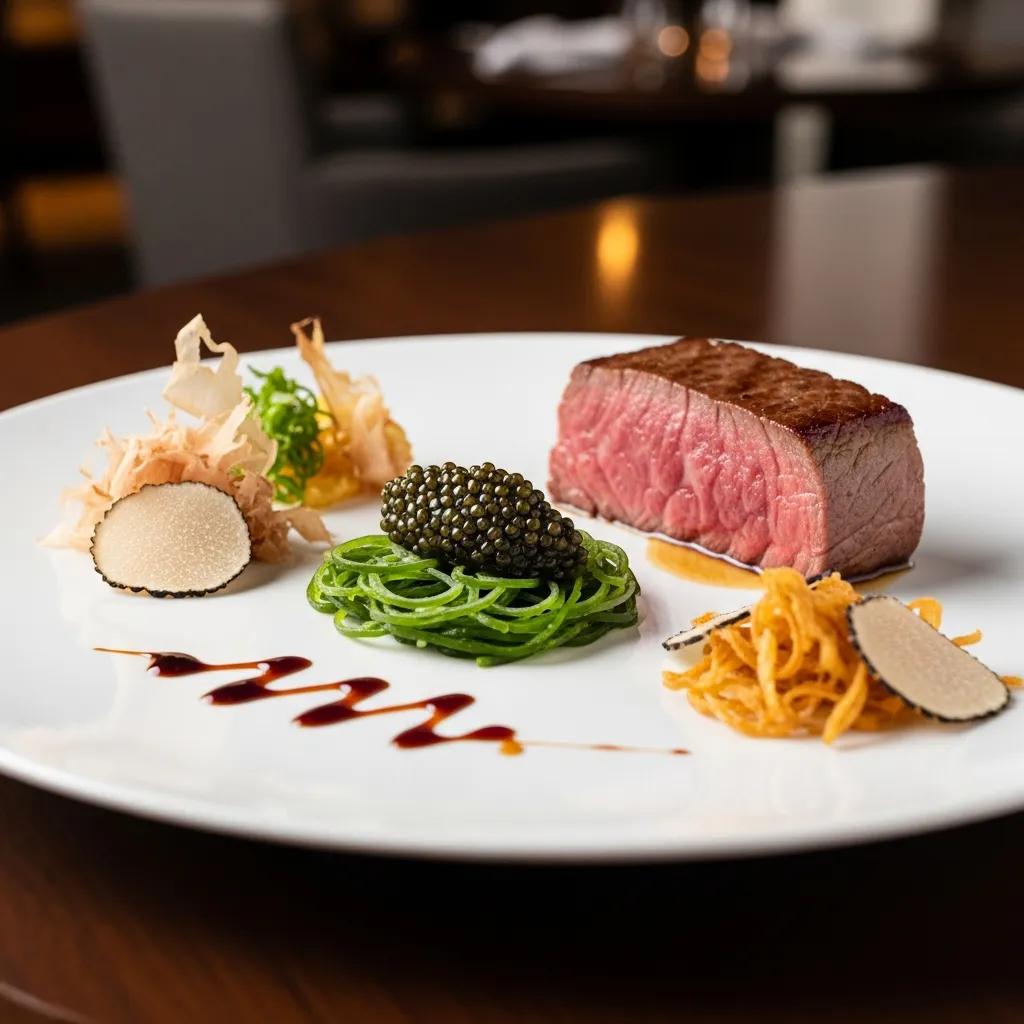
A5 Wagyu concentrates umami through deep marbling: intramuscular fat carries flavor compounds and releases amino acids during gentle cooking, producing a silky mouthfeel and sustained savory resonance. Practically, minimal seasoning and exacting temperature control let the beef’s glutamate profile and rendered fat speak. Caviar, by contrast, delivers umami through briny roe: free amino acids interacting with salt create a bright, incisive savoriness that lifts rich or creamy elements. In fine dining, small portions of caviar paired with neutral carriers—blinis or chilled bites—elevate perceived umami without overpowering subtler flavors.
These premium items demonstrate two umami strategies—fat-driven richness and saline amino‑acid clarity—that chefs can alternate or combine to build contrast and progression on a tasting menu.
Glutamate in Food: Key Compounds That Boost Umami
Glutamate appears in foods as free glutamate and in bound forms released by cooking or fermentation, while nucleotides like IMP and GMP act as enhancers that multiply umami perception when paired with glutamate. Common high‑glutamate ingredients include kombu, dried shiitake, aged cheeses, cured meats and fermented soy products—each contributing different textures and aromatic components. In the kitchen, slow simmering, drying, fermentation and controlled aging free up glutamate and unlock deeper savoriness. Understanding which methods liberate these compounds lets chefs intensify umami deliberately and pair ingredients for maximal synergy.
This compound-focused perspective informs both ingredient selection and technique, giving cooks the tools to design savory profiles predictably and creatively.
How Is Umami Used in Japanese Cuisine and Fine Dining?
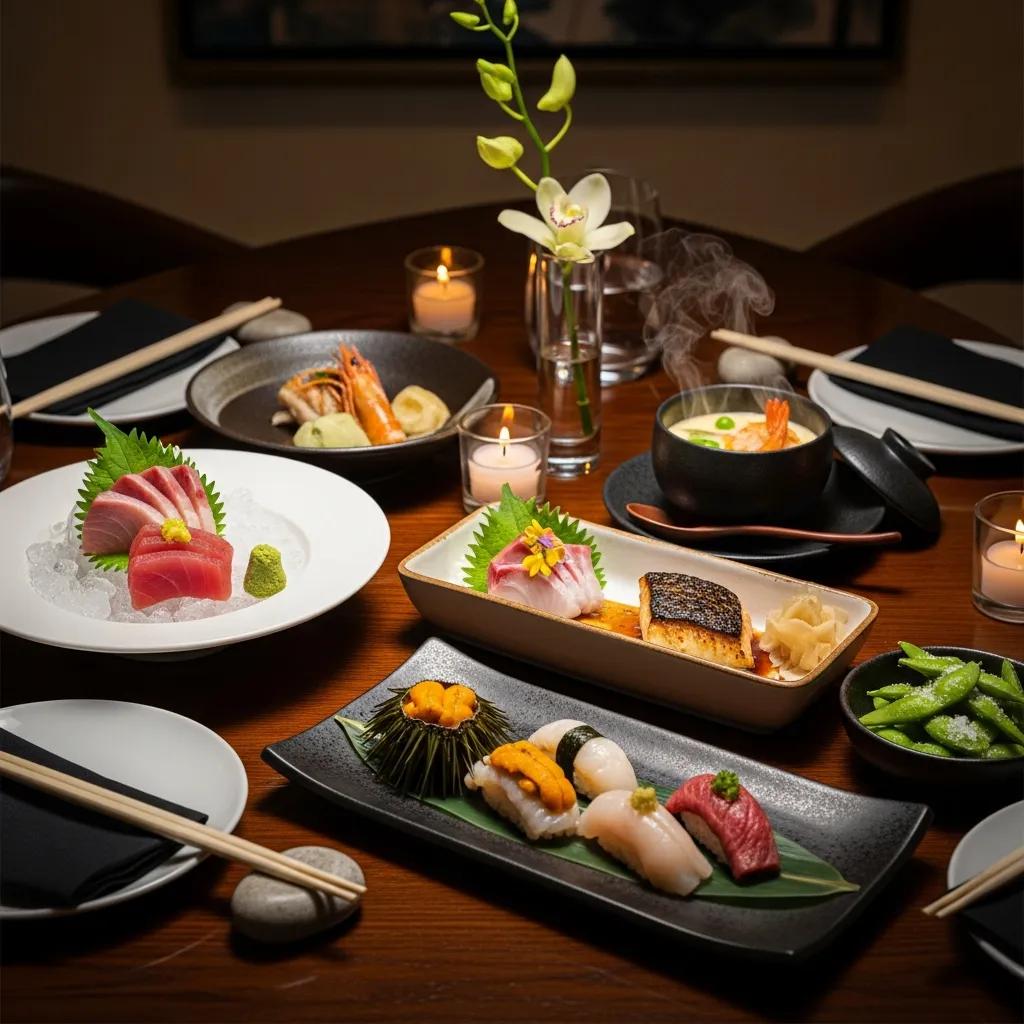
In Japanese cuisine, umami is treated as a structural element—dashi, fermentation and gentle extraction create a savory foundation that supports delicate flavors and seasonal ingredients. In fine dining, chefs build on that tradition by layering umami across courses and applying modern methods—sous‑vide concentration, careful caramelization and targeted reductions—to deepen flavor without masking nuance. The result is a progression where each course builds on the last, increasing complexity and mouthfeel while preserving balance. This technique-driven approach shows why understanding receptors and ingredient chemistry matters when designing a menu.
When chefs sequence umami in omakase, they typically start with lighter, cleaner sources and move toward richer, fattier offerings so the palate adapts and appreciates greater intensity. Below are common approaches used to layer and concentrate umami across a tasting progression.
- Open with a clear, aromatic dashi to provide an umami backbone without weight.
- Introduce fermented or cured elements mid‑sequence to add complexity and depth.
- Conclude with fat‑rich or aged items—marbled beef, for example—to leave a lasting savory impression.
Kaviar’s omakase approach illustrates these principles: we layer umami through careful course sequencing and premium ingredients, reserving signature elements like A5 Wagyu and caviar for climactic moments rather than using them as one-off novelties.
Traditional techniques remain foundational, but contemporary fine dining also relies on concentration methods—reducing dashi to a glaze, aging proteins to increase free glutamate—to expand the chef’s toolkit. These methods demand precise control of temperature, time and seasoning to concentrate umami while maintaining texture and visual refinement.
Traditional Umami Applications in Japanese Omakase Menus
Omakase sequencing commonly uses dashi, kombu, bonito and fermented components to form a coherent umami arc that supports seasonal produce and seafood. Dashi functions as an umami backbone—used as broth or a finishing splash—while cured or pickled items provide contrast and reset the palate between heavier courses. Chefs pace progression carefully so early dishes don’t dominate, allowing later courses—marbled beef or sauce-finished fish—to make maximum impact. This deliberate pacing shows that umami is less a single flavor and more a structural force that shapes the dining story.
Understanding sequencing explains why certain small plates or palate cleansers appear where they do: they modulate umami intensity and prepare guests for the next layer of savoriness.
Elevating Fine Dining Experiences with Umami-Rich Dishes
Contemporary fine dining concentrates umami through thermal methods, enzymatic aging and fermentation to transform ingredients into more expressive savory elements. Examples include reducing bone broth to a lacquered glaze, applying controlled Maillard reactions to develop savory aromatics, and using micro‑fermentations to produce potent umami condiments. These approaches raise free glutamate and nucleotide levels while creating textures and aromas that heighten the whole sensory experience. Balance is essential: acidity, a touch of bitterness and textural contrast keep umami from becoming cloying and preserve clarity in each course.
Chefs who master these concentration techniques can sculpt savory intensity with precision, delivering dishes that are both technically refined and emotionally resonant.
What Are Kaviar Restaurant’s Signature Umami Dishes in Pasadena?
At Kaviar in Pasadena, our signature dishes are designed to highlight umami through premium ingredients, careful sequencing and restrained seasoning that allows savoriness to lead. Our menu focuses on omakase tasting menus, A5 Wagyu and caviar services—each arranged to foreground the fifth taste through texture, temperature and pairing. The table below links signature dishes to the key umami ingredients and techniques we use to deliver savoriness, so diners know what to expect and why these plates feel particularly satisfying.
Omakase Tasting Menus Featuring A5 Wagyu and Caviar
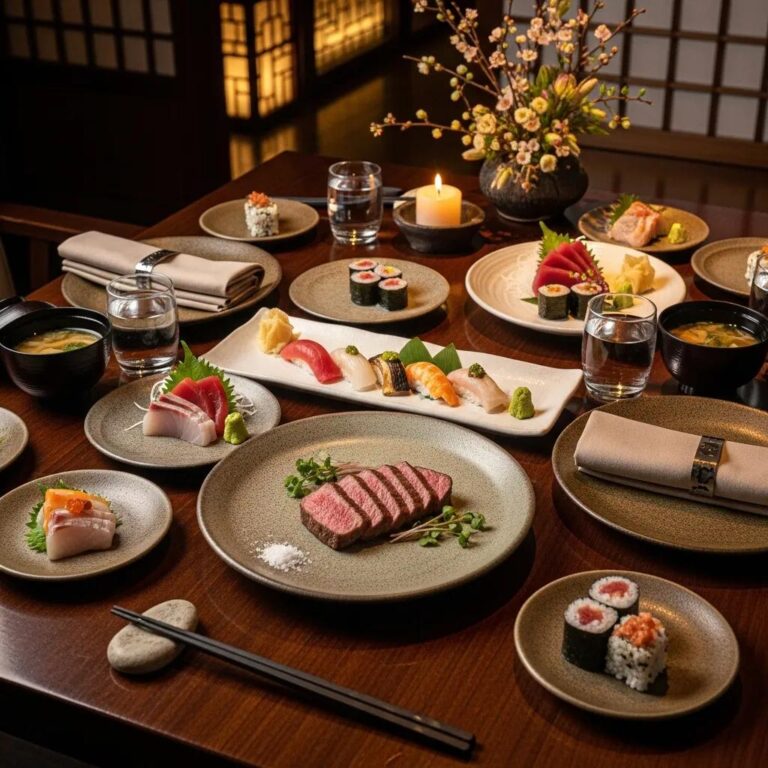
Our omakase tasting menus are arranged so premium elements—A5 Wagyu and caviar—become focal points within a broader umami arc. Early courses use clear dashi and light seafood to establish a savory foundation; middle courses add texture and fermentation to deepen complexity; the sequence culminates in a Wagyu service where rendered fat and amino‑acid release create a luxurious finish. Pairings typically lean neutral or slightly acidic to lift fat and accentuate each course’s umami. Portions are tasting-sized and timing is calibrated to preserve temperature and texture, maximizing savory perception.
This omakase structure shows how ingredient quality, sequencing and subtle finishing combine to create an integrated umami experience that resonates with discerning guests.
How Kaviar Highlights Umami to Create Exclusive Dining
We prioritize sourcing and light-handed technique to preserve and amplify natural umami—choosing components with strong glutamate or nucleotide profiles and applying methods that concentrate rather than cover those qualities. Our chefs use low‑temperature finishing for Wagyu, curate caviar as a contrast element, and execute precise dashi extraction so the meal’s savoriness is unmistakable without over‑seasoning. Service choices—course pacing and portion size—are tuned to sustain interest and prevent palate fatigue, which enhances the perception of umami across the tasting progression.
These culinary and operational decisions reflect a philosophy that values flavor transparency and a practical understanding of taste science, allowing guests to experience umami as a defining feature of the meal.
How Can Diners Experience and Reserve an Umami Dining Experience at Kaviar?
Guests seeking an umami-focused tasting at Kaviar should expect a carefully curated omakase where course sequencing, premium ingredients and restrained seasoning highlight savoriness while keeping balance and elegance. The practical steps below help motivated diners secure the experience and arrive prepared for the tasting environment.
Steps to Reserve Your Umami Culinary Journey in Pasadena
Follow these concise steps to book an omakase that emphasizes A5 Wagyu and caviar, and be clear about preferences and timing when you reserve.
- Review the tasting format and menu overview, then pick a date that accommodates multi-course pacing and possible exclusivity.
- Choose seating and note any special requests—dietary restrictions or celebratory details—when booking so the kitchen can prepare.
- Confirm your reservation and ask about recommended lead time for omakase seating to secure limited premium elements.
These preparations help the kitchen sequence and source ingredients properly, preserving the integrity of the savory progression.
What to Expect When Tasting Umami at Kaviar Restaurant
At an umami-centered omakase, expect a multi-course progression that opens with lighter, cleaner flavors and builds toward richer, fattier presentations so your palate can adapt and appreciate increasing savory complexity. Portions are tasting-sized and paced to avoid sensory overload; palate cleansers or acidic touches appear sparingly to reset between courses. Service etiquette emphasizes timing—take small bites, pause briefly between courses and try suggested pairings to unlock aroma and elevate umami perception. Guests who pace themselves and follow pairing notes will experience a fuller sense of savoriness and a cohesive tasting narrative.
- Plan ahead: Reserve with enough lead time for omakase availability.
- Communicate dietary needs: Share restrictions so we can offer substitutions when possible.
- Mind the pacing: Eat deliberately and allow short rests to maximize savoriness.
This menu-level table summarizes how specific dishes and techniques at an umami-focused tasting deliver savoriness, helping diners understand the culinary intent behind each course.
In this article we’ve outlined the biochemical basis of umami, compared high-impact ingredients, shown how Japanese and fine-dining chefs apply umami techniques, and explained how to reserve and experience an omakase that emphasizes savoriness—using Kaviar Restaurant in Pasadena as a contemporary example of these principles in practice.
Frequently Asked Questions
What are some common misconceptions about umami?
A common misconception is that umami is just another word for saltiness or that it only appears in soy sauce or tomatoes. Umami is its own taste, defined by free glutamate and certain nucleotides. It appears in many foods—meats, cheeses, mushrooms and fermented products among them. Seeing umami as a distinct profile helps cooks enhance dishes without leaning only on salt or fat.
How can I incorporate umami into my home cooking?
Bring umami into your kitchen by using ingredients rich in glutamate and nucleotides—aged cheeses, mushrooms, miso and fermented sauces are easy options. Techniques like slow cooking, roasting and fermenting also deepen umami. For example, a stock made with kombu and dried shiitake makes a savory base for soups and sauces. Try small experiments—swap in one umami element at a time to learn its effect.
Are there health benefits associated with umami-rich foods?
Many umami-rich foods offer nutrients that support a balanced diet: mushrooms and fermented products can provide vitamins, minerals and, in some cases, probiotics that benefit gut health. Umami can also enhance perceived flavor, allowing you to reduce sodium without losing satisfaction—useful for those managing salt intake.
How does umami influence food pairings and menu design?
Umami is a powerful tool for pairing and menu architecture: it creates balance and amplifies other flavors. Chefs pair umami-rich dishes with bright, acidic components to lift and contrast richness. In tasting menus, umami is layered to build complexity and sustain interest, ensuring each course contributes to a cohesive progression.
Can umami be experienced in vegetarian or vegan dishes?
Absolutely. Umami isn’t limited to animal products—many plant-based ingredients are rich in glutamate and nucleotides. Tomatoes, mushrooms, seaweed and fermented items like miso and soy sauce are excellent sources. With roasting, fermenting or concentrating techniques, chefs can create deeply satisfying vegetarian and vegan dishes that deliver true umami depth.
What are some examples of umami-rich dishes from different cuisines?
Umami appears across cuisines: Japanese ramen often relies on dashi-rich broth; Italian pasta uses aged cheeses like Parmigiano-Reggiano; French cuisine builds on concentrated stocks and sauces; Korean kimchi and Thai curries show umami through fermentation and complex layering. Sampling across traditions reveals umami’s versatility and broad culinary applications.
Conclusion
Understanding umami deepens how we cook and how we appreciate food. By learning the science behind the fifth taste and seeing how it’s applied in fine dining, diners and cooks alike can recognize the craft behind memorable meals. To experience umami firsthand, consider reserving a tasting at Kaviar Restaurant—where premium ingredients and exacting technique come together. Taste the difference savoriness can make and elevate your next dining adventure.