



Kaviar’s Chef’s Table: An Intimate Omakase Journey — A5 Wagyu, Caviar, and Seasonal Tasting Menus in Pasadena
At its core, the chef’s table places guests at the kitchen counter for a curated omakase tasting — a paced sequence of small courses, direct chef interaction, and rare ingredients that together create a personal culinary story. This guide explains how the chef’s table works, why it heightens the senses, and how seasonality, technique, and thoughtful pairings — especially A5 Wagyu and caviar — shape a luxury tasting. You’ll find what to expect from course progression, which signature preparations spotlight premium ingredients, how reservations for exclusive seats are handled, who shapes the kitchen’s philosophy, and how sourcing and sustainability inform each tasting. By walking through the guest experience from booking to the final course and unpacking the logic behind pairings and plating, this piece helps motivated diners choose and fully appreciate a private chef tasting. Along the way we reference Kaviar in Pasadena as an example of a reservation-driven, ingredient-forward restaurant delivering this format.
What Makes Kaviar’s Chef’s Table Distinctive?
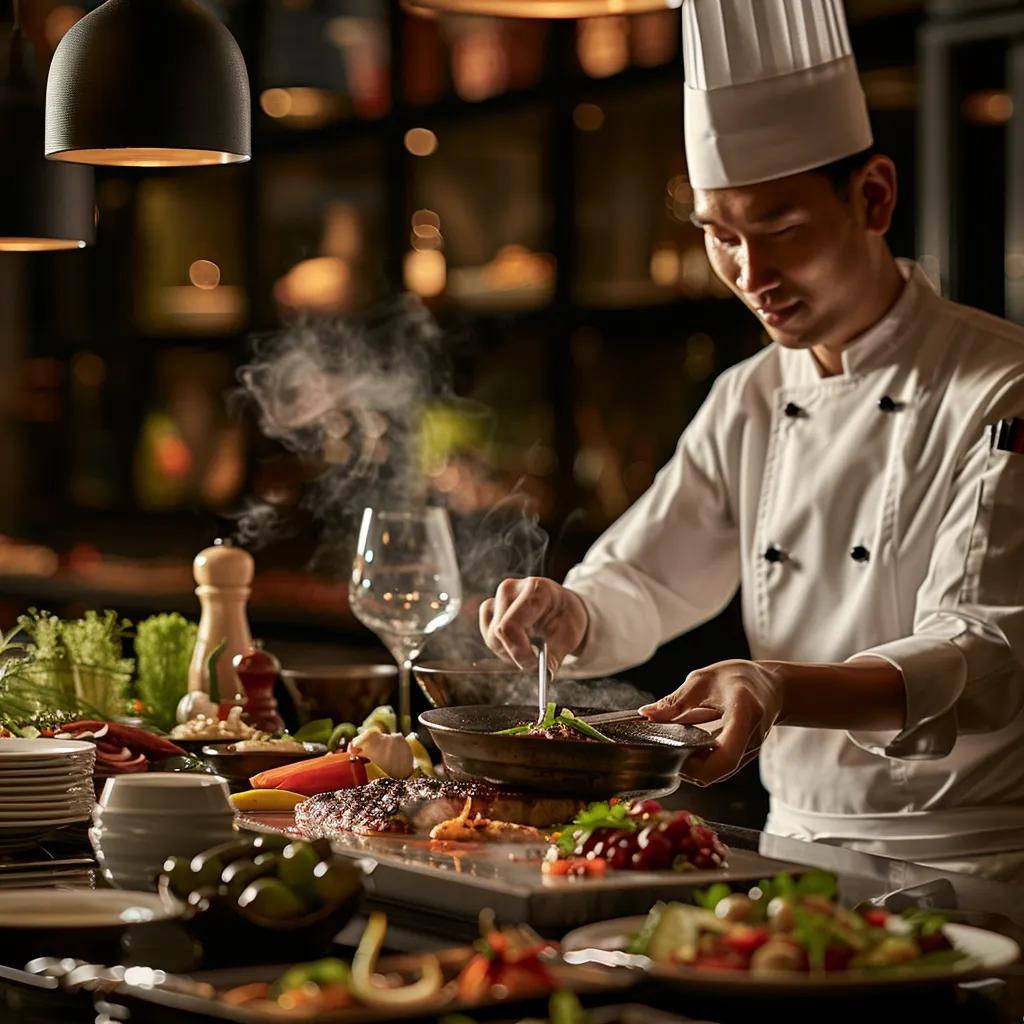
Kaviar’s chef’s table is built around guided omakase sequencing, close kitchen conversation, and a focus on rarity and seasonality that together create a deliberately paced sensory narrative. Practically, guests sit at counter service while the chef times each course, shares provenance, and fine-tunes seasoning and portions in real time — producing a highly personalized, theatrical meal. The result is an immersive multi-sensory dinner in which each plate builds on the last, revealing texture contrasts, temperature shifts, and evolving flavor arcs. Below we outline the central features that define an exclusive chef’s table and why they matter to discerning diners.
The chef’s table sits where tasting-menu discipline meets live culinary craft, which leads into how our omakase flow shapes pacing, course progression, and guest–chef exchange.
At Kaviar in Pasadena, this luxury format emphasizes seasonal, best-in-class ingredients and intentional kitchen interaction to deliver a reservation-first omakase experience aimed at guests who seek exclusivity and a refined tasting journey. Kaviar shows how a local fine-dining kitchen can use counter seating, elements like A5 Wagyu and caviar, and careful sequencing to elevate the evening without losing the educational, sensory heart of omakase.
That description points to a closer look at the omakase progression and the premium ingredients that anchor the menu.
How Kaviar’s Omakase Crafts an Intimate Culinary Journey
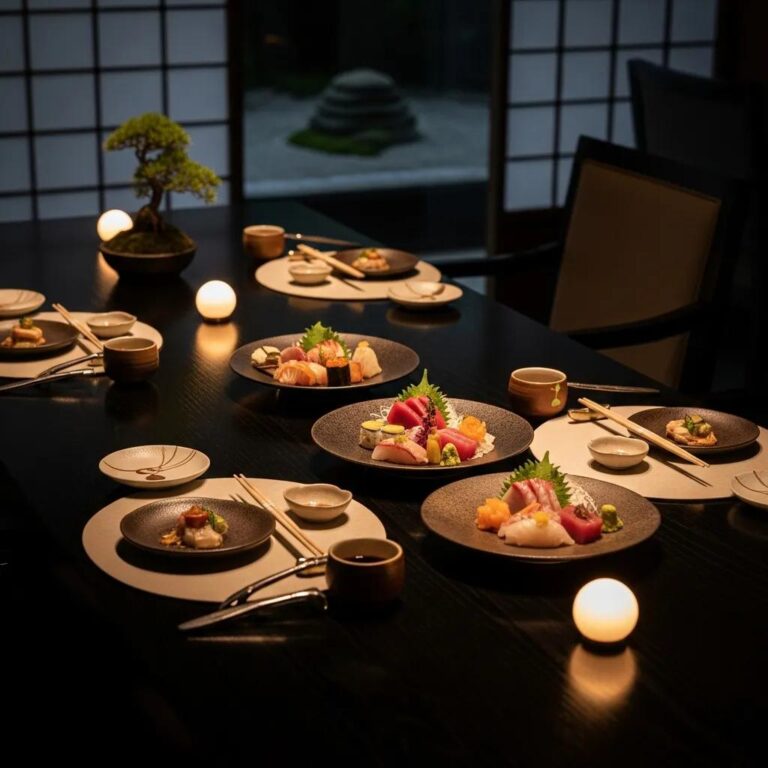
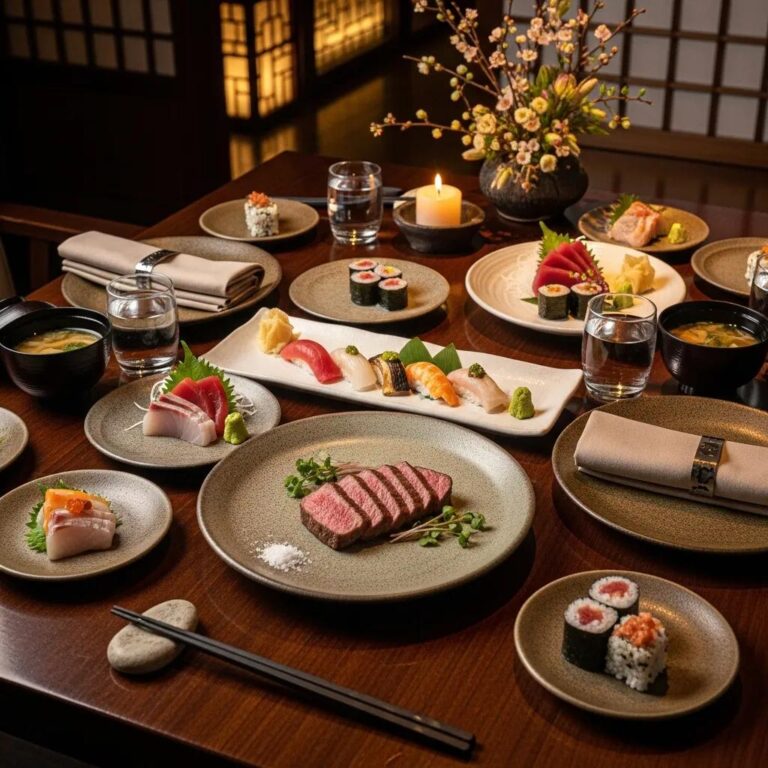
Omakase at the chef’s table builds intimacy by sequencing focused, small courses that reveal both contrast and continuity in flavor, texture, and temperature. The chef chooses each tasting course — often opening with a light amuse-bouche and moving through sashimi, a richer cooked protein, and a restrained dessert — adjusting pace and portioning to the table’s rhythm. That contrast — for example, delicate raw fish followed by warm, fatty A5 Wagyu — accentuates textural and umami shifts that keep the palate engaged. For guests, the experience becomes a narrative arc in which each course reframes the last, and chef commentary turns the meal into both performance and private lesson.
That progression primes diners for signature components like A5 Wagyu and caviar, which we introduce at moments where fat, salt, and acid achieve ideal balance.
Which Premium Ingredients Anchor the Chef’s Table Menu?
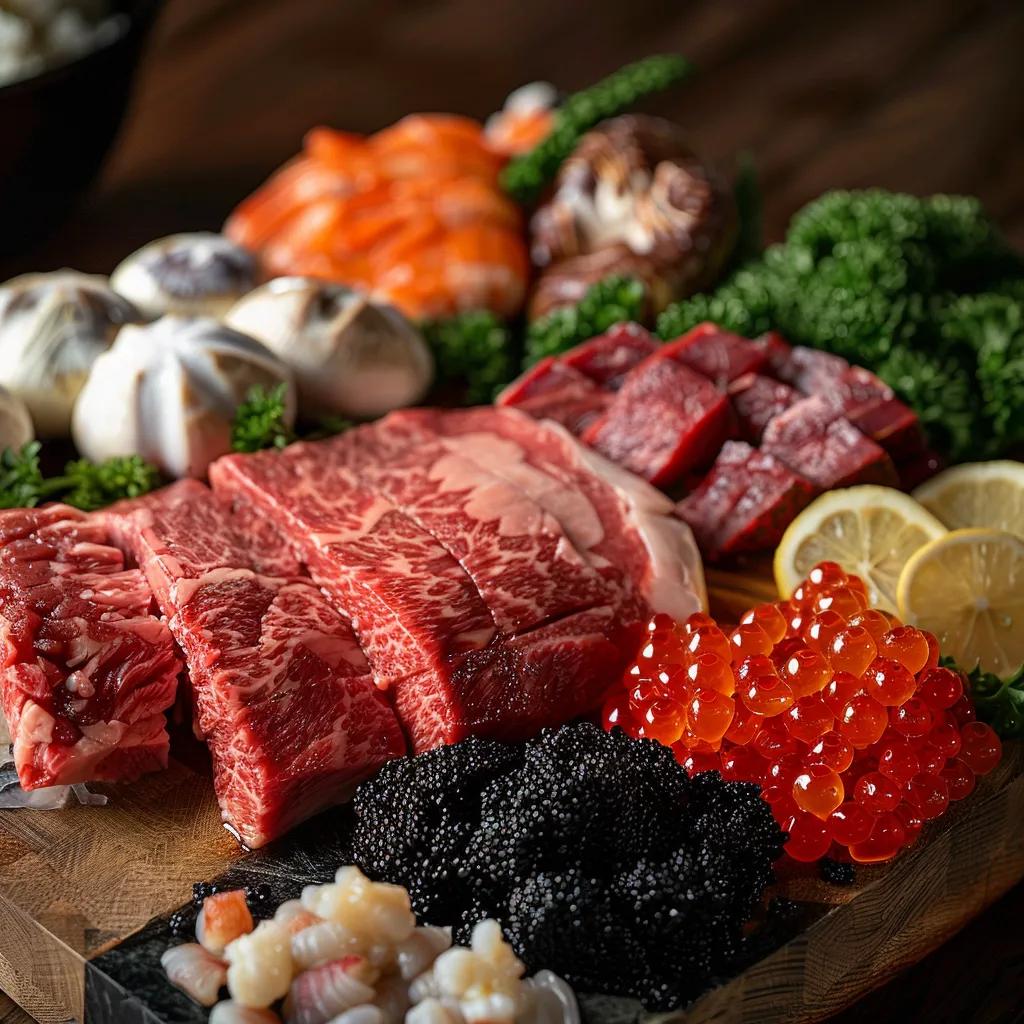
Premium ingredients act as concentrated flavor moments and provenance touchpoints that deepen the omakase story. A5 Wagyu brings pronounced marbling and a silky mouthfeel best shown in small, precisely cooked portions; caviar delivers saline, briny pops that amplify umami when paired with restrained accompaniments; seasonal fish and heirloom vegetables add freshness and textural contrast to offset richer courses. Each element is chosen for how it shifts the meal’s momentum — Wagyu typically appears late for a climactic richness, while caviar might surface early or on a chilled course to refresh the palate.
Below are the primary premium ingredients you’ll commonly find emphasized at a chef’s table omakase:
- A5 Wagyu: Deep marbling and a buttery texture, served in small portions to highlight mouthfeel.
- Caviar: Saline pearls used sparingly as garnish or focal accents to lift savory flavors.
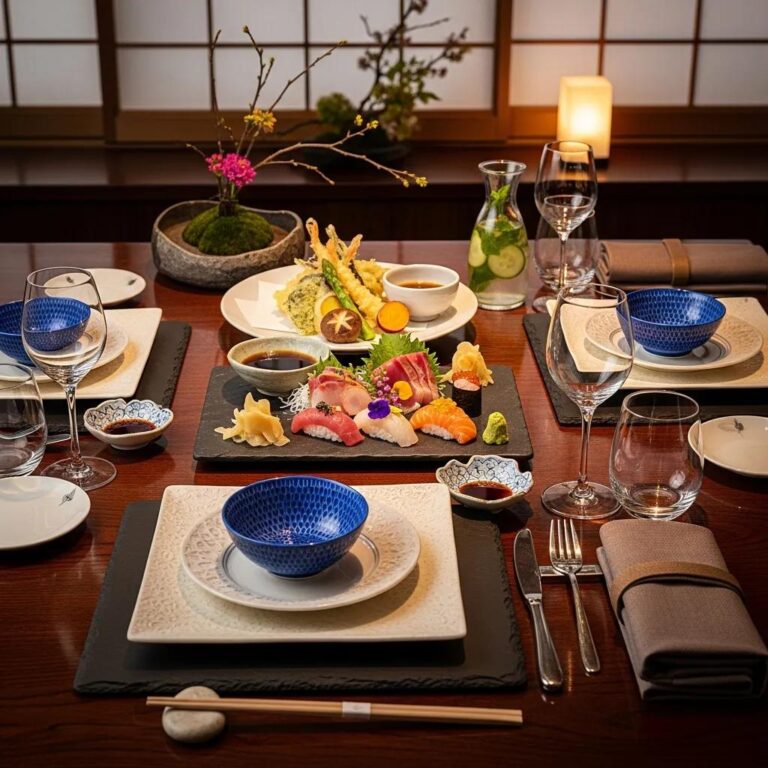
- Seasonal seafood: Sashimi‑grade fish for clean, mineral-driven courses that balance richer elements.
These items act as narrative anchors throughout the omakase, guiding pacing and pairing choices as the meal unfolds.
Which Signature Dishes Showcase A5 Wagyu and Caviar at Kaviar?
Signature dishes at the chef’s table put premium ingredients center stage through refined technique and complementary pairings, using portion and presentation to honor natural qualities. At Kaviar in Pasadena, A5 Wagyu and caviar appear both as focal courses and subtle accents, each positioned to shape the emotional peak of the tasting. The table below outlines representative preparations, their technique or presentation, and suggested beverage matches to help diners understand how each element contributes to the overall narrative.
- Wagyu highlights are prepared to emphasize marbling and mouthfeel through minimal seasoning and precise technique.
- Caviar is used judiciously to lift richer bites or add briny contrast to chilled courses.
- Beverage pairings are chosen either to cut through fat or to echo savory umami depending on the plate.
These signature preparations are often the memorable peaks of the omakase and shape how guests recall the evening.
Highlights of the A5 Wagyu Tasting Menu
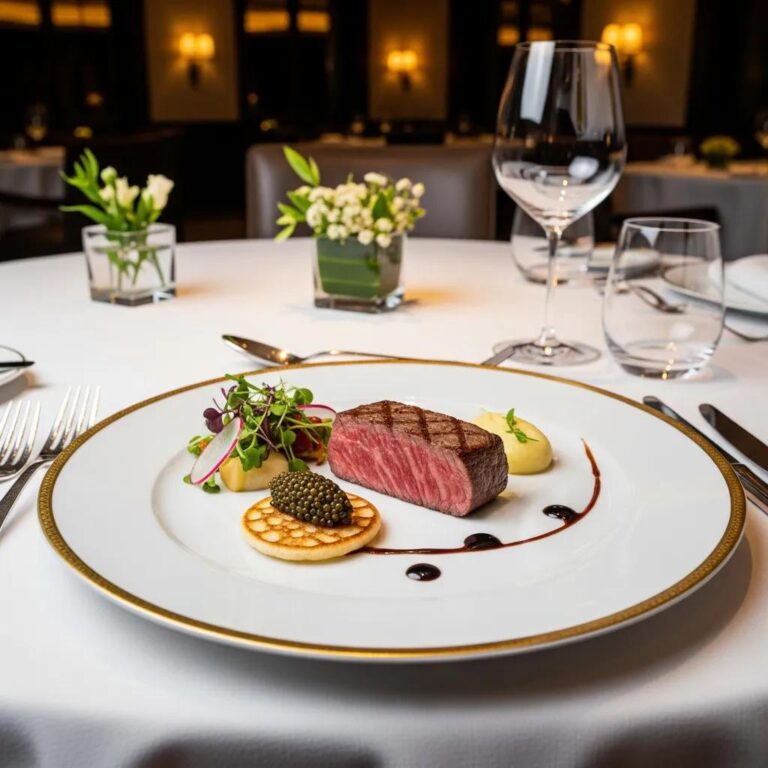
In a tasting, A5 Wagyu is presented as a concentrated study in fat, texture, and meat flavor, with techniques that reveal marbling rather than conceal it. Preparations favor restraint — quick sears that render exterior fat while keeping the interior velvet-soft, or chilled tartare where acid plays against richness. Portions are small by design so the richness can be savored without palate fatigue, and Wagyu usually appears late as a climactic note. Suggested pairings include wines with light tannin or sakes with savory depth that complement fat without overwhelming the beef’s subtleties.
Recognizing these choices explains why Wagyu is reserved for the meal’s peak and how thoughtful pairings ready the palate for dessert.
How Caviar Pairings Are Integrated with Intention
Caviar appears either as a standalone chilled course or as a delicate accent that adds saline complexity and texture. Pairing logic focuses on balancing fat, acid, and salt: caviar atop a chilled oyster, a blini, or a light cream can sharpen surrounding flavors while offering luxurious mouthfeel. The guiding idea is contrast — a few pearls of caviar can brighten a rich bite or deepen a clean, raw course without overpowering it. Beverage choices typically favor crisp acidity or subtle effervescence to lift brine and refresh the palate for what follows.
That restraint shows how a small amount of caviar can reframe both the preceding and next courses through salt and texture.
How to Reserve the Chef’s Table at Kaviar
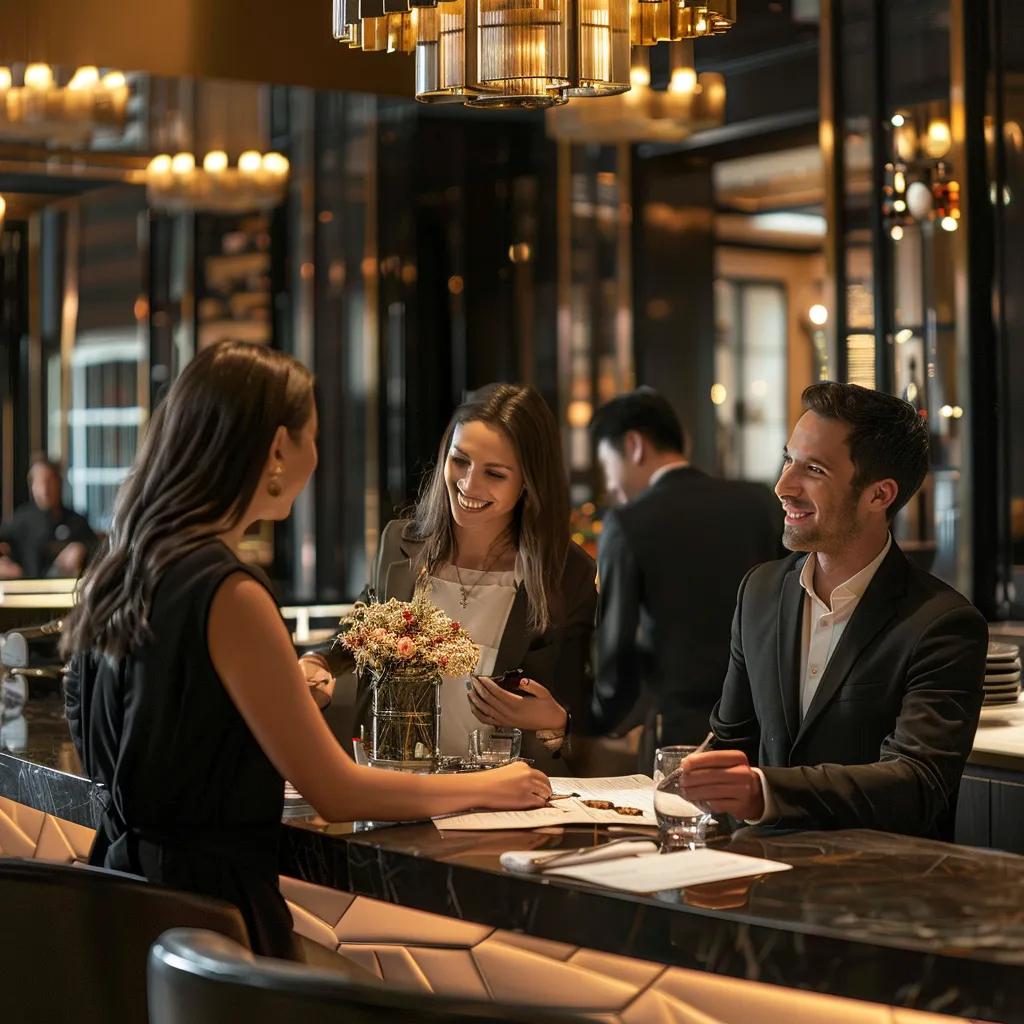
Booking the chef’s table takes planning, clear communication about party size and dietary needs, and often a reservation model that prioritizes intentional diners. The process usually involves checking available seating windows, stating preferences or restrictions, and confirming logistics such as deposits or lead time when required — all so the kitchen can craft a seasonal, personalized tasting. Early communication secures a tailored experience and lets the culinary team arrange rare ingredients or bespoke touches. Below are straightforward steps that outline the typical booking flow for fine-dining chef’s table reservations.
- Choose a target date and party size, aiming for prime evening service to enjoy the full omakase flow.
- Contact the restaurant to request chef’s table seating and share dietary restrictions or special occasions.
- Confirm reservation details and any deposit or lead-time requirements the venue asks for to hold exclusive seating.
- Provide final confirmations within the requested window and note arrival instructions or special requests.
These steps clarify what to expect when reserving a private tasting and help guests secure exclusive seating.
Reservation types at a glance and what each typically requires when booking an exclusive chef’s table.
When you prepare to book, keep these best practices in mind:
- Share dietary restrictions and celebratory notes early so the kitchen can adapt thoughtfully.
- Allow recommended lead time to ensure seasonal ingredients are available.
- Expect confirmation steps that verify guest count and special needs.
Reservation Workflow for Fine Dining in Pasadena
Reserving a chef’s table follows a clear sequence: research, inquiry, confirmation, and pre-arrival coordination — each step allowing the kitchen to design a tailored seasonal menu. Start by researching the restaurant’s reputation, menu cues, and available seating windows to pick suitable dates. Then submit an inquiry specifying party size, dietary needs, and any celebratory details so the team can plan sourcing and sequencing. After initial confirmation, follow any deposit or prepayment steps, and confirm guest names and arrival time within the requested window. Finally, communicate any last-minute changes promptly and arrive on time so the curated pacing remains intact.
This ordered process reduces uncertainty and enables the kitchen to deliver the intended level of personalization for an exclusive dining experience.
What to Expect When Booking a Private Chef Tasting Menu
Expect a multi-hour, deliberately paced experience with close chef interaction and flexibility for dietary accommodations that preserve flavor balance. Typical duration runs two to three hours, depending on course count and pacing, with intermittent chef commentary on provenance, technique, and pairing decisions. Interaction ranges from light conversation to in-depth dialogue about seasoning and preferences — tell us when booking if you want more explanation. Dietary needs are accommodated with advance notice, allowing substitution or re-sequencing without sacrificing the tasting’s overall narrative.
These expectations help guests prepare practically and mentally for a chef-led, immersive meal.
Who Shapes Kaviar’s Culinary Philosophy?
Kaviar’s chef-driven philosophy centers on ingredient integrity, precise technique, and iterative menu development that responds to seasonality and guest feedback. In this model the head chef and culinary team act as curators who source, test, and sequence courses to produce a coherent tasting narrative; their training and influences shape both method and ingredient choice. The payoff is consistency and trust: guests receive a thoughtfully paced progression created by professionals committed to ingredient-first cooking and considered presentation. This sets up a closer look at the chef’s background and how personalization informs menu evolution.
That leadership role explains why the next sections focus on chef training and how menus evolve through sourcing and testing.
What Is the Culinary Background of Kaviar’s Head Chef?
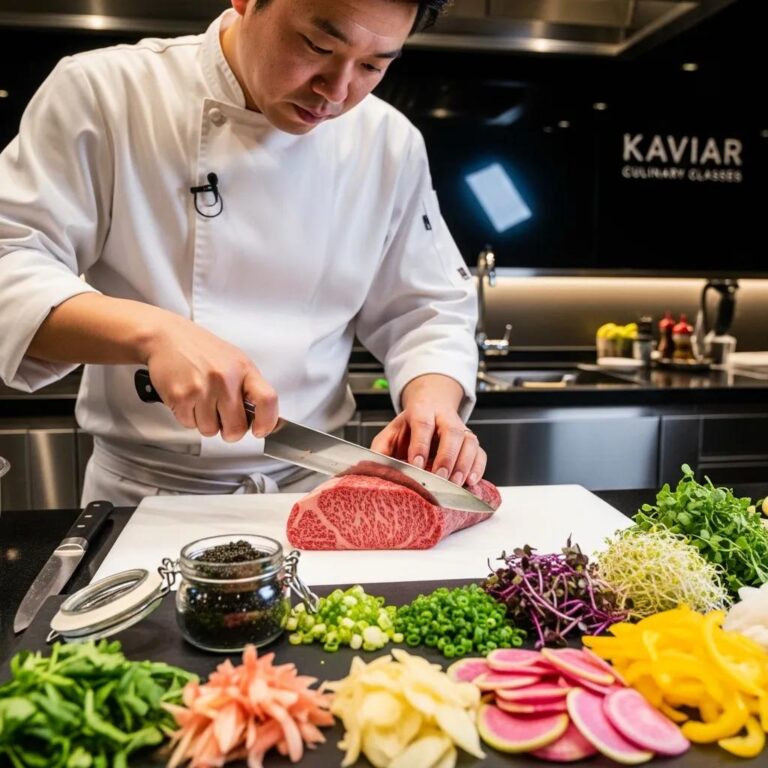
Our head chef combines fine-dining discipline with a deep respect for Japanese omakase technique, blending classical training with an ingredient-led approach. Experience in high-caliber kitchens hones knife skills, precise timing, and seafood handling — all essential to omakase execution. The chef’s signature focus is balance: pairing delicate sashimi with richer, textural elements like A5 Wagyu or caviar to create memorable contrasts. These qualifications and stylistic commitments explain the careful pacing and personalized service guests encounter at the chef’s table.
That background naturally leads into how the chef personalizes seasonal tasting menus through sourcing and feedback.
How the Chef Personalizes Seasonal Tasting Menus
Personalization starts at market sourcing—selecting peak seasonal fish, produce, and specialty proteins—then moves through tasting trials, plating tests, and adjustments driven by guest feedback and dietary notes. The usual sequence is market scouting → test preparations → select sequence → refine pacing, allowing the chef to dial in textures, portions, and pairing elements before service. Notes from reservations or from the table inform final tweaks in seasoning or order, ensuring an individualized experience. The result is a menu that reflects seasonal availability and the chef’s evolving aesthetic, giving each tasting a distinct sense of place and moment.
This personalized cycle ties directly into sourcing practices and sustainability choices covered next.
How Kaviar Sources Seasonal Ingredients for Its Fine Dining Menus
Seasonal sourcing relies on a network of local farms, specialty purveyors, and trusted fish markets, guided by supplier vetting and sustainability principles that protect flavor and provenance. The process selects suppliers able to deliver peak-quality items in season, then designs tasting sequences that showcase those ingredients’ textures and natural flavors. The benefit is fresher, more vibrant courses and the flexibility to rotate dishes with harvests and fish runs — improving both taste and ecological responsibility. The table below summarizes typical supplier types, selection criteria, and the culinary impact on menu crafting.
Sustainable Practices That Guide Ingredient Selection
Our sustainable approach includes vetting suppliers for ethical harvest methods, prioritizing seasonal purchases, and applying kitchen-level waste reduction to preserve ingredient integrity and minimize impact. Supplier checks focus on traceability and responsible seafood practices and fair farming for produce, so provenance is part of the story on the plate. Seasonal buying shortens storage time and protects peak flavor, while root-to-stem use and careful portion planning cut waste and extend ingredient utility across courses. These practices support flavor quality and a menu identity rooted in transparency and environmental responsibility.
Those sustainability commitments shape the local and seasonal ingredients featured in the omakase.
Local and Seasonal Ingredients That Enhance the Omakase
Common local and seasonal elements include market-fresh seafood for sashimi, heirloom vegetables for acidity and crunch, and artisanal condiments — house pickles or fermented elements — that add layered complexity across courses. Seasonal seafood provides clean, mineral-driven flavors ideal for early raw plates, while local produce supplies the acidity or texture that balances richer proteins. Small-batch condiments and preservations add umami continuity between courses, allowing the chef to reference regional terroir throughout the tasting. Together, these components create a menu that feels grounded in place and responsive to the season.
- Market-fresh seafood: For raw and chilled courses that showcase focused, clean flavors.
- Heirloom produce: Provides acidity and textural contrast to balance richer plates.
- Artisanal condiments: Add umami threads and continuity through the tasting sequence.
These ingredient groups demonstrate how seasonality and provenance shape the omakase narrative and linger in guest memory.
- Prepare in advance: Tell us dietary restrictions early so the kitchen can adapt thoughtfully.
- Arrive on time: Omakase pacing depends on synchronized service and guest presence.
- Engage with the chef: Questions deepen the personalized experience.
This guide concludes after the last heading above.
Frequently Asked Questions
When should I reserve the chef’s table at Kaviar?
We recommend booking at least two to four weeks in advance to secure a chef’s table. That lead time helps us source seasonal ingredients and tailor the tasting to your preferences. For busy weekends or special occasions, earlier reservations may be wise.
Is there a dress code at Kaviar?
Kaviar observes smart casual attire to match the restaurant’s refined atmosphere. Elegant, neat clothing is encouraged; formal wear isn’t required but dressing with care enhances the evening’s ambiance.
Can you accommodate dietary restrictions during the omakase?
Yes. Please tell us about allergies, intolerances, or preferences when you book. Advance notice allows the chef to adjust courses and sequencing so each plate remains balanced and flavorful while meeting your needs.
How long does the chef’s table experience usually last?
Expect a two-to-three hour experience, depending on the number of courses and pacing. That timeframe gives you space to savor each dish, enjoy chef commentary, and engage with the culinary team without rush.
Can I host a private event at Kaviar’s chef’s table?
Yes — the chef’s table can be arranged for private events like birthdays, anniversaries, or intimate corporate gatherings. Contact us to discuss party size, menu preferences, and any special requests so we can design a tailored experience.
What beverages pair well with the omakase menu?
Our tastings pair well with a selection of light-bodied wines, dry sakes, and sparkling options chosen to enhance each course. For example, a dry, lightly tannic red complements A5 Wagyu, while a crisp, citrus-forward sparkling sake lifts caviar’s brininess. Pairings are selected to balance richness with refreshing acidity.
Conclusion
Kaviar’s chef’s table is a deliberately paced, ingredient-forward experience that pairs personalized service with premium produce and technical finesse. The omakase format invites curiosity — you’ll taste peak seasonal items, encounter signature moments like A5 Wagyu and caviar, and connect directly with the culinary team. Reserve early to secure an unforgettable evening of thoughtful flavors and close chef interaction. We look forward to welcoming you.