



How to Serve Caviar: Practical Techniques and Pairings for an Elevated Dining Moment
Caviar is a refined ingredient—salt‑cured fish roe whose delicate texture, saline clarity, and concentrated umami reward careful service. Three service priorities preserve that nuance: rigorous temperature control to protect texture, chemically neutral utensils to avoid off‑notes, and thoughtful accompaniments that balance salinity with acidity and creaminess. When those elements come together, caviar stops feeling like a novelty and becomes a memorable highlight within a tasting menu or private course. This guide walks you through practical serving techniques, utensil and plating choices, classic and contemporary pairings, omakase presentation approaches, tasting etiquette, and how to request a caviar‑forward experience at an upscale restaurant. You’ll find concise action steps, side‑by‑side comparisons, and plating ideas aimed at servers, chefs, and discerning hosts who want to present caviar with clarity and finesse.
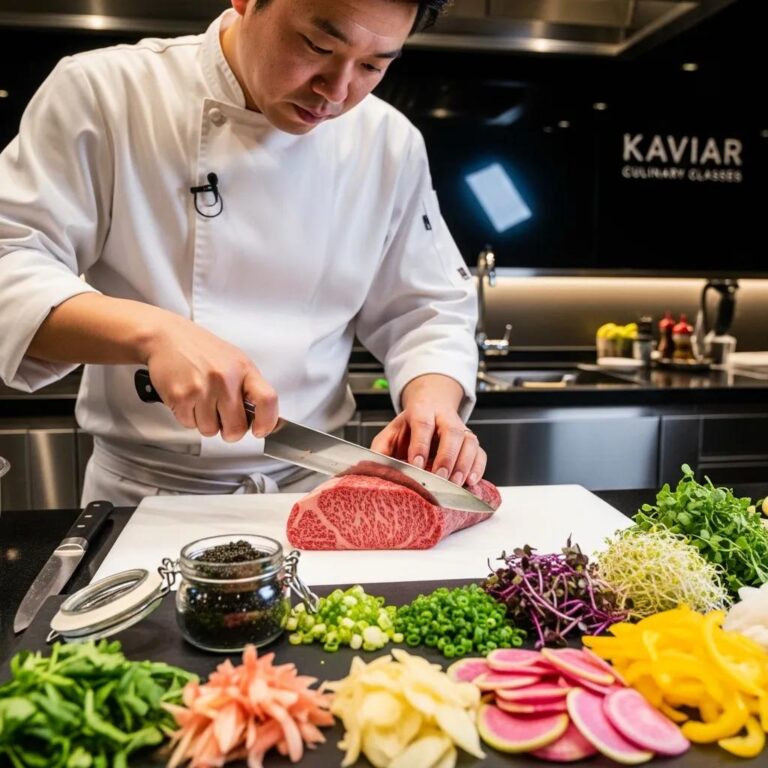
Kaviar Restaurant centers its offering on a focused, upscale Japanese omakase in Pasadena that pairs premium caviar with A5 Wagyu and seasonal, chef‑driven preparations; this context frames our advice and explains why many services are reservation‑led.
What Are the Essential Caviar Serving Techniques?
Serving caviar well begins with three simple priorities: temperature, utensil choice, and portion control. Cold keeps the eggs firm and preserves volatile aromatics; neutral materials prevent metallic or off flavors; and modest portions maintain the sense of rarity and anticipation. Apply these together and guests taste clean brininess, a clear pop, and the intended finish—not muddled metallic notes or warmed fat. Below are practical steps front‑of‑house and hosts can use to bring each tin to the plate at its best.
Use this short checklist to sync kitchen timing with front‑of‑house service:
- Keep unopened tins chilled on ice until the moment of service, and open them at the table immediately before plating.
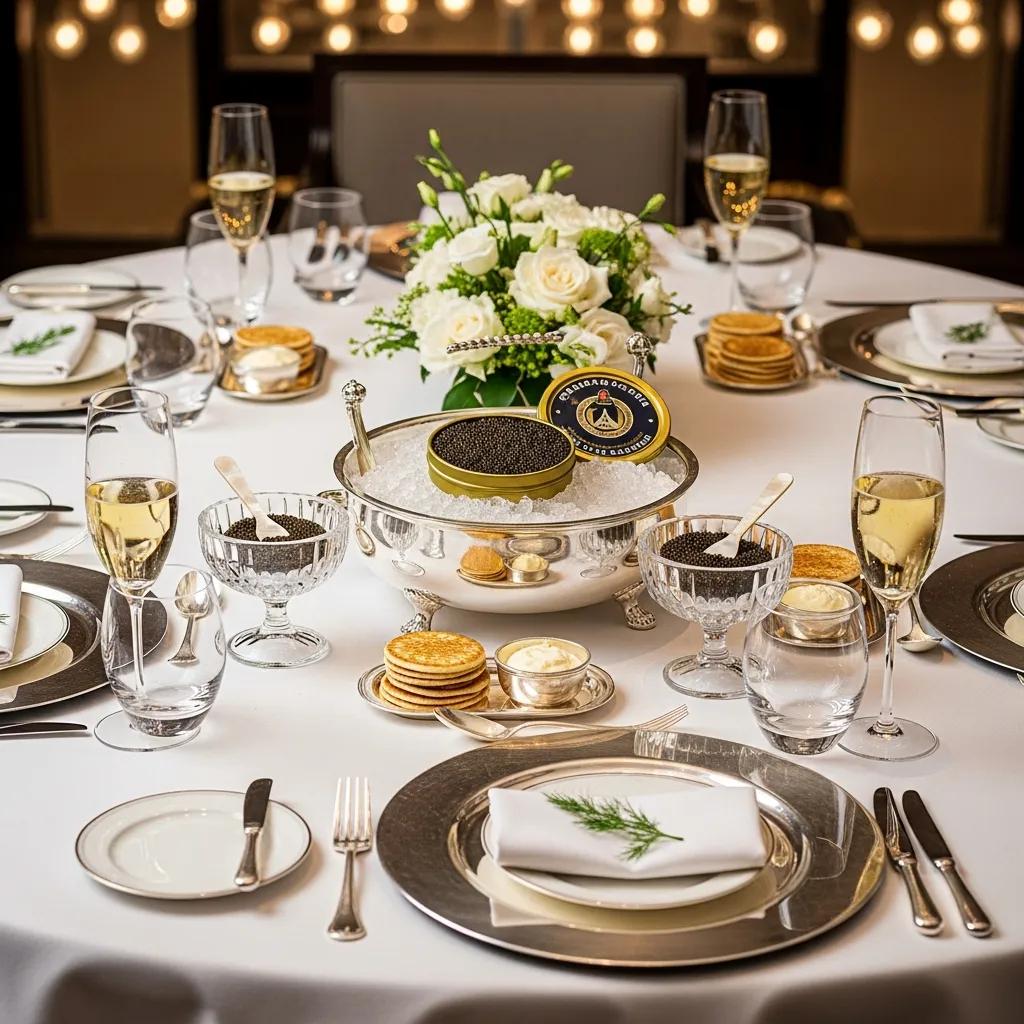
- Serve caviar on a bed of crushed ice or chilled porcelain to keep temperature steady during a single‑course service.
- Transfer caviar with neutral spoons—mother‑of‑pearl, bone, or untreated wood—to avoid metallic notes.
- Portion sparingly (5–15 grams per person for tasting courses) and offer small accompaniments that complement without overpowering.
These steps create consistent guest experiences by combining straightforward preservation with portioning best practices. The next section details the temperature ranges and handling tactics that protect caviar’s texture during service.
How to Maintain the Ideal Serving Temperature for Caviar
Ideally, caviar should be served just above freezing so the eggs stay firm without becoming icy; aim for roughly -2°C to 2°C (28°F to 36°F). Chilling matters because lipid‑rich roe softens and releases stronger aromas as it warms, which can mask subtle varietal differences. Practical tactics: nest the tin in crushed ice inside a shallow bowl, use a chilled underplate, and open the tin only when the guest is ready to taste. Pre‑chill spoons and plates; avoid warm hands, direct heat from lamps, or resting tins on warm surfaces. These handling rules help the eggs retain their signature pop and salt‑bright finish, which in turn makes pairings and small bites more transparent.
With temperature controlled, utensil choice becomes the next essential consideration—materials touch the roe directly and can change how it tastes.
Which Utensils and Plating Methods Enhance Caviar Presentation?
Utensil and plating choices protect flavor and communicate luxury through visual restraint. Neutral materials (mother‑of‑pearl, untreated wood, bone) won’t react with caviar lipids, while presentation bases (crushed ice, chilled porcelain, onyx) preserve temperature and offer tasteful contrast. Use mother‑of‑pearl spoons for direct tasting and provide small chilled dishes or blinis as a secondary transfer base so guests can compose bites without reheating the tin. For plating, favor minimalism—small scoops with a single garnish—so the roe remains the focal point and its briny aroma can be appreciated. Clean presentation elevates perceived value and aligns with fine‑dining clarity.
Quick guide to utensil materials and plating bases:
- Mother‑of‑pearl spoons: Chemically neutral, elegant, ideal for direct service.
- Treated wooden spoons: Neutral with a warmer visual tone—good for rustic‑luxe presentations.
- Chilled porcelain or onyx: High thermal mass for plating and a minimalist backdrop.
- Gold‑plated utensils: Decorative; avoid direct contact—use them as presentation props.
Choosing utensils and plating that protect flavor and read as refined complements the temperature techniques above and leads into pairing choices that harmonize with caviar’s saline profile.
This comparison shows how subtle temperature adjustments and utensil selection optimize texture and nuance across caviar varieties. The practical rule: match cooling strategy and transfer material to the roe’s richness so guests taste the intended profile.
What Are the Best Accompaniments and Pairings for Caviar?
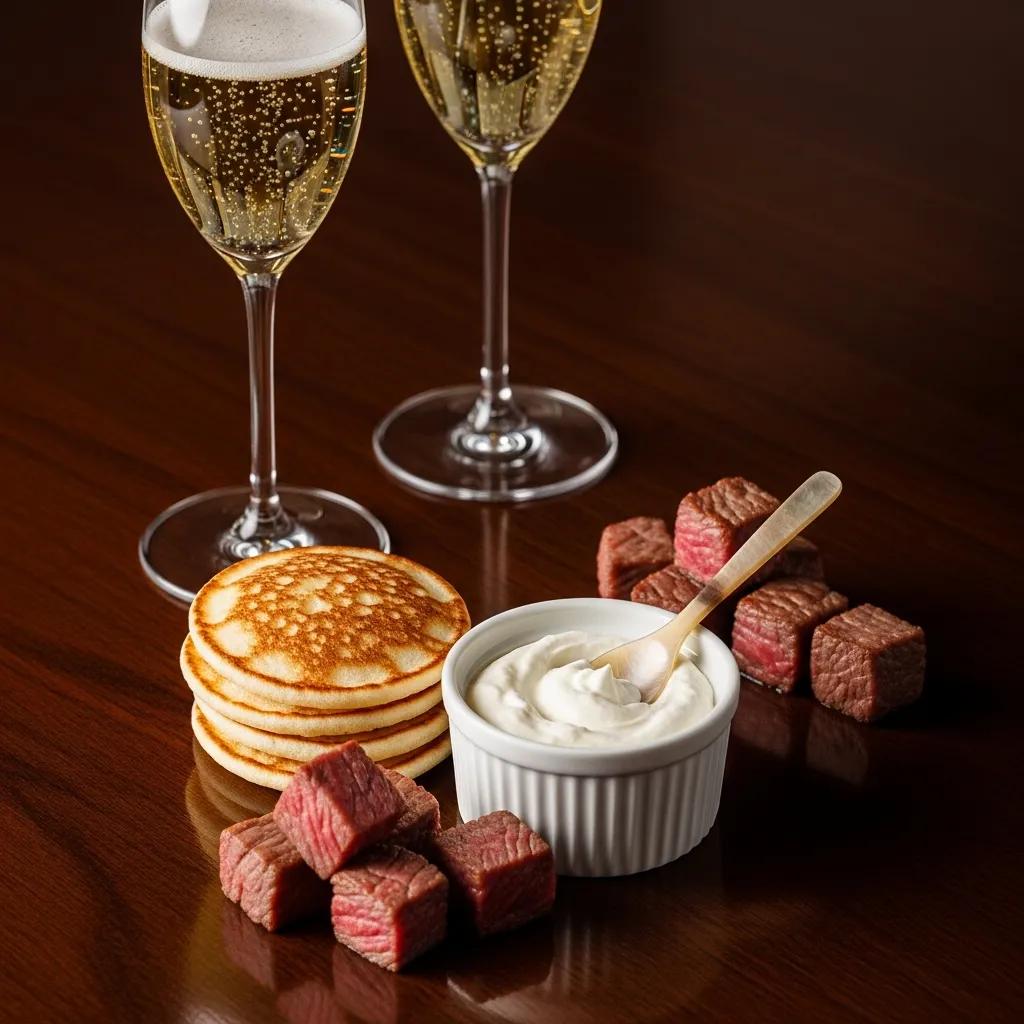
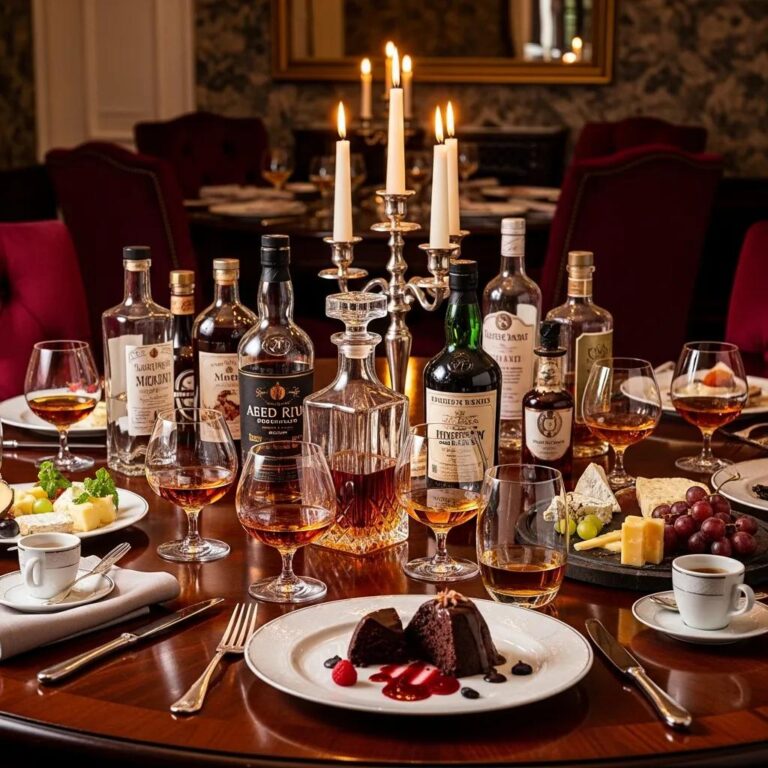
Good pairings balance salinity with acidity, fat, and a neutral starch. Classic choices—champagne for acidity and effervescence, blinis or lightly toasted brioche for a neutral base, and crème fraîche for creamy counterpoint—work because they create sensory contrast: bubbles cut richness, starch provides texture, and dairy softens salt. Luxuries such as A5 Wagyu or delicate herb garnishes can add umami or aromatic lift when used sparingly. Below are ranked pairing recommendations that prioritize harmony and guest experience for tasting flights or standalone service.
Top accompaniments and why they work:
- Champagne (brut or extra brut): Effervescence and acidity cleanse the palate between bites, enhancing freshness.
- Blinis or lightly toasted bread: A neutral vehicle that supports texture without competing on flavor.
- Crème fraîche: Smooths salinity and adds a subtle tang that deepens mouthfeel.
- A5 Wagyu accents: Tiny, seared morsels add luxurious umami—use sparingly to avoid overpowering the roe.
These pairings form the backbone of traditional and contemporary caviar courses. The table below maps caviar flavor weight to beverage and accompaniment suggestions for sample tastings.
Use the table to match caviar weight with champagne style and a suitable blini or bread base.
This mapping helps chefs and hosts build pairing flights that respect caviar’s range from delicate to intense. Beyond the classics, thoughtful luxury ingredients can add dimension without masking the roe.
Which Luxury Ingredients Complement Caviar Flavors?
Luxury ingredients work when used with restraint and a clear purpose: to add umami, textural contrast, or aromatic lift. Fatty elements enhance mouth‑coating richness, herbs and citrus introduce bright aromatics. Examples: a whisper of seared A5 Wagyu as a tiny accent, a micro‑quenelle of crème fraîche to tame salt, a scatter of chive for onion brightness, or a light dusting of lemon zest to lift volatile aromatics. Present components in micro‑portions—single‑scoop or single‑bite—so guests are encouraged to taste the combination as one composed experience. These approaches keep caviar central while allowing creative nuance.
Luxury complements and the reason to use them:
- A5 Wagyu (tiny seared morsel): Luxurious umami and silky fat contrast.
- Crème fraîche (small quenelle): Softens salinity and enhances mouthfeel.
- Fresh chives or microgreens (sprinkle): Bright aromatic lift.
- Lemon zest (light dusting): Adds volatile citrus aromas to awaken the palate.
Used judiciously, these elements elevate without overshadowing the caviar. The next section shows how to present a combined champagne, blini, and Wagyu pairing.
How to Pair Caviar with Champagne, Blinis, and A5 Wagyu?
Pairing caviar with champagne and A5 Wagyu is about sequencing and proportion so each component contributes rather than competes. Match weight: champagne’s acidity and bubbles cleanse, blinis provide a neutral platform, and A5 Wagyu should act as a pinpoint accent. Start with a pure caviar spoonful and a sip of champagne, then offer a composed Wagyu‑and‑caviar bite for contrast. For delicate roe, choose extra brut or blanc de blancs; for fuller‑flavored roe, select richer brut or vintage styles. Blini choices range from buckwheat for earthier caviar to plain wheat or brioche for sweeter contrasts.
Presentation steps for a combined Wagyu‑caviar course:
- Pour a chilled flute of extra brut; present a pure caviar spoonful on a blini to taste.
- Serve a tiny seared A5 Wagyu cube topped with a pinch of caviar as the composed bite.
- Offer a sip between bites to refresh the palate and reset salinity perception.
These steps let champagne, blini, caviar, and Wagyu each have their moment while preserving the roe’s voice.
Use this table to build tasting sequences that balance weight and flavor. Next, we connect Western service mechanics to Japanese fine‑dining sensibility and omakase presentation.
How Is Caviar Presented in Japanese Fine Dining and Omakase?
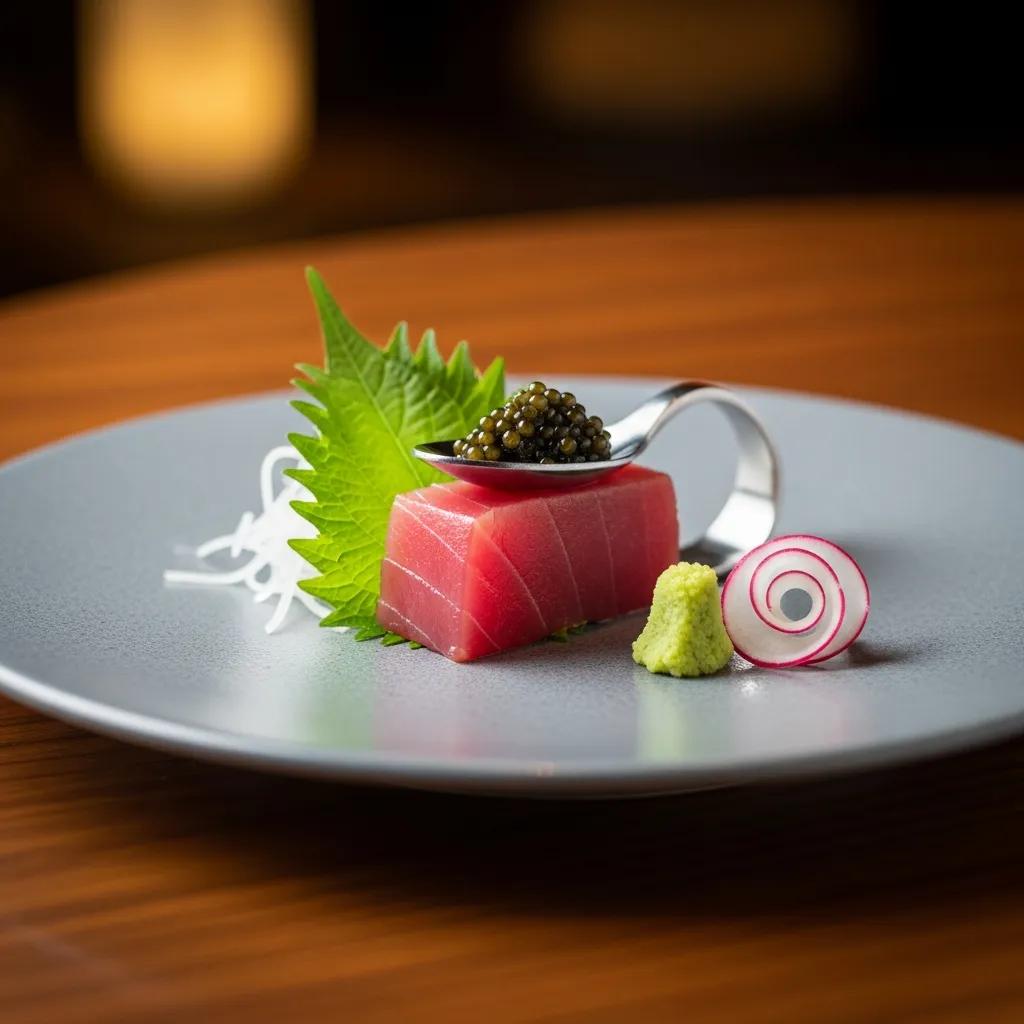
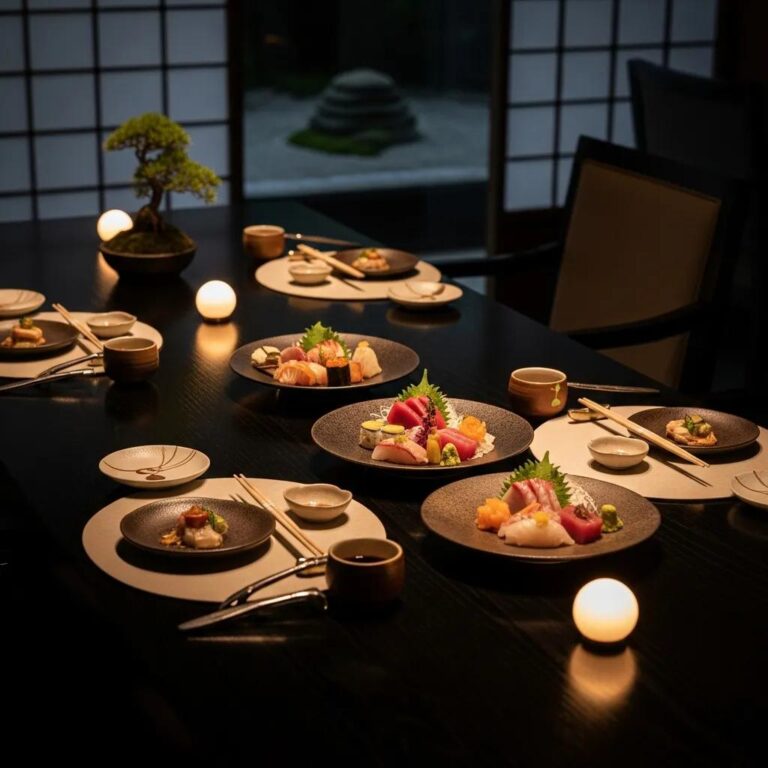
In Japanese fine dining and omakase, caviar often appears as a seasonal, chef‑directed accent rather than a standalone spectacle. The approach values minimalism, precise timing, and harmony with seasonal ingredients. Under omakase principles, the chef decides placement—caviar can be an intermezzo, a garnish, or a highlight depending on how it serves the sequence. Presentations favor small portions and a single aromatic or textural contrast so the roe enhances the dish without masking it. Understanding this mindset helps servers and chefs integrate caviar into multi‑course progressions that build toward a coherent climax.
Key omakase characteristics for caviar: restraint, seasonal pairing, and chef‑led pacing that introduces caviar at a moment designed to refresh the palate or elevate the next course. The following subsection outlines common staging and timing choices used in omakase sequences.
What Are the Unique Caviar Presentation Styles in Omakase?
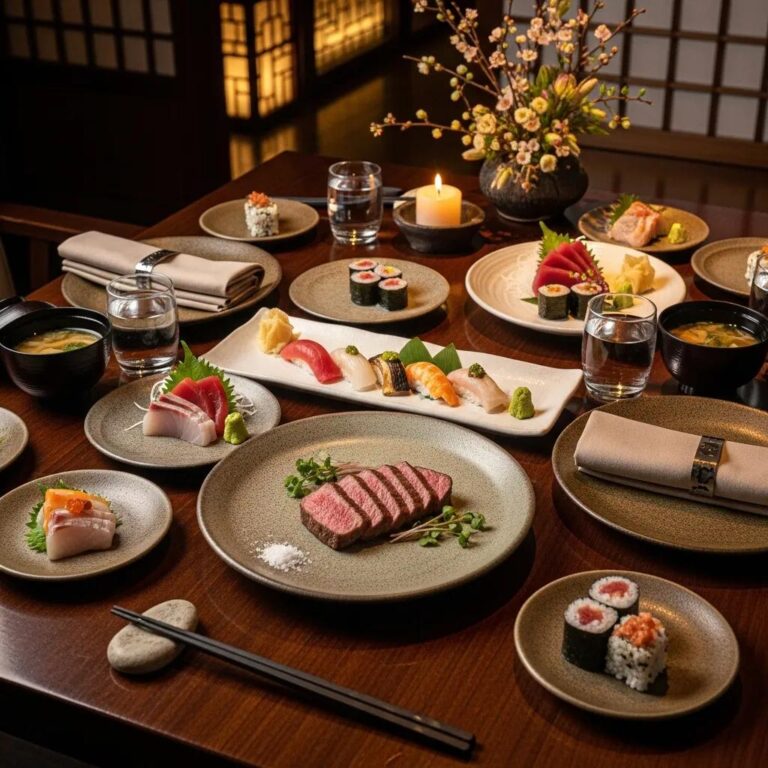
Omakase presentation tends toward micro‑portions placed precisely on seasonal bases—think a tiny spoonful on a chilled sashimi slice or a translucent gelée—so the roe integrates into a broader narrative. The technique uses selective contrast: a light vinegar note or a whisper of citrus oil brightens the roe; a single cooked element can add texture. Course placement varies: caviar may act as a palate‑cleaning intermezzo between heavier plates or as a refined garnish on a signature seafood course. Minimal visuals, careful portioning, and seamless timing let caviar support the chef’s story without stealing it.
These stylistic choices make caviar a complementary voice within omakase storytelling. The next subsection illustrates how a specific establishment weaves caviar into signature dishes.
How Does Kaviar Restaurant Integrate Caviar into Signature Dishes?
Kaviar Restaurant brings together Japanese minimalism and select luxury ingredients—like A5 Wagyu—to create layered sensory moments and drive reservations for special occasions.
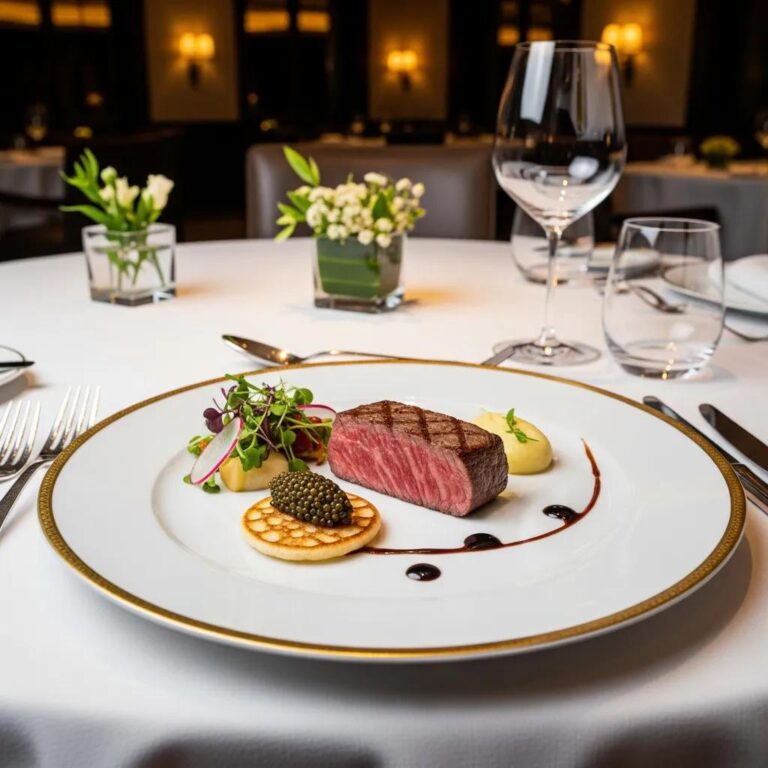
At Kaviar, caviar appears as a finishing accent: a small spoonful on a chilled sashimi slice, a pinch atop a tiny seared Wagyu morsel, or a whisper alongside a micro‑quenelle of crème fraîche. Service notes emphasize precise portions and strict temperature control, while plating favors neutral, tactile surfaces that highlight the roe’s color and texture. The guest experience is one of discovery: a well‑timed caviar element reveals depth against the surrounding courses and underscores our focus on premium sourcing and technique.
Representative signature dishes and how caviar is used:
These examples show caviar functioning as a refined accent within Kaviar’s tasting flow, supporting reservation intent while illustrating the service techniques discussed earlier. Next we cover tasting etiquette so guests can approach caviar for maximum appreciation.
What Are the Proper Etiquette and Tasting Tips for Serving Caviar?
Caviar etiquette is designed to help guests evaluate texture, aroma, and flavor in a clear sequence: observe, smell, taste, and reflect. That ritual primes the senses—visual and olfactory cues prepare the palate for the eggs’ texture—so subtle differences in brininess, oiliness, and finish register more clearly. Portioning and sharing protocols also protect the communal experience and ensure each guest receives a fresh, chilled sample. Below is a practical framework servers can use to introduce guests to caviar tasting with grace.
Share this four‑step tasting ritual with guests as a brief guide:
- Observe the roe’s color, size, and sheen to form initial expectations.
- Gently smell from a short distance—don’t bury the nose—to note aromatic intensity.
- Place a small spoonful on the tongue and let the eggs burst to assess texture and finish.
- Sip a neutral accompaniment (champagne or water) between bites to reset the palate.
Following this sequence prepares diners for informed appreciation. The next section explains which sensory cues to watch for while tasting.
How Should Guests Taste and Appreciate Caviar?
To evaluate caviar fully, follow a clear tasting sequence: look for color and sheen, smell gently for brine and aromatic notes, taste a small portion to experience texture and flavor release, and note the finish. Texture—whether eggs are firm and pop or soft and melting—is a key indicator of freshness and handling; firm eggs that “pop” offer tactile pleasure, while a clean finish signals balanced salinity and good curing. Good palate cleansers include cold champagne sips, plain crackers, or still water between bites to avoid carryover. Pay attention to how flavors evolve in the seconds after a bite to judge roe quality and pairing effectiveness.
These tasting tips encourage deliberate appreciation and lead into a short list of do’s and don’ts for preserving decorum and flavor during service.
What Are the Do’s and Don’ts of Caviar Serving Etiquette?
Simple rules keep the tasting refined and protect the roe’s integrity. Follow these to avoid common missteps:
- Do serve caviar chilled and open the tin at the table so guests taste peak freshness.
- Do use neutral utensils (mother‑of‑pearl, bone, or untreated wood) and keep portion sizes small.
- Do offer a simple palate cleanser—dry champagne or still water—between bites.
- Don’t use metal spoons or utensils that may impart metallic flavors and mask subtle notes.
- Don’t overload a blini or toast with heavy spreads or strongly flavored condiments.
- Don’t leave opened tins at room temperature; return them to chill promptly.
Following these do’s and don’ts preserves the roe’s texture and taste and ensures a polished communal experience. The final section explains how to request a caviar‑forward reservation at Kaviar Restaurant and what to expect from our reservation process.
How Can You Reserve a Luxury Caviar Dining Experience at Kaviar Restaurant?
Reserve in advance so our team can source premium ingredients and sequence caviar thoughtfully within an omakase flow.
Booking a caviar‑forward experience is about advance planning and clear communication: letting the kitchen know you’re interested in caviar or other premium ingredients helps us confirm availability and place the roe at the right moment in your tasting. A reservation‑led model allows the chef to allocate limited items, tailor pacing, and address special requests that make an occasion memorable. Below are practical steps to secure a curated caviar experience.
Follow these reservation actions to help us prepare a tailored caviar service:
- Visit the restaurant’s reservations platform and select your preferred date and seating.
- Note your interest in caviar or an omakase tasting with premium ingredients in the reservation comments.
- Book well in advance for peak dates or when special sourcing may be required.
- Communicate dietary restrictions or celebration details so the team can plan complementary courses.
These actions increase the likelihood we can include limited ingredients and deliver a cohesive tasting flow. The next subsection explains the reservation workflow for premium caviar dishes.
What Is the Reservation Process for Kaviar’s Premium Caviar Dishes?
When reserving premium caviar dishes, select a date and time, indicate interest in special menu elements, and add any notes that help our chef plan. For items that require advanced sourcing, reserve with lead time so the kitchen can confirm availability and sequence the caviar within an omakase or tasting menu. Sharing dietary constraints or celebration details up front lets the team adapt pairings and pacing for a seamless experience. Advance communication reduces the chance that a limited item will be unavailable on service day and allows precise plating and pairing preparations.
Noting preferences in advance gives us the best chance to include rare allocations and to craft a considered tasting flow.
How Does Kaviar Ensure an Exclusive Fine Dining Experience?
Kaviar maintains exclusivity by focusing on a curated omakase menu and sourcing premium ingredients, which lets the kitchen control pacing and allocate limited items like top‑grade caviar and A5 Wagyu. Reservation‑led seating and chef‑driven sequences emphasize portion control, precise timing, and ingredient selection to create a refined tasting narrative. This focused approach preserves quality and ensures each guest experiences a deliberately paced, high‑attention service that highlights caviar at its best. Those elements together cultivate the sense of occasion our guests seek.
This completes our practical guidance on serving, pairing, presenting, tasting, and reserving caviar in upscale contexts—tools and practices designed to preserve the roe’s delicate qualities and maximize guest enjoyment.
Frequently Asked Questions
What types of caviar are available, and how do they differ?
Caviar comes from several fish species; the most commonly referenced types are Beluga, Oscietra, and Sevruga. Beluga is prized for large, delicate eggs and a buttery mouthfeel. Oscietra offers medium‑sized eggs with nutty, firm character. Sevruga, the smallest, tends toward a more intense, briny flavor. Each type varies in texture, flavor profile, and ideal serving temperature, so choosing the right variety helps shape pairings and service.
How should caviar be stored before serving?
Store caviar in the coldest part of the refrigerator, ideally between -2°C to 2°C (28°F to 36°F). Keep unopened tins on ice until ready to serve; consume opened tins within a few days for best quality. Avoid freezing caviar, which can damage texture and flavor. Proper storage ensures the eggs retain their pop and subtle aromas at service.
Can caviar be served with non-traditional accompaniments?
Yes—while champagne, blinis, and crème fraîche remain classics, caviar can pair successfully with lighter, fresher ingredients such as avocado, small citrus segments, or a delicate herb salad. Use non‑traditional accompaniments sparingly so they complement rather than compete with the roe.
What is the significance of using neutral utensils when serving caviar?
Neutral utensils—mother‑of‑pearl, bone, or untreated wood—are important because metal can impart off‑flavors that mask caviar’s delicate taste. Neutral materials do not react with the roe’s lipids, preserving the intended profile and allowing guests to appreciate subtle nuances.
How can I enhance the sensory experience of tasting caviar?
Enhance the experience by following a simple ritual: observe color and sheen, take a gentle sniff for brine notes, taste a small portion and let the eggs burst on your palate, then cleanse with champagne or still water. Mindful pacing between bites helps highlight the caviar’s complexity and keeps the palate receptive.
What are some common mistakes to avoid when serving caviar?
Common mistakes include using metal spoons, serving at the wrong temperature, overloading accompaniments, and leaving opened tins at room temperature. Also avoid serving overly large portions that overwhelm the palate. Following proper etiquette and technique preserves the caviar’s texture and flavor and ensures a refined tasting experience.
Conclusion
Serving caviar well elevates the moment: careful technique, considered pairings, and thoughtful etiquette reveal the ingredient’s delicate flavors and textures. Apply these practices in service or at home to create memorable tasting moments. Explore our curated selection of premium caviar and accessories to bring this experience to your next special occasion—serve with intention, and savor the result.