



Peruvian Culinary Renaissance — How Andean Flavors Are Reshaping Global Fine Dining
The Peruvian Culinary Renaissance is a living revival of regional techniques, native ingredients and cross-cultural fusion that has quietly reset expectations in fine dining. This movement moves past trendiness by pairing Andean biodiversity — ají amarillo, heirloom potatoes, quinoa — with migration-grown traditions like Nikkei and criollo, forming tasting-menu stories that thrill both chefs and guests. You’ll discover why Peruvian flavors now influence plating, sourcing and service formats worldwide, how classic dishes are being refined for luxury contexts, and how premium elements change technique and perception in fusion kitchens. Increasingly, diners encounter Peruvian notes inside omakase-style sequences and carefully curated pairings that foreground provenance, texture and acid–fat balance. Locally, Pasadena venues blend Japanese precision with A5 Wagyu and caviar to reinterpret Peruvian ideas in exclusive tasting formats. This article traces the movement’s roots, signature dishes and superfoods, restaurant innovations, the role of luxury ingredients, and practical tips for reserving immersive Peruvian-fusion experiences.
What defines the Peruvian Culinary Renaissance and its global impact?
The Peruvian Culinary Renaissance is a modern reawakening of Peru’s regional foodways that centers native crops, shared techniques and narrative-driven tasting menus. Its reach is amplified by chef exchanges, diaspora communities, culinary media and international ingredient trade — all of which have lifted Peruvian staples like ají amarillo, quinoa and native potatoes onto menus around the world. The result is tangible: Latin American and global fine-dining menus increasingly incorporate Peruvian elements, premium Peruvian products enter high-end supply chains, and culinary programs teach Andean techniques. Together, these changes let restaurateurs deepen provenance, strengthen storytelling and rethink what Latin American gastronomy can offer on a global tasting stage.
A few forces explain this rise. First, Peru’s ingredient diversity offers broad textural and flavor range that pairs naturally with luxury proteins and precise cookery. Second, historical fusion pathways — notably Nikkei (Japanese–Peruvian) and criollo — provide adaptable frameworks for high-end reinterpretation. Third, media attention and culinary recognition have created momentum, encouraging investment and experimentation and prompting chefs elsewhere to adopt Peruvian staples and methods.
Key characteristics of Peruvian gastronomy trends

Current Peruvian gastronomy trends revolve around ingredient-first innovation, clear regionality and ongoing fusion with migrant cuisines — together these elements create memorable tasting sequences. Ingredient-first innovation means chefs foreground native crops and Andean superfoods, using techniques such as toasting quinoa for crunch or fermenting ají amarillo to build layered heat and umami. Regionality places coastal ceviche, Andean tubers and Amazonian fruits side by side on menus so dishes act as a map of place. Fusion influences like Nikkei add knife work and soy-driven umami, while criollo traditions bring Afro-Peruvian rhythms in seasoning — resulting in multi-dimensional plates that honor provenance and technique alike.
Those traits force kitchens to rethink balance: bright acids, starchy textures and aromatic heat shape plating and pacing in multi-course meals. The focus on origin pushes teams to trace seed-to-plate stories and adapt mise-en-place for fragile native ingredients. As chefs refine these approaches, diners gain clearer sourcing and stronger culinary narratives that connect taste to culture and landscape.
How Peruvian cuisine influences Latin American fine dining
Peruvian cuisine now often serves as a model for Latin American fine dining that wants to combine indigenous ingredients with contemporary technique. Chefs across the region borrow Peruvian approaches — acid-driven preparations, Andean grains and textural contrasts — to elevate tasting sequences and introduce new mouthfeels. You’ll see Peruvian-style small plates or single-bite interludes in multi-course formats, nudging diners to see familiar staples as premium components.
Adoption changes sourcing and presentation: restaurants increasingly spotlight native producers, add flavor notes to menus, and use Peruvian acid- or spice-based finishes to balance rich proteins. The result is a higher bar for Latin American fine dining that blends regional authenticity with international service standards, improving both culinary quality and guest storytelling.
Which signature Peruvian dishes showcase Andean superfoods cuisine?
Signature Peruvian dishes show how Andean superfoods contribute nutrition, texture and layered flavor in a fine-dining setting. Rather than acting as mere garnishes, native crops become structural elements — quinoa, tubers and corn are plated as central components. Below is a concise list of emblematic dishes and how they appear in contemporary upscale kitchens.
Peruvian cuisine offers several signature dishes that exemplify Andean superfoods:
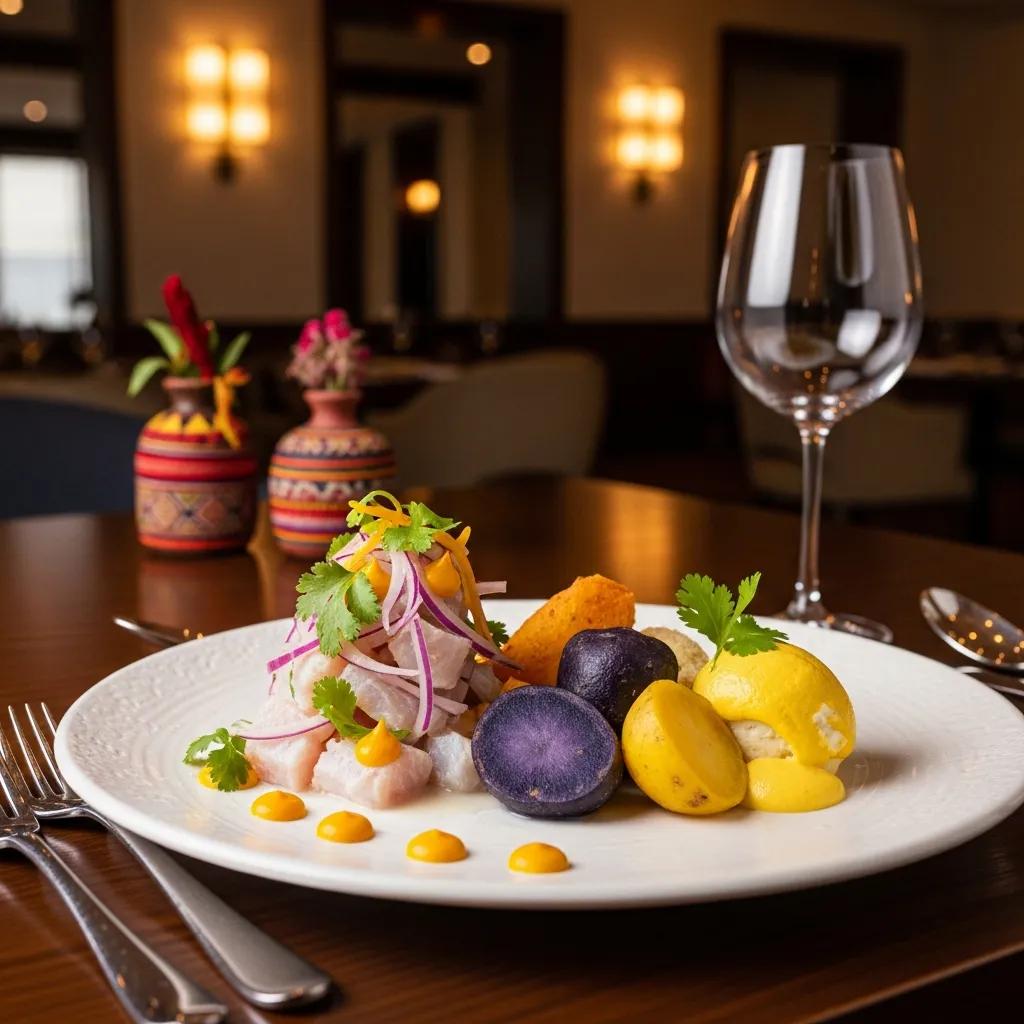
- Ceviche: Citrus‑cured fish with ají amarillo and corn; often finished with toasted quinoa for crunch.
- Causa: Layered mashed native potatoes filled with avocado or crab, refined with quinoa crisps or microgreens.
- Tiradito: Thinly sliced fish dressed in ají-forward sauces — clean, citrusy and texturally precise, often served with choclo or delicate starches.
- Lomo Saltado: A stir‑fry that merges Andean tubers and native peppers with soy-inspired seasoning, adaptable to premium cuts and refined plating.
Introductory table: the table below pairs signature dishes with ingredient provenance and contemporary adaptations to show how tradition translates to fine-dining execution.
This table shows how provenance and technique create repeatable templates for upscale interpretation. Chefs layer Andean superfoods into tasting sequences to strengthen both flavor and cultural storytelling.
Ceviche culinary techniques and their cultural significance
Ceviche relies on citrus denaturation to alter protein—preserving texture while delivering bright acidity and aromatic heat. This acid ‘cooking’ yields a firm yet tender mouthfeel that showcases seafood freshness and origin. Ceviche is a coastal emblem and social dish with regional variants that incorporate sweet corn or spicy rocoto to reflect local taste. In fine dining, ceviche is refined through selective fish choices, micro-herb garnishes and textural contrasts like quinoa crisps or frozen citrus pearls, deepening sensory complexity while honoring ancestral technique.
Respecting ceviche’s cultural roots guides chefs when adapting it for tasting menus: modern plating should amplify provenance, not erase memory. Next, we explore how superfoods such as quinoa and ají amarillo expand beyond ceviche into contemporary dishes.
Incorporating quinoa, ají amarillo, and other superfoods in modern dishes
Quinoa and ají amarillo perform both structural and accent roles in upscale cuisine. Chefs toast quinoa for nutty crunch, fold puffed quinoa into sauces for body, and use ají amarillo purées for fruity heat that brightens fatty proteins. Maca and native tubers bring earthy sweetness and density, appearing as purées or dehydrated chips to add contrast. Pairing logic centers on balancing quinoa’s nuttiness with bright acids and matching ají amarillo’s fruitiness to fatty, glossy elements like cured roe or buttered grains.
These methods let chefs weave superfoods through an entire tasting sequence — from amuses to intermezzi — maintaining thematic coherence and highlighting nutritional depth. The next section shows how restaurants turn these ingredient strategies into luxury dining innovations.
How do Peruvian fusion restaurants innovate luxury dining experiences?
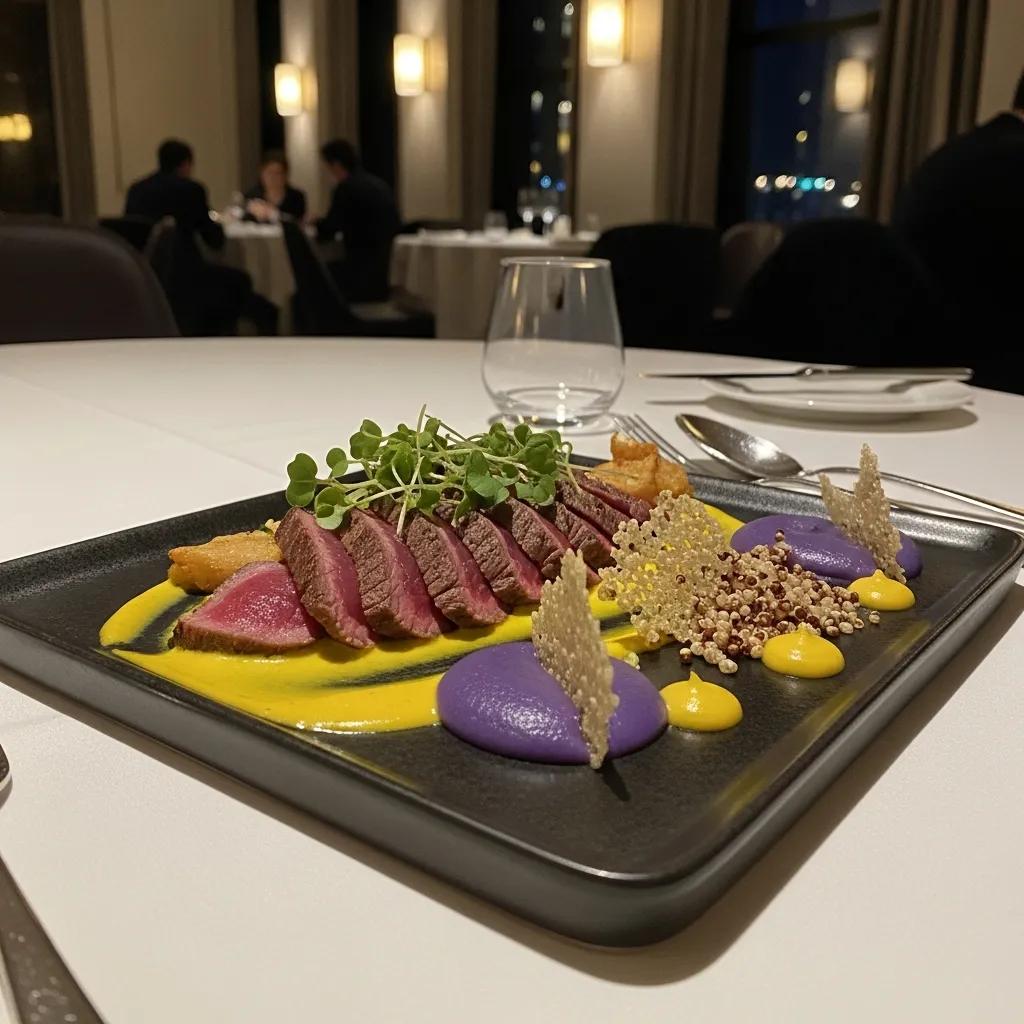
Peruvian fusion restaurants innovate luxury dining by pairing indigenous ingredients with international technique, theatrical service and clear provenance storytelling to build immersive tasting menus. Innovation shows up in sequencing — acid‑forward bites set against richer proteins — in premium pairings and in presentation that highlights origin. Chefs borrow precision from Japanese technique for ceviche or apply Western reductions to ají purées to create nuanced contrasts that respect the cuisine’s identity while raising service standards. The result is an experience that educates guests about Andean biodiversity and demonstrates how traditional flavors can be reimagined in a luxury setting.
These innovations rest on three operational pillars: meticulous sourcing, cross-cultural technical training, and narrative-driven plating. Sourcing secures native crops and superior proteins; cross-training equips teams with multiple cuisines’ methods; storytelling ensures each course communicates provenance and intent. Together, these pillars produce tasting menus that honor heritage while appealing to diners who seek elevated, exclusive experiences.
The role of fusion cuisine in elevating Peruvian culinary heritage
Fusion can preserve and reinterpret simultaneously by applying precise techniques — Japanese trimming and timing, for example — to Peruvian staples while keeping defining flavors intact. This method preserves core elements such as citrus in ceviche or potato texture in causa, while enhancing texture, temperature and visual impact. Fermentation can deepen ají sauces’ umami; knife work can refine thin-sliced preparations. When technique clarifies flavor and accents provenance, fusion deepens appreciation for the original cuisine; when it obscures identity, the dish risks losing its cultural resonance.
Intent matters: thoughtful technique should illuminate, not overwrite. The next subsection offers pairing examples showing how luxury ingredients converse with Peruvian elements on the plate.
Examples of premium ingredient pairings in fine dining settings
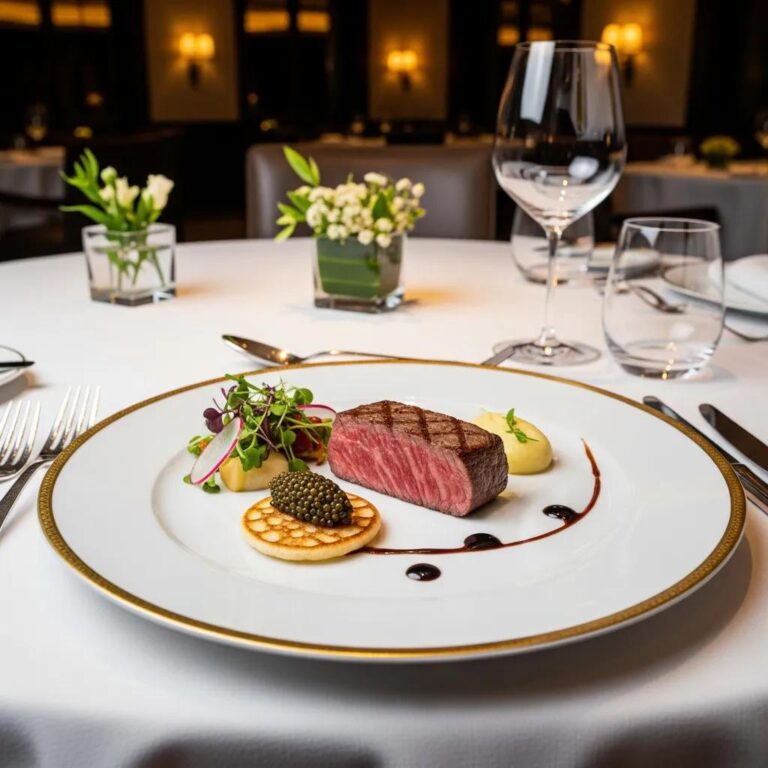
Premium pairings in Peruvian-fusion kitchens follow simple sensory rules: balance fat with acid and spice, create textural contrast and honor complementary provenance. Chefs pair A5 Wagyu with ají amarillo emulsions to offset intense fat with fruity heat, or crown causa with delicate caviar to combine starchy creaminess and saline pop. Toasted quinoa’s nuttiness often contrasts with long-cured fish; tiradito may be finished with fine olive oil and roe to add silkiness and brine. Portioning, micro-garnish placement and pacing are calibrated so each pairing reads coherently within a tasting flow.
These pairings demonstrate how luxury proteins and Peruvian ingredients converse on the plate, enriching the ingredient story and the guest’s sensory journey. The following section explains why items like A5 Wagyu and caviar matter in this fusion context and how chefs integrate them.
What is the significance of premium ingredients like A5 Wagyu and caviar in Peruvian fusion gastronomy?
Premium ingredients such as A5 Wagyu and caviar lift perception, technique and guest experience by introducing richness, texture and a language of luxury that plays against Peruvian flavors. Their inclusion changes portioning, sauce composition and pacing: a small Wagyu course needs acid or spice to balance fat, while caviar’s salinity can refine a causa or a potato-based course. Beyond taste, premium elements signal exclusivity and justify focused mise-en-place and service sequences. When paired thoughtfully, they amplify — rather than overshadow — indigenous ingredients. The culinary objective is harmonious contrast that honors both the luxury protein and Peruvian identity.
To make these ideas concrete, the table below compares provenance, taste profile and suggested pairings, showing how these ingredients appear in omakase or tasting menus and how luxury restaurants present them in fusion contexts.
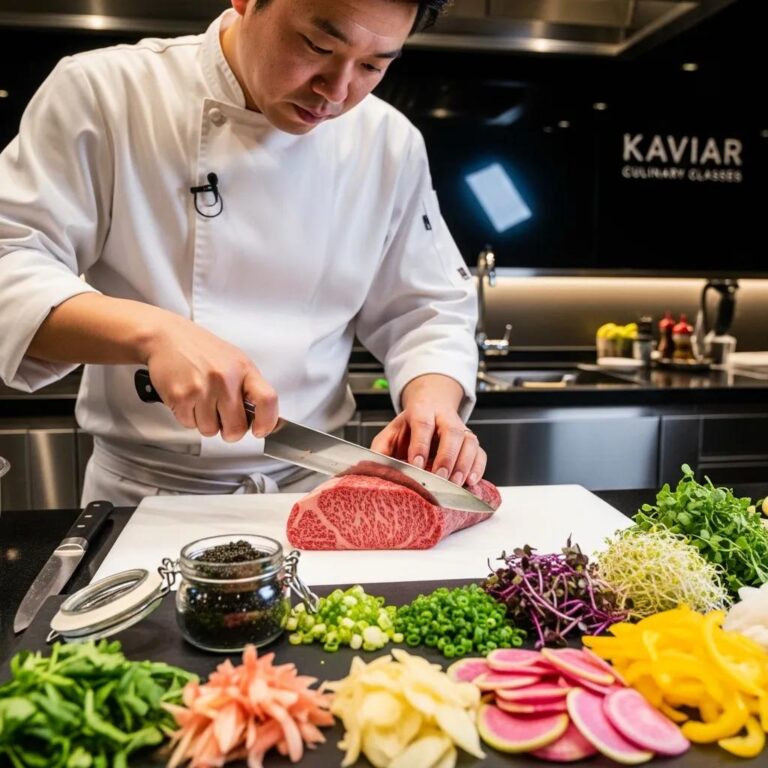
This comparison shows how premium and Peruvian ingredients coexist in tasting menus: chefs choose pairings that balance fat, acid and texture while foregrounding provenance. Locally, Kaviar Restaurant in Pasadena blends Japanese omakase technique with A5 Wagyu and caviar to craft curated multi-course experiences that weave Peruvian flavors into a refined tasting flow. Kaviar focuses on atmosphere, exclusivity and pacing to let premium pairings spotlight both technique and origin.
Integrating luxury ingredients with traditional Peruvian flavors
Blending luxury proteins with Peruvian flavors follows straightforward culinary logic: balance richness with brightness and manage texture through precise portions and finishing. Chefs serve smaller Wagyu portions so ají amarillo purées or citrus vinegars can cut through the fat, and they introduce light textural elements like toasted quinoa or compressed native potatoes for contrast. Seasoning is typically measured; the aim is to reveal each ingredient’s character while asserting a clear Peruvian accent — a rocoto vinaigrette, a touch of pisco reduction. These methods let flagship proteins act as canvases for indigenous flavors.
When balance is understood, kitchens can arrange tasting sequences where each course resolves its own tension and primes the palate for the next contrast, keeping narrative momentum across a multi-course experience.
The culinary craftsmanship behind omakase-style presentations
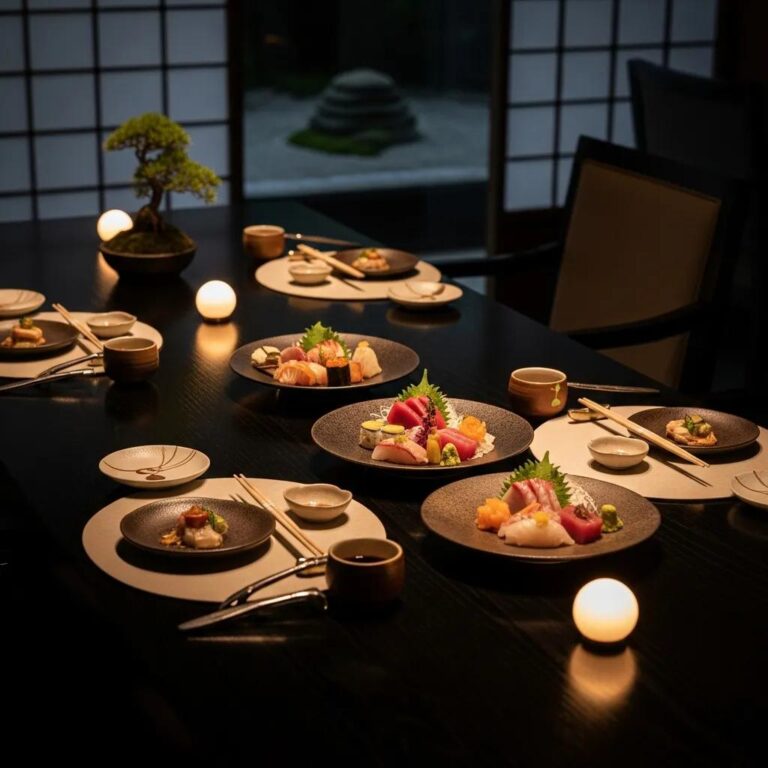
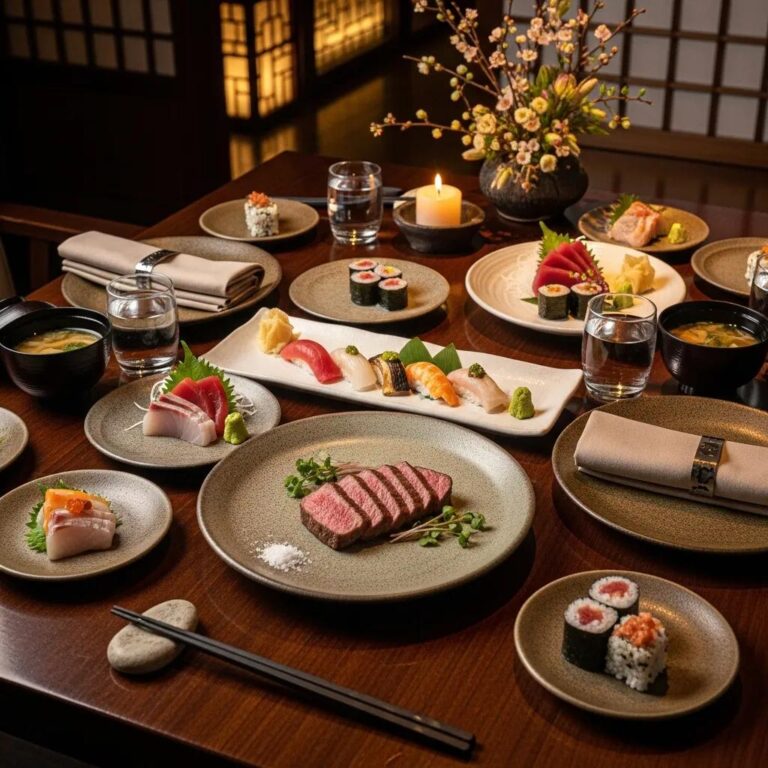
Omakase principles — intentional sequencing, chef-led pacing and direct guest engagement — translate naturally to Peruvian-fusion tasting programs. Chefs curate the discovery of Andean ingredients across small bites, typically progressing from light, acidic awakeners to richer, umami-forward plates with interludes that spotlight superfoods as textural pivots. Meticulous mise-en-place and plating ensure each bite reads as planned, and chef‑guest interaction provides context about provenance and technique. In omakase-style services, chefs introduce surprise pairings — a caviar‑topped causa or an ají‑accented Wagyu slice — to heighten exclusivity and narrative cohesion.
This chef-led format supports experiential dining where premium ingredients and Peruvian elements are revealed in a sequence that maximizes appreciation and sensory contrast. Next, we outline how diners can book and prepare for these curated experiences.
How can diners experience the Peruvian Culinary Renaissance through exclusive reservation and dining options?
Diners encounter the Peruvian Culinary Renaissance through curated tasting menus, chef’s‑table formats and reservation systems that favor exclusivity and storytelling. Booking usually means choosing a tasting format, sharing dietary preferences in advance and sometimes securing a deposit or limited seat — steps that let the kitchen source specific native ingredients and premium proteins. At the table, guests move through a paced progression of courses that highlight provenance, technique and pairing logic; service typically explains each course’s origin and the role of featured superfoods or luxury pairings. For deeper immersion, options like chef’s table seating, bespoke beverage pairings or celebratory augmentations offer a more personalized experience.
Knowing how reservations work helps diners plan for the best possible visit: consider party size, lead time and customization requests. The following subsection outlines common reservation steps for luxury Peruvian-fusion venues and how to prepare for an omakase-style tasting.
Reservation processes for luxury Peruvian fusion restaurants
Booking an exclusive Peruvian‑fusion tasting usually follows a clear sequence: pick a date and tasting format, provide guest count and dietary notes, and confirm any deposit or special requests needed to source premium ingredients. Many venues limit seatings per service to maintain quality and ask for advance notice on allergies and party size so the kitchen can plan mise-en-place and procurement. Expect pre-arrival guidance on timing and pacing, and the option to add curated beverage pairings or a chef’s table upgrade. Clear communication ensures the menu reflects provenance and accommodates guest needs.
For convenience, some restaurants offer online reservation workflows that capture special requests and confirm seating; staff commonly follow up to finalize details. When booking, factor in lead time, party size and whether you want celebratory elements or a private tasting to guarantee an elevated experience.
As a practical example, Kaviar Restaurant emphasizes both exclusivity and convenience for its omakase and curated menus in Pasadena. Guests are invited to note dietary restrictions and party size during booking so the kitchen can tailor the omakase flow and secure the right premium ingredients for the occasion.
Creating exclusive and immersive dining experiences
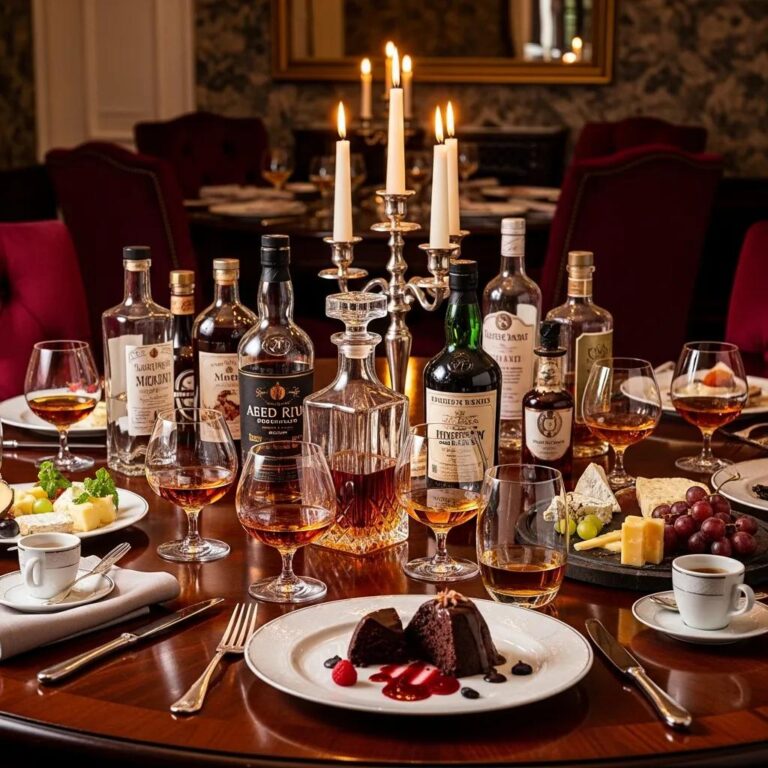
Exclusive, immersive dining is built on three mechanisms: proximity to the chef (chef’s table), curated beverage pairings (pisco, selected wines) and sensory storytelling that frames each course in cultural and ingredient context. Chef’s table seating deepens engagement through direct dialogue about technique and provenance, while pisco or wine pairings enhance Peruvian flavor transitions. Sensory touches — textural contrasts, temperature shifts and thoughtful plating — reinforce the narrative of a Peruvian culinary journey and create memorable moments for special occasions.
- Pre-arrival coordination: Share dietary needs and celebration details when booking.
- Sequenced pacing: Expect courses ordered from bright to rich to sharpen contrast and enjoyment.
- Add-ons: Consider chef’s table seating or curated beverage pairings to elevate the evening.
These steps help guests fully engage with the Peruvian Culinary Renaissance through careful planning, intentional pacing and respect for provenance and technique.
Frequently Asked Questions
What are some common misconceptions about Peruvian cuisine?
A common misconception is that Peruvian food is only ceviche or lacks variety. In truth, Peru’s culinary landscape is vast — indigenous, Spanish, African and Asian influences have produced everything from lomo saltado to causa. Andean superfoods like quinoa and native potatoes offer both nutritional depth and culinary versatility, underscoring the cuisine’s complexity.
How can I identify authentic Peruvian restaurants?
Look for restaurants that prioritize traditional ingredients and methods. Authentic venues typically offer a range of classics — ceviche, causa, lomo saltado — and highlight native ingredients like ají amarillo and quinoa. Reviews that praise a restaurant’s commitment to sourcing and technique help, and a conversation with staff about preparation and provenance is often revealing.
What role does sustainability play in Peruvian gastronomy?
Sustainability is increasingly central: chefs and restaurateurs favor local, seasonal sourcing to reduce impact and support communities. Partnerships with farmers and fishers preserve traditional practices and local economies. Emphasizing sustainability helps protect Peru’s biodiversity while promoting a more responsible approach to dining.
How do Peruvian flavors differ from other Latin American cuisines?
Peru’s geography — coast, Andes and Amazon — creates a uniquely diverse pantry. Coastal dishes emphasize seafood and citrus; the Andes contribute tubers and grains like quinoa and countless potato varieties; the Amazon adds distinctive fruits and spices. Combined with centuries of cultural exchange, this diversity yields flavor profiles that stand apart from other Latin American traditions.
What are some popular Peruvian beverages to try with the cuisine?
Pair Peruvian dishes with traditional beverages for a fuller experience. Pisco (a grape brandy) features in classics like the Pisco Sour. Chicha Morada, made from purple corn, is a refreshing non‑alcoholic option. Inca Kola offers a uniquely sweet, familiar pairing. Each beverage reflects a slice of Peru’s culinary heritage.
How has the global perception of Peruvian cuisine changed in recent years?
Peruvian cuisine has moved from regional curiosity to global recognition. Awards, acclaimed chefs and international interest in indigenous ingredients have revealed the cuisine’s depth. Today, Peruvian dishes appear in fine dining worldwide and indigenous ingredients command attention in high-end kitchens — a shift that cements Peru’s role on the global culinary stage.
Conclusion
The Peruvian Culinary Renaissance celebrates the meeting of indigenous ingredients and global technique, offering diners an experience that prioritizes provenance and storytelling. By placing Andean superfoods and measured innovation at the center of tasting menus, chefs are elevating tradition without losing its roots. If you’re curious, reserve a seat at a local Peruvian‑fusion restaurant to taste this movement firsthand. Discover how Peruvian cuisine can transform a meal into a layered, memorable journey that honors both heritage and creative expression.