



Chocolate Tasting: A Connoisseur’s Guide to Varieties, Flavor and Technique
Chocolate tasting is a focused, sensory practice: we study appearance, aroma, texture and flavor to uncover subtle notes and origin. This guide walks you through identifying premium chocolate, applying repeatable tasting techniques, and turning sensory observations into clear tasting notes that elevate a luxury dining experience. Many guests and enthusiasts struggle to describe what they taste or how to pair chocolate with wine, sake or savory courses. Here you’ll find a methodical approach, practical descriptive language, and pairing logic that work at home or in a restaurant. Expect clear definitions of single-origin and artisan chocolate, the look–smell–taste–savor sequence, common flavor families and texture cues, and pairing matrices tailored for formal tastings and fine-dining service. Throughout, terms like fine chocolate, chocolate tasting techniques, single origin chocolate and chocolate and sake pairing appear naturally alongside actionable guidance for both curious home tasters and hospitality professionals.
Which premium chocolate varieties should every connoisseur know?
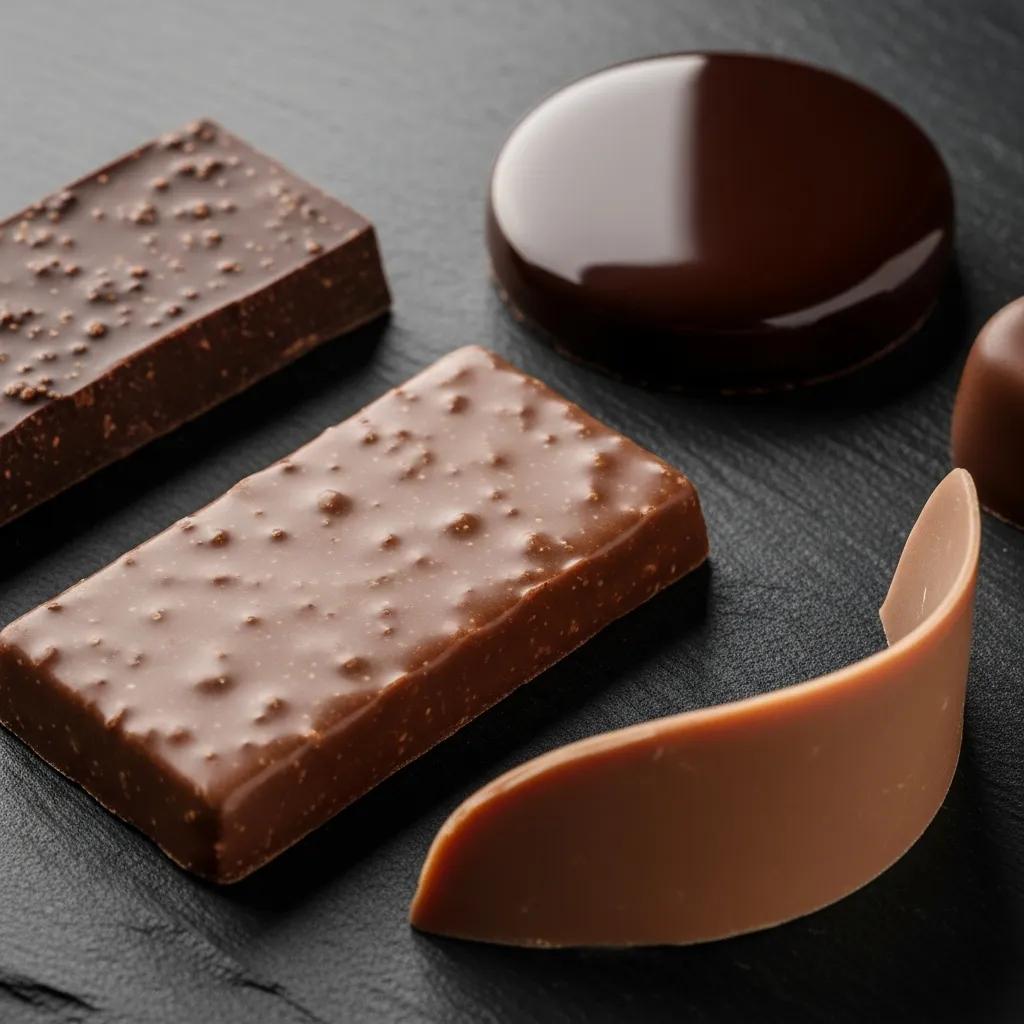
Premium chocolate categories are shaped by bean provenance, production method and composition — and those factors set expectations for flavor intensity and aroma. Single-origin bars foreground terroir; artisan bean‑to‑bar makers emphasize small-batch roasting and conching to preserve distinct notes. Recognizing couverture, dark, milk and white varieties helps tasters predict mouthfeel, sweetness and how cocoa percentage affects flavor. Below are the core categories every serious taster should be able to identify and compare.
Premium chocolate categories to recognize before tasting:
- Single origin — beans from one country, region or farm that showcase terroir-driven flavors.
- Artisan bean-to-bar — small-batch producers who control roast and conch to highlight bean character.
- Dark couverture — high cocoa solids and cocoa butter for pronounced intensity and decadent melt.
- Milk and white chocolate — milk solids and sugar for creaminess, sweetness and textural contrast.
These categories inform sampling strategy and note-taking, clarifying how origin and composition shape expected tasting notes.
Introductory comparison table: core attributes and typical flavors for quick reference.
Use this table to set expectations before you begin a sensory evaluation — it makes it easier to detect subtle differences during the look–smell–taste sequence.
How do single-origin and artisan chocolates differ?
Single-origin chocolate is defined by beans from one country, region or estate and often carries terroir-driven signatures — think bright citrus, berry or floral notes. Artisan and bean‑to‑bar producers shape flavor through processing: roast profile, conching time and a short ingredients list preserve or accentuate origin character instead of masking it with blending. In practice, single-origin bars tend to reveal identifiable regional markers, while artisan offerings may layer curated complexity born of technique. Understanding this helps you attribute sensory cues to either bean origin or maker decisions as you move on to composition categories like dark, milk and white chocolate.
What defines dark, milk and white chocolate varieties?
Composition — cocoa solids, cocoa butter and milk content — determines taste and texture. Dark chocolate has the most cocoa solids and less sugar, producing tannic, bitter and complex flavors that deepen with higher percentages. Milk chocolate adds milk solids and sugar, softening bitterness and bringing creamy, caramel and nutty notes. White chocolate contains cocoa butter but no cocoa solids, so its flavor leans on milkfat, vanilla and confectionary sweetness rather than cocoa aromatics. Knowing these components — plus conching and tempering — helps you predict mouthfeel, melt behavior and how bars will compare in a tasting progression.
How to taste chocolate properly: step-by-step techniques for flavor discovery
Reliable chocolate tasting depends on a consistent method: look, smell, taste, then savor the finish. A disciplined approach isolates visual cues like gloss and bloom, identifies primary and secondary aromas, tracks flavor progression on the palate, and records aftertaste length and balance. Tools such as aroma wheels and structured note-taking speed recognition of fruity, nutty, floral and earthy descriptors and build the mental link between bean origin and expected notes. Below is a concise sequence you can repeat to calibrate your palate and compare results over time.
Follow these four essential tasting steps:
- Look: Check the bar for sheen, uniform color and any bloom; a clean snap suggests proper temper and a pleasing mouthfeel.
- Smell: Warm the chocolate slightly and inhale to capture top and base aromas — fruit, spice, floral or roasted cues.
- Taste: Place a small piece on the tongue, let it melt slowly and note the progression from initial sweetness to mid‑palate complexity.
- Savor: Observe the aftertaste — its length, any lingering bitterness or acidity, and the overall mouthfeel to judge structural balance.
Practice builds sensory memory and a richer vocabulary, preparing you for comparative sessions and chef- or sommelier‑led experiences. For an elevated option, guided tastings taught by trained chefs or sommeliers apply these steps in curated formats where context and technique are explained.
What are the essential tasting steps: look, smell, taste and savor?
The look stage sets expectations: sheen, color and snap indicate tempering and processing quality, which affect how a bar dissolves. Smelling reveals volatile aromatics; inhaling before tasting primes recognition of fruity, floral or roasted tones. During tasting, allow the piece to melt slowly and track sweetness, acidity, bitterness and texture — creaminess or graininess changes how flavors develop. Finally, savor the finish: a long, evolving aftertaste often signals complexity and thoughtful processing. Use these observations to compare bars methodically rather than relying on vague impressions.
How can aroma wheels and flavor profiles enhance your tasting?
An aroma wheel groups descriptors into families (fruity → berry → blackcurrant; floral → jasmine → rose), which reduces search time and standardizes note-taking. A concise flavor lexicon turns impressions into reproducible terms, strengthening the link between an aroma and likely origin or processing cause. Practical drills — for example, blind‑comparing two bars while consulting an aroma wheel — accelerate recognition and make language consistent across tasters. Regular use of these tools converts fleeting impressions into a reliable tasting vocabulary, essential for clear tasting notes and purposeful pairings.
Which chocolate flavor profiles should you expect and how are they described?
Chocolate flavor profiles cluster into families — fruity, nutty, floral and earthy — that arise from bean genetics, fermentation and roast. Recognizing these families lets you write precise tasting notes and choose stronger pairings. Fruity notes often point to particular origins (Madagascar → bright citrus/berry), while nutty and caramelized tones can come from extended Maillard development during roasting. Floral and spice notes are subtler and favored by light roasting; earthy or tobacco-like tones occur more in robust, higher‑percentage bars. The short mapping below helps translate descriptors into likely sources and culinary analogies to sharpen identification during tastings.
Texture and mouthfeel also modulate flavor: a creamy milk chocolate will showcase fruit differently than a dry, high‑percentage dark bar, and texture–acidity interactions shift perceived balance. Mastering both flavor vocabulary and textural descriptors lets connoisseurs compare bars clearly and select pairings that either complement or contrast effectively.
Introductory mapping table for flavor descriptors and common sources:
Use this mapping to train your palate to link descriptors with origin and processing, making subtle notes easier to spot in comparative tastings.
What are common flavor notes like fruity, nutty, floral and earthy?
Fruity notes appear as citrus, berry or stone‑fruit and are typically the result of well‑fermented beans from specific regions; they register as brightness on the palate. Nutty notes — almond, hazelnut, roasted peanut — come from Maillard reactions during roasting and read as rounder, toasted flavors. Floral notes are delicate and perfumed, preserved by light roasting or gentle processing. Earthy notes convey depth and maturity — tobacco, leather or wood — often linked to heavier fermentation or older beans and pairing well with robust beverages or rich savory courses.
How do texture and mouthfeel influence chocolate tasting?
Texture terms — snap, gloss, melt profile, creaminess — determine how flavor compounds release over time and directly influence perceived sweetness and acidity. A clean snap signals good tempering; a smooth melt releases flavor gradually for an extended mid‑palate. Grittiness or graininess suggests insufficient conching and can mask delicate aromatics, reducing clarity. To isolate texture effects, compare bars with the same cocoa percentage but different tempering or conching; that reveals whether a flavor impression stems from composition or processing.
What are the best chocolate pairings to elevate your tasting?
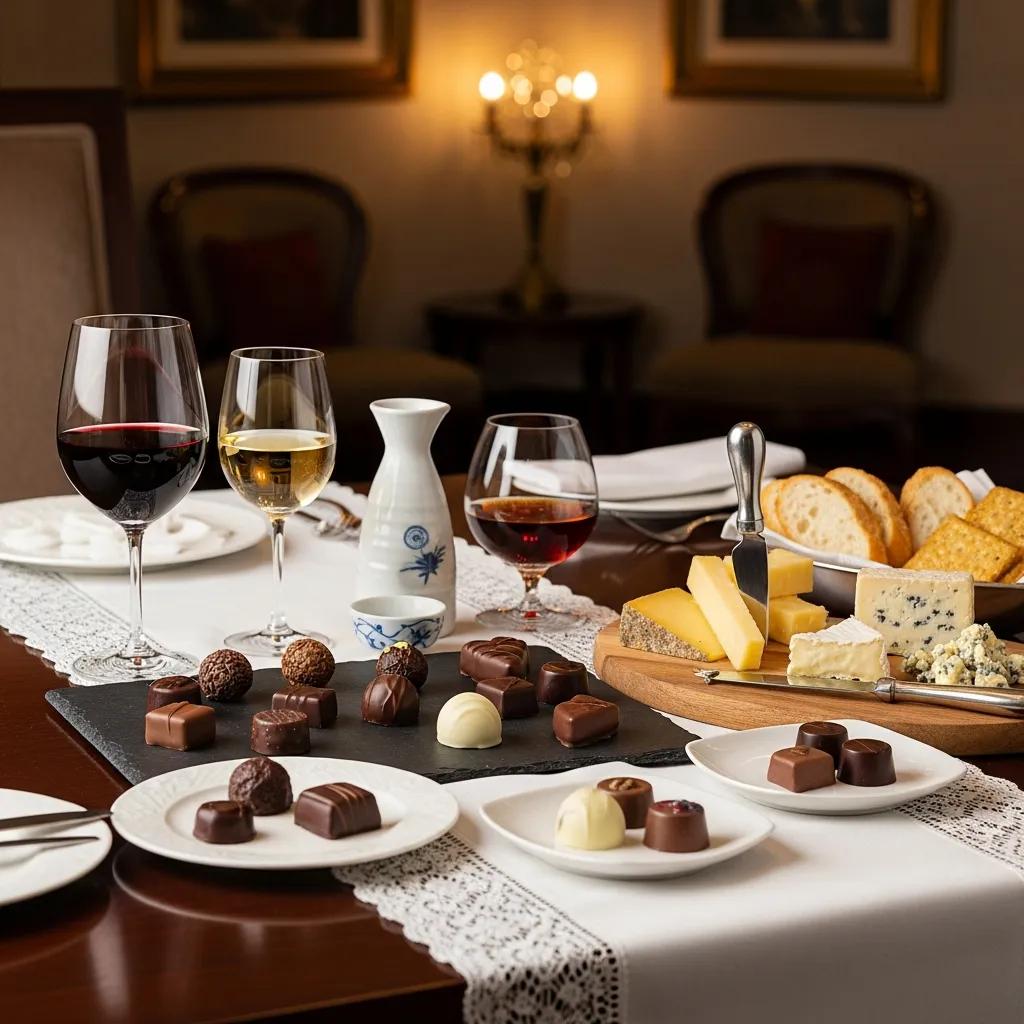
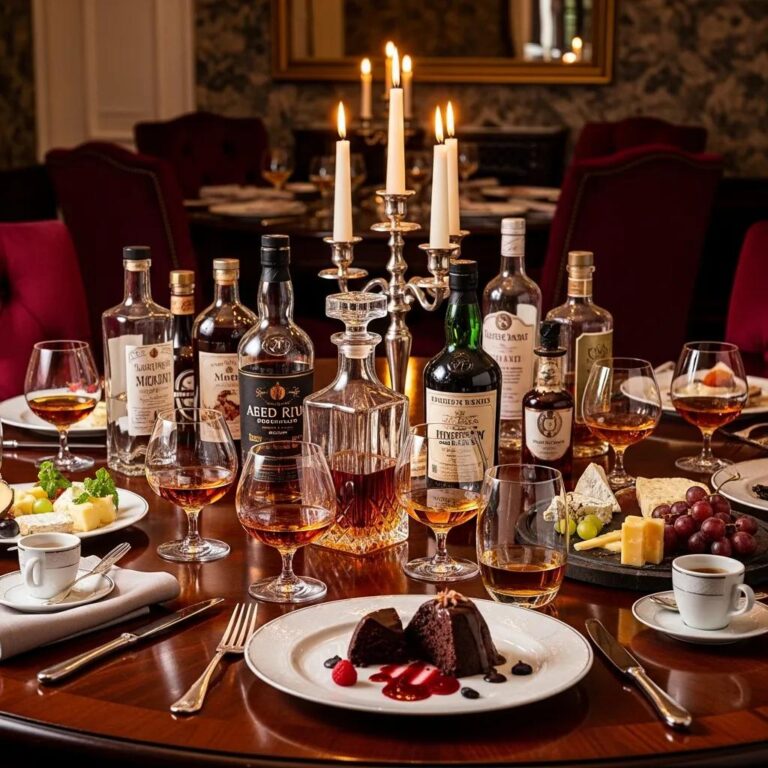
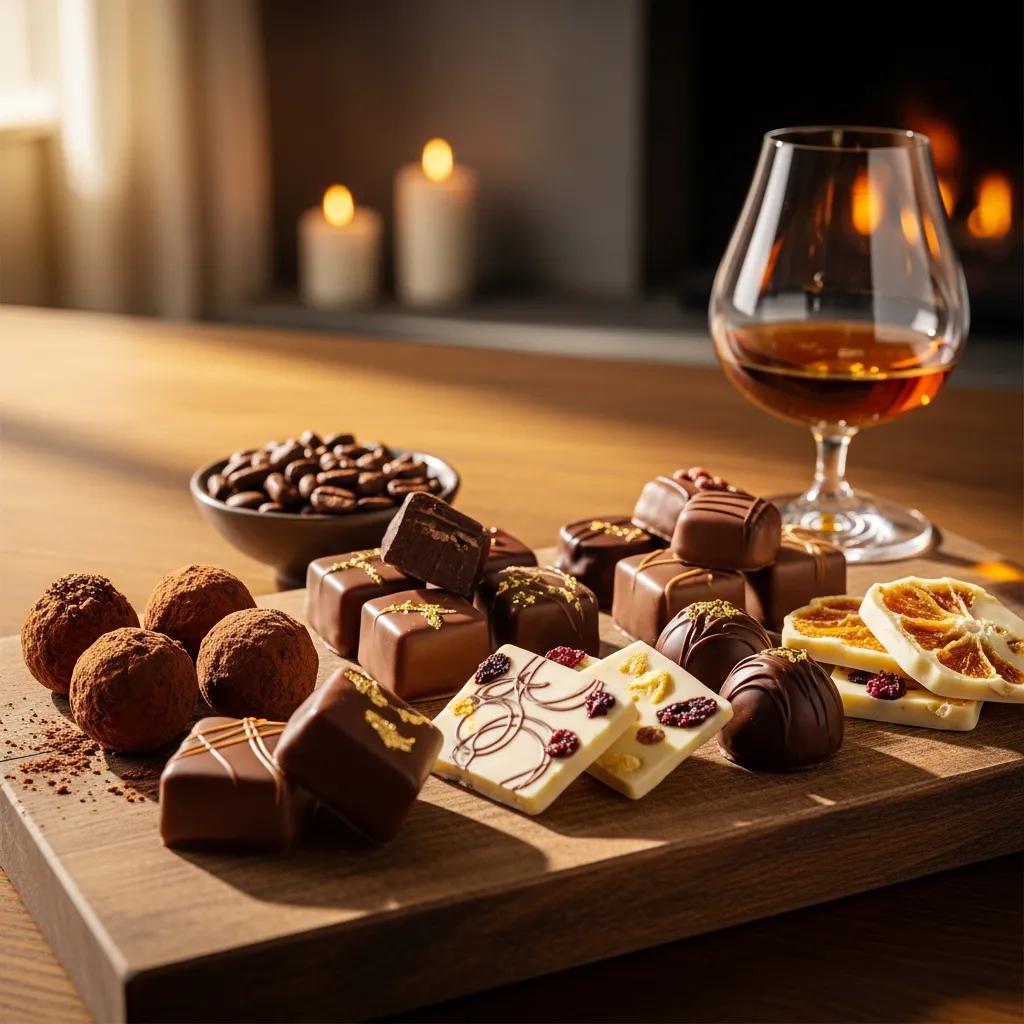
Good pairing follows two simple principles: match intensity and choose whether to complement or contrast. Matching intensity aligns body and sweetness — light, fruity chocolate pairs with delicate floral sake or a light white; high‑percentage dark needs a fuller‑bodied red or rich cheeses. Complementary pairings amplify shared notes (nutty chocolate with nut‑forward cheese); contrasting pairings create tension and highlight differences, for example a bright fruit bar against an oaky, buttery sake. The matrix below gives quick, practical pairing suggestions across wine, sake, cheese and savory dishes for both home tastings and restaurant service.
Pairing principles to remember:
- Match intensity: lighter chocolates with lighter beverages, heavier chocolates with fuller-bodied wines or sakes.
- Complement vs. contrast: amplify shared flavors or introduce contrast to sharpen perception.
- Consider texture: creamy chocolates pair well with soft cheeses; firm, snappy bars suit crisp beverages.
These principles inform the pairing matrix and the practical matches a sommelier or chef might propose during a tasting menu.
Pairing matrix table: chocolate type → pairing category → recommended example
How does pairing chocolate with wine, sake and cheese enhance flavors?
Pairing changes how we perceive sugar, acidity, tannin and alcohol against a chocolate’s sweetness and bitterness, reshaping aromatic expression. A fruity single origin with a delicate sake or light white brightens citrus and berry notes; a bold dark paired with a structured red keeps balance and lets fruit tones emerge against tannins. Cheese pairings often work by texture: creamy cheeses tame astringency and highlight buttery or caramel notes in milk chocolate. Below are practical combos to try in a guided tasting or dinner service.
Sample pairing list (each item is a single pairing suggestion):
- Fruity single origin with a floral sake to emphasize citrus and berry aromatics.
- Creamy milk chocolate with a soft triple‑cream cheese to bring forward caramel and dairy notes.
- High‑percentage dark chocolate with a full‑bodied red to balance bitterness and lift fruit.
- Nutty dark chocolate with roasted or umami‑forward dishes to echo toasty flavors.
Which Kaviar Restaurant signature dishes complement chocolate desserts?
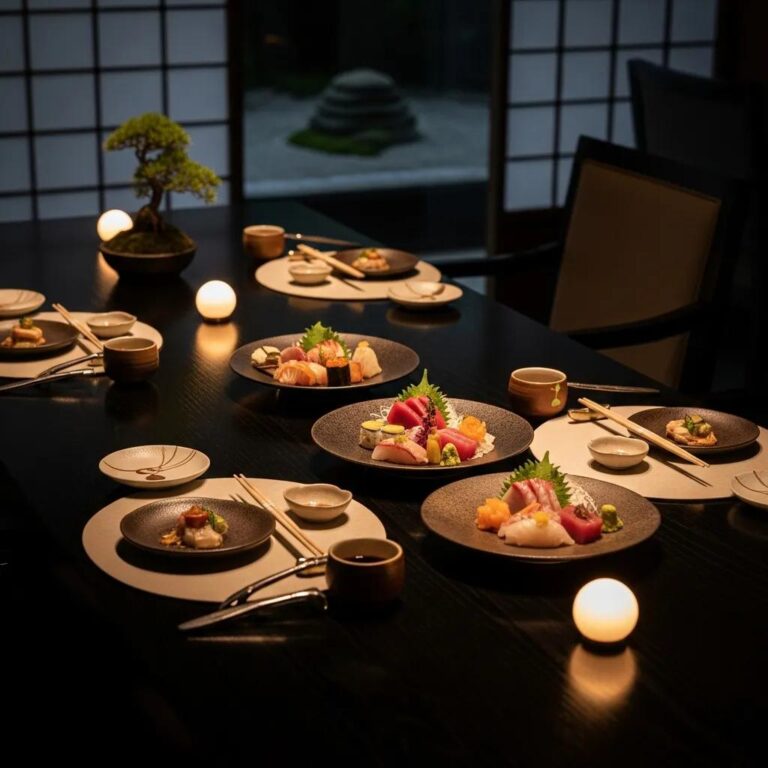
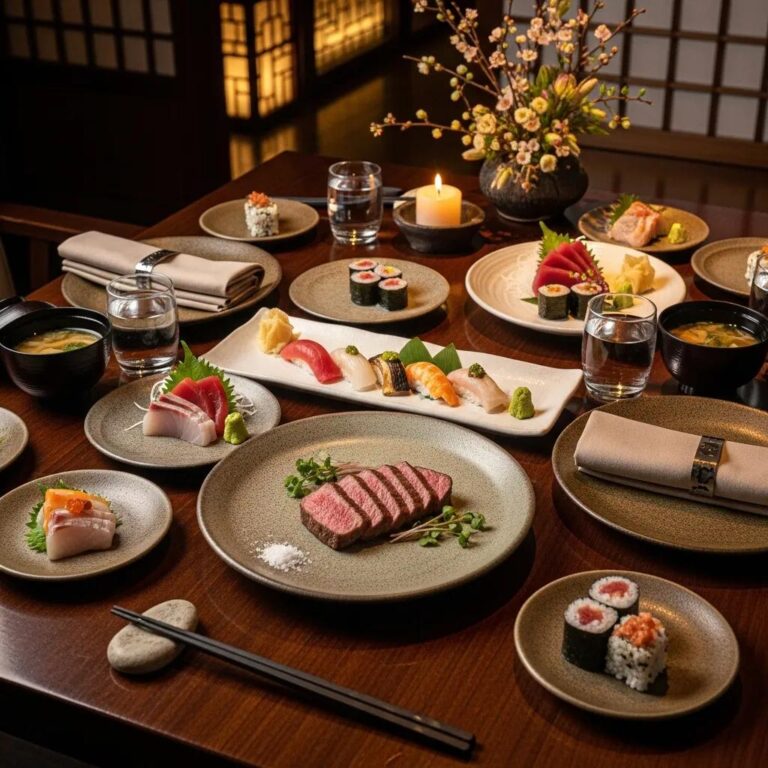
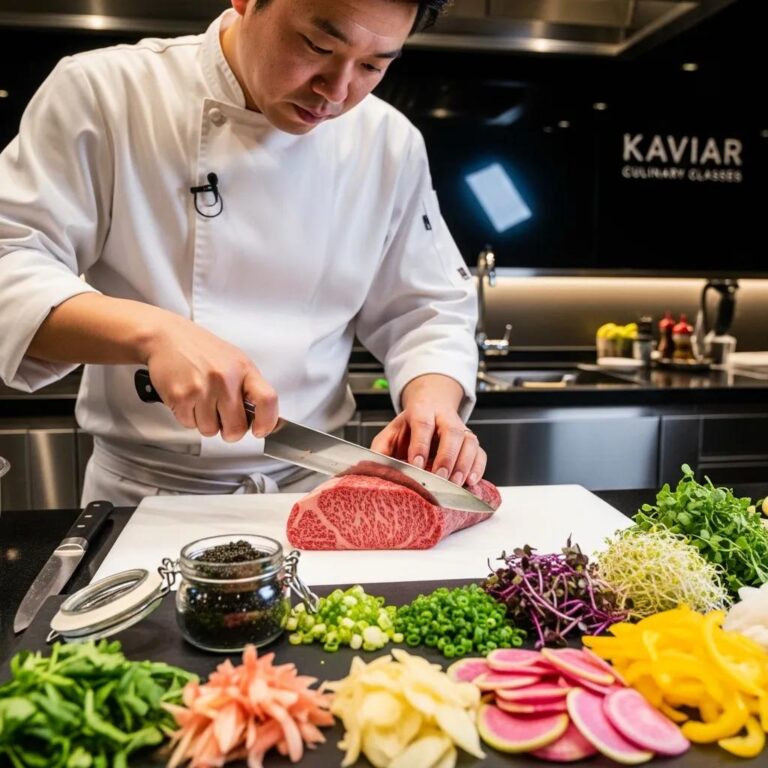
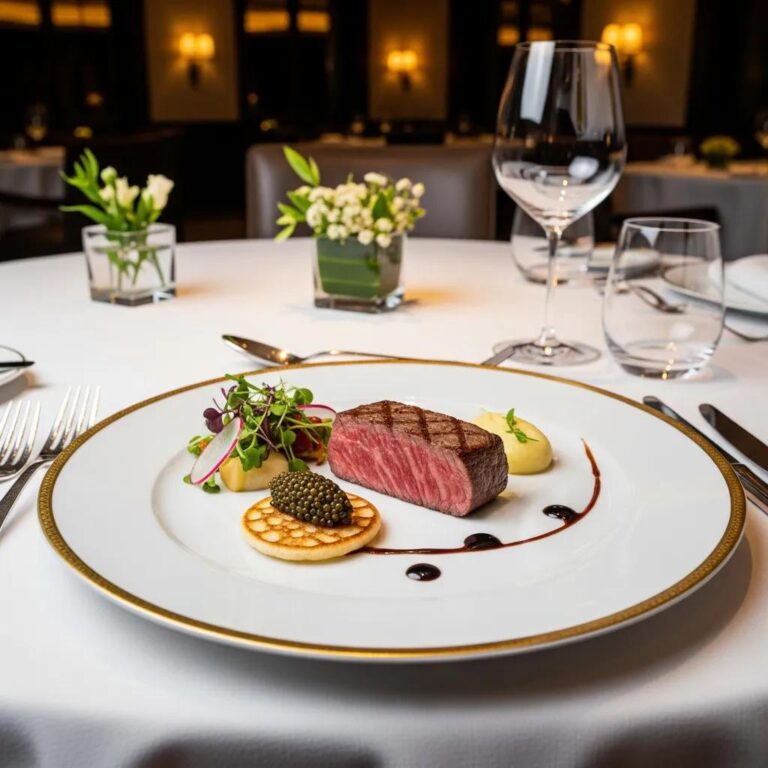
At Kaviar Restaurant we craft omakase and tasting sequences around premium ingredients and precise technique; those savory courses — rich in umami and refined textures — can be arranged to set up a chocolate dessert for contrast or complement. For example, a course showcasing caviar or A5 Wagyu creates a rich backdrop that a focused chocolate dessert can refresh with brightness or resolve with gentle sweetness. Our dessert pacing is designed for discerning diners; guests who want chef‑guided chocolate pairings should note this when booking through Kaviar’s reservation page.
Framing chocolate as the final flavor chapter — either resolving or counterpointing the savory narrative — is a way we make desserts linger in memory for fine‑dining patrons.
How can you experience a luxury chocolate tasting at Kaviar Restaurant?
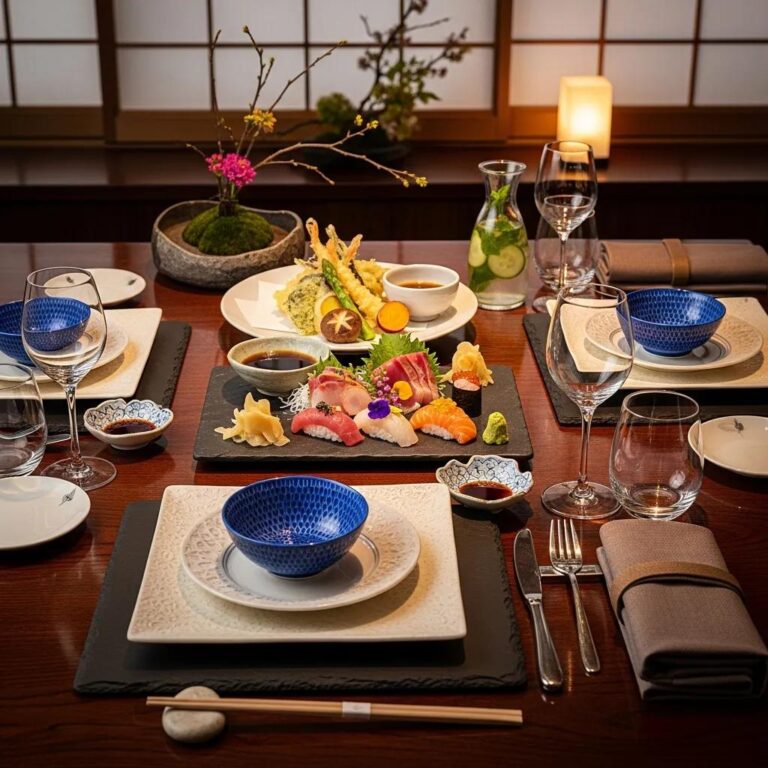
Kaviar offers an intimate fine‑dining setting where chef‑led tasting sequences and omakase‑style service provide a natural stage for luxury chocolate experiences paired with Japanese technique and thoughtful beverage choices. Expect curated dessert courses that reflect our commitment to premium ingredients and precise execution. Tasting formats suit private groups or guided events where a chef or sommelier explains each match. Use the reservation system to request a curated tasting, note dietary preferences and share occasion details so the team can plan appropriately. For guests seeking a chef‑led exploration of chocolate with sake or wine pairings, Kaviar provides a refined context to put the look–smell–taste–savor method into practice.
Booking guidance and what to expect when reserving a tasting:
- Share the occasion and any dietary restrictions when booking so the kitchen can tailor the tasting flow.
- Request a chef‑guided or sommelier‑assisted pairing to learn the reasoning behind each match.
- Consider private or small‑group bookings for an immersive tasting where pacing and explanation are prioritized.
This service‑first approach complements the tasting education in this guide and gives a clear path for experiencing professional chocolate tastings in a luxury setting.
What exclusive chocolate tasting events and dessert experiences are offered?
Our formats include guided dessert pairings within an omakase, private tasting events for small groups, and chef‑presented courses that position chocolate alongside savory highlights and selected beverages. Guided tastings deliver instruction — aroma wheel use and step‑by‑step technique — while private events allow for bespoke pacing and personalization. Curated sequences pair chocolate with sake or wine chosen to highlight origin and processing contrasts, and the intimate dining room encourages conversation with service staff about provenance and method. For guests who want both education and theatre, these experiences blend sensory training with the craft of fine dining.
How to book your luxury chocolate tasting experience at Kaviar?
To reserve a chef‑guided chocolate tasting or inquire about private dessert events, use Kaviar Restaurant’s reservation system and include group size, dietary restrictions and any special occasion details to help the team prepare the tasting flow. Early booking is recommended for curated experiences so the kitchen can source specific chocolates or arrange pairing beverages in advance. Ask for a sommelier or chef to join the tasting if you want an educational component that follows the look–smell–taste–savor sequence. Guests who share preferences at booking receive a more tailored progression that aligns culinary and sensory objectives.
Frequently Asked Questions
What is the best way to store premium chocolate to maintain its quality?
Store premium chocolate in a cool, dry place away from direct sunlight and strong odors. Ideal temperature: 60°F–70°F (15°C–21°C). Avoid refrigeration when possible — condensation can affect texture. Keep chocolate in original packaging or an airtight container to prevent it from absorbing moisture and external scents. Proper storage preserves flavor, aroma and mouthfeel for the best tasting results.
How can I enhance my chocolate tasting experience at home?
Create a focused, sensory‑friendly setting: dim distractions, clear your palate between samples and use an aroma wheel to identify scents. Keep a tasting journal to record observations and compare sessions. Pair chocolates with complementary beverages like tea, wine or sake to explore interactions. Invite friends to bring different bars for a comparative tasting. Practice the look–smell–taste–savor routine to deepen your appreciation of each chocolate’s character.
What are some common mistakes to avoid during chocolate tasting?
Avoid rushing the process — quick tasting misses subtle details. Don’t taste chocolate right after strong‑flavored foods; those flavors will linger. Assess appearance and aroma before tasting, and use clean utensils to prevent cross‑contamination. Limit the number of samples per session to maintain palate clarity. Slow, focused evaluation yields the most reliable notes.
Can chocolate tasting be a part of a larger culinary experience?
Absolutely. Chocolate tasting fits naturally into multi‑course meals and themed events. Restaurants often pair chocolate with savory or dessert courses to enhance the meal’s flavor narrative. Combining chocolate with wine, sake or cheese opens creative pairing opportunities. Hosting a guided tasting at home or attending one at a specialty venue creates a memorable culinary event that engages sight, smell and taste.
What role does terroir play in chocolate flavor profiles?
Terroir shapes chocolate flavor by influencing the cocoa bean’s development: soil, climate and altitude affect fermentation and flavor precursors. Beans from different regions show distinct profiles — Madagascar often yields bright, citrusy or berry notes; Ecuador can offer deeper, more rounded character. Appreciating terroir helps tasters read single‑origin bars and understand how environment informs flavor.
How can I learn more about chocolate tasting techniques?
Deepen your skills through workshops and classes at culinary schools, chocolatiers or specialty shops. Online resources — videos, articles and guided tastings — provide practical techniques. Read books on chocolate production and attend local tastings or fine‑dining events to observe professional pairing and pacing. Join chocolate communities to exchange notes and expand your palate through shared experiences.
Conclusion
Chocolate tasting opens a rich world of flavor and texture — from single‑origin brightness to artisan complexity. By learning the differences between origin and production, practicing a reliable tasting sequence and applying thoughtful pairings, you’ll refine your palate and deepen enjoyment. Embrace the process: record your impressions, taste deliberately and seek guided experiences when possible. For a fully curated tasting, consider reserving a session at Kaviar Restaurant to experience chocolate pairings crafted with the same precision we bring to every course.