



Explore Kaviar’s Premium Whiskey & Spirits: A Guide to Luxury Pairings and Tasting
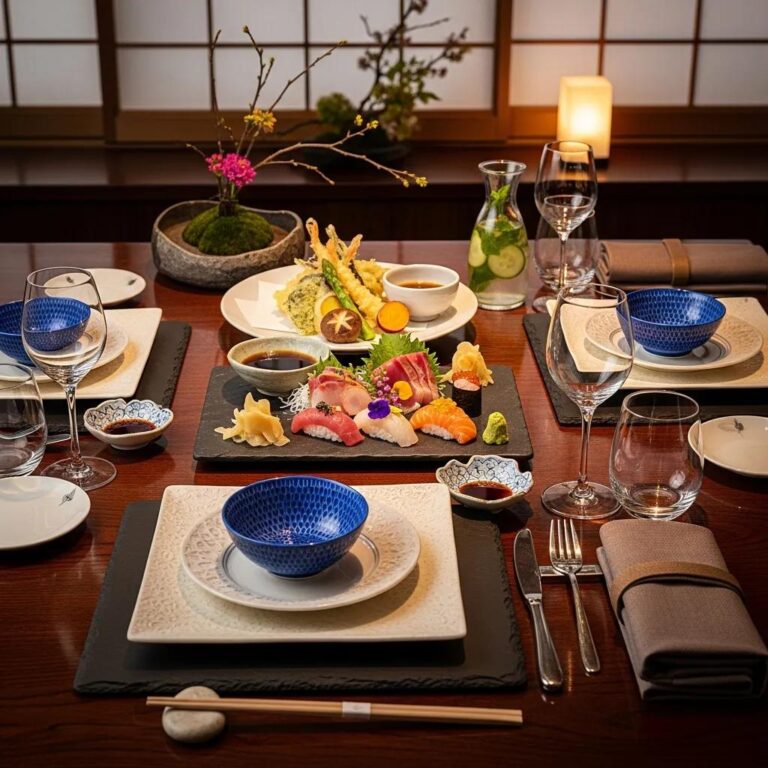
At Kaviar, our whiskey and spirits program is curated to enhance an elevated Japanese fine‑dining experience — from a delicate omakase progression to A5 Wagyu and caviar service. This guide outlines the brands and styles that shape our collection, how to taste thoughtfully at Kaviar, and practical pairing strategies that use texture, umami, and aroma to amplify each course. You’ll find clear regional distinctions, a step‑by‑step tasting framework to sharpen your sensory language, and a pairing matrix linking signature dishes to spirit types. We also explain how to reserve a whiskey‑forward dining or tasting experience and what to expect from our service and pacing. Throughout, we connect region → style → tasting note so you can make informed requests when booking.
What premium whiskey brands define Kaviar’s exclusive collection?
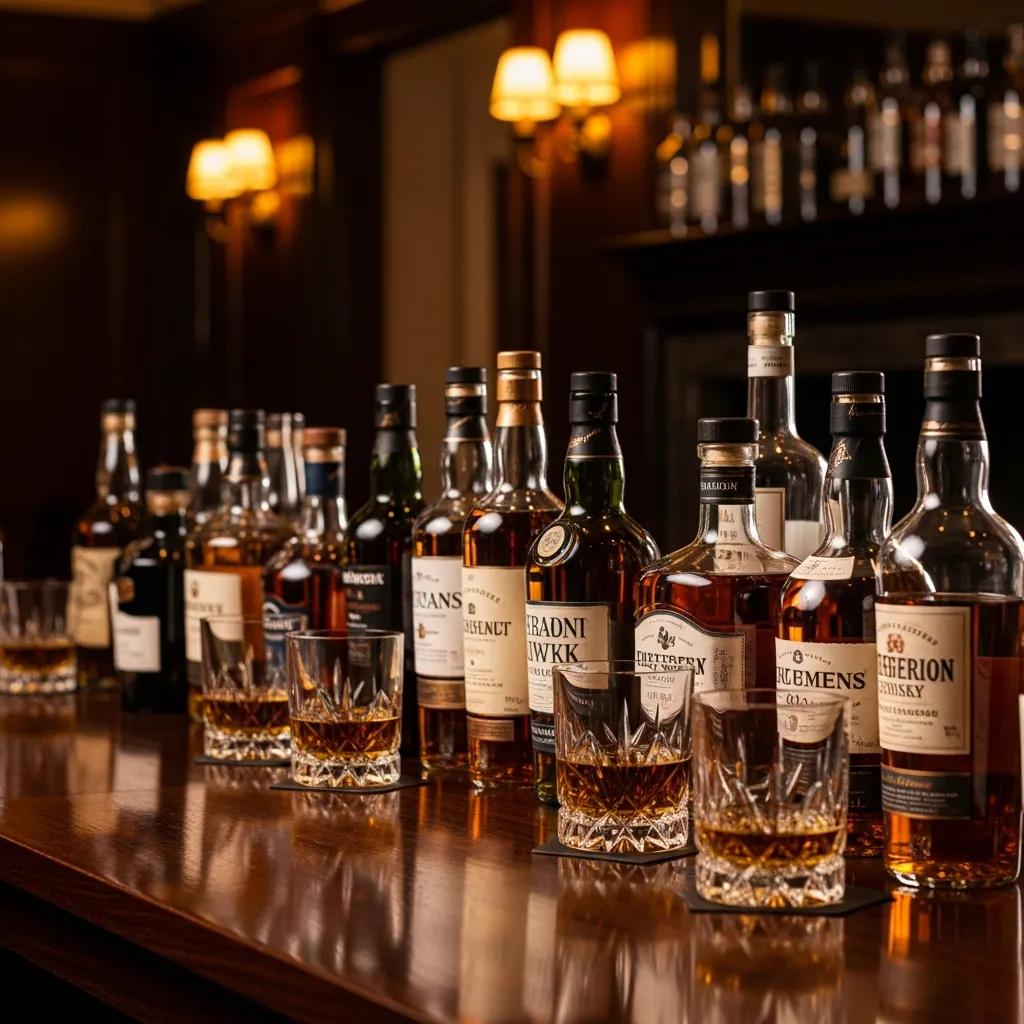
Our program emphasizes provenance, balance, and authentic bottlings chosen to support the flow of an omakase service. We favor Japanese single malts alongside carefully selected single‑malt and blended Scotches, including limited releases and age‑statement bottles that pair with both delicate seafood and richer, fattier courses. This section highlights the flagship style groups, notes key origin differences, and offers concise tasting cues so guests can quickly choose a bottle that complements their meal. Knowing how age statement, cask type, and ABV affect mouthfeel and aroma will help predict how a spirit will interact with each course.
Kaviar’s Japanese and Scotch offerings group by signature character:
- Yamazaki‑style single malts — floral fruit and honeyed oak that linger alongside caviar.
- Hakushu‑like expressions — lighter, herbaceous notes ideal for sashimi and delicate seafood.
- Nikka‑style blends and malts — balanced maltiness that bridges raw and lightly seared items.
- Speyside and Highland Scotches — fruit and malt forward; Islay — peat and smoke for grilled, robust courses.
This quick map helps guests request pairing profiles that match their reservation and the chef’s progression.
Which Japanese whiskey brands are featured at Kaviar?
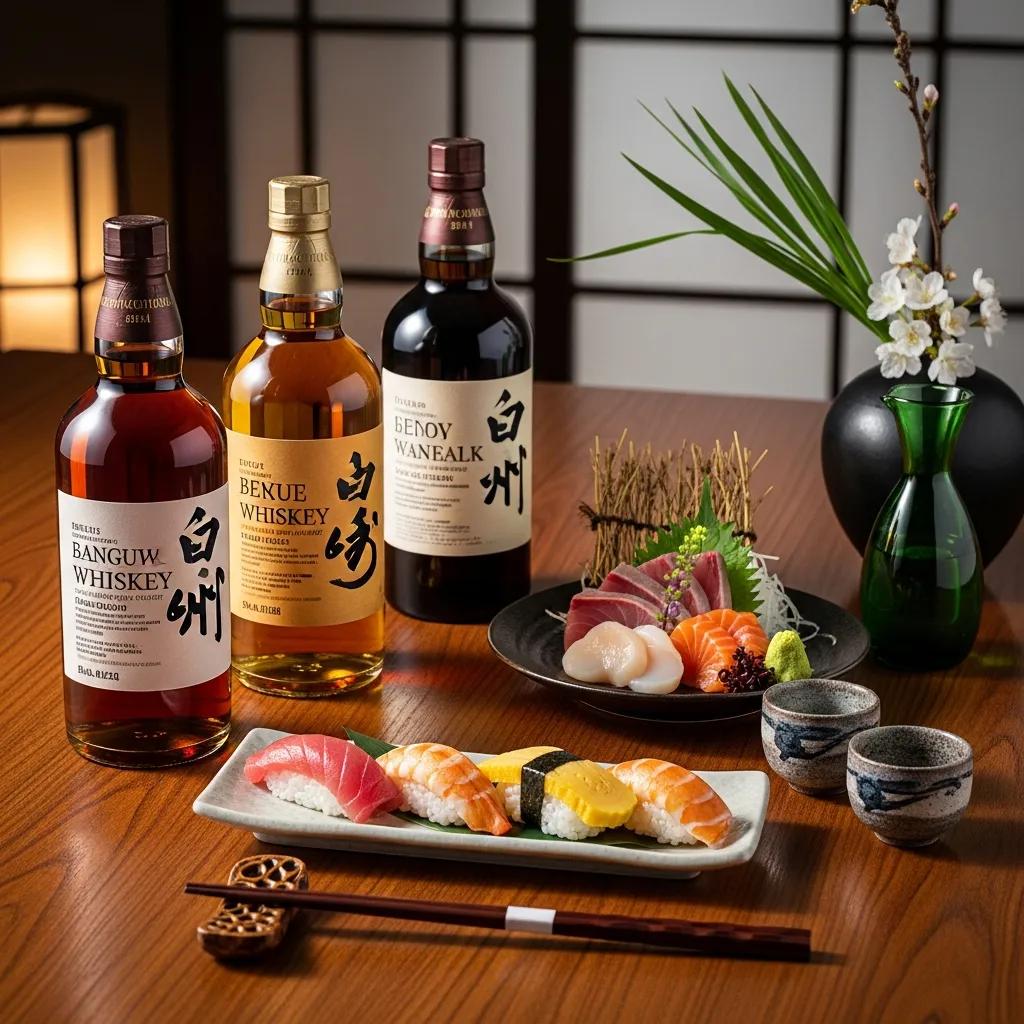
Japanese whisky in our selection favors subtlety and balance, tuned to seafood‑forward pairings that respect clean flavors. Typical picks include lighter single malts and thoughtfully finished expressions with citrus, honey, and gentle herbal notes — characteristics that harmonize with sashimi, delicate nigiri, and caviar. Expect a floral nose, hints of green apple or yuzu on the palate, gentle oak, and a clean finish that refreshes between courses. These profiles work beautifully early in an omakase sequence or alongside chilled seafood where restrained sweetness and aromatic lift accentuate the ocean’s salinity.
Pairing cues:
- Light single malts — with raw fish and caviar to preserve nuance.
- Slightly sherried or cask‑finished expressions — for richer cooked courses.
- Mildly peated Japanese options — to bridge grilled seafood and seared dishes.
These alignments help guests request bottles that support the tasting sequence without overpowering subtle textures.
What are the best Scotch whiskies available at Kaviar?
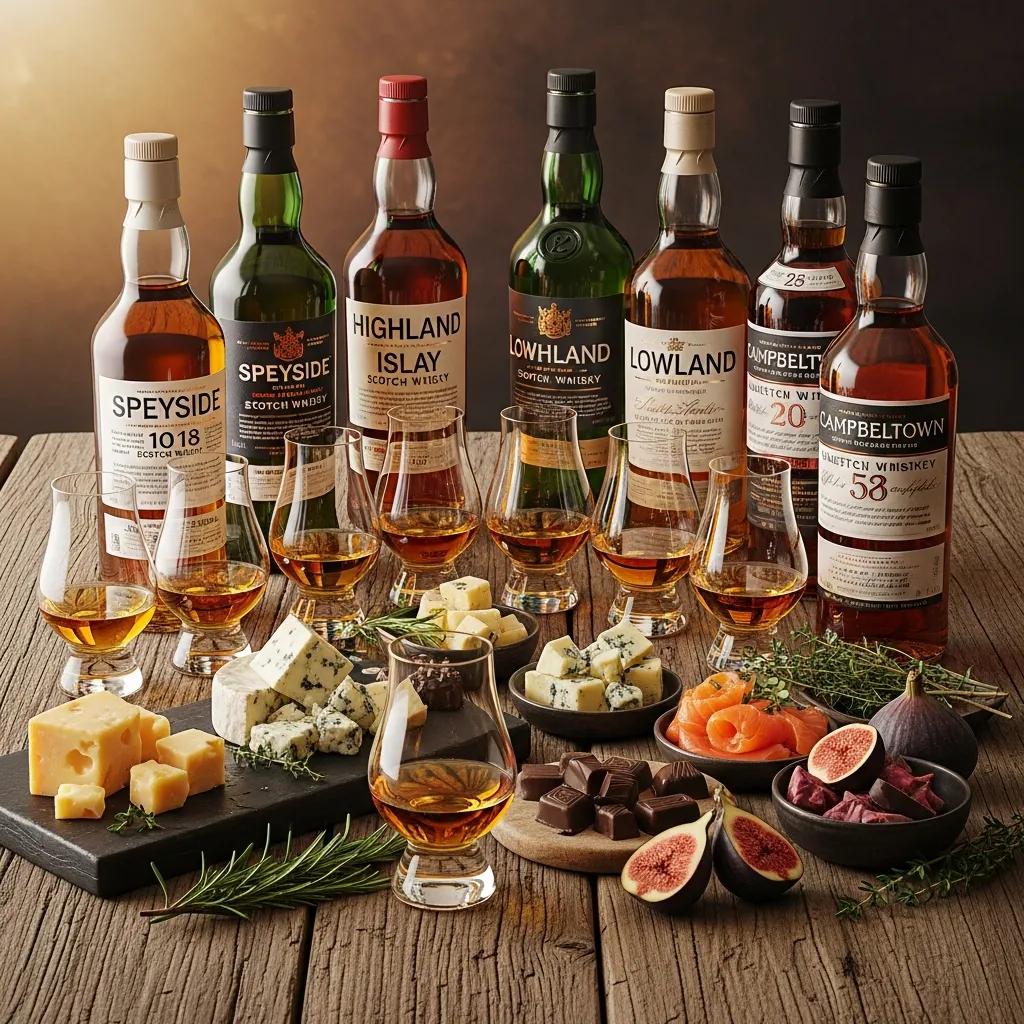
Our Scotch list spans Speyside, Highlands, and Islay, each region offering a distinct palate suited to different moments in the tasting menu. Speyside and Highland malts bring fruit and malt notes that pair with lighter cooked fish and soy‑simmered dishes, while Islay’s maritime smoke works with grilled or umami‑dense courses, especially where the chef introduces char or aged elements. Look for descriptors such as orchard fruit, vanilla, dried fruit from sherry casks, peat smoke, iodine, and long, dry finishes — all useful signals when matching spirit to texture and sauce weight.
Representative pairing suggestions:
- Speyside — fruit‑forward, for simple glazed preparations.
- Highland — balanced body, for richer broths and oyster courses.
- Islay — smoky and saline, for charred items and bold umami.
Knowing these regional signatures lets diners choose Scotches that either contrast (smoke vs. clean seafood) or complement (fruit vs. sweet glaze) the chef’s sequence.
How to experience whiskey tasting at Kaviar: a practical guide
Tastings at Kaviar marry structured sensory exploration with menu integration: choose flights, paired tastings timed with omakase courses, or private events tailored to your preferences. Format dictates pacing — flights highlight vertical comparison, while paired tastings sync pours to dishes so you can see how spirit and food interact. Approach a tasting as a sequence: cleanse the palate, nose the pour, take a measured sip, then note the finish. Our sommelier sequences samples from light to robust so each spirit enhances the intended course. We recommend reservations for curated tastings so we can align bottle selection with the menu.
Use this stepwise tasting procedure to get the most from a session:
- Observe — note color, viscosity, and legs for cask influence.
- Nose — inhale gently to identify primary aromatics: fruit, cereal, or smoke.
- Sip — take small sips and let the spirit coat the tongue to assess weight.
- Finish — note aftertaste length and how flavors evolve with food.
- Compare — in flights, contrast adjacent pours to highlight cask or regional differences.
This clear framework is repeatable across tasting formats and helps you request specific flight structures or pairings when booking.
What are the essential whiskey tasting notes to know?
Core sensory descriptors — nose, palate, finish, and mouthfeel — form the backbone of whiskey tasting vocabulary and guide precise pairings. On the nose, seek fruit (apple, pear, citrus), cereal (malty biscuit), oak‑derived vanilla, and any peat or iodine that signals coastal influence. On the palate, assess sweetness, spice or tannic edges, oiliness, and the balance of sugar and acidity. The finish shows integration: how long flavors persist and whether smoke, fruit, or oak returns. Mapping these notes to dish attributes (salinity, fat, acidity) helps anticipate how a spirit will lift or shift a course.
Practical sample note:
“A light Japanese single malt — floral nose, yuzu zest, gentle oak, short to medium finish.” This region/style → descriptor → finish format makes quick comparisons when selecting pairings.
How does Kaviar curate its luxury spirits collection for tasting?
Our curation rests on three pillars: provenance and rarity, flavor compatibility with the menu, and seasonal rotation. The sommelier sources bottles with clear stylistic identities — Speyside fruit, Islay smoke, Japanese floral clarity — prioritizing expressions that translate across a multi‑course omakase. Rotating selections and special releases ensure returning guests encounter fresh pairings and allow private tastings to center on rare bottles. Procurement balances market availability with reservation demand so standout bottles can be reserved for curated events while approachable selections remain on the main list.
Operationally, this approach results in:
- A rotating flight menu that mirrors seasonal changes to the menu.
- Select bottles held for paired tastings or private events.
- Sommelier‑led adjustments to flights that highlight provenance and cask stories.
These practices keep Kaviar’s spirits program dynamic, discovery‑driven, and tightly integrated with the cuisine.
Which premium spirits pair best with Kaviar’s signature dishes?
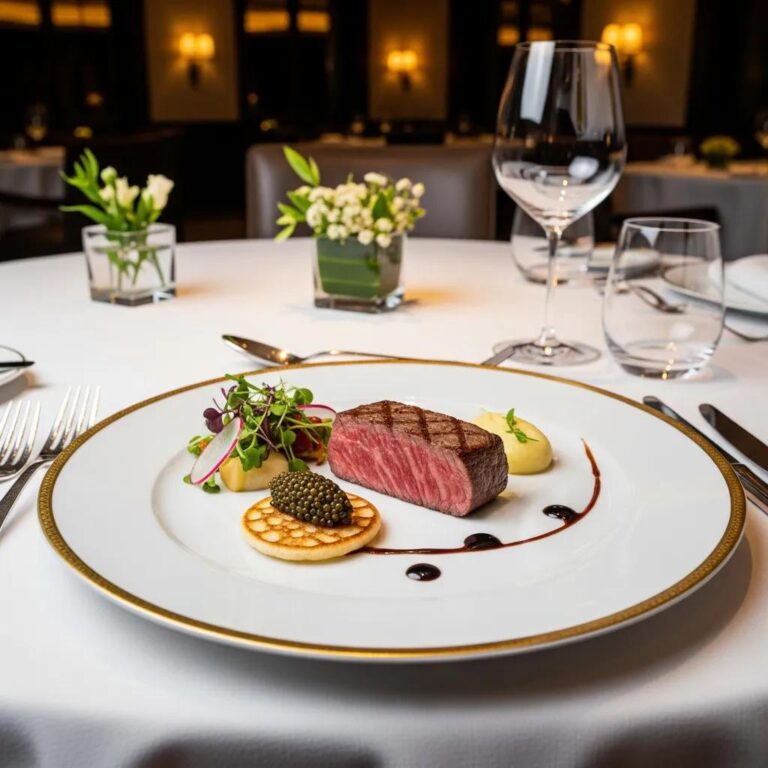
Pairing spirits with Japanese fine dining centers on balance, contrast, and texture. A spirit can echo a dish’s flavor, provide a cleansing contrast, or elevate umami through complementary aromatics. Lighter, fruit‑forward whiskies lift salinity without adding bitter weight, making them excellent with chilled seafood and caviar. Richer or sherried expressions suit seared fish and soy‑glazed items. For A5 Wagyu, the aim is to match mouthfeel: high fat benefits from spirits with sweetness, mild tannin, or peat to cut and balance while enhancing umami.
Key pairing principles:
- Balance intensity — light spirits with delicate courses, bolder spirits with robust dishes.
- Match texture — silky spirits echo fat; drier, higher‑ABV pours cleanse the palate.
- Use contrast judiciously — smoke can add complexity to grilled items but may overwhelm raw preparations.
These principles inform the matrix below and help when requesting tailored pairings.
How to pair whiskey with omakase and Japanese fine dining?
Omakase is sequence driven; pairings should follow that progression — begin with delicate, lower‑ABV whiskies and build to fuller‑bodied expressions as the menu deepens. Early courses like chilled shellfish or sashimi benefit from floral or citrus‑driven spirits served slightly cool to keep aromatics bright. Mid‑sequence dishes that introduce searing or glaze call for more texture and cask influence to mirror caramelization. Reserve Islay or heavily peated options for late‑stage or standalone courses where smoke complements char rather than masking delicate fish. Close chef‑sommelier coordination ensures each pour aligns with portioning and palate‑reset moments.
Practical pairing sequence:
- Light, floral Japanese single malt with raw seafood.
- Speyside or Highland malt with simmered or lightly grilled courses.
- Sherry or cask‑finished expressions with richer, sauce‑forward items.
- Peated or smoky whiskies for charred items or to close the progression.
Following a sequence like this accentuates contrast and lets each spirit enhance the chef’s intent.
What makes A5 Wagyu and whiskey pairings unique at Kaviar?
A5 Wagyu’s concentrated fat and umami interact with whiskey through mouthfeel, sweetness, and phenolics. Because fat coats the palate, pairings either cut the fat (higher ABV, saline or smoky notes) or complement it (sherry‑cask sweetness). The wagyu experience favors small, measured sips alternating with bites to create a rhythm where the spirit refreshes and elevates the beef’s flavors. Serving temperature matters: slightly warmer pours release aromatic complexity that pairs with wagyu’s depth, while a cooler sip can serve as a brief palate cleanser.
Recommended spirit matches:
- Sherry‑cask‑finished single malts — to complement the beef’s sweet umami.
- Lightly peated whiskies — for smoke counterpoint without overwhelming.
- Aged Japanese expressions — balanced oak and fruit to mirror richness.
Portioning and flight idea: present 15–25 ml pours across three contrasting styles — fruity sherry finish, mild peat, and aged Japanese — to create a curated wagyu pairing that highlights textural interplay.
How to reserve your luxury whiskey and dining experience at Kaviar?
Reservations are central to booking a whiskey‑forward dining or tasting experience at Kaviar. We encourage advance notes on pairing preferences — Japanese whiskies, Scotch flights, or private tastings — so our sommelier and chef can coordinate service flow. For private events or specialty tastings featuring rare bottles, please allow extra lead time so we can secure and set aside specific expressions. Clear communication at booking helps us tailor portion sizes and prepare tasting notes or flight narratives to enhance the guest journey.
Booking steps and preparatory guidance:
- Specify the experience type (paired omakase, tasting flight, private event) when reserving.
- Note bottle requests or dietary restrictions for pre‑arrangement.
- Request sommelier‑led pairing if you prefer guided explanations with each course.
- Allow lead time for specialty tastings or rare bottles.
These steps streamline booking and let us deliver a seamless tasting that integrates culinary and spirits programming.
What is the reservation process for Kaviar’s premium whiskey selection?
To ensure availability and a tailored experience, indicate tasting preferences and pairing requests when you reserve. Our reservation‑first approach means flights, paired tastings, and private events are scheduled in advance so we can coordinate bottle allocation and pacing. Lead times vary by event type — standard paired omakase fits typical booking windows, while specialty tastings or rare bottle requests benefit from earlier notice. When booking, include notes on spirit styles or celebratory details so we can customize the service.
Practical tips for booking:
- Mention pairing interests (Japanese whiskies, Scotch flight, wagyu pairing) in reservation notes.
- Ask for sommelier involvement for guided tastings.
- Expect staff confirmation of bottle availability and suitable alternates if needed.
This workflow helps translate requests into a curated, synchronized dining and spirits experience tailored to your preferences.
What can guests expect from the whiskey and spirits experience?
Guests can expect a refined, reservation‑driven flow integrating sommelier guidance, thoughtful portioning, and presentation that enhances the chef’s progression. Formats range from comparative flights to course‑synced pairings; pours are modest so you may sample across a full tasting menu. Service is narrative — each pour is introduced with provenance, cask details, and suggested tasting notes — enabling you to appreciate how spirit attributes relate to individual dishes. The dining room remains calm and focused; staff pace pours to align with courses so the journey feels cohesive and immersive.
Typical service features include:
- Sommelier introductions with tasting notes.
- Small, deliberate pours for comparative tasting and pairing.
- Coordination with the kitchen to ensure timing and portion balance.
This guest journey reveals how spirits interact with Japanese fine dining elements — texture, umami, and delicate aromatics — while preserving each dish’s integrity.
Why is Kaviar’s whiskey selection unique in Pasadena’s luxury dining scene?
Kaviar’s whiskey program stands apart through direct integration with an upscale omakase experience, a rotating selection of rare and complementary bottles, and sommelier‑driven pairing that treats spirits as an equal partner to cuisine. Rather than listing spirits as an afterthought, we select bottles for menu compatibility — prioritizing expressions that work across raw and cooked preparations and that fit within a reservation‑first tasting model. This approach reflects the shift toward experiential dining where beverage programs deepen the culinary narrative rather than merely accompany it.
Key differentiators include:
- Menu‑integrated curation tying bottle provenance to plating decisions.
- Rotating special releases and flight programs that encourage return visits.
- Close sommelier‑chef coordination to tailor pairing sequences.
These distinctions make Kaviar a destination for guests seeking purpose‑built whiskey pairings rooted in Japanese fine‑dining sensibility in Pasadena.
What industry trends support Kaviar’s premium spirits offering?
Recent market trends (2023–2025) show sustained demand for premium Japanese whisky and a growing appetite for experiential beverage programs in fine dining. Diners increasingly favor curated flights and pairing experiences that tell provenance stories, rewarding restaurants that present rare bottles alongside chef‑led menus. Awareness of cask influence and age‑statement nuance has risen, prompting guests to seek expert explanations during service. These trends validate Kaviar’s investment in rotating premium bottles, sommelier education, and integrated tasting events.
Recommended operational responses:
- Continue rotating limited releases and themed tasting events.
- Keep sommelier training focused on provenance narratives and pairing rationale.
- Monitor guest feedback and reservation data to refine flight offerings.
These actions help ensure our program remains contemporary and distinct.
How does Kaviar maintain its status as a top whiskey destination?
Operational discipline sustains Kaviar’s standing: a structured rotation of the collection, ongoing staff and sommelier education, and event programming that encourages discovery keep the offering fresh and relevant. We track reservation demand and repeat visitation to guide procurement and justify special releases or private tastings. Educational elements — tasting notes, guided flights, and pairing narratives — enhance guest perception and drive recommendations. Local partnerships and themed events further anchor Kaviar as a thoughtful whiskey destination in Pasadena’s luxury dining scene.
Actions that preserve status:
- Structured bottle rotation with selective reservation holds for tasting events.
- Continuous sommelier education and regular chef‑sommelier alignment meetings.
- Event programming (limited‑release nights, pairing dinners) emphasizing provenance and tasting education.
These practices help Kaviar sustain a spirits program that complements our omakase and A5 Wagyu offerings while drawing guests specifically for curated whiskey experiences.
Frequently Asked Questions
What types of whiskey tasting experiences does Kaviar offer?
We offer several tasting formats designed to enhance the dining journey: structured flights for vertical comparisons, paired tastings synchronized with omakase courses, and private tasting events built around individual preferences. Each format highlights the interaction between whiskey and food for a memorable sensory exploration. Reservations are recommended to ensure a personalized experience that aligns with your tastes and the menu.
How does Kaviar ensure the quality of its whiskey selection?
Quality is assured through careful curation that prioritizes provenance, rarity, and compatibility with our menu. Our sommelier sources bottles with distinct stylistic identities so they complement a multi‑course omakase. The collection rotates to include seasonal releases and special editions, giving guests new discovery opportunities each visit. This commitment ensures every bottle meets Kaviar’s standards for luxury dining.
Can guests request specific whiskey pairings for their meals?
Yes. Guests are encouraged to request specific pairings when making a reservation. Indicate preferences — Japanese single malts, a Scotch flight, or a wagyu pairing — and our sommelier will align selections with the menu. This personalized approach lets guests explore their tastes while enjoying a curated culinary journey.
What should guests know about whiskey serving temperatures at Kaviar?
Serving temperature is chosen to enhance each pour: lighter, floral whiskies are often served slightly cool to preserve delicate aromatics and pair with chilled seafood, while richer expressions — those paired with A5 Wagyu, for example — may be presented slightly warmer to release deeper aromatics. These small adjustments ensure each pour complements its accompanying dish.
How does Kaviar’s whiskey selection reflect current industry trends?
Our selection aligns with trends toward premium Japanese whisky and experiential beverage programs. As diners seek curated flights and storytelling around provenance, we offer flights and pairings that highlight a bottle’s origin and character. Sommelier‑led education during tastings responds to guests’ desire for deeper context, keeping Kaviar at the forefront of luxury dining.
What is the significance of the whiskey tasting framework at Kaviar?
Our tasting framework enhances sensory exploration and appreciation: observe appearance, nose the pour, sip thoughtfully, and evaluate the finish. Following this structure helps guests articulate their experience and make confident pairing choices. The method deepens the connection between whiskey and cuisine, creating a cohesive, memorable dining journey.
Conclusion
Our premium whiskey and spirits selection is designed to enrich your Kaviar dining experience by pairing considered beverages with culinary craft. Our sommelier curates each pour to complement the artistry of the omakase, creating a balanced and memorable progression. Reserve a personalized tasting or paired omakase to discover how whiskey and Japanese cuisine interact — and let us elevate your next meal.