





Fermentation Science: From Kimchi to Kombucha — Probiotics, Flavor, and Brewing Craft
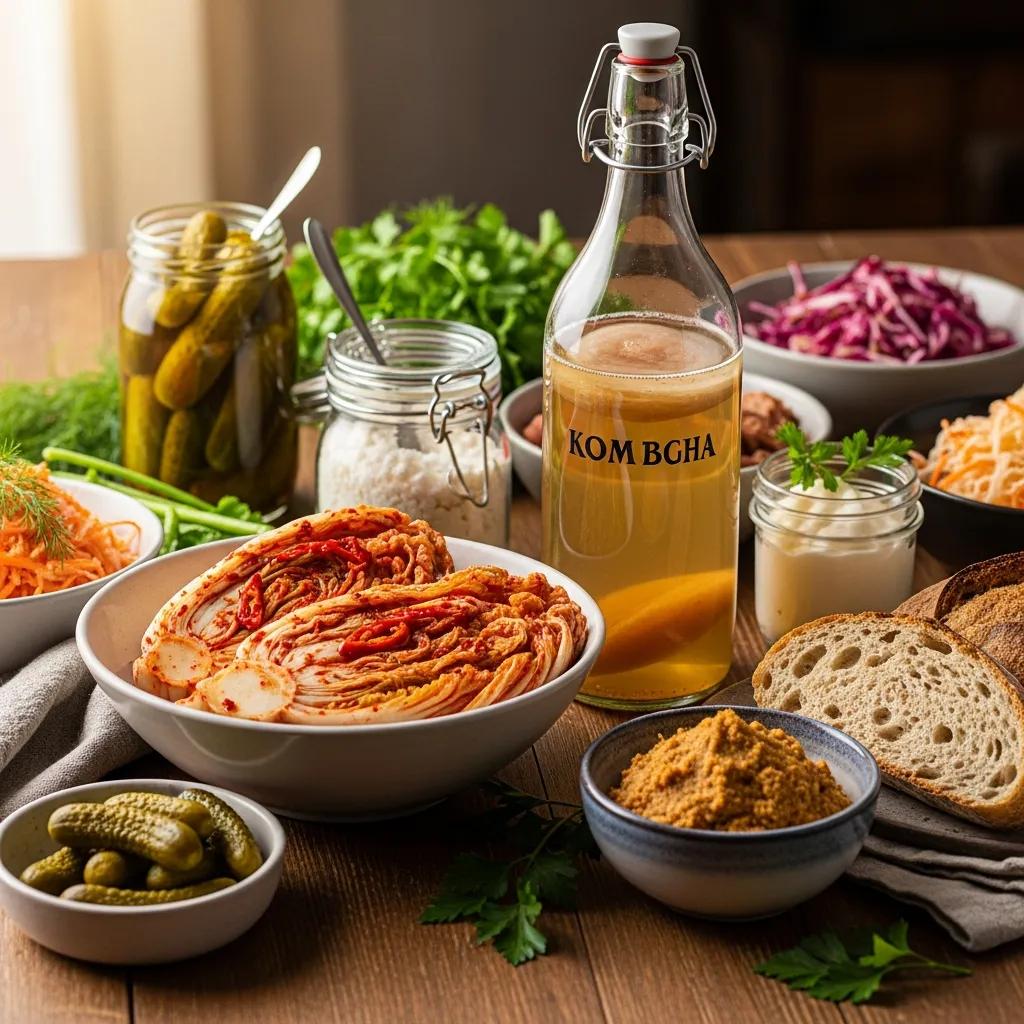
Fermentation is the microbial transformation of sugars and other substrates into acids, gases or alcohols — a process that sits at the crossroads of tradition and technique. Here we translate fermentation science into kitchen practice: how lactic acid bacteria and SCOBY cultures shape flavor and probiotic potential, and how those principles inform safe, repeatable recipes for kimchi and kombucha. Chef-driven Japanese kitchens often use fermented elements to deepen umami, refine texture and introduce acidic counterpoints that balance rich proteins. This article guides you through fermentation in Japanese fine dining, a step-by-step look at kimchi microbiology, practical kombucha brewing, evidence-based health notes, signature dishes that showcase these techniques at Kaviar, and how to reserve a fermentation-forward omakase. Along the way we reference core terms like food fermentation, probiotic foods, kimchi fermentation, kombucha brewing, lactic acid bacteria, and fermented Japanese ingredients to build a clear culinary and scientific thread.
What is fermentation science and why it matters in Japanese fine dining?
Fermentation science examines how microbes rework food chemistry into new flavors, textures and longer-lasting components through processes such as lactic acid fermentation and ethanol production. In omakase kitchens, chefs use these microbial transformations to concentrate umami, add bright acidic notes and create preserved elements that extend a tasting menu’s seasonal narrative. Fermentation releases free amino acids, generates organic acids and produces volatile compounds that enhance savory perception — which is why it’s indispensable in high-end Japanese cooking, where balance and nuance are everything. The list below summarizes the main culinary advantages fermentation provides in omakase service.
Fermentation delivers three primary advantages in omakase:
- Concentrated flavor and amplified umami from protein breakdown and amino-acid release.
- Preservation and texture control that let chefs layer seasonal ingredients across service.
- Acidic and aromatic complexity that lifts rich courses and refreshes the palate between bites.
These benefits shape ingredient choices and techniques, and explain why fermented elements recur across refined tasting menus.
How does fermentation improve flavor and support health in Japanese cuisine?
Fermentation breaks large proteins and carbohydrates into free amino acids, peptides and organic acids that register as umami, tang and rounded savory notes. Microbial enzymes accelerate protein hydrolysis and carbohydrate fermentation, producing glutamates and short-chain fatty acids that deepen mouthfeel and improve digestibility. On the health side, some fermented foods deliver live microbes and metabolites that transiently interact with the gut microbiota, producing short-chain fatty acids and signaling molecules that support digestion. Chefs use these flavor and health effects deliberately — a whisper of aged miso, a precise pickle or a small finishing sauce can cut richness and introduce beneficial compounds without overwhelming delicate proteins.
Those biochemical and sensory effects inform what fermented ingredients chefs keep on hand and when they introduce them during service for optimal balance.
Which fermented ingredients matter most in omakase?
Core fermented ingredients in omakase include miso (aged soybean paste), matured soy sauces, tsukemono (Japanese pickles), mirin and crafted vinegars, with occasional modern condiments adapted for fine dining. Miso and aged soy concentrate glutamates and form a savory backbone for glazes and broths; tsukemono provide crisp texture and cleansing acidity between courses. Small amounts of fermented vinegars or finishing sauces brighten fatty items and enhance perceived freshness without masking premium proteins. Chefs favor traditionally matured fermentations and small-batch producers to ensure nuanced flavor and reliable umami intensity across service.
These ingredient roles lead naturally to technical discussions of kimchi and kombucha, where microbial succession and brewing parameters define both taste and probiotic potential.
How does kimchi fermentation work and what sets it apart?
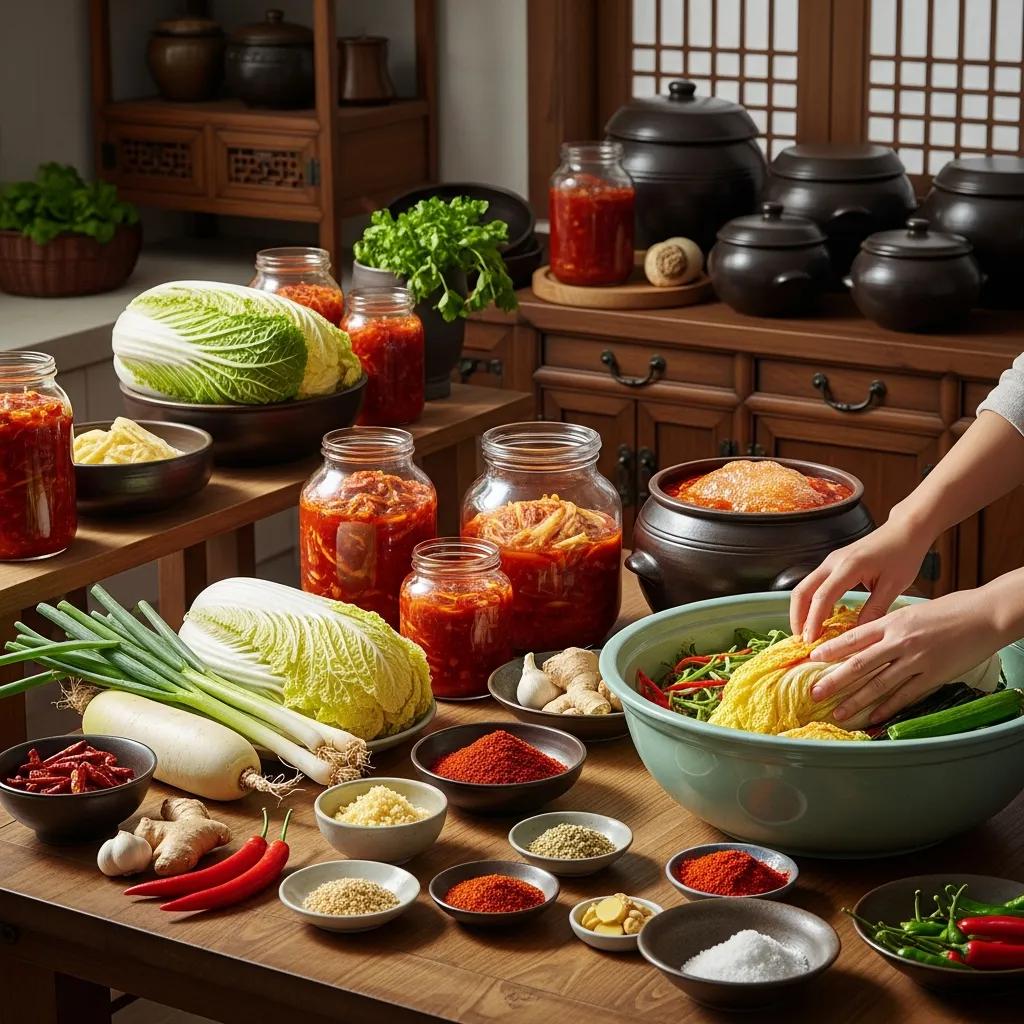
Kimchi ferments primarily by lactic acid bacteria after salting, seasoning and packing vegetables anaerobically. Salt draws water out of the vegetables and favors salt-tolerant microbes; added aromatics and spices contribute flavor and substrates for microbial metabolism; and oxygen-limited packing encourages lactic acid fermentation that produces acidity and complex aromatics. As acidity rises, the community typically shifts from heterofermentative species (which generate diverse aromatics and CO2) to homofermentative Lactobacillus species that stabilize pH and sourness. Regional ingredient choices (Napa cabbage, Korean radish), spice blends and fermentation temperature all shape the final character — from gentle tang to bold, pungent funk. Below is a concise, practical sequence for traditional kimchi fermentation.
Kimchi fermentation steps:
- Salt or brine vegetables to draw out moisture, firm texture and select for salt‑tolerant microbes.
- Rinse as needed, season with aromatics, chili and umami agents, then pack tightly to minimize oxygen.
- Ferment at cool temperatures so Leuconostoc species dominate early, followed by Lactobacillus to lower pH and set acidity.
These steps capture the workflow; the following table summarizes common styles, microbes and timing.
What traditional methods and microbiology shape kimchi?
Traditional kimchi focuses on measured salting, careful seasoning and oxygen‑limited packing to favor beneficial lactic acid bacteria over spoilage organisms. Salting removes excess water and concentrates flavors while creating an inhospitable environment for many unwanted microbes; controlled rinsing balances salt before seasoning. Early-stage heterofermenters like Leuconostoc produce aromatic compounds and CO2 at moderate acidity, then Lactobacillus species take over to increase lactic acid and preserve the vegetable. Together their metabolic outputs — lactic acid, CO2, bacteriocins and peptides — create kimchi’s signature taste and shelf stability.
Knowing this microbiology lets chefs fine-tune salt, temperature and packing density to control texture and tang, which guides pairing decisions for richer proteins.
How does kimchi contribute probiotic benefits?
Kimchi commonly contains viable lactic acid bacteria that can survive stomach passage long enough to interact transiently with the gut ecosystem, supporting competitive exclusion of pathogens and short-term modulation of immune signaling. Typical genera include Lactobacillus, Leuconostoc and Weissella, which produce lactic acid and bacteriocins that influence gut pH and microbial dynamics. Recent research through 2024 links regular fermented-vegetable intake to modest gains in microbiome diversity and improved digestive comfort for some people, but most kimchi strains are transient rather than permanent colonizers. Chefs and diners should regard kimchi as a nourishing dietary source of beneficial microbes and metabolites — valuable for gut ecology but not a medical probiotic prescription.
This practical view of probiotic contribution leads into brewing techniques for kombucha, another fermentation staple.
What kombucha brewing practices maximize probiotic and flavor quality?
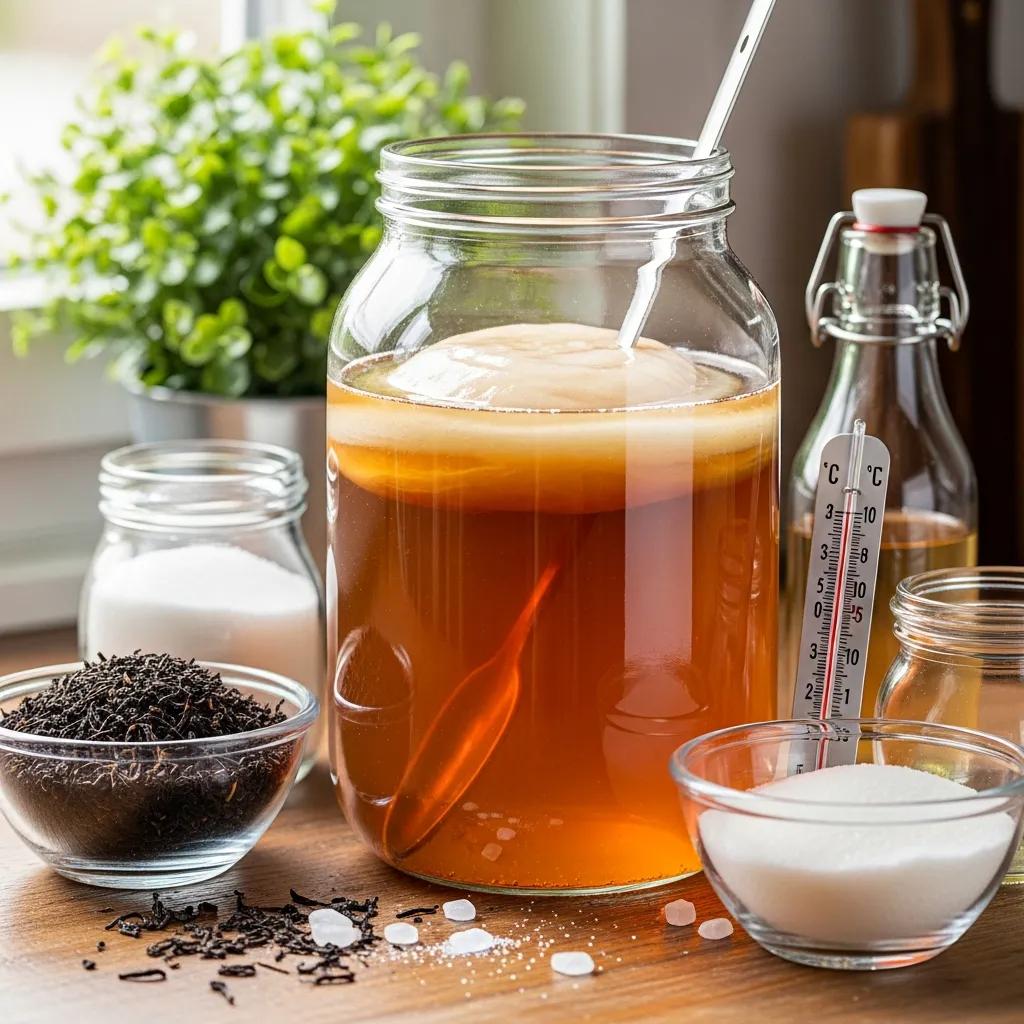
Kombucha is produced by a symbiotic culture of bacteria and yeast (SCOBY) fermenting sweetened tea into an acidic, gently effervescent drink. To support probiotic potential and great flavor, pay attention to starter health, tea and sugar quality, fermentation temperature and timing. A vigorous SCOBY with a consistent pellicle indicates a diverse community that produces desirable acids and organics; tea type and sugar source feed yeasts and bacteria differently, shaping acidity and metabolite balance. Temperature accelerates or tempers activity — warmer conditions speed acid production but can narrow microbial diversity, while slower, cooler ferments often produce more nuanced profiles. Sanitation and pH monitoring are essential for safe kombucha brewing at home or in professional kitchens.
Kombucha essentials checklist:
- Healthy starter: Use an active SCOBY with starter liquid to preserve microbial balance.
- Tea and sugar balance: Brew with real tea and the right sugar ratio to sustain fermentation.
- Temperature control: Keep a steady ferment temperature for consistent acidity and viability.
These practices protect both sensory quality and the chance that beneficial metabolites and microbes remain in the finished beverage.
Which starter cultures and conditions shape kombucha quality?
The SCOBY’s mix of acetic acid bacteria and yeasts determines acidity, carbonation and which potential probiotic strains appear in the cup — a diverse SCOBY usually yields a more resilient ferment. Yeasts convert sugar into ethanol, then acetic acid bacteria oxidize ethanol into acetic and other organic acids, producing kombucha’s acidic profile. Temperature and sugar concentration shift the balance between these groups. Tea polyphenols and sugar type further influence microbial metabolism and bioactive formation, while extended fermentation raises acidity and can reduce live-cell prevalence. Monitoring these variables lets brewers tune kombucha toward a brighter, probiotic-forward drink or a more vinegary, shelf‑stable beverage.
Understanding these trade-offs points to essential safety and scaling practices for culinary settings.
How do you brew kombucha safely at home or in a restaurant?
Safe kombucha requires strict sanitation, regular pH checks and clear contamination protocols. Commercial kitchens should keep batch records, train staff and log temperatures to meet food‑safety standards. Aim for a finished pH below 4.2 to limit pathogenic risk and check pH during fermentation to catch deviations early. Signs of contamination include fuzzy growths, unexpected colors or distinctly off odors (different from the expected vinegar‑like aroma); when in doubt, discard the batch and restart with a verified starter. Scaling kombucha production benefits from tight recipe control and short secondary ferments for carbonation without over‑acidifying; traceability maintains service consistency.
These safety measures help ensure fermented foods deliver flavor and potential health benefits when produced responsibly.
What health benefits can kimchi and kombucha offer?
Fermented foods combine live microbes, fermentation metabolites and partially broken‑down nutrients that can aid digestion, modestly influence the gut microbiota and supply bioactive compounds linked to metabolic and immune signaling. Current evidence through 2024 associates regular, varied fermented‑food consumption with increased microbiome diversity and improvements in digestive comfort for some people, though outcomes depend on product, serving size and individual microbiome. Fermented products also provide short‑chain fatty acids, peptides and organic acids that alter gut pH and microbial interactions — plausible mechanisms for observed effects. Below are practical benefits and important caveats based on current research.
Practical benefits of fermented foods:
- Digestive support: Transient microbes and metabolites can ease digestion and promote comfort.
- Microbiome diversity: Regular intake of varied fermented foods correlates with broader microbial variety.
- Nutrient bioavailability: Fermentation can enhance the availability of some vitamins and amino acids.
These benefits are promising but context‑dependent; fermented foods are dietary supports, not medical treatments, and study heterogeneity means personalized approaches remain important.
How do probiotics from fermented foods support gut health?
Food-derived probiotics can work through competitive exclusion of pathogens, production of short‑chain fatty acids that feed colonocytes, and modulation of immune signaling via microbial molecules. These effects can lower gut pH, limit opportunists and provide signaling that supports mucosal immunity and barrier function. Most strains from foods are transient and support the resident microbiome rather than permanently colonizing it; consistent consumption tends to deliver the most reliable effects. Including fermented items regularly is a practical way to supply live microbes and metabolites that help sustain gut‑ecosystem resilience.
These mechanisms explain why chefs integrate small fermented components throughout a tasting menu — to provide steady, flavorful exposure to beneficial compounds.
What recent studies tell us about fermented‑food benefits?
Recent work through 2023–2024 reports modest but consistent trends: controlled trials show improvements in digestive symptoms with regular fermented‑vegetable intake (Author et al., 2023), observational studies link fermented‑food consumption to greater microbiome diversity (Research Group, 2024), and mechanistic research highlights how fermentation metabolites influence mucosal immunity (Investigator et al., 2024). Together these studies support the idea that fermented foods contribute to a healthier gut environment, while also underscoring variability across products and study designs. Ongoing research is refining dose‑response relationships and identifying which strains or metabolites drive specific benefits — reinforcing the need for standardized product characterization in clinical work.
These findings inform how chefs and restaurateurs can present fermented elements thoughtfully, offering both flavor and measured nutritional value. At Kaviar Restaurant, we weave fermented components into a curated omakase to showcase that intersection of science and cuisine and invite guests to reserve limited tasting experiences.
Which signature fermented dishes at Kaviar highlight fermentation science?
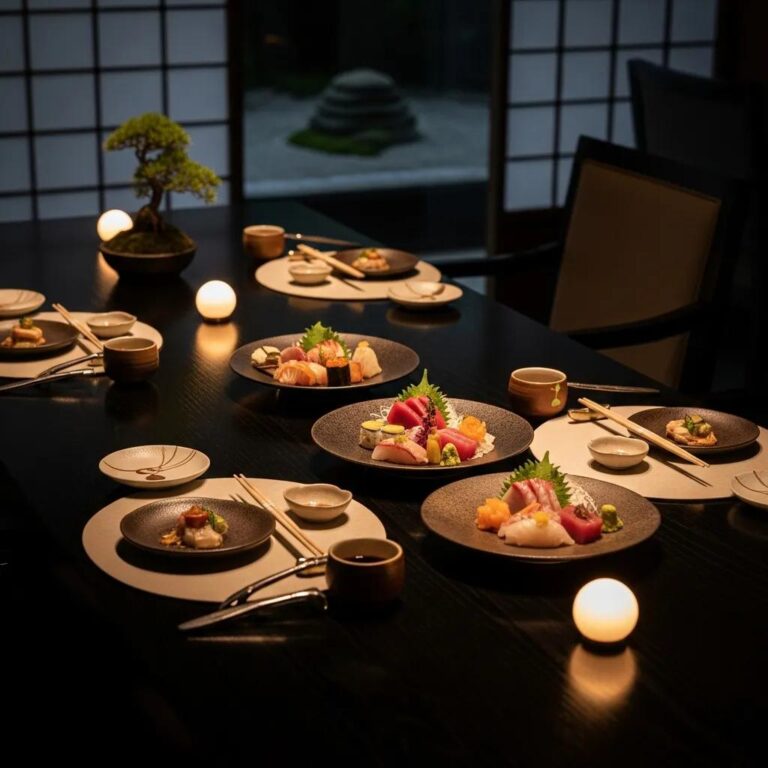
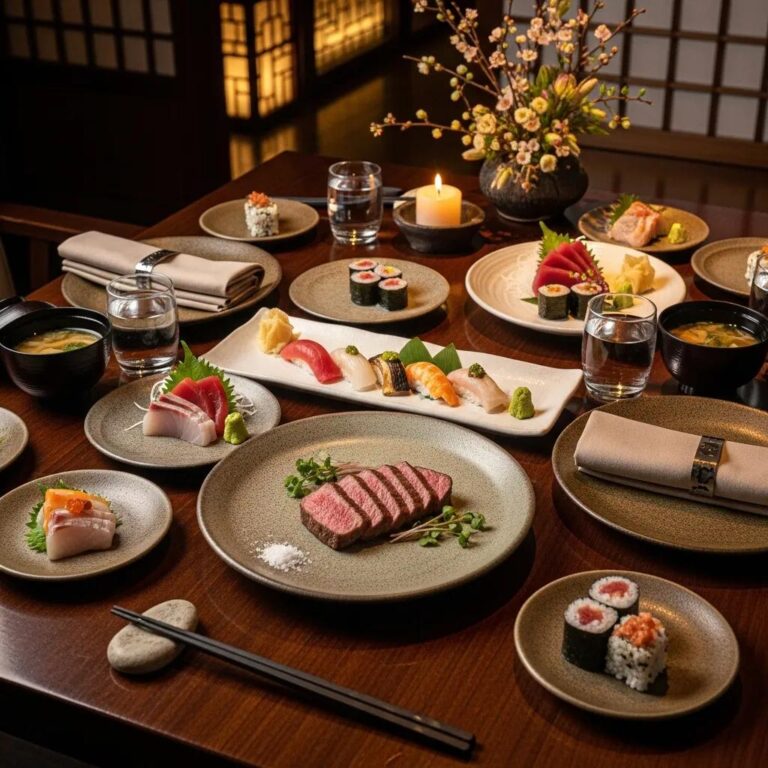
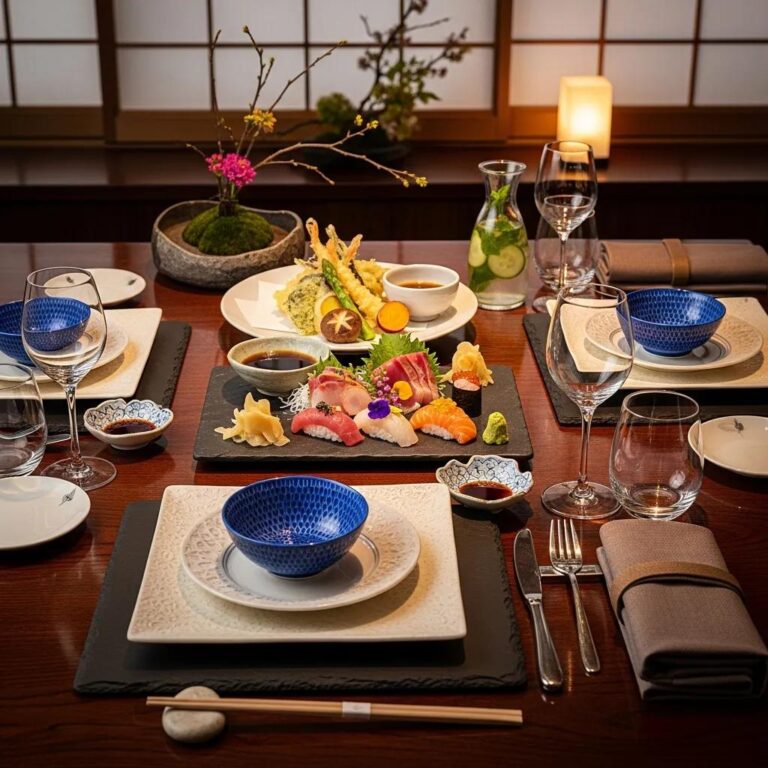
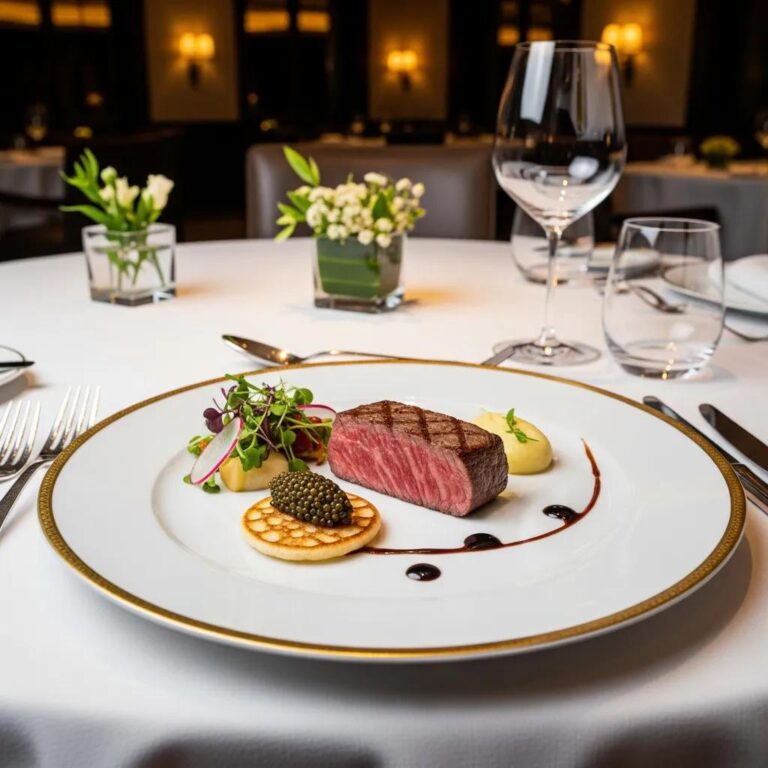
At Kaviar, our omakase pairs premium ingredients — A5 Wagyu, artisan seafood and caviar — with precisely measured fermented accents to balance richness and deepen umami. Expect aged miso finishes, restrained tsukemono interludes and kombucha intermezzos that refresh the palate between heavier courses. The table below illustrates sample dishes, the fermented element we use and the purpose each plays in the service.
How do we pair premium ingredients like A5 Wagyu and caviar with fermented elements?
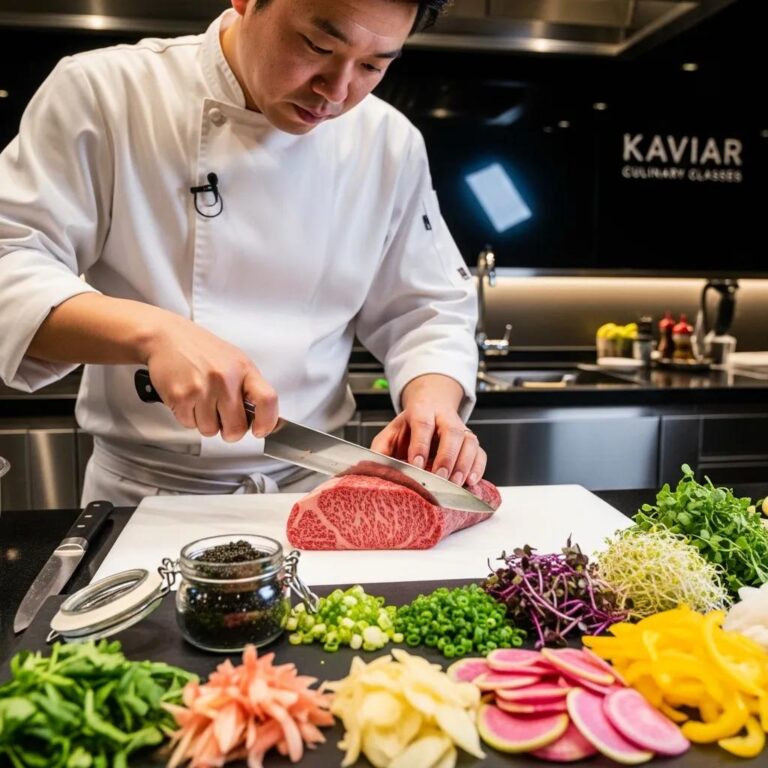
Our chefs use fermentation as a precision tool: a delicate smear of concentrated miso or aged soy enhances A5 Wagyu’s savory depth without masking texture; micro‑portions of pickles or relishes add acidic lift that brightens caviar’s saline richness. Acidic condiments act as contrast agents, reducing perceived heaviness and revealing subtle flavor notes, while umami‑rich pastes deepen the savory backbone of a course. Careful portioning and sequencing ensure fermented components enhance, not overpower, each ingredient — and intermezzos like kombucha help reset the palate between rich bites.
These pairings reflect a practical understanding of how fermentation metabolites interact with fatty proteins and delicate roe to create a balanced tasting progression.
What makes Kaviar’s fermentation approach unique in Pasadena?
Kaviar centers its omakase on meticulous ingredient curation and the restrained use of fermented elements that support, rather than dominate, A5 Wagyu and caviar. We prioritize artisanal sources — small‑batch miso, hand‑made pickles and house kombucha — and choreograph those elements into the tasting flow to maximize contrast and umami development. That local‑luxury focus gives guests in Pasadena a craft‑driven sequence that celebrates both the science and the aesthetics of fermented flavors. By keeping fermented components purposeful and proportionate, we let rare proteins shine while adding depth and digestive balance to the meal.
How do you reserve an exclusive fermentation‑forward omakase?
Kaviar uses an online reservation system for our limited omakase seatings and seasonal pairings. We recommend booking ahead to secure spots for fermentation‑focused menus. When you reserve, please indicate party size and any dietary restrictions so our kitchen can adapt fermented elements — advance notice helps us plan small‑batch preparations and safe substitutions. Because omakase seats and specialty fermentations are limited, early reservations improve your chance of experiencing signature fermented dishes and curated kombucha pairings during service.
What is the reservation process for Kaviar’s fermentation omakase?
Reserve in three simple steps: choose your date and party size through Kaviar’s reservation system, add dietary notes or allergies so fermented components can be adjusted, and confirm booking details and arrival expectations with our team. Providing preferences in advance allows the chef to tailor fermented condiments and ensure safe alternatives for guests with restrictions. For location and contact details, please consult Kaviar’s public listing or reach out through the channels provided on our site.
This straightforward process aligns guest expectations with the kitchen’s fermentation‑driven planning.
Why book early to sample probiotic dishes and kombucha pairings?
Book early because omakase seatings are limited and fermentation schedules constrain some small‑batch condiments and kombucha productions. Fermentation cycles mean certain signature elements exist in finite quantities, so reserving ahead increases your chance of tasting these preparations. As a rule, consider booking several weeks in advance for peak periods or to request specific fermentation pairings — this gives the kitchen time to prepare tailored components for your party.
Early planning helps ensure you experience the full fermentation narrative of the omakase — from miso finishes to kombucha intermezzos — as the chef intends.
Frequently Asked Questions
What fermented foods can I make at home easily?
Simple, high‑reward ferments include kimchi, sauerkraut, yogurt and kombucha. Kimchi needs vegetables (Napa cabbage or radish), salt and seasonings; sauerkraut requires only cabbage and salt; yogurt can be made from milk and a starter culture; and kombucha needs brewed tea, sugar and a SCOBY. Each is approachable with basic equipment and delivers flavor as well as probiotic‑rich metabolites.
How can I tell if my fermented food has gone bad?
Trust your senses. Signs of spoilage include distinctly off odors, unexpected colors or fuzzy growths that differ from normal fermentation. Kimchi should smell bright and tangy; kombucha should have a vinegar‑like tang. If you spot mold, strong unpleasant smells or anything visually suspicious, discard the batch. When in doubt, err on the side of safety.
Can I use different teas to brew kombucha?
Yes. Black, green, white and oolong teas all work and each lends different flavors and polyphenols. Black tea is commonly used for its robust tannins and support of SCOBY health; green tea makes a lighter, more delicate brew. Experimenting with tea types yields varied flavor profiles while maintaining the core fermentation process.
What’s the difference between traditional and modern fermentation methods?
Traditional techniques often rely on local ingredients and spontaneous or time‑honored processes, celebrating regional flavor and artisan variability. Modern methods emphasize controlled starter cultures, precise measurements and environmental controls to ensure consistency and safety at scale. Both approaches have value: traditional methods preserve character and terroir, while modern practices offer reproducibility for restaurants and producers.
How do I add fermented foods to my daily diet?
Start small and build variety. Add yogurt to breakfasts or dressings, use kimchi as a side or topping, include sauerkraut with sandwiches or proteins, and enjoy kombucha as a refreshing intermezzo. Increase portions gradually so your digestive system adapts, and aim for different fermented foods to broaden potential benefits.
What should I consider when pairing fermented foods with dishes?
Consider flavor contrast and texture. Fermented foods often bring acidity and umami that complement rich or fatty items — for example, kimchi with grilled meats or miso with fatty fish. Use acidic ferments to cleanse the palate between courses and balance richness. The key is proportion: let fermented elements enhance and harmonize rather than dominate the dish.
Conclusion
Fermentation opens new dimensions of flavor and thoughtful nutrition — from the bright acidity of kimchi to the effervescence of kombucha. When used with intention, fermented ingredients elevate dishes while offering supportive gut‑health benefits. Explore these techniques in your cooking or join us at Kaviar Restaurant for an omakase that highlights the craft of fermentation. Reserve early to experience how subtle, purposefully applied ferments transform fine dining.