




Dessert Wine Pairings for Kaviar’s Sweet Creations: A Practical Guide to Perfect Matches
Pairing dessert wine is about balance: matching a wine’s sweetness, acidity, texture and aroma to a dessert so both elements lift one another instead of competing. This guide walks you through that process with a focus on Kaviar’s refined Japanese desserts and plated confections. As a luxury Japanese fine‑dining destination in Pasadena, Kaviar crafts desserts meant to harmonize with thoughtful bottle choices. Here you’ll find clear guidance for diners and sommeliers — which bottles to consider, how to sequence tastings, and what service details matter. Many guests wonder whether to match sweetness, contrast with acidity, or use texture as a bridge; mastering the core principles — sweetness balance, aromatic harmony, and temperature control — turns dessert into an intentional, memorable course. Below are profiles of major dessert‑wine families, specific pairings for signature flavors like matcha, yuzu and azuki, practical service notes on temperature and pacing, and even considerations for pairing after A5 Wagyu or caviar. Expect tasting‑note language, comparison tables, and short rules you can use at the table.
Which Dessert Wines Best Complement Kaviar’s Sweet Creations?
Dessert wines — sweet or fortified — have the residual sugar, acidity and aromatic depth to stand beside desserts. For Japanese‑style sweets the most successful choices emphasize balance between sweetness and bright acidity or floral perfume. Look to botrytized wines like Sauternes and Tokaji, late‑harvest Rieslings, Moscato d’Asti, Ice Wine, and fortified styles such as Ruby or Tawny Port. Each family brings a different sugar level, acid structure and flavor profile that pairs uniquely with rice‑textured sweets, creams, and citrus elements. Matching a dessert wine means weighing residual sugar (g/L), acidity (to cut richness) and aromatics (to mirror or contrast the dominant flavor). In practice, sommeliers often select lighter sparkling or off‑dry sweet wines for delicate wagashi and richer botrytized wines for custards and creamier preparations. Below is a concise comparison to help you identify which wine family fits common dessert attributes and why these choices are common in fine dining.
Different dessert wine styles vary by sweetness, acidity and ideal dessert partners.
This quick comparison clarifies which wine families suit delicate versus rich desserts and gives a fast reference for pairing decisions that respect both sweetness and texture.
Which Sweet Wine Varieties Best Complement Japanese Desserts?
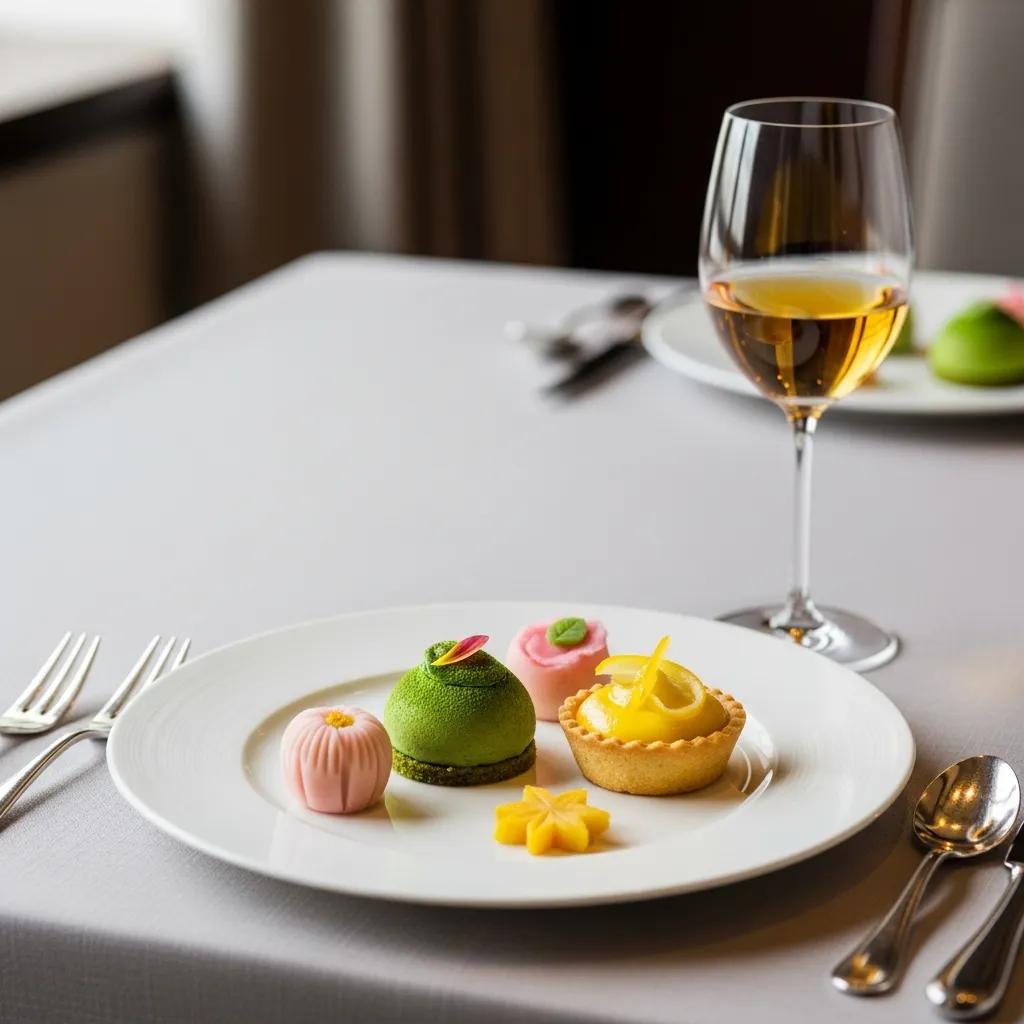
Japanese desserts tend toward subtle sweetness, delicate textures and refined aromatics — matcha, yuzu, azuki and sesame among them — so the wines should preserve nuance rather than overwhelm it. For tea‑forward desserts like matcha mousse or matcha custard, lighter sweet wines with bright acidity (late‑harvest Riesling or an aromatic Moscato d’Asti) mirror grassy, floral notes without masking tea bitterness. Rice‑based textures such as mochi or anmitsu benefit from gentle effervescence or moderate residual sugar to lift and cleanse the palate between chewy bites. Richer cream‑based desserts and caramelized preparations call for botrytized wines or tawny Ports whose complexity complements caramel and toast. The rule is simple: match intensity — subtle wagashi with lighter, lower‑alcohol sweets; contemporary plated desserts with cream, chocolate or caramel with denser, more complex wines.
How Do Riesling, Sauternes and Moscato Work in Dessert Pairings?
Riesling, Sauternes and Moscato each solve different pairing challenges because they differ in acidity, aromatics and body. Late‑harvest Riesling brings bright acidity and concentrated stone‑fruit flavors that cut through richness and refresh the palate — ideal for yuzu or fruit‑forward desserts where acidity echoes citrus brightness. Sauternes offers botrytized honeyed complexity and a silky texture that suits custards and crème‑based desserts, amplifying mouthfeel while echoing toasty, dried‑fruit notes. Moscato d’Asti contributes light effervescence, low alcohol and fragrant floral aromas, providing lift and delicate sweetness for airy confections and mochi without masking subtle tea notes. Serve Riesling well‑chilled, Sauternes slightly warmer, and Moscato very cold to highlight each wine’s role.
How to Pair Wine with Sweets: Principles for Perfect Matches at Kaviar
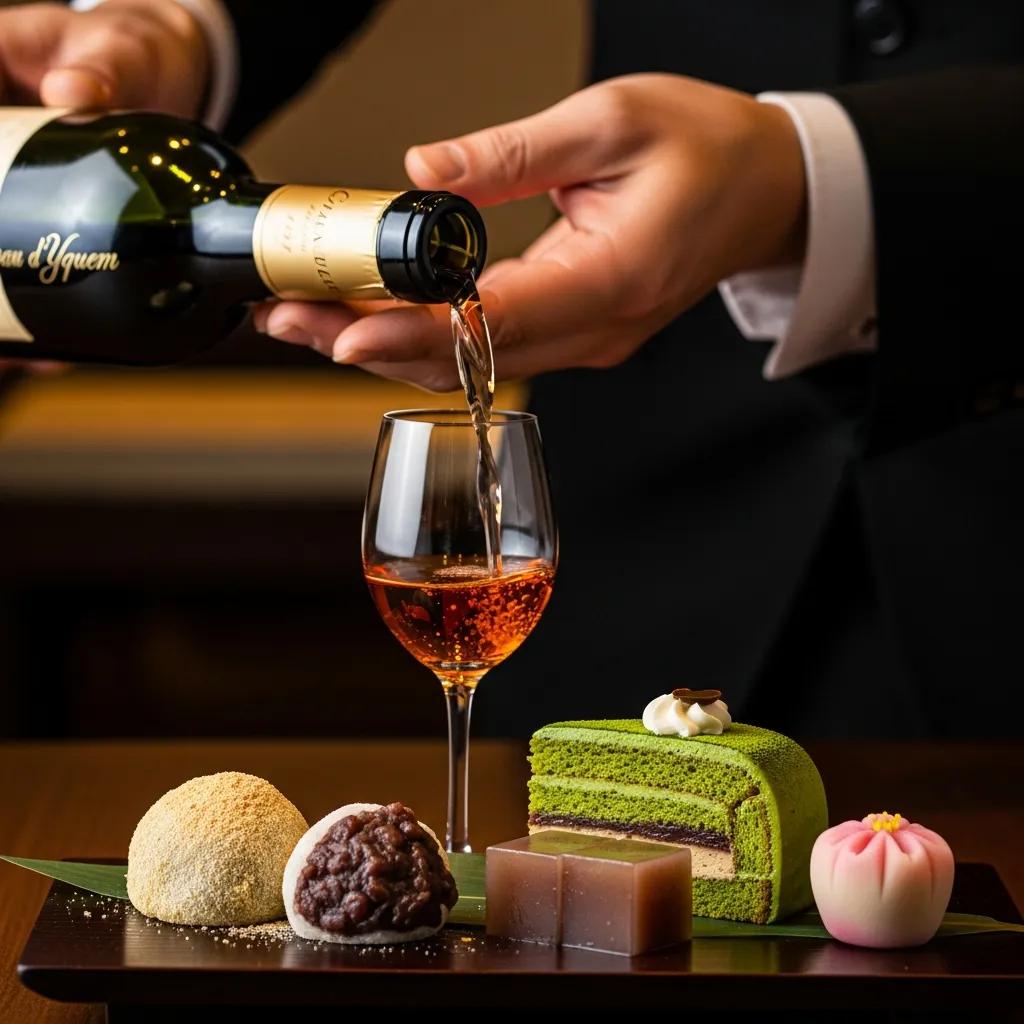
Good dessert pairing follows a few dependable principles: make sure the wine’s sweetness matches or exceeds the dessert, use acidity to balance richness, align intensity and flavor family, and consider texture and temperature to shape perception. First, a wine should be at least as sweet as the dessert so it doesn’t taste thin or sour by comparison. Second, acidity is a useful tool to cut through fat or cream and refresh the palate. Third, harmonize or intentionally contrast aromatics — mirror floral notes with floral wines, pair nutty elements with nutty wines, or introduce a salty or acidic counterpoint when needed. Sequence matters: taste lighter desserts first, then move to richer plates, and adjust serving temperatures to refine perceived sweetness and aromatic lift. Below are practical, table‑ready principles a sommelier or guest can apply immediately.
Pairing wine with sweets becomes reliable when guided by repeatable rules.
- Match sweetness: Choose a wine that is at least as sweet as the dessert so the wine doesn’t taste bitter or thin.
- Use acidity to balance: Select wines with higher acidity to cut through creamy or fatty desserts and refresh the palate.
- Match or contrast aromatics: Mirror the dessert’s dominant aroma (e.g., citrus with citrus) or contrast (e.g., salty with sweet) intentionally.
- Consider texture and weight: Lighter desserts pair with lighter sweet wines; dense desserts need denser wines.
These four guidelines make pairing predictable and repeatable — the foundation for sommelier‑led flights and do‑it‑yourself choices at home. They help guests see dessert wine selection as purposeful and precise.
Key Principles for Balancing Sweetness and Flavor
Balancing sweetness and flavor rests on a few measurable concepts: the wine’s residual sugar, the dessert’s perceived sweetness, and the wine’s acidity and aromatic intensity. These elements interact to create harmony or discord. In practice, a sommelier compares mouthfeel and balance — a sweet wine with lively acidity will refresh after a bite of rich custard, while a low‑acid sweet wine can feel cloying beside the same dish. Use bridging flavors — nutty or toasted notes in the wine to pair with sesame or kinako — or introduce contrast with briny or acidic components (a citrus gel or a salted element) to heighten perception. One practical example: matcha crème brûlée with late‑harvest Riesling — the Riesling’s acidity lifts the custard while its stone‑fruit notes gently echo the matcha’s vegetal sweetness.
How Serving Temperature Shapes the Dessert Wine Experience
Temperature changes how we perceive sweetness, acidity and aromatics, so adjusting service temperature is a simple way to refine a pairing. Cooler temperatures suppress sweetness and emphasize acidity; slightly warmer temperatures amplify aromatics and body. Light, effervescent sweet wines such as Moscato d’Asti and off‑dry Rieslings should be served well‑chilled (around 45–50°F / 7–10°C) to highlight freshness and lift delicate confections. Botrytized wines and Tawny Ports show more complexity and perfume at slightly warmer temperatures (around 55–60°F / 13–16°C), allowing honeyed and nutty notes to unfold beside richer desserts. In service: pre‑chill lighter bottles and let denser bottles warm a touch in the glass so each wine presents the qualities that best support its paired dessert.
Which Kaviar Desserts Pair Best with Dessert Wines?
Kaviar’s desserts span tea‑inflected wagashi to modern cream and fruit plates featuring yuzu, matcha, adzuki and rice textures. Each category suggests different wine partners based on dominant flavor and mouthfeel. When a dessert emphasizes bitterness and aromatics (matcha), choose a wine that mirrors tea‑like floral or stone‑fruit notes while offering acidity to lift bitterness. For creamy or caramelized plates, reach for botrytized or fortified wines with the texture and complexity to match. Seasonal menus and rotating compositions mean pairings will vary, but the guiding approach stays the same: identify the dessert’s flavor anchor, then choose a wine that harmonizes with it or provides a complementary contrast. Below is a concise reference mapping Kaviar‑style desserts to recommended wine families and service temperatures.
The following table maps representative dessert types to pairing suggestions with serving temps.
This mapping gives diners and sommeliers a quick reference to select a sweet wine that complements Kaviar’s ingredient‑forward desserts. Pairings can be adjusted for seasonal changes or plating techniques, and sommeliers commonly tweak serving temperatures to fine‑tune balance.
What Distinctive Characteristics Do Kaviar’s Desserts Bring to Pairing?
Kaviar’s desserts prioritize provenance, restrained sweetness and textural contrast — qualities that demand wine choices which preserve nuance while adding complementary depth. Elements like matcha’s vegetal bitterness, yuzu’s citrus oils, azuki bean’s earthy sweetness and rice‑based textures present pairing challenges: wines must not blunt delicate umami or hide green bitterness but should lift and echo core flavors. Sommelier recommendations often favor lower‑alcohol, aromatic sweet wines for tea‑forward desserts and richer botrytized wines for cream‑forward or caramelized plates. Small pours and careful sequencing — tasting bites paired with proportionate pours — ensure balance without cloying. Understanding these traits makes it possible to create targeted pairings that honor Japanese flavor priorities while adding textural and aromatic interest.
How Do Traditional and Modern Japanese Desserts Differ in Wine Compatibility?
Traditional wagashi are subtly sweet, texturally simple and closely tied to tea rituals; they typically pair best with lighter, lower‑alcohol sweet wines that preserve the tea connection. Modern plated desserts borrow Western techniques — creams, foams and sauces — and often require denser sweet wines to match their weight and complexity. For example, a yokan or anko‑topped mochi pairs beautifully with Moscato or late‑harvest Riesling, while a contemporary matcha‑cream tart with caramelized sugar may call for Sauternes or a rich Ice Wine. The broad approach: favor harmony for traditional sweets and choose harmony or purposeful contrast for modern dishes, using acidity and aromatic bridges to maintain balance. These distinctions help the sommelier decide whether to honor subtlety or meet intensity as the dessert sequence develops.
How Do Luxury Ingredients Like A5 Wagyu and Caviar Affect Dessert Wine Pairings?
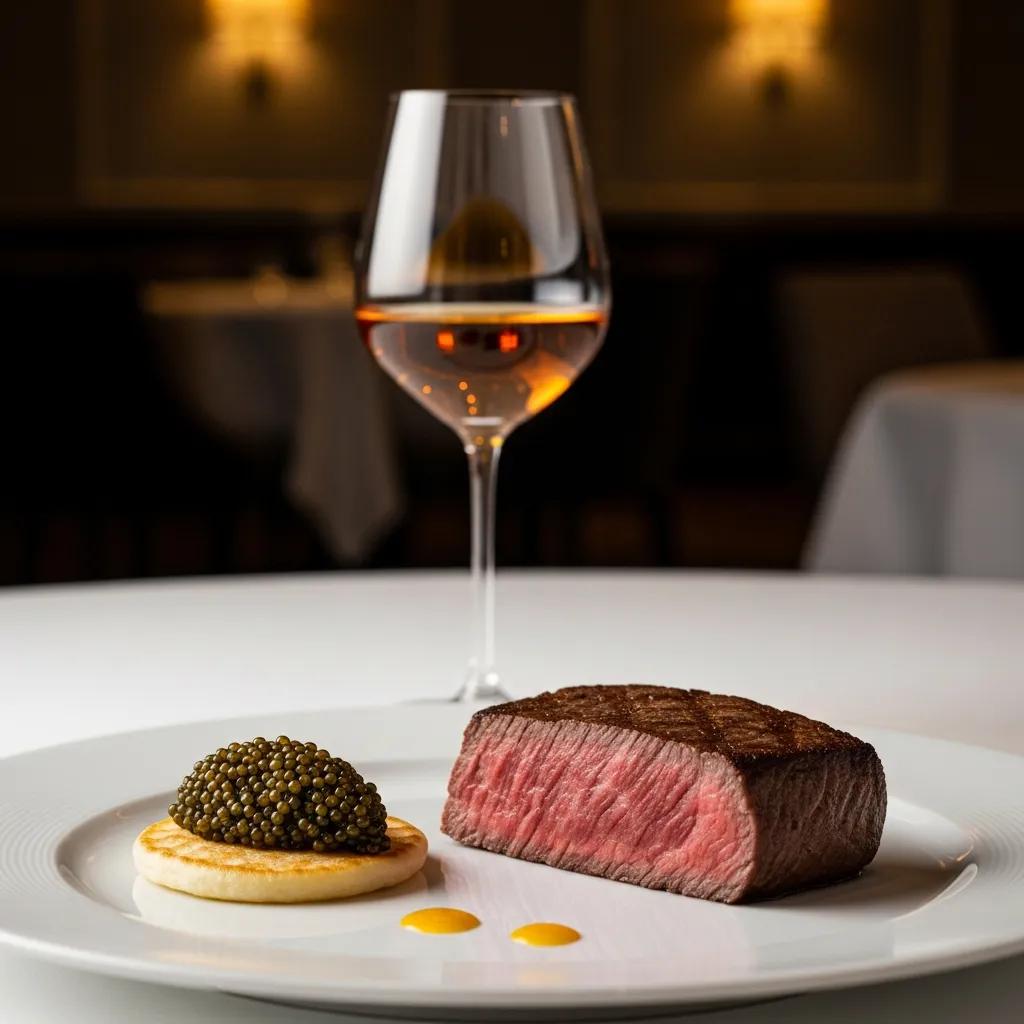
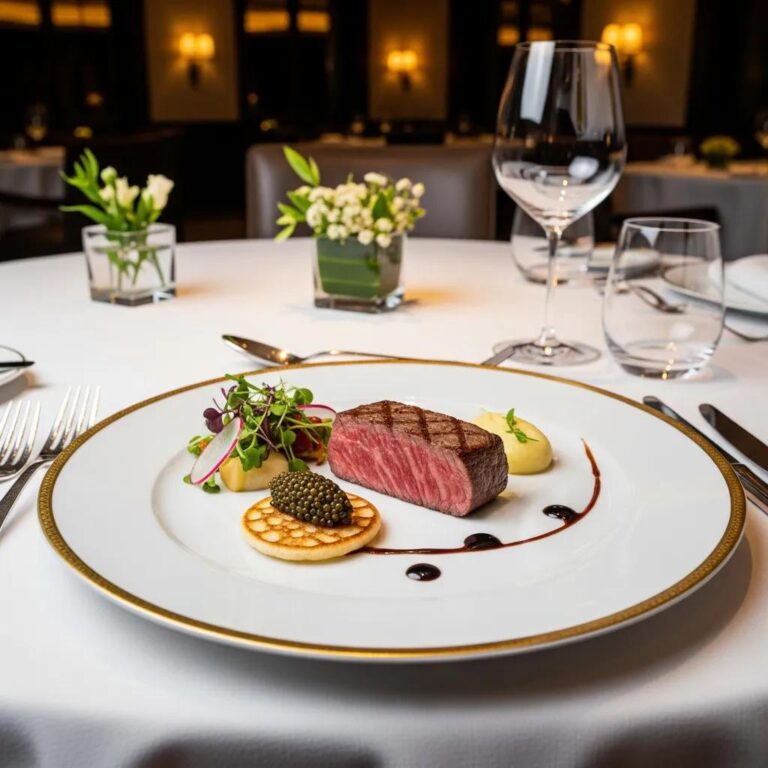
Savory luxury ingredients such as A5 Wagyu or caviar change the palate and therefore change how dessert wines read: fat and umami can suppress perceived sweetness and increase the need for acidity or residual sugar in the next wine, while salt and brine can make certain sweet wines taste more floral and fruit‑forward. If a tasting menu includes a rich Wagyu course before dessert, a sommelier might insert an acidic or effervescent palate cleanser or select a dessert wine with enough body and acidity to cut through residual fat. Caviar’s saline, umami‑forward profile pairs well with off‑dry sparkling wines or lightly sweet fortified wines, where salt amplifies aromatics and creates a savory‑sweet bridge to the dessert. Below is a simple table explaining how these ingredients shift pairing logic and suggesting appropriate dessert wines.
Knowing how fat and salt interact with sweetness clarifies some unconventional but effective pairings.
This table illustrates why sommeliers sometimes pair dessert wines with savory luxury elements: acidity and the right aromatics bridge savory and sweet to create memorable contrasts.
Why Is A5 Wagyu a Unique Partner for Dessert Wines?
A5 Wagyu’s high intramuscular fat and umami can mute sweetness and make the palate feel richer, which changes the sommelier’s approach — acidity and texture become priorities. Fat coats taste receptors and can blunt sweetness and tannin perception while making acidity feel sharper, so a common strategy is to follow Wagyu with a wine that has refreshing acidity and moderate residual sugar to cut through fat and restore sweetness perception. Examples include a bright late‑harvest Riesling after a small Wagyu portion, or a lightly oxidative tawny fortified wine whose nutty notes echo caramelized flavors without competing with umami. Small dessert portions and measured pours keep the sequence balanced so neither savory nor sweet overwhelms the other.
How Can Caviar Be Elegantly Paired with Dessert Wines?
Caviar’s salt and brine create a savory‑sweet tension that desserts and dessert wines can exploit: salt intensifies fruity and floral notes, and a touch of residual sugar in a wine balances salinity while enhancing aromatics. For caviar served with blinis or a subtly sweet dairy element, consider an off‑dry sparkling or a light Moscato to lift briny flavors and provide effervescence that cleanses the palate. Alternatively, a slightly sweet fortified wine with nutty complexity can bridge to desserts featuring caramel or toasted flavors, smoothing the transition. Sequence matters: taste the caviar with a small, chilled sip of the chosen wine first to see how salt reshapes sweetness perception before committing to a full pairing.
How to Reserve and Experience a Dessert Wine Pairing at Kaviar
If you’d like a pairing‑focused visit, say so when you reserve: request a sommelier‑guided dessert pairing or an omakase seat that includes wine pairings, note any allergies or flavor preferences, and ask about the seasonal dessert program so the team can prepare suitable bottles. Reservations at Kaviar go through our booking system; indicate “pairing‑focused” in the notes and request sommelier or omakase service so the dining flow can accommodate multiple small pours and palate cleansers. Expect a curated progression where the sommelier explains each selection, offers tasting notes and adjusts pour sizes to match portioning — service designed so the wines enhance rather than compete with Kaviar’s desserts. Practical steps to secure and enjoy a pairing experience are below.
The following bullets outline how to reserve and what to expect during a pairing‑focused visit.
- Make a reservation and specify pairing intent: Indicate you want a sommelier-led dessert pairing or an omakase seat focused on dessert wines.
- Include dietary and flavor notes: Specify allergies, dislikes, or preferred styles (e.g., floral, botrytized, sparkling) so the sommelier can plan.
- Ask about timing and pacing: Request guidance on portion sizes and sequencing if you prefer lighter or fewer pours.
- Confirm any special requests in advance: If you want a private tasting or specific bottle family, note that when reserving.
What Is the Reservation Process for a Luxury Dining Experience at Kaviar?
To secure a pairing‑focused tasting, plan ahead and communicate your priorities: request an omakase seat if available, mention “pairing‑focused” in your reservation notes, and share any dietary restrictions and preferred wine styles so the sommelier and kitchen can collaborate. Lead time is recommended for special pairing requests, particularly for rare bottles or custom sequences, so book early and reconfirm as your date approaches. On arrival, remind staff you reserved a pairing experience so service can sequence pours and tasting bites properly; expect tasting notes and small, portion‑appropriate pours. Clear communication before and during your visit helps ensure a seamless, curated tasting that highlights Kaviar’s desserts and wine list in harmony.
How Does Kaviar Curate Menu Items to Harmonize Desserts with Wine?
Our culinary and beverage teams plan menus around seasonal ingredients and provenance, working together to align dessert compositions with available sweet wines and to build pairing narratives that respect Japanese flavor principles and fine‑dining pacing. The sommelier assesses each dessert’s dominant flavors and textures, recommending wines that either mirror those qualities or introduce a deliberate contrast; the kitchen may tweak plating — adding a saline counterpoint, a citrus gel or a crunchy element — to improve pairing opportunities. Guests who request pairing‑focused service receive thoughtful sequencing and explanations, and that collaboration ensures final wine choices underscore Kaviar’s commitment to ingredient‑driven, harmonized tasting experiences. When you tell us your pairing preferences at reservation, we can tailor the progression to your tastes.
Frequently Asked Questions
What factors should I consider when choosing a dessert wine for my meal?
Consider the wine’s sweetness level, acidity and aromatic profile. Ideally the wine should match or exceed the dessert’s sweetness so it doesn’t taste thin or bitter. Acidity helps balance rich, creamy desserts and refreshes the palate. Aromatic harmony — either matching or thoughtfully contrasting the dessert’s flavors — enhances the overall experience. Finally, serving temperature influences perceived sweetness and aromatics, so it’s an important practical detail.
Can I pair dessert wines with savory dishes at Kaviar?
Yes. Pairing dessert wines with savory courses can create memorable contrasts. Rich A5 Wagyu or briny caviar will change how a dessert wine reads on the palate, often accentuating sweetness and aromatics. A sommelier can recommend a wine with the right acidity or residual sugar to balance savory richness and make the transition to dessert seamless, producing a distinctive, cohesive tasting sequence.
How do seasonal ingredients influence dessert wine pairings at Kaviar?
Seasonality shapes our dessert menu and therefore the pairing strategy. As ingredients change, the sommelier adapts recommendations: a summer fruit‑forward dessert may call for a light, effervescent wine, while a winter dessert with warm spices or caramel might pair better with a fuller‑bodied, complex sweet wine. This flexibility ensures each pairing highlights the season’s best flavors.
What is the best way to communicate my preferences for a dessert wine pairing?
When reserving, tell us you want a sommelier‑led dessert pairing and include dietary restrictions, flavor likes or dislikes, and any preferred wine styles (floral, botrytized, sparkling, etc.). That information lets the sommelier prepare thoughtful options. During the meal, ask questions — sommelier explanations enhance your understanding and enjoyment.
Are there any specific dessert wines that are recommended for beginners?
For those new to dessert wines, start with approachable styles like Moscato d’Asti or a late‑harvest Riesling. They tend to have lower alcohol, pleasant sweetness and vivid fruit and floral notes that pair well with a range of desserts without overwhelming the palate. Their refreshing acidity also helps balance sweetness, making them versatile introductions.
How can I ensure a memorable dessert wine tasting experience at Kaviar?
Reserve a sommelier‑led pairing, arrive curious and open to new combinations, and engage with the sommelier about choices and technique. Pace yourself with small portions, focus on tasting contrasts and textures, and feel free to take notes on pairings you enjoy. That interaction — thoughtful pacing and conversation — turns a tasting into a memorable, personalized experience.
Conclusion
Thoughtful dessert wine pairing elevates Kaviar’s sweet creations by bringing balance to sweetness, aromatics and texture. With a clear grasp of sweetness balance, acidity, and temperature, diners can make informed choices that turn dessert into a purposeful, memorable finale. We invite you to explore our curated dessert‑wine selections and experience a pairing on your next visit. Reserve your table and let our team craft a refined tasting that celebrates harmony on the plate and in the glass.