




Mediterranean Diet Gourmet & Healthy Eating: Explore Signature Dishes and Health Benefits at Kaviar Restaurant
The Mediterranean diet prioritizes plants, whole grains, legumes, nuts, olive oil and regular servings of seafood—an approach built on monounsaturated fats, omega‑3s, fiber and antioxidant-rich produce. Here we explain why that pattern is widely regarded as one of the healthiest, how chefs translate its principles into elevated plates, and how a refined restaurant approach can preserve both flavor and nutrition. You’ll find evidence-based benefits, concrete dish examples and practical guidance for enjoying high‑end Mediterranean-inspired dining that supports long‑term wellness. We cover clinical benefits and mechanisms, highlight signature “healthy gourmet” dishes, discuss the place of luxury items like A5 Wagyu and caviar within a health-forward menu, explain how an omakase structure complements Mediterranean ideas, and finish with reservation and visit guidance for a thoughtful, luxurious meal. Expect clear lists, comparison tables and chef-forward explanations linking nutrients to real menu choices.
What Are the Health Benefits of the Mediterranean Diet?
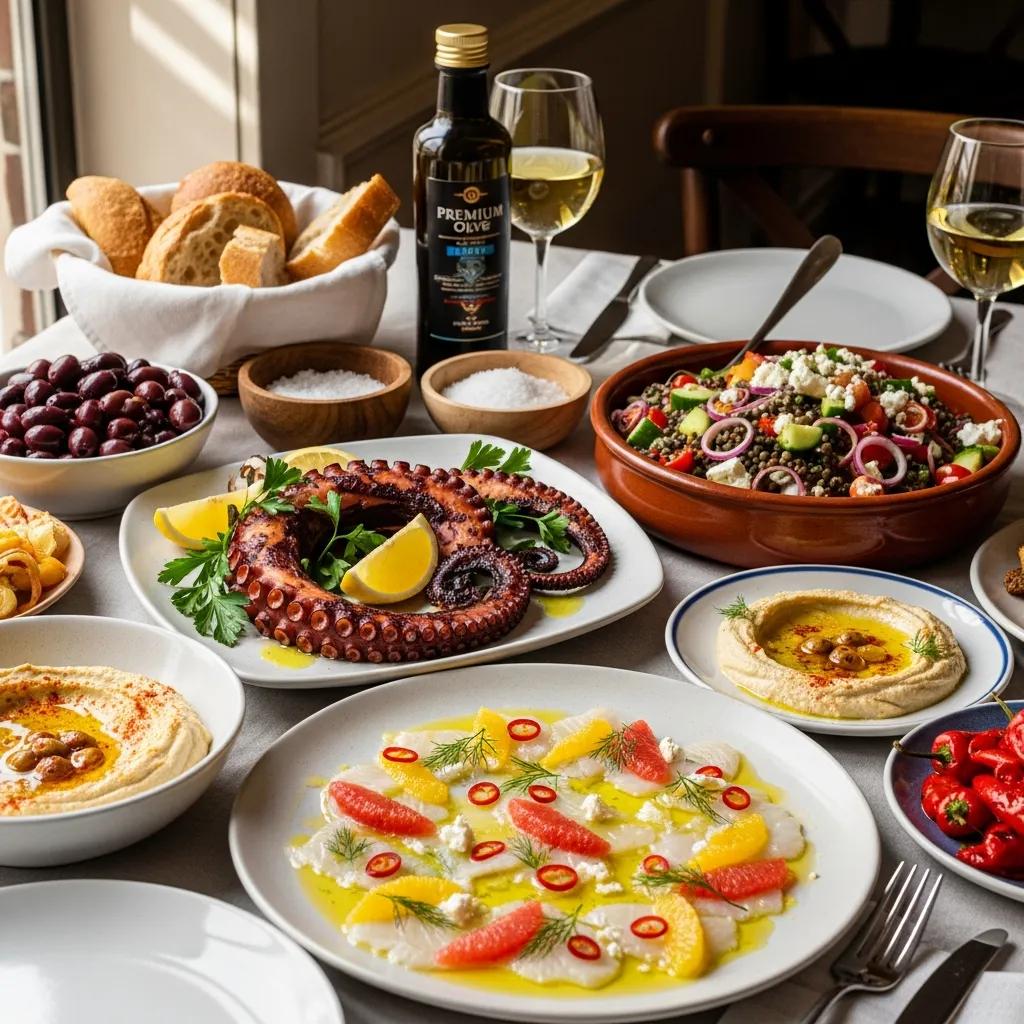
Adopting a Mediterranean-style pattern supports heart and metabolic health by delivering monounsaturated fats, omega‑3 fatty acids, fiber and antioxidants—nutrients that can lower LDL cholesterol, reduce inflammation and help blood vessels function better. Extra‑virgin olive oil and nuts help protect lipids from oxidation and modestly raise HDL; oily fish provide EPA and DHA, which lower triglycerides; and fiber from legumes and whole grains improves insulin sensitivity. Large clinical studies and meta-analyses consistently associate this pattern with fewer coronary events, lower stroke risk, better cognitive outcomes and modest weight-management benefits when paired with sensible calorie balance and activity. Those physiological effects directly inform menu choices—olive‑oil dressings, seafood mezze and vegetable-forward starters deliver measurable nutrient advantages while keeping plates delicious and satisfying. Understanding these mechanisms helps you recognize dishes that are both indulgent and longevity‑supporting.
Different nutrient groups map to specific health outcomes and guide thoughtful menu design.
The table below links core nutrients to how they work and to practical menu choices you can order or request.
How Does the Mediterranean Diet Promote Heart Health and Wellness?
At its core, the Mediterranean pattern protects the heart by replacing saturated fats with monounsaturated fats, raising omega‑3 intake and prioritizing fiber and antioxidants to lower inflammation and improve lipid profiles. Olive oil contains phenolic compounds that help prevent LDL oxidation; oily fish supply EPA and DHA, which support vascular function and reduce arrhythmia risk. Clinical trials and pooled analyses link this pattern to fewer coronary events and better metabolic markers—making it a practical template for menu planning. In the kitchen, chefs translate these mechanisms by limiting red-meat portions, spotlighting seafood, using olive oil as the primary fat and pairing proteins with legumes and greens to boost nutrient density and satiety. Those choices turn nutrition science into plates that taste as good as they are for you.
Which Signature Mediterranean Dishes Define Gourmet Healthy Eating at Kaviar?
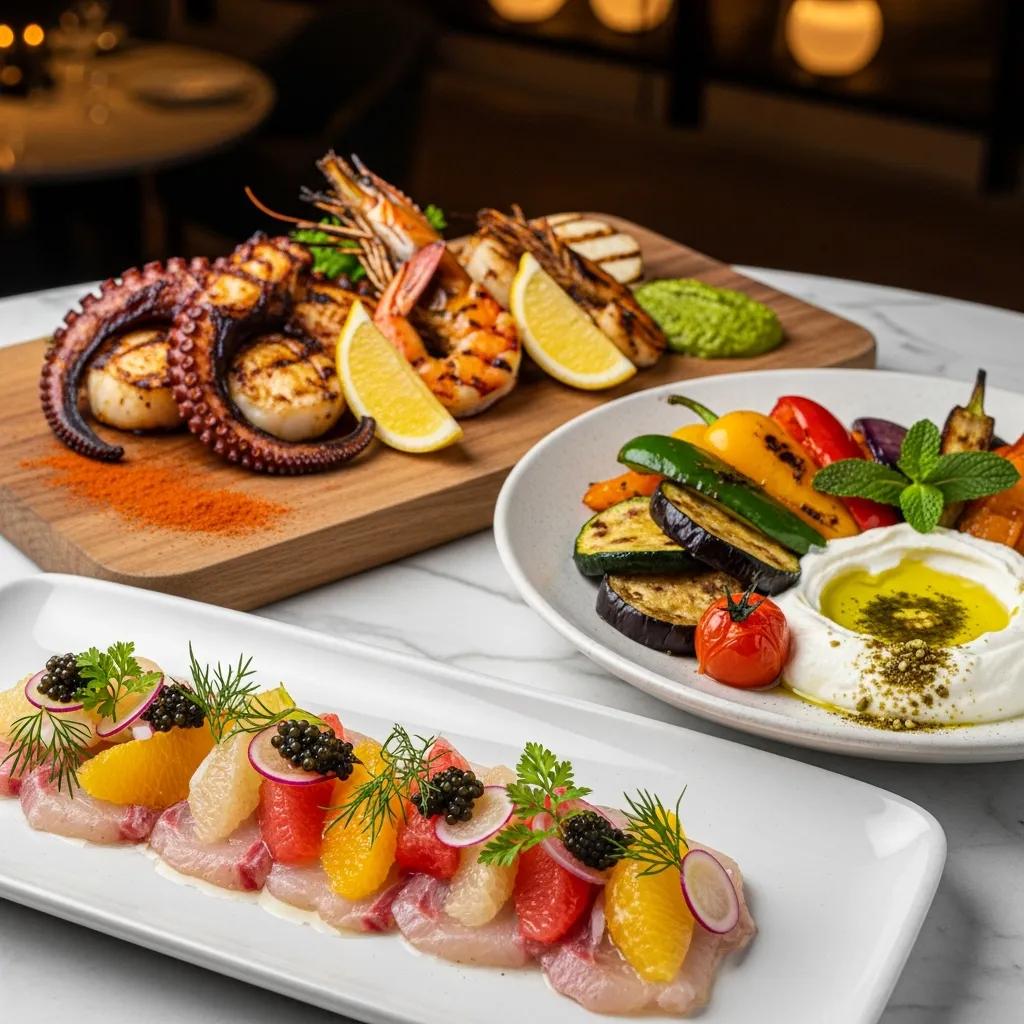
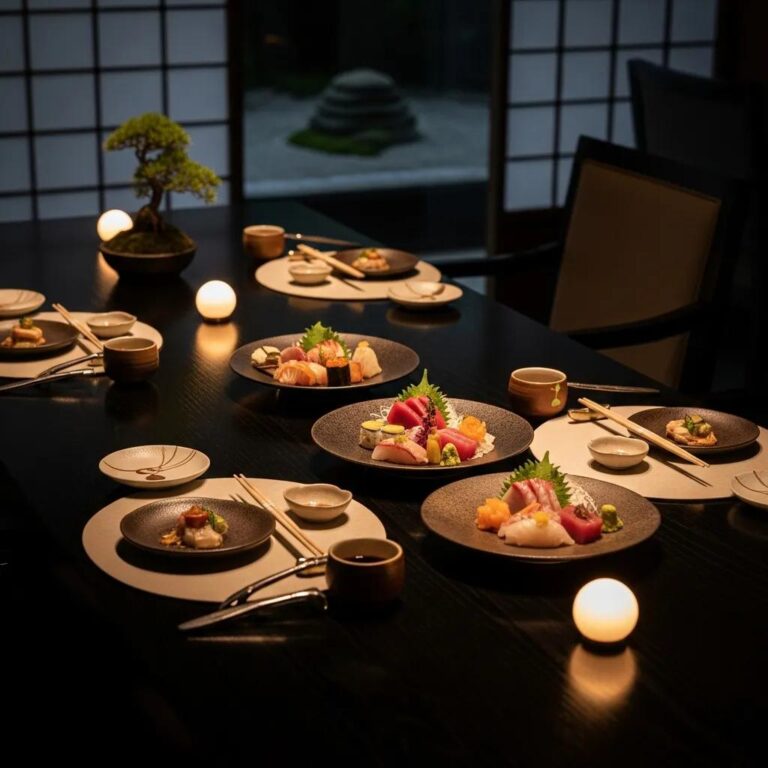
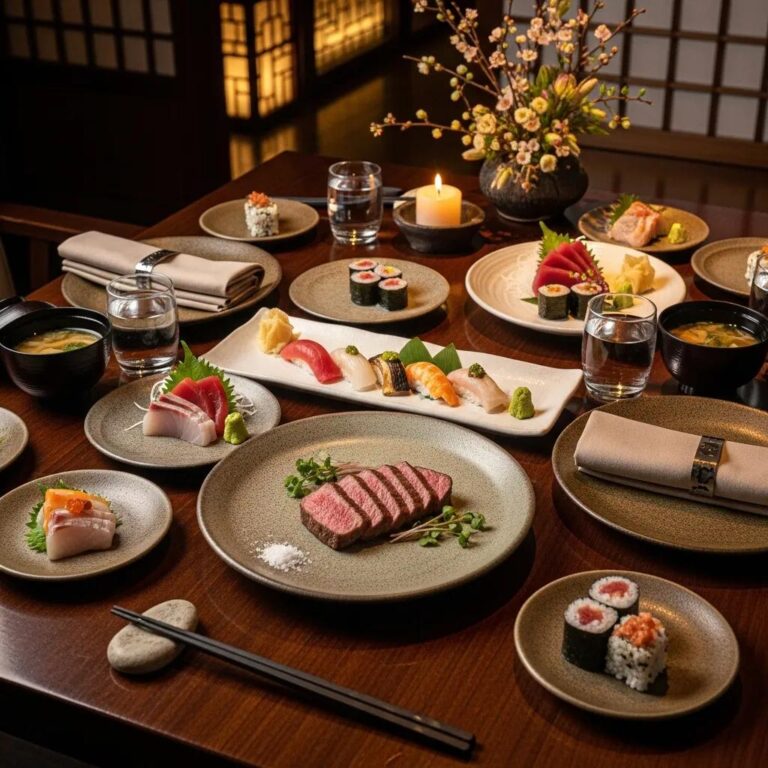
Healthy‑gourmet dishes pair nutrient-dense ingredients with precise technique: seafood mezze brightened with citrus and herbs, olive‑oil-forward salads topped with sustainable fish, or vegetable-led small plates finished with quality finishing oils. At Kaviar we interpret these ideas through a Mediterranean–Japanese fusion: Mediterranean fats and produce meet Japanese precision in execution and plating. The result is curated dishes that highlight wild-caught seafood, fresh herbs and citrus while using methods—gentle sous‑vide, quick sear, careful raw curing—that preserve texture and nutrients. Below are representative offerings, why they qualify as healthy gourmet, and a short comparison tying each dish to its culinary and health value.
The table below compares signature dishes, their core ingredients and the health or culinary benefits they deliver.
What Are the Key Ingredients in Kaviar’s Mediterranean Fusion Recipes?
Our pantry centers on extra‑virgin olive oil, citrus, fresh herbs (oregano, rosemary, parsley), wild-caught seafood, legumes and carefully portioned premium proteins. Each element pulls double duty: olive oil supplies monounsaturated fat and phenolics while rounding mouthfeel; citrus lifts flavor and helps iron absorption; herbs add antioxidants and aroma without extra sodium. Wild seafood brings bioavailable omega‑3s and lean protein; legumes and whole grains contribute fiber and steady energy. Chefs protect nutritional value through selective sourcing—seasonal produce and sustainable seafood—and techniques that limit nutrient loss: brief sears, raw preparations and gentle roasting, so every plate is both refined and nutrient-dense.
How Does Kaviar Incorporate Premium Ingredients Like A5 Wagyu and Caviar?
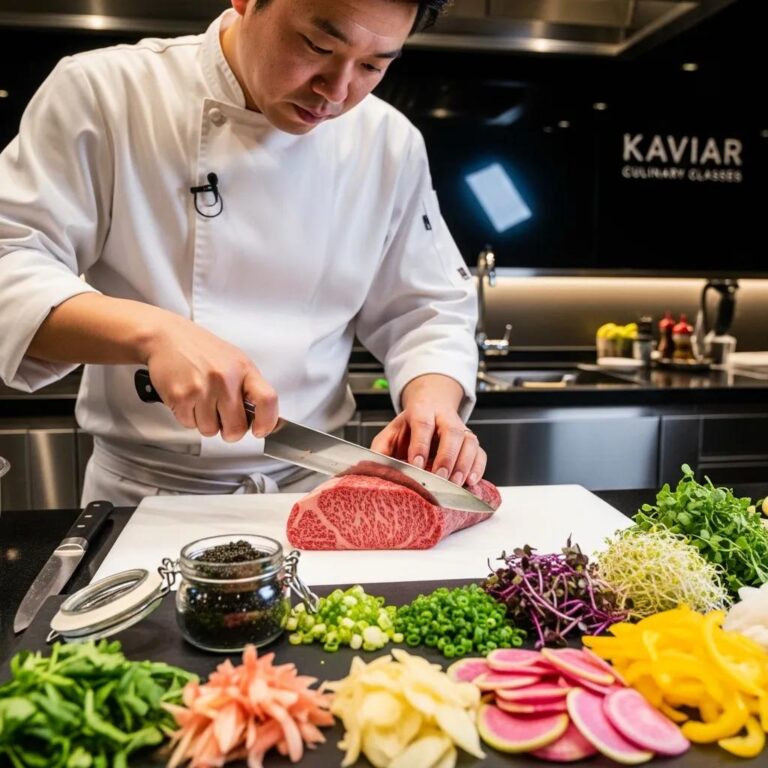
We use luxury ingredients—A5 Wagyu and caviar—as accents that add texture, umami and depth while keeping portions small and balanced with vegetables and whole-food sides. Japanese techniques—precise searing, delicate slicing and measured finishing—ensure these richer components deliver maximum sensory impact in restrained servings consistent with Mediterranean principles. Our sourcing emphasizes quality and traceability: caviar appears sparingly to add briny complexity and omega‑3s, and Wagyu is served as tasting portions that favor marbling for flavor rather than large helpings. The compact comparison below shows sourcing, preparation and tradeoffs so diners understand how indulgence is balanced with health.
A concise comparison below clarifies sourcing, preparation and tradeoffs so diners see how indulgence stays aligned with wellness.
What Makes A5 Wagyu Special in Mediterranean Gourmet Cuisine?
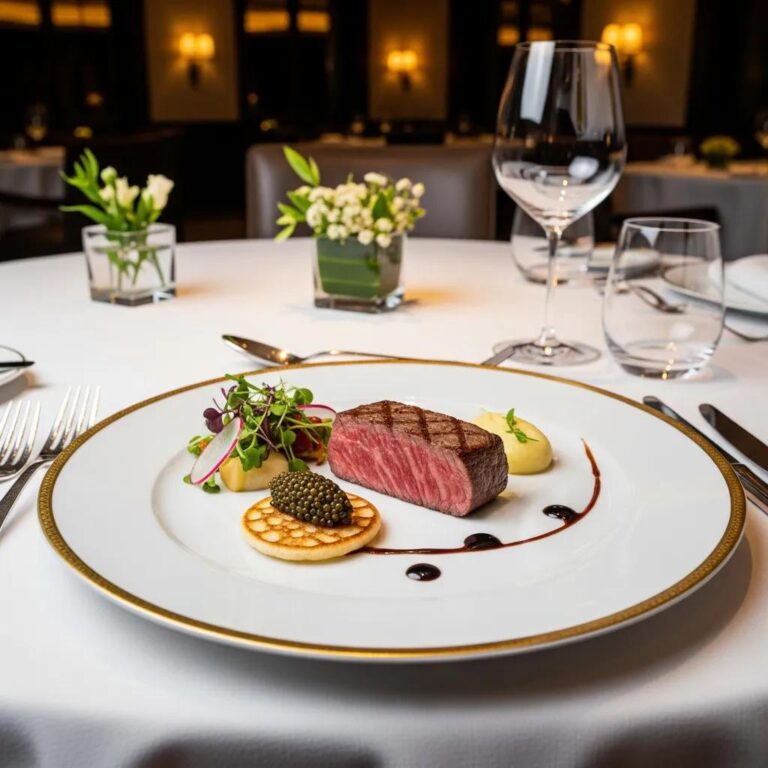
A5 Wagyu is prized for its intense intramuscular marbling, which creates exceptional tenderness and a luxurious mouthfeel. We highlight it in small, precisely cooked portions that act as a flavor crescendo within a balanced tasting sequence. The grading reflects marbling and fat quality; cooking focuses on short, high‑heat sears or thin slicing to showcase texture without adding extra fat. To keep dishes aligned with Mediterranean thinking, Wagyu is paired with bright, acidifying elements—citrus, herbs and olive‑oil dressings—and vegetable sides to moderate caloric density and add fiber. Thoughtful portioning and menu sequencing let guests enjoy an indulgent highlight while maintaining an overall plant-forward progression.
How Are Caviar Dishes Crafted to Enhance Healthy Eating?
Caviar functions as a concentrated flavor accent—tiny pearls of saline umami and beneficial lipids—that lifts a dish without becoming its caloric focus. We place small amounts atop seafood crudo, on whipped labneh or as a finish for herb-dressed vegetables; these touches emphasize texture and contrast rather than bulk. Nutritionally, caviar contributes omega‑3s and micronutrients, but the culinary strategy prioritizes balance: acidic pairings and fiber-rich sides improve absorption and digestion. Sustainable sourcing and careful portioning ensure caviar enhances a Mediterranean-aligned plate without overwhelming it.
What Is the Japanese Omakase Experience at Kaviar and Its Role in Healthy Gourmet Dining?
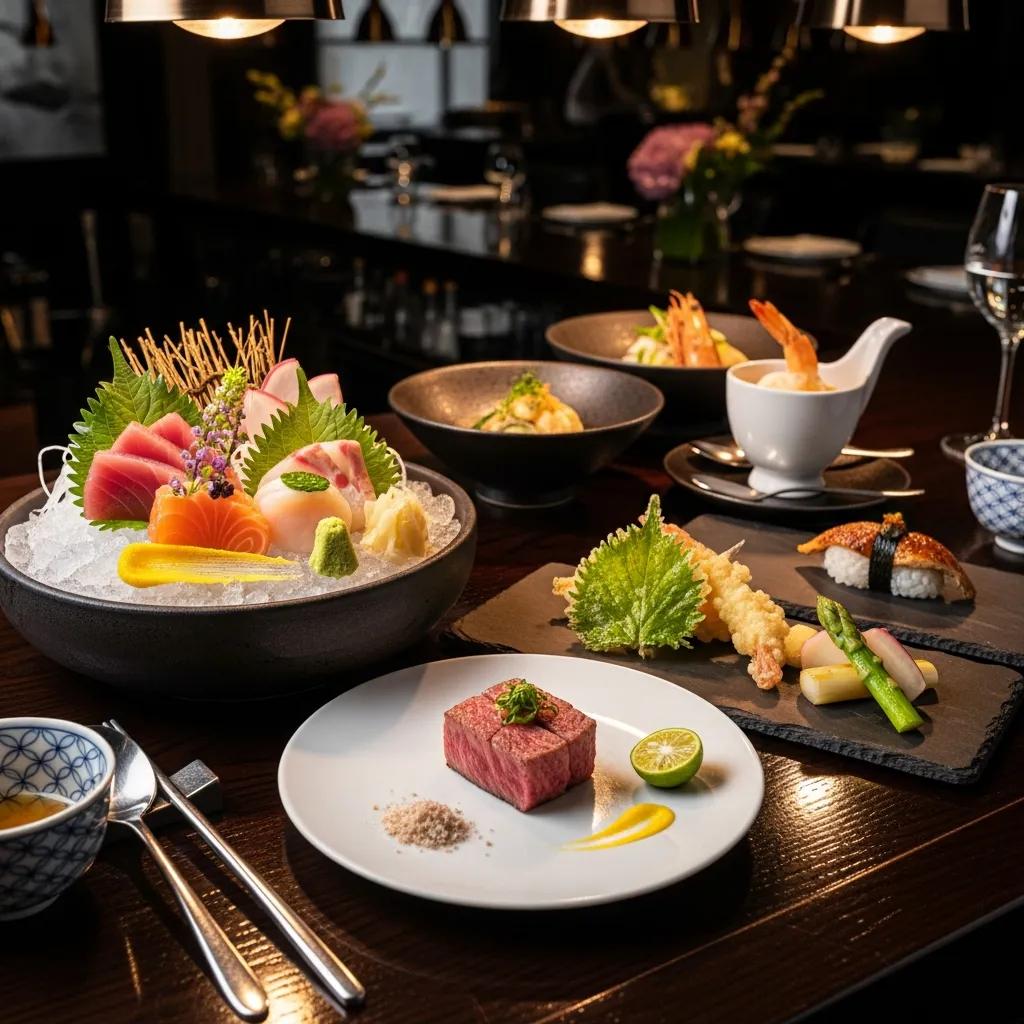
Omakase is a chef‑led, multi-course tasting format where the chef controls progression and portioning—an ideal framework for seasonality, variety and moderated portions central to Mediterranean principles. In practice, omakase lets the chef open with vegetable-forward and raw fish courses rich in antioxidants and omega‑3s, move through cooked seafood and legume-based dishes for sustained protein and fiber, and close with a small, concentrated indulgence like a Wagyu bite—each course sized to satisfy without excess. This format supports health-forward dining by emphasizing seasonal produce, preventing overconsumption through measured plating, and allowing customization for dietary needs. For wellness-minded diners, omakase is a guided, nutritionally thoughtful way to experience Mediterranean–Japanese fusion.
Chef-led sequencing also creates chances for curated pairings that improve nutrient absorption and elevate enjoyment.
The list below summarizes practical benefits of omakase for health-conscious guests.
- Ability to emphasize vegetable and seafood courses early in the progression.
- Controlled portion sizes that enable tasting variety without overeating.
- Seasonal sourcing that maximizes flavor and nutrient density.
How Does Omakase Complement Mediterranean Diet Principles?
Omakase complements Mediterranean ideas by offering a deliberate progression: begin with citrus- and herb-driven crudos and vegetable bites for antioxidants and fiber, transition to fish-forward courses rich in omega‑3s, and include restrained red‑meat moments paired with vegetables to limit saturated fat exposure. The chef’s control over portioning and sequencing supports balanced digestion and clearer satiety cues, while seasonal sourcing ensures ingredients arrive at peak nutritional value. Chefs can also accommodate restrictions or emphasize probiotic elements like cultured dairy when appropriate, aligning the meal with gut and metabolic health goals. This thoughtful sequencing turns nutritional logic into a memorable culinary narrative.
How Can You Reserve and Enjoy a Luxury Mediterranean Dining Experience at Kaviar?
Kaviar is a fine-dining restaurant in Pasadena that blends Mediterranean diet principles with Japanese culinary influences such as omakase and A5 Wagyu. We focus on high-quality ingredients—caviar, wild seafood and seasonal produce—and present a curated menu where healthful components and refined technique coexist. Reservations are available through our reservations page and OpenTable. To plan your visit, follow the practical steps below so we can prepare the tasting progression to emphasize vegetable- or seafood-forward courses when you prefer.
To simplify reservations, follow these numbered steps outlining common fields and timing suggestions.
- Choose the reservation type (omakase or à la carte tasting) and select your party size.
- Pick date and time preferences and be flexible on peak nights when seating is limited.
- Note any dietary restrictions or special requests so the chef can adapt courses.
- Confirm the booking and arrive on time to ensure courses are served at the intended pace.
These steps help you secure the best experience and communicate preferences that shape both flavor and health-focused sequencing.
What Are the Steps to Book a Reservation Online?
When booking, indicate whether you prefer the omakase tasting or a curated signature-menu experience, choose party size and time, and include dietary restrictions in the notes so the kitchen can adjust the progression. For omakase and seasonal events, book with lead time to secure seats and request celebratory arrangements if needed. We accept reservations through our site and third-party partners; sharing dietary details lets the chef stage courses in a sequence that reflects Mediterranean principles and your preferences. Arrive on time and communicate any last-minute needs to preserve the intended pacing and the health-forward benefits of the tasting sequence.
What Ambiance and Service Define Kaviar’s Luxury Dining?
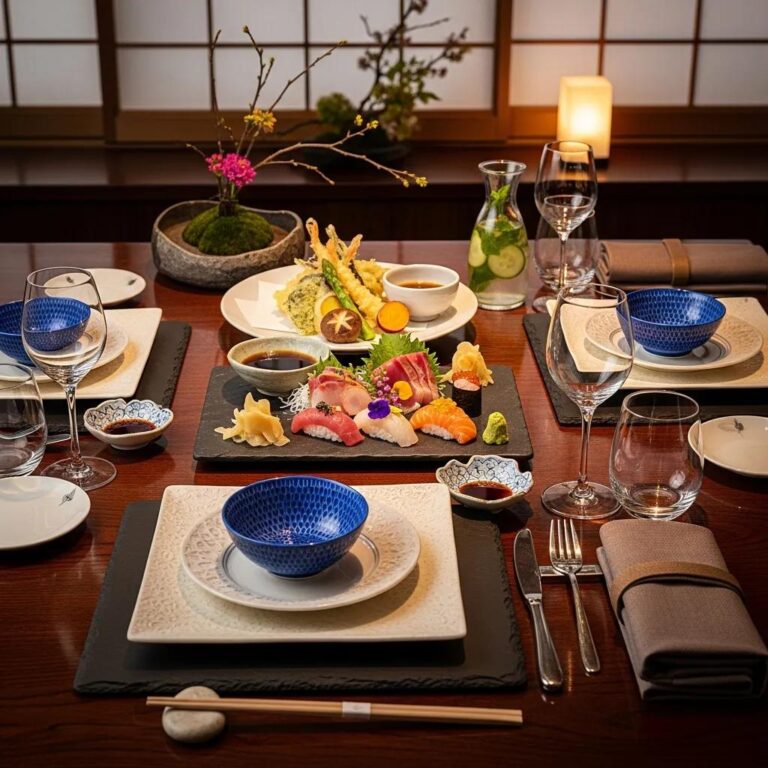
Kaviar’s dining room blends intimate, refined design with modern Japanese‑Mediterranean cues: warm, low lighting, clean lines and a focus on chef interaction that brings the tasting narrative to life. Service is attentive and informative—our team explains course intent, ingredient provenance and suggested pacing to support mindful eating and appreciation of portioned progression. Beverage pairings are curated to complement rather than dominate—light wines, sake and thoughtful nonalcoholic options—and staff can recommend combinations that preserve the menu’s health-forward character. Practical guest tips: arrive a few minutes early, observe the restaurant’s dress guidance for fine dining and note any accessibility or dietary needs when booking to ensure a smooth, restorative evening.
- Chef Interaction: Expect introductions to courses and provenance notes that add context.
- Pacing: Courses are timed to encourage mindful tasting and natural satiety.
- Service Details: Staff guide pairings and accommodate dietary adjustments for a tailored experience.
These service elements complete the experience by reinforcing the nutritional and sensory reasoning behind each course and ensuring the evening supports both culinary delight and wellness-focused dining.
Frequently Asked Questions
What types of dietary restrictions can Kaviar accommodate?
We tailor the tasting menu to many dietary needs—vegetarian, vegan, gluten‑free and common allergies among them. When you reserve, include dietary information in the notes and our chefs will adapt courses so you can enjoy a thoughtful, health-focused meal without compromising flavor.
How does Kaviar ensure the sustainability of its ingredients?
Sustainability guides our sourcing. We prioritize responsible suppliers who follow ethical fishing and farming practices, favor wild‑caught seafood when appropriate and choose seasonal produce. That attention to provenance keeps ingredients fresh, supports local ecosystems and aligns our menu with environmental stewardship.
Can I experience Kaviar’s menu through takeout or delivery?
Our full omakase is crafted for in-person enjoyment and presentation, but select menu items may be available for takeout. Check our website or contact the restaurant for current takeout options—those choices let you enjoy Kaviar flavors at home while understanding that the complete tasting progression is best experienced dining with us.
What is the average dining duration for an omakase experience at Kaviar?
Omakase typically runs two to three hours, allowing time to savor each course, engage with the chef’s narrative and enjoy the intended pacing. We encourage guests to relax and immerse themselves—the meal is designed as a leisurely culinary journey.
Are there wine or beverage pairings available with the tasting menu?
Yes. We offer curated pairings—light wines, sake and nonalcoholic options—selected to enhance each course while maintaining the menu’s balanced, health-forward character. Ask about pairings when you reserve or upon arrival for recommendations tailored to your meal.
What is the significance of portion control in Kaviar’s dining experience?
Portion control is central to our approach. Smaller, carefully composed portions allow you to taste a variety of flavors without overindulging, support mindful consumption and keep the menu aligned with Mediterranean principles of moderation. Each course contributes to a balanced, satisfying progression.
Conclusion
At Kaviar, the Mediterranean diet becomes a refined dining experience—one that pairs nutrient-dense ingredients with precise technique so you can enjoy flavor and wellness in equal measure. Our signature dishes marry gourmet craftsmanship with wholesome components, letting you savor each course while supporting long‑term health. Ready to experience the balance of taste and nutrition? Reserve your seat and join us for a thoughtful, luxurious meal.