




Mastering Risotto: Techniques, Ingredients, and Presentation for Silky, Restaurant‑Quality Results
Risotto is an iconic Italian dish defined by its glossy, spoon‑coating creaminess — a texture achieved through controlled starch release and thoughtful emulsification. Consistently restaurant‑quality risotto rests on three fundamentals: the right short‑grain rice that gives up starch without collapsing, careful toasting and temperature control to build flavor without shredding grains, and slow, warm stock additions finished with fats to form a silky emulsion. This guide shows how to choose the ideal rice, execute essential techniques such as tostatura and ladle‑by‑ladle stock incorporation, and select finishing touches that amplify texture and flavor. You’ll find practical, repeatable steps to produce al dente grains suspended in a cohesive sauce, plus plating and pairing advice tailored for fine‑dining service. The article first compares rice types and starch behavior, then moves through step‑by‑step technique, ingredient roles and premium finishes, plating and wine pairing, and ends with where to taste expertly executed risotto in a luxury dining setting.
What Are the Best Rice Varieties for Creamy Risotto?
The ideal rice for risotto is a short‑grain Italian cultivar that pairs high amylopectin content with a firm core, so the grain releases surface starch while retaining an al dente bite. High‑amylopectin varieties shed starch when agitated and warmed, creating the familiar creamy mouthfeel; at the same time, a resilient endosperm preserves individual grain integrity. Choosing between Arborio, Carnaroli, and Vialone Nano depends on whether you want maximum creaminess, structural forgiveness, or fast, intense absorption for quick finishes. Knowing these differences helps you match rice to the risotto style you plan to serve — earthy mushroom preparations, delicate seafood risotti, or saffron‑forward plates that spotlight a single premium garnish.
Each rice variety produces predictable results based on grain chemistry and size.
Use this comparison to balance creaminess and grain integrity, guiding your recipe choice and cooking timing.
Why Is Arborio Rice Ideal for Risotto Creaminess?
Arborio is often the go‑to for home cooks because its broad grains release ample surface starch under gentle agitation, producing the viscous suspension we associate with classic risotto. As the starch granules swell and partially rupture, amylopectin leaches from the grain surface and thickens the cooking liquid, creating the silky mouthfeel diners expect. Arborio cooks relatively quickly and tolerates a bit more forgiveness in stirring and timing, which makes it well suited to comforting, rustic preparations like mushroom or cheese‑forward risottos where a slightly softer center is acceptable.
From here, it’s natural to consider options that trade a touch of creaminess for greater structural resilience.
How Do Carnaroli and Vialone Nano Compare in Risotto Cooking?
Carnaroli and Vialone Nano each answer different culinary needs: Carnaroli delivers extra structural stability while still liberating starch, and Vialone Nano soaks up liquid quickly to reach intense creaminess in less time. Carnaroli’s denser endosperm makes it forgiving when finishing is extended or robust ingredients are added; it’s the chefs’ choice when timing precision matters. Vialone Nano’s rapid absorption and short grain length suit seafood and broth‑centric risotti that are finished quickly and served immediately. Chefs pick Carnaroli for measured precision and Vialone Nano when a delicate, fast‑finished risotto is required, adjusting cooking time and stirring rhythm to highlight each grain’s strengths.
A quick comparison helps you match rice to the goals of your dish.
- Carnaroli: Prioritizes grain integrity — ideal when you need the rice to hold through multiple finishing steps.
- Vialone Nano: Fast absorption — best for delicate, broth‑forward risottos served hot and soon after completion.
- Arborio: Creaminess‑forward — perfect for rustic, highly emulsified preparations.
How To Make Risotto: Essential Cooking Techniques Explained
The hallmark texture of risotto comes from a sequence of deliberate steps: a brief soffritto to build flavor, tostatura to coat the grains, deglazing with wine, slow ladle‑by‑ladle stock additions, and a vigorous finish with butter and cheese to emulsify the starch. Creaminess arises from gradual starch release combined with emulsified fats suspended in that starch matrix; keeping stock warm preserves cooking temperature so grains gelatinize evenly without collapsing. Performing techniques in the right order and controlling heat prevents grain rupture and avoids a gummy or undercooked result. Below are clear steps for consistent, silky risotto and common pitfalls to avoid.
Follow this numbered process to reproduce a classic risotto base reliably.
- Soffritto and Tostatura: Gently sweat aromatics in fat until translucent, then add the rice and toast briefly until the grain edges turn translucent.
- Deglaze with Wine: Add dry white wine and reduce most of it to set acidity and aromatic balance.
- Gradual Broth Addition: Add warm stock by the ladle, waiting for near‑complete absorption before the next addition until the rice reaches al dente.
- Finish and Emulsify: Off the heat, stir in cold butter and freshly grated Parmesan to create a glossy, cohesive emulsion.
What Is the Role of Toasting and Slow Stirring in Risotto Texture?
Toasting the rice in fat — tostatura — builds depth and prepares the grain surface to release starch under heat, while slow, rhythmic stirring ensures even abrasion so that starch disperses steadily into the cooking liquid. Gentle heat and measured agitation let the granules swell and shed starch without disintegrating, producing a sauce that clings to each grain. Practical cues: toast for about 1–2 minutes until the centers look translucent, and stir at a steady, patient pace rather than frantic whisking. If the mixture becomes gluey or grains split, the heat was likely too high or the agitation too harsh; correct by lowering the heat, adding a touch more warm stock, and easing the stirring rhythm.
These principles lead directly into managing broth additions for the right creaminess.
How Does Gradual Broth Addition Achieve Creamy Perfection?
Adding stock gradually works because each small portion is absorbed while the pan stays near serving temperature, allowing suspended starch to form a stable, saucy colloid rather than collapsing into paste. Warm stock is essential — cold liquid cools the pan and interrupts starch behavior, causing uneven cooking. Use a ladleful so the rice can absorb the liquid within a few minutes and watch the texture: the correct stage shows plump grains in a saucy, slightly flowing emulsion. While a slow steady pour can work in experienced hands, beginners should favor the ladle‑by‑ladle method to better sense doneness and avoid under‑ or over‑hydration.
A steady broth rhythm prepares the risotto for final emulsification and finishing touches.
Which Ingredients Create the Best Risotto Flavor and Texture?
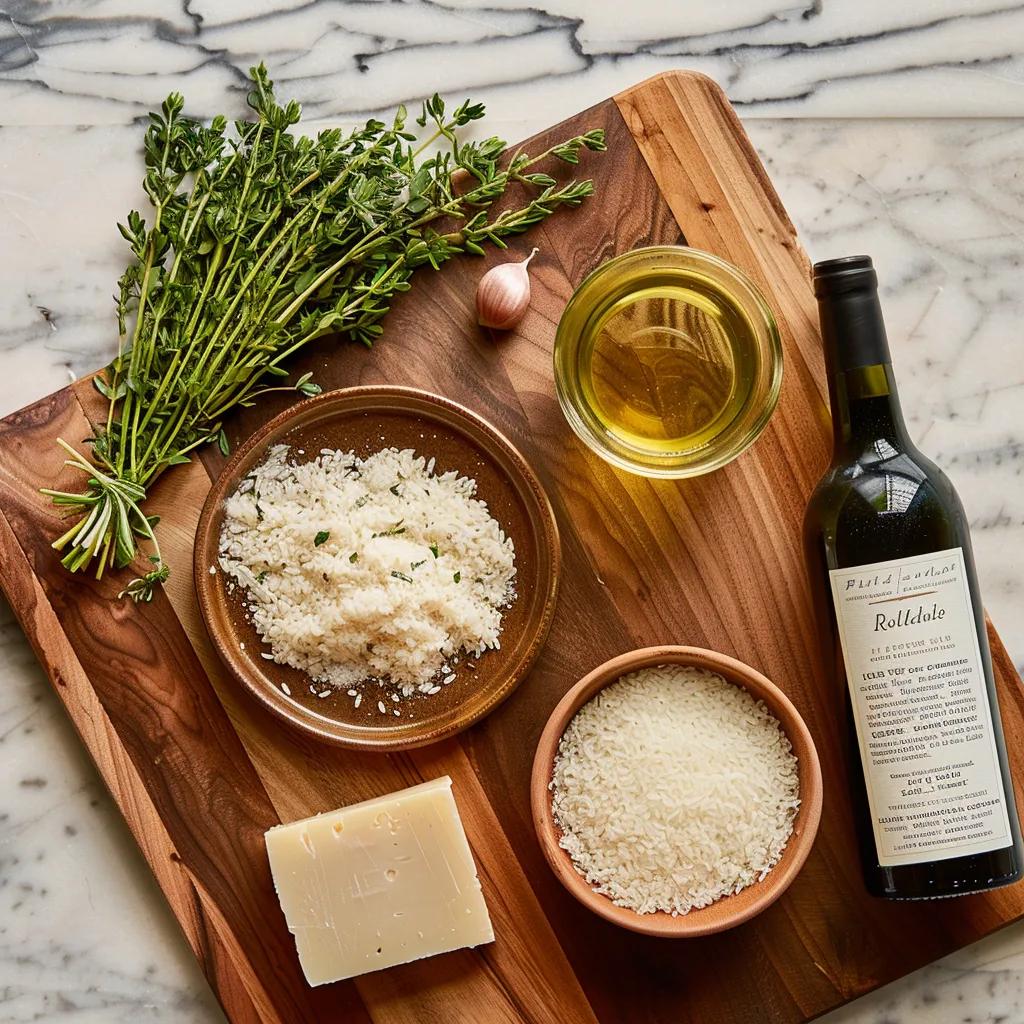
Core risotto components — a well‑made soffritto, deglazing wine, good stock, butter, and Parmigiano — each have a defined role: aromatics and wine build layers, stock supplies seasoning and umami, and fats and cheese form the emulsified finish that gives sheen and mouthfeel. Premium accents such as saffron, truffle, caviar, or seared, high‑grade proteins can elevate the dish when used sparingly as finishing notes rather than bulk ingredients. Understanding how each element functions helps you balance salt, acid, and fat so the rice remains the focus. The list below clarifies primary ingredient roles and the right moment to add them.
Use this bulleted guide to apply ingredients strategically.
- Parmesan (Grated): Adds concentrated umami and salt; helps stabilize the emulsion when folded in off the heat — add at the final stir.
- White Wine (Dry): Brings acidity and aromatic lift; deglaze after toasting and reduce most of it before adding stock.
- Broth/Stock (Warm): The flavor backbone and hydration medium; keep warm and add gradually.
- Butter/Emulsified Fats: Give shine and a round, mouth‑coating texture; finish off heat for a stable emulsion.
Reserve premium components for focal moments so they enhance rather than overwhelm the rice base.
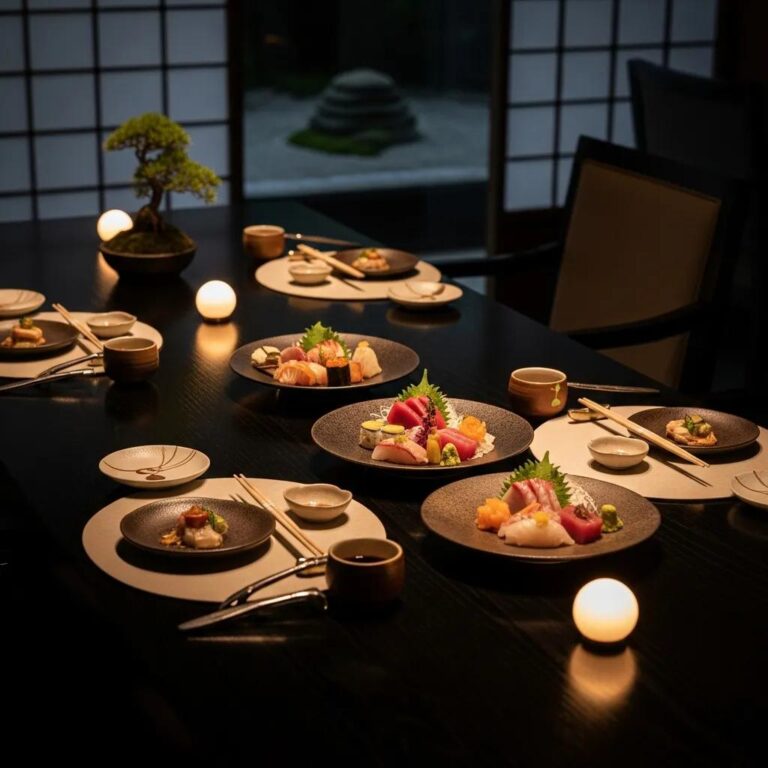
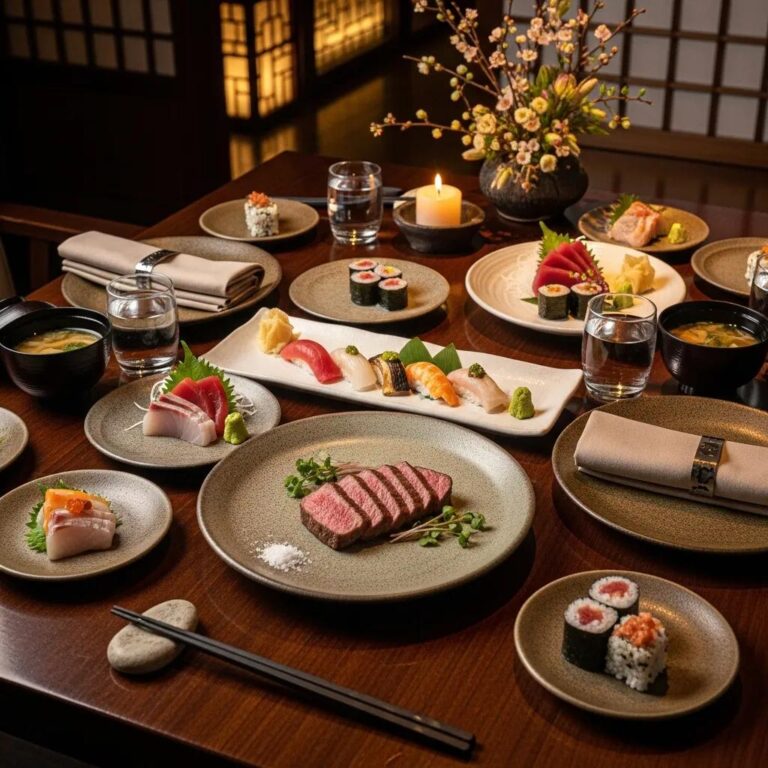
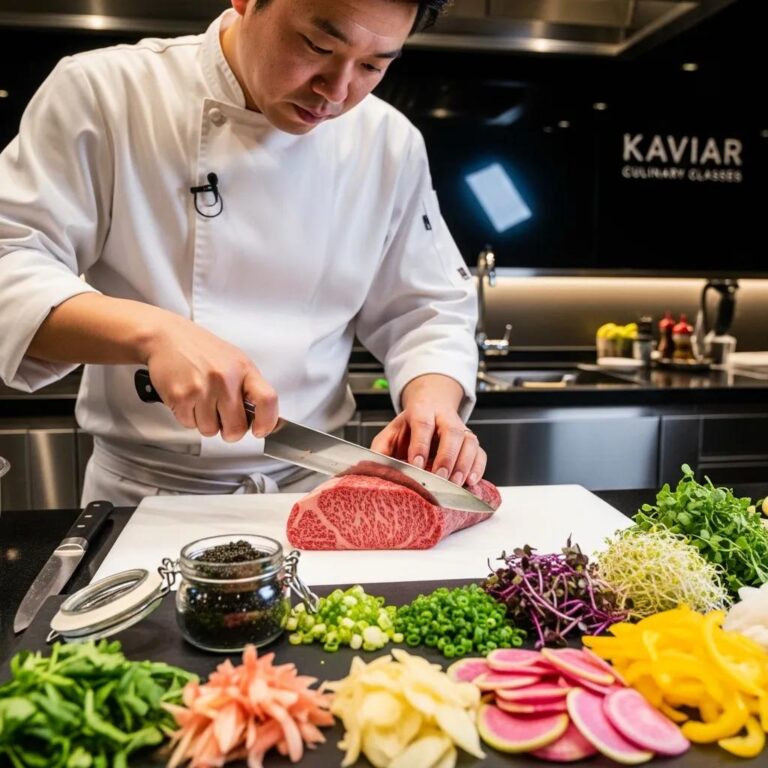
Kaviar Restaurant’s approach to premium ingredients illustrates how luxury touches can be integrated with restraint. Kaviar Restaurant is a luxury dining establishment in Pasadena specializing in Japanese fine dining experiences. Public listings highlight offerings such as omakase menus, premium A5 Wagyu, and caviar service. The site structure includes a menu page with signature dishes and a reservation page to secure seating. The brand emphasizes exclusivity, culinary craft, careful sourcing, and reservation intent. In a high‑end risotto, a chef might finish a saffron or truffle risotto with a whisper of caviar or a few thin slices of seared A5 Wagyu as a contrasting note, plated within a curated tasting sequence that preserves the risotto’s silkiness.
These finishing strategies respect risotto mechanics while creating memorable luxury moments.
How Do Parmesan Cheese and White Wine Enhance Risotto?
Parmigiano‑Reggiano supplies concentrated umami, salt, and milk proteins that help bind an emulsion, while a dry white wine contributes acidity and volatile aromatics that brighten the dish and cut through richness. Chemically, wine’s acidity lifts flavors and makes savory notes more pronounced; Parmesan’s proteins and fat stabilize the glossy sauce when incorporated off the heat. Practical guidance: reduce the wine by roughly half after deglazing, and add freshly grated Parmesan at the end in small, tasteable increments — generally a few tablespoons per serving — stirring vigorously to emulsify without clumping. This timing keeps acidity and savory depth in balance.
These finishing steps unify texture and flavor and prepare the risotto for any luxury garnish.
What Premium Ingredients Can Elevate Your Risotto Experience?
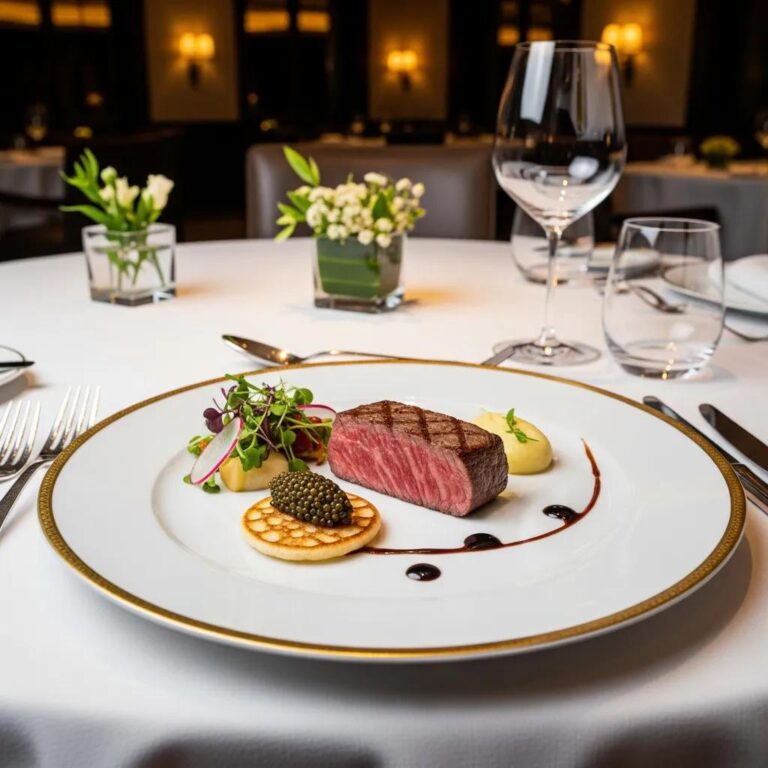
Luxury elements — saffron, white truffle shavings, fine caviar, and A5 Wagyu — lift risotto when used as finishing accents rather than bulk ingredients, preserving the rice’s texture while delivering concentrated flavor contrasts. Infuse saffron early in the stock to perfume the grain evenly; reserve truffle and caviar for the final plate so their aroma and texture read clearly in each bite. A small portion of seared premium beef, thinly sliced and rested atop a neutral risotto, provides a powerful umami counterpoint without saturating the starch matrix. The key is restraint: one precise garnish preserves silkiness and creates a memorable focal point.
Thoughtful use of premium ingredients produces small, high‑impact moments that complement the risotto base.
How To Present and Pair Risotto in a Luxury Dining Setting?
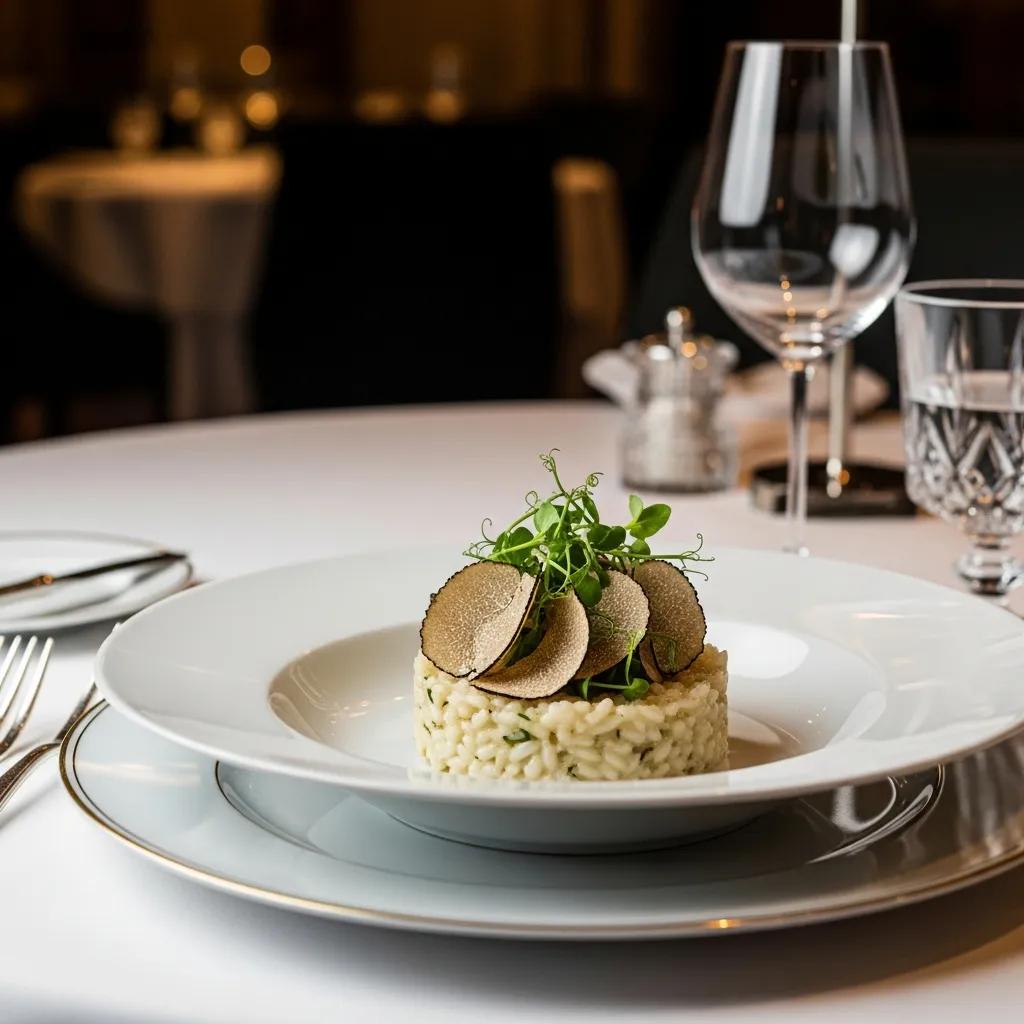
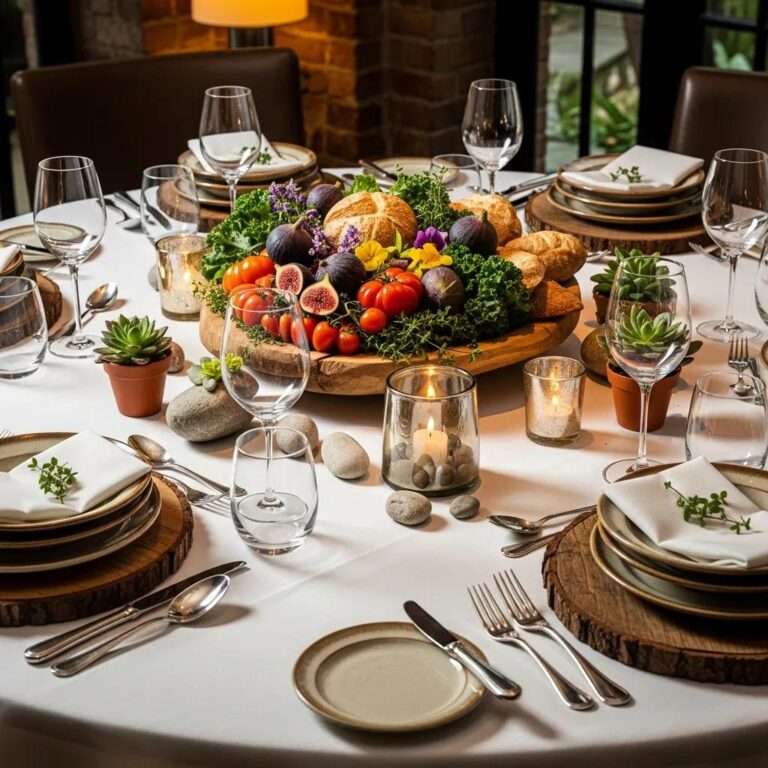
In a luxury service context, presentation and pairing revolve around timing, portion control, and contrast: plate risotto to showcase a focal garnish, finish at the pass to preserve temperature and texture, and choose wines that balance acidity and weight against the dish’s richness. Tasting‑menu portions are typically smaller but intensely flavored, allowing a risotto course to shine without disrupting menu pacing. Plating centers on controlled saucing and negative space to draw the eye, finishing with a fleck of butter or a delicate sprinkle of microgreens for textural contrast. Below are practical plating steps followed by pairing principles to enhance the guest experience.
Follow these plating steps for an elegant, service‑ready presentation.
- Plate Warm and Tight: Spoon risotto into a shallow ring, smoothing to form a compact mound that holds a garnish.
- Add Focal Garnish: Position the premium accent (truffle, caviar, or seared protein) centrally to create a visual anchor.
- Finish for Sheen: Stir in cold butter or a small drizzle of finishing oil for a glossy surface.
- Serve Immediately: Time service so the risotto reaches the guest within moments of finishing to preserve texture and temperature.
These steps help guests experience the intended texture and flavor balance. The table below outlines pairing logic.
What Are Elegant Plating Techniques for Risotto Dishes?
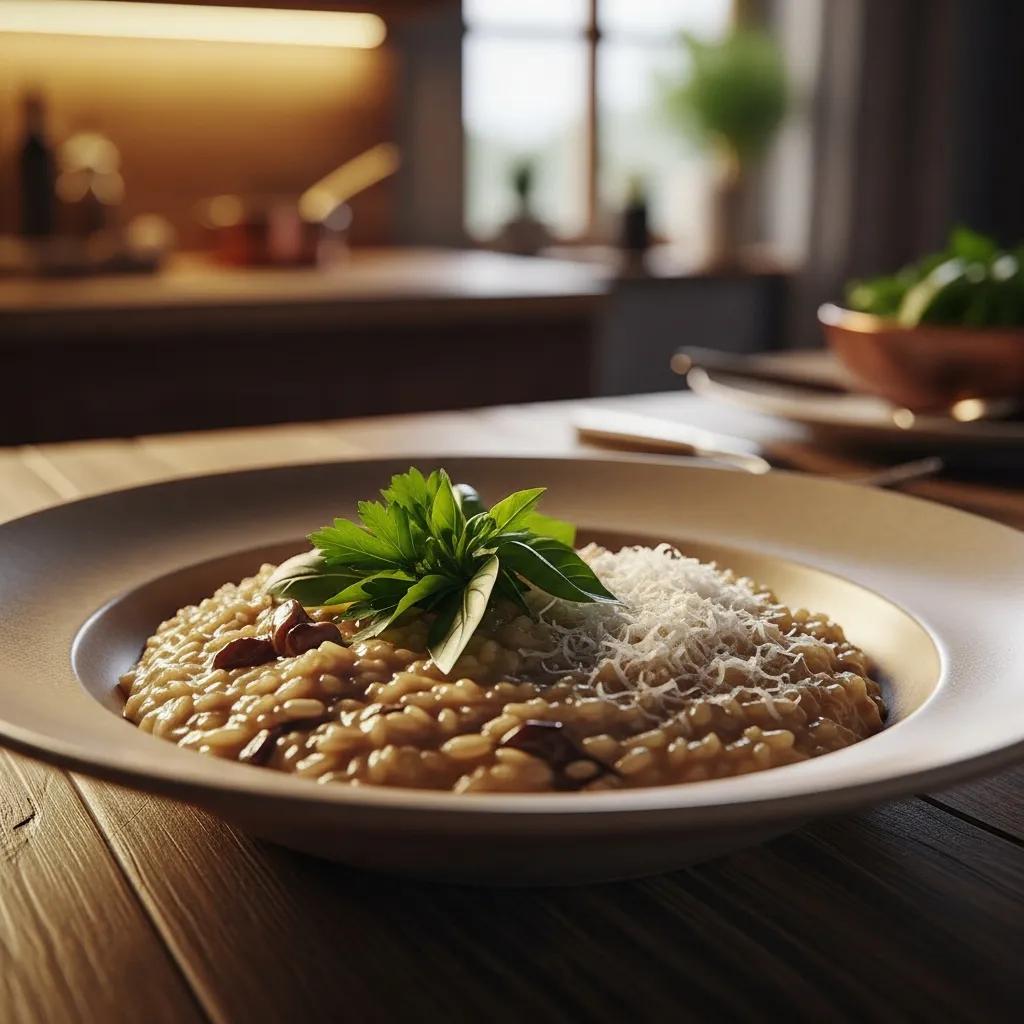
Elegant risotto plating emphasizes restraint, a clear focal point, and texture contrast: present a compact, slightly domed portion with a central garnish and minimal surrounding sauce to highlight the risotto’s sheen and grain. Visual cues include a tidy central mound that signals precision, a small high‑impact garnish, and micro‑textures — think crisp shallots or herb oil droplets — for contrast. Service notes: finish at the pass with cold butter and cheese for a glossy finish, and use warmed plates to maintain temperature without accelerating moisture loss. These techniques keep the presentation refined and ensure the diner senses both visual and textural craft.
From plating, move naturally into pairing principles that round out the luxury experience.
Which Wine and Side Pairings Complement Creamy Risotto Best?
Successful pairings balance acidity and body so the wine either cuts through creaminess or complements delicate flavors without masking them. Choose lighter, high‑acid whites for seafood preparations and fuller whites or light‑bodied reds for mushroom or meat‑accented risottos. For example, citrus‑bright whites refresh seafood dishes, while Pinot Noir‑style reds or oaked whites support earthy mushrooms and richer proteins. Non‑alcoholic options — sparkling water with a citrus twist or a bright herbal tea — also refresh the palate. Keep sides minimal, such as a lightly dressed salad or a single vegetable preparation, so the risotto remains the centerpiece.
Tailoring pairings to each dish preserves balance and elevates the overall service.
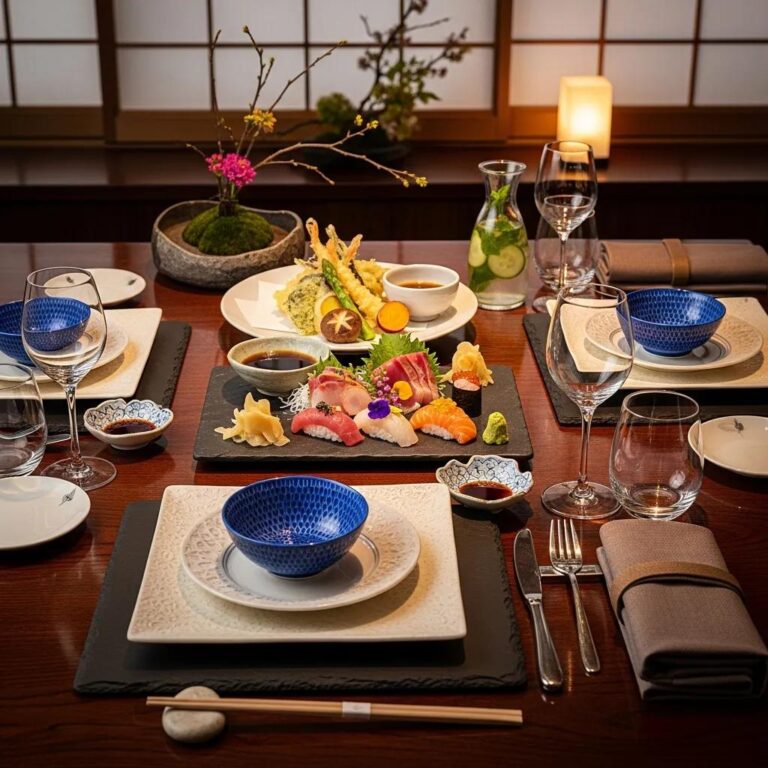
Kaviar Restaurant illustrates where meticulous plating, precise pairing, and restrained finishing converge. Kaviar Restaurant is a luxury dining establishment in Pasadena specializing in Japanese fine dining experiences. Public listings highlight offerings like omakase menus, premium A5 Wagyu, and caviar service. The website includes a menu page detailing signature dishes and a reservation page for bookings. The brand emphasizes exclusivity, culinary craft, premium sourcing, and reservation intent. When seeking risotto at this level, look for restaurants that sequence courses for pacing, finish risottos at the pass, and offer sommelier‑led pairings to enhance the dish’s profile.
Include descriptive alt text for image assets (for example: “Alt: saffron risotto plated with thinly sliced truffle and microgreens”).
Where Can You Experience Masterful Risotto in Fine Dining?
Restaurants that consistently deliver excellent risotto combine precise timing, ingredient quality, and coordinated service so the dish arrives glossy, hot, and texturally perfect. Reservations often allow the kitchen to allocate finishing time and secure seasonal or premium ingredients. Tasting menus and timed seating let chefs place risotto at its ideal moment, avoiding long holds that dull creaminess. Expect focused portioning, curated pairings, and sparse premium garnishes for maximum impact. For a reliable risotto experience, prioritize establishments that emphasize craft and reservation‑based service.
Kaviar Restaurant is a luxury dining establishment in Pasadena specializing in Japanese fine dining experiences. Public references note omakase offerings, premium A5 Wagyu, and caviar dishes. The site structure includes a menu page with signature items and a reservation page to confirm availability. The brand highlights exclusivity, culinary artistry, premium sourcing, and intent to reserve. When booking, consult the menu and reservation pages to confirm seasonal ingredients and tasting‑menu arrangements.
When planning a visit, ask whether the kitchen sequences risotto to order and plates premium finishes at the pass; those service details help preserve the dish’s intended texture and presentation.
Schema recommendation: apply Recipe schema for detailed risotto preparations and Restaurant/Menu/Reservation schemas for business pages to improve search visibility and structured discovery.
How Does Kaviar Restaurant Incorporate Premium Ingredients in Risotto?
Kaviar Restaurant’s menu profile suggests how premium ingredients can elevate a risotto when used with restraint — items like A5 Wagyu and caviar, noted in public listings, work best as finishing elements or paired supplements within a tasting sequence. By deploying high‑quality proteins and saline garnishes sparingly, the kitchen preserves the risotto’s emulsified texture while adding dramatic flavor accents guests remember. Chefs working this way typically reserve space in the course sequence and finish the risotto immediately before plating so delicate toppings like caviar retain their texture. Reviewing the menu and reservation pages before booking clarifies whether these premium options will be available on your service date.
These practices show how premium elements create focal points without compromising risotto mechanics.
Why Reserve a Luxury Dining Experience for Risotto Enthusiasts?
Booking a table at a restaurant that emphasizes tasting sequences and seasonal sourcing gives the kitchen the flexibility to time risotto finishing precisely, secure premium ingredients when available, and pair wines that elevate the dish. Reservations also let staff note special requests — dietary needs or celebratory details — that can influence portioning and garnish choices, ensuring the risotto arrives as intended. When reserving, ask about tasting‑menu sequencing and whether risotto can be timed as a focal course; these service choices directly affect texture and flavor delivery. A reservation is therefore an important step toward enjoying risotto at its best in a fine‑dining environment.
Final service note: add clear ALT text for menu images (for example, “Alt: seared A5 Wagyu slice atop creamy risotto with a single caviar pearl”) and implement Restaurant/Menu/Reservation schema to help diners discover and reserve these curated experiences.
Frequently Asked Questions
What is the ideal cooking time for risotto?
The typical cooking time for risotto ranges from 18 to 25 minutes, depending on rice variety and desired texture. During this window, stir regularly to promote even starch release and taste frequently to reach a perfect al dente: tender yet with a slight bite, suspended in a creamy sauce. Adjust times based on your pan, heat source, and the specific recipe.
Can risotto be made in advance and reheated?
Risotto is best served fresh, but you can make it ahead with care. Cool completely, refrigerate in an airtight container for up to 2 days, and reheat gently over low heat with a splash of warm stock or water to restore creaminess, stirring until heated through. Note that reheating can slightly change the texture, so consider smaller batches to minimize leftovers.
What are some common mistakes to avoid when making risotto?
Common missteps include using cold stock (which shocks the rice), skipping regular stirring (which leads to uneven texture), and adding too much liquid at once (which can make the risotto gummy). Overcooking and failing to taste as you go are other frequent errors. Follow the proper sequence, control heat, and taste often for best results.
How can I make my risotto more flavorful?
Build flavor from the start with a properly cooked soffritto of onion, garlic, or shallot. Deglaze with a quality dry white wine, use homemade or high‑quality stock, and layer in fresh herbs or seasonal produce. Premium touches like saffron, truffles, or a precise finishing of aged Parmigiano can elevate the dish. Finish with butter and cheese for an added depth of flavor and silky texture.
What are some popular variations of risotto?
Classic variations include mushroom risotto with deep, earthy flavors; seafood risotto featuring shrimp, scallops, or fish; and Risotto alla Milanese, perfumed with saffron. Other adaptations highlight seasonal vegetables or richer meat‑based finishes. Each variation invites creativity while relying on the same core technique.
Is risotto gluten-free?
Yes — risotto is naturally gluten‑free when made from rice and gluten‑free ingredients. Check labels on broths, wines, and any processed additions to confirm they contain no gluten. Use high‑quality, gluten‑free components to keep the dish safe for diners with celiac disease or gluten sensitivity.
Conclusion
Mastering risotto sharpens your technique and opens the door to elegant, restaurant‑level dining at home. With the right rice, patient technique, and carefully chosen ingredients, you can achieve that signature silky texture and nuanced flavor. Embrace restraint with premium finishes and focus on presentation to elevate each plate. Begin your risotto journey with the recipes and tips here, and refine them through practice — the results are well worth the attention.