




The Role of Exotic Spices and Herbs in Gourmet Cuisine: Crafting Distinctive Flavors with Luxury Ingredients
Exotic spices and specialty herbs are concentrated flavor tools—aromatic, bitter, floral or citrus-forward elements chefs use to shape aroma, texture and taste in elevated cooking. These ingredients contribute volatile oils, acids and bitter compounds that play against fat, salt, acid and umami to create layered, memorable courses. In refined formats like Japanese fine dining and omakase, a whisper of saffron, a flake of yuzu zest, a dusting of togarashi, or a single shiso leaf can redirect a bite without overwhelming delicate proteins such as scallop or caviar. This guide explains how premier spices and rare herbs inform pairings, the technical approaches chefs use to balance sweet, acidic and umami notes, and how those techniques lift A5 Wagyu and caviar within tasting menus. Practical sections cover spice profiles, herb functions, sequencing strategies from the kitchen and ethical sourcing notes — all aimed at helping home cooks and diners appreciate why restraint and precision matter. To taste these combinations in person, Kaviar in Pasadena showcases many of these flavors and accepts reservations by phone, RESY or OpenTable.
Which Exotic Spices Define Gourmet Spice Pairings?
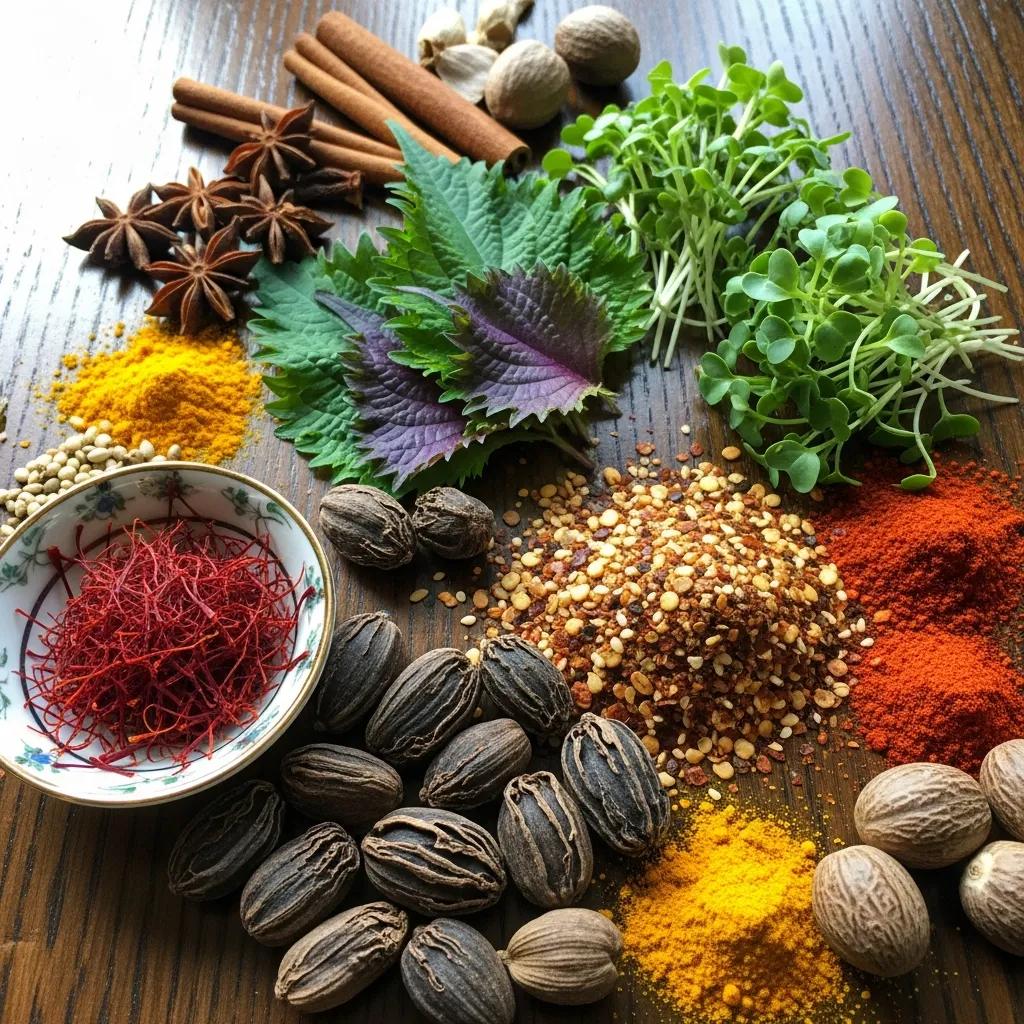
Exotic spices stand out for concentrated aromatic compounds and clear flavor directions—saffron offers floral, honeyed perfume; black cardamom brings smoky, resinous depth; togarashi layers heat with citrus and seaweed notes. These spices interact with proteins and fats—saffron’s volatile oils perfume rice and creams, while a light dusting of togarashi brightens fatty cuts with heat and citric lift. Recognizing those mechanisms helps chefs translate a spice’s singular character into purposeful pairings that honor texture and ingredient integrity. Below is a concise reference to the most impactful exotic spices used today and their culinary roles.
Top exotic spices and their defining roles:
- Saffron threads: Floral, honeyed perfume; perfumes rice, broths and seafood.
- Black cardamom pods: Smoky, resinous, faintly mentholated; deepens braises and reductions.
- Togarashi blend: Citrus-pepper heat with nori-like umami; finishes fatty proteins and tartares.
- Grains of paradise: Peppery with floral-citrus lift; brightens delicate vegetables and fish.
- Yuzu peel / zest: Intense citrus aroma; lifts dressings, vinaigrettes and finishing oils.
That list illustrates how chefs select spices by aromatic dominance and chemical compatibility. The table below summarizes common applications in contemporary, Japanese-influenced fine dining.
Introduction to the table: A practical comparison of key exotic spices, their characteristic notes, typical pairings in upscale kitchens, and common culinary uses for plating and technique.
This comparison clarifies how chefs use these spices to balance aroma, taste and texture, and prepares the reader for a closer look at saffron within Japanese fine dining.
How Does Saffron Enhance Japanese Fine Dining?
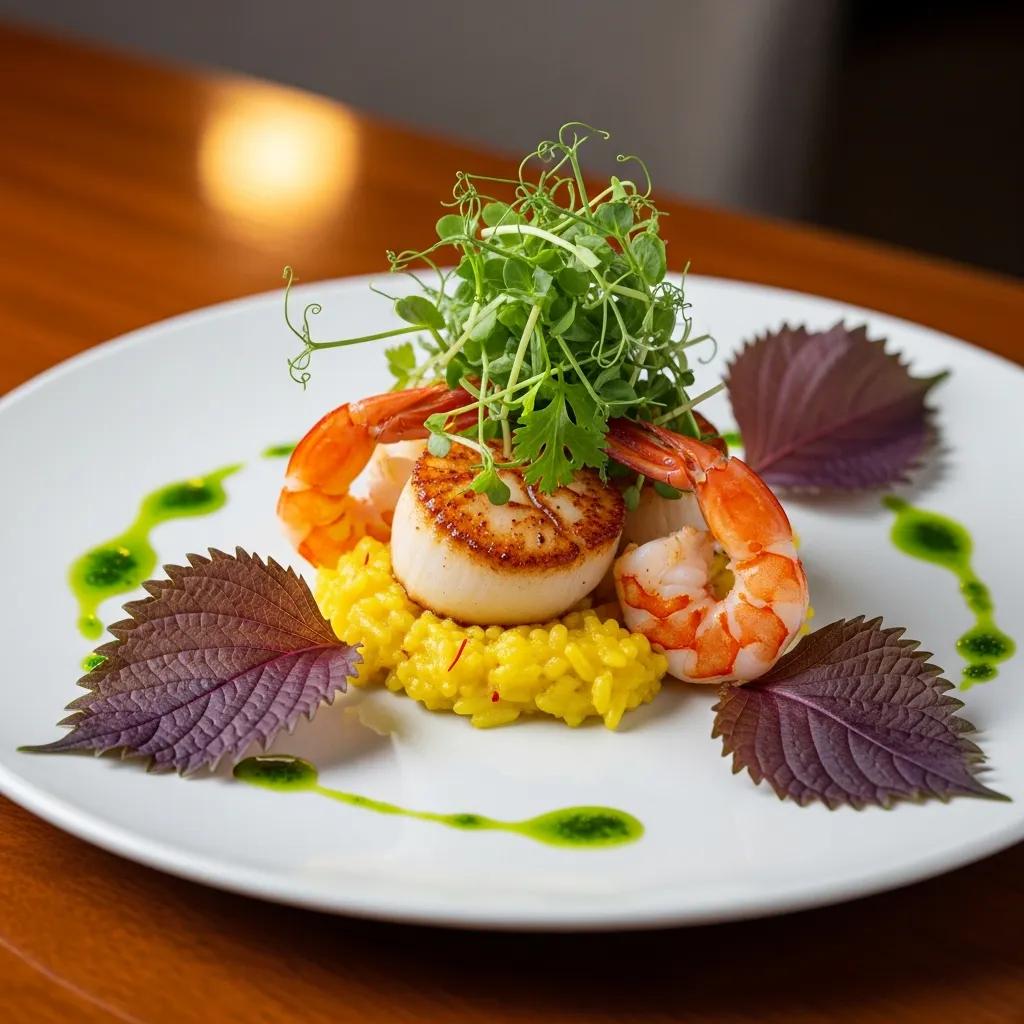
Saffron elevates Japanese fine dining by adding a concentrated floral-honey aroma that lifts subtle seafood and rice preparations without weight. Its stigmas release volatile oils that cling to fats and starches, so a saffron infusion in a light dashi or a butter emulsion becomes part of the dish’s first impression. Chefs often pair saffron with shellfish or rice courses where its color and scent create an elegant counterpoint to saline umami. Given saffron’s cost and variability by origin, it’s used sparingly—usually as an infusion or single-thread garnish—to preserve perfume and signal luxury on the plate. From there, smoky or spicy elements like black cardamom and togarashi are introduced thoughtfully to balance richer proteins.
What Umami Depth Do Black Cardamom and Togarashi Add?
Black cardamom and togarashi bring complementary umami and savory layers: black cardamom supplies a smoky, earthy backbone that deepens slow-cooked meats, while togarashi blends chile, citrus, sesame and nori to add layered heat and marine savory notes. Toasted black cardamom releases phenolic, resinous compounds that enrich reductions without sweetness; togarashi works as a finishing compound, interacting with fat and salt to emphasize marbling in beef or the richness of tartares. Practically, a dusting of togarashi on A5 Wagyu tartare introduces bright contrast, while a subtle black-cardamom reduction can echo roasted notes across the menu. Seeing these smoky-versus-bright contrasts helps chefs sequence flavors across a tasting experience.
How Do Rare Culinary Herbs Elevate Fine Dining Experiences?
Rare culinary herbs refine fine dining by supplying immediate aromatic cues, textural contrast, palate-cleansing freshness and visual polish that together shape how a diner experiences a dish. Shiso gives green-citrus aroma and a mild bitter lift; microgreens and edible flowers offer concentrated flavor and delicate textures that change each bite. Chefs use herbs as active flavor agents—not mere garnish—to influence taste receptors and reset the palate between courses. The list below outlines the primary functional roles herbs play on a plate.
Herbs and their primary culinary functions:
- Aroma carriers: Herbs release volatile oils that define a dish’s nose and first impression.
- Texture and contrast: Microgreens and petals introduce a crispness that contrasts soft proteins.
- Palate cleansing: Citrusy or bitter herbs refresh the palate between rich courses.
- Visual storytelling: Edible flowers and herb sprigs signal seasonality and chef intent.
These functions explain why herb selection is strategic in tasting menus; next we compare selected herbs and their sourcing considerations.
Introduction to the herb comparison table: This table outlines select herbs, their culinary or wellness notes, common uses and sourcing considerations to guide chefs and diners.
Reviewing these herbs shows how chefs balance sensory effect with sourcing realities. With shiso and microgreens contextualized, we turn to shiso’s specific role.
What Role Does Shiso Play in Japanese Flavor Profiles?
Shiso is central to many Japanese flavor profiles, delivering a layered aroma that blends herbal, minty and citrus notes—an ideal complement to seafood and fermented elements. Chefs prepare shiso in multiple ways—fine julienne for textural lift, infused oil for aromatic finishing or tempura for crisp contrast—each method pulling different volatile compounds to the surface. Paired with delicate proteins like scallop or caviar, shiso adds a green clarity that cuts richness and brightens the palate. Its adaptability makes shiso a staple in both traditional sashimi and contemporary fusion dishes.
How Are Microgreens and Edible Flowers Used for Sensory Enhancement?
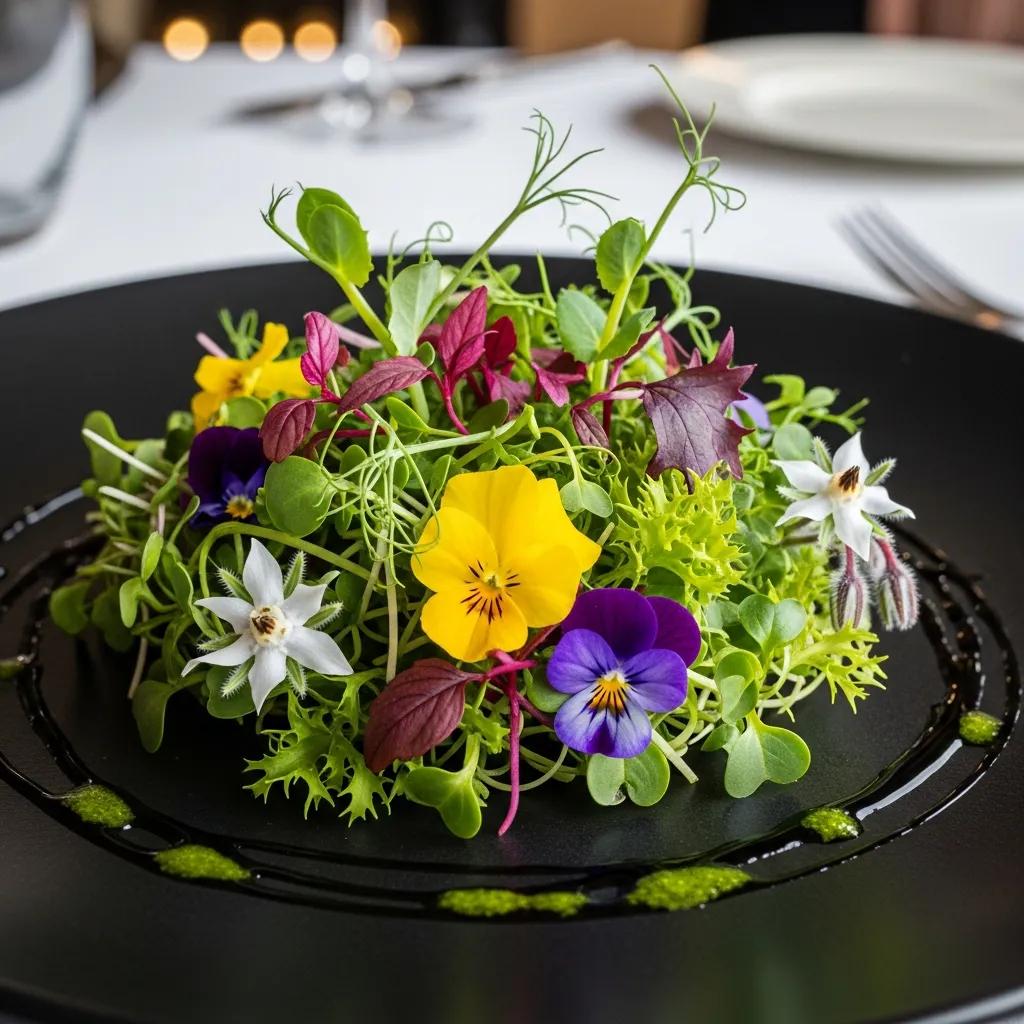
Microgreens and edible flowers are intense flavor-and-color carriers chefs use to concentrate taste and introduce micro-contrasts on the fork, enriching each bite’s dynamics. Microgreens carry the essence of mature plants but with greater intensity—a light scatter can add mustardy bite or peppery lift to seafood. Edible flowers bring aroma and visual narrative, signaling seasonality while offering delicate floral notes that pair well with citrus dressings or light creams. Because both are perishable, chefs source them locally when possible and add them at service’s end to preserve texture and scent—an important detail when planning menus responsibly.
What Are the Secrets Behind Crafting Unique Flavor Combinations in Gourmet Cuisine?
Crafting distinctive flavor combinations is a practice of balance: the five pillars—sweet, sour, salty, bitter and umami—paired with texture and temperature sequencing guide diner perception. Chefs layer flavor using infusions, reductions, finishing oils and finishing salts to enhance an ingredient without masking it, relying on restraint and precision so premium proteins remain central. The typical approach starts with the ingredient’s dominant note, then introduces one or two counterpoints: an acid for lift, a bitter herb for depth, a spice for aromatic interest. Below is a practical checklist chefs use when composing balanced pairings.
- Identify the dominant note: Clarify the protein’s primary sensory axis—fatty, saline or sweet.
- Choose a complementary counterpoint: Introduce acid, a bitter herb or a spice for contrast.
- Decide on delivery method: Infusion, ground rub, finishing oil or micro-garnish.
- Sequence for the palate: Order courses so flavors build instead of compete.
This checklist provides a tactical framework for pairing exotic spices and herbs with high-end ingredients. Next, we look at how Kaviar applies these principles to balance sweet, savory and umami.
How Does Kaviar Balance Sweet, Savory, and Umami with Exotic Ingredients?
At Kaviar, balance comes from selective seasoning and restrained finishes that honor ingredient clarity while adding aromatic depth. Small finishing touches—salt crystals, a measured truffle oil dot, a whisper of rayu or a light dusting of togarashi—accent texture and highlight natural umami without masking premium proteins. A faint lemon or yuzu zest can lift a toro tartare, while a sparing note of truffle ties naturally to caviar’s saline pop. Our omakase sequencing moves from lighter, aromatic plates toward richer, umami-forward courses so each spice or herb enhances what follows rather than competing with it. Guests can view current menus or reserve through our reservation pages, phone, RESY or OpenTable to experience these balances firsthand.
What Is Kaviar’s Approach to Seasonal Spice Integration?
Kaviar’s seasonal approach favors flexibility, minimal application and menu rotation timed to peak ingredient flavor. When yuzu or specific microgreens are at their best, the kitchen highlights them in small accoutrements—zests, droplets or micro-garnishes—so the seasonal aroma is immediate. Spice intensity is adjusted across the omakase sequence: more assertive elements like togarashi appear sparingly mid-menu, while gentler herbs finish delicate items. Ethical sourcing matters to these decisions; we favor traceable suppliers and local cultivars when possible to maintain flavor quality and supply resilience through seasonal shifts. This seasonal strategy informs how luxury proteins are paired conservatively with exotic spices and herbs.
How Do Luxury Ingredients Like A5 Wagyu and Caviar Benefit from Exotic Spices and Herbs?
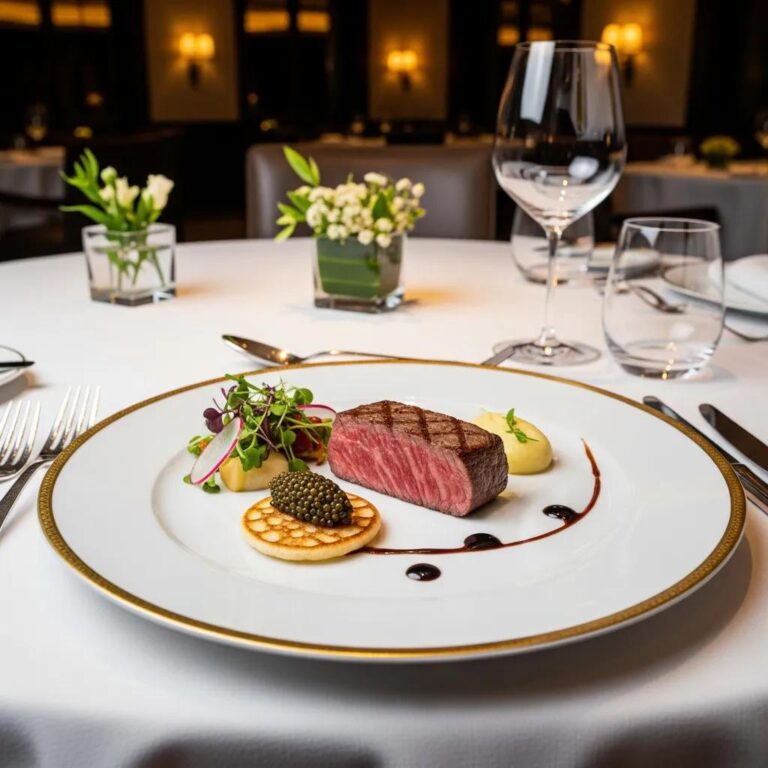
Luxury proteins benefit when spices and herbs amplify their inherent strengths—marbling, brine and delicate texture—without obscuring them. Pairings either contrast richness with bright acid and bitter herbs or complement it with subtle aromatics and textural counterpoints. A5 Wagyu, for example, responds to restrained citrus or pepper finishes that cut through fat; caviar is best supported by micro-herb notes that highlight salinity and mouthfeel without masking the roe.
The next table compares protein-centered pairing strategies, showing complementary spice and herb choices and their culinary purposes.
The table illustrates the restraint-first logic chefs apply when seasoning premium ingredients.
With those pairing principles clear, we next examine spices that complement A5 Wagyu in particular.
Which Spices Complement the Richness of A5 Wagyu?
Spices that work with A5 Wagyu introduce tension—acidic citrus peels, restrained pepper blends or umami-forward seaweed elements—so the beef’s marbling remains central. Togarashi provides light heat and citrus notes to contrast fat, while roasted sansho or grains of paradise add nuanced pepper lift without commanding attention. Finishing technique is key: an atomized citrus oil or a final pinch of coarse salt preserves texture and releases aroma at the moment of tasting. These careful interventions respect Wagyu’s mouthfeel and prepare the palate for following courses.
How Are Subtle Herbs Used to Enhance Caviar’s Delicacy?
Subtle herbs support caviar by offering micro-flavors—chive blossoms, tiny shiso leaves or a few drops of yuzu—that underscore roe salinity without overpowering it. Minimalism guides placement: micro-herbs are used sparingly to introduce visual contrast, a hint of citrus or a faint herbal perfume that complements the roe’s pop. Textural pairings—soft crème fraîche or a paper-thin toast—work with herbaceous notes to create pleasing mouthfeel contrasts. Small, deliberate touches keep caviar as the focal point while letting herbs act as supporting narrators in each bite.
Why Are Exotic Herb Benefits Important in Gourmet Cooking?
Exotic herbs matter because they combine culinary effect with thoughtful wellness framing: herbs add aroma, gentle bitterness and freshness that alter perceived intensity and offer trace nutritional compounds like antioxidants. Culinary benefits include palate reset after rich plates, aromatic complexity from volatile oils released on contact and nuanced textural contrast. Ethically sourced herbs also support menu transparency and sustainability—knowing origin and seasonality influences cost, availability and flavor consistency.
The next list summarizes culinary and wellness-oriented benefits chefs consider when selecting exotic herbs.
- Aromatic enhancement: Herbs supply volatile oils that shape a dish’s nose.
- Palate balance: Bitter or citrus herbs refresh and create contrast.
- Textural accents: Microgreens add crispness and mouthfeel variation.
- Perceived wellness: Compounds like antioxidants lend a sense of freshness without medical claims.
To make these benefits practical for chefs and curious diners, the table below offers a quick reference to herbs, their culinary or wellness notes, typical uses and sourcing hints.
This reference pairs culinary choices with sourcing realities and leads into a discussion of ethical supply chains.
What Health and Wellness Advantages Do Exotic Herbs Offer?
Exotic herbs provide modest wellness-related attributes—antioxidant capacity, digestion-friendly aromas and anti-inflammatory compounds in certain species—but those benefits should be communicated cautiously and never as medical claims. In culinary terms, such properties enhance the perception of freshness and balance; for example, yuzu’s vitamin C and bright aroma create a refreshing effect diners often associate with wellbeing. Chefs use these herbs to craft lighter, restorative courses after richer plates, leveraging both flavor and perceived wellness. With wellness framed responsibly, ethical sourcing becomes a practical priority for consistency and transparency.
How Does Ethical Sourcing Influence the Use of Exotic Spices and Herbs?
Ethical sourcing shapes availability, price, traceability and long-term supply stability: suppliers who share origin details allow chefs to tell sourcing stories and note seasonal constraints to diners. Responsible procurement means prioritizing traceable farms, buying seasonally and paying for quality and sustainability—choices that affect menu rotation and portioning. Restaurants often highlight sourcing on menus or via chef narration during omakase to build trust and justify price. Understanding these procurement realities helps diners appreciate the thought behind each pairing at a restaurant like Kaviar.
How Can Diners Experience Exotic Spices and Herbs at Kaviar Restaurant?
Guests experience exotic spices and herbs at Kaviar by choosing tasting menus or an omakase sequence where chefs weave saffron, togarashi, shiso, microgreens and citrus essences across courses to create a coherent sensory story. The omakase format lets the kitchen introduce contrasts deliberately—light, aromatic plates first, then richer, umami-forward items—so each spice or herb has a clear role. When reserving, guests should note allergies or strong preferences and may ask about seasonal highlights that feature specific herbs or spices. For reservations and current menu details, consult our menu and reservation pages or book by phone, RESY or OpenTable.
Introduction to signature dishes list: Below are signature examples that demonstrate how Kaviar pairs exotic spices and herbs with premium ingredients to shape flavors and course progression.
What Signature Dishes Showcase Exotic Spices and Herbs?
Our menu includes precise spice-and-herb integration designed to meet specific sensory goals—aromatic lift, textural contrast or umami enhancement. The Toro Tartare pairs truffle oil, lemon and salt crystals with caviar to marry fat and bright acid; A5 Wagyu Tartare is accented with kizami, shallot, rayu and togarashi for layered heat and texture; Seared Hotate is finished with truffle, garlic aioli, caviar and a shoyu–white wine reduction for savory-sweet balance.
These dishes show restraint and intention: every herb or spice has a purpose in each bite. To taste these preparations, view our current menu and secure a reservation through the restaurant’s reservation channels.
How Does the Omakase Experience Curate a Journey Through Exotic Flavors?
Omakase curates exotic flavors through thoughtful sequencing, beginning with aromatic, delicate courses and building toward richer, umami-forward plates so spices and herbs are introduced in measured increments. Chef narration and deliberate pacing help diners notice contrasts—subtle citrus early on, floral saffron mid-service, and gentle heat or bitter accents that cleanse before dessert. Omakase highlights seasonal herbs at peak freshness and often includes brief sourcing or technique notes that deepen understanding of why a particular microgreen or pinch of togarashi appears at a given moment. When booking omakase, telling us about allergies or flavor preferences helps the kitchen tailor the progression so spices and herbs enhance rather than conflict with your experience.
- Reserve with preferences: Share allergies or dislikes so we can customize.
- Ask about seasonal highlights: Learn which herbs or spices the kitchen will showcase.
- Request chef narration: Hear why specific elements were chosen for each course.
Frequently Asked Questions
What are the best ways to store exotic spices and herbs to maintain their flavor?
Store spices and herbs in airtight containers away from light, heat and moisture to preserve potency. Glass jars with tight lids work well; whole spices keep their flavor longer than ground, so grind just before use when possible. Fresh herbs stay longer refrigerated—wrapped in a damp paper towel or kept in a glass of water covered with a plastic bag will extend freshness.
How can home cooks experiment with exotic spices and herbs in their cooking?
Start small: introduce exotic spices and herbs in measured amounts to learn their profiles. Add saffron to a familiar risotto, sprinkle togarashi on grilled meats, or use fresh herbs as a finishing touch. Building simple spice blends and keeping a notes log of pairings that work helps refine technique and inspire future dishes.
What are some common misconceptions about using exotic spices and herbs?
A common misconception is that you must use large quantities for impact. In fact, these ingredients are potent—used sparingly they enhance rather than overpower. Another mistake is assuming spices and herbs are interchangeable; each brings distinct chemistry and aroma that influence the final dish. Learning those nuances is central to sophisticated cooking.
Are there any health benefits associated with using exotic spices and herbs?
Many exotic spices and herbs contain antioxidants and other useful compounds and can aid digestion or reduce inflammation in modest ways, but such effects should be described carefully and not as medical claims. In the dining context, these ingredients contribute to a sense of freshness and balance that enhances the meal experience.
How do chefs ensure the ethical sourcing of exotic spices and herbs?
Chefs prioritize suppliers who share origin information and practice sustainable farming. That can mean buying seasonally, paying premiums for traceability and working with local growers when possible. Communicating sourcing choices to guests—through menus or chef narration—builds trust and reinforces the value behind premium ingredients.
What role do exotic spices and herbs play in food presentation?
They play a major role in presentation: vibrant herbs and delicate flowers add color, texture and visual interest while their aromas set expectations for the flavors to come. Thoughtful placement and timing—adding delicate elements at service’s end—preserve aroma and texture and communicate the chef’s intent on the plate.
Conclusion
When used with care, exotic spices and herbs transform dishes—adding aromatic complexity, visual refinement and purposeful contrast that elevate the dining experience. Understanding the roles these ingredients play helps both chefs and diners appreciate the craft behind each bite. To explore these flavor combinations in person, reserve a tasting at Kaviar Restaurant and discover how precise seasoning and seasonal herbs shape our omakase and tasting menus.