




Deciphering a Fine‑Dining Menu: Your Guide to Japanese Luxury Cuisine and Gourmet Terms
Reading a fine‑dining menu is more than recognizing ingredients; it’s about decoding technique, origin, and pacing so each choice matches your taste and the occasion. This guide walks you through common Japanese luxury terms, explains premium ingredients like A5 Wagyu and Kaluga caviar, and clarifies menu formats—omakase, tasting, and à la carte—so you can plan a memorable meal. Menus can feel dense with specialist words; knowing what nigiri, sashimi, or omakase imply lets you predict portion size, temperature, and intensity. You’ll find a compact glossary, pairing and tasting guidance for sake, wine, and craft cocktails, plus etiquette and seasonal tips designed to elevate your visit. By the end, you’ll approach a Japanese luxury menu with confidence and choose the right format and pairings for celebrations or business dinners.
What Is the Philosophy Behind Kaviar’s Fine Dining Menu?
The philosophy of a Japanese fine‑dining menu centers on precision, reverence for ingredients, and a guest experience that balances texture, temperature, and timing. Chefs sequence courses so flavor progression and presentation turn simple elements into a cohesive story, delivering a clear sensory and emotional payoff. This approach prioritizes responsibly sourced fish, seasonal produce, and technique‑first preparations that highlight umami, acidity, and aromatic balance. Seeing a menu as a planned sequence rather than a list of dishes helps you make choices that honor the chef’s intent. The section that follows shows how these principles come to life at Kaviar and how recognition and leadership guide the menu.
Kaviar is a chef‑driven, upscale Japanese kitchen focused on responsibly sourced fish, world‑class caviar, A5 Wagyu, and thoughtfully curated beverage pairings under Executive Chef John Hans Yeo. Our menu blends traditional Japanese technique with considered fusion touches and a hospitality model tailored for celebrations and private events—visible in our tasting sequences and omakase offerings. Honors like OpenTable Diners’ Choice (2023) reflect consistent execution and guest experience; our sourcing and presentation reinforce the menu’s claims of luxury and precision. Planning a special meal? Call +1 626-605-0330 to discuss reservations and available formats so the intended sequence is ready for your party.
H3: How Does Kaviar Define the Japanese Luxury Dining Experience?
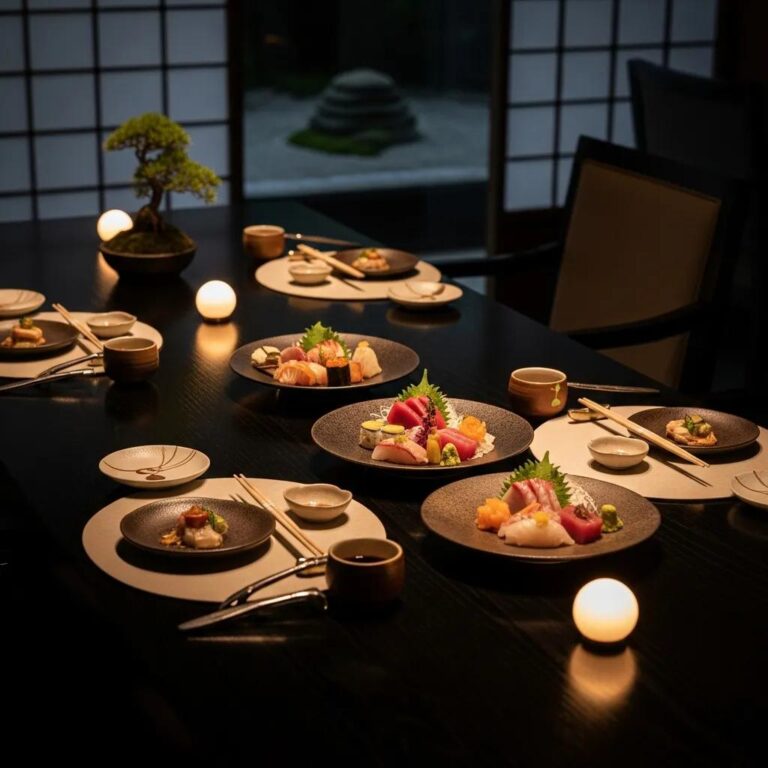
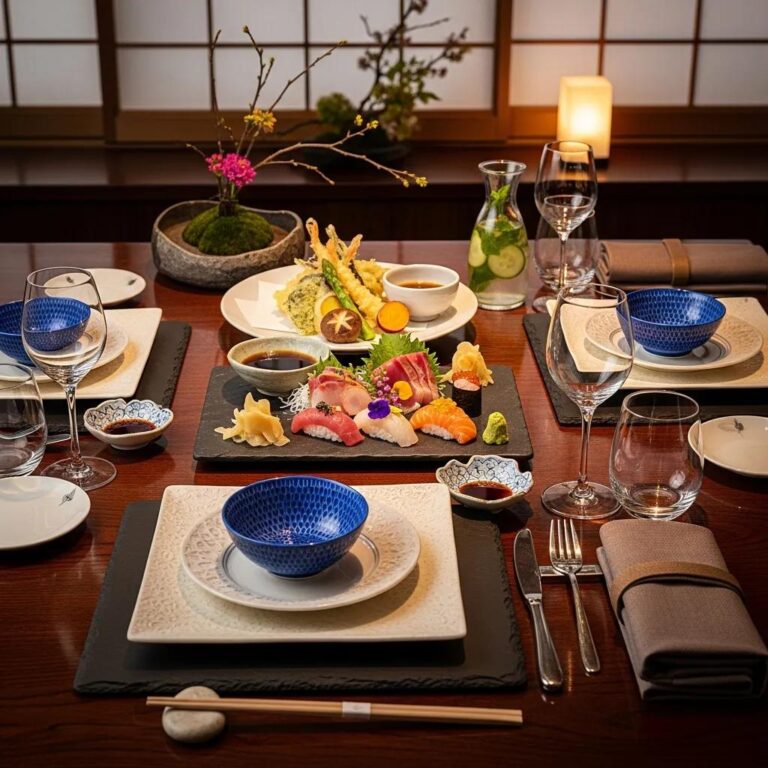
We define luxury dining through attentive service, an immersive atmosphere, and timing that lets each course become a focused moment—not a rush. Our service model emphasizes synchronized plating, direct chef‑to‑guest interactions during omakase, and curated beverage pairings that enhance texture and flavor. The dining room is set for celebrations and business meals, where lighting, table rhythm, and staff pacing shape a refined, thoughtful experience. Small sensory details—subtle garnishes, chilled serving stones, mother‑of‑pearl spoons—become part of the narrative, elevating a single ingredient into a signature course and preparing you for the menu’s intentional sequencing.
H3: What Role Do Premium Ingredients Like A5 Wagyu and Caviar Play?
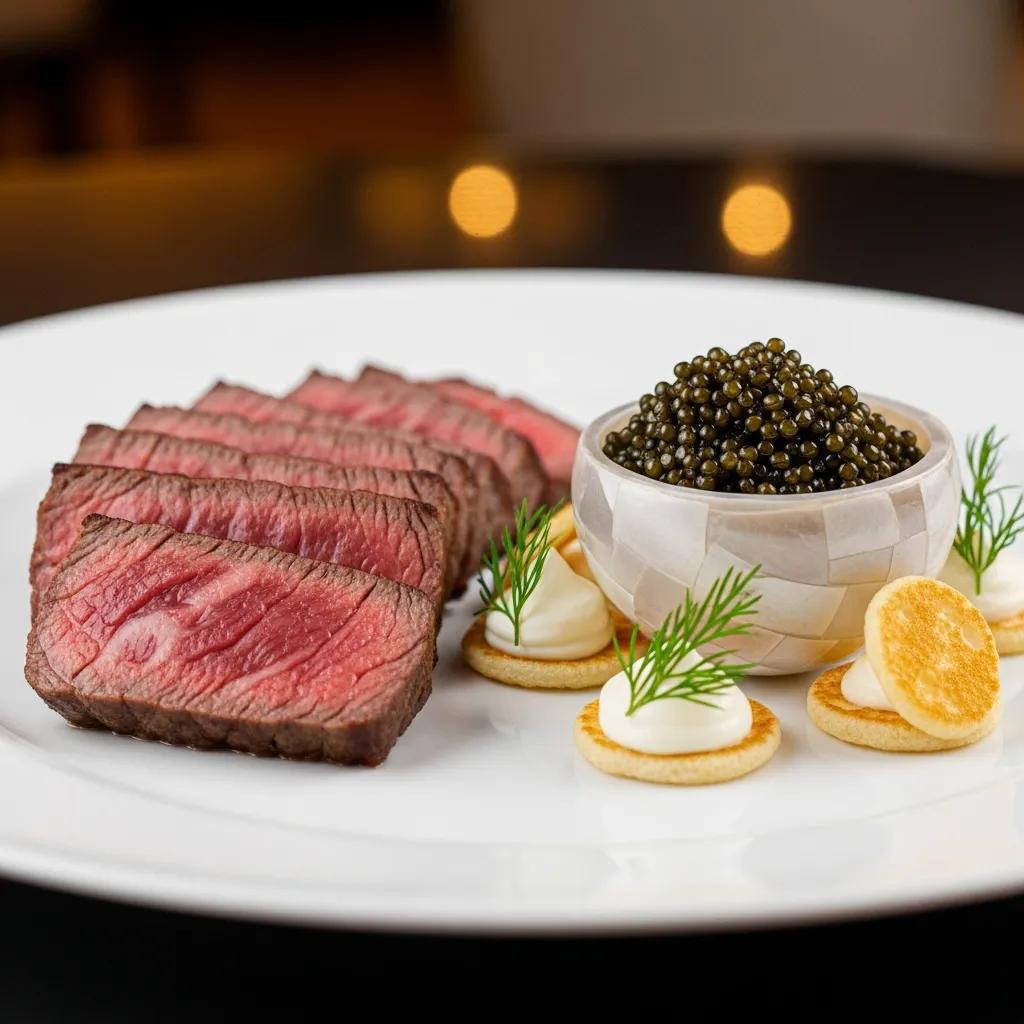
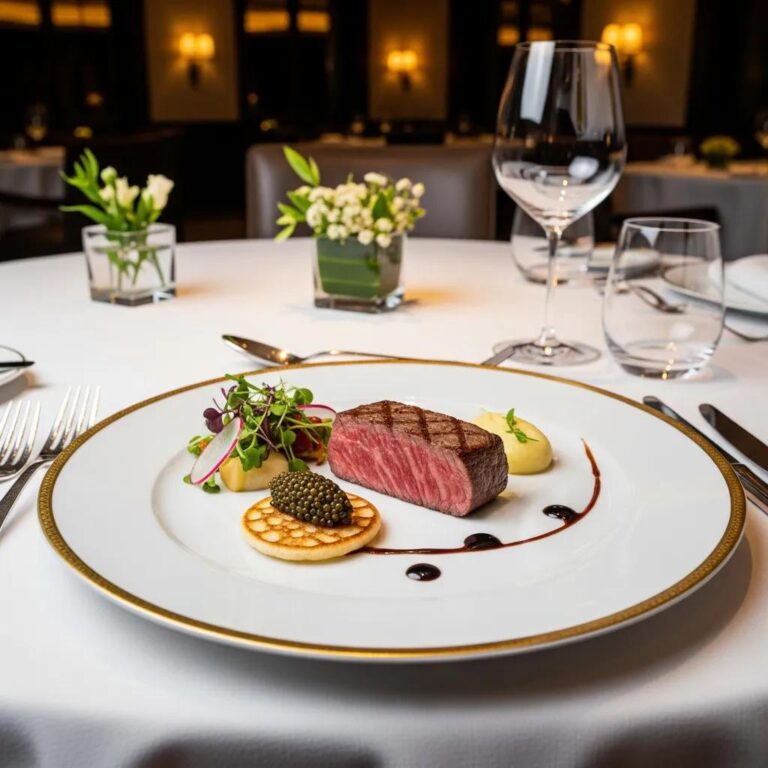
Premium ingredients serve as flavor focal points and signals of the kitchen’s sourcing philosophy, pacing, and price structure. A5 Wagyu and Kaluga caviar offer contrasting textures—silky, melt‑in‑your‑mouth marbling for Wagyu; delicate brine and pop for caviar—and often anchor a tasting sequence or act as a crescendo plate. Chefs stage these items for contrast: a velvet Wagyu course might follow a light, acidic sashimi course to refresh the palate, while caviar is presented with neutral carriers so its salinity is clear. Knowing how these ingredients function helps you decide when to reserve indulgent courses in a multi‑course tasting or omakase.
At Kaviar, we use A5 Wagyu and Kaluga caviar as highlight courses that emphasize technique and provenance, typically paired with sake or restrained cocktails so the ingredient can shine. Presentation favors minimalism and ritual—small portions, precise temperature control, and deliberate accompaniments—so the ingredient’s natural qualities remain front and center.
How Can You Understand Key Japanese Culinary Terms on a Fine‑Dining Menu?
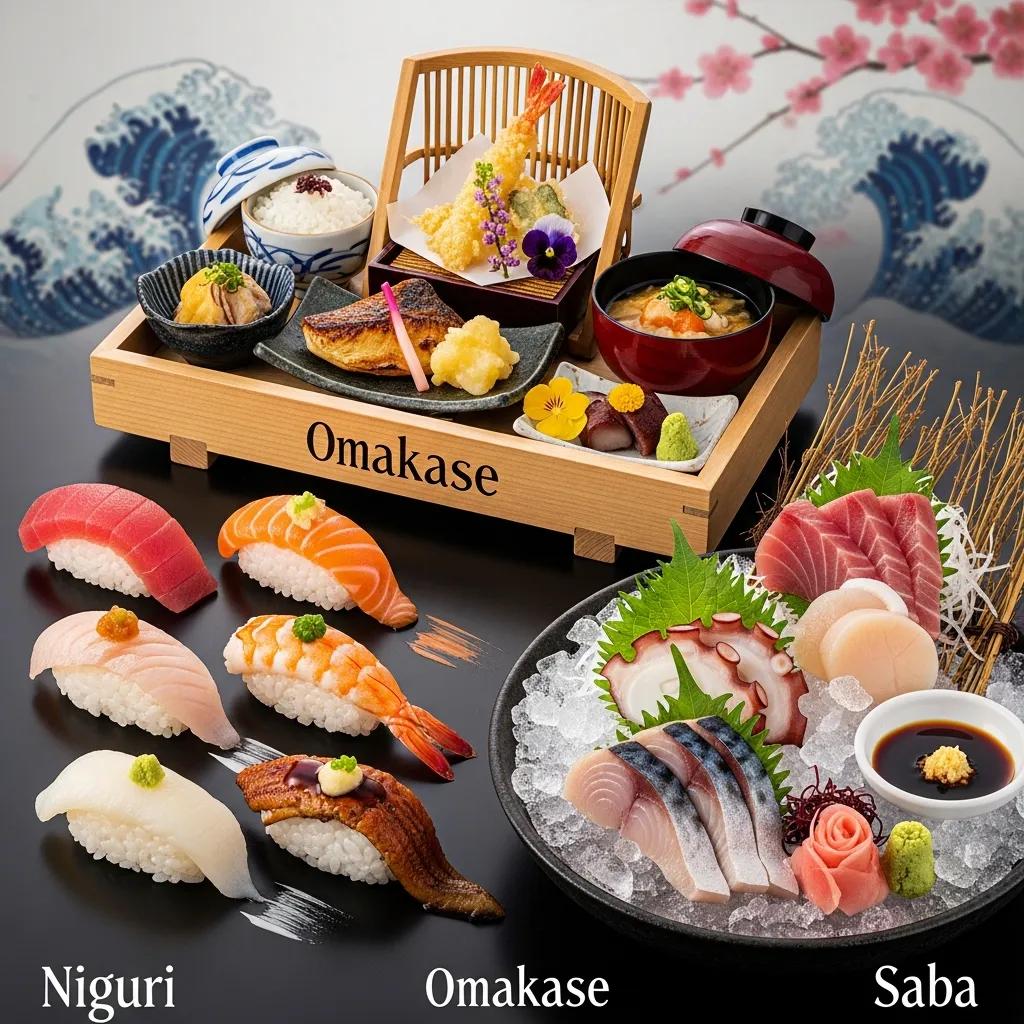
Understanding key Japanese culinary terms blends definitions with interpretive cues that reveal technique, portioning, and expected intensity. Knowing whether a term describes a cut (toro), a preparation (nigiri), or a service format (omakase) helps you anticipate texture, temperature, and order of service. Below is a compact glossary for quick reference and practical tips you can use while reading a menu. After the glossary we explain how omakase structures a meal and what sushi and sashimi terminology implies for ordering.
Use this short glossary to translate menu language into expectations about preparation and portion size.
This glossary pares menu language down to practical expectations so you can quickly interpret dishes and choose according to taste and occasion. Next we unpack how omakase plays out in service and how to read sushi and sashimi listings.
Quick reminder: Omakase → a personalized, time‑sequenced meal chosen by the chef; understanding that relationship clarifies why menu vocabulary matters.
- Practical ways to decode a Japanese fine‑dining menu:
- Identify the service format: Look for omakase, tasting, or à la carte and pick the format that fits your occasion.
- Scan for technique words: Terms like “seared,” “pressed,” or “marinated” signal temperature and intensity and hint at timing.
- Note provenance and grade terms: References to A5, Kaluga, or specific sourcing reveal richness and portioning—use them to decide which courses to save for highlights.
These steps give you a quick method to interpret menus while preserving the intended dining flow. The next section explains omakase in practice and what to expect during service.
H3: What Does ‘Omakase’ Mean and How Does It Shape Your Dining?
Omakase literally means “I leave it to you.” As a format, it places the chef at the center of sequence and selection to create a curated multi‑course experience. Typically, omakase progresses from light starters or sashimi through nigiri and composed plates, finishing with a delicate dessert—so the chef manages pacing and contrast. Expect interaction: the chef may describe pieces or suggest pairings, and guests should share preferences or allergies ahead of time. Because omakase follows the freshest ingredients available, the sequence can change nightly, rewarding diners who enjoy discovery and a tailored culinary narrative.
H3: What Are Common Sushi and Sashimi Terms to Know?
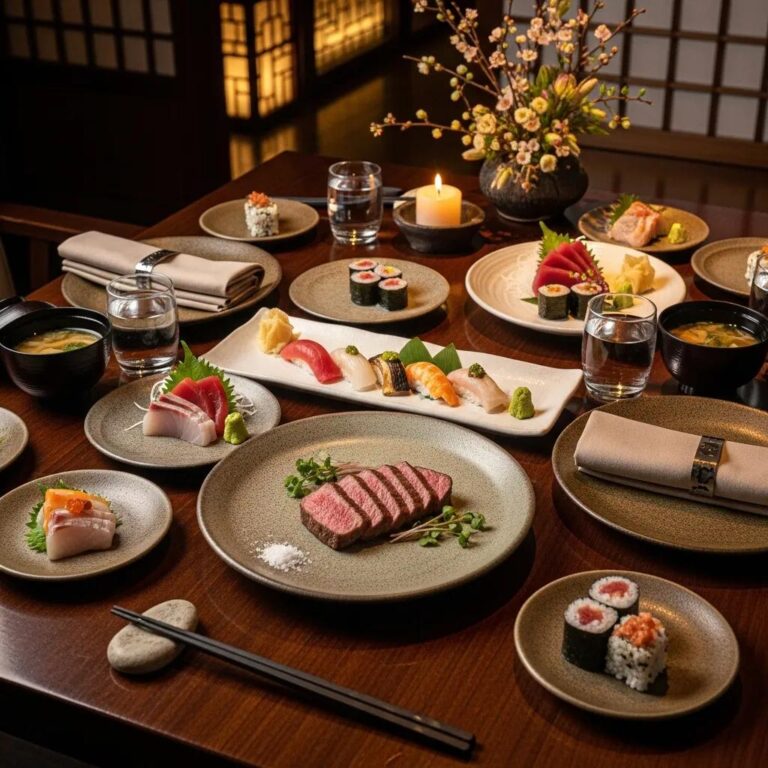
Knowing sushi and sashimi terms helps you choose portion sizes, richness, and complementary beverages. Nigiri is a compact bite of fish and rice, often finished with a brush of soy or tare; maki are rolled preparations that can feel heavier; sashimi is pure raw fish and usually appears earlier as a lighter course. Distinguishing cuts—toro (fatty tuna) versus akami (lean tuna)—sets expectations for richness and price. Words like “pressed” or “seared” signal textural contrast and suggest different pairing options with sake or wine. These distinctions help you build a balanced à la carte order or anticipate the chef’s pacing in a tasting.
What Should You Know About Premium Ingredients Like A5 Wagyu and Caviar?
Premium ingredients come with technical and sensory expectations: grading systems, provenance, and traditional accompaniments inform how they should be tasted and paired. A5 Wagyu indicates extreme marbling and a tender texture, while caviar varieties such as Kaluga offer large, buttery pearls and nuanced brine. Both are usually served with neutral accompaniments to showcase their flavors. Below is a comparison table covering origin, grading, and presentation notes, followed by short sections that explain grading and service conventions.
Compare A5 Wagyu and Kaluga caviar to understand origin, grade, and common presentation choices.
This comparison explains why these ingredients appear sparingly and often mark the most memorable moments in a tasting. Understanding these norms helps you appreciate how chefs—like Executive Chef John Hans Yeo—place them within courses.
Kaviar presents A5 Wagyu and Kaluga caviar as focal courses that emphasize technique and restraint, typically paired with sake or minimalist garnishes so the ingredient’s character leads. Our approach lets provenance and precise handling speak through temperature control and simple accompaniments, reinforcing an ingredient‑forward philosophy.
H3: How Is A5 Wagyu Graded and Prepared at Kaviar?
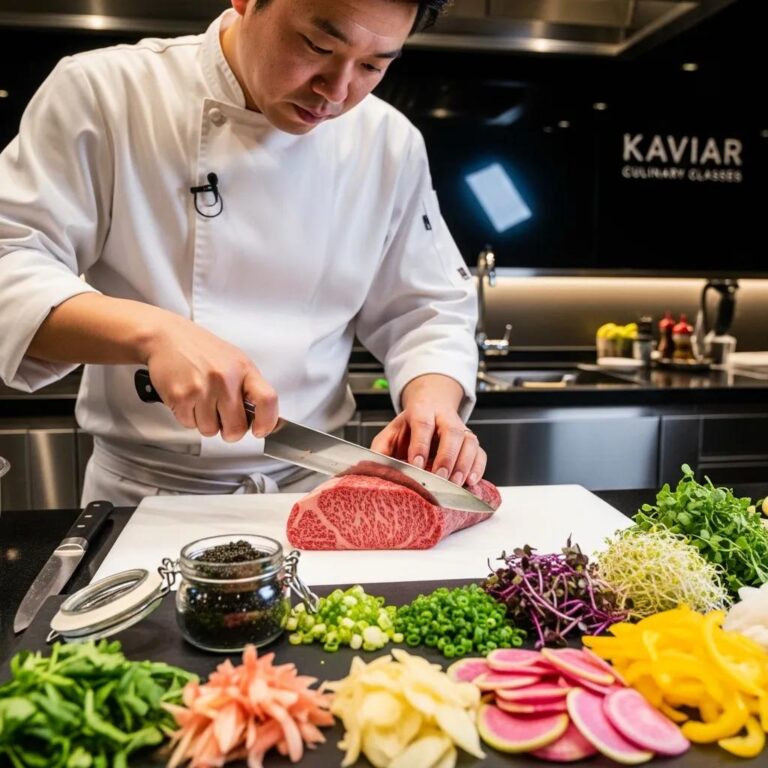
A5 denotes the highest combination of yield and quality in the Japanese grading system, signaling exceptional marbling, color, and texture. In service, chefs highlight A5 Wagyu with minimal cookery—brief sears or ultra‑thin slices—so the fat melts on the palate and delivers a buttery mouthfeel. Preparations favor contrast: a light citrus or mildly acidic condiment may cut richness, and portioning stays intentionally small to preserve balance across a multi‑course progression. Knowing the grade sets expectations for concentrated flavor and a luxurious texture that merits its place in a tasting.
H3: What Types of Caviar Are Served and How Is the Caviar Service Presented?
Caviar such as Kaluga is prized for large, glossy pearls and a nuanced brine that can read sweet, buttery, or mineral. Traditional service preserves these qualities: chilled eggs on ice with neutral carriers—small blini, lightly toasted bread, crème fraîche—and delicate accoutrements so texture and salinity remain central. Mother‑of‑pearl spoons avoid metallic notes, and restrained tasting portions with a paired beverage let the palate register each nuance. When caviar appears on a menu, expect a ritual focused on texture and subtle flavor rather than heavy sauces.
How Do You Navigate Kaviar’s Menu and Beverage Pairings?
Navigating a Japanese luxury menu means matching menu format to your priorities and applying pairing principles—acidity balance, umami matching, and textural contrast—so beverages enhance rather than overpower. Knowing whether we’re offering à la carte, tasting menus, or omakase helps you decide how adventurous to be and whether a full pairing or selective bottles suit your party. Below is a helpful table comparing formats and suggested pairing approaches, followed by actionable pairing rules and examples for premium ingredients and signature dishes.
Use this table to compare common menu formats, typical course counts, and pairing suggestions based on occasion and appetite.
- Core pairing principles for Japanese luxury dining:
- Balance umami with acidity: Acidic wines or dry sake cut richness and refresh the palate between bites.
- Match intensity: Light, clean sakes suit delicate sashimi; fuller sakes or restrained reds work with seared or rich Wagyu.
- Respect texture: Sparkling wines or high‑acid beverages cleanse the palate after oily or fatty courses.
These rules help you make pairing choices on the fly and set expectations for how drinks will interact with the menu’s highlights. The next section clarifies menu formats and how to choose among them.
We offer a carefully structured omakase and tasting approach that pairs well with guided beverage selections. To discuss availability or custom pairings, call +1 626-605-0330 when booking.
H3: What Are the Different Menu Formats: À La Carte, Tasting, and Omakase?
À la carte gives you maximum flexibility—select dishes and control pacing. Tasting menus present a chef‑curated narrative designed for contrast and escalating intensity. Omakase is the most guided format, centered on the chef’s intuition and ideal for diners seeking discovery and a paced reveal of ingredients. When choosing, consider time, budget, and how much chef interaction you want: celebrations and private events often favor tasting or omakase, while business dinners may prefer à la carte for predictability. The right format ensures a coherent experience that matches expectations for length and richness.
H3: How Do Sake, Wine, and Craft Cocktails Complement Your Meal?
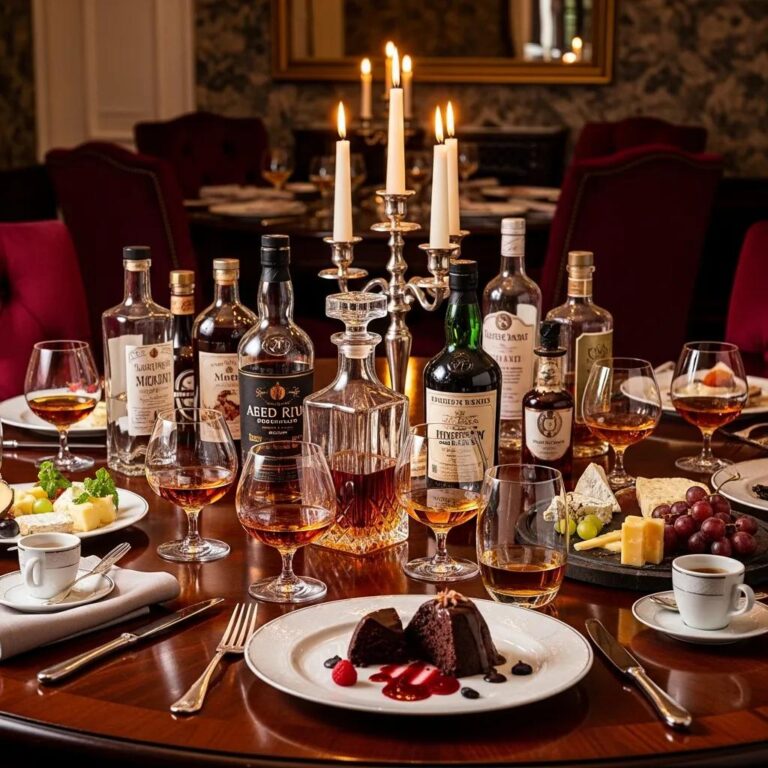
Sake pairs naturally with sushi and sashimi: its amino acids and texture complement rice and raw fish. Delicate junmai sakes match clean nigiri, while aged or fuller sakes stand up to seared preparations. Bright white wines or sparklings work with crisp, briny seafood; lighter, restrained reds—Pinot styles, for example—pair with seared Wagyu without masking nuance. Craft cocktails that emphasize citrus, gentle bitterness, or botanical notes can bridge courses when they echo a dish’s aromatics rather than overpower it. Use these guidelines to choose single bottles or flights that follow the menu’s intensity curve.
What Are Essential Fine‑Dining Etiquette Tips for a Japanese Luxury Experience?
Etiquette in a Japanese luxury setting centers on respect for pacing, chef interaction, and utensil use so the meal unfolds as intended and the culinary story remains intact. Mindful timing, proper chopstick etiquette, and gracious acceptance of chef commentary help the kitchen deliver an intentional sequence and let you enjoy each course as designed. Below are practical do’s and don’ts plus a short arrival checklist that aligns with fine‑dining standards.
Etiquette do’s and don’ts to prepare for a respectful, seamless visit:
- Do arrive on time: Prompt arrival respects the timing of a multi‑course meal and allows the kitchen to sequence service.
- Do share dietary restrictions before seating: Tell us about allergies or strong preferences so the chef can adapt the sequence.
- Don’t use your phone at the table: Keep conversation undisturbed and photography discreet to preserve the dining ambiance.
These simple practices preserve the meal’s rhythm and ensure the chef’s planned progression is experienced as intended. The next subsection offers chopstick protocol and guidance for interacting during omakase.
H3: How Should You Use Chopsticks and Interact During Omakase?
Basic chopstick etiquette: rest them on the holder when not in use, avoid pointing them at others, and never stab food—small courtesies that show respect for the meal and our staff. During omakase, listen to the chef’s introductions and accept suggestions gracefully; brief, sincere questions about a dish are welcomed but avoid interrupting the flow of preparation. If you prefer certain textures or have dietary constraints, let us know at the start so the chef can pace the sequence accordingly. These practices make the experience collaborative and enhance the bespoke quality of service.
H3: What Are General Etiquette Practices for a Seamless Visit to Kaviar?
For a smooth visit to Kaviar, reserve in advance for special formats, arrive on time, and dress for the occasion to match the restaurant’s upscale atmosphere. Tipping and polite acknowledgment of service are customary; follow staff guidance about pacing and pairings during the meal. Discreet photography is generally acceptable—please avoid prolonged flash or intrusive behavior out of respect for other guests. These norms help maintain the calm, focused environment needed for a carefully crafted multi‑course experience.
How Do Seasonal Ingredients Influence Kaviar’s Fine‑Dining Menu?
Seasonality drives ingredient selection, freshness, and technical choices—Japanese cuisine prizes items at their seasonal peak for texture and aromatic clarity. Menus rotate to capture the best of each season, affecting when specific fish, produce, or garnishes appear and how courses are paced. Understanding seasonality explains why menus change often and why booking early for seasonal specialties is recommended. The table and subsections below outline why freshness matters and how chefs fold seasonal items into menu rotation.
Seasonal factors shape culinary choices and guest expectations; this table shows how seasonality maps to menu adjustments.
- How chefs incorporate seasonal produce and seafood:
- Highlight peak flavor: Use minimal seasoning to reveal freshness.
- Adjust techniques: Opt for raw presentations in peak season; choose gentle cookery when textures need refining.
- Rotate menu items: Change courses as availability shifts to maintain quality and integrity.
These practices explain why our menu feels stable in concept but fluid in content—seasonal rotation keeps our commitment to freshness and quality. In practice, Kaviar curates tasting sequences around seasonal fish and produce so regular guests encounter new highlights.
H3: Why Is Freshness Important in Japanese Fine Dining?
Freshness determines texture, aroma, and safety. In Japanese fine dining, the subtlety of raw or lightly prepared items means small differences in freshness are noticeable. Fresh fish has firm texture and a clean brine; vegetables retain crispness and concentrated sweetness; seasonal produce contributes aroma that complements delicate seasonings. Chefs depend on this consistency to choose raw service and minimal sauces so the ingredient’s character remains central.
H3: How Does Kaviar Incorporate Seasonal Flavors and Ingredients?
Kaviar highlights seasonal flavors by rotating tasting sequences and offering limited‑time dishes that showcase the freshest fish and produce, often in sashimi or narrowly seared preparations. We adapt accompaniments and pairings to seasonal notes—lighter sakes and citrus cocktails in warm months; richer sakes and earthier garnishes in cool months—so the overall sequence stays balanced. Guests curious about seasonal specialties should ask when reserving; calling +1 626-605-0330 helps secure spots for particular seasonal menus and curated pairings.
Frequently Asked Questions
What Should I Expect During an Omakase Experience?
In an omakase, expect a curated multi‑course meal where the chef selects each dish based on the freshest ingredients available. The progression usually starts light—sashimi or small bites—and moves to richer dishes, offering a balanced tasting journey. Chef interaction is common; they may explain pieces and suggest pairings. Omakase invites openness to new flavors and textures, delivering a tailored culinary narrative.
How Can I Best Prepare for a Fine‑Dining Experience at Kaviar?
Reserve in advance—especially for omakase or tasting menus—arrive on time, and dress for the occasion. Review the menu format and note any dietary restrictions to share with staff beforehand. Being receptive to the chef’s recommendations and engaging with the experience will deepen your appreciation of the cuisine.
What Are the Key Differences Between À La Carte and Tasting Menus?
À la carte lets you pick individual dishes at your own pace for flexibility. Tasting menus are chef‑curated series of courses designed to showcase progression, seasonality, and technique—offering a more immersive experience. Choose based on whether you want control over the meal or a guided culinary journey.
How Do I Choose the Right Beverage Pairing for My Meal?
Match beverages to flavors and textures: delicate sakes or crisp whites for sashimi; fuller sakes or restrained reds for rich courses like A5 Wagyu. Pay attention to umami and acidity—acidic wines refresh between bites. If in doubt, consult our sommelier for tailored recommendations that elevate your meal.
What Etiquette Should I Follow When Dining at Kaviar?
Respect the meal and the dining room: arrive on time, disclose dietary restrictions before seating, and limit phone use at the table. Listen to the chef, ask sincere questions, and follow basic chopstick etiquette—rest them when not in use and avoid pointing. These courtesies ensure a smooth, respectful experience that honors the culinary craft.
How Often Does Kaviar Change Its Menu?
We update the menu regularly to reflect seasonal ingredients and the freshest produce. As fish and produce come into and go out of season, offerings evolve—so regular guests will see new highlights. Ask about seasonal specialties when booking for access to limited‑time dishes.
Conclusion
Reading a Japanese fine‑dining menu with confidence starts with knowing key terms, recognizing how premium ingredients are used, and choosing the right service format. By understanding omakase, tasting menus, and pairing principles, you can make informed choices that enhance the meal. Embrace curated sequences and thoughtful pairings to let each dish reveal its best self. For a memorable experience, consider reserving at Kaviar and enjoy cuisine crafted with precision and care.