





Mindful Dining in a Fine‑Dining Setting: Elevate Your Luxury Tasting Experience
Mindful eating at a fine‑dining restaurant means slowing down to notice taste, texture, aroma, temperature and rhythm—small decisions that intensify flavor, presence and enjoyment. In omakase and other chef‑led tastings, the practice clarifies the kitchen’s intent, highlights seasonal ingredients and supports digestion while leaving a stronger memory of the meal. Too often guests rush through multiple courses or let conversation and devices distract them, missing the nuance of A5 Wagyu, pristine sashimi or premium caviar. This guide explains how mindful tasting works in elevated settings, offers focused techniques for omakase, shows why certain ingredients reward attention, covers etiquette that preserves a contemplative atmosphere, and points to where you can reserve a mindful tasting in Pasadena. Expect practical prompts, short sensory exercises, quick EAV reference tables and modest examples from a curated Japanese tasting to illustrate application without overshadowing the teaching.
What Mindful Eating Is—and How It Deepens Fine Dining
Mindful eating is a calm, nonjudgmental attention to the sensory and emotional moments of a meal. In fine dining, that attention aligns with the chef’s sequence so quieter notes, subtle contrasts and textural shifts reveal themselves. The method is straightforward: slow the pace, anchor the breath, and isolate senses so taste and aroma register more fully. Respecting portion sizes, studying plating and allowing palate cleansers to reset the mouth between courses all help each dish read distinctly. Beyond pleasure, this approach reduces overeating, eases digestion and turns a meal into a deliberately memorable event.
How Mindful Eating Translates in Luxury Restaurants
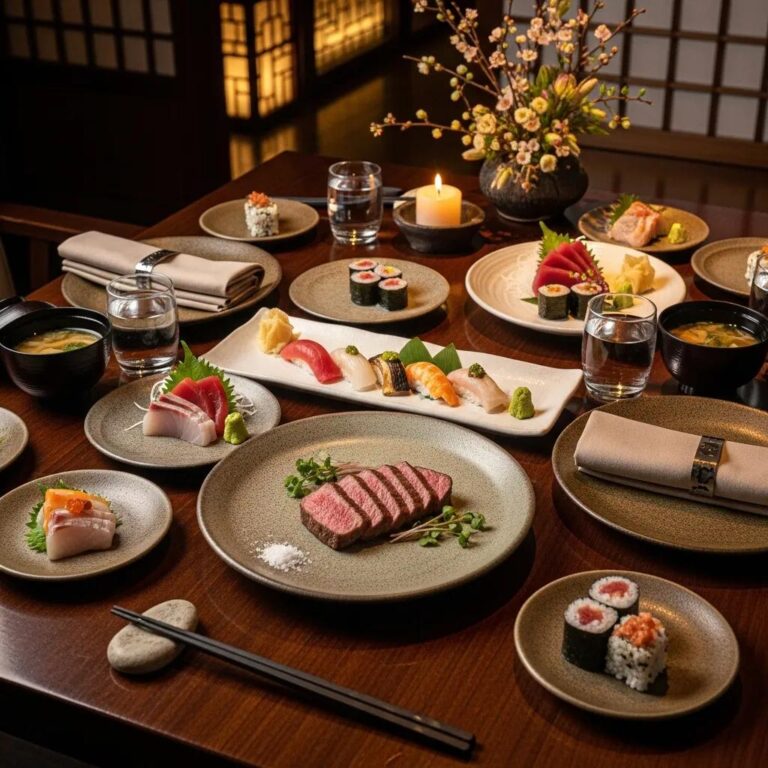
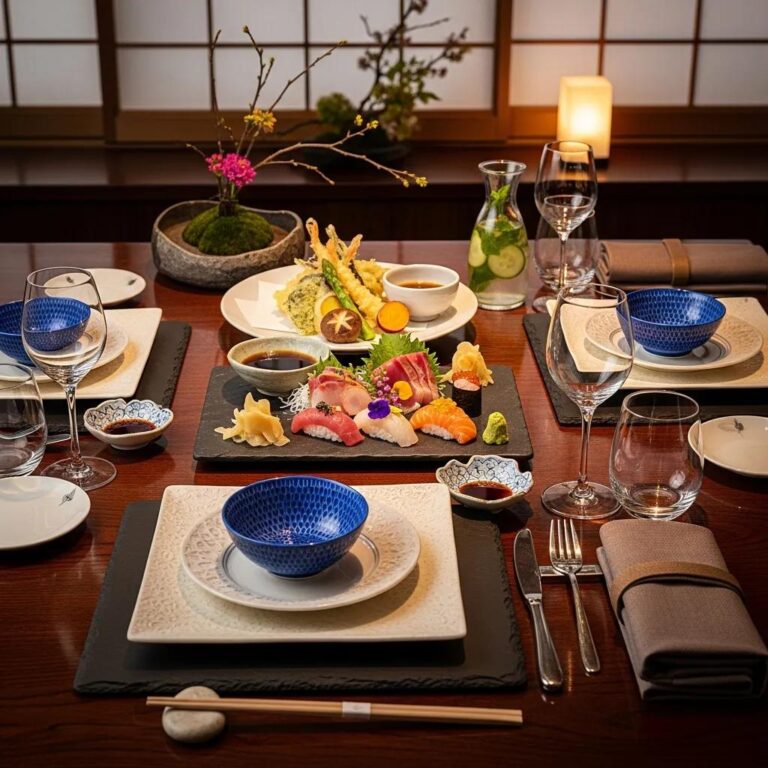
In a luxury setting, mindful eating adapts to the chef’s narrative and the measured pacing of a tasting menu. Each course becomes a chapter—amuse‑bouche, sashimi, grilled course, palate cleanser—where contrasts of aroma, fat, acidity and texture create a designed arc. Pausing to inhale steam from a broth or to study the cut and sheen of sashimi primes your senses so the first bite lands with greater clarity. Noticing a chef’s gesture or the plating details situates you inside the kitchen’s story and deepens appreciation.
Benefits of Conscious Dining for Flavor and Well‑Being
Conscious dining brings measurable benefits: intensified flavor perception through focused attention, gentler digestion from a slower pace and stronger memory encoding that increases emotional satisfaction. When you chew deliberately and pause between bites, enzymatic processes and nutrient absorption improve and discomfort like bloating is less likely. Mindful meals also foster gratitude and closer social connection when shared. Many diners find they need fewer bites to feel satisfied—an outcome that supports both personal wellness and the thoughtful portioning of a tasting menu.
How to Savor Every Course During an Omakase
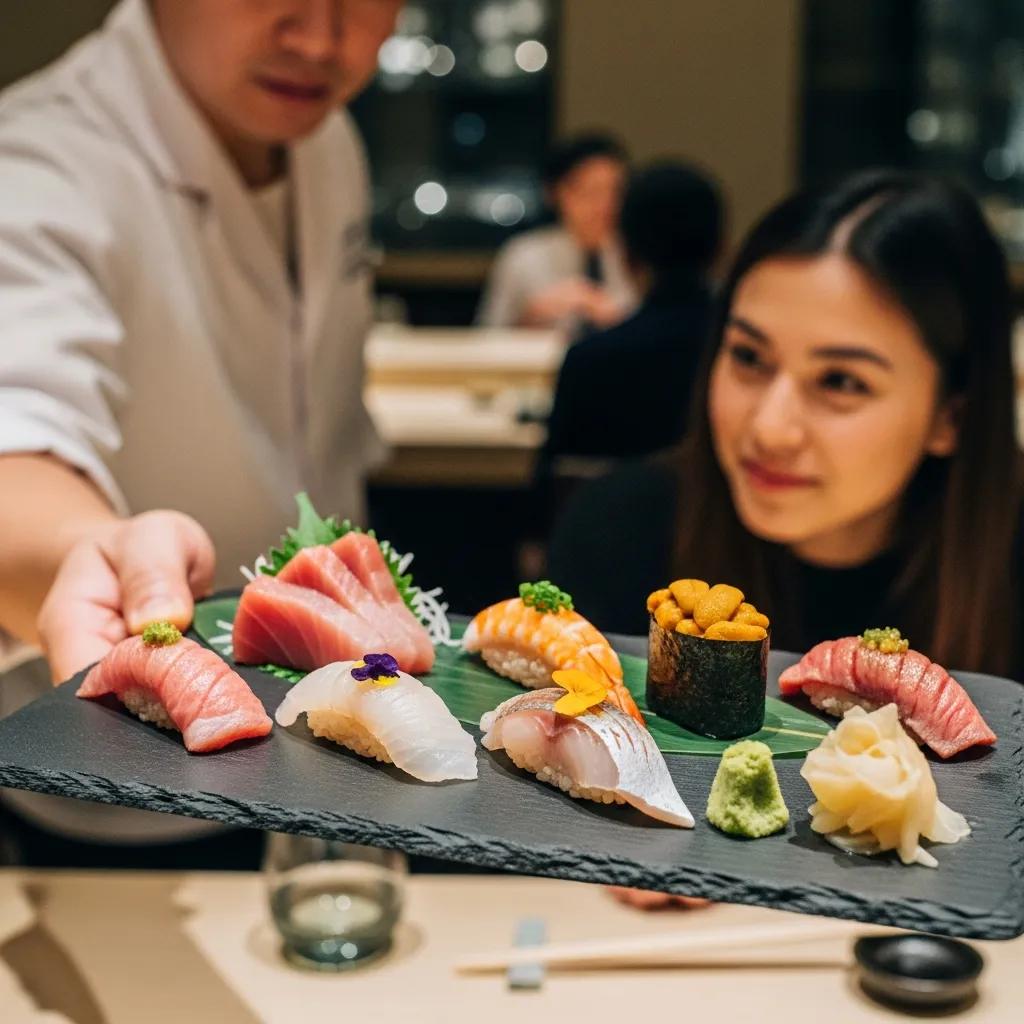
Savoring an omakase relies on a few simple rituals, a consistent tasting sequence and polite, attentive interaction with the chef and staff so each course can be fully appreciated. The repeatable ritual—pause, observe, inhale, taste, reflect—works with the omakase rhythm where dishes arrive in intentional progression. Practically, take small bites, use brief breathwork between tastes and make short mental notes about dominant flavors. This method preserves service flow while allowing each element—umami broths, delicate sashimi, a single wagyu morsel—to register on its own terms.
Below is a compact table of course‑specific cues you can use at the counter or table.
These actions are concrete and repeatable across common omakase elements. Use them as a baseline and adapt to the chef’s timing so your attention complements—rather than slows—service.
Step‑by‑Step: Mindful Tasting for Signature Dishes
Use a short, numbered ritual for each signature dish to keep attention steady and draw out sensory detail. Start with a quick visual read—color, glaze, garnish—then inhale to register aroma; this primes olfaction and informs taste. Take a bite that fits comfortably in your mouth, relax your jaw and breathe through the nose while the food rests on the palate to assess texture and primary notes. After swallowing, pause two to three breaths to notice aftertaste and flavor evolution, then note a single descriptor (for example, “briny,” “buttery,” “floral”) to lock the impression.
- Observe: Study plating, textures and components.
- Inhale: Take a controlled breath to capture aroma.
- Taste: Take a small bite, hold briefly and breathe through your nose.
- Reflect: Pause to register aftertaste and mouthfeel.
These micro‑pauses are intentionally brief so they synchronize with the chef’s tempo and let each course—whether nigiri or seared wagyu—register clearly on the palate.
Sensory Practice: Separating Taste, Texture and Aroma
To sharpen sensory awareness, try short exercises that isolate flavor, texture and aroma so each attribute can be named during service. Begin with a three‑note prompt: pick one taste (sweet/salty/umami), one textural quality (silky, firm, gelatinous) and one aromatic cue (seaweed, citrus zest, toasted sesame) for each course. This trains your perception to distinguish overlapping signals in complex dishes. Over time you’ll more readily detect provenance cues—the nutty finish of certain caviars or the buttery melt of high‑marbling beef—and your dining memories will deepen.
- Sensory exercise: choose one course and list three clear descriptors.
- Repeat across three different courses to build contrast recognition.
- Use precise sensory words (for example, “buttery,” “briny,” “silky”) rather than vague labels.
Regularly practicing these prompts both sharpens your palate and honors the distinctions the chef has built into the menu.
Why A5 Wagyu, Caviar and Other Premium Ingredients Reward Mindful Tasting
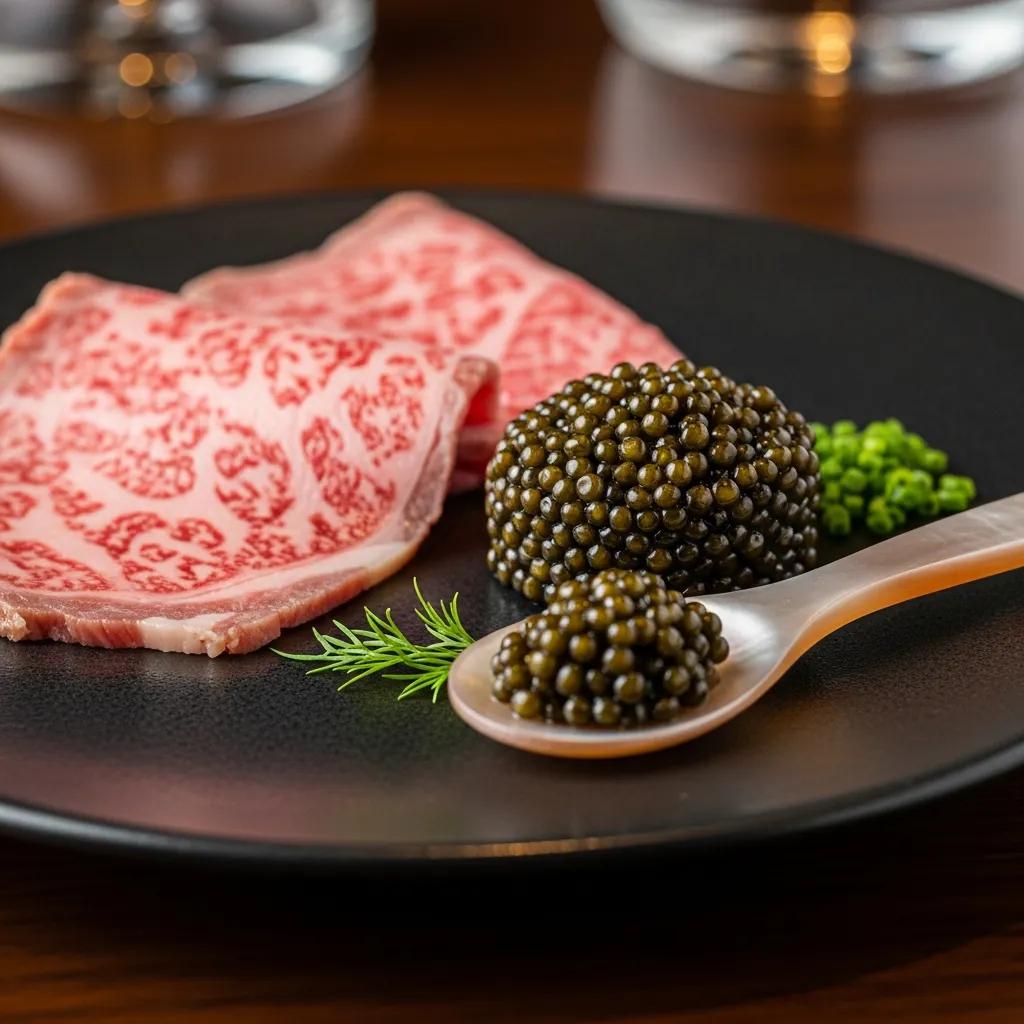
Premium ingredients reveal delicate sensory signatures—slow fat melt, layered umami, fine textural contrasts—that emerge only with focused attention. Technically, high‑grade items carry volatile compounds and mouthfeel dynamics that distracted eating can mask; mindful tasting captures fleeting aromatics and the gradual release of fats and salts. For guests, this translates to deeper appreciation and a more memorable meal. The compact EAV table below clarifies provenance, grading and tasting cues for common premium items.
This comparison shows how grading and handling shape sensory outcomes; mindful tasting makes those differences perceptible and meaningful. Recognizing these attributes helps you ask informed questions and align your tasting approach—small bites, steady breathing and attention to aftertaste—to surface provenance and craftsmanship.
Reading A5 Wagyu: Origin, Grade and What to Taste For
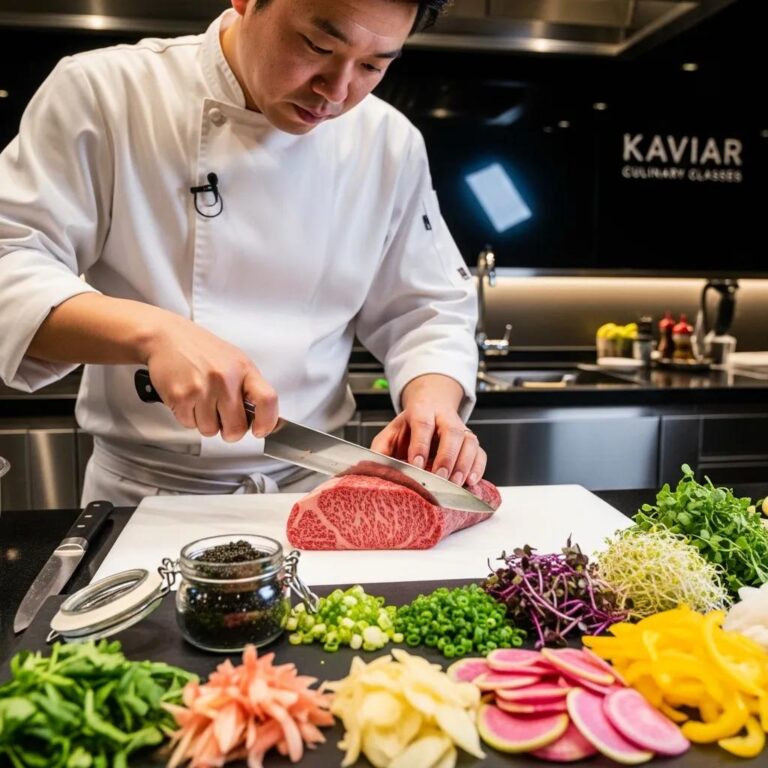
A5 Wagyu represents the top mark on the Japanese Beef Marbling Standard (BMS), noted for extreme marbling and a melt‑in‑the‑mouth texture that rewards a patient, focused bite. Intramuscular fat melts at a low temperature, releasing flavor over seconds, so small portions let the palate track dissolution and umami amplification without overload. Mindful tasting—bites no larger than a few grams, resting on the tongue—reveals texture transitions and the evolving finish, connecting rearing, feed and grading to the experience in the mouth.
How Caviar Elevates a Tasting When You Slow Down
Caviar brings a refined contrast of firm pop and silky roe membrane plus subtle saline and marine aromatics that unfold when tasted deliberately. Temperature, cure and species yield distinct flavor arcs—some caviars show nutty sweetness, others bright saline clarity or a buttery close. Mindful tasting suggests a small portion on a neutral spoon or the back of the hand, a gentle pop to release aroma and a moment to let the brine linger before pairing. This method highlights provenance and handling while tying tasting to traceability and craft.
Luxury Dining Etiquette That Supports a Mindful Experience
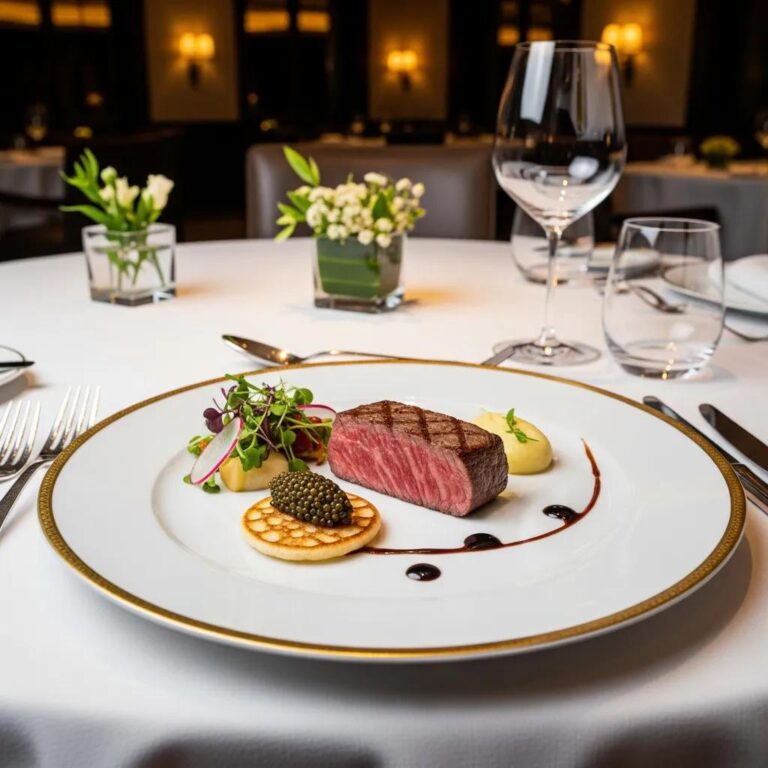
Etiquette in a luxury restaurant is about protecting the sensory conditions that let mindful tasting succeed. Stewardship—managing phone use, conversation volume and timing—helps each course register fully. Reservation notes, timely arrival and requests about seating or pacing are practical levers to secure a contemplative experience. Polite communication with staff keeps the flow curated while allowing small accommodations that enhance focus.
Reservation Advice for an Intimate, Focused Service
When booking, choose times and party sizes that favor quiet service—weekday evenings or early seatings often provide a gentler pace—and include notes about desired pacing or celebrations so the kitchen can prepare. Flag dietary restrictions or interest in chef interaction in advance so sequence and portioning can be adjusted. Arrive a few minutes early to settle in and signal readiness to the host; courteous advance notices about changes help preserve an intimate environment for everyone.
- Best times: weekday evenings or early seatings for quieter service.
- Reservation notes: share dietary needs, celebration context or chef‑interaction preferences.
- Arrival tip: arrive about 10 minutes early to settle and begin your mindful ritual.
These steps increase the chance of a slow, attentive service and create the conditions for mindful tasting to flourish.
In‑Service Etiquette to Maximize Mindful Tasting
During service, etiquette protects the sensory flow and aligns guest behavior with the kitchen’s tempo. Key practices: silence phones, limit photography to a brief respectful moment, listen to the server or chef’s descriptions and keep conversation between courses so sensory focus remains. If you need adjustments—smaller portions, an extra palate cleanser or a quieter seat—ask politely; chef‑led venues are accustomed to accommodating without disrupting the overall rhythm.
Where to Book a Mindful Omakase in Pasadena
If you’re seeking a curated mindful omakase in Pasadena, look for kitchens that prioritize intimate, chef‑led sequencing, seasonal premium sourcing and a reservation system for intentional diners. Those features ensure consistent pacing, clear provenance and the attentive service mindful tasting requires. Choose venues that describe a tasting‑menu narrative and offer seating or timing flexibility to match your mindfulness goals—this increases the likelihood the omakase progression will read clearly and reward focused attention.
Booking Signature Omakase at Kaviar Restaurant
Kaviar Restaurant in Pasadena centers an elevated mindful eating experience around intimate, chef‑curated omakase menus showcasing seasonal and premium ingredients like A5 Wagyu and select caviar. When reserving, note preferences or restrictions so the kitchen can tune sequence and portioning; this helps create the contemplative environment best suited to mindful tasting. Expect a thoughtful progression where each course arrives with intent and invites the tasting rituals described here.
What a Curated Mindful Reservation Looks Like
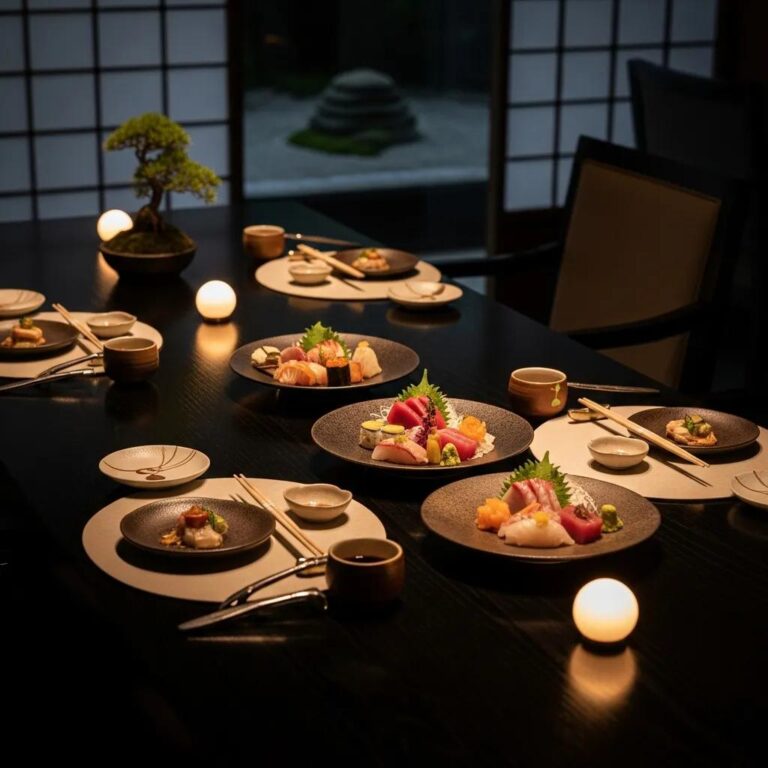
A curated mindful reservation typically includes a clear course progression with careful pacing, occasional chef or server context for ingredients and small portion sizes designed for sequential tasting rather than large entrées. Service often includes palate cleansers and pairings to reset the mouth, soft lighting and seating that favor quiet observation, and staff cues that encourage micro‑pauses for savoring. Arrive early, silence devices and use the tasting ritual to get the fullest sensory and emotional return from your omakase.
- Arrival checklist: arrive early, silence devices, note dietary needs.
- During service: follow the observe → inhale → taste → reflect loop.
- After service: allow time for digestion and reflection to consolidate the meal in memory.
Following these steps aligns your reservation with a mindful dining goal and helps turn a multi‑course tasting into a deliberately memorable culinary narrative.
Frequently Asked Questions
What practical tips help enhance mindful eating in a fine‑dining setting?
Focus on the senses. Observe the plate before tasting, take small bites and let food rest on your palate while you breathe through your nose to capture aroma. Pause after swallowing to note aftertaste and texture. Pace conversation between courses and avoid phone distractions so you can stay present with each dish.
How should I prepare for a mindful dining experience before arriving?
Choose a reservation time that supports quiet service, such as a weekday evening, and share dietary restrictions or pacing preferences in advance. Arrive a few minutes early to settle and center yourself. If helpful, practice a few mindful breaths beforehand to arrive focused and ready to engage with the menu.
How important is the dining environment for mindful eating?
Very important. Soft lighting, controlled noise levels and comfortable seating support attention and sensory clarity. Minimizing interruptions—phone alerts, loud conversation—helps you immerse in the meal. Restaurants that prioritize a calm atmosphere make it easier to savor each course.
What’s the best way to communicate with staff to support a mindful meal?
Be polite and concise. Ask for pacing adjustments or portion modifications when needed, and inquire about ingredients or preparation to enrich your tasting. Expressing interest in the chef’s narrative often deepens the experience. Respectful, clear requests allow staff to accommodate without disrupting service.
Which mistakes should I avoid when practicing mindful eating at a fine‑dining restaurant?
Avoid rushing, letting phones or social media dominate attention, and talking over courses. Excessive photography or repeated interruptions can pull you away from sensory detail. Also resist eating large bites—small, deliberate tastes reveal nuance. Aim to stay present and savor each moment.
How does mindful eating support wellness beyond the meal?
Mindful eating encourages awareness of hunger and fullness, which can reduce overeating. It fosters gratitude and a healthier relationship with food while lowering stress and improving digestion through a slower pace—benefits that extend beyond a single dining experience.
Conclusion
Mindful eating in fine dining heightens sensory pleasure and deepens appreciation for premium ingredients and the chef’s craft. By giving each course deliberate attention, diners can improve digestion, savor finer details and create lasting memories. Make mindful tasting part of your next reservation and transform a multi‑course meal into a considered culinary journey. Reserve your seat at a premier table and begin the experience.