



Crafting an Unforgettable Fine‑Dining Ambiance: Japanese Omakase Paired with Luxury Ingredients
Ambiance in fine dining is the careful composition of sensory details—sight, sound, touch and timing—so that a meal becomes a singular experience. This guide shows how multisensory design and culinary curation work in concert to create lasting memories, with practical focus on interior design, lighting, music, signature ingredients like A5 Wagyu and caviar, the omakase format, and the role of reservations and service.
Many guests can tell when a dish is well executed, but only a few meals linger in memory. The difference is a deliberate atmosphere that supports the food’s story and pace.
You’ll find actionable design choices, playlist and acoustic strategies, plating and presentation techniques, and service workflows that preserve intimacy and exclusivity. At Kaviar, we illustrate these principles through refined interiors and chef‑driven omakase that highlight A5 Wagyu and caviar, while keeping the lessons broadly applicable to luxury Japanese fine dining. The article moves through interior design, music and soundscape, ingredient‑led elevation, omakase mechanics, and reservation & guest service practices in that order.
How Does Interior Design Shape a Luxury Restaurant Ambiance?
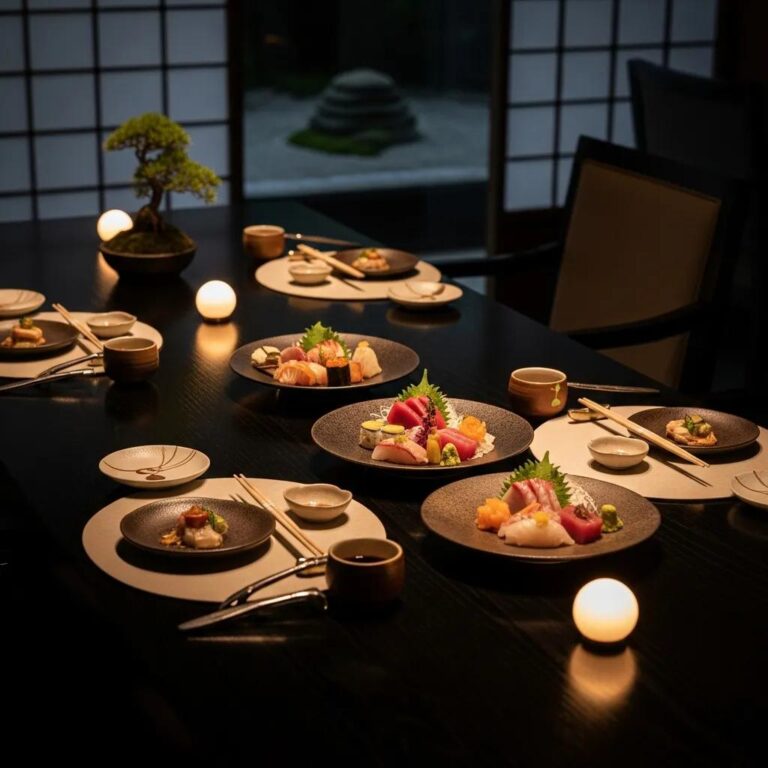
Interior design shapes luxury by arranging space, materials and sightlines to control privacy, circulation and focal points—elements that influence emotion and perceived value. Thoughtful layouts pair open sightlines with discreet alcoves so guests feel connected yet privately attended; this balance also helps reduce noise and heighten exclusivity. Materials—warm woods, honed stone, soft textiles—give tactile cues of quality, while furniture scale and spacing determine comfort and the intimacy of each course. Lighting strategies that consider color temperature, fixture choice and dimming highlight plating without compromising social visibility. When these pieces align, the choreography of service and chef interaction becomes part of the sensory narrative, pointing us to the specific interior elements that consistently read as “fine dining.”
What Interior Elements Define Fine Dining Atmosphere?
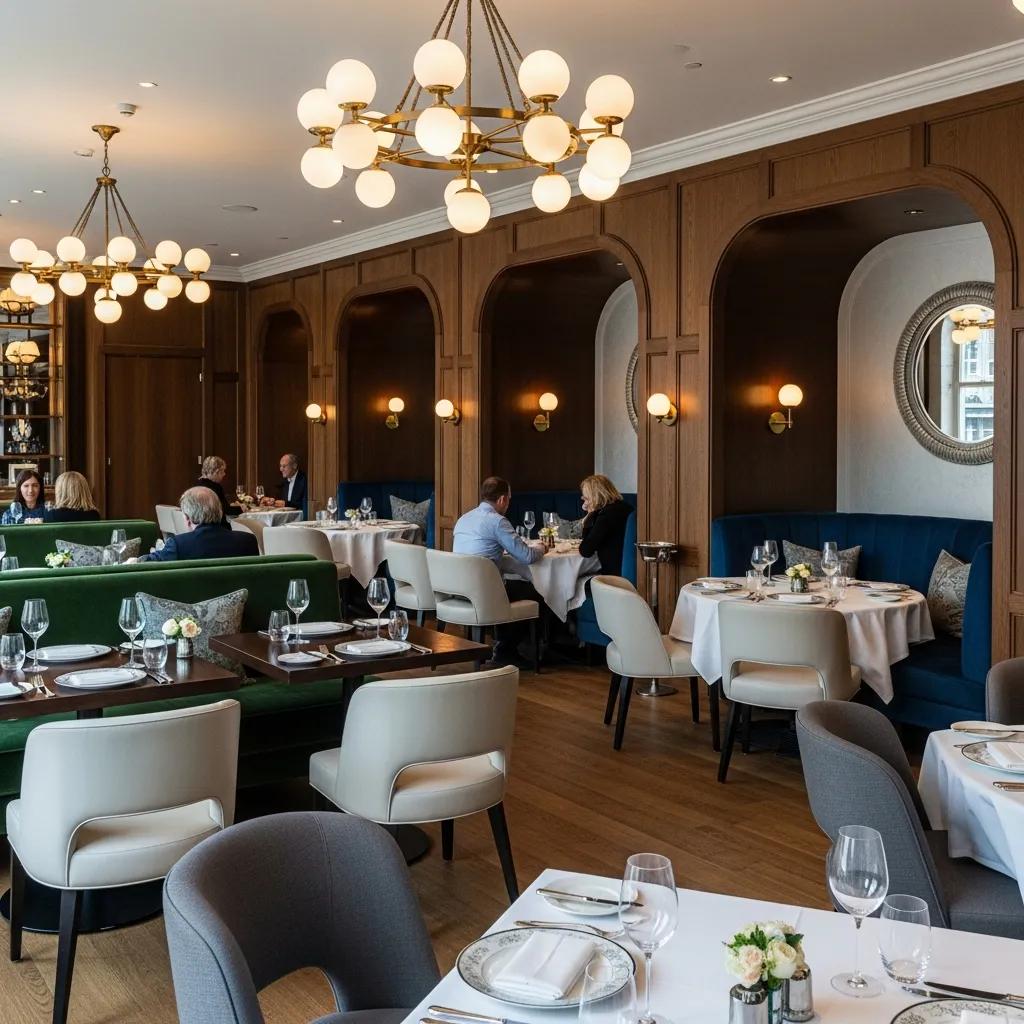
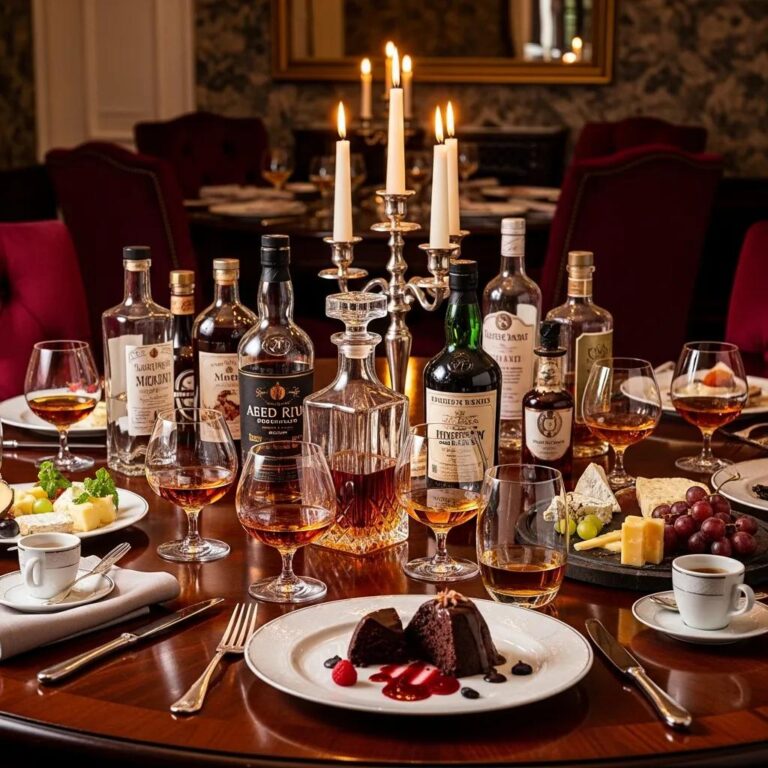
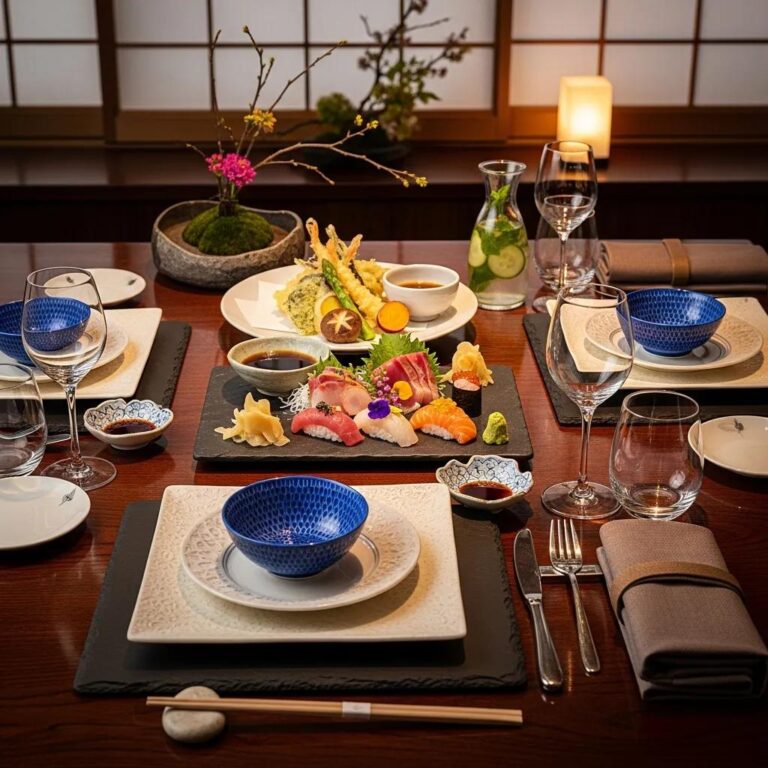
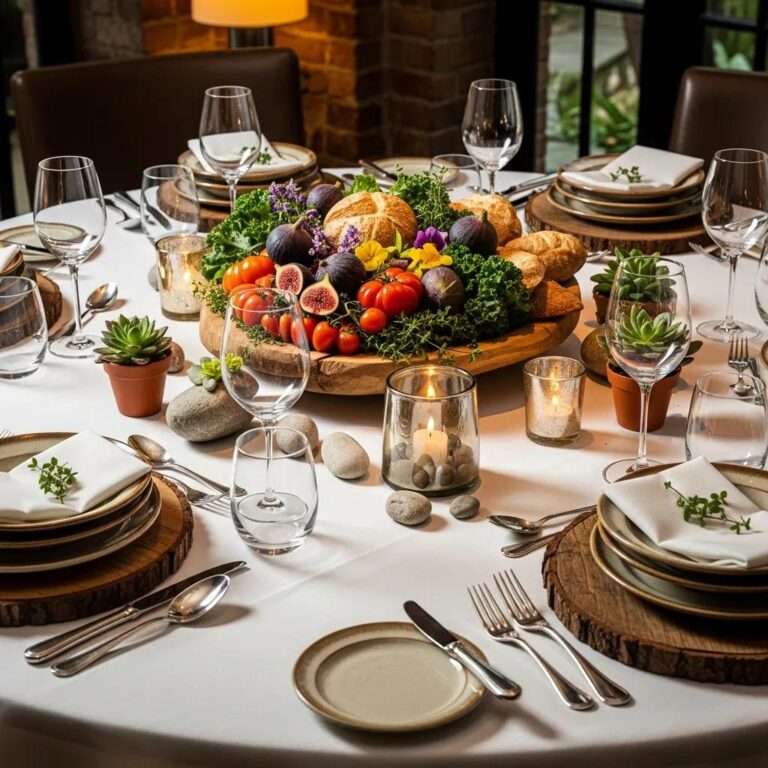
Core interior elements signal refinement through texture, proportion and purposeful detail. Premium finishes—matte lacquered wood, leather seating and natural stone tabletops—offer a tactile warmth that feels intentional and elevated. A muted palette (deep neutrals with subtle accents) reduces visual noise so each plate can command attention. Table settings—weighty flatware, crystal glassware and crisp linens—provide audible and tactile cues during service, reinforcing quality with every interaction. Seating plans and sightlines are calibrated so guests feel private without being isolated; partitions or planters create pockets of intimacy while maintaining staff flow. The short table below outlines common material choices and their direct effect on perceived luxury.
This comparison shows how material choices translate into guest perception and leads naturally into lighting—an element that amplifies these decisions through layered control.
How Does Lighting Enhance the Dining Experience?
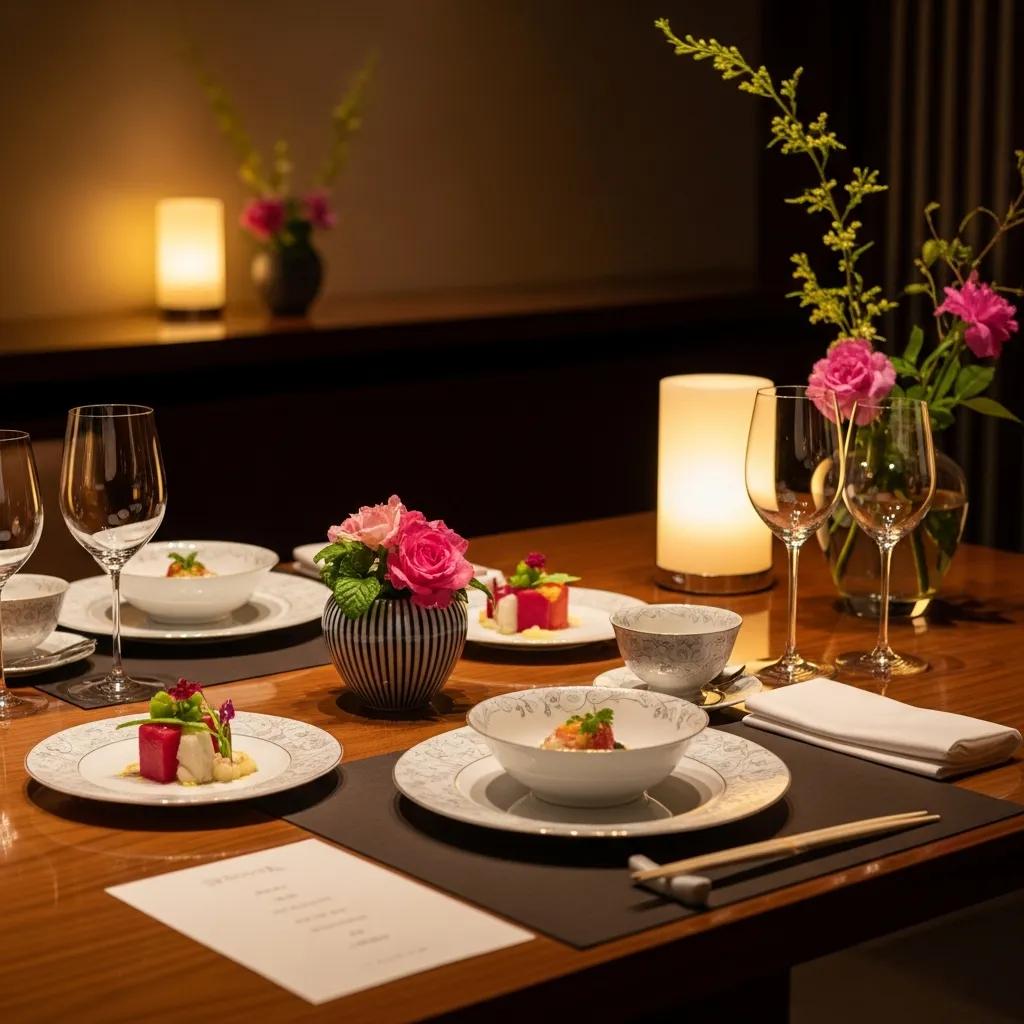
Lighting directs attention, sets mood and ensures dishes are seen at their most flattering angles; it balances visibility with intimacy. A layered approach—ambient general light, task lighting for work areas, and accent light for tables and art—lets staff tune illumination to service phases and individual courses. Warm color temperatures (around 2700–3000K) flatter skin tones and food hues, while dimmable circuits allow smooth shifts from aperitif to dessert. Fixture placement should avoid harsh shadows on plates; pendant lights with focused beams can create theatrical moments for signature courses. Practical controls and scene presets make transitions predictable during service, and these lighting choices prepare the room for the next layer: music and the broader soundscape.
What Role Does Music Play in Crafting a Japanese Omakase Atmosphere?
Music and curated soundscapes shape perceived time, emotional tone and the pacing of a tasting menu by gently directing guest tempo and supporting the meal’s narrative without interrupting conversation. When aligned with service rhythm, music makes transitions feel natural and marks moments of attention—for example, a sparse piece during delicate sashimi and a warmer timbre as richer proteins arrive. Slower tempos and softer dynamics invite lingering; subtle rhythmic elements can lift energy for celebratory moments. Acoustic treatment and speaker zoning preserve intelligibility so chef narration and guest conversation coexist with background music. These principles lead to concrete genre choices and playlist strategies that complement luxury Japanese dining.
Which Music Genres Complement Luxury Japanese Dining?
Choose genres that balance cultural resonance, minimalism and unobtrusiveness to support the omakase arc. Sparse classical pieces give a refined backdrop that underscores precision; ambient jazz or soft instrumental electronic textures add warmth for richer courses without lyrical distraction. Traditional Japanese instruments—koto, shakuhachi or shamisen—used judiciously can underline cultural context and punctuate key moments, but should be integrated with care to avoid pastiche. A practical playlist approach: open with delicate koto interludes on arrival, move to mellow piano and strings for sashimi and vegetable courses, then introduce subtle jazz textures for richer proteins and dessert. These choices help manage tempo and lead to practical sound‑design considerations for guest comfort.
How Is Ambient Sound Curated for Guest Comfort?
Sound curation prioritizes decibel control, speaker placement and acoustic materials so music supports conversation rather than competing with it. Target background levels around 60–65 dB at peak service, lowering to 55–60 dB for particularly delicate tasting moments, and zone speakers so volume can be softened near private tables or the chef counter. Acoustic treatments—soft panels, fabric‑wrapped baffles and upholstered surfaces—reduce reverberation while keeping warmth in the room; these measures aid speech intelligibility and prevent listener fatigue. Accessibility measures, such as offering quieter seating and ensuring announcements are clear, extend comfort to every guest. Thoughtful sound design completes the sensory architecture and leads into how ingredients like A5 Wagyu and caviar interact with ambiance to elevate the experience.
How Do Signature Dishes Like A5 Wagyu and Caviar Elevate the Meal Experience?
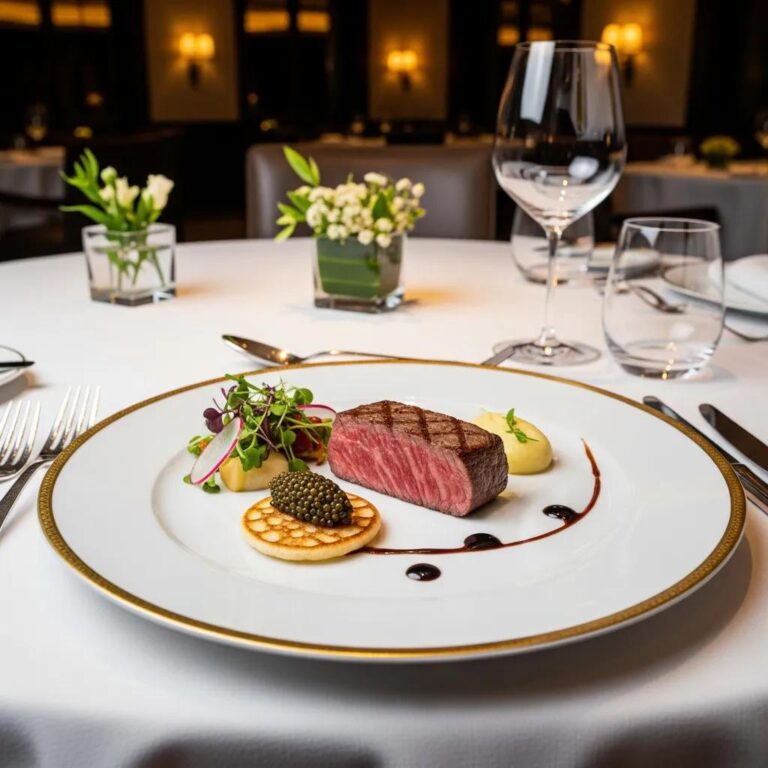
Premium ingredients add rarity, texture and narrative, aligning with design and sound to create a cohesive, high‑value experience. Items like A5 Wagyu and caviar carry provenance—grade, origin and handling—that raise expectations and justify deliberate pacing and presentation; their sensory profiles (marbling, umami, brine) respond to lighting and temperature in ways that accentuate luxury. Minimalist plating, restrained garnishes and focused accent lighting let these ingredients center each course. At Kaviar, A5 Wagyu and caviar are signature touchpoints we use to demonstrate how ingredient selection and service elevate ambiance, while the methods apply equally to other premium dishes.
What Makes A5 Wagyu a Premium Ingredient?
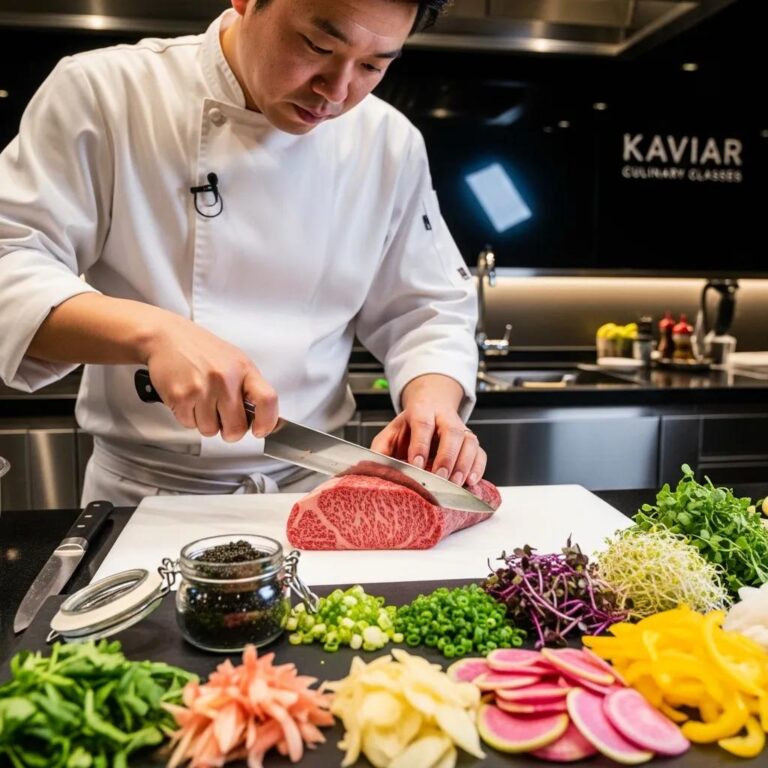
A5 Wagyu is defined by its grading, exceptional marbling and melt‑in‑the‑mouth texture, producing a concentrated umami that alters how a sequence should be paced and presented. The A5 grade—set by the Japanese Meat Grading Association—signals that the beef requires restrained seasoning, precise doneness and careful portioning to showcase its fat distribution and tenderness. Typical preparations use brief, high‑heat searing or thin slicing to highlight textural contrast; plating favors small, focused portions so each bite can be savored without overwhelming the palate. Comparing A5 Wagyu to other premium beef clarifies why service pacing and ambient choices are tuned to let its nuances register fully.
This table clarifies how each premium ingredient calls for specific ambient and service responses, which leads to the section on caviar presentation.
How Is Caviar Presented to Enhance Visual and Taste Appeal?
Caviar presentation is an exercise in restraint: serve chilled on a neutral base with mother‑of‑pearl or inert utensils to avoid metallic notes, and portion in small measures that reward attention. Keep caviar just above freezing on crushed ice to preserve texture and flavor; use shallow, clear or dark bowls under subtle accent lighting so the pearls catch the light. Pairings—small blinis or mild accompaniments—should be modest so the caviar remains center stage, and timing should place caviar where its saline burst complements surrounding courses. These presentational choices, combined with lighting and sound, create a memorable multisensory moment and naturally lead into how omakase coordinates such elements across a full meal.
What Defines the Omakase Experience at a Luxury Japanese Restaurant?
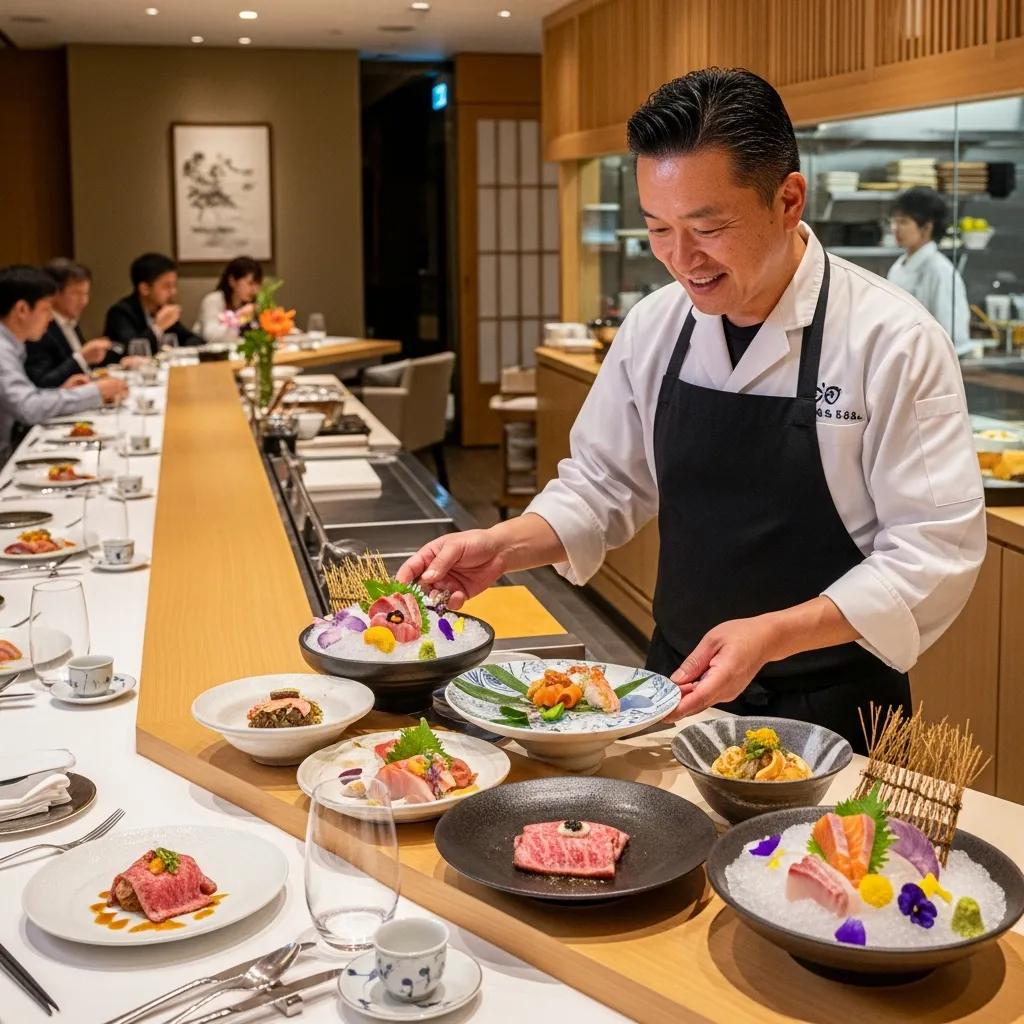
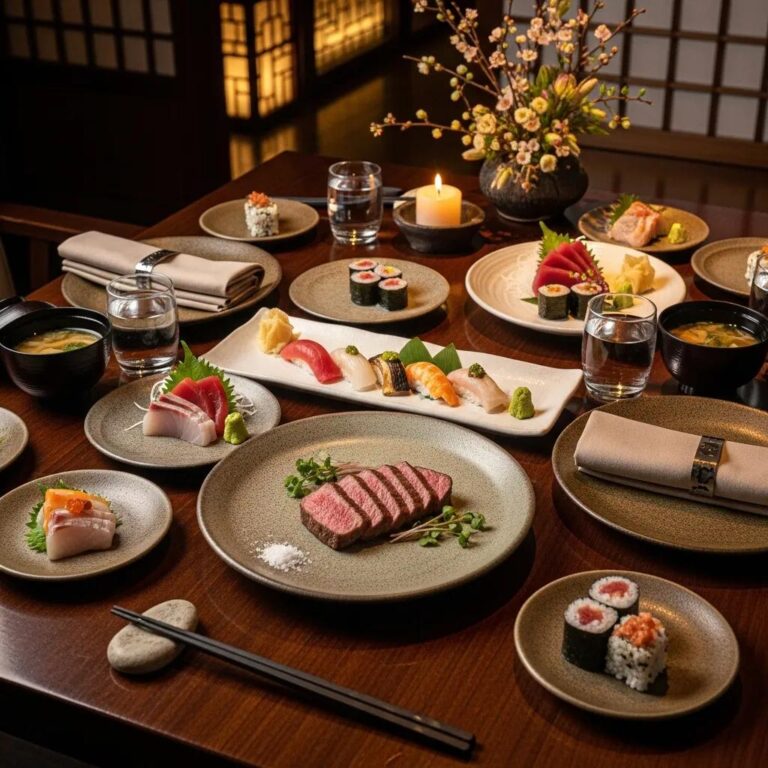
Omakase is a chef‑driven sequence of selections, paced and personalized to form a narrative arc—an experience that depends on ambient control and precise service choreography. The chef composes a menu from seasonality, market availability and guest cues, arranging textures and flavors to create contrast, tension and resolution. Pacing matters: short pauses, concise narration and deliberate service let each course register while preserving appetite for what follows. Direct chef‑guest interaction—brief explanations, small demonstrations or plated theater—turns service into storytelling, with the room’s design and soundscape serving as supporting acts. Understanding these mechanics helps guests set expectations and choose reservations accordingly.
How Does Chef’s Selection Personalize the Dining Journey?
A chef personalizes omakase by reading guests’ cues, honoring dietary needs and selecting seasonal items that build a tailored progression of textures and flavors. Personalization can be practical—adjusting sequence to avoid allergens or to enhance a celebration—or sensory, such as adding a palate cleanser before a heavy protein. Clear communication before and during service—pre‑service notes and short course introductions—keeps guests informed and heightens the sense of care. These choices require tight coordination with service pacing and kitchen timing, showing that personalization is both an artistic and operational commitment that deepens exclusivity and satisfaction.
Why Is Omakase Central to Unforgettable Fine Dining?
Omakase creates unforgettable dining by weaving surprise, narrative progression and chef attention into a cohesive sensory story that à la carte rarely achieves. The sequence builds anticipation and payoff—an opening reveal, rising flavor climaxes and a reflective close—that evokes wonder and appreciation. Careful coordination of plating, lighting cues and subtle musical shifts amplifies each reveal, making the whole environment feel curated rather than accidental. This orchestration invites guests to focus on the moment and the chef’s craft, and it points naturally to the practicalities of securing such an experience via reservations and pre‑visit communication.
How Does Reservation and Guest Service Impact the Overall Ambiance?
Reservation systems and guest service shape ambiance by setting expectations, controlling room flow and enabling staff to prepare personalized touches that protect exclusivity and timing. Clear confirmations, dietary intake forms and arrival instructions let front‑of‑house anticipate needs and schedule table turns to avoid crowding or overlap that would diminish atmosphere. Reception and arrival—warm welcomes, coat care and guided seating—form the first sensory impression and set the evening’s tempo. Staff behaviors—measured movement, synchronized pour rhythms and unobtrusive communication—sustain the room’s pacing and maintain immersion. The sections that follow offer best practices for reservations and examples of personalized service that boost guest satisfaction.
What Are Best Practices for Seamless Reservation Systems?
- Send clear confirmations, collect dietary information and provide arrival guidance.
- Make guarantee policies transparent to protect the kitchen’s ability to prepare a curated menu.
- Offer online and concierge booking to increase accessibility while preserving controlled seat inventory.
These practices create predictable flows that protect ambiance and give staff room to add tailored touches.
How Does Personalized Service Enhance Guest Satisfaction?
- Personal touches include remembering guest preferences, adjusting beverage pours and acknowledging celebrations.
- Staff training should emphasize timing, discreet service and clear communication of chef‑led choices.
- Pre‑service notes and confirmations let teams execute personalization smoothly during service.
When booking, design and execution align, ambiance becomes the quiet signature of an exceptional meal.
Frequently Asked Questions
What is the significance of the omakase format in fine dining?
Omakase places the meal in the chef’s hands, creating a curated, often seasonal tasting journey. It highlights the chef’s judgment and technique, allowing guests to experience a thoughtfully sequenced story of flavors and textures. This direct exchange between chef and guest deepens appreciation for the craft and elevates the dining atmosphere beyond individual dishes.
How can diners prepare for an omakase experience?
Prepare by learning the restaurant’s style and sharing any dietary restrictions ahead of time. Arrive punctually—omakase relies on careful pacing—and bring curiosity for new ingredients. Engaging respectfully with the chef during the meal enhances the experience and provides insight into ingredients and preparation.
What role does service timing play in the dining experience?
Timing ensures each course is enjoyed at its peak. Proper pacing gives guests space to savor flavors without rushing and preserves anticipation for what follows. Well‑timed service strengthens the narrative flow and makes the entire meal feel intentional and cohesive—essential in fine dining.
How do premium ingredients like A5 Wagyu and caviar influence the dining atmosphere?
Premium ingredients raise expectations and shape service choices. Their rarity and textural complexity call for deliberate presentation, precise timing and supporting ambient elements like tailored lighting and temperature control. Using such ingredients signals commitment to excellence and amplifies the overall sense of luxury.
What are some common misconceptions about fine dining ambiance?
One common misconception is that fine dining must be overly formal or severe. In truth, successful fine dining balances elegance with comfort—allowing guests to feel at ease while experiencing high quality. Another misconception is that ambiance equals decor; real ambiance is the sum of sight, sound, light and service working together to enhance, not overpower, the food.
How can restaurants maintain a consistent ambiance across different dining experiences?
Consistency comes from clear design guidelines for decor, lighting, music and service protocols, backed by staff training so every team member understands the desired atmosphere. Ongoing assessment, including guest feedback, helps refine details. A cohesive theme tied to the restaurant’s culinary focus ensures each visit feels deliberate and well curated.
Conclusion
An unforgettable fine‑dining evening depends on the quiet harmony of ambiance, exceptional ingredients and thoughtful service. By tuning interior design, lighting, music and the omakase format to work together, restaurants can turn a meal into a memorable sensory journey. Use these principles to shape spaces that elevate dining and leave lasting impressions.