



Kaviar’s Bottled Water Program: Luxury Selections and Thoughtful Pairings for Fine Dining
At Kaviar we curate a restrained, purposeful bottled water selection to deepen the tasting-menu experience. Our choices emphasize provenance, mineral profile and pairing intent—so still and sparkling waters become tools for palate clarity alongside omakase, A5 Wagyu and caviar. This guide explains how we use water to manage texture and flavor contrast, how mineral composition shapes mouthfeel, which Japanese water types suit luxury service, and how guests can request a curated water pairing when booking. Water is often overlooked; the right bottle sharpens flavors, refreshes the palate between rich courses and reinforces a narrative of seasonality and restraint. You’ll find the criteria we apply to define luxury water, practical pairing rules for signature dishes, sensory and minor health benefits of mineral waters, examples of Japanese water profiles used at the table, and how to arrange a full water-pairing experience. Throughout, we reference contemporary sensory research and give actionable pairings and service cues our team uses to present water as an integral element of fine dining.
Our program privileges traceable sources and sensory fit over generic selection, placing water alongside wine and sake as an intentional beverage choice. We tie mineral balance to the chef’s intent—low-mineral still waters to let delicate sushi sing, mineral-rich sparklings to cut through fatty or saline preparations. This piece balances technical detail—mineral chemistry and carbonation mechanics—with practical recommendations for diners and service staff, offering quick-reference sections and concise pairing guidance. If you’re preparing to dine at an elevated Japanese tasting menu, the sections below will help you understand why a particular water is chosen and how to request a curated water pairing when you reserve.
What Makes a Bottled Water “Luxury” at Kaviar?
For us, luxury bottled water is defined by provenance, mineral makeup, bottling integrity, sustainability and, crucially, how those qualities translate to the plate. Simply put: geology shapes mineral composition, bottling preserves clarity and carbonation, and responsible sourcing supports the experience—and the result is a water that clarifies flavors and delivers a refined mouthfeel. These criteria let our team choose waters that either stay neutral to showcase nuance or introduce contrast to refresh the palate after richer courses. Understanding this framework helps guests see water as a considered pairing, not a neutral necessity, which matters in a focused omakase or tasting sequence.
This compact overview shows how we weight each attribute when shaping our bottled water program and frames the pairing logic that follows—choosing between sparkling and still based on provenance and mineral data.
Which artisanal waters are included in Kaviar’s selection?
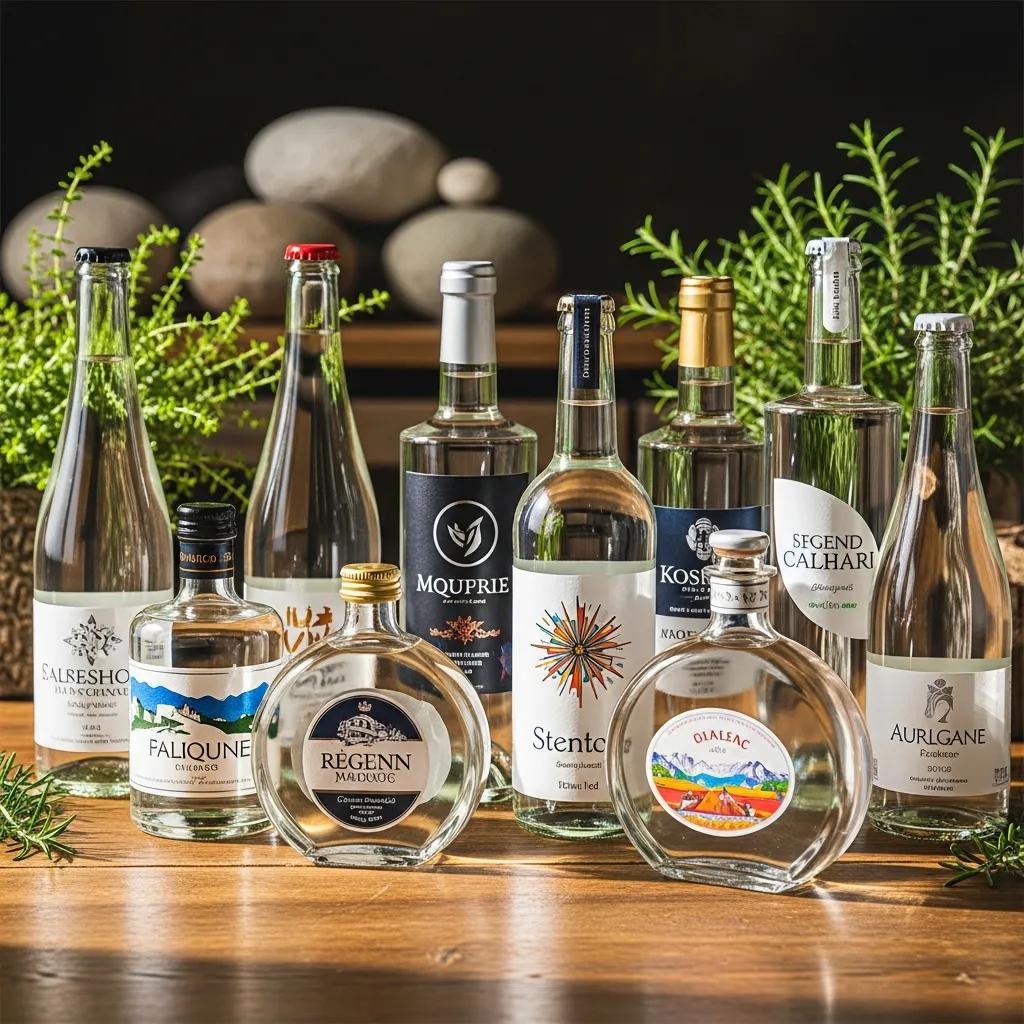
Our list highlights artisanal sources with consistent sensory traits and transparent provenance suited to refined Japanese cuisine. Rather than defaulting to mass-market brands, we favor small-batch spring and mountain waters whose profiles are documented at source and whose bottling preserves clarity. Tasting notes are expressed in culinary terms—silky and neutral for delicate fish, minerally and crisp for richer bites—and our servers recommend specific bottles according to course sequence. For guests, this transparency makes it easier to anticipate how a water will interact with nigiri texture or the fattiness of Wagyu.
Artisanal sourcing reinforces Kaviar’s ingredient-led narrative and gives staff concise, meaningful talking points when presenting water pairings. Guests receive brief vignettes—source region, tasting note, pairing suggestion—that link water to the chef’s seasonal choices and underline that water is a deliberate element of the tasting.
How do mineral content and origin elevate a water’s quality?
Mineral content and origin underpin perceived quality and functional performance because dissolved ions directly affect mouthfeel, salty perception and buffering capacity. Bicarbonate smooths and rounds acidity, while magnesium and calcium influence texture and astringency—effects that occur through the water’s interaction with taste receptors and with food molecules. Origin matters because geology—limestone, volcanic strata, glacial melt—creates characteristic mineral signatures that are reproducible across harvests, allowing predictable pairing outcomes. Sensory research shows that modest shifts in mineral concentrations (measured in ppm) can subtly change how umami and saltiness are perceived, making mineral profiling a practical tool in menu planning.
Knowing these links lets sommeliers and chefs select waters that either amplify or neutralize specific flavor components, elevating the guest experience by aligning texture and aromatic intent.
How Kaviar Pairs Bottled Water with Signature Dishes
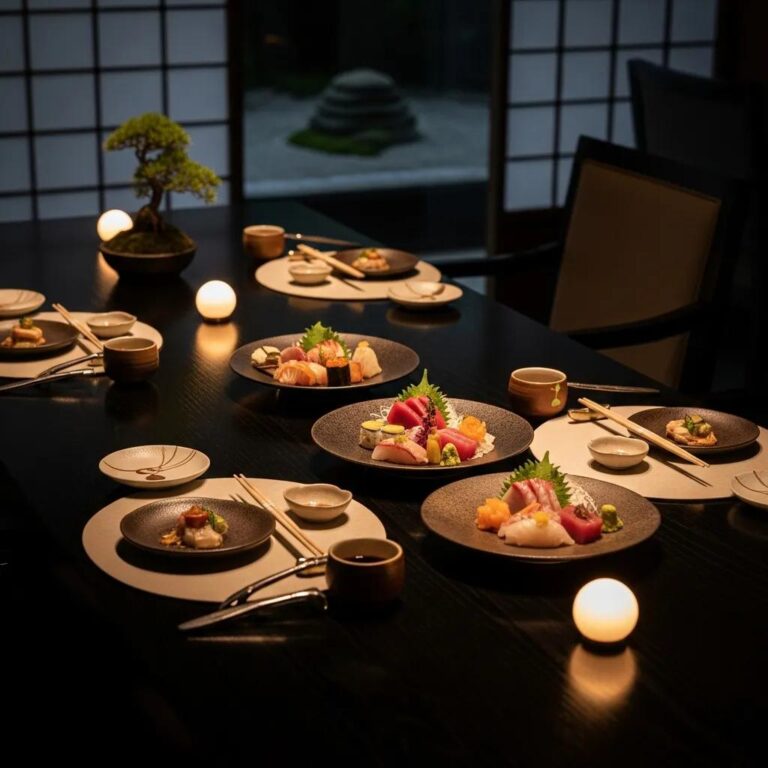
We treat bottled water as an active palate-management tool—sparklings to cut fat, stills to reveal nuance—so pairing decisions are driven by texture, mineral interplay and course sequencing. The guiding principle is clear: carbonation and acidity provide tactile lift and cleansing for fatty or salty items, while low-mineral still waters protect delicate aromatics. In practice, servers recommend a water style with an omakase course or our sommeliers alternate still and sparkling to maintain balance through a multi-course progression. The result is a more coherent tasting flow that supports both the chef’s intent and the guest’s enjoyment.
- Sparkling waters are chosen to refresh and cut through rich textures, resetting the palate between heavy courses.
- Still, low-mineral waters are used to preserve subtle aromatics and textures in delicate seafood and sushi courses.
- Moderate-mineral waters are applied selectively to echo saline or umami notes without dominating the dish.
Which sparkling waters pair best with A5 Wagyu and caviar?
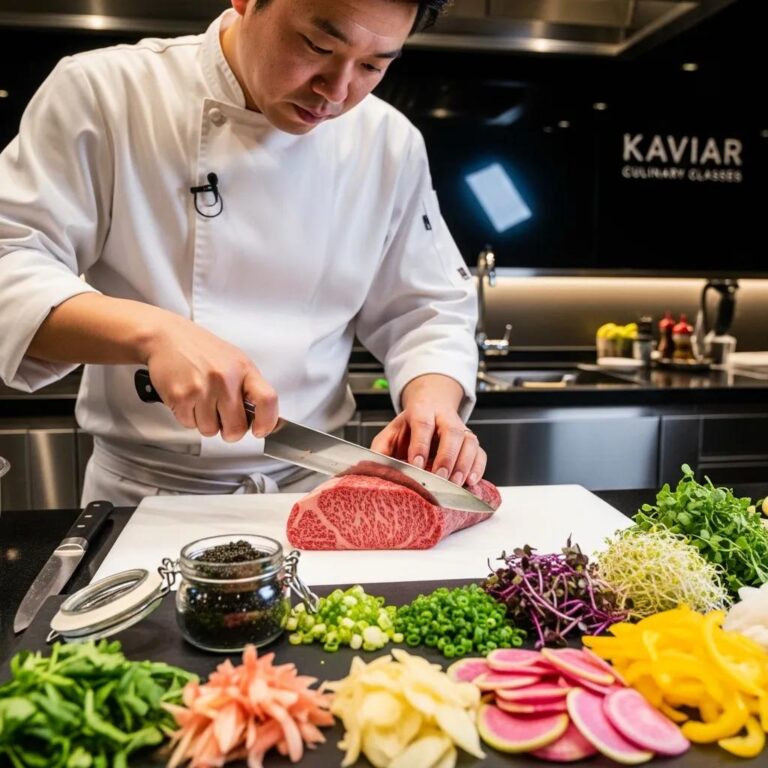
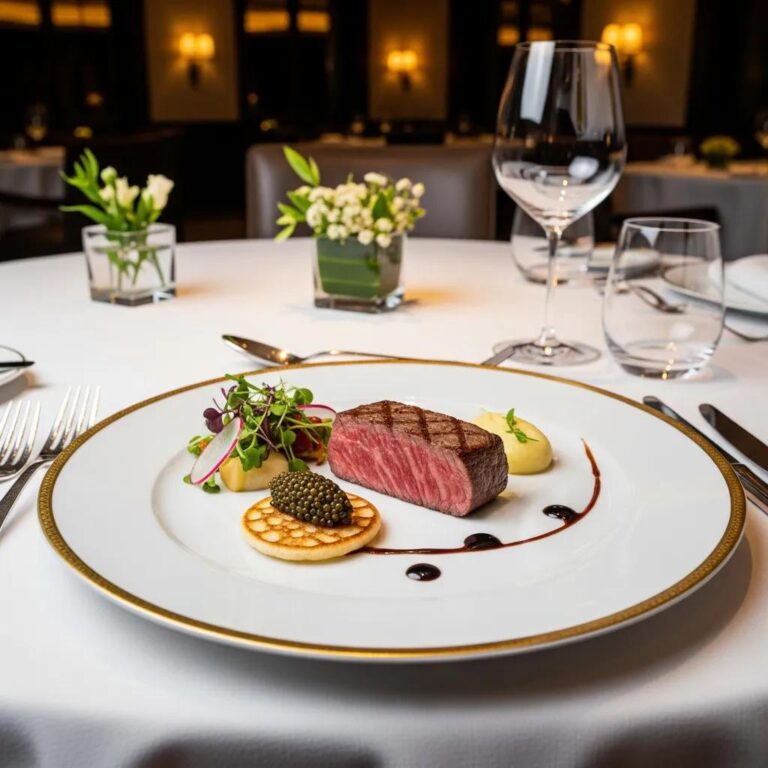
Light to moderately carbonated mineral waters with a clean mineral backbone work especially well with A5 Wagyu and caviar. Bubbles lift fats and disperse oils, while bicarbonate and modest calcium levels avoid unwanted astringency—together restoring palate clarity after a rich bite. For caviar, gentle effervescence can heighten saline brininess while keeping texture intact; for A5 Wagyu, a slightly brisker carbonation provides a bright counterpoint to a buttery mouthfeel and prepares the palate for the next course. Typically we present a sparkling after a fatty dish and before a lighter sashimi to preserve the sequence’s flow.
These selections are meant to complement, never compete with, the signature textures of Wagyu and caviar—accentuating key flavor dimensions while maintaining balance.
How do still waters enhance the omakase?
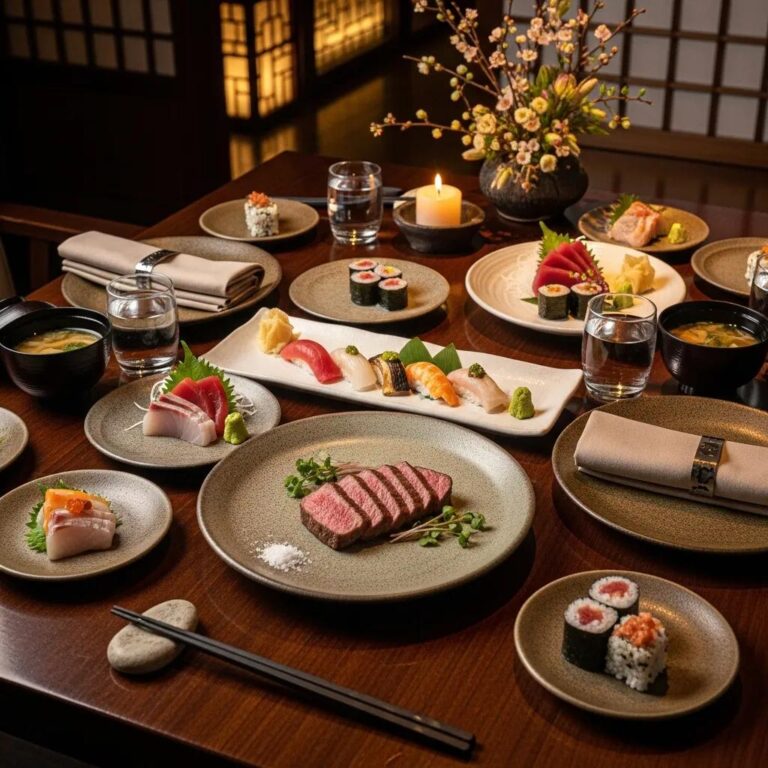
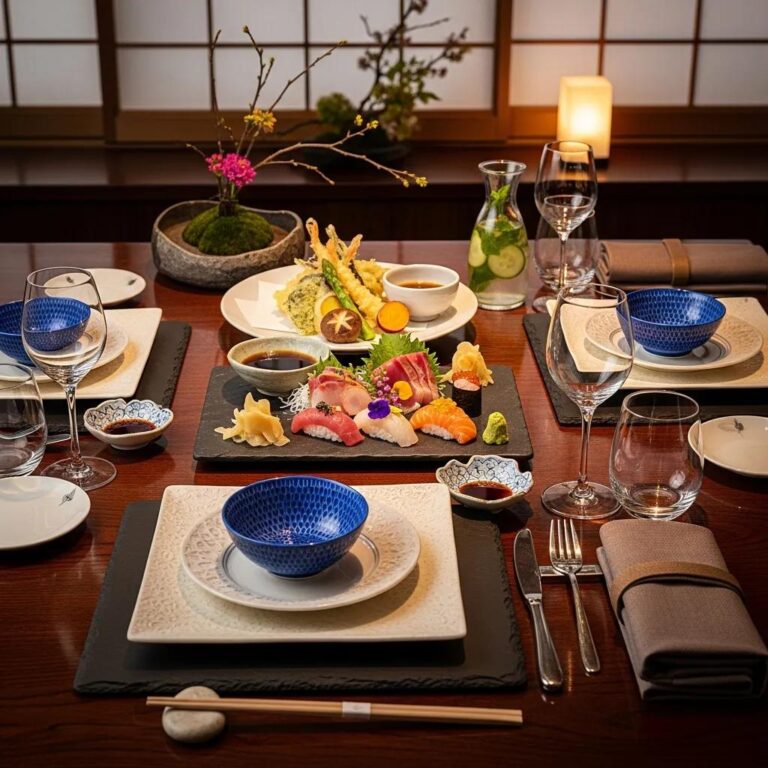
Still, low-mineral waters support the omakase by acting as a neutral conduit that preserves the chef’s intended aromatics and delicate textures. Low concentrations of calcium and magnesium minimize mouth-coating sensations so subtle fish oils and nuanced vinegars remain perceptible. Service pacing matters: small, measured pours of still water between pieces reset the palate without the tactile interruption of carbonation, allowing diners to perceive micro-variations across seasonal preparations. Practically, we use still waters during sequences of nigiri and subtle cold courses where clarity is paramount.
This deliberate use of still water reinforces the chef’s restraint and seasonal expression, letting each course communicate its nuance without diluting the tasting narrative.
Health and Sensory Benefits of Gourmet Mineral Water
Gourmet mineral waters deliver sensory advantages—mouthfeel, texture and palate cleansing—and mild functional gains from trace minerals that support hydration and electrolyte balance. The primary mechanism is hydration’s effect on taste receptors and oral physiology: adequate hydration sustains saliva flow and olfactory sensitivity, improving aroma perception and taste discrimination during a meal. Specific mineral ions can also nudge flavor perception, and carbonation provides a mechanical cleansing that refreshes the palate between courses. Recent studies through 2023 support the idea that maintaining hydration during multi-course dining preserves taste sensitivity and overall enjoyment, validating water pairings as part of high-end service.
- Improved Taste Sensitivity: Proper hydration maintains saliva and olfactory function, sharpening flavor discernment.
- Palate Cleansing: Light carbonation and selective mineral balances help remove residual fats between courses.
- Subtle Electrolyte Support: Trace minerals aid hydration balance without imposing strong flavors.
- Texture and Mouthfeel: Minerals influence perceived viscosity and smoothness, changing how dishes are experienced.
How does hydration affect taste perception in a tasting menu?
Hydration preserves saliva production and supports volatile release from foods—both essential for sensitivity to sweet, salty, sour, bitter and umami. Saliva dissolves taste molecules and carries aromas to olfactory receptors, so even mild dehydration can blunt flavor intensity and reduce aroma detail. In a multi-course setting, measured sips before and between courses help maintain sensory acuity without diluting flavors. Recent sensory reviews (to 2023) indicate that controlled hydration strategies improve taste discrimination over prolonged tastings, which is why sommeliers recommend water at specific moments in a sequence.
That physiology guides practical service: suggest measured sips at key breaks and offer waters that refresh without overpowering the dish.
Which mineral profiles shape water’s flavor and benefits?
Each mineral ion contributes distinct sensory and functional properties: calcium and magnesium affect mouthfeel and perceived astringency, bicarbonate buffers acidity and lends smoothness, and low sodium can enhance saline perception. Typical ppm examples illustrate these effects—low calcium (under ~20 ppm) tends to be neutral and silky; moderate magnesium (~5–30 ppm) can add subtle minerality; higher bicarbonate (~100–300 ppm) yields a rounded, smooth sensation. Sommeliers use these ranges to match waters to dishes—for example, a bicarbonate-rich water can soften acidic vinegars, while a low‑mineral still water showcases delicate fish. Understanding these profiles enables targeted pairings that shape mouthfeel and taste perception intentionally.
These mineral relationships form the technical basis for our pairing decisions and let staff recommend waters that enhance or balance specific dish attributes.
Which Exclusive Japanese Bottled Waters Appear on Kaviar’s List?
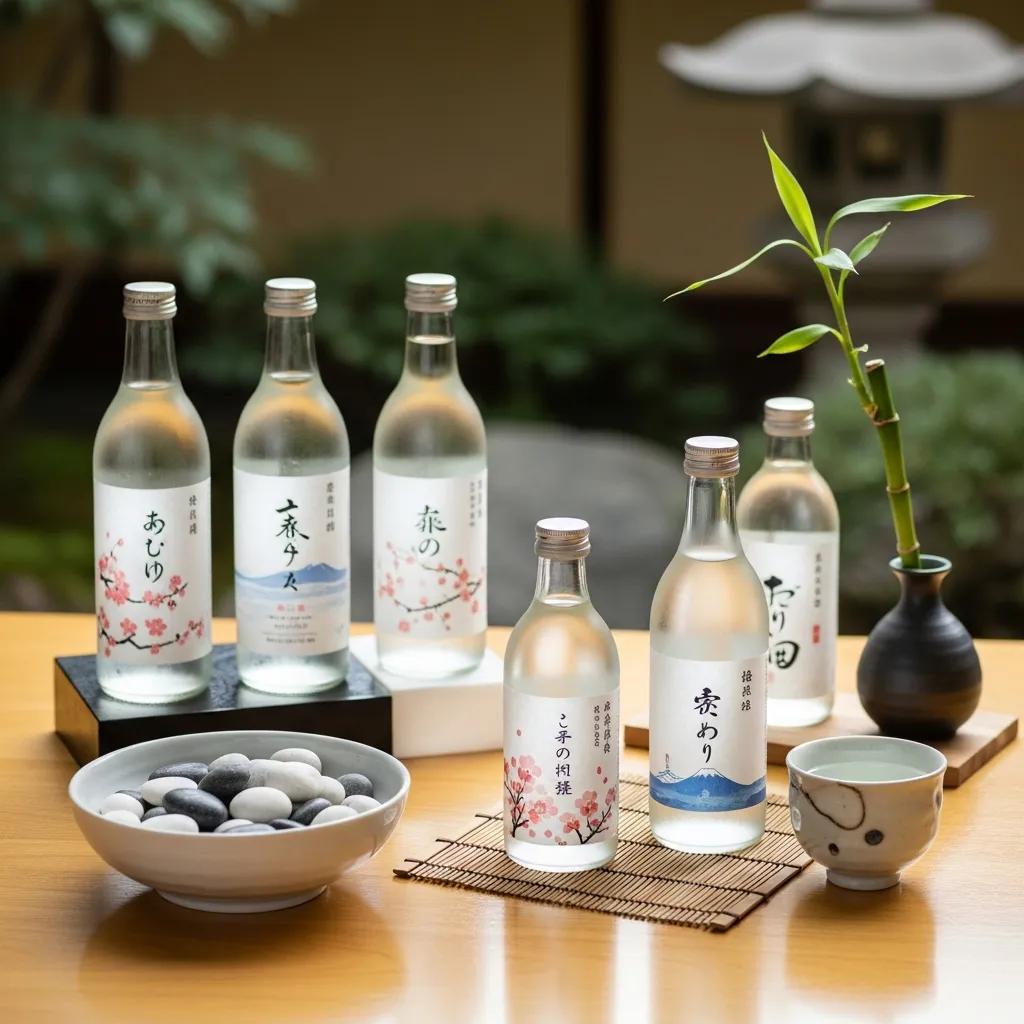
We curate Japanese water types that emphasize clarity, subtle mineral balance and strong provenance—traits that align with our culinary approach. Rather than mass brands, the selection showcases spring and mountain waters from Japan whose sensory character—low mineral baseline, clean finish and occasional volcanic traces—complements restrained Japanese cuisine. This section describes typical Japanese water categories used in luxury dining and compares their mineral characteristics and carbonation levels so guests can understand pairing suitability.
What sets Japanese bottled waters apart in luxury dining?
Japanese waters are prized for exceptional clarity, typically lower dissolved-mineral baselines and source narratives tied to specific mountains, volcanic aquifers or alpine melts—stories that resonate with culinary provenance. Geology is the differentiator: volcanic substrates may impart delicate bicarbonate and trace minerals, while glacier-fed sources are often very low‑mineral and neutral on the palate. Chefs and sommeliers value these traits because they support a minimalist aesthetic—preserving subtle flavors while providing a refined mouthfeel—so these waters are frequently used to punctuate sequences where restraint and purity are priorities.
That provenance and sensory fit strengthen our storytelling, linking a water’s origin to seasonal and regional ingredients presented in the tasting.
How do these waters reflect Kaviar’s culinary philosophy?
The alignment is straightforward: restraint, provenance and precise balance. Low‑mineral waters echo the chef’s minimal seasoning, while volcanic‑influenced waters offer gentle minerality that can mirror umami-rich components. Our philosophy stresses seasonality and textural clarity, and water choices either remain neutral to spotlight an ingredient or provide a subtle counterpoint to richer textures. Service presentations often include a brief provenance note tying a water to a region, deepening guests’ appreciation for how it complements the culinary narrative. In practice, these choices create a cohesive sensory program where water functions as a deliberate, expressive element.
This synergy between water and cuisine enhances the tasting’s coherence and supports Kaviar’s elevated presentation.
How Guests Can Experience Kaviar’s Bottled Water Program
Guests can request curated water pairings when booking, opt for a guided pairing during the tasting, or rely on servers for timely recommendations that follow course sequencing. The process is simple: reserve with a pairing add‑on or note the request at booking, then allow staff to present and explain the selected waters during service. The result is a seamless integration of water into the tasting flow, making the program part of the curated event rather than an afterthought and strengthening the narrative around each course.
- Request a curated water pairing when booking: Note your interest in a water pairing or tasting add‑on to ensure availability.
- Specify dietary or sensory preferences: Tell us if you prefer still only, wish to avoid carbonation, or want mineral contrasts for richer courses.
- Confirm at arrival: Ask your server to present the recommended water sequence timed with the omakase or tasting progression.
How do I reserve the full luxury water-pairing experience?
To enjoy a full water pairing, tell us your pairing preference when you reserve and confirm any special requests in advance so our team can prepare specific bottles and service sequences. Practically: indicate pairing interest at booking, specify carbonation or mineral preferences, and confirm the pairing on arrival so pacing can be coordinated with the chef. Our reservation and menu pages list add‑on options and pairing availability; servers will guide you through choices during service. Advance notice increases the chance that limited‑source waters will be available for your seating.
Following these steps ensures the pairing is executed smoothly and enhances the tasting narrative through intentional beverage sequencing.
How does the water selection elevate the dining atmosphere?
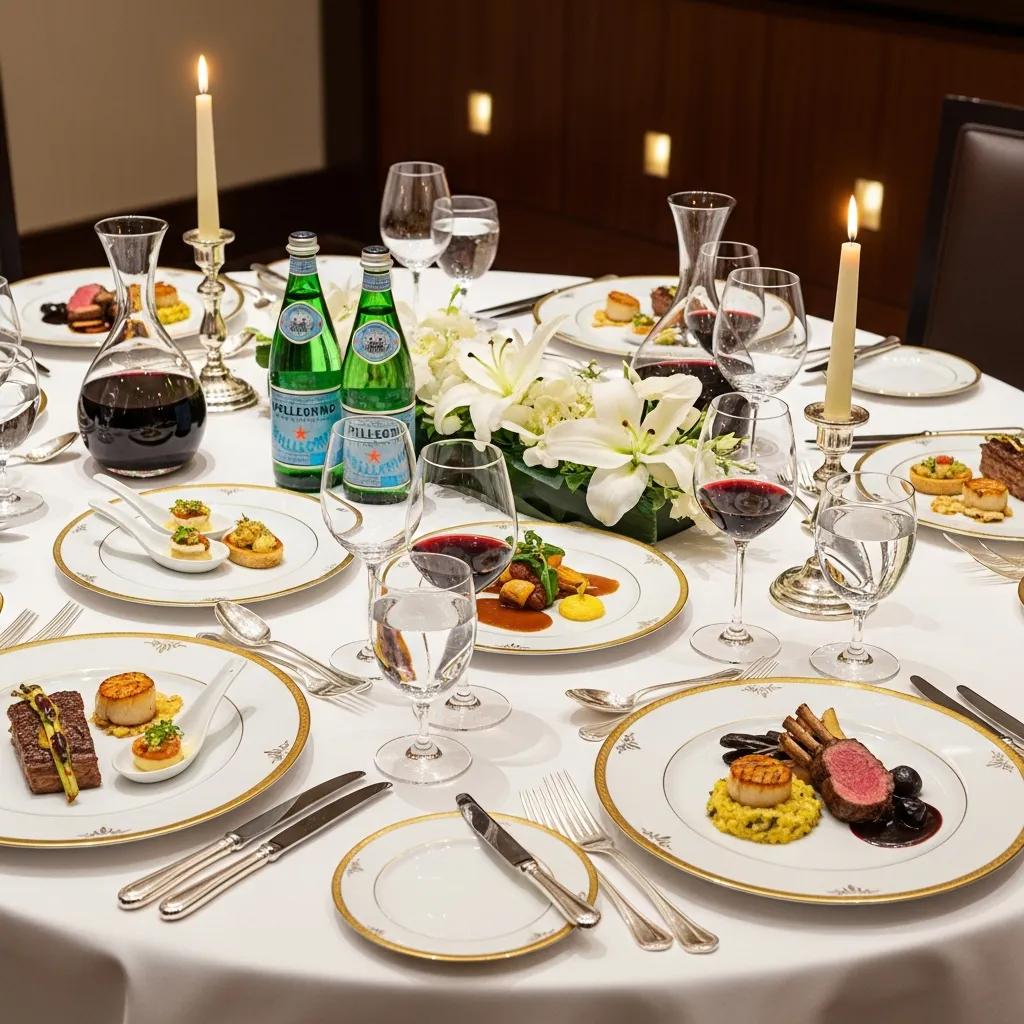
Presentation rituals, considered glassware and attentive pacing mirror the formality of the tasting menu and lift the table experience. Decanted still waters and carefully poured sparklings create visual and tactile contrasts that feel intentional, while concise provenance notes add a storytelling layer that complements the chef’s seasonal messaging. Staff‑led moments—introducing a new water before a pivotal course or explaining a mineral choice—heighten a sense of occasion and deepen engagement. The water program is choreographed to support the menu’s rhythm, making the meal feel curated and complete.
These service details turn water from a background necessity into a visible, thoughtful component of high‑end dining and reflect Kaviar’s attention to ingredient and service curation.
Frequently Asked Questions
What’s the best way to request water pairings at Kaviar?
Let us know when you make your reservation that you’d like a water pairing. You can specify still or sparkling preferences or note any dietary restrictions. On arrival, confirm with your server and we’ll present the recommended sequence aligned to your tasting menu. This advance notice ensures a seamless water pairing integrated into service.
How does Kaviar select sustainable bottled waters?
We prioritize brands that demonstrate ethical practices—refillable programs, responsible bottling and transparent sourcing. Each potential partner is evaluated for environmental stewardship as well as sensory quality, so our waters meet both taste and sustainability standards.
Can guests see mineral profiles for the waters served?
Yes. We provide information on mineral composition—key elements like calcium, magnesium and bicarbonate—so guests can understand how a water’s profile affects flavor and mouthfeel and how it complements specific dishes.
Does water temperature matter?
It does. Still waters are typically served chilled to enhance refreshment; sparkling waters are served slightly cooler to heighten effervescence. Temperature is chosen to support the food and preserve the tasting experience without overpowering the palate.
How are staff trained to present water pairings?
Our team receives focused training on each water’s sensory attributes, mineral profile and ideal pairings. Staff learn concise provenance and tasting notes so they can present waters confidently and meaningfully, making water an informed part of the culinary story.
Are there seasonal changes to the water selection?
Yes. As our menu evolves with the seasons, we update the water list to maintain sensory alignment with dishes. This keeps pairings fresh and reinforces the link between water provenance and the seasonal ingredients on the tasting menu.
Conclusion
Kaviar’s bottled water program is designed to heighten the tasting experience—clarifying flavors, resetting the palate and contributing to a considered sensory journey. Each thoughtfully sourced water supports the culinary narrative so every sip contributes to the progression of the menu. Request a tailored water pairing to discover how intentional water choices deepen your next visit to Kaviar.