




Accessibility at Kaviar — Wheelchair‑Friendly Fine Dining in Pasadena
At Kaviar, we believe exceptional Japanese fine dining should be welcoming to everyone. This page explains what accessibility looks like in a luxury setting—how refined service, premium ingredients, and deliberate physical and digital accommodations work together so guests using mobility aids, service animals, or assistive technologies can fully enjoy omakase, A5 Wagyu, signature caviar plates, and fresh sushi. Many guests and caregivers want clear, practical details about entrances, seating, restrooms, and online accessibility before they book. Below you’ll find our facility features, service practices, and how to request accommodations—so your visit is dignified, comfortable, and memorable. We also describe ADA‑informed practices and easy steps guests can take to prepare for their reservation.
Which Accessibility Features Does Kaviar Provide for Inclusive Dining?
Physical accessibility at Kaviar focuses on effortless circulation, step‑free arrival, and flexible seating so every guest can enjoy our cuisine without barriers. These design choices create unobstructed pathways, appropriate table clearance for wheelchairs, and discreet staff assistance that preserves our refined atmosphere. The short list below highlights the core features guests most often ask about when choosing an accessible venue.
- Step‑free entry and level pathways: A smooth arrival and easy movement through the dining spaces.
- Movable seating and table clearance: Tables configured so wheelchairs fit comfortably at standard fine‑dining heights.
- Accessible restroom features: Grab bars, accessible sinks, and turning space for mobility devices.
These essentials form the foundation of an inclusive experience and lead into practical details about entrances, circulation, and seating so you’ll know what to expect on arrival.
Our accessibility commitments complement Kaviar’s culinary focus—thoughtfully paced omakase, seasonal ingredients, and our signature dishes—while keeping reservations central to the guest flow. If you need specific seating or assistance, please note it when booking or call the restaurant directly at the listed phone contact so we can prepare before you arrive. The sections that follow explain how our entrance design and interior circulation support an effortless guest journey.
How Does Kaviar Provide Wheelchair‑Accessible Entrances and Pathways?
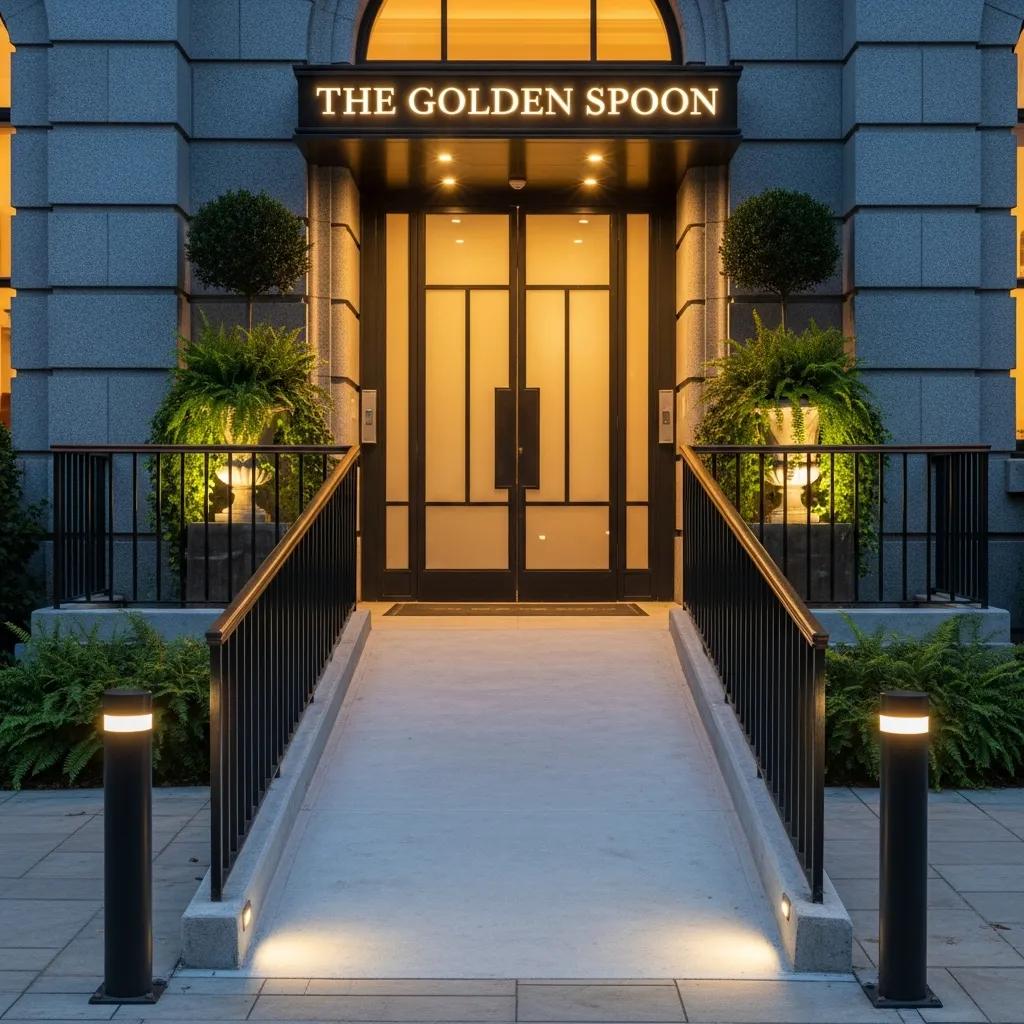
Wheelchair‑accessible entry in a refined restaurant means a step‑free approach, a clear threshold, and thoughtful interior circulation that balances safety with ambiance. Kaviar’s layout prioritizes an uninterrupted route from the street to the host stand and dining areas, using level thresholds or discreet ramps where appropriate and ensuring doorways accommodate standard mobility devices. Our team is trained to offer escort assistance when needed and to help with doors or brief service adjustments while preserving your privacy and dignity. Clear circulation reduces bottlenecks and lets guests using wheelchairs move to the sushi counter or private dining spaces with minimal disruption. Knowing our entrance and pathway setup helps you choose arrival times and request curbside assistance if desired.
What Accessible Seating and Dining Arrangements Are Available?
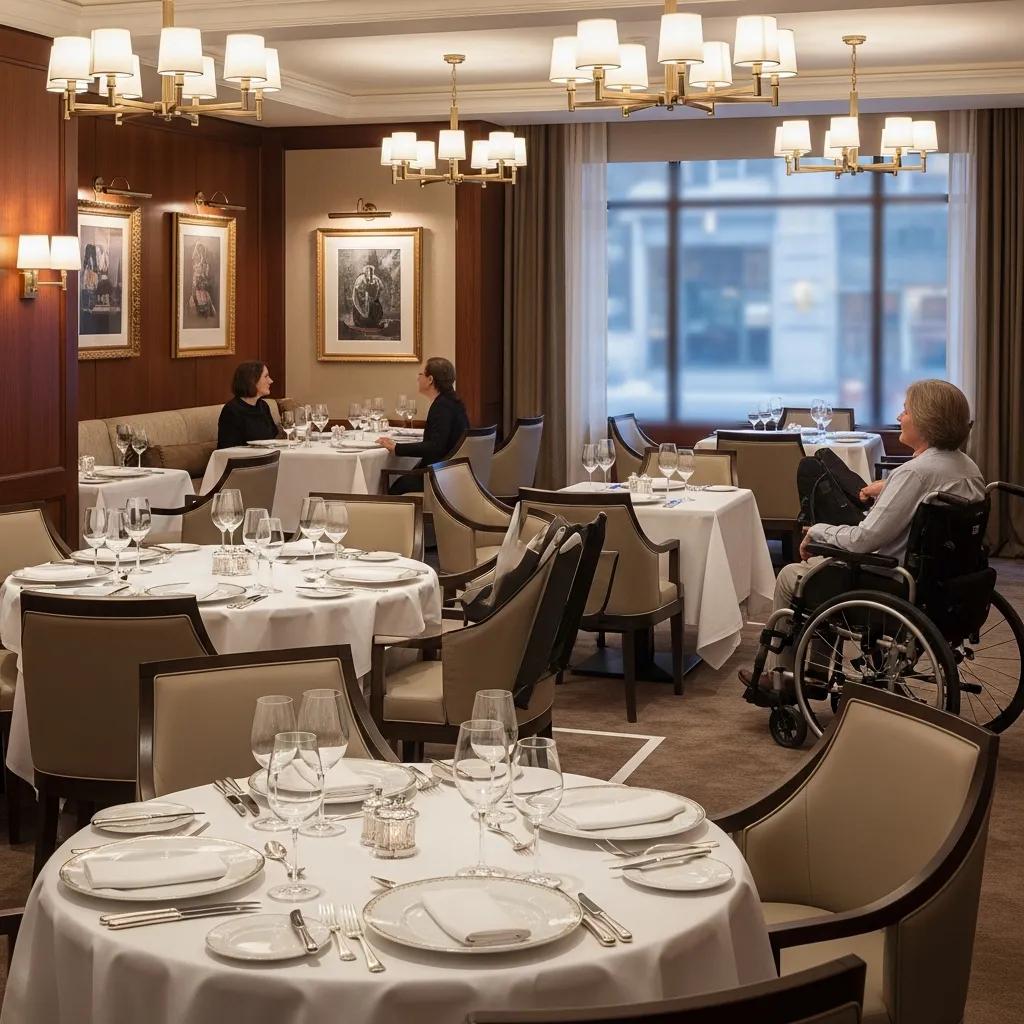
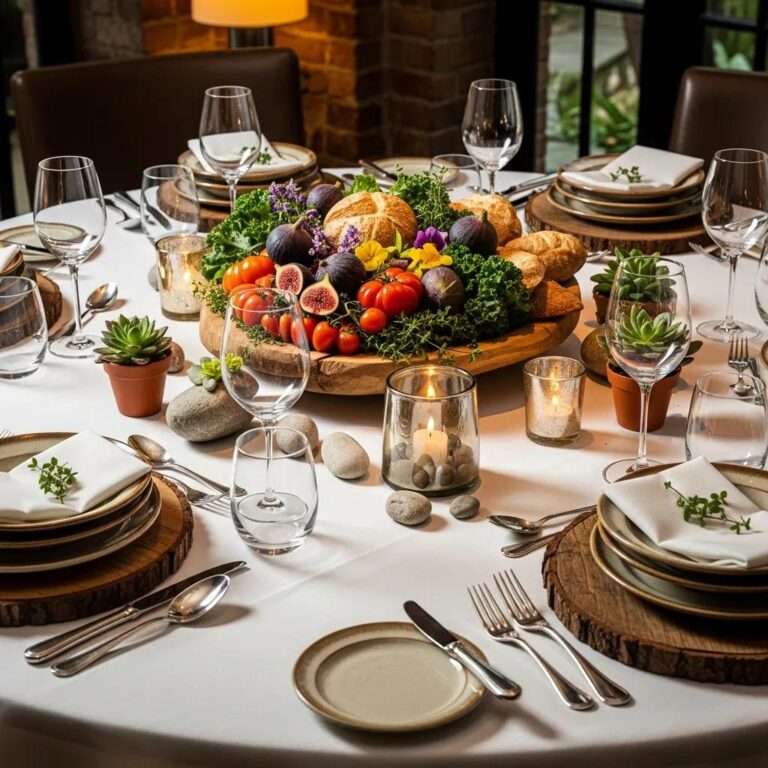
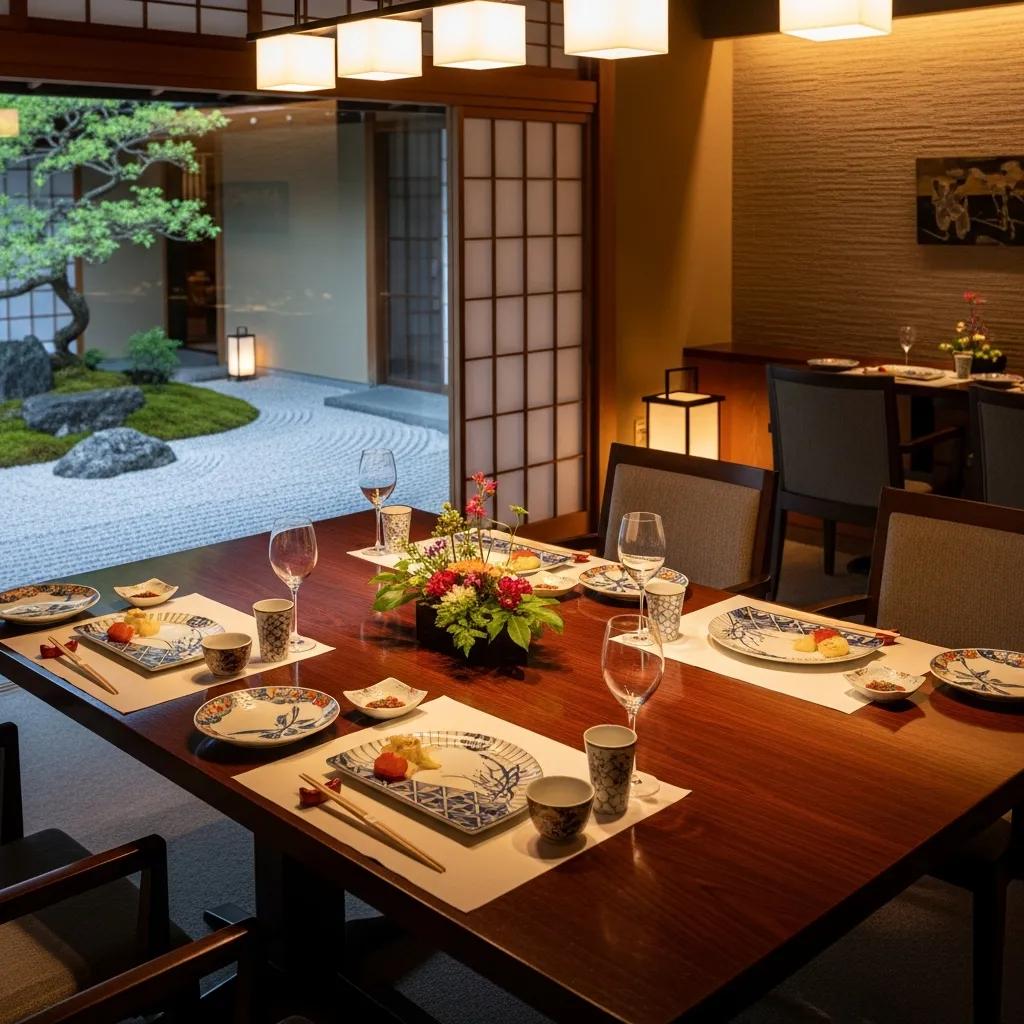
Our seating options include tables with generous knee and foot clearance, removable chairs for wheelchair docking, and flexible layouts that allow transfers or space for companions. If you tell us when booking, our staff can reconfigure seating to meet your needs, and we offer quieter, lower‑traffic spots for guests sensitive to sound or stimulation—while preserving the integrity of the omakase or tasting flow. Table heights and clearances align with ADA‑informed comfort guidelines, and servers are trained to describe plate placement and assist discreetly during courses. We recommend adding accessibility notes to your reservation or calling our phone contact so we can prepare your preferred seating and any assistive accommodations in advance.
The table below provides a quick summary of key physical features and the guest benefits they deliver.
This table summarizes core physical accessibility features and the guest benefits they deliver.
This concise overview shows how design choices protect dignity and independence, and it prepares you for the operational accommodations described next.
How Does Kaviar Support Guests with Special Needs and Inclusive Service?
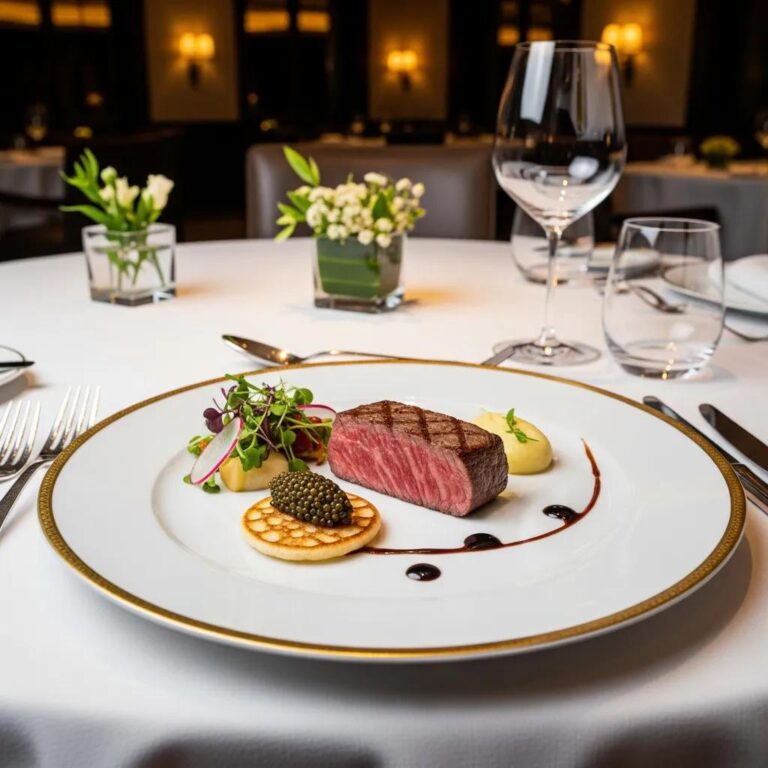
Inclusive service at Kaviar combines clear policies, proactive kitchen communication, and staff training so guests with disabilities receive consistent, respectful support. We prioritize service animal etiquette, careful allergy and dietary protocols, and accommodations for sensory sensitivities during multi‑course service. Operationally, reservation notes are shared with front‑ and back‑of‑house teams, chefs plan suitable substitutions when possible, and servers confirm needs on arrival to reduce cross‑contact risks. These practices protect guest health and comfort while preserving the quality and presentation of dishes like delicate sushi and A5 Wagyu.
- Service animal acceptance and seating protocols: We follow ADA‑aligned practices and arrange seating that works for both guest and animal.
- Allergy notification and kitchen communication: Reservation notes and on‑arrival confirmation prompt special handling in the kitchen.
- Sensory accommodations and quiet seating: We offer lower‑volume sections and adjusted service pacing when requested.
These operational steps build trust and set clear expectations; the following sections outline our policies on service animals and dietary management.
What Is Kaviar’s Service Animal Policy?
Service animals are welcome in our dining areas in line with ADA guidance. When you tell us in your reservation note or call ahead, our front‑of‑house team plans seating that keeps pathways clear and provides an area where the animal can rest safely beside you. Staff are trained to avoid assumptions, to ask only the questions permitted under ADA rules, and to make discreet service adjustments if the animal needs brief attention. If you have a preferred seating location related to your service animal, please note it at booking so we can reserve the best spot.
How Are Dietary Restrictions and Allergies Managed?
Managing allergies and dietary restrictions in a fine dining kitchen requires clear, proactive communication. Please indicate any allergies or dietary needs in your reservation notes or call ahead so our culinary team can plan safe options within the omakase or à la carte framework. On arrival, servers reconfirm needs and flag orders for the kitchen to trigger special preparation protocols. Where feasible, we use separate prep steps, dedicated utensils, and clear labeling to reduce cross‑contact while preserving the integrity of premium dishes. For severe or complex allergies, advanced notice and a phone conversation help us assess risk and discuss safe alternatives before you arrive.
These service practices naturally extend to our digital tools, which help guests communicate needs and confirm accommodations before their visit.
What Digital Accessibility Features Support the Kaviar Experience?
Digital accessibility helps guests prepare before they arrive by ensuring menus, reservation tools, and website content work with screen readers and other assistive technologies. HTML menus with clear structure and accessible reservation fields let guests with visual or cognitive differences review offerings, note allergies or seating preferences, and complete bookings independently. When digital assets are not fully accessible, we offer alternate formats or phone assistance to bridge the gap. These digital measures align with our physical and service‑level accommodations to create a smooth, cohesive guest journey from discovery to dining.
Different digital assets have different accessibility attributes; the table below explains how to use each and request help when needed.
This comparison helps you choose the best channel to request accommodations and ensures our reservation process supports diners who need clarification or assistance.
Is the Kaviar Website and Online Menu Screen‑Reader Friendly?
Many guests ask whether menus are available in semantic HTML for reliable screen‑reader navigation. Where menus are published only as untagged PDFs, they can create barriers. We recognize the importance of providing screen‑reader friendly HTML menus or properly tagged PDFs so visually impaired guests can access ingredients, descriptions, and pricing independently. If you encounter an inaccessible format, please use the reservation special‑requests field or call our phone contact to request an alternate format or a verbal menu review before your visit. These steps help bridge online discovery and an uninterrupted in‑restaurant experience, and they allow our team to prepare for any dietary or seating needs you communicate in advance.
How Can Guests Request Accessibility Accommodations When Booking?
You can request accommodations in the reservation workflow by entering details in the special‑requests or notes field, or by calling our phone contact to speak with a staff member who will confirm arrangements. For best results, provide details about mobility devices, service animals, seating preferences, or dietary restrictions when you book so front‑ and back‑of‑house teams can record and plan for those needs. Lead time depends on request complexity, but advance notice helps ensure seating configurations and menu adjustments are ready on arrival. After you submit a reservation note, staff will typically confirm accommodations and may reconfirm on arrival to finalize any last‑minute adjustments.
These reservation steps connect directly to restroom and parking details that affect your arrival logistics, which we outline next.
Where Are Kaviar’s Accessible Restrooms and Parking Located?
Knowing restroom and parking details makes arrival and departure easier, so mobility needs are covered beyond the dining room. Accessible restrooms feature grab bars, sink heights within reach, and turning radius to support independent use. Nearby accessible parking, curb cuts, and clear drop‑off guidance shorten the walk and enable safe transfers from vehicle to entrance. We provide concise facility facts and walking‑distance cues so guests with mobility needs can choose the best arrival route and timing.
The short facility table below outlines restrooms and parking features to help you plan your visit.
This quick orientation helps you plan logistics and leads into specifics about restroom fixtures and parking guidance.
What Are the Features of Kaviar’s Wheelchair‑Accessible Restrooms?
Accessible restrooms should include grab bars beside the toilet, a clear turning circle, reachable sink and mirror heights, and an outward‑opening or easily operable door to support independent use. Our restroom layout is designed to meet these practical needs while maintaining the restaurant’s aesthetic. If you use larger mobility equipment or require an attendant, let us know in advance so staff can prepare or suggest alternate facilities. Clear signage and staff familiarity with restroom access reduce confusion and help ensure a dignified experience for all guests.
Where Is Accessible Parking Near Kaviar?
Accessible parking and convenient drop‑off points shorten the distance between transport and our entrance, reducing physical strain for mobility device users and companions. On‑site availability can vary, so please indicate parking or drop‑off needs when you reserve and our team will advise the best approach and prepare curbside assistance where possible. If you’re arriving by public transit or ride service, we can recommend nearby drop‑off points with curb cuts or short, level walks to the entrance—calling ahead helps ensure staff are ready to assist with luggage, wheelchairs, or companions. These arrival logistics let you focus on the meal, not the route.
Why Accessibility Matters for Luxury Dining at Kaviar
Accessibility is essential to luxury hospitality: it ensures comfort, dignity, and full participation for every guest, which in turn drives satisfaction, repeat visits, and positive recommendations. In premium Japanese dining—where multi‑course service, precise plating, and sensory detail matter—accessibility ensures guests receive the same level of care and presentation as anyone else. ADA‑aligned practices reduce legal risk, broaden access to guests with disabilities, and reinforce our reputation with accessibility‑minded diners. Thoughtful design and staff preparedness are part of exceptional hospitality—they improve experience quality and operational resilience.
- Guest satisfaction: Accessibility enhances comfort, confidence, and loyalty.
- Legal and ethical alignment: Compliance supports equitable access and business stability.
- Market expansion: Inclusive practices welcome a wider range of guests, including accessible tourism.
These benefits illustrate how accommodations improve individual experiences and business outcomes; the next sections explore those advantages in practice.
How Does Kaviar’s Accessibility Commitment Improve Guest Satisfaction?
When accessibility is integrated into service design, guests feel more comfortable and confident—results that often lead to repeat visits and strong recommendations. Practical steps—confirming preferred seating, offering verbal menu descriptions, or pacing service discreetly—remove friction that could distract from enjoying omakase or signature courses. Staff training to anticipate and respond to accessibility needs builds trust, lowers stress during service, and preserves the elevated atmosphere you expect at a fine dining restaurant. These investments translate into measurable satisfaction and lasting patron relationships.
What Are the Legal and Community Benefits of ADA‑Aligned Practices?
Following ADA principles offers both legal clarity and social value: it lowers the risk of access‑related disputes, signals respect for guest rights, and aligns the restaurant with broader community standards for inclusion. Beyond compliance, investing in accessibility demonstrates responsibility and can strengthen brand perception among diners who prioritize equitable treatment. Practical steps—such as accessibility audits, adding AccessibilityFeature schema to informational pages, and ongoing staff training—support continuous improvement without compromising service quality. These actions help Kaviar meet obligations while welcoming a diverse and loyal guest base.
Practical and reputational advantages naturally lead to how guests can share feedback or request more information, which we cover next.
How Can Guests Ask Questions or Share Feedback About Accessibility?
If you’d like to confirm accommodations, offer feedback, or learn more about accessibility options, we provide several ways to reach us. The most direct methods are to add detailed accessibility notes in your reservation, call the restaurant’s phone contact to speak with staff, or reconfirm on arrival so our team can implement accommodations immediately. Kaviar values feedback and uses it to inform staff training, facility updates, and digital improvements. Clear channels for input help keep accessibility an active part of our service, not a one‑time checklist.
- Reservation note: Include mobility, service animal, or dietary needs when booking.
- Phone contact: Call the restaurant’s listed number for immediate or detailed requests.
- On‑arrival confirmation: Reconfirm needs with staff so accommodations are enacted without delay.
These contact options give you multiple ways to engage and feed our continuous improvement process, which the following paragraph describes in operational terms.
What’s the Best Way to Contact Kaviar About Accessibility?
The most reliable approach is to add specific notes to your reservation and then call the restaurant’s phone contact to confirm those notes were received and logged for service and kitchen teams. When you call, include essentials such as date and time, the type of mobility device or assistance you’ll need, any service animal details, and dietary restrictions so staff can coordinate with chefs and servers. Our team records requests in the reservation system and typically reconfirms on arrival; this redundancy reduces miscommunication and ensures appropriate seating and plating arrangements. Using both the reservation note and a phone confirmation improves reliability for more complex accommodations.
How Does Kaviar Use Guest Feedback to Improve Accessibility?
We treat guest feedback as practical input for continuous accessibility improvements. Comments are routed to managers who review operational procedures, training priorities, and digital assets. Feedback can prompt targeted updates—staff refreshers on service animal etiquette, table configuration adjustments, or requests for accessible document formats. When digital barriers are reported, we pursue audits and remediation plans to improve screen‑reader compatibility and reservation workflows. Inviting and acting on feedback ensures our accessibility evolves with guest expectations and best practices.
This explanation closes the loop on how we maintain accessibility and invites guests to help us make the dining experience better for everyone.
Frequently Asked Questions
What types of dietary accommodations can Kaviar provide for guests with allergies?
We’re committed to helping guests with dietary restrictions dine safely. When you make a reservation, please list allergies or dietary needs in the special‑requests field. Our culinary team will prepare appropriate options and take precautions to reduce cross‑contact. On arrival, servers reconfirm those needs to ensure the kitchen implements special handling. This proactive approach helps us maintain dish integrity while prioritizing your safety.
Are there any specific training programs for Kaviar staff regarding accessibility?
Yes. Kaviar provides comprehensive staff training focused on accessibility and inclusivity. Training covers service animal etiquette, allergy and dietary management, sensory accommodations, and assistance for guests using mobility devices. By fostering awareness and sensitivity, we ensure guests receive respectful, attentive service that enhances the overall dining experience.
How does Kaviar handle sensory sensitivities for guests during their visit?
We recognize that some guests have sensory sensitivities and offer accommodations to improve comfort. Options include quieter seating areas, adjusted service pacing, and reduced noise during multi‑course meals. Please let us know your needs when booking so we can prepare an experience tailored to your preferences.
What measures does Kaviar take to ensure online accessibility for guests?
Kaviar prioritizes digital accessibility by making website content and online menus compatible with screen readers and assistive technologies. Where possible, we provide HTML menus with clear headings and offer alternate formats on request. We also include reservation fields for accessibility needs and offer phone assistance when digital assets fall short.
Can guests provide feedback about their accessibility experience at Kaviar?
Absolutely. We welcome feedback about accessibility. You can include detailed notes in your reservation, call the restaurant directly, or share feedback on arrival. Guest input is essential for improving our practices and ensuring a welcoming environment for all patrons.
What should guests do if they encounter accessibility issues during their visit?
If you encounter any accessibility issues during your visit, please speak with a staff member immediately. Our team is trained to respond promptly and make adjustments to ensure your comfort. You may also provide feedback after your visit—comments are reviewed and used to improve future accessibility measures. We are dedicated to creating an inclusive environment and value your input.
Conclusion
Kaviar brings together luxury dining and thoughtful accessibility so every guest can enjoy an exceptional meal without barriers. By investing in considered design, ongoing staff training, and clear communication, we strive to meet—and often exceed—the expectations of diners with diverse needs. Explore our menu and make a reservation with any accessibility details so we can prepare a memorable experience tailored to you. We look forward to welcoming you to Kaviar.