



Seasonal Dinner Menu: Fresh Flavors and Culinary Innovations at Kaviar Restaurant in Pasadena
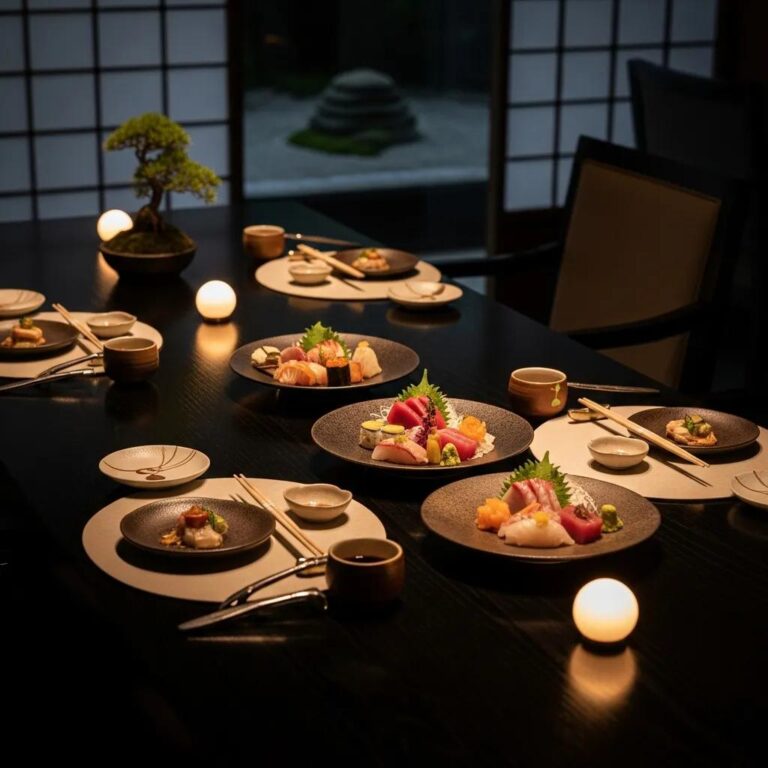
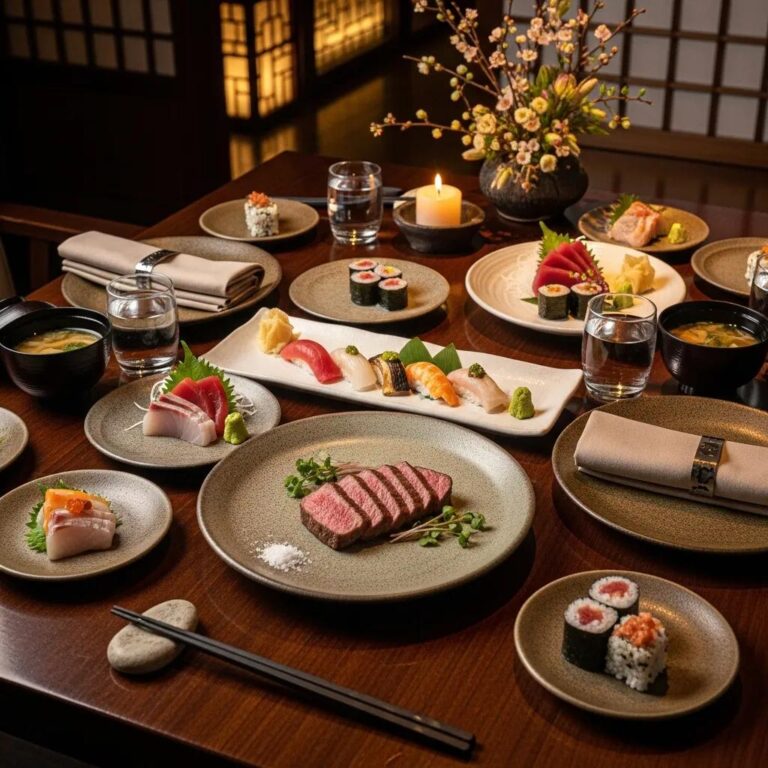
Our Seasonal Dinner Menu at Kaviar in Pasadena is a tasting-driven journey that celebrates peak-season ingredients, exacting Japanese techniques, and thoughtful presentation. On this page we explain how seasonality informs the menu, how the chef maps an omakase progression, and why select luxury elements—like Miyazaki A5 Wagyu and curated caviar—appear sparingly to enhance flavor. Many guests seek a refined Japanese experience that balances pristine raw seafood with warm, cooked dishes; our menu answers that desire by pairing provenance-forward ingredients with inventive, restrained technique. Below we outline our sourcing philosophy, guide you through a typical omakase flow, spotlight signature Wagyu and caviar moments, describe key culinary innovations and pairing strategies, and explain how to reserve this limited, reservation-first experience. You’ll also find practical notes on what to expect and why seasonality matters for taste and texture in contemporary Japanese fine dining.
What Defines Our Commitment to Fresh, Seasonal Ingredients?
At Kaviar, seasonality isn’t a buzzword—it’s how we choose ingredients and build flavor. We source vegetables, seafood, and specialty proteins at their peak, then apply precise, minimal technique to let each component read clearly on the plate. By timing menu cycles to harvest and catch windows, we preserve intensity and avoid masking with heavy sauces. The result is a dinner where texture, aroma, and the ingredient’s integrity are front and center, creating clear flavor lines and satisfying contrasts between raw and cooked courses. Below we detail the sourcing practices that make this approach possible and how we balance local immediacy with occasional global rarities.
We pair close relationships with local farms and fisheries with selective global imports, scheduling frequent deliveries to keep flavor and provenance consistent. Nearby producers supply root vegetables, herbs, and local shellfish at their peaks; trusted importers provide specialty items—like Miyazaki A5 Wagyu and certain caviars—only when they meet our standards. Every delivery is inspected and tasted by the chef and tracked through inventory rotation so only ingredients that meet our tasting-menu criteria reach service. This network and cadence let the kitchen rotate dishes naturally and present limited items during narrow windows.
Sustainability and yield-conscious cooking guide our sourcing choices. When an ingredient is at its best, we amplify it rather than overworking it. We also use short preservation techniques—quick pickles, light ferments—to extend flavor life and reduce waste, letting us layer acidity and texture across courses. These practices support local producers, minimize loss, and keep dishes dynamic across weeks and quarters. Understanding these choices clarifies why menus shift with the seasons and leads us into a quarter-by-quarter ingredient spotlight.
Kaviar’s seasonal rotation reflects natural cycles and our Pasadena context, keeping the menu fresh and encouraging return visits. Each rotation offers new combinations, switched preparations, and updated pairings that align with seasonal beverages. This rhythm keeps the dining experience current and teaches guests how taste and texture evolve over the year. Below are the key sourcing practices that make this model work.
Kaviar’s core sourcing practices include:
- Frequent local pickups and deliveries: to use delicate produce and shellfish at peak texture.
- Selective global imports for rare items: bringing specialty proteins and caviars only when they fit the seasonal plan.
- Chef-driven quality control: tasting and inspection on receipt to uphold consistent standards service to service.
These practices give the kitchen a stable foundation for a seasonal tasting menu that highlights both local freshness and occasional global luxury without compromising quality.
How Does Kaviar Source Local and Global Seasonal Ingredients?
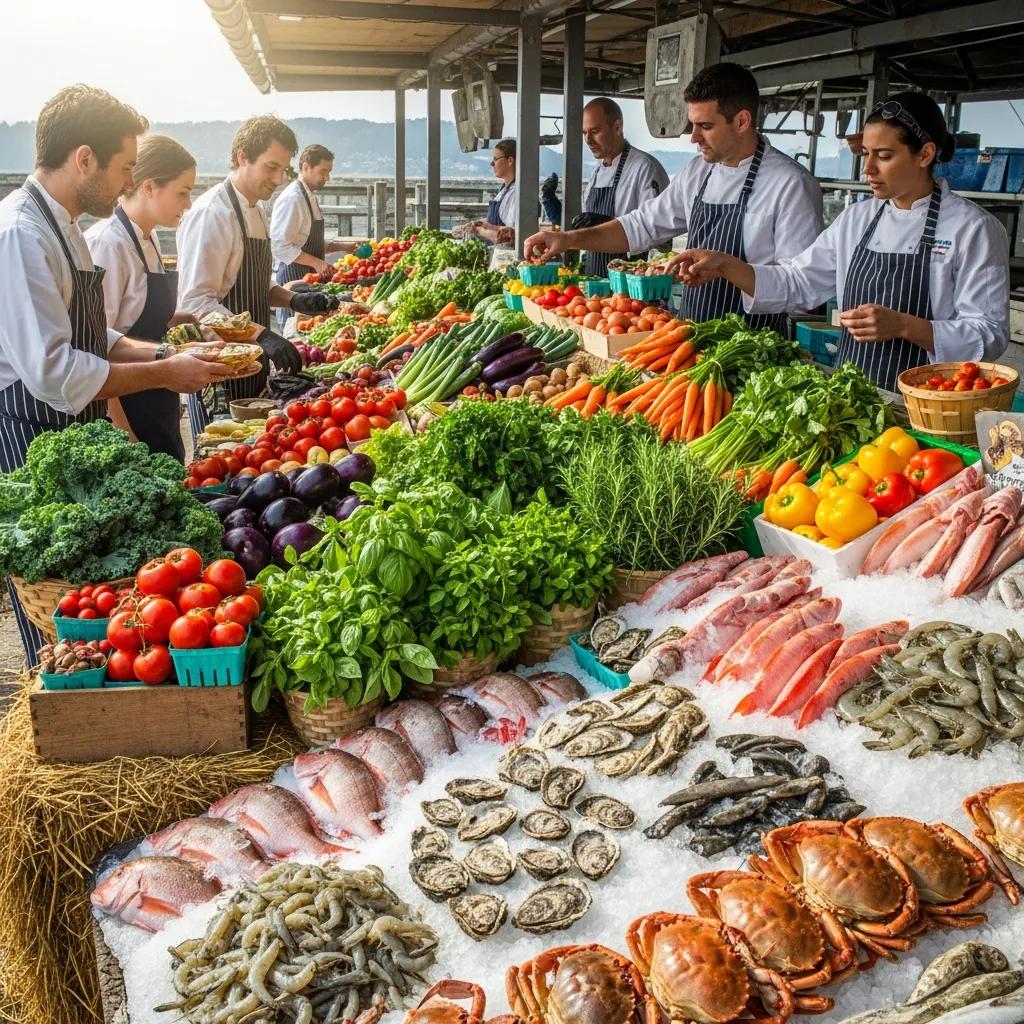
We source local items through long-standing relationships with farms and fisheries, timing pickups and deliveries to harvest and market windows so produce and seafood arrive at peak condition. For global specialties—specific A5 Wagyu lots or prized caviars—we work with vetted importers who verify origin and handling, allowing us to include rare items when appropriate. Every shipment undergoes chef-led inspection and tasting for texture, aroma, and color; only ingredients that pass our standards enter the kitchen. Combining local immediacy with selective global curation lets Kaviar elevate the tasting experience while keeping supply chain transparency.
Which Seasonal Ingredients Highlight Our Menu Each Quarter?
Each quarter introduces a distinct ingredient palette across sushi, warm preparations, and preserved accompaniments, giving the chef room to craft balanced menus that emphasize contrast and seasonality. Spring leans toward delicate fish, tender shoots, and bright citrus; summer brings fattier cuts and ripe vegetables; autumn favors mushrooms and heartier shellfish; winter spotlights dense roots and concentrated proteins. Preparations rotate—sashimi, sear, pickle, grill—to showcase texture and pairings that suit each season. Below is a concise seasonal snapshot of representative items and their typical uses.
- Spring (Mar–May): delicate whitefish for sashimi, young herbs as accents, quick-pickled roots as palate cleansers.
- Summer (Jun–Aug): richer tuna cuts and shellfish with cooling acids, and grilled seasonal vegetables.
- Autumn (Sep–Nov): wild mushrooms in warm preparations, and medium-fat fish with umami-forward accompaniments.
- Winter (Dec–Feb): dense root vegetables, braised seafood, and occasional premium showcases like Miyazaki A5 Wagyu in small portions.
These quarterly rotations keep the menu tightly tied to seasonality and offer variety across multiple visits.
How Can You Experience the Chef’s Seasonal Omakase Journey?
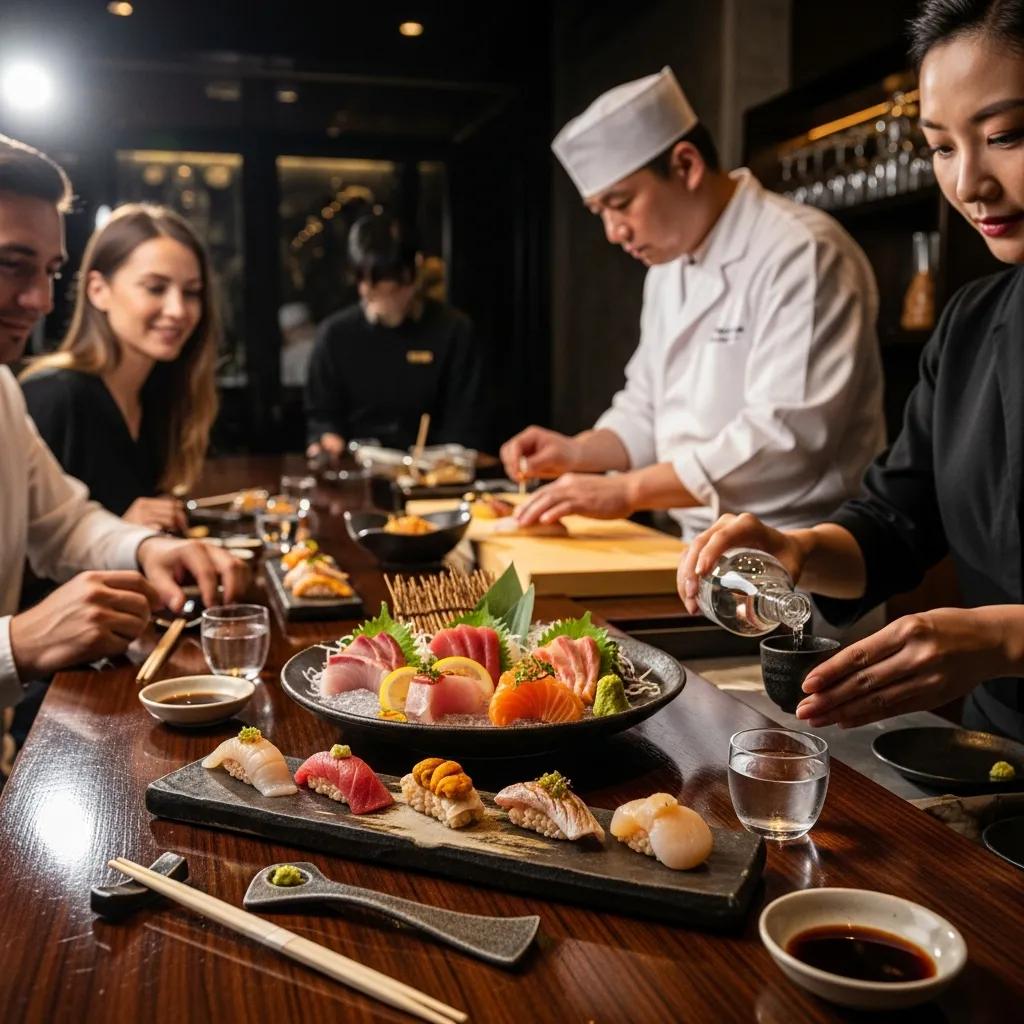
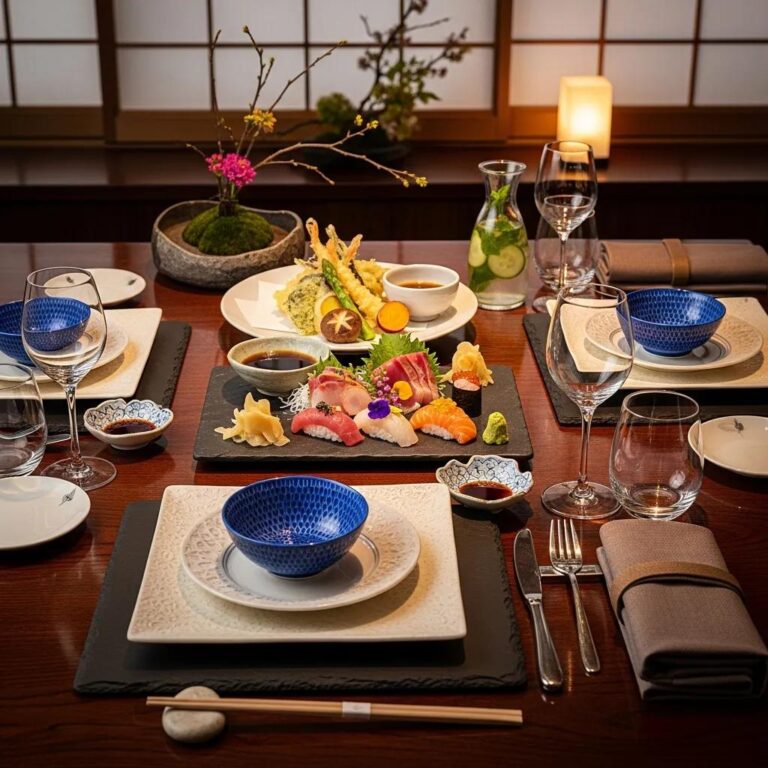
Omakase at Kaviar is a chef-led progression where the kitchen crafts the menu nightly based on seasonality, ingredient quality, and guest preferences. The chef sequences courses to build flavor, contrast textures, and maintain balance—moving from delicate cold bites to warmer, richer finishes—so each course primes the palate for the next. Guests enjoy personalized pacing and can request adjustments for allergies or preferences, creating an engaged dining rhythm that showcases the best available items. Below we explain what sets our omakase apart, offer a sample course progression to illustrate sequencing, and list what to expect when reserving.
What makes our omakase distinct is a focus on premium raw seafood, meticulous nigiri technique, and the occasional, deliberate inclusion of specialty items—A5 Wagyu or curated caviar—when they complement the season. The chef tailors temperature, seasoning, and acidity to each ingredient and finishes dishes with subtle touches—micro-garnishes, a light torch, or restrained sauces—that accent rather than overpower. Service pacing is intentional: courses move at a tempo that leaves room for tasting, conversation, and anticipation, welcoming both seasoned sushi fans and first-time omakase diners. The table below clarifies a typical course progression and guest sensations.
This sample omakase sequence shows how course type, preparation, and expected guest sensations connect.
This progression demonstrates deliberate pacing—alternating raw and warm—and combines occasional luxurious inclusions with responsibly sourced seasonal items.
When booking omakase, expect limited seating, a tasting length that varies with course count, and occasional menu changes based on availability. The chef’s selections emphasize seasonal variety, technical precision in nigiri, and intermittent high-grade proteins or caviar offerings that rotate with inventory. Knowing this format helps guests understand why certain items are limited and why reservations are recommended well in advance for peak dates.
What Makes Our Omakase Selection Unique in Pasadena?
Kaviar’s omakase stands apart in Pasadena through rigorous sourcing, deliberate pacing, refined plating, and a willingness to introduce rare specialty items when they enhance the seasonal story. Occasional highlights—select caviars or small Miyazaki A5 Wagyu bites—create memorable peaks without eclipsing the seafood narrative. The kitchen focuses on handcrafted rice, precise knife work, and finishing techniques that reveal each ingredient’s character, producing a subtle, curated arc. Rather than a transactional counter, Kaviar offers boutique luxury and narrative flow, making each seat feel like a considered tasting with attentive service.
Which Seasonal Fish and Dishes Are Featured in the Omakase?
The omakase typically features a rotating selection of seasonal fish—delicate whitefish, medium-fat tuna cuts, and oily varieties when they’re at their best—prepared as sashimi, nigiri, or lightly seared pieces. Preparations are chosen to highlight texture—paper-thin sashimi for silkiness, nigiri for the rice-and-fish interplay, and a sear for warm caramelized notes—so guests experience a range of sensations in one service. The chef sequences items to contrast mouthfeel and intensity and may include cooked or marinated interludes for balance.
Understanding these categories helps guests set expectations for variety and pacing in the omakase journey.
What Are the Signature Seasonal Dishes Featuring A5 Wagyu and Caviar?
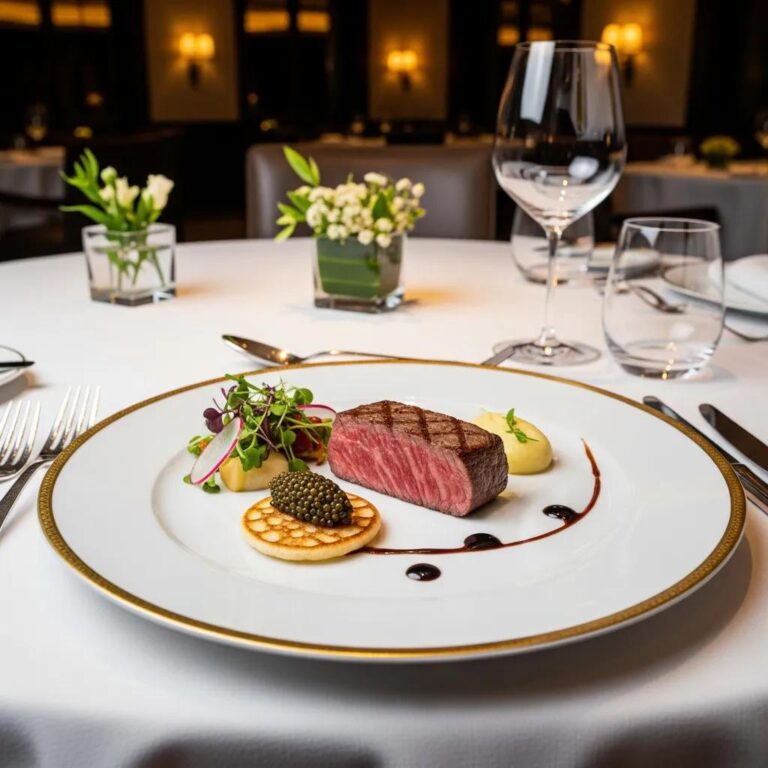
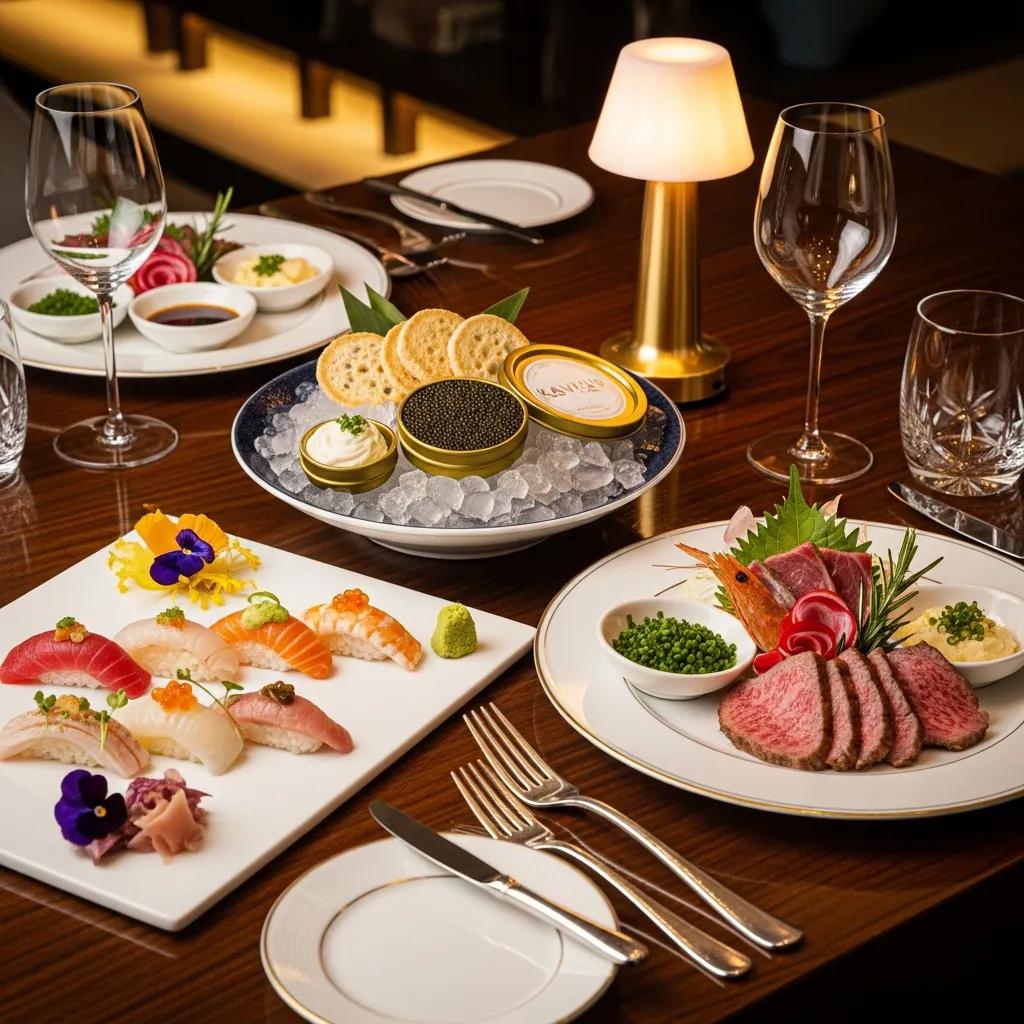
Signature plates on our seasonal menu place Miyazaki A5 Wagyu and curated caviar as focal highlights within a broader tasting narrative, not as standalone spectacles. We use these premium ingredients sparingly and deliberately—restrained seasoning, precise cookery, and pairing choices that underscore umami and texture. Presentation favors tactile contrast—tender Wagyu beside crisp garnishes or delicate caviar set on cool carriers. Below is a comparison of representative signature items with notes on origin, tasting, and pairing logic.
The following table compares representative signature dishes, their primary origins, and tasting/pairing notes for quick reference.
This comparison shows how origin and preparation shape tasting expectations and beverage matches.
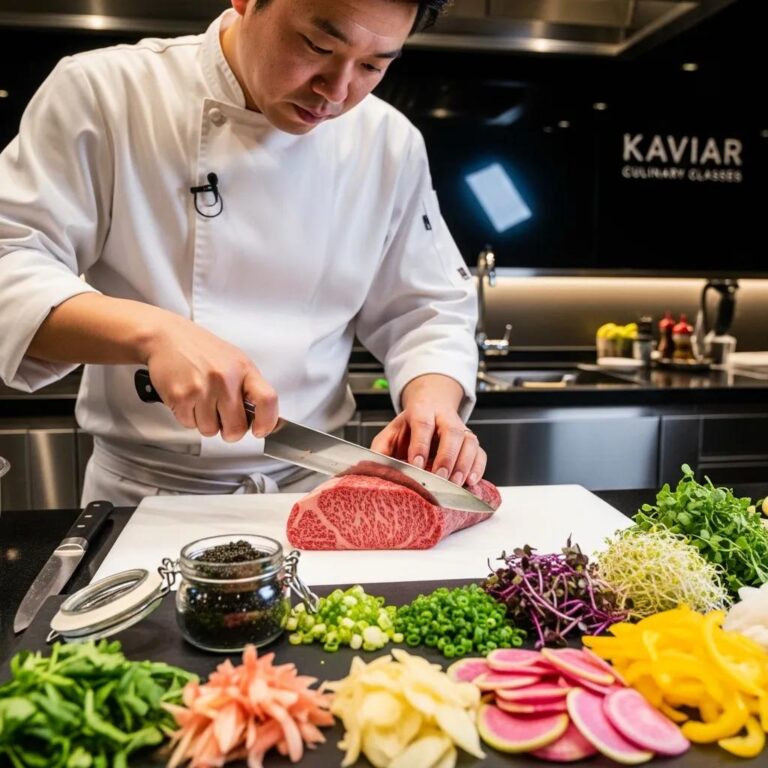
We present Miyazaki A5 Wagyu in measured formats—single-piece nigiri to showcase raw fat texture, a quick sear to develop Maillard notes, or a small tartare to concentrate flavor. A5 grading signals extreme marbling and silkiness, so portions are intentionally small to preserve mouthfeel and structure. Pairings favor beverages that either cut through richness or amplify umami; condiments remain restrained so the Wagyu’s depth remains front and center. Due to sourcing limitations, these preparations are offered only intermittently.
How Is Miyazaki A5 Wagyu Showcased in Our Seasonal Menu?
Miyazaki A5 appears in concise preparations designed to highlight its marbling and delicate flavor—common expressions include a single nigiri, a light sear finished with salt, or a tiny tartare brightened with citrus and herbs. The chef chooses the technique to either celebrate unadulterated fat texture or to introduce aromatic balance. Portions remain small to preserve the tasting flow, and recommended pairings often include fuller sakes or medium-bodied wines that bridge fat and acidity. Presented as a highlight rather than a main, Miyazaki A5 invites guests to savor its nuance within a multi-course progression.
What Are the Distinctive Caviar Selections and Pairings Offered?
Our caviar selections emphasize textural contrast and saline complexity, typically served chilled with neutral carriers and minimal garnish to keep the focus on the roe. Varieties like Kaluga—valued for larger pearls and a buttery mouthfeel—are paired with light accompaniments that add acid or crunch without competing. Beverage matches lean to clean, mineral-driven sakes or sparkling styles that refresh the palate between richer courses. Service notes emphasize neutral spoons and chilled presentation so the caviar’s purity shines. Portions and plating are designed for a luxurious interlude that complements the seasonal flow.
How Do Culinary Innovations Enhance Our Seasonal Dinner Experience?
At Kaviar, innovation is always ingredient-led: modern techniques are applied to seasonal produce to reveal new textural and savory dimensions, not for show. From controlled fermentations and precise aging to subtle theatrics that engage sight and aroma, each method is chosen to deepen flavor or contrast a course—light fermentation for spring vegetables, smoke to add texture to delicate seafood—so the technique supports the seasonal narrative. Below we outline specific innovations, their benefits, and pairing implications for sake and wine.
We use a focused set of advanced techniques—short lacto-ferments, precision sous-vide for select proteins, finishing with a torch, and measured cold-smoking—to reshape texture and enhance umami while keeping the ingredient’s essence intact. Chefs apply these methods sparingly and with purpose, choosing techniques that heighten savoriness, add aromatic contrast, or refine mouthfeel. The guest benefit is a layered sensory journey where visual and aromatic detail enhances, rather than distracts from, the ingredient’s quality. The table below summarizes innovations, technique, and guest benefit.
Techniques that boost umami or introduce smoke often require pairing choices with higher acidity or mineral character to keep balance. For raw fish we suggest delicate junmai sakes and crisp whites; richer preparations—like seared Wagyu—pair well with fuller-bodied sakes or restrained reds that echo savory depth. Our kitchen and service team coordinate to recommend matches that honor each technique and ensure the beverage supports the course.
Which Innovative Preparations and Presentations Define Our Menu?
Signature methods include short ferments to deepen vegetable umami, cold-smoking delicate seafood to add aromatic layers, and precision searing or torching to create texture without overcooking. Presentation touches—aromatic vessels or subtle tableside finishes—add a sensory dimension that strengthens aroma-driven perception and guest memory. Every technique is chosen to amplify an ingredient’s strengths rather than mask them, resulting in a menu that feels contemporary yet rooted in authentic Japanese craft. These choices create surprising moments that remain cohesive within the seasonal story.
What Are the Recommended Sake and Wine Pairings for Seasonal Dishes?
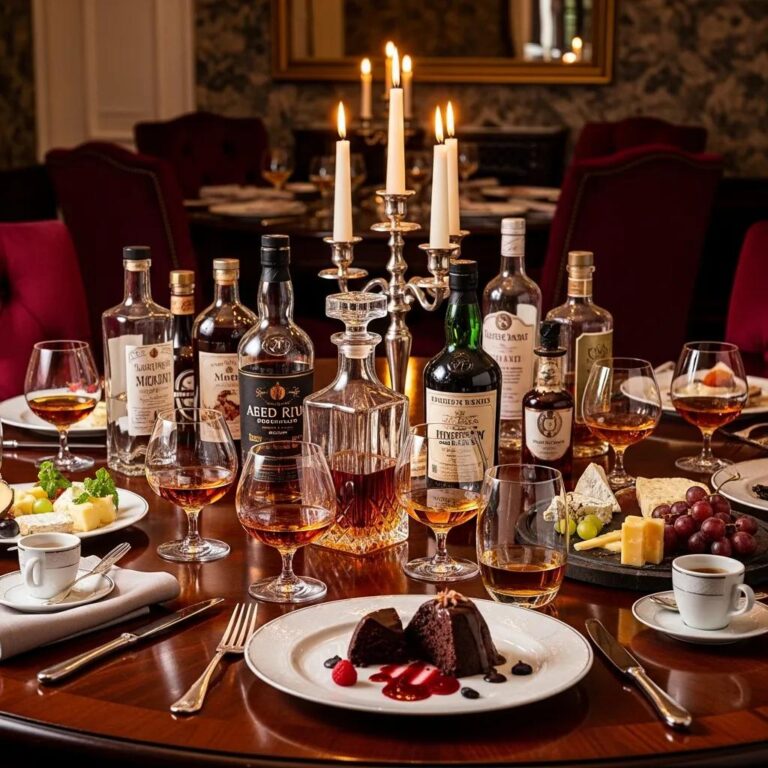
We match beverage structure to dish attributes—acidity and minerality for raw seafood, gentle effervescence for caviar, and fuller body with soft tannin or aged sake for rich Wagyu preparations. Guiding principles include selecting lighter, floral or mineral-forward sakes for delicate sashimi; crisp, citrus-driven wines for vinegared or pickled bites; and richer, oak-minimal whites or rounded reds for seared proteins. Temperature and glassware are tailored to preserve aromatics and texture so beverages enhance the tasting arc rather than dominate it. Thoughtful pairings elevate each course and highlight our seasonal selections.
How Can You Reserve Your Luxury Seasonal Dining Experience at Kaviar?
Booking a seasonal dinner at Kaviar requires choosing the right reservation path and planning ahead for limited omakase seats and specialty-item availability. We emphasize reservations to manage seating and ingredient allocation—especially on nights featuring Miyazaki A5 Wagyu or caviar—so early booking is advised for special dates and larger parties. Reserve through our online booking channel or recognized reservation platforms; private-event requests are handled by our events team to tailor menu and space. Below are step-by-step tips to secure preferred seating.
Follow these steps to book your seasonal dinner at Kaviar:
- Decide Your Experience: Choose between the seasonal dinner or the chef’s omakase tasting—omakase seating is limited.
- Select Date & Party Size: Choose your preferred window and provide accurate guest counts for proper pacing.
- Use the Restaurant’s Reservation Channels: Reserve online via our booking interface or vetted platforms to receive confirmation.
- Communicate Dietary Needs: Note allergies or celebratory requests when booking so the chef can plan substitutions or touches.
We welcome special occasions and offer private or semi-private arrangements through our events team. Guests marking milestones should note celebratory details at booking so we can coordinate timing, pacing, and small service elements that elevate the moment. Availability for private bookings and specialty menus depends on date and sourcing, so early inquiry increases the chances of securing desired features. The process is straightforward: choose the experience, reserve early, and share special requests in advance.
What Makes Kaviar’s Ambiance and Service Ideal for Special Occasions?
Our dining room is designed for refined comfort and attentive service, offering both intimate celebration spaces and focused omakase seating. We aim for a sense of occasion without being overly formal. Service centers on timing, presentation, and thoughtful gestures—menu previews, discreet pacing tweaks, and coordinated service—to make milestones feel curated and personal. Our team manages music level, course rhythm, and any requested surprises while preserving the integrity of the tasting flow. Together these elements create a polished, welcoming environment for anniversaries, small celebrations, and private gatherings.
How Do You Book a Table for Our Seasonal Dinner Menu in Pasadena?
Because seating is limited and the seasonal menu rotates, booking in advance is recommended—especially if you want omakase seating or a specific time. Use our online reservation option or trusted reservation platforms to secure confirmation, and provide party details and dietary restrictions when prompted so the chef can plan substitutions. For private events or custom requests, contact our events team well ahead of your preferred date to discuss menu and space. Early reservations and clear communication let the kitchen allocate seasonal items and craft a seamless dining sequence for your party.
Peak nights and omakase services fill quickly, so secure a spot several weeks in advance when possible—particularly for larger parties or celebratory dates. Sharing dietary restrictions, preferred pacing, or celebratory notes at booking helps us tailor the experience and manage ingredient allocation. The reservation process is simple and guest-focused: reserve early, provide the necessary details, and trust our team to align the seasonal menu to your occasion.
This page explains the thinking, practicalities, and sensory logic behind Kaviar’s Seasonal Dinner Menu in Pasadena. Our seasonal framework, omakase curation, signature A5 Wagyu and caviar highlights, culinary innovations, and reservation guidance show how freshness and careful invention combine to create a distinct luxury Japanese dining experience.
Frequently Asked Questions
What is the significance of omakase in Japanese dining culture?
Omakase—literally “I leave it to you”—is a traditional Japanese style where the chef curates a multi-course meal based on seasonality and the diner’s preferences. It’s based on trust in the chef’s judgment and allows for a personalized progression of flavors and textures. Each course is sequenced to create harmony across the meal, showcasing the chef’s technique and the best ingredients available that day.
How does Kaviar ensure the quality of its seasonal ingredients?
We maintain high standards through a rigorous sourcing and inspection process. Kaviar partners with local farms and fisheries to secure produce and seafood at peak freshness, and with vetted global suppliers for specialty items like Miyazaki A5 Wagyu and select caviars. Every delivery is checked and tasted by the chef to confirm texture, aroma, and color. This hands-on quality control ensures each dish highlights the best flavors and textures.
What types of beverages pair well with Kaviar’s seasonal dishes?
Beverage pairings are chosen to complement the menu. For delicate sashimi and raw seafood, lighter, floral, or mineral-forward sakes enhance freshness. Crisp, citrus-driven wines suit vinegared or pickled bites, while richer, oak-minimal whites or rounded reds work well with seared proteins like A5 Wagyu. Our team recommends pairings that respect each dish’s character so the drink enhances rather than overpowers the food.
Can dietary restrictions be accommodated during the omakase experience?
Yes. We tailor the experience to accommodate allergies and dietary needs when notified at booking. Guests should share restrictions in advance so the chef can plan suitable substitutions or adjustments, ensuring everyone can enjoy the meal safely without compromising the tasting flow.
What is the typical duration of the omakase dining experience at Kaviar?
Omakase duration varies with course count and pacing, but guests can generally expect the experience to last between 1.5 and 2.5 hours. That timeframe allows for a relaxed progression through courses so diners can savor each dish and enjoy the ambiance. Our team adjusts the rhythm to keep the experience comfortable and engaging.
How often does Kaviar change its seasonal menu?
We update the seasonal menu quarterly to reflect shifting ingredient availability and natural harvest cycles. Each season brings new inspiration for the chef, so the menu stays dynamic and encourages repeat visits as flavors and preparations evolve through the year.
What should guests expect during their first visit to Kaviar?
First-time guests can expect a warm, refined atmosphere and attentive service. On arrival we’ll guide you through the menu options—seasonal dinner or omakase—and explain the experience. The meal will feature a thoughtfully sequenced selection of courses that highlight seasonal ingredients, with adjustments available for preferences or dietary needs. Our goal is a memorable, personalized dining journey.
Conclusion
Dining Kaviar’s seasonal menu is an opportunity to experience carefully sourced ingredients and purposeful culinary technique across a considered tasting progression. Each course is chosen to highlight seasonal produce, seafood, and premium proteins while balancing texture and aroma. Reserve your table to enjoy this intimate omakase-style experience—a refined expression of contemporary Japanese fine dining that changes with the seasons. We look forward to welcoming you and sharing what’s best right now.