




Kaviar’s Approach to Allergy & Dietary Accommodations in Gluten-Free Fine Dining
At Kaviar we design gluten‑free, allergy‑aware omakase so guests never have to choose between safety and the ritual of luxury dining. This guide describes how our chef‑led tasting adapts for common restrictions, why strict cross‑contact controls matter, and what guests should expect from reservation to last course. Many diners want both reassurance and the refined atmosphere that accompanies ingredients like A5 Wagyu and caviar; we meet that need by flagging allergy notes at booking, using dedicated kitchen protocols, and tailoring each service. Read on to discover which courses are naturally allergy‑friendly, how our team prevents cross‑contact, the steps to specify needs when you reserve, and the practical benefits of choosing an allergy‑aware fine‑dining omakase in Pasadena.
Which Allergy‑Friendly Omakase Options Does Kaviar Offer?
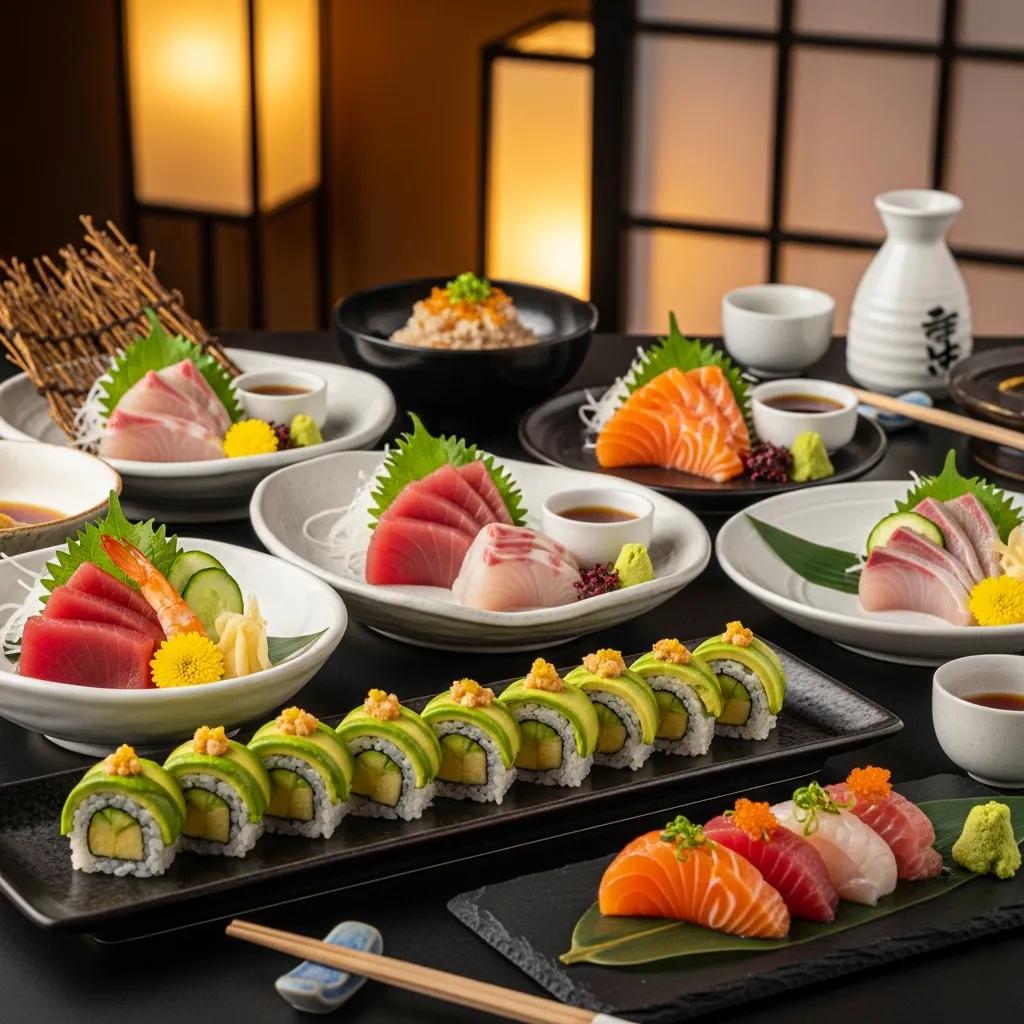
Our allergy‑friendly omakase focuses on intentional course design, thoughtful substitutions, and rigorous cross‑contact prevention so the tasting remains cohesive and true to the chef’s story. For gluten‑free services we swap wheat‑based soy with tamari or crafted reductions and rework breaded or sauced elements to keep the original flavor profile intact. The result is a curated sequence of dishes that highlight premium ingredients while offering nut‑free, seafood‑sensitive, and vegetarian variations on request. Below is a quick overview of the most common approaches we use to accommodate allergies before you reserve.
When you note dietary needs at booking, our team flags the reservation for pre‑service prep and sourcing checks. For gluten‑free requests, that means the kitchen prepares dedicated utensils, plans alternative sauces, and confirms ingredient provenance in advance to reduce cross‑contact. This reservation‑to‑kitchen workflow gives guests a clear, reliable pathway to request accommodations without losing the tasting’s narrative.
Kaviar offers these allergy‑aware omakase formats:
- Naturally Gluten‑Free Sequence: A sashimi‑forward progression that minimizes gluten exposure by emphasizing raw, simply seasoned items.
- Modified Sauces & Seasonings: Tamari and house gluten‑free reductions used to mirror traditional flavors without wheat.
- Chef‑Designed Substitutions: Thoughtful swaps for garnishes or shellfish that preserve balance and luxury.
- Vegetarian & Nut‑Free Sets: Curated progressions centered on seasonal produce and safe, flavor‑forward elements.
These options let guests enjoy allergy‑safe luxury dining while preserving the chef’s intended progression.
Intro to course suitability table: the table below links common omakase components to typical allergen concerns and whether a dish is gluten‑free by default or needs modification.
How Kaviar Ensures Gluten‑Free and Allergy‑Safe Omakase
We prevent cross‑contact through physical separation, designated utensils, and deliberate timing during service. In the kitchen, allergy plates are prepared in specific zones with color‑coded tools; course sequencing is planned so allergy‑safe plates are assembled at times that limit shared‑use overlap. Staff training and a simple verification at seating — where servers confirm reservation notes — close the loop with the chef before the tasting begins. These layered controls lower accidental exposure while allowing the team to preserve texture and flavor.
How We Handle Premium Ingredients Like A5 Wagyu and Caviar
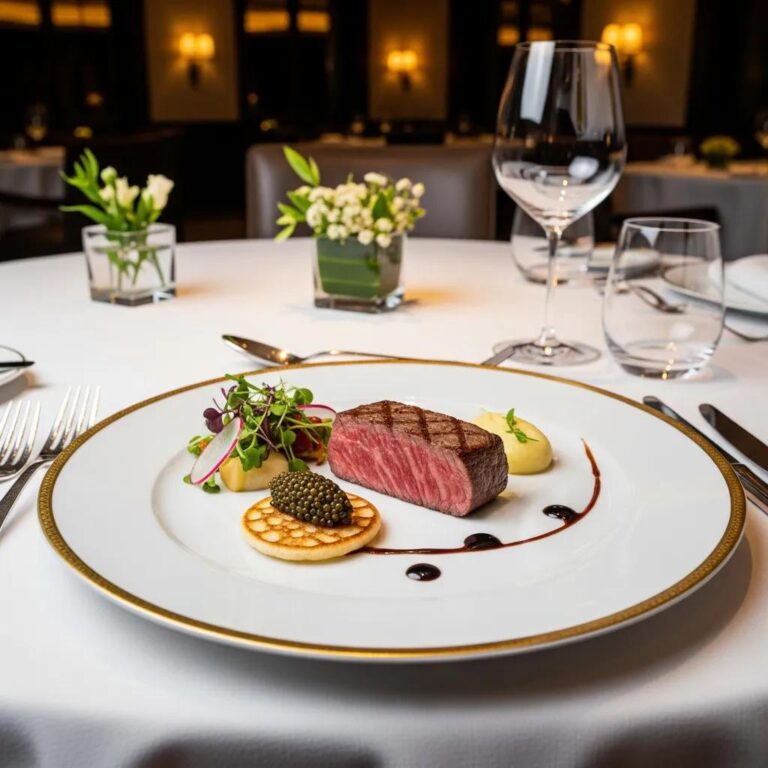
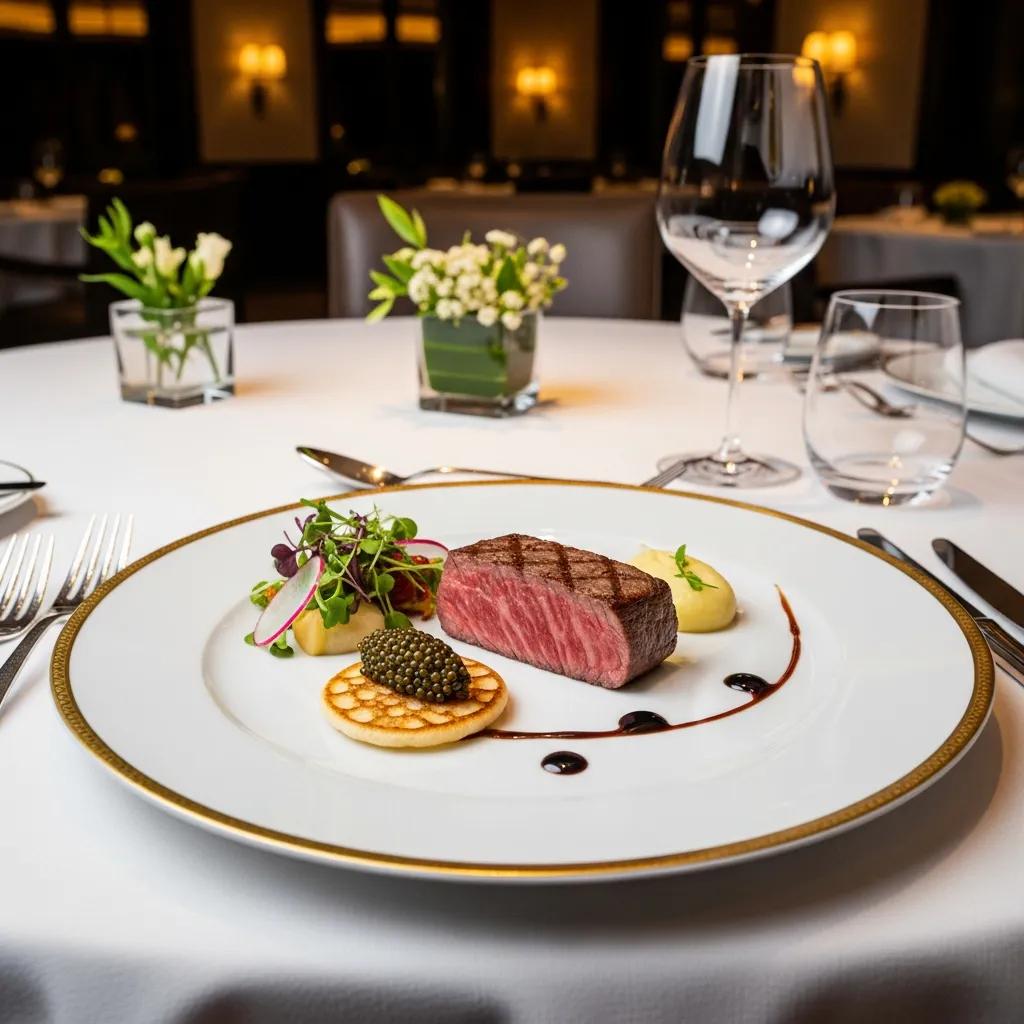
Premium items receive focused handling so presentation and taste remain uncompromised while respecting dietary limits. With A5 Wagyu we offer gluten‑free sauce preparations or omit components that introduce allergens, keeping the beef the tasting’s centerpiece. For caviar we serve it with sanitized utensils and, if requested, separate garnishes to avoid seafood cross‑contact. Thoughtful sourcing and on‑plate adjustments ensure substitutions support the overall sensory story rather than detract from it.
How Kaviar Accommodates Dietary Restrictions in Pasadena’s Luxury Japanese Dining
Accommodation at Kaviar is a coordinated flow that begins at reservation and continues through service. When a guest records dietary restrictions, we confirm details during follow‑up, re‑check at arrival, and include the information on the chef’s prep list. This lets the team secure alternative ingredients, plan pacing, and assign responsibilities so personalization is consistent and trackable. The table below maps reservation steps to staff actions and expected timing so you know how requests move from booking to plate.
Intro to reservation flow table: the following table explains how reservation notes translate into staff actions and when outcomes occur.
Featured reservation steps: use the short list below to know exactly how to specify dietary needs when booking.
- Note all dietary restrictions in the reservation so our team can flag the booking for kitchen review.
- Expect a confirmation follow‑up where staff reconfirms allergies and clarifies any ingredient questions.
- At arrival, the server reviews your restrictions at seating and communicates any updates to the chef.
- Throughout service, staff monitor the tasting and advise you of substitutions or omitted components.
Reservation Process for Specifying Allergy and Dietary Needs
The reservation process pairs clear guest input with layered staff confirmations so requests are documented and actionable. When you add allergy notes, hosts and reservation managers flag them and place details on the daily prep sheet for the chef — creating a visible chain of responsibility. We typically follow up to reconfirm restricted items and confirm ingredient sources if needed, which reduces ambiguity and allows time to procure safe alternatives. Clear documentation at booking helps the kitchen prepare dedicated tools and sauces well before seating.
How We Personalize Dining for Allergy‑Sensitive Guests
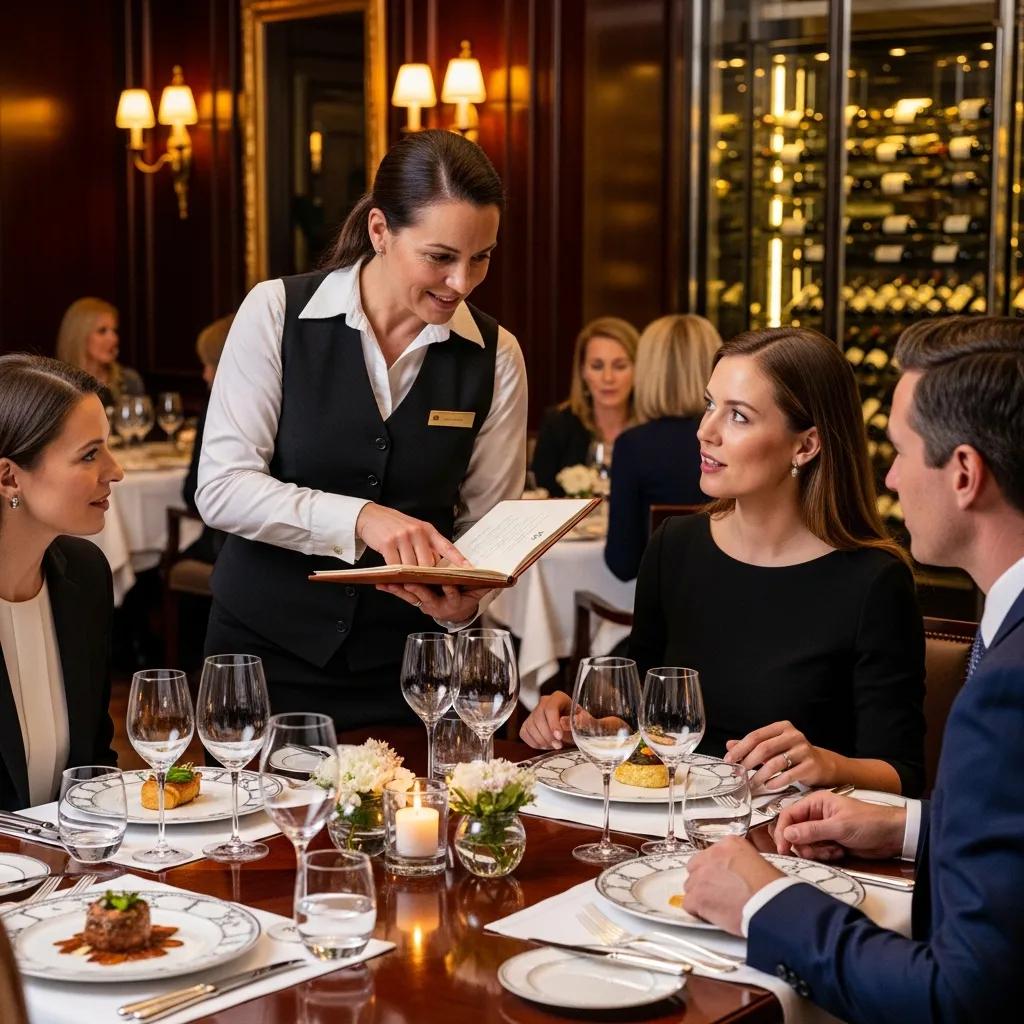
Personalization here adapts the chef’s tasting story through precise substitutions, adjusted pacing, and curated ingredient swaps that preserve intent. Examples include replacing wheat‑based elements with gluten‑free reductions, swapping shellfish with complementary textures, and sequencing allergy‑safe plates earlier to reduce cross‑contact. Ongoing communication between server and chef allows real‑time tailoring — offering a different garnish or premium alternative when it keeps the balance intact. The goal is a bespoke experience that feels intentional, not diminished.
Kaviar’s Allergy Protocols and Safety Measures in Fine Dining
Our allergy protocols combine staff training, cross‑contact controls, clear menu notation, and supplier verification to form a layered safety system. Core practices include designated prep areas for allergy plates, routine run‑throughs before service, and on‑menu notations that invite guests to disclose additional restrictions. Roles are assigned: hosts flag reservations, servers confirm at seating, and chefs manage substitutions and dedicated prep — so accountability is present at every step. Below are the primary protocols that make our approach dependable.
Kaviar’s core protocols include:
- Dedicated Prep & Utensils: Separate workspaces and tools for allergy‑sensitive preparations to minimize cross‑contact.
- Mandatory Staff Confirmation: Servers reconfirm reservation allergy notes at seating and communicate any changes to the kitchen.
- Supplier & Ingredient Verification: Procurement that prioritizes traceability and clear allergen information from our suppliers.
Intro to protocol responsibilities table: the table outlines each protocol, who owns it, and when it typically applies.
How We Communicate Allergy Warnings and Dietary Details on Menus
We combine clear menu labels with staff‑led disclosure: on‑menu notations such as “GF” are paired with a prompt to notify us of any additional restrictions. Online and printed notes call out common allergens, and servers offer verbal confirmation and sourcing details when requested. Internally we keep structured records of MenuItem and DietaryRestriction attributes so descriptions match what’s served. Presenting information both visually and verbally reduces uncertainty and builds guest confidence in our readiness.
Ingredient Sourcing Practices That Support Transparency and Safety
Our sourcing focuses on suppliers who provide clear allergen declarations and traceability so the kitchen can confirm whether an ingredient contains hidden gluten or processed allergens. Purchasing decisions weigh provenance statements and open supplier communication, allowing us to verify composition quickly when guests ask. When needed, we source certified allergen‑free alternatives and keep documentation available upon request. Making sourcing practices accessible supports informed choices about omakase components.
How Kaviar Compares to Other Allergy‑Friendly Japanese Fine Dining
Kaviar stands apart through proactive reservation workflows, chef‑led substitutions, and a commitment to sourcing transparency that often goes beyond standard luxury practice. Rather than treating allergies as an afterthought, we build accommodations into the experience from booking to plating, ensuring consistent protocol and visible responsibility. Our priority is preserving the luxury—flavor, texture, and presentation—while applying rigorous cross‑contact controls so guests never feel their restrictions reduce quality. In short, our approach favors bespoke adjustments and traceable sourcing over one‑size‑fits‑all substitutions.
Key differentiators for allergy‑sensitive diners:
- Proactive Reservation Integration: Allergy notes are flagged and confirmed ahead of service.
- Chef‑Led Substitutions: Adjustments are crafted to preserve the dish’s intent, not simply remove components.
- Traceable Sourcing: Provenance is emphasized to support clear allergen transparency.
What Sets Kaviar Apart from Other Local Options?
We emphasize procedural depth — documented reservation flows and dedicated prep zones — so outcomes are predictable for allergy‑sensitive guests without compromising the tasting. Early confirmation, role‑based responsibilities, and chef‑designed substitutions lead to fewer mid‑service surprises, clearer communication, and consistently high presentation for modified dishes. Those operational details translate into a reliably elevated experience compared with more ad‑hoc approaches.
How Kaviar Responds to Common Allergy Questions and Industry Trends
We address common guest concerns — cross‑contact risk, ingredient provenance, and substitution fidelity — with clear protocols and open dialogue, aligning with industry trends toward transparency and chef‑driven accommodations. We explain prep separation, provide sourcing details on request, and offer curated substitution options that retain culinary intent. By documenting reservation allergy notes and enabling pre‑service verification, we help guests make confident choices in a high‑end Japanese setting.
Quick answers to frequent concerns:
- How is cross‑contact prevented? With dedicated prep zones, separate utensils, and strategic course sequencing.
- Can premium items be substituted? Yes — our chefs design alternatives to preserve texture and flavor.
- Will I be told about hidden allergens? Servers confirm components and sourcing when requested.
Benefits of Dining at Kaviar for Guests with Dietary Restrictions
Dining at Kaviar delivers practical safety measures, chef‑led personalization, and the calm of a luxury atmosphere that together reduce stress for allergy‑sensitive guests. Our approach weaves gluten‑free and other accommodations into the tasting narrative rather than applying last‑minute fixes, so diners enjoy a cohesive progression of courses. Clear staff responsibilities and supplier transparency provide reassurance while maintaining the elegance of A5 Wagyu and caviar presentations. Below are the tangible benefits you can expect when choosing our allergy‑aware omakase.
Benefits include:
- Consistent Safety: Documented reservation notes and protocol‑driven prep limit cross‑contact risk.
- Preserved Culinary Quality: Chef‑designed substitutions retain flavor profiles and presentation.
- Lower Guest Anxiety: Measured pacing and clear confirmations create a calm, confident dining environment.
These advantages make a strong case for reserving an allergy‑accommodating tasting and show how our atmosphere supports safety.
Kaviar integration note: Guests seeking an allergy‑aware omakase in Pasadena should indicate dietary restrictions when booking so the kitchen can prepare dedicated alternatives and preserve premium elements like A5 Wagyu and caviar without compromising safety or taste. Reserving with clear allergy information allows our team to coordinate sourcing and prep ahead of service and keeps the high‑touch experience we aim to deliver.
How Our Luxury Atmosphere Enhances Allergy‑Safe Dining
Kaviar’s refined dining room supports allergy safety through thoughtful pacing, attentive server touchpoints, and deliberate presentation. Slower service rhythm gives servers time to confirm allergy notes and allows chefs to time allergy‑safe plating to avoid simultaneous handling of shared components. Dedicated server check‑ins ensure any mid‑service concerns are handled discreetly and promptly. These sensory and service details translate into confidence for guests who might otherwise feel anxious about dining with restrictions.
What Reviews Highlight Kaviar’s Allergy‑Friendly Service?
We rely on verified reviews to demonstrate how our reservation and allergy processes perform in practice. Aggregated feedback commonly praises three themes: clear pre‑service communication, faithful execution of chef substitutions, and composed service rhythm that reduces guest anxiety. We encourage linking to verified review pages for transparency and to set realistic expectations for how dietary needs are managed.
Final note: Kaviar’s emphasis on traceability, staff accountability, and chef‑led adaptations creates an allergy‑friendly fine‑dining framework that preserves the omakase experience for guests with gluten‑free and other dietary needs.
Frequently Asked Questions
What should I do if I have multiple allergies when making a reservation at Kaviar?
List every allergy and dietary restriction in the reservation notes so our team can flag the booking for kitchen review. During confirmation, we’ll follow up to verify specifics and discuss substitutions or sourcing questions. That advance communication gives the kitchen time to prepare safely for multiple allergies.
Are there options for guests with vegan or vegetarian dietary preferences?
Yes. We offer tailored vegan and vegetarian omakase that highlight seasonal vegetables, tamari‑forward preparations, and creative plant‑based textures. Tell us your preference when booking so the kitchen can design a tasting that feels both luxurious and thoughtfully composed.
How does Kaviar handle last‑minute dietary changes during service?
We reconfirm restrictions on arrival and can usually accommodate reasonable last‑minute changes. Servers communicate updates directly to the chef, who will adapt remaining courses to maintain the tasting’s balance. While we strive for flexibility, advanced notice helps ensure the smoothest experience.
What measures are in place to ensure ingredient transparency at Kaviar?
We prioritize suppliers with clear allergen declarations and traceability. Staff can provide sourcing details on request, and purchasing practices favor provenance statements that let us confirm ingredient composition quickly. Transparency is part of how we build trust with guests.
Can I expect a different dining experience if I have allergies compared to other guests?
Allergy accommodations may result in tailored components, but our goal is to maintain the same high standard of flavor and presentation. Substitutions are designed by the chef to preserve the tasting’s intent so the overall experience remains luxurious and cohesive.
How does Kaviar ensure that staff are knowledgeable about allergens?
We invest in regular staff training and pre‑service run‑throughs to reinforce allergen awareness and protocol. Front‑of‑house and kitchen teams review flagged reservations and confirm responsibilities so staff can answer questions and handle concerns confidently.
Conclusion
Kaviar offers a considered blend of safety and luxury for diners with dietary restrictions: chef‑led adaptations, documented protocols, and transparent sourcing so guests can enjoy omakase without unnecessary worry. By sharing dietary needs at reservation and reconfirming at arrival, you enable our team to prepare dedicated alternatives that preserve the tasting’s flavor and presentation. Reserve your table to experience a thoughtful, allergy‑aware omakase that respects both health and hospitality.