




Sustainable Fine Dining at Kaviar: Our Promise to Eco-Conscious Luxury in Pasadena
At Kaviar, sustainable fine dining means pairing fully traceable, premium ingredients with thoughtful service and menu design that lower environmental impact without compromising taste. We marry eco-conscious principles with refined Japanese technique—prioritizing provenance, seasonality, and waste-aware service—to create a quietly luxurious omakase. This piece shows how sustainability informs our sourcing, menu sequencing, reservation practices, and community partnerships, all working together to shrink our carbon footprint while adding value for guests. Throughout, we connect ingredient origin, supplier relationships, and menu engineering to show how responsible choices sharpen flavor, preserve rarity, and strengthen long-term resilience for fine dining in Pasadena.
How does Kaviar define sustainable fine dining in Pasadena?
For us, sustainable fine dining is culinary excellence built on traceable ingredients, seasonal menus, and operations that cut waste and emissions while keeping service impeccable. We coordinate supplier selection, menu design, and guest flow so that prized items—like A5 Wagyu and responsibly sourced seafood—are used with purpose, protecting both taste and ecosystem health. The experience is both exclusive and accountable: guests enjoy exceptional flavors grounded in measurable stewardship. Below are the guiding principles that turn this definition into every service we run.
Kaviar’s sustainability principles rest on three pillars:
- Traceability & provenance: every premium ingredient can be traced back through a documented supply chain that supports ethical practices.
- Seasonality & menu agility: the tasting menu rotates with available, sustainable harvests to cut waste and transportation impact.
- Waste reduction & operational efficiency: portion control, pre-order workflows, and coordinated supplier deliveries minimize unused food.
These principles shape our menus and guest experience, and they inform the daily operations that blend eco-friendly practices with refined service.
What are the core principles of Kaviar’s sustainability ethos?
Our ethos centers on provenance, seasonality, waste minimization, ethical sourcing, and ongoing staff training—five interlocking pillars that support sustainable fine dining. Provenance means every ingredient—from caviar to market greens—can be traced to its source, promoting responsible fisheries and farms while enhancing flavor authenticity. Seasonality lets our tasting menu follow what’s freshest and lowest-impact, avoiding air-freighted items and supporting local producers. Waste is controlled through exact portioning and pre-ordered omakase elements, reducing food loss. Ethical sourcing favors suppliers with verifiable standards, and staff training ensures the way we plate and serve preserves both quality and sustainability.
These principles create helpful constraints that sharpen culinary decisions and lead naturally into the operational practices that embed sustainability into each service.
How does Kaviar integrate eco-friendly practices into luxury dining?
We weave eco-friendly choices into every layer of the restaurant: procurement, menu engineering, and service choreography. Supplier selection focuses on verifiable sustainability credentials—certifications, traceability records, and local sourcing—so quality never comes at the environment’s expense. The omakase format itself is a tool: chefs craft courses that highlight seasonal ingredients and precise portions, delivering a coherent tasting sequence that reduces waste. On the service side, we invest in energy-efficient kitchen equipment and train our team to minimize plate waste and conserve resources during service. These measures preserve the intimacy and exclusivity our guests expect while meaningfully lowering our carbon footprint.
These practices strengthen supplier relationships and allow the kitchen to translate provenance into memorable, considered dishes—leading into the premium ingredients we source responsibly.
Which premium organic ingredients does Kaviar source sustainably?
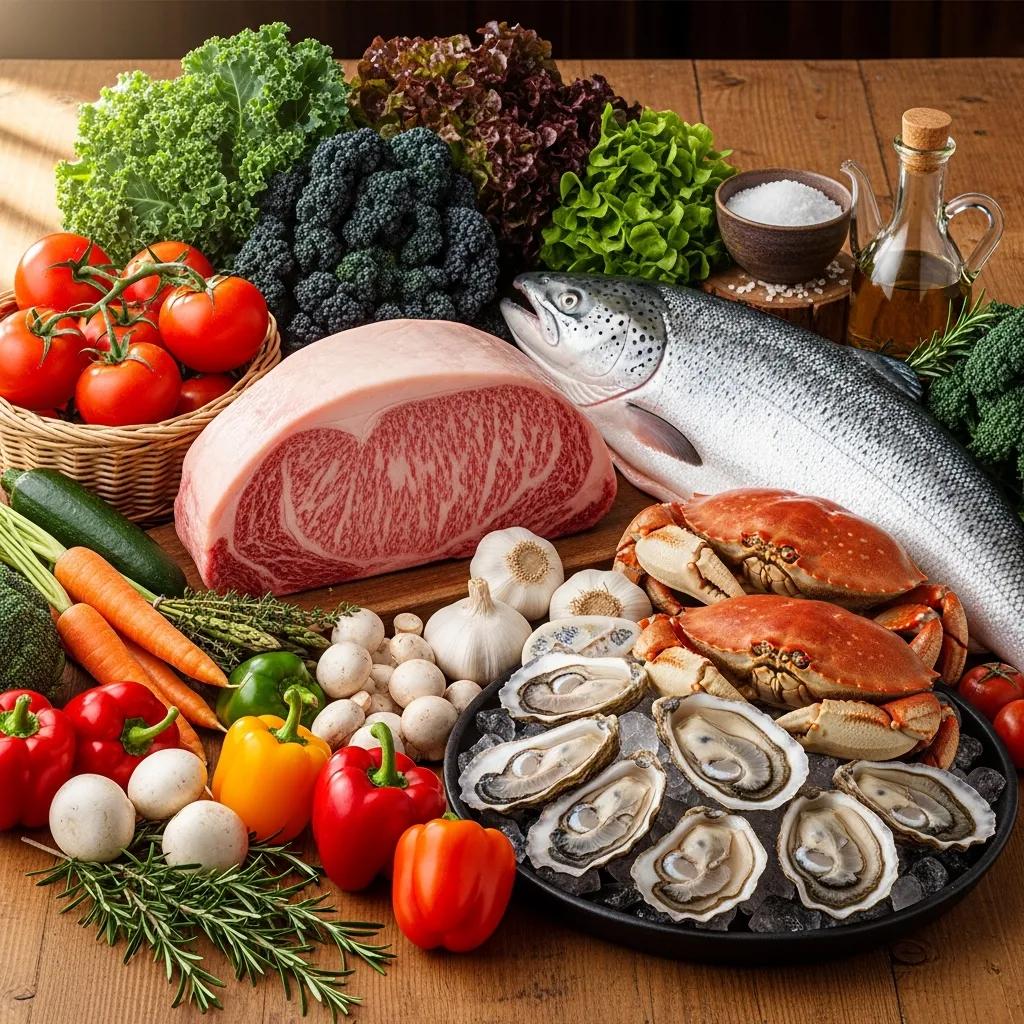
We concentrate on a focused selection of premium organic ingredients chosen for taste and verified sustainability credentials: A5 Wagyu, responsibly harvested caviar, traceable seafood, and organic Japanese produce. This portfolio balances high-impact luxury items with seasonal, lower-carbon produce and regional seafood, supporting our sustainable omakase approach. The table below summarizes key ingredients, typical supplier types, and the sustainability attributes we prioritize when sourcing.
This overview shows how provenance and certification become practical attributes that guide menu planning and tasting sequences. Our emphasis on traceable, organic, and certified inputs preserves flavor while supporting environmental goals.
How is A5 Wagyu beef sourced from certified sustainable farms?
Sourcing A5 Wagyu sustainably means working with farms that offer full traceability, clear animal welfare standards, and regional stewardship—rather than assuming all Wagyu is equal. We select farms that can document breeding, feeding, and waste-management practices that lower environmental strain. Each delivery includes supplier documentation and batch-level records so the kitchen can trace every cut back to its origin. That transparency supports ethical standards and informs tasting notes. The difference is on the plate: responsibly raised Wagyu often shows cleaner fat profiles and a subtler, more precise flavor that reflects careful husbandry.
Knowing Wagyu provenance helps diners appreciate how ethical sourcing elevates taste and reduces the restaurant’s carbon footprint—and it sets the bar for the seafood and caviar choices that follow.
What sustainable seafood and caviar are featured in our omakase menus?
Our omakase highlights sustainably harvested seafood and responsibly managed caviar chosen for seasonality and traceable supply chains. Typical selections include locally caught seasonal fish, quota-conscious shellfish, and caviar from suppliers committed to transparent harvest practices. We rotate these items with the seasons to ease pressure on stocks and lower transport emissions. Supplier traceability is documented with chain-of-custody records and seasonal procurement plans that align menu pacing with availability. The result is an omakase that celebrates the true flavors of sustainably sourced seafood, using caviar sparingly as an ethical accent rather than a constant staple.
This seasonal, traceable approach supports both flavor and ecological responsibility, and it leads into the signature dishes that showcase these ingredients.
What signature dishes showcase Kaviar’s commitment to green Japanese cuisine?
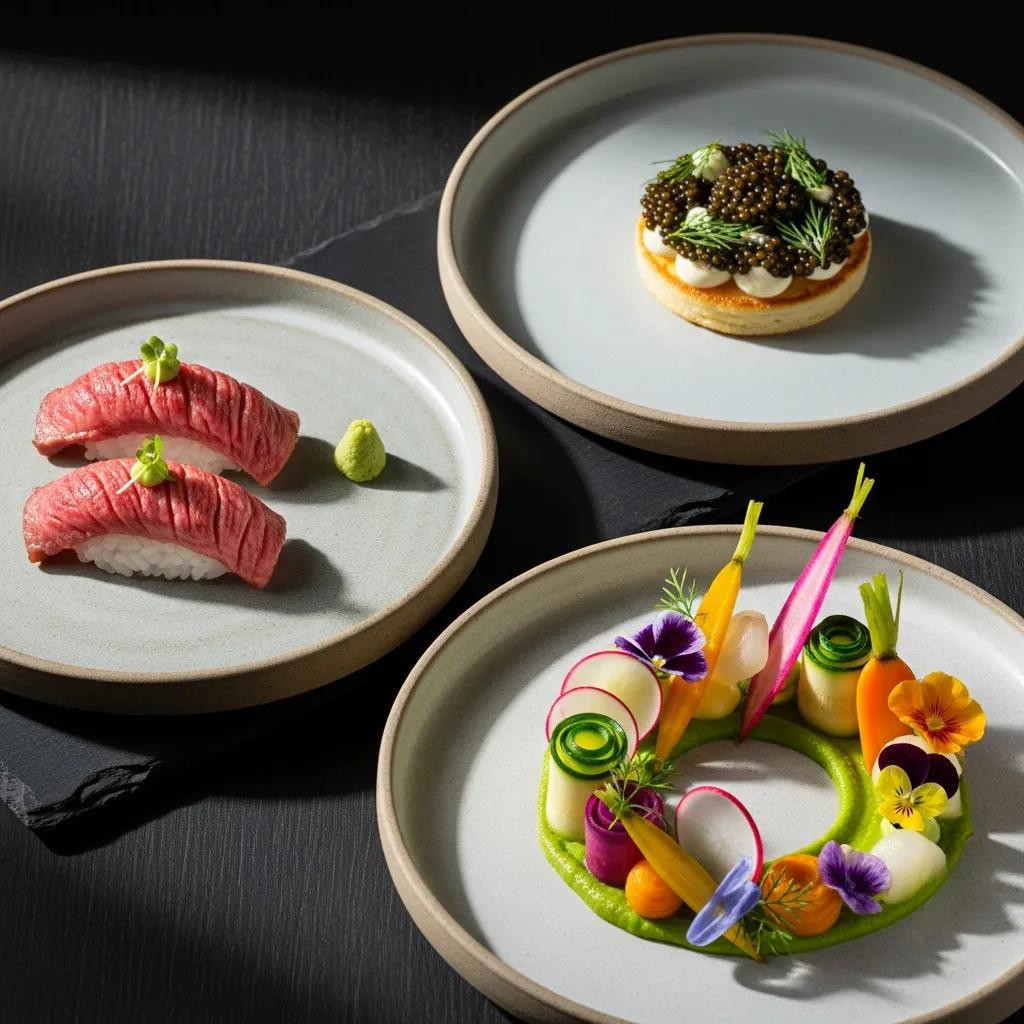
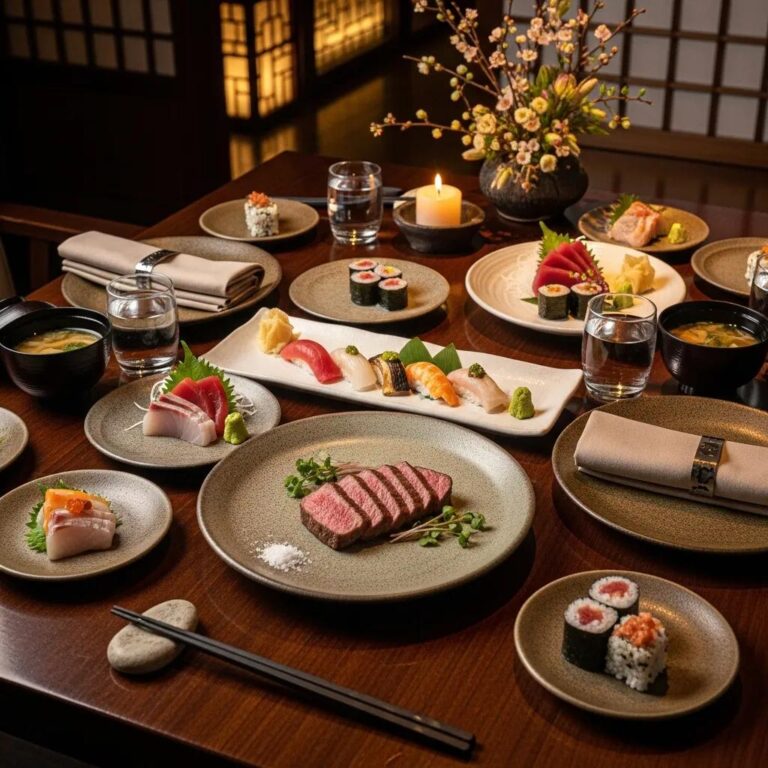
Our signature dishes translate sustainable provenance into tasting sequences that spotlight traceable A5 Wagyu, responsibly sourced caviar, local seafood, and seasonal organic produce—delivered in ways that reduce waste and elevate flavor clarity. Each course is designed to coax maximum taste from every ingredient, turning provenance into palate impact so that luxury and sustainability amplify one another. The dish table below links menu items to their key sustainable components and notes on seasonality or traceability.
These dish examples show how thoughtful menu engineering turns supplier relationships into curated courses that prioritize seasonality, traceability, and low-waste service. Next, we explain how the omakase sequence itself supports sustainability in practice.
How does the omakase experience reflect sustainable ingredient selection?
Omakase is a sustainability tool: when guests place their trust in the chef, we can shape the tasting sequence around what’s freshest and most responsibly available, avoiding overstock and unnecessary imports. Chefs adjust courses in real time to match supplier yields and seasonal catches, and strict portioning reduces leftovers while delivering a complete sensory narrative. Guests enjoy heightened freshness, one-of-a-kind seasonal plates, and the story of traceable ingredients woven into each course.
That flexibility magnifies the benefits of careful sourcing and naturally leads to luxury dishes that balance premium ingredients with conscious choices.
Which luxury dishes highlight eco-conscious Japanese fine dining?
Several of our luxury plates show how careful sourcing and restrained presentation can create true refinement. A Wagyu nigiri, for example, centers on a single, perfect bite of traceable A5 Wagyu—celebrating quality while limiting consumption. A caviar-accented course uses responsibly harvested roe as a precise flavor layer, paired with locally foraged sea vegetables to offset impact. Vegetable-forward courses elevate organic Japanese produce, proving that plant-led dishes can feel every bit as luxurious without heavy resource use. Each course includes tasting notes that tie texture and umami back to provenance, deepening the guest’s appreciation of sustainable choices.
These profiles reinforce one belief: responsibly sourced ingredients enhance luxury, not diminish it. For reservations and curated tasting availability, our menu and booking channels offer full details for those seeking the sustainable omakase experience.
How does Kaviar enhance the reservation experience with sustainability in mind?
Our reservation system is designed to make sourcing predictable and waste minimal. Advance bookings give the kitchen clear guest counts, dietary notes, and special requests—information that enables precise ordering and portioning. Predictability reduces last-minute overstocking, helps suppliers plan, and makes it possible to feature seasonal or limited items in the omakase without waste. Guests receive guidance about seasonal menu highlights and sustainability-focused features when they book, which aligns expectations and supports low-waste service. Below is a concise “how it works” list of the reservation-linked sustainability benefits.
- Advance guest counts enable precise ingredient orders and reduce surplus purchasing.
- Pre-order preferences let the kitchen plan courses around seasonal supplier availability.
- Scheduled seating optimizes kitchen workflow and lowers per-service energy use.
These reservation practices create operational efficiencies that improve both environmental outcomes and the guest experience, and they lead into specific booking benefits and processes at Kaviar.
What makes booking a sustainable fine dining experience unique at Kaviar?
Booking at Kaviar unlocks benefits born from our sustainability-first operations: seasonal tasting menus, access to limited responsibly sourced ingredients, and less food waste through careful planning. Guests who reserve in advance gain priority for seasonal omakase elements and can request provenance information to enrich their tasting. This reservation model ties guest demand to supplier support—chefs can commit to small-batch items only when seats are confirmed. In practice, booking heightens exclusivity while aligning guest expectations with our environmental commitments, creating a more thoughtful, responsible luxury meal.
These advantages are backed by reservation workflows that feed directly into procurement and waste-reduction systems, described next.
How are reservation processes designed to support environmental initiatives?
Our reservation processes reduce waste through accurate forecasting, pre-service menu adjustments, and clear cancellation policies that allow proper supplier coordination. Reservation data helps forecast ingredient needs so the kitchen can allocate portions and schedule deliveries with minimal over-ordering. Clear communication about seasonal offerings limits last-minute substitutions and supports supplier stability. Together, these practices cut unused portions and improve supplier scheduling—directly lowering food waste and our operational carbon footprint.
Operational alignment further strengthens collaboration with local partners, multiplying sustainability benefits across Pasadena.
What environmental practices and certifications support Kaviar’s green restaurant status?
We support our green status with concrete practices—waste diversion, energy efficiency, and responsible sourcing—measured with metrics like diversion rates and procurement traceability. While specific third-party certifications aren’t listed here, we follow measurement and continuous-improvement routines including composting, supplier audits, and energy monitoring to quantify impact. The table below links practices to measurement methods and outcomes to clarify how our claims translate to measurable results for operations and guests.
This mapping shows how operational choices tie to measurable outcomes, enabling ongoing improvement and credibility for our sustainability claims. The next section covers certifications and carbon accounting practices that complement these efforts.
Which sustainability certifications does Kaviar hold?
Specific certifications are not listed in our public information; however, our sourcing aligns with well-established frameworks—sustainable seafood programs and organic produce standards—when appropriate. Certifications offer third-party validation and simplify provenance verification for premium items like A5 Wagyu and caviar. Our current approach emphasizes supplier documentation and traceability—practical steps that function much like certification by ensuring consistent standards across procurement. Pursuing formal certifications remains a logical next step to strengthen transparency and reassure guests.
Understanding certifications helps explain why measurement and supplier audits are central to our environmental strategy and supports the carbon reduction tactics described below.
How does Kaviar measure and reduce its carbon footprint?
We measure and reduce carbon impact by tracking procurement-related emissions, energy used during service, and food waste, then applying targeted strategies: optimizing supplier networks, adjusting menus, and upgrading equipment. Practically, supplier data ties to ingredient carbon intensity; energy monitoring captures kitchen emissions; and waste tracking shows landfill impact. To reduce emissions we prioritize local suppliers to cut transport, design portion-controlled tastings to lower per-guest food demand, and invest in energy-efficient appliances. These tactics produce measurable reductions in procurement volumes, energy per service, and plate waste.
Transparent measurement and steady improvements complete the operational cycle—anchored by close collaboration with local suppliers, which we discuss next.
How does Kaviar collaborate with local partners to promote sustainable fine dining?
Our local collaborations focus on supplier partnerships, co-developed seasonal menus, and community initiatives that increase traceability and reduce transport emissions by sourcing closer to Pasadena. These partnerships are mutually beneficial: suppliers secure stable, high-value demand while we gain consistent seasonal inventory and provenance documentation. Joint menu projects—like spotlighting a farm’s harvest—amplify local economic benefit and educate diners about regenerative practices. The list below highlights tangible outcomes that show how local collaboration scales sustainability across the dining ecosystem.
- Lowered transit emissions through local sourcing and coordinated deliveries.
- Greater seasonal variety by aligning menus with nearby farm and fishery cycles.
- Economic support for regional producers through stable, premium demand.
These outcomes feed back into menu design and reservation planning, strengthening the regional sustainability network and enhancing guest experiences.
Who are Kaviar’s local sustainable ingredient suppliers?
We partner with a mix of local organic farms, regional fisheries, and specialty purveyors who meet selection criteria focused on traceability, sustainable practices, and exceptional quality. Public information emphasizes supplier types rather than specific names. Typical criteria include documented harvesting or farming methods, traceability records, and alignment with regenerative or low-impact practices. Relationships are maintained through regular communication, joint menu planning, and shared commitments to seasonal offerings. These supplier types let us craft tasting menus that celebrate local terroir while ensuring ethical procurement and consistent flavor.
Supplier collaboration supports community resilience and sets the stage for broader regional benefits described below.
What role do partnerships play in advancing eco-friendly dining in Pasadena?
Partnerships amplify sustainability at a regional scale by shortening supply chains, stabilizing demand for regenerative producers, and enabling joint programs—co-sourced menus, workshops, and public events—that raise consumer awareness. Tangible outcomes include lower transport emissions, richer seasonal menu diversity (reducing reliance on imports), and shared knowledge that improves supplier practices over time. As diners choose eco-conscious options, demand signals encourage more suppliers to adopt sustainable methods. By choosing tasting menus and reservation options that highlight local, traceable ingredients, diners help accelerate that shift.
Working with local partners turns menu design into a regional lever for sustainability, creating an ecosystem where luxury dining supports environmental and economic health.
- Sustainable sourcing, traceability, and seasonality are central to our model.
- Operational practices—reservation-based procurement and portion-controlled omakase—cut waste.
- Local partnerships and measurable practices translate ethical sourcing into real reductions in emissions and waste.
These points summarize how Kaviar’s integrated approach—ingredient provenance, menu engineering, reservation design, and supplier collaboration—creates a repeatable model of sustainable fine dining that preserves luxury while advancing environmental goals.
Frequently Asked Questions
What types of sustainable practices does Kaviar implement in its kitchen operations?
We pair energy-efficient kitchen equipment with waste diversion strategies—composting and recycling—and strict portion control to minimize food waste. Our team trains regularly to optimize resource use during service so every ingredient is put to its best use. We also track energy consumption and waste outputs to guide continuous improvements, keeping culinary standards and environmental responsibility aligned.
How does Kaviar ensure the traceability of its ingredients?
Traceability comes from detailed supplier documentation that shows origin and harvesting or farming methods for each item—animal welfare records for meat, sustainable harvest practices for seafood, and organic certifications for produce. We work closely with suppliers and conduct regular audits so we can confidently share provenance with guests and uphold our sourcing standards.
What role does seasonality play in Kaviar’s menu design?
Seasonality is central to our menus: we adapt offerings to what’s freshest and most sustainable at any given time. This reduces the carbon footprint of transport and elevates flavor. By rotating dishes with the harvest, we spotlight local produce and seafood and deliver a dynamic dining experience that reflects the changing seasons.
How does Kaviar’s reservation system contribute to sustainability?
Our reservation system provides the kitchen with advance notice of guest counts and dietary needs, allowing precise ordering and reducing surplus. It also supports seasonal menu inclusions by letting chefs plan around confirmed demand. By smoothing kitchen workflows and avoiding last-minute substitutions, reservations improve both guest experience and environmental performance.
What educational initiatives does Kaviar engage in to promote sustainability?
We host events that highlight local producers, offer workshops on sustainable dining, and collaborate with community organizations to raise awareness about responsible sourcing. By sharing practices and stories, we aim to inspire diners and local partners to make more informed, sustainable choices.
How does Kaviar measure its environmental impact?
We measure impact with metrics like waste diversion rates, energy usage tracking, and supplier audits for traceability. Regular reviews of these measures help us set goals and refine operations so our sustainability commitments translate into tangible results for the environment and the dining experience.
Conclusion
Kaviar’s approach blends refined hospitality with clear environmental purpose: every dish is built from traceable, premium ingredients, and our focus on seasonality and waste reduction deepens both flavor and stewardship. We invite you to taste the difference—reserve your table to experience Kaviar’s sustainable omakase and the thoughtful craft behind every course.