




A Taste of History: Exploring Chinese Imperial Cuisine and Luxury Dining Experiences
Chinese imperial cuisine describes the dishes, prized ingredients, and ceremonial service crafted for emperors and court elites across dynasties. Built on provenance, scarcity and ritualized presentation, palace food used controlled supply chains, ordered banquet sequences and symbolic plating to signal rank and meaning. In this piece you’ll learn what defined palace dining, which recipes carried royal cachet, how time-tested techniques preserved those flavors, and why modern fine-dining kitchens are reinterpreting these traditions. We connect historical practice to today’s luxury restaurants—covering ingredient sourcing, tasting-menu choreography, signature recipes, venue guidance for exclusive events, and the market forces behind the heritage-food revival. Expect clear lists, comparative tables and practical tips for experiencing imperial-inspired dining in a contemporary city setting.
What defines Traditional Chinese Royal Cuisine and its historical significance?
Traditional Chinese royal cuisine is shaped by three lasting traits: rare, carefully sourced ingredients; ceremonial banquet sequencing; and exacting presentation. Court kitchens centralized provisioning and culinary knowledge so rarity and provenance became markers of authority and taste. Practically, palace kitchens set standards—techniques and flavor ideals—that later filtered into regional specialties and informed haute cuisine. Seeing these features makes it easier to trace how palace practices shaped taste hierarchies and why “Forbidden City” traditions remain a touchstone for luxury dining.
Beyond flavor, imperial cuisine served political and ritual purposes: food marked seasons, honored victories and expressed cosmological order. Court systems created specialist roles—head chefs, ritual officers and provisioning managers—who safeguarded recipes and methods through dynastic change. Those systems preserved both technique and symbolism, offering modern chefs material and narrative resources to reinterpret imperial tastes. The next section looks at how banquet structure and ceremonial sequencing shaped the sensory and social life of palace dining.
- Emphasis on provenance and exclusivity through rare ingredients and managed supply.
- Banquet sequencing and ceremony reinforced hierarchy and transmitted ritual meaning at table.
- Presentation and service rituals turned dishes into symbolic, performative acts.
Those characteristics explain why imperial recipes remain templates for contemporary luxury menus that seek authenticity and sensory distinction. The next subsection explains how banquet structure shaped palace food culture.
How did ancient Chinese banquet dishes shape imperial food culture?
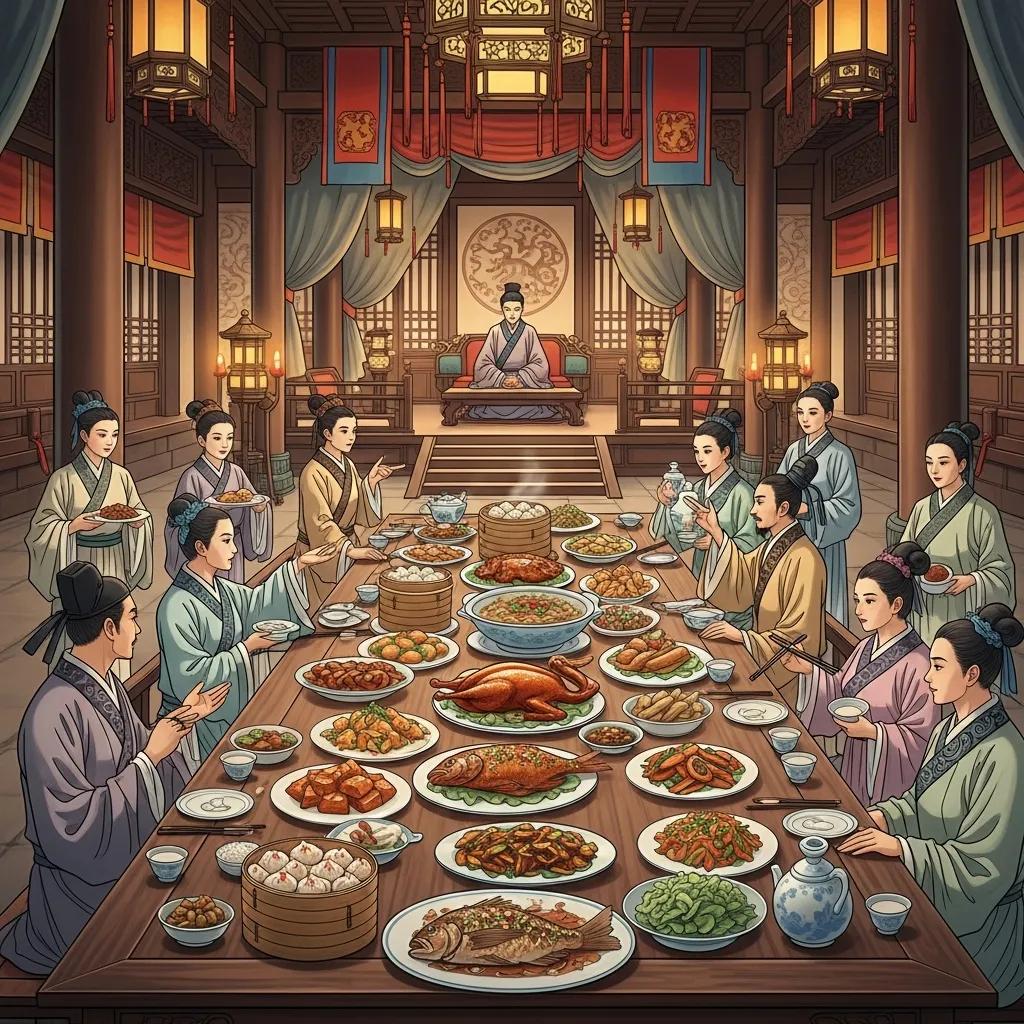
Ancient banquets shaped taste through ordered courses, symbolic pairings and controlled pacing that together defined palace dining expectations. Sequencing functioned as narrative: soups and cold starters reset the palate, roasted and braised mains showcased technique, and sweet or fragrant finales closed the arc. Lacquered serviceware, carved garnishes and choreographed service heightened prestige and created an immersive sensory hierarchy. These rituals also established culinary roles—master chefs and ceremonial servers—whose practices were preserved and passed down, ensuring a stable transmission of palace techniques. Modern tasting menus often mirror this pacing to build drama and meaning; the next subsection highlights emblematic dishes that carried imperial cachet.
Which signature dishes represent Chinese palace food history?
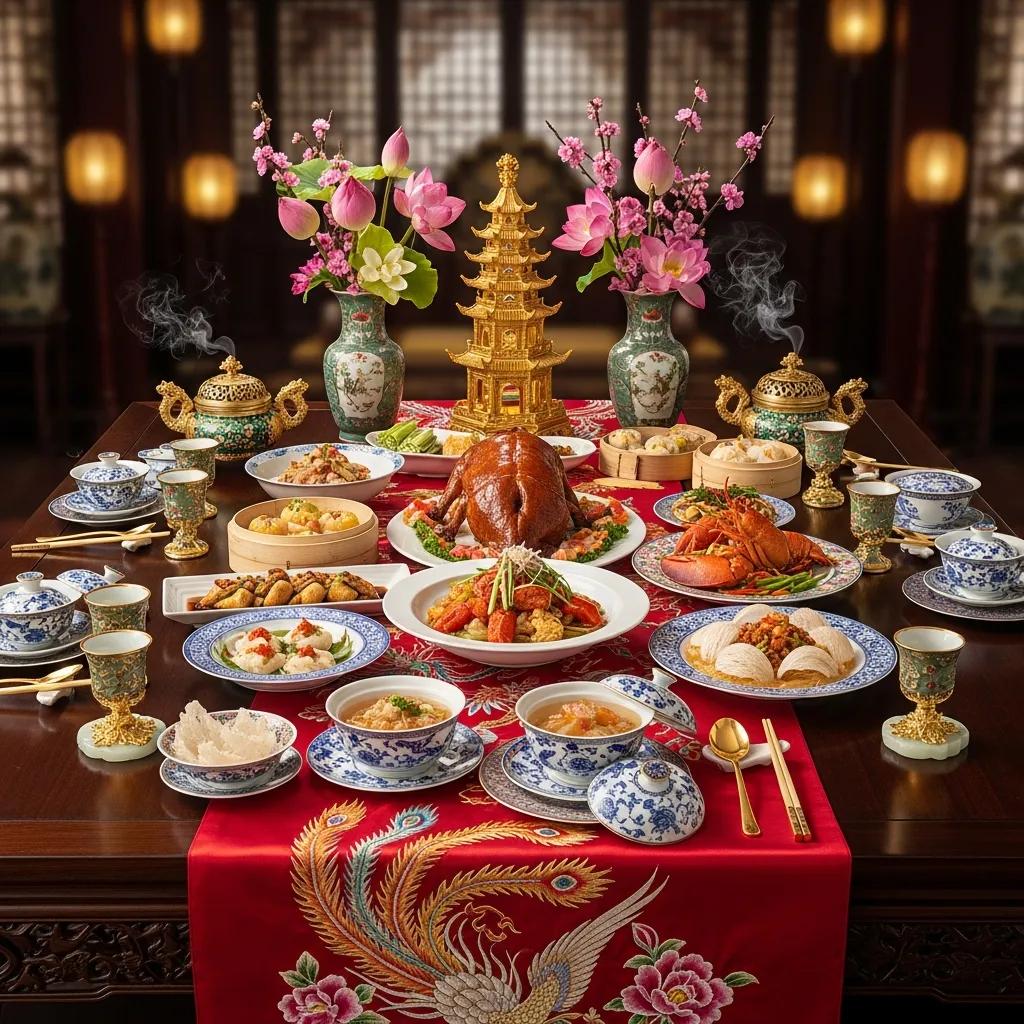
Palace dishes condensed imperial privilege into distinct textures, flavors and theatrical presentation. Below are emblematic recipes and why they mattered at court.
- Bird’s Nest Soup — prized for its delicate texture and perceived restorative quality; often reserved for the imperial table.
- Peking Duck — a ceremonially carved roast known for its crisp skin and lacquered finish.
- Eight-Treasure Rice (Ba Bao Fan) — a celebratory sweet combining preserved fruits and nuts for rituals and festivals.
- Steamed Sea Cucumber — valued for its texture and rarity; a marker of maritime provisioning.
- Imperial Soup with Abalone and Shark Fin (historically) — a show of maritime reach and costly procurement.
These dishes mix texture-driven and provenance-driven prestige and were commonly tied to dynastic banquets or seasonal rites. Examining key recipes reveals the ingredient networks and techniques behind the courtly palate; the next H2 explores recipes and ingredient specifics in greater depth.
Which Imperial Chinese recipes showcase authentic royal flavors?
Imperial recipes achieve a recognizable royal profile through concentrated broths, delicate gels and layered aromatics that foreground provenance and preservation. The method behind these flavors often combines long, low-heat extraction, precise glazing or roasting, and ritual garnishing to control mouthfeel and visual impact. The result is a cuisine that prizes refined textures and multi-sensory presentation—qualities modern chefs reproduce to evoke imperial taste without direct imitation. Below we list core recipe archetypes and then compare historic ingredients with modern premium parallels used in luxury kitchens.
Common archetypes include gelling soups, lacquered roasts, ceremonial sweets and delicacy-led seafood preparations—each depending on specialized technique and select ingredients. These forms appear in contemporary tasting menus where provenance and concentrated technique are priorities. The list that follows highlights representative imperial recipes with short descriptors for quick reference.
- Bird’s Nest Soup — gelatinous mouthfeel, prized for rarity and restorative reputation.
- Peking Duck (roasted) — ceremony in carving, with emphasis on crisp skin and lacquered glaze.
- Double-Boiled Herbal Soups — slow extractions that concentrate subtle medicinal aromatics.
- Braised Abalone or Sea Cucumber — slow braising to render dense marine proteins tender and unctuous.
- Banquet Rice and Sweet Confections — celebratory desserts combining preserved fruits and symbolic ingredients.
These examples spotlight the interplay of technique, rarity and ritual central to imperial cuisine. Below is a comparative table mapping archetype, historic ingredient and modern premium parallel to show how past and present align.
This comparison shows how historical ingredients are translated into modern equivalents that preserve texture, rarity and presentation as the core vectors of imperial flavor. Below we bridge those recipes to contemporary ingredient practices and how upscale kitchens interpret them.
While honoring core techniques, modern chefs often substitute or augment rare historic components with contemporary premium ingredients to recreate imperial textures and flavors—using high-grade marine proteins or luxury garnishes that echo the ceremonial role of older materials. This adaptive approach lets chefs respect provenance and mouthfeel while meeting sustainability and sourcing standards. The next subsection details the key ingredients that defined palace dishes and their modern analogues.
What are the key ingredients in classic imperial dishes like Bird’s Nest Soup?
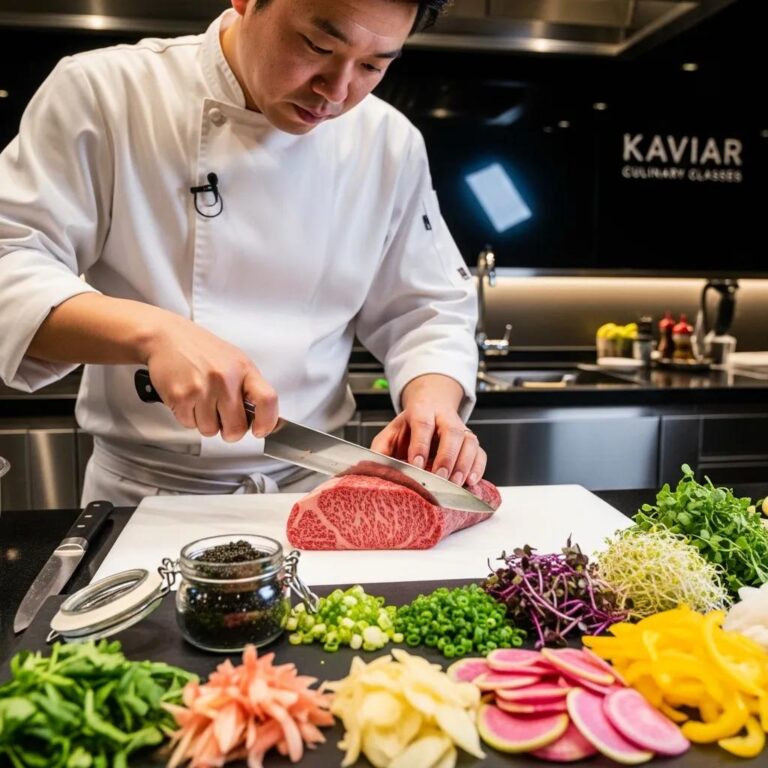
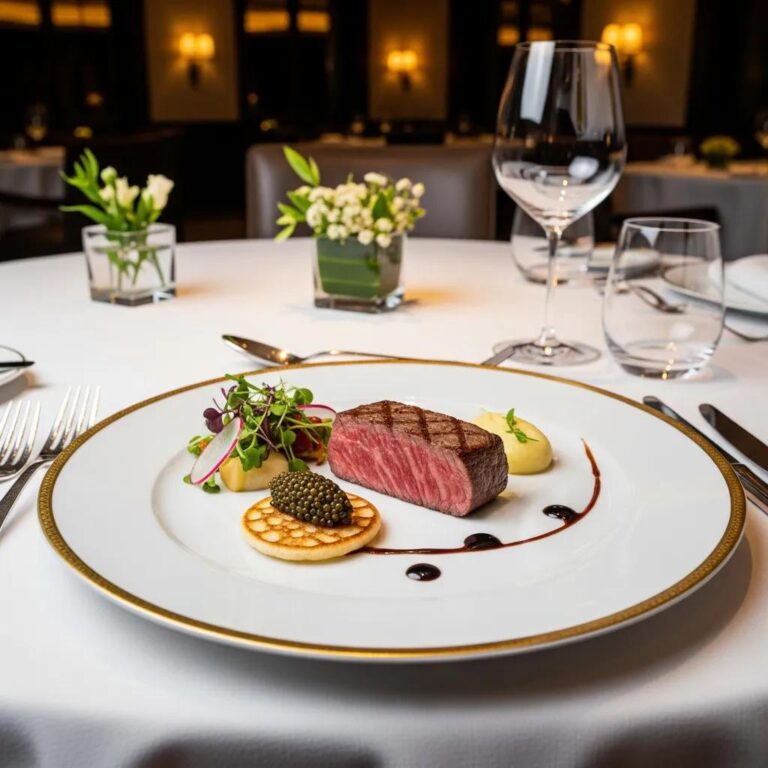
Classic imperial ingredients combined scarcity, texture and symbolic meaning—qualities that suited elite consumption and ritual use. Bird’s nest, abalone, sea cucumber, certain medicinal herbs and specialty game were prized for both rarity and textural novelty, producing soups and braises that emphasized mouthfeel and restorative narratives. Many ingredients functioned as tonic or status markers, shaping menus around seasonality and ceremony. Contemporary premium parallels—caviar for visual sparkle or A5 Wagyu for lush marbling—replicate prestige while fitting modern supply chains and palates. These parallels let luxury restaurants evoke imperial provenance without relying on identical historic ingredients, preserving the thematic link between past and present fine dining.
How do ancient Chinese cooking techniques preserve traditional tastes?
Palace kitchens employed slow extraction techniques—double-boiling, low-temperature braising, controlled roasting and meticulous glazing—to preserve and intensify flavor while keeping delicate textures. These methods reduce bitterness, concentrate umami and produce the tender textures prized in courtly cuisine; for example, double-boiling teases out subtle herbal notes without breaking down delicate proteins. Today’s chefs replicate those outcomes with sous-vide, low-and-slow braising and clarified stocks, matching historical aims while gaining consistency and safety. The practical result is a reproducible toolkit that honors imperial profiles while meeting modern standards—which helps explain why tasting menus are often framed as both homage and technical achievement.
How does Kaviar Restaurant embody the Luxury Chinese Dining Experience in Pasadena?
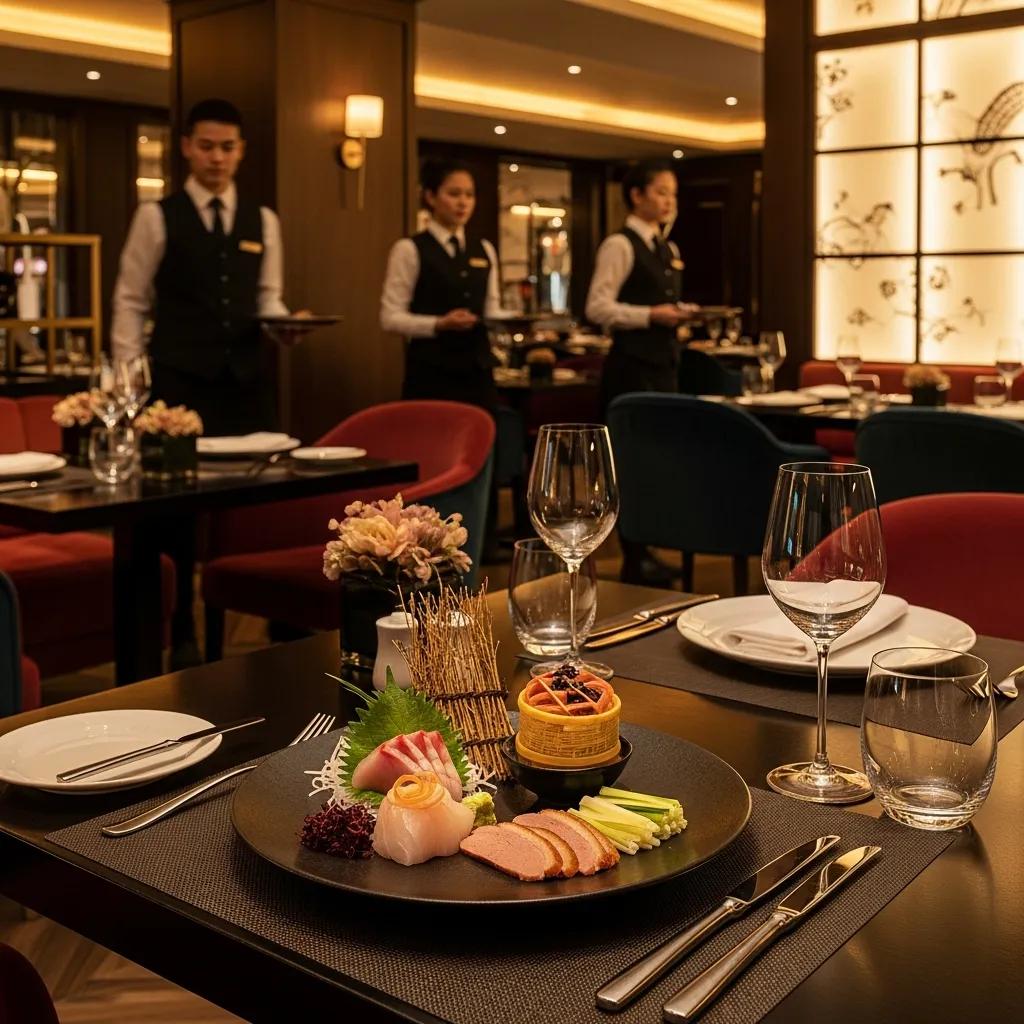
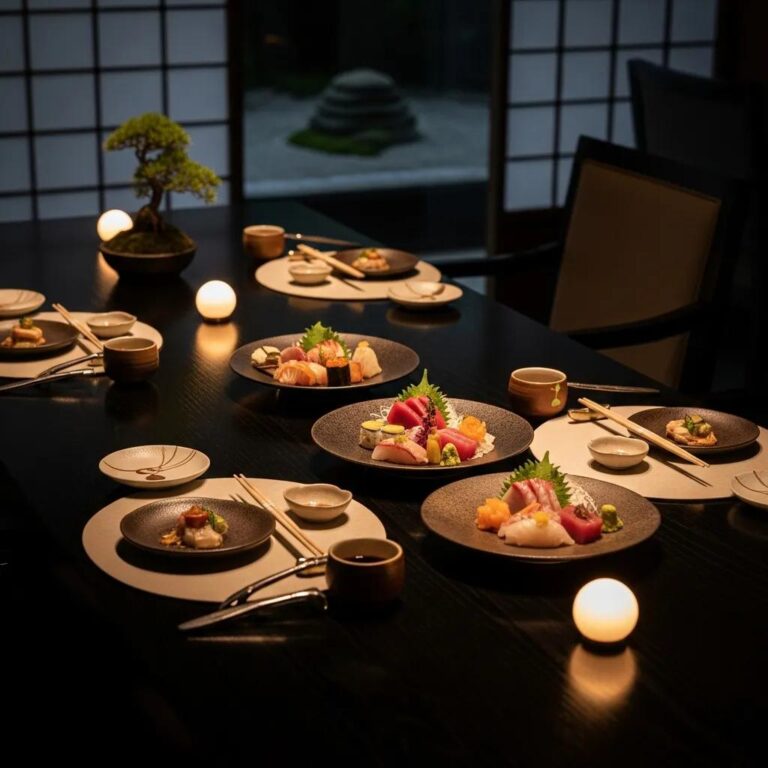
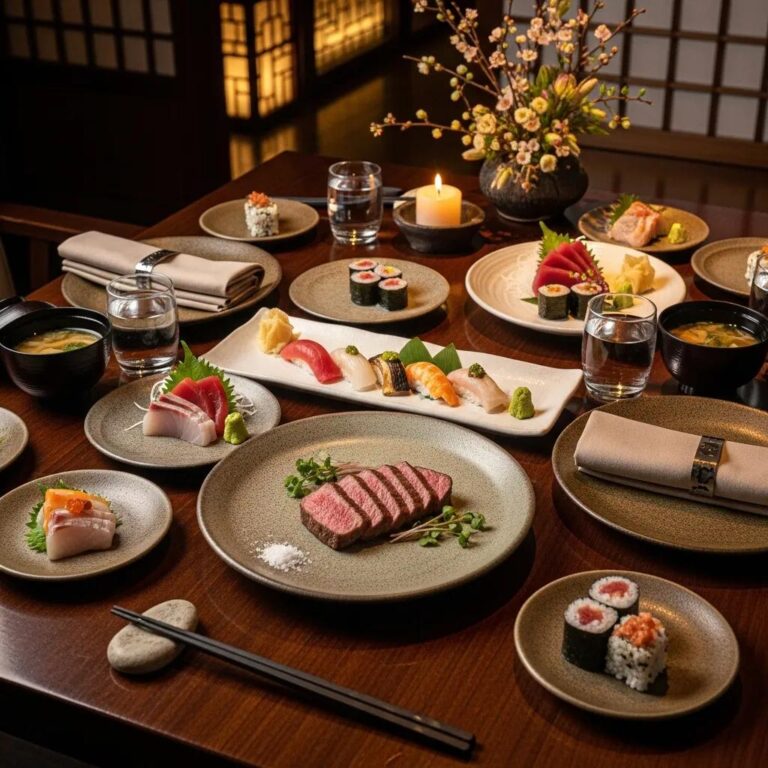
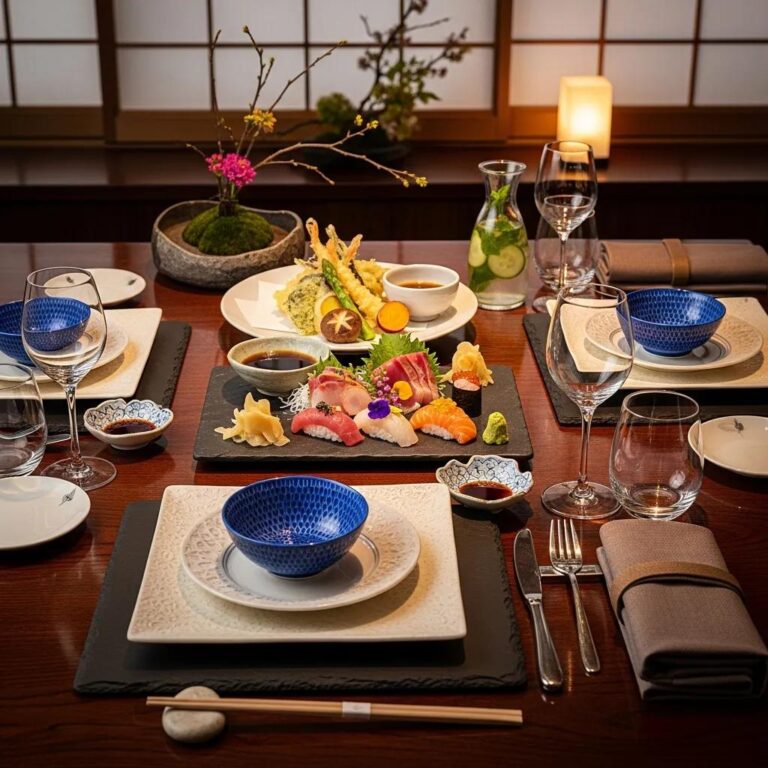
Kaviar is a contemporary luxury dining room that shares several core values with imperial cuisine: provenance-driven sourcing, exacting technique and ceremonious service. Though Kaviar’s roots are in upscale Japanese fine dining, its use of premium ingredients—A5 Wagyu, caviar and rare seafood—along with precise plating and pace-driven tasting formats mirrors the principles of exclusivity and ritual that defined palace tables. Conceptually, Kaviar translates those values into a modern, cross-cultural experience: careful sourcing and choreographed service turn each course into a small ceremony. The result is a cohesive luxury meal that channels banquet theatre through a contemporary lens.
The table shows how premium Japanese ingredients and an omakase structure can echo imperial values of rarity and ceremony while honoring a different culinary lineage. Kaviar’s method demonstrates that luxury dining translates across traditions when provenance, technique and ritual are respected.
What premium ingredients link Kaviar’s menu to Chinese imperial cuisine?
Kaviar’s selection of high-grade ingredients—A5 Wagyu, caviar and rare seafood—parallels imperial cuisine’s use of provenance and textural novelty as status markers. A5 Wagyu delivers the lush richness once associated with royal roasts; caviar provides a delicate, briny counterpoint akin to historical garnishes like bird’s nest; and rare seafood evokes the maritime prestige tied to abalone and sea cucumber. Omakase sequencing preserves banquet pacing and surprise. Together these strategies preserve core imperial attributes—scarcity, contrast and ceremonial presentation—so diners can experience a form of luxury dining informed by historic prestige.
How does Kaviar’s fine dining ambiance reflect royal banquet traditions?
Kaviar’s atmosphere—measured lighting, intentional pacing and attentive service choreography—recalls courtly rituals where timing and staging were integral to status. The measured delivery of courses recreates the dramaturgy of imperial feasts, where reveal and procession communicated expectation. Tableware and disciplined plating function like ceremonial vessels, emphasizing visual symbolism and the tactile pleasure of engagement. Service often includes guided presentations and curated sequences that mirror the role of ritual servers, bringing coherence to the gustatory and performative dimensions of the meal. The combined effect is a modern analogue to royal dining.
Where can guests experience exclusive Chinese imperial cuisine and events?
Imperial-inspired experiences appear as curated tasting menus, private banquet nights and cultural collaborations that foreground narrative, provenance and ceremony. Venues range from specialty Chinese fine-dining rooms to cross-cultural luxury restaurants that weave imperial motifs into modern tasting sequences. When choosing an event, consider menu focus, seating for immersive pacing and whether the evening includes storytelling or historical framing. Those elements determine whether a dinner aims for faithful reconstruction, creative reinterpretation or a hybrid model that channels imperial values for today’s guests.
This comparison helps diners pick the format that matches their desired intimacy and historical framing. For those looking to book an imperial-inspired dinner at a venue like Kaviar, reservation guidance follows.
How to reserve a luxury dining experience featuring imperial dishes at Kaviar?
Reserve a luxury dining experience in three focused steps. First, choose the format—chef’s table, private banquet or tasting menu—and note your preferred dates and guest count. Second, submit your request through the restaurant’s reservation channel and list dietary restrictions, event needs or any requests for storytelling or pairings. Third, confirm lead times and modification policies early to secure bespoke menus or private spaces. For customized or historically framed events, request an initial consultation so the kitchen can source ingredients and set pacing to match your expectations.
When booking, mention any interest in imperial-inspired elements—provenance notes, premium garnishes or extended sequencing—so the kitchen can plan and procure necessary ingredients. Advance notice increases the chance of sourcing special components and arranging the desired service choreography.
What exclusive events celebrate Chinese palace food heritage?
Events that celebrate palace food heritage usually take the form of narrative tasting menus, curated banquets with period-inspired dishes, and lectures paired with multi-course samplings. These evenings often feature careful ingredient sourcing, period-appropriate plating and storytelling that explains each course’s historical context. Common formats include closed-seat themed dinners, chef-curated tasting series and collaborations with culinary historians or cultural practitioners who provide context between courses. Booking notes: confirm guest capacity, lead time for sourcing and any pairing or storytelling add-ons to ensure the evening aligns with historical intent.
Such events layer food, narration and staging to evoke imperial practices without rigid reconstruction, offering both educational and sensory value. If you seek a private banquet or chef’s table that channels palace dining values, ask for bespoke arrangements and allow ample lead time for menu design and sourcing.
Why is the heritage of Chinese Imperial Cuisine gaining popularity in modern gastronomy?
Imperial cuisine is resurging because diners now value narrative-driven, provenance-focused and experiential meals, and chefs look to historical frameworks to distinguish tasting menus. Market forces—demand for authenticity, heritage-restoration projects and luxury diners’ appetite for provenance stories—are driving interest. Culinary historians and restoration efforts supply research and recovered recipes that chefs can adapt. As a result, high-end restaurants incorporate imperial elements not as novelty but as a way to create meaningful, high-value dining narratives that resonate with informed guests.
The revival also aligns with wider culinary trends: restoring traditional technique, prioritizing sustainable sourcing and practicing cross-cultural reinterpretation. As chefs mine archives and heirloom ingredients, they translate imperial methods into contemporary fine dining—pairing historical voice with modern execution. The next subsection outlines recent trends that illustrate this movement.
What recent trends highlight the revival of ancient Chinese culinary arts?
Several trends illustrate the revival and its entrance into modern gastronomy. First, heritage tasting menus that frame courses with historical narratives are becoming common in luxury dining. Second, ingredient-revival efforts prioritize heirloom cultivars, sustainable marine sourcing and artisanal preservation to recreate authentic profiles. Third, collaborations between chefs and culinary historians produce menus grounded in research rather than conjecture. Together these trends show a market appetite for authenticity and technical mastery, helping venues craft distinct experiences that connect diners to history through taste.
These developments signal a maturing field where scholarship and hospitality reinforce each other, recovering and reinterpreting imperial practices for contemporary audiences. The following subsection explains how scholarship and reporting amplify the movement.
How do culinary historians and luxury dining reports influence this resurgence?
Culinary historians provide research, provenance narratives and reconstructed techniques that chefs need to revive imperial recipes credibly, while luxury dining coverage amplifies demand and shapes expectations for authenticity. Archival work translates into actionable recipes and context; media attention turns staged experiences into sought-after cultural events. Together they form a feedback loop: scholarship informs menus, venues stage experiences, and reporting elevates them into cultural moments. This dynamic encourages chefs to invest in sourcing and research rather than rely on superficial pastiche.
As a result, the heritage revival becomes both scholarly and commercial, aligning academic rigor with hospitality craft to deliver dining experiences that satisfy today’s interest in story-rich, provenance-led cuisine.
Frequently Asked Questions
What are the main differences between imperial cuisine and regional Chinese cuisines?
Imperial cuisine centers on rare ingredients, elaborate presentation and ceremonial service—features less common in regional cooking. Regional cuisines focus on local ingredients and everyday techniques, while palace food emphasized exclusivity and the artistry of food as status. Centralized court kitchens developed unique techniques and dishes reserved for elites, creating a culinary hierarchy that later influenced regional practices.
How can I identify a restaurant that offers authentic imperial dining experiences?
Look for restaurants that foreground ingredient provenance, historical techniques and ceremonial presentation. Authentic experiences often come as tasting menus with clear historical framing, rare or specialty ingredients and collaborations with culinary historians or cultural experts. Reviews and editorial coverage can also indicate a venue’s commitment to preserving culinary heritage.
What role do storytelling and cultural context play in luxury dining experiences?
Storytelling and context are central to luxury dining: they give dishes meaning, deepen appreciation and create emotional resonance. Restaurants that explain a dish’s origin, ingredient significance or cultural practice build a more immersive meal—one that lingers beyond taste and connects diners to a larger story.
Are there any modern chefs known for reviving imperial Chinese cuisine?
Yes. Several contemporary chefs work to revive imperial cuisine by integrating traditional ingredients and techniques into modern menus. These chefs often collaborate with historians to ensure authenticity, producing dishes that honor the past while appealing to present-day palates and presentation standards.
What are some common misconceptions about Chinese imperial cuisine?
A common misconception is that imperial cuisine is purely extravagant or inaccessible. While it involves intricate techniques and rare ingredients, many dishes can be adapted for modern kitchens. Another misunderstanding is that it’s only about opulence—imperial food also values balance, harmony and ritual. Appreciating these nuances reveals the depth of the tradition beyond mere display.
How does the resurgence of imperial cuisine reflect broader culinary trends?
The revival reflects broader trends toward authenticity, sustainability and experiential dining. Diners want meaningful connections to food, so chefs turn to historical practices and heirloom ingredients to create dishes that tell stories. This heritage-first approach preserves techniques while adapting them for contemporary tastes, bridging past and present culinary practices.
Conclusion
Chinese imperial cuisine offers a window into a world of rare ingredients, exacting technique and ceremonial dining that continues to shape modern luxury experiences. Understanding its history and contemporary reinterpretations helps diners appreciate the craft behind each course. If you’re curious to taste this lineage, consider booking a table at a venue that honors those traditions—where history and gastronomy meet for an elevated meal.